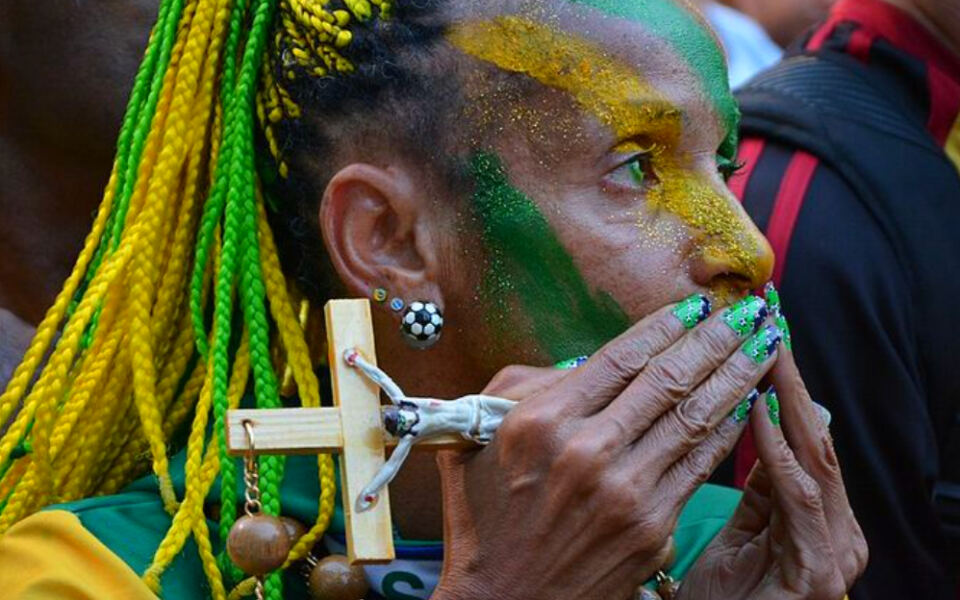
The FIFA World Cup is more than just a soccer tournament. It is a global celebration filled with rituals, emotions, and moments that fans carry with them for a lifetime.
Some of these traditions might look odd to a first-time viewer, but each one has a powerful story behind it. Once you learn why players kiss the grass or why fans travel without tickets, everything starts to make perfect sense.
1. Players Cutting Pieces from the Goal Net After Winning the Final

Right after the final whistle blows, some players rush straight to the goal and start cutting the net into small pieces. To anyone watching for the first time, it looks like a strange act of destruction.
But this tradition actually dates back decades in soccer culture.
Keeping a piece of the net is a way for players to hold onto a physical memory of the greatest moment in their careers. The net witnessed every save, every near-miss, and finally, the winning goal.
Cutting a piece of it is almost like taking home a piece of history.
Brazilian and South American clubs helped popularize this habit, and it spread through World Cup competitions over time. Players tuck these small strips of netting into their pockets or bags as personal keepsakes.
It is a quiet, personal ritual wrapped inside one of the loudest celebrations in sports.
2. Champions Lifting the Trophy While Showered in Confetti
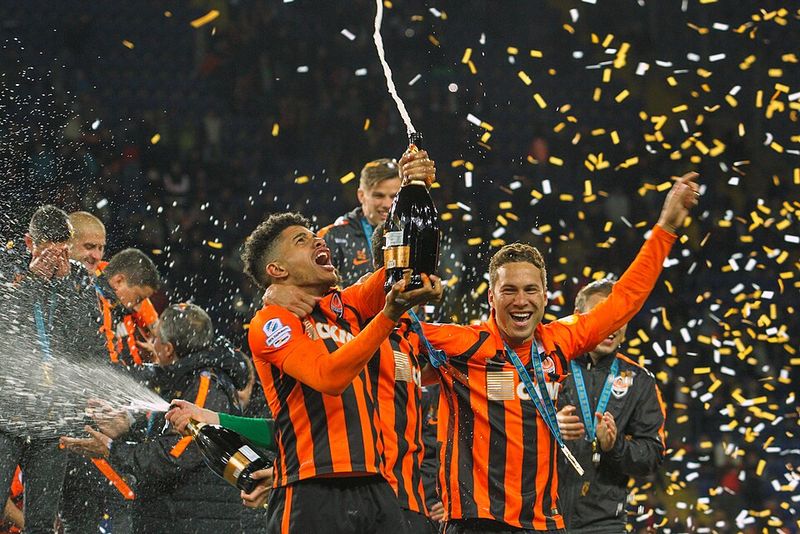
Colorful paper raining down from the sky as a captain raises a golden trophy might look like a planned television moment, and honestly, it is. But the feeling behind it is completely real.
The confetti shower has become one of the most iconic images in all of sports.
FIFA began organizing elaborate trophy ceremonies to make the moment feel as grand as the achievement itself. The confetti signals to the entire stadium and everyone watching at home that something historic has just happened.
It turns a personal victory into a shared worldwide celebration.
Players often say that the moment the confetti falls, everything becomes surreal. Some cry, some laugh, and some just stare at the sky.
The visual of gold confetti mixing with a gleaming trophy has appeared on magazine covers and highlight reels for generations. It is theatrical, yes, but the joy underneath it is absolutely genuine.
3. Teams Exchanging Shirts Immediately After Matches
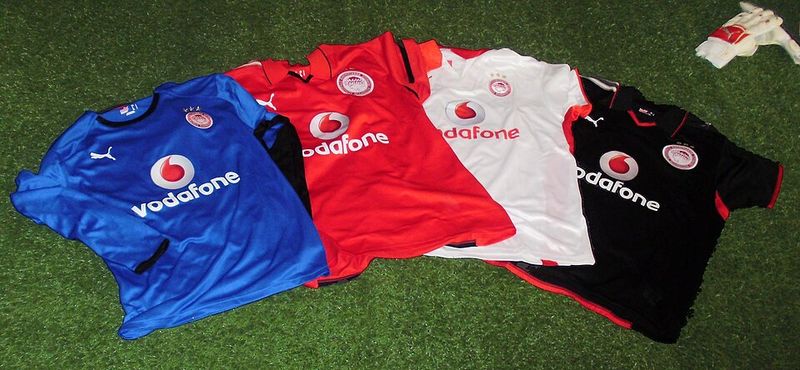
Watching two players from rival teams swap sweaty shirts right after a tough match can seem like a weird custom. But jersey exchange is one of soccer’s oldest and most respected gestures.
It started in 1931 when France and England swapped shirts after an international match.
The tradition spread quickly because it perfectly captures what soccer is really about. No matter how fiercely two teams compete, there is mutual respect between athletes who understand the same sacrifice and dedication.
Giving your jersey is like saying, “I see how hard you worked today.”
At the World Cup level, jerseys become even more valuable because they represent a specific tournament, a specific opponent, and a specific memory. Players often frame them or display them in their homes.
Some fans even trade replica jerseys in the stands, carrying the tradition from the field into the crowd. It is respect made visible.
4. Fans Wearing Elaborate Costumes Based on National Symbols
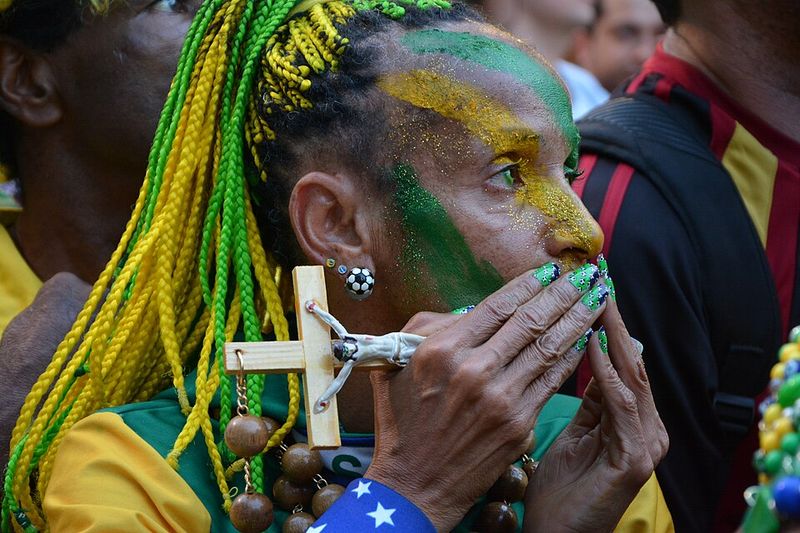
Walking into a World Cup stadium sometimes feels like entering a costume parade. Fans show up dressed as their country’s national animal, historical figures, or giant versions of their flag.
Brazil fans wear canary-yellow feathered outfits. Mexican fans arrive in full mariachi gear.
English fans sometimes dress as knights.
These costumes are not random choices. Each outfit is a carefully thought-out expression of national pride and identity.
Fans spend months planning and building their looks, treating it almost like a second job. Getting noticed on television wearing something extraordinary has become a point of personal pride.
FIFA actually encourages creative fan costumes because they add color and energy to broadcast coverage. Some fans become so well-known for their outfits that they develop their own fan followings.
What looks like a funny dress-up game is actually a deeply personal statement about who you are and where you come from. Pride looks different for everyone.
5. Supporters Painting Their Entire Faces in National Colors
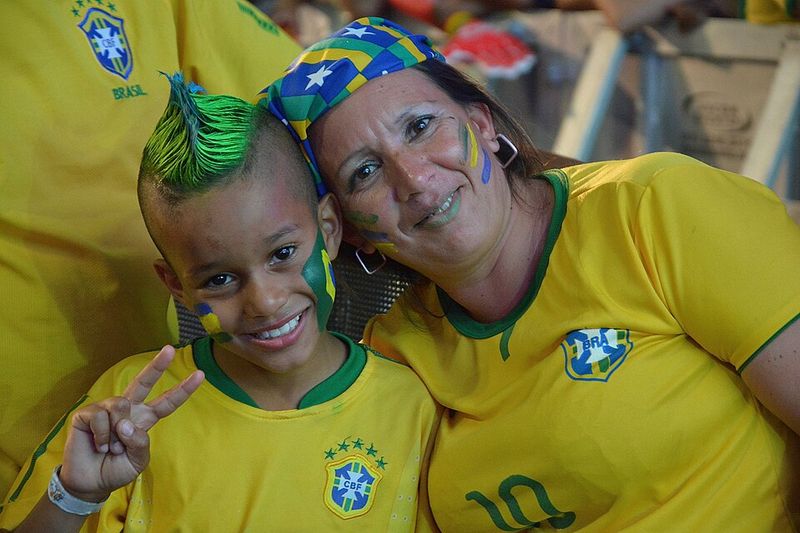
Face paint at a soccer game is not just decoration. For millions of fans, painting your face in your country’s colors is a full commitment to the team.
It says, without words, that you are completely invested in what happens on that field.
The practice has roots in ancient tribal traditions where warriors would paint their faces before battle. At the World Cup, the “battle” is played out on a grass field, but the emotional stakes feel just as high for dedicated supporters.
Wearing your colors on your skin is a way of becoming part of the team, even from the stands.
Face painting also creates a visual wall of color in the crowd that looks incredible on television broadcasts. Cameramen specifically seek out the most dramatically painted fans during matches.
What started as individual expression has turned into a coordinated visual statement that makes entire sections of a stadium look like a living flag. It is art and loyalty combined.
6. Fans Traveling Thousands of Miles Without Having Match Tickets
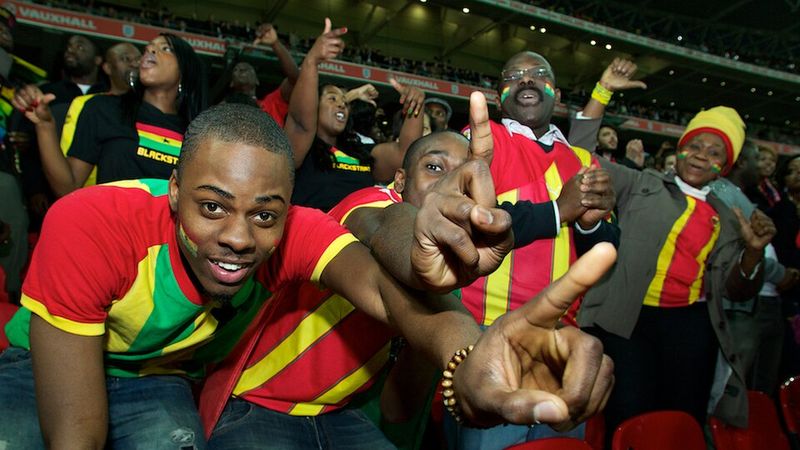
Traveling halfway around the world to a country you have never visited, for a tournament where you do not even have a ticket, sounds completely irrational. Yet thousands of fans do exactly this at every World Cup.
They book flights, find accommodation, and show up hoping something works out.
Many of these fans end up watching games in fan zones, local bars, or giant outdoor screens set up in city centers. The experience of being in the host country during the tournament is considered almost as powerful as being inside the stadium.
The atmosphere, the people, and the shared energy are enough.
Some fans manage to buy last-minute tickets outside stadiums from resellers or lucky strangers. Others never make it inside but still call the trip the best experience of their lives.
Going to the World Cup is about more than a game. It is about being present for something bigger than yourself, even from a distance.
7. Players Touching or Kissing the Pitch Before Kickoff

Just before a World Cup match begins, some players can be spotted kneeling down and pressing their hands or lips against the grass. To a casual observer, it looks like an unusual pregame quirk.
But for the players doing it, the gesture carries deep spiritual and personal meaning.
Many athletes use this moment to offer a prayer of gratitude or to mentally prepare for the challenge ahead. The pitch represents their life’s work.
Years of training, sacrifice, and dedication all lead to this patch of grass. Touching it is a way of grounding themselves in the moment.
Players like Cristiano Ronaldo and Lionel Messi have been photographed doing versions of this ritual throughout their careers. Some players were taught the gesture by coaches or older teammates.
Others developed it on their own during emotional moments. Whatever the origin, it turns a simple field of grass into something almost sacred.
Respect for the game starts before the whistle blows.
8. Supporters Carrying Enormous National Flags into Stadiums
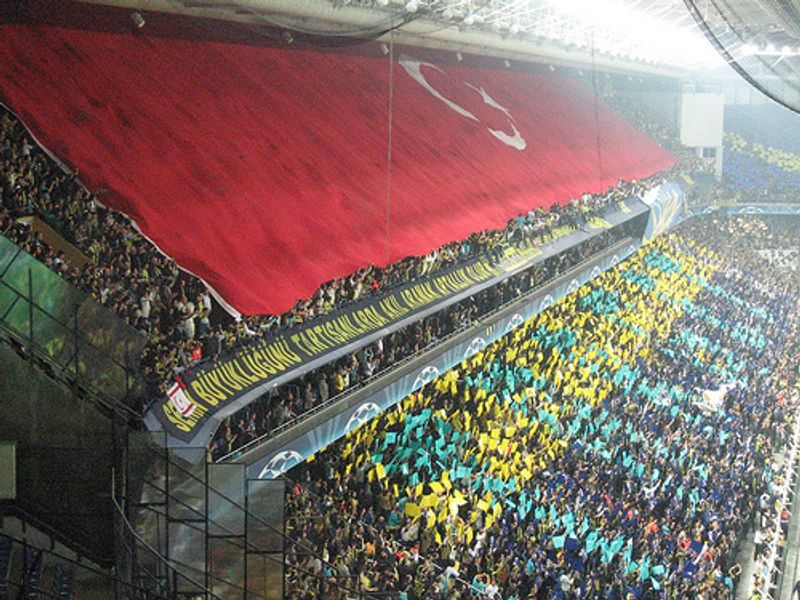
Some World Cup flags are so large that they cover entire sections of a stadium. Dozens of fans work together to keep them moving, passing them overhead like a giant wave of color.
From above, these flags look like pieces of artwork stretched across thousands of people.
Bringing massive flags to matches is a tradition rooted in showing collective identity. The bigger the flag, the louder the statement.
Fan groups often pool money together to commission custom flags that can measure over 100 feet across. Planning, transporting, and coordinating these flags takes serious organization.
Stadium rules require fans to get permits for oversized flags, and some are turned away at gates. That does not stop dedicated supporters from trying.
When a giant flag successfully unfurls inside a packed stadium, the crowd erupts. It is one of those moments that feels impossible to plan but absolutely unforgettable when it happens.
Unity has never looked so colorful.
9. Fans Adopting Unofficial Tournament Songs and Chants
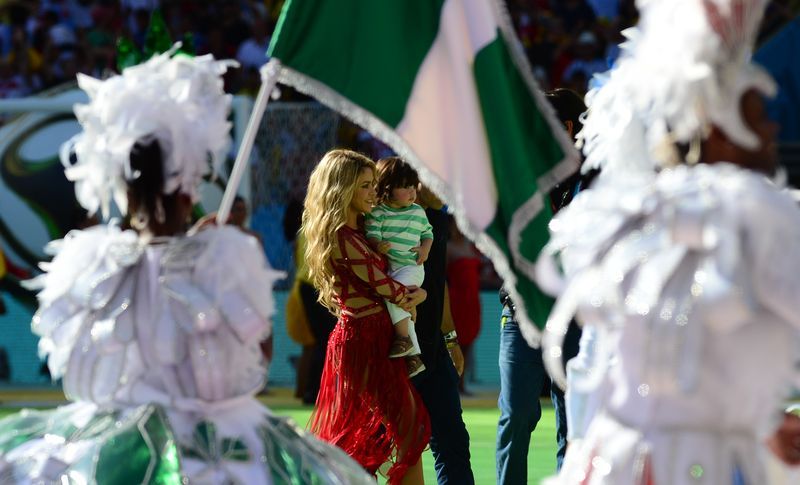
Every World Cup seems to produce at least one song that becomes the unofficial soundtrack of the tournament. Nobody officially assigns these songs.
Fans just organically adopt them, sing them in stadiums, and spread them through social media until they are everywhere. Shakira’s “Waka Waka” from the 2010 South Africa World Cup is a perfect example.
Chants work slightly differently. Fan groups develop specific chants for their national teams, often borrowing melodies from pop songs or folk music and rewriting the lyrics.
These chants get passed down between tournaments, sometimes surviving for decades. Hearing an old chant brings back memories of past tournaments instantly.
The power of a unified chant inside a 70,000-seat stadium is hard to describe. The sound becomes physical, almost like a wave of energy washing over the players on the field.
Coaches and players have said that crowd chants genuinely affect the momentum of a match. Music and sport have always belonged together.
10. Winners Taking Turns Posing Individually with the World Cup Trophy
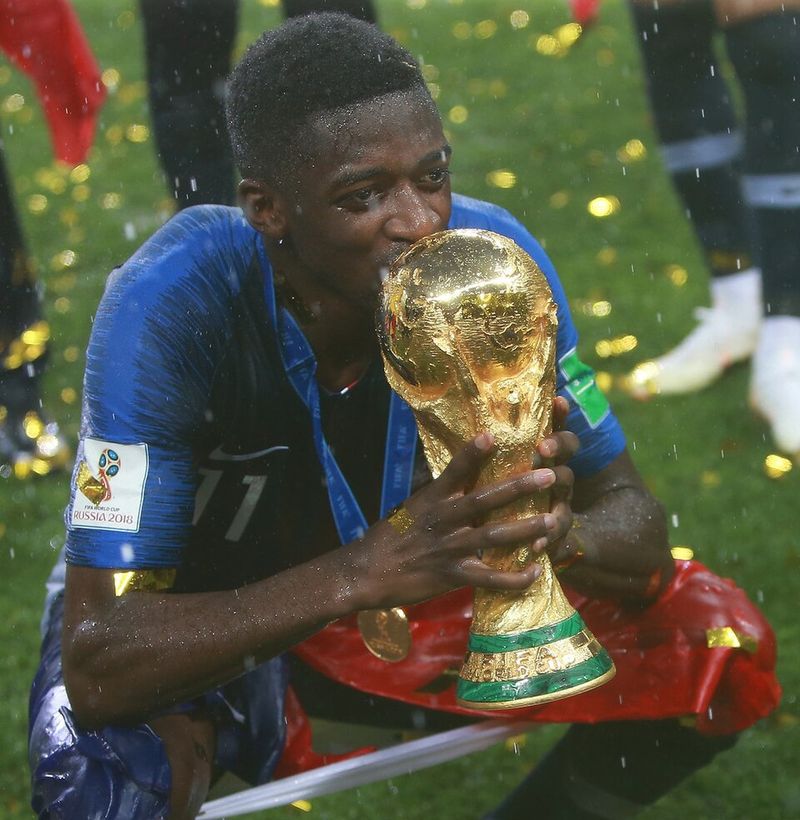
After a team wins the World Cup, there is always a long lineup of individual photo moments with the trophy. One by one, players hold it up, kiss it, or cradle it like something precious.
From the outside, it can look like a slow and awkward process. From the inside, it is deeply personal.
The World Cup trophy is one of the most recognizable objects in sports history. Every player has dreamed of holding it since childhood.
Getting your own private moment with that trophy, even for just a few seconds, is the fulfillment of a lifelong goal. No one wants to rush that feeling.
Team photographers and official FIFA cameras capture each individual pose to create a permanent record of the moment. These photos become career-defining images that players keep forever.
Some frame them. Some use them as phone wallpapers for years.
Sharing a team victory is beautiful, but holding that gold trophy alone, just for a moment, belongs only to you.
Share this story