Some buildings look like a movie set after the crew went home. This list gathers hotels, resorts, and airports around the world that closed, faded, or changed in surprising ways.
A few are still empty and off limits. Others have been rebuilt, turned into parks, or are waiting for new owners.
Each stop comes with a bit of history, a clear status, and a reason it grabs attention. Some places you can view from a safe distance, while a couple have found brand new lives.
Grab a snack, settle in, and take a look at how time can reshape places built for travelers. Since plans and access rules change, check the latest local information before planning any trip near these sites.
Hotel Monte Palace, São Miguel, Portugal
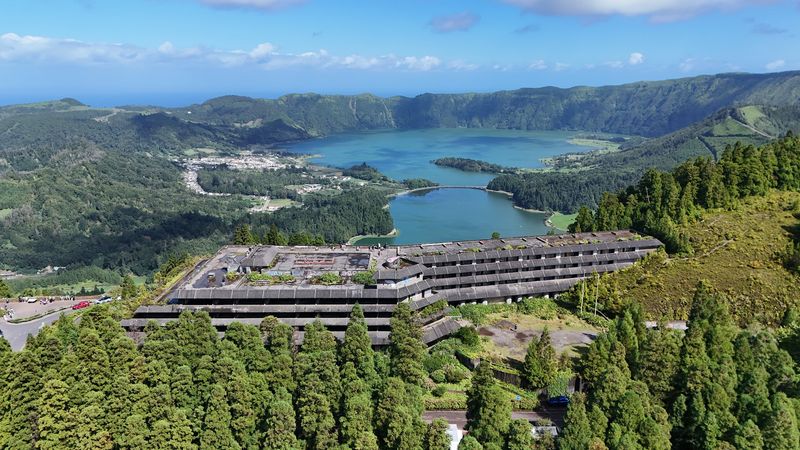
Few ruins have a better view than this one. Hotel Monte Palace sits above the Sete Cidades lakes in the Azores, and it opened in 1989 with luxury plans.
The hotel closed after a very short run. Since then, its empty rooms and worn interiors have turned it into a favorite subject for photographers who love lonely buildings in big landscapes.
Redevelopment ideas have been proposed over the years, yet the building has stayed closed and derelict. The property is private and unsafe to enter, so going inside is not a good idea.
There is a simple way to see it. The nearby Vista do Rei viewpoint gives a clear look at the building and the lakes together, all from a safe spot.
I would pack a camera and a jacket for this one, since mountain weather on São Miguel can change quickly. Early visits often give the clearest views of the lakes before clouds roll in.
Hotel Belvedere, Dubrovnik, Croatia
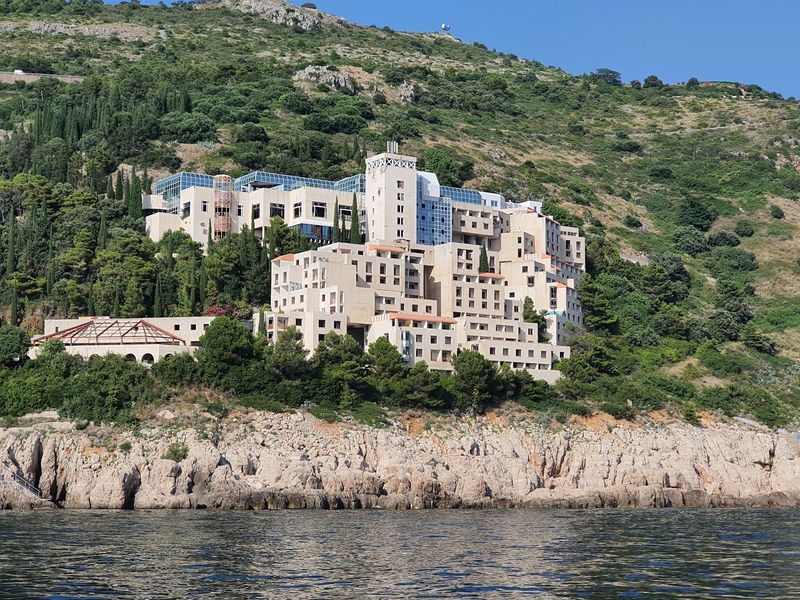
Here is a fun fact for fans of fantasy TV: this ruined hotel was used as a filming location for Game of Thrones. It sits above the Adriatic Sea, close to Dubrovnik’s historic center.
Hotel Belvedere once offered luxury rooms with a front row view of the coast. The Croatian War of Independence in the early 1990s left it badly damaged, and it never reopened.
Its concrete terraces and broken rooms still face the water, which makes for dramatic photos. The contrast between the blue sea and the worn building is the main draw.
Redevelopment has been proposed over time, but the original hotel is not operating today. Treat it as a landmark to see from outside rather than a place to wander through.
If you are already visiting Dubrovnik, this makes an interesting side story about how the city’s travel history changed.
Nicosia International Airport, Cyprus
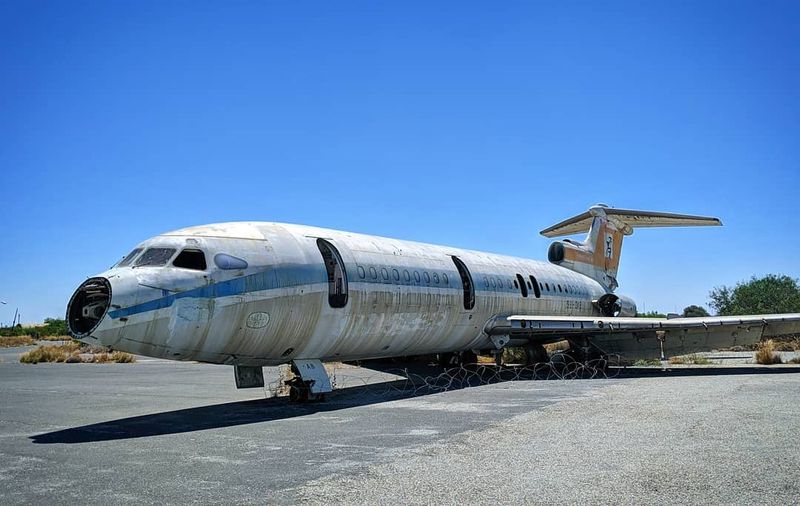
Imagine an airport where the clocks effectively stopped in 1974. Nicosia International Airport was once the main aviation hub for Cyprus, and regular flights ended during the conflict that year.
The site now sits inside the United Nations-controlled buffer zone. That is the main reason it has stayed frozen for so long.
Photos show an aging terminal, empty seating areas, and weathered aircraft left behind. Together they give the place a strong sense of interrupted history.
Here is the practical part. Unlike many abandoned landmarks, this airport is in a restricted area, so tourists cannot freely explore it.
That makes it a place to learn about rather than visit on a whim. Reading about the buffer zone first helps explain why the airport looks the way it does, and why access remains tightly controlled.
Lee Plaza Hotel, Detroit, Michigan, USA
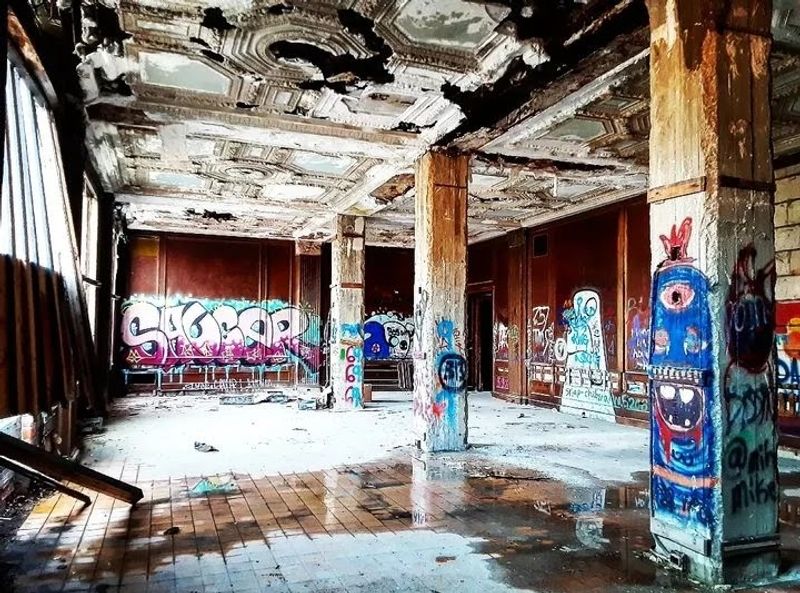
Detroit has a way of making old skyscrapers look like royalty. Lee Plaza is a strong example, an Art Deco landmark that once stood as a symbol of the city’s prosperity.
The building served as a residential hotel and later as senior housing. It closed in 1997 and spent decades deteriorating.
Its grand architectural details and damaged interiors made it a favorite subject for urban photographers. Many images show how fancy it once was, even in rough shape.
The story has taken a hopeful turn. As of September 2026, restoration was underway to turn the historic building into affordable housing.
That makes Lee Plaza a good example of a ruin finding a second purpose. For a visit, view the exterior from the street, since active construction areas are not open to the public.
Coco Palms Resort, Kauai, Hawaii, USA
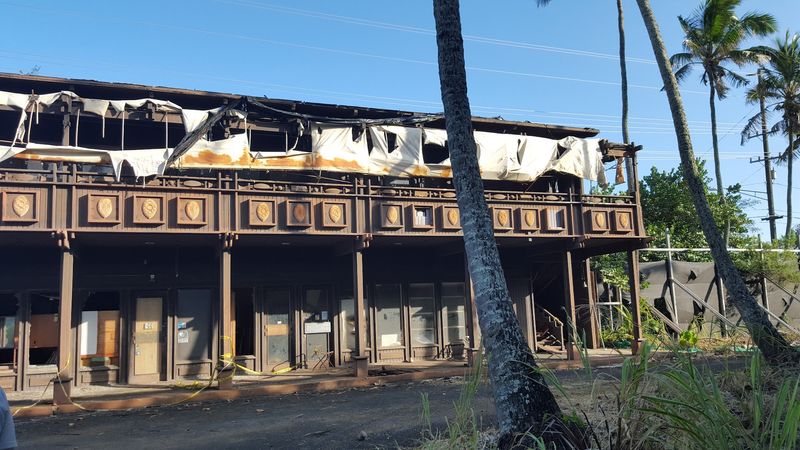
Elvis fans may recognize this one. Coco Palms became famous after appearing in the 1961 film Blue Hawaii, which put the resort on the map around the world.
It was one of Hawaii’s best known luxury resorts. Hurricane Iniki badly damaged the property in 1992, and the glamorous chapter ended abruptly.
For decades, the empty buildings among the palm trees stood as a symbol of abandoned island tourism. Many travelers drove past just to see them.
Much of the original resort has since been demolished. Construction work was underway in 2026, and the developer was targeting a reopening in 2028.
For now, it is best to treat Coco Palms as a story in progress. Check for updates on the new timeline before planning a stop on Kauai.
Castello di Sammezzano, Reggello, Italy
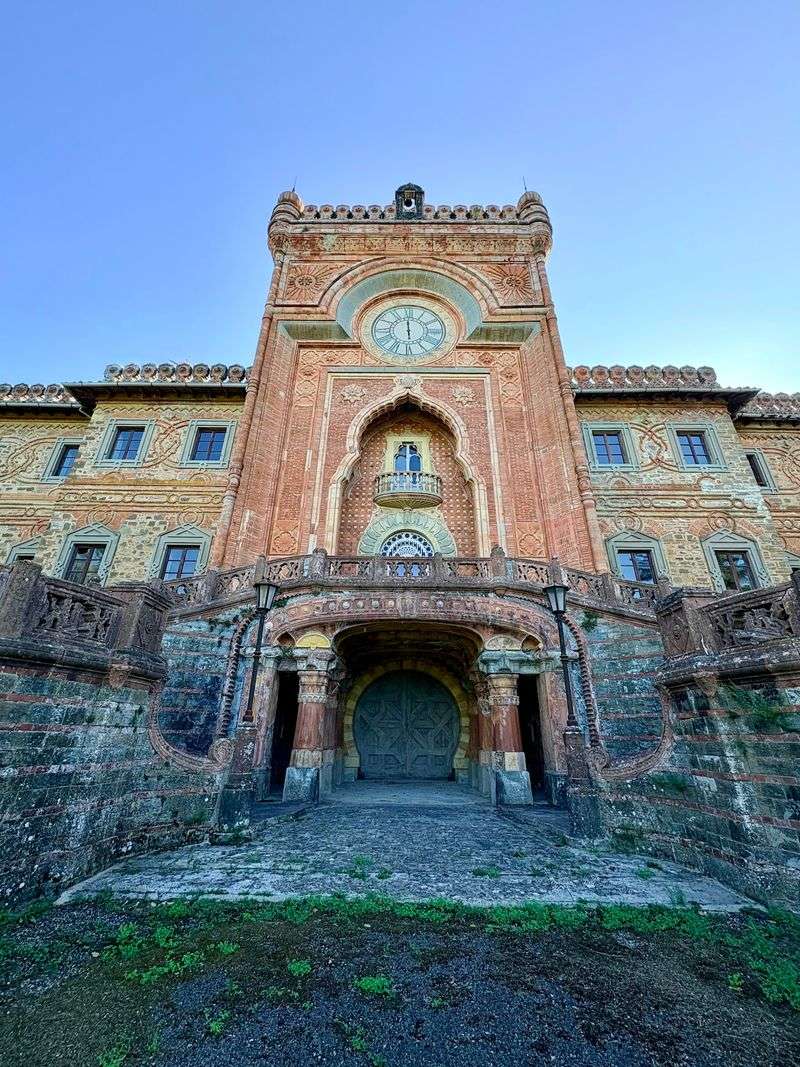
Walk into photos of this castle and you might think you landed in southern Spain. Castello di Sammezzano is known for Moorish-inspired interiors, set among the Tuscan hills near Reggello.
Elaborate geometric patterns, colorful arches, and richly decorated rooms fill the building. It is considered one of Italy’s most visually striking historic properties.
The castle also served as a hotel in the past. After those operations ended, it stayed closed for decades.
New owners are pursuing restoration, but the property is not open to visitors right now. Its owners have indicated a planned opening in 2028.
Until then, photographs tell most of the story. If plans hold, this could become one of Tuscany’s more unusual places to tour, so it is worth keeping an eye on official announcements.
Maya Hotel, Kobe, Japan
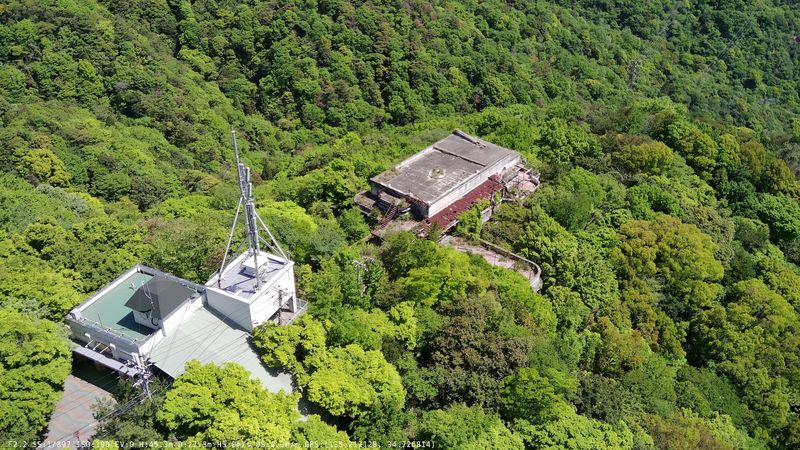
Up on Mount Maya, above the city of Kobe, stands a building from 1929. It started life as the Maya Hotel, and its mountain location made it an unusual place for travelers to stay.
The architecture gave it real character. Remote views and a hillside setting added to the appeal.
Over time the property lost its original hotel function. It went through different uses and long-term deterioration.
Photos of the empty structure show a weathered exterior with plants creeping in around it. The contrast between human design and the natural landscape is what makes the images stand out.
Since the location is on a mountain, any trip should be planned with safety and local rules in mind. Respecting private property and posted signs is the smart way to enjoy it.
Grand Hotel and the Former Kupari Resort, Croatia
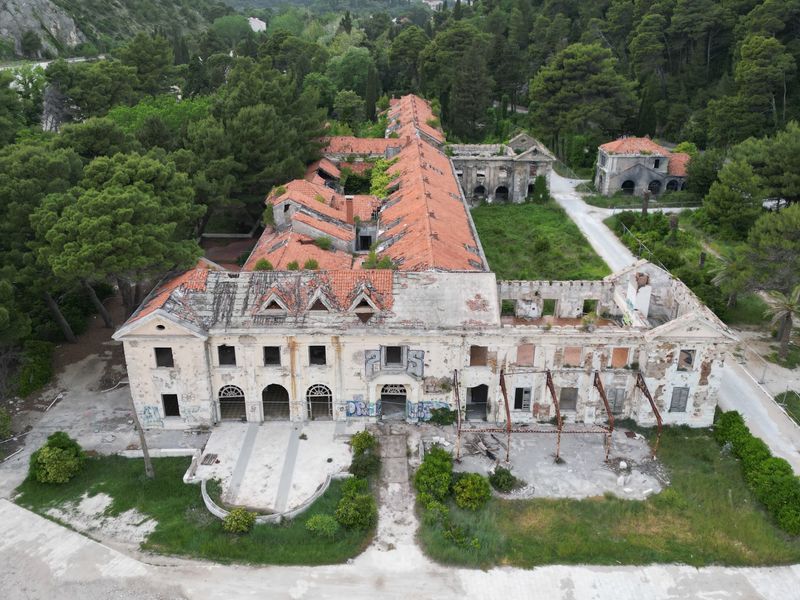
Many photos of this coast show buildings that are no longer there. Kupari, near Dubrovnik, once welcomed vacationers connected to the Yugoslav military.
The seaside complex was badly damaged during the Croatian War of Independence. Later, its ruined hotels became widely photographed.
Things have changed a lot. By 2026, most of the abandoned hotel buildings had been demolished to make way for a planned luxury redevelopment.
The historic Grand Hotel remained standing, with restoration planned. That makes it the key survivor of the old resort.
This is a good reminder to check dates on older travel photos. What looked like a ruin a few years ago may now be a construction zone, so current local information is essential.
Ciudad Real Central Airport, Spain
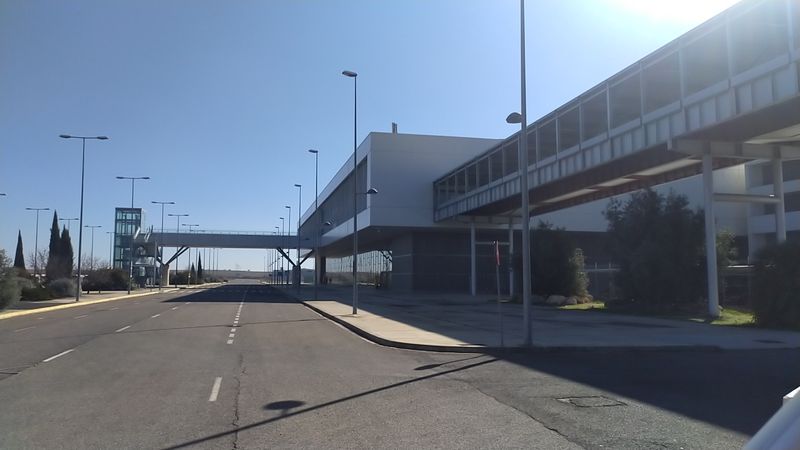
Big plans do not always bring big crowds. Ciudad Real Central Airport was built as an ambitious aviation hub in central Spain and opened in 2008.
It struggled to attract enough commercial traffic. Scheduled passenger operations ended just a few years later.
Its enormous terminal, unused passenger facilities, and wide airfield became symbols of failed infrastructure investment. Photos make the scale easy to see.
There is an important detail, though. The airport has since seen limited aviation-related reuse, including aircraft storage and cargo activity.
So calling it entirely abandoned would not be accurate. It never achieved its original passenger ambitions, but it is still part of Spain’s aviation story.
The Abandoned Hotels of Varosha, Famagusta, Cyprus
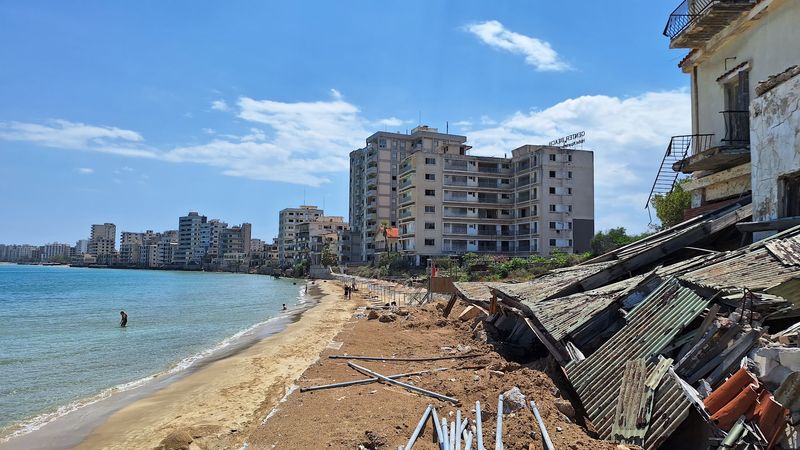
Before 1974, Varosha was a stylish Mediterranean vacation district. It had beachfront hotels, apartment buildings, restaurants, and lively shopping streets.
Tourism there stopped suddenly during the events of that year. For decades, much of the district stayed closed off.
Empty hotel towers and crumbling streets became some of the best known images of abandoned tourism in the region. The size of the area is part of what makes it so striking.
Some streets and beach areas have since opened for controlled public access. Many buildings remain inaccessible and unoccupied.
If you plan to go, follow posted rules and stay within permitted areas. Conditions can change, so checking current access details first is wise.
Tempelhof Airport, Berlin, Germany
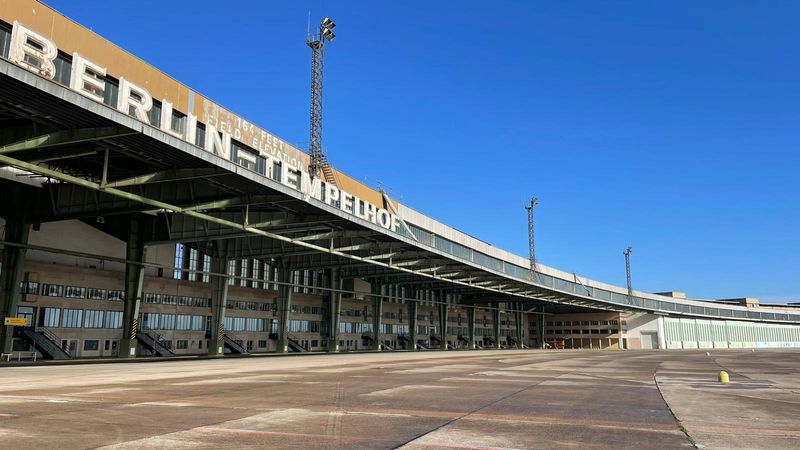
This is the happy ending on the list. Tempelhof Airport in Berlin has a rich history, including a major role in the Berlin Airlift.
It closed to air traffic in 2008. Rather than sitting empty, the site found a new job.
The former runways are now a vast public recreation space. Visitors can walk, cycle, and enjoy the open landscape.
Guided tours also offer access to parts of the historic terminal building. That gives history fans a way to see inside.
It is a strong example of a disused airport finding a new purpose, and it works well for an easy, open-air day in Berlin.
Share this story