Egyptian food is one of the most flavorful and historically rich cuisines in the world. From bustling street food stalls in Cairo to family tables loaded with slow-cooked stews, every dish tells a story rooted in thousands of years of culture.
Whether you are a seasoned food traveler or simply curious about new flavors, Egyptian cuisine has something unforgettable waiting for you. Get ready to explore 13 must-try dishes that capture the heart and soul of Egypt.
1. Koshari
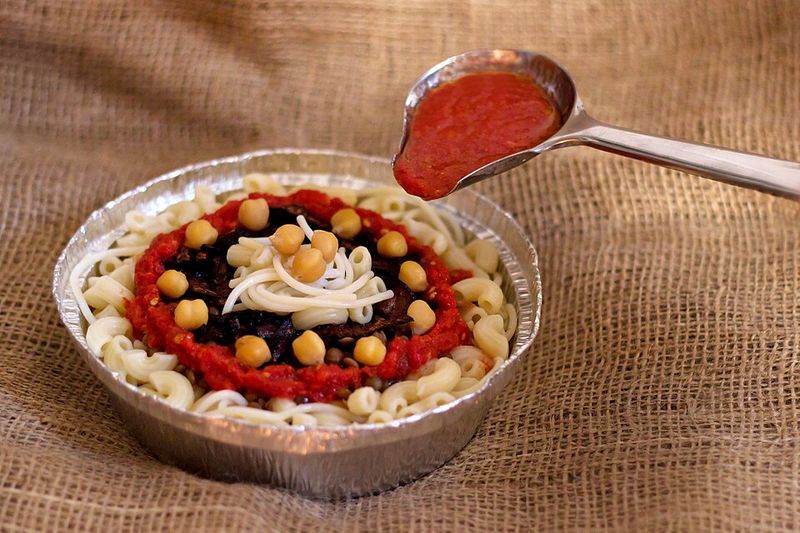
Walk through any busy street in Cairo and you will almost certainly smell Koshari before you see it. This iconic Egyptian comfort food layers rice, lentils, pasta, and chickpeas into one deeply satisfying bowl.
A tangy tomato sauce and a heap of crispy fried onions finish it off perfectly.
Koshari is widely considered Egypt’s national dish, and for good reason. It is hearty, affordable, and filling enough to fuel a full day of sightseeing.
Most Egyptians grow up eating it regularly, and specialty Koshari restaurants called “koshariat” can be found on nearly every corner.
The dish is entirely plant-based, making it a great option for vegetarians. Each ingredient brings its own texture, and together they create something far greater than the sum of their parts.
First-time visitors to Egypt rarely leave without trying it at least twice.
2. Ful Medames
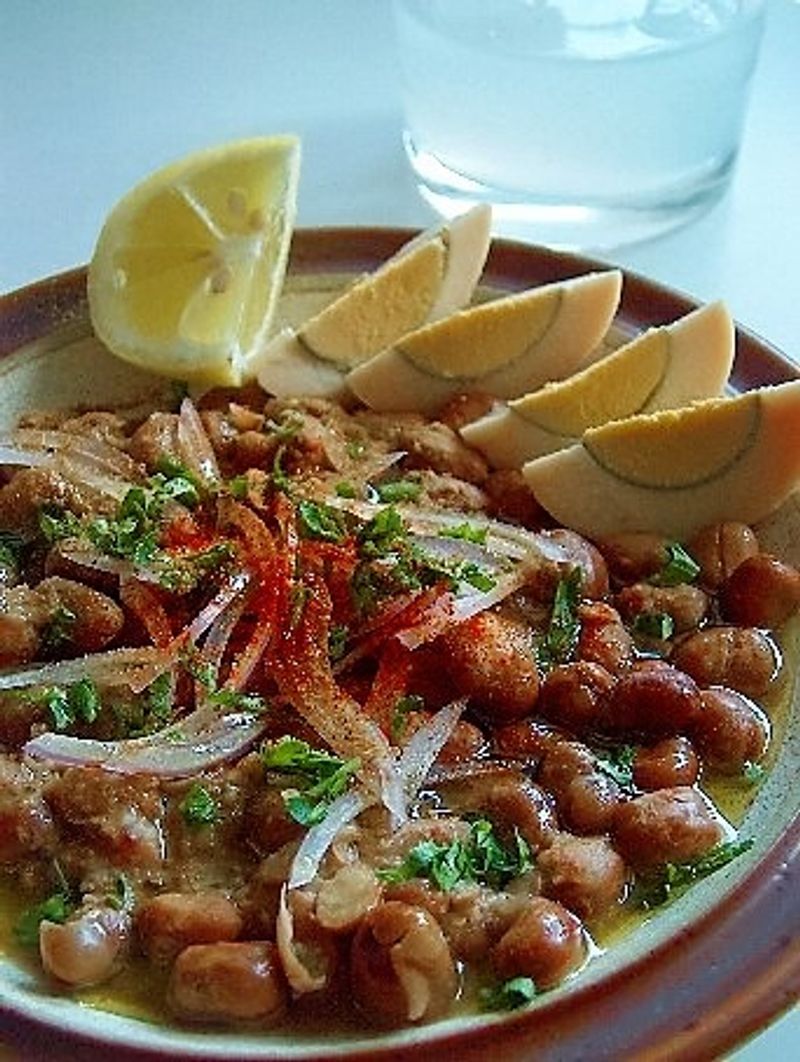
Long before sunrise, millions of Egyptians start their day with a warm bowl of Ful Medames. Slow-cooked fava beans are the star of this ancient dish, which has been eaten in Egypt for over 5,000 years.
That makes it one of the oldest continuously eaten foods on the planet.
The beans are seasoned simply but brilliantly with olive oil, lemon juice, garlic, and cumin. Some cooks add diced tomatoes, fresh herbs, or a spoonful of tahini for extra depth.
Every family and every street vendor seems to have their own cherished version.
Ful Medames is usually served with warm baladi bread for scooping and a side of fresh vegetables. It is protein-rich, budget-friendly, and genuinely delicious.
If you ever find yourself in Egypt at breakfast time, ordering a bowl of Ful is not just recommended, it is practically a cultural requirement.
3. Molokhia
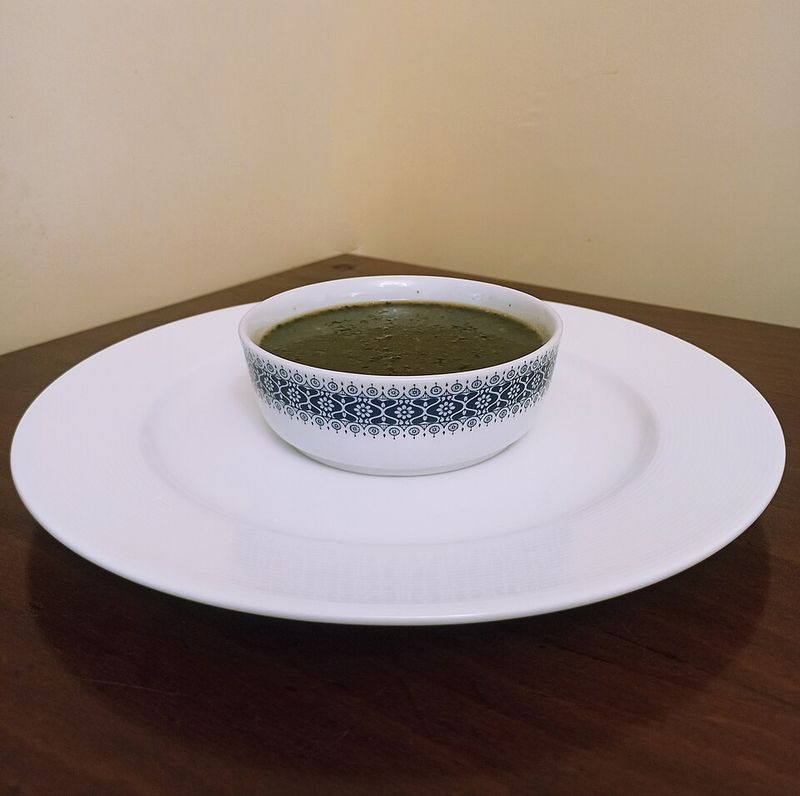
Molokhia has a flavor and texture unlike anything else you will find in world cuisine. Made from finely chopped jute leaves, this distinctive green soup or stew carries a slightly earthy taste and a silky, slightly thick consistency that coats the spoon beautifully.
Many people describe the first taste as surprising but immediately addictive.
Garlic and coriander are fried together in butter or oil and stirred into the soup at the last moment, releasing a fragrant cloud that fills the kitchen. Molokhia is traditionally served over white rice or with torn bread, alongside chicken, rabbit, or lamb.
Each region of Egypt has its own preferred version.
Ancient Egyptians reportedly ate Molokhia as far back as the Pharaonic era. The plant itself is highly nutritious, packed with vitamins and minerals.
Whether you try it thick and stew-like or thin and brothy, this dish is a genuine taste of Egyptian heritage.
4. Fattah
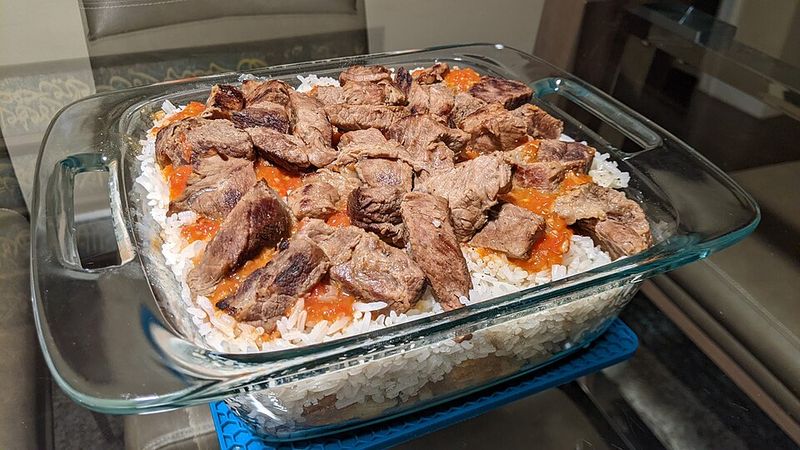
Fattah is not an everyday meal. It is the dish Egyptians prepare for celebrations, religious holidays, and big family gatherings.
Traditionally made after Eid Al-Adha, this layered dish combines crispy toasted bread, fluffy white rice, and slow-cooked meat into a single grand presentation that fills the table with warmth and festivity.
The real magic comes from the sauce. A bold blend of garlic, tomato, and vinegar is poured generously over the layers, soaking into the bread and tying everything together with a tangy, savory punch.
Some families add a rich meat broth poured on top just before serving.
Eating Fattah is as much a social experience as it is a culinary one. It is almost always shared from a large communal dish, surrounded by family and laughter.
Tasting it gives you a genuine glimpse into how Egyptians celebrate life’s most meaningful moments together.
5. Hawawshi
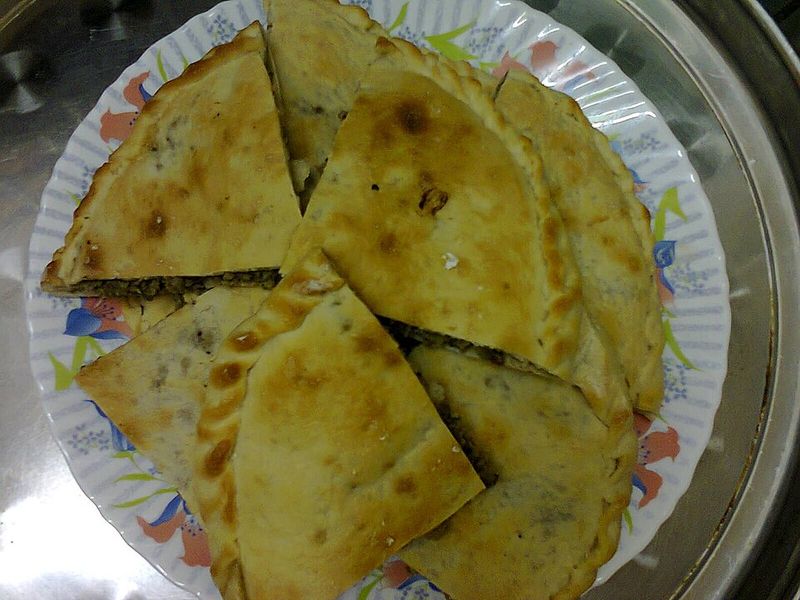
Hawawshi is Egypt’s answer to a stuffed meat sandwich, and once you bite into one, it is hard to stop at just a single serving. Seasoned minced meat packed with onions, peppers, and aromatic spices is stuffed inside a round baladi bread and baked or grilled until the outside turns gloriously crispy and golden.
Originally popularized in Cairo, Hawawshi quickly became a beloved street food staple across the entire country. The name itself is thought to come from a butcher named Hawawsh who reportedly invented the recipe generations ago.
Whether that story is true or legend, the dish itself is undeniably real and incredibly satisfying.
You can find Hawawshi at street stalls, casual restaurants, and bakeries throughout Egypt. It is typically eaten as a quick lunch or late-night snack.
The combination of crunchy bread and juicy, well-spiced meat makes every bite feel like a small celebration worth repeating.
6. Mahshi
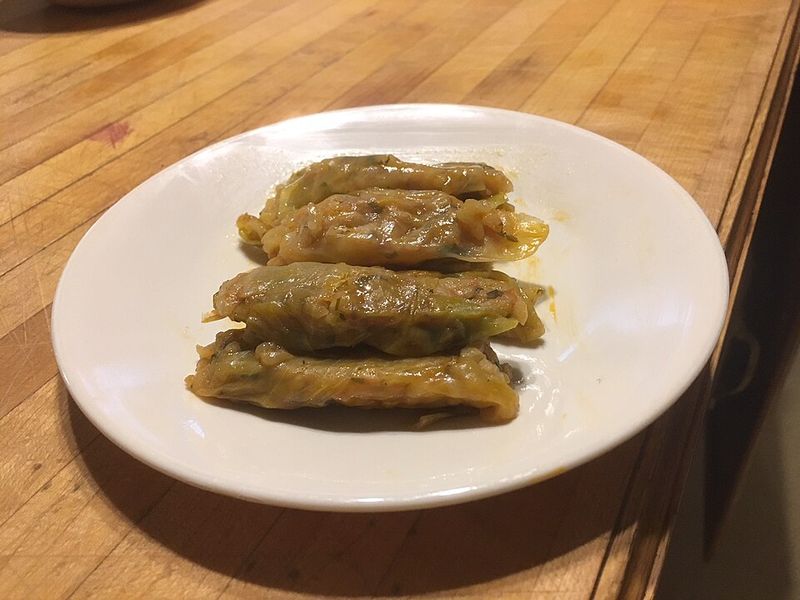
Patience is the secret ingredient in Mahshi. Preparing this beloved Egyptian dish takes time and care, as each vegetable must be hollowed out and carefully packed with a fragrant mixture of seasoned rice, fresh herbs, tomatoes, and sometimes minced meat.
The reward, however, is absolutely worth every minute spent in the kitchen.
Common vegetables used include zucchini, bell peppers, eggplant, and cabbage or grape leaves. Once stuffed, everything is slow-cooked together in a light tomato broth that infuses the filling with deep, layered flavor.
The result is tender, aromatic, and deeply comforting in a way that feels like a warm hug on a plate.
Mahshi is a dish that Egyptian mothers and grandmothers are particularly proud of, often passing down their personal recipes through generations. Sitting down to a platter of freshly made Mahshi in an Egyptian home is one of the most welcoming culinary experiences a visitor can have.
7. Hamam Mahshi
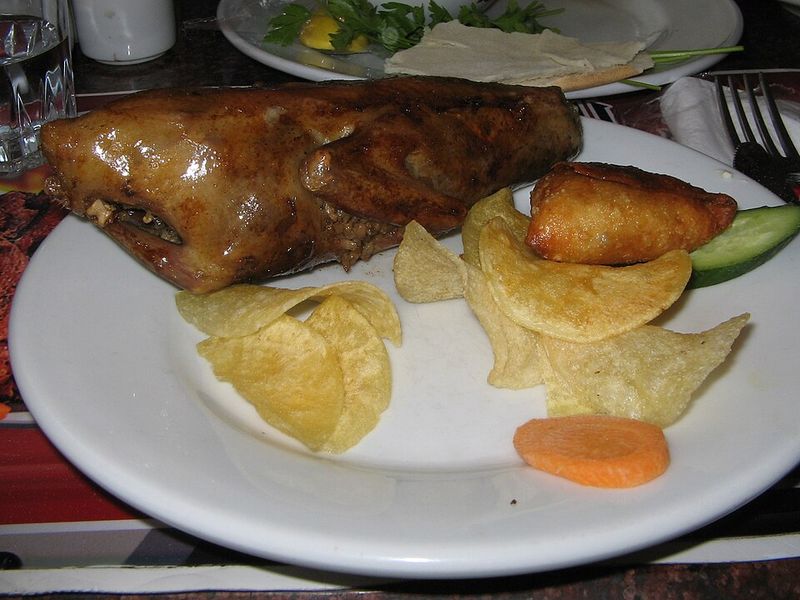
Few dishes in Egyptian cuisine carry the same sense of occasion as Hamam Mahshi. Whole pigeons stuffed with seasoned rice or nutty freekeh wheat and then roasted to golden perfection, this dish has been considered a delicacy in Egypt since ancient times.
Pigeon farming along the Nile has a history stretching back thousands of years.
The freekeh stuffing adds a slightly smoky, earthy flavor that pairs beautifully with the rich, tender pigeon meat. Some versions use spiced white rice instead, fragrant with onions and warming spices like cinnamon and allspice.
Either way, the result is deeply flavorful and surprisingly elegant.
Hamam Mahshi is often found at traditional Egyptian restaurants specializing in classic recipes. It can feel like an adventurous choice for first-timers, but those who try it rarely regret the decision.
The combination of flavors and textures makes it one of the most memorable meals Egypt has to offer.
8. Kebda Iskandarani

Alexandria has a reputation for bold, fiery street food, and Kebda Iskandarani is the dish that best captures that spirit. Slices of beef or calf liver are cooked quickly over high heat with garlic, green chili peppers, cumin, and a generous hand with the spices.
The result is smoky, spicy, and packed with intense flavor.
The dish is traditionally served tucked inside warm baladi bread, making it easy to eat on the go. Street stalls in Alexandria cook Kebda fresh to order, and the sizzle and smoke of a hot griddle loaded with liver is a common and welcome sight throughout the city’s neighborhoods.
For adventurous eaters, Kebda Iskandarani is an absolute must. The liver is cooked quickly so it stays tender rather than rubbery, and the chili heat builds pleasantly with each bite.
Many visitors who claim not to enjoy liver find themselves completely converted after their first Alexandrian-style serving.
9. Fateer Meshaltet
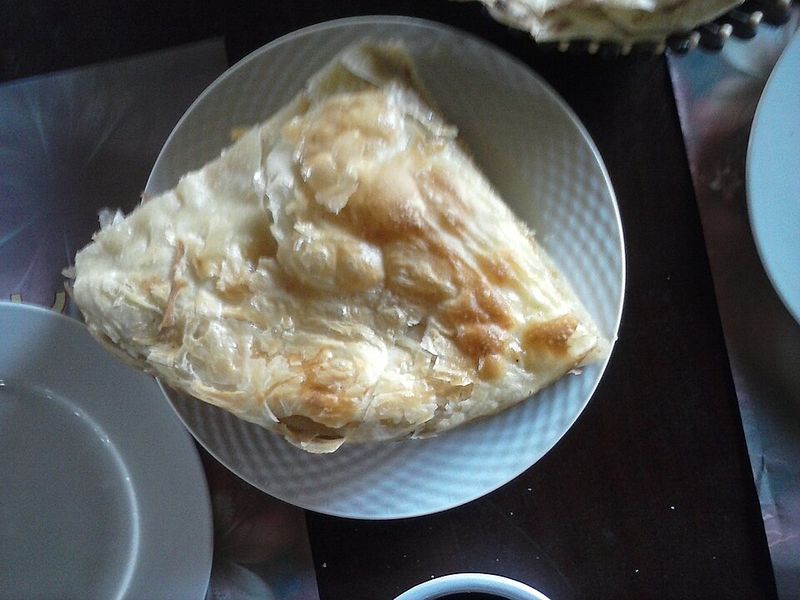
Watching a skilled feteeree, the craftsman who makes Fateer Meshaltet, stretch and layer the dough is almost as enjoyable as eating the finished product. This rich, flaky Egyptian pastry is made by folding layers of dough with generous amounts of butter or clarified ghee, then baking it until the exterior is golden and slightly crisp while the inside stays soft and airy.
Fateer can be served sweet or savory. Sweet versions come with honey, molasses, jam, or powdered sugar.
Savory options might include white cheese, eggs, or minced meat tucked between the layers. Many Egyptians enjoy it for breakfast or as an afternoon treat with tea.
The pastry has ancient roots, with some food historians linking it to offerings made in Pharaonic temples. Today it is a staple at Egyptian bakeries and roadside stalls.
Trying a warm, freshly made Fateer drizzled with honey is one of those simple pleasures that genuinely lingers in memory.
10. Umm Ali
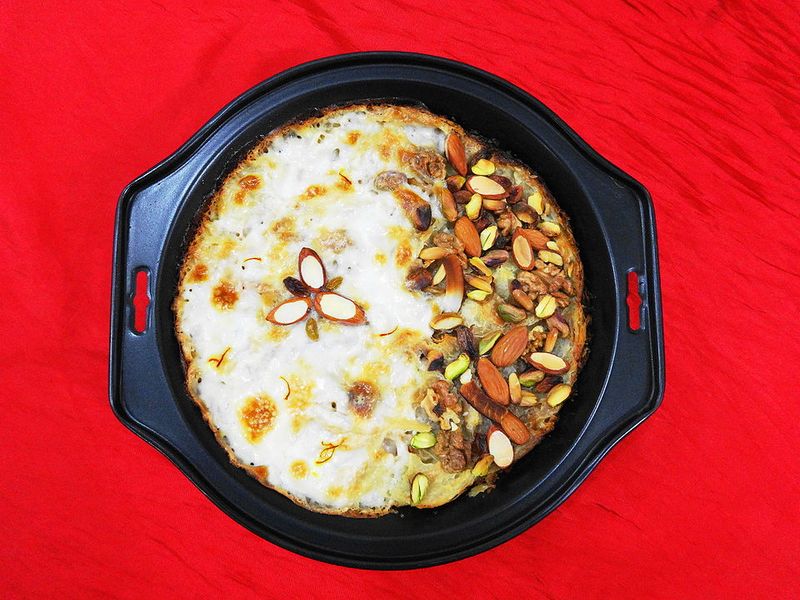
Egypt’s most famous warm dessert comes with a story as dramatic as its flavor. Legend says Umm Ali, meaning “Ali’s mother,” was created by a woman who celebrated a royal victory by making a sweet dish from whatever ingredients she had on hand.
Whether the tale is fact or folklore, the dessert itself has earned its legendary status fair and square.
Layers of flaky pastry or torn bread are soaked in sweetened milk and cream, then mixed with raisins, coconut flakes, and a generous handful of nuts before being baked until the top turns a gorgeous golden brown. The contrast between the crispy top and the soft, creamy interior is genuinely addictive.
Umm Ali is served warm, often straight from the oven, and is best enjoyed immediately when the textures are at their finest. Many Egyptian restaurants offer it as a signature dessert.
First-time tasters frequently describe it as the best thing they ate during their entire trip to Egypt.
11. Kofta
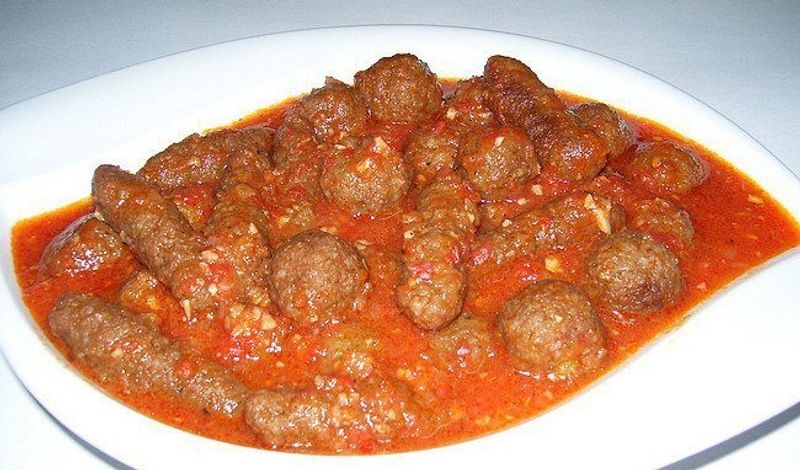
Few aromas are more universally appealing than the smell of spiced meat sizzling over hot charcoal, and Egyptian Kofta delivers that experience in the most satisfying way possible. Ground beef or lamb is blended with finely grated onion, chopped parsley, and a carefully balanced mix of spices including cumin, coriander, and cinnamon, then shaped onto flat skewers and grilled over an open flame.
The outside develops a light char that adds smokiness, while the inside stays juicy and tender. Kofta is typically served with warm flatbread, fresh tomato and onion salad, and a generous pour of tahini sauce or a squeeze of lemon.
It is a meal that feels both simple and deeply satisfying at the same time.
Kofta is popular at Egyptian grills, family barbecues, and casual restaurants throughout the country. Every cook has a preferred spice ratio, making each version subtly unique.
Trying Kofta fresh off a charcoal grill in Egypt is a sensory experience that is genuinely hard to replicate anywhere else in the world.
Share this story