Walk down almost any street in Europe and you will smell something tasty baking, frying, or sizzling. Many American visitors find that a simple snack becomes the best part of the trip.
From flaky pastries to crispy fries, these treats are easy to find and easy to enjoy. Here are twelve European snacks that often win over first-time tasters.
1. Pastel de Nata – Portugal
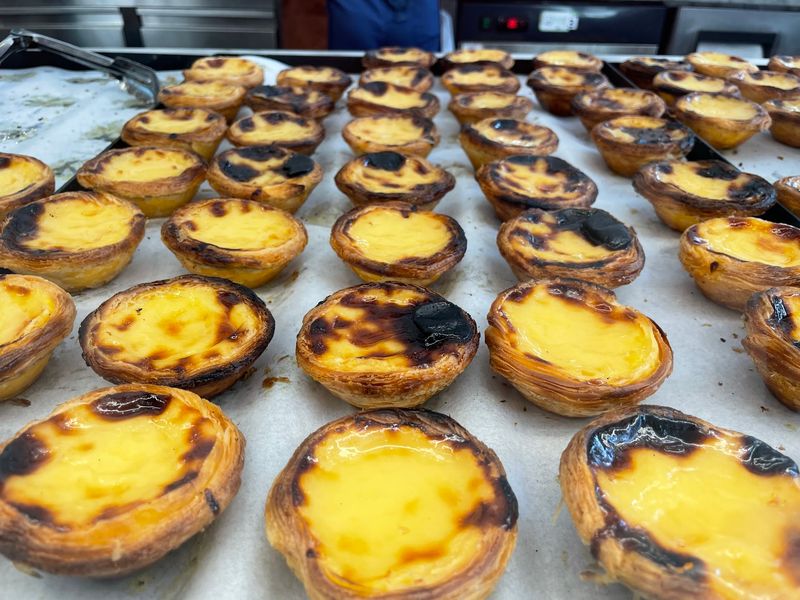
Crack through the shatter of the pastry and you will understand why Lisbon locals line up before breakfast. The pastel de nata has a crisp, flaky shell that holds a creamy egg custard, with dark blistered spots on top.
The recipe traces back to monks at the Jeronimos Monastery in Lisbon, who used leftover egg yolks after using the whites to starch clothing. Today the tart is sold in bakeries all over Portugal.
Many visitors enjoy it warm, with a shake of cinnamon or powdered sugar. Pair it with a small strong coffee, which is the classic local way to eat it.
Try more than one bakery, because each shop has its own style. Some tarts are creamier, while others have a deeper caramel flavor.
Fresh from the oven is always best, so ask which batch just came out.
2. Stroopwafel – Netherlands
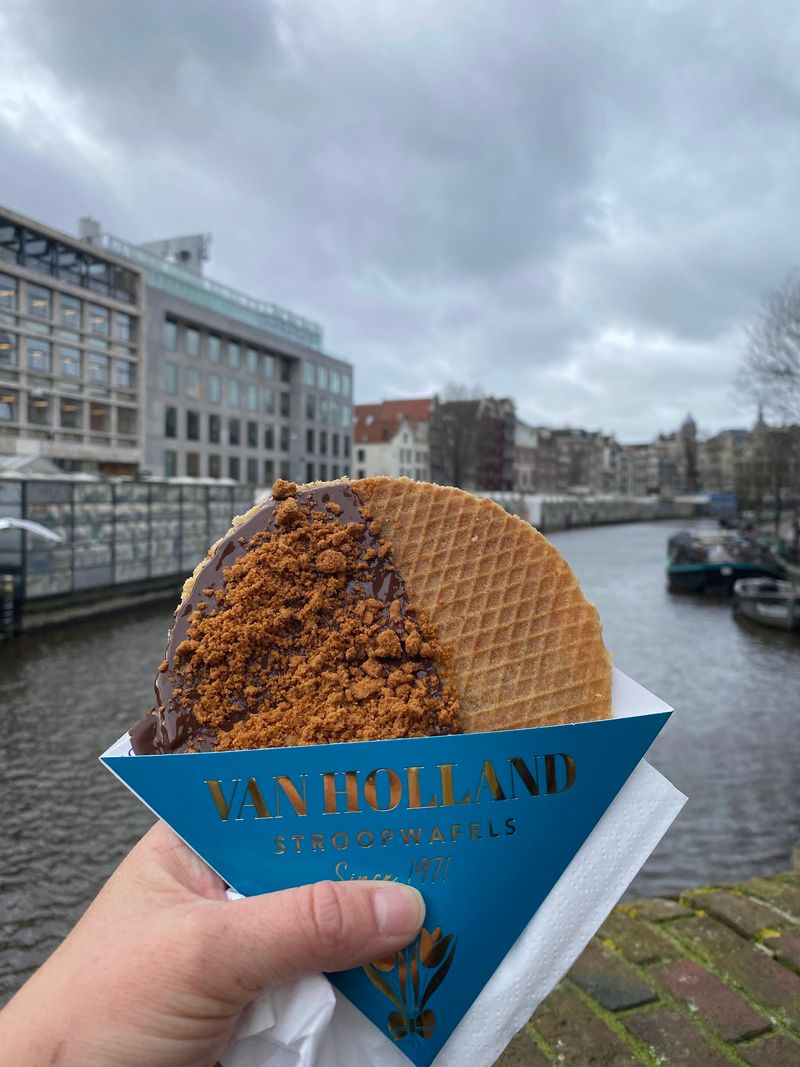
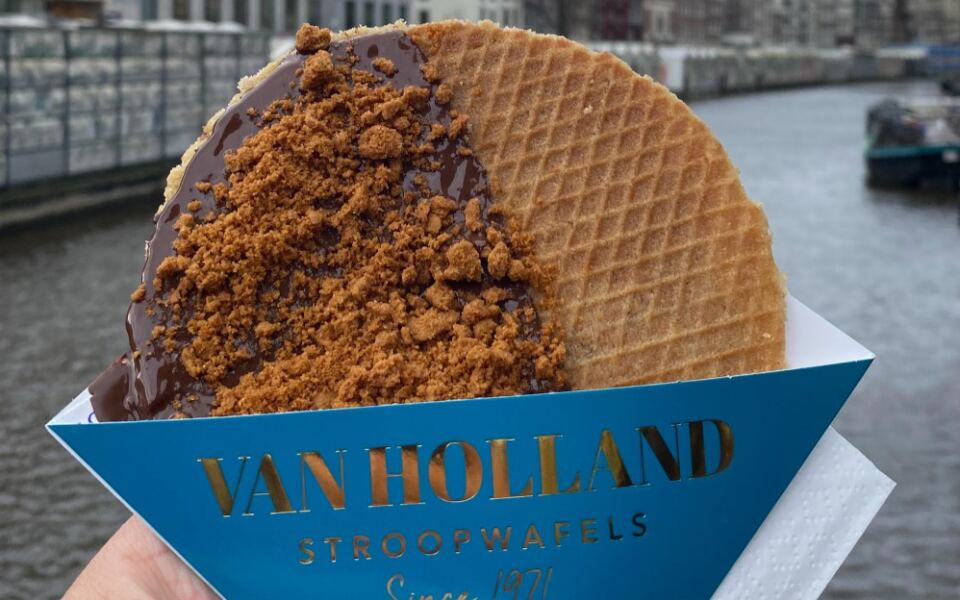
Two thin waffle cookies, one layer of warm caramel syrup, and a mug of hot tea. That is the simple trick behind the stroopwafel, a Dutch favorite first made in the city of Gouda.
Set the cookie on top of your cup for a minute. The steam softens the syrup inside and releases a sweet scent of cinnamon and brown sugar.
Markets across the Netherlands sell them freshly made, still warm and slightly bendy. Watching the baker press the dough and spread the filling is half the fun.
Packaged versions travel well in a suitcase, so they make an easy souvenir. Fresh ones taste softer and richer, though, so eat at least one at a market stall before you pack any.
3. Churros con Chocolate – Spain
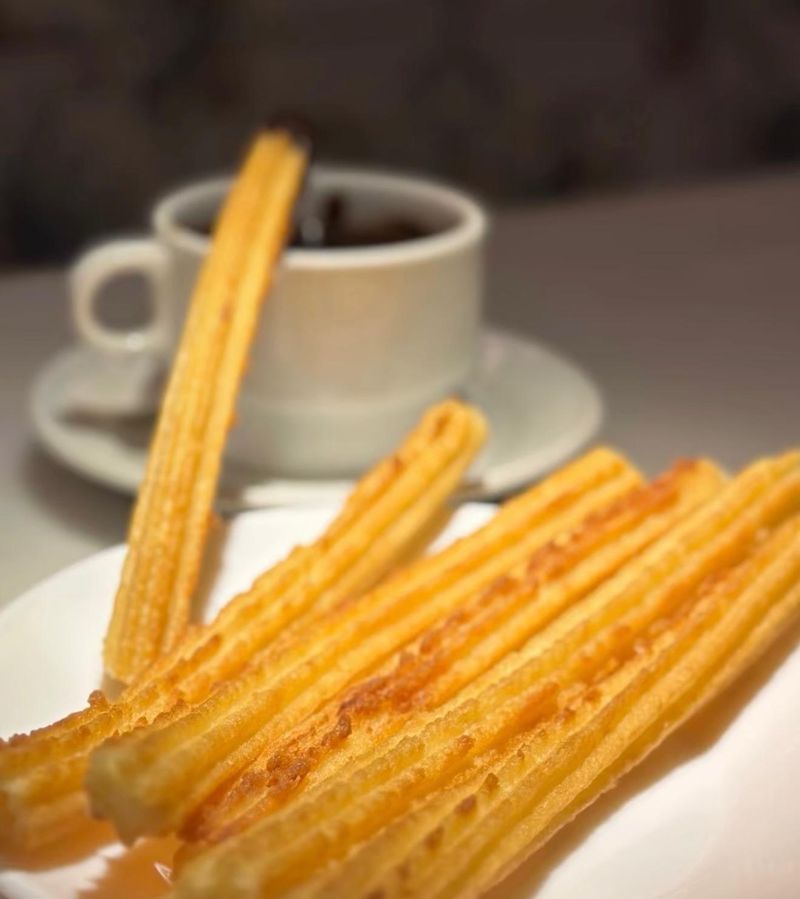
Late-night crowds in Madrid often end the evening with a paper cone of churros. Long, ridged sticks of fried dough arrive hot and crunchy, with a cup of thick chocolate for dipping.
Spanish chocolate for churros is different from the hot cocoa most Americans know. It is dense and silky, almost like pudding, and it is not very sweet.
That balance is what makes the pairing work.
Spaniards eat churros for breakfast, as an afternoon snack, and after a night out. Many cafes have been serving them for generations.
For the best bite, dunk the churro right away while it is still crisp. Some places also sell porras, a thicker cousin of the churro, so ask the server what is fresh.
4. Arancini – Italy
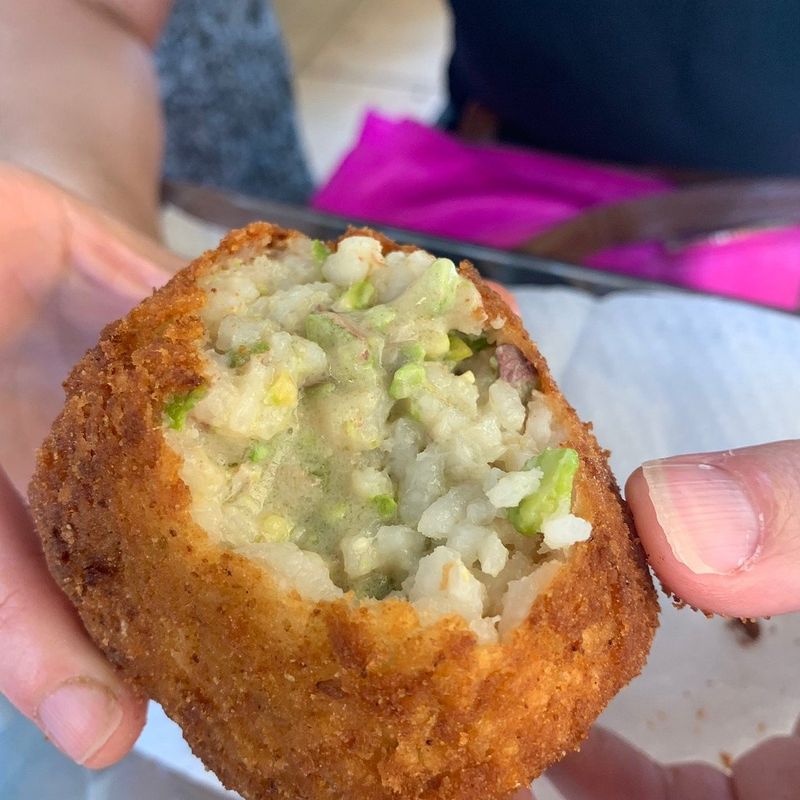
Break one open and a ribbon of melted cheese stretches out. Arancini are crisp, golden rice balls that come from Sicily, and their name means little oranges in Italian.
Inside the rice, you might find ragu, peas, and mozzarella, or just butter and ham. Each is coated in bread crumbs and fried until crunchy.
Fun fact: in Palermo they are often round, while in eastern Sicily many cooks shape them into cones. Locals will happily argue about which style is better.
Look for them at street food stands and snack counters, where they are usually sold hot and cheap. Let the arancino cool for a minute before the first bite, because the center holds heat for a long time.
5. Frites – Belgium
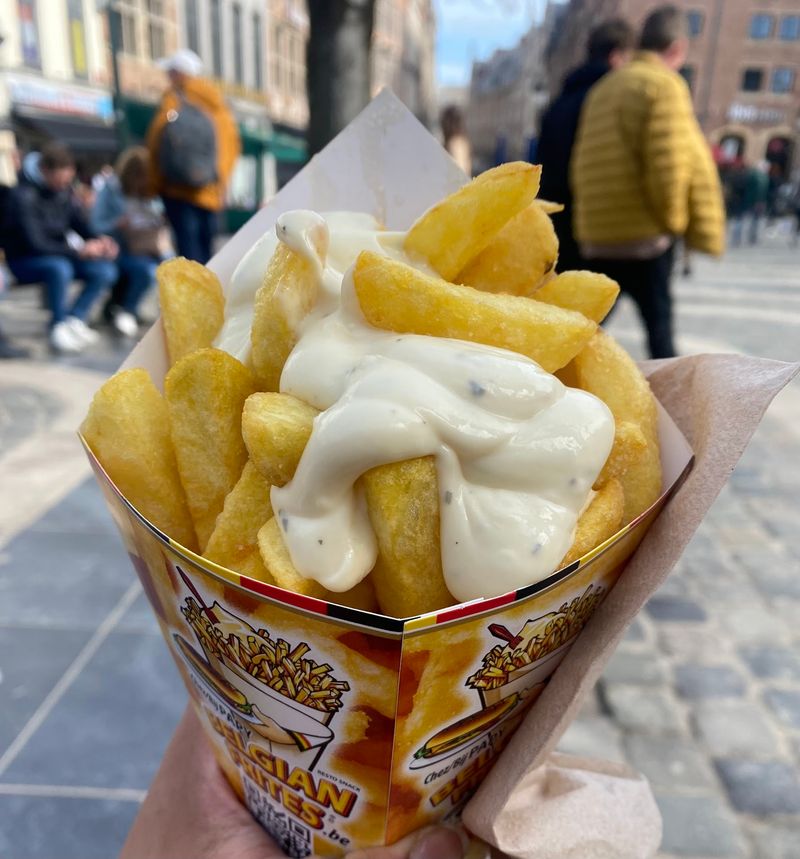
Belgians take their fries seriously, and one taste explains why. The potatoes are cut thick, fried twice, and served in a paper cone, which gives a crisp outside and a fluffy middle.
Traditional shops, called fritkots, often use beef fat for extra flavor. Many also offer a wide menu of sauces, and mayonnaise is the classic choice rather than ketchup.
Belgium even has a museum devoted to the fry in the city of Bruges. Locals eat frites as a quick lunch, a late snack, or a side with mussels.
Try a sauce you have never heard of, such as andalouse or samurai. Eat them right away while they are steaming, since the texture is at its best in the first few minutes.
6. Kanelbullar (Cinnamon Buns) – Sweden
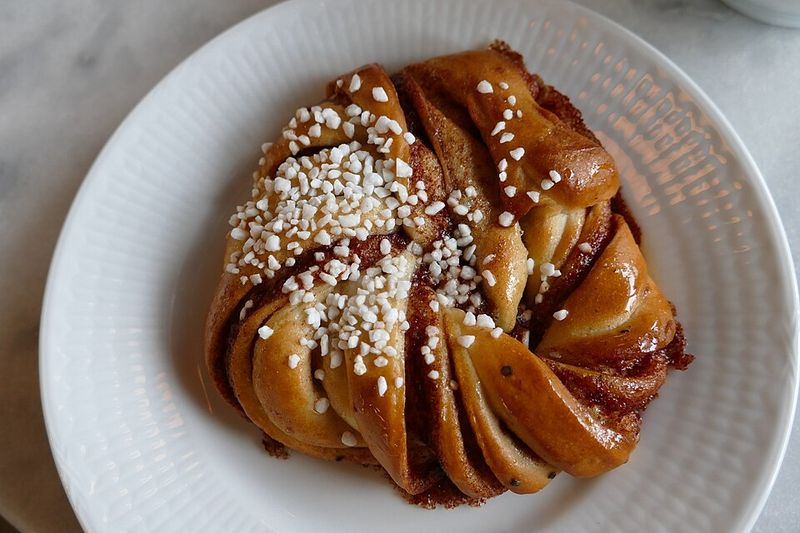
Sweden has a daily coffee break called fika, and the cinnamon bun is its star. Kanelbullar are soft, twisted rolls flavored with cinnamon and cardamom, then topped with crunchy pearl sugar.
They look similar to American cinnamon rolls, but there is a big difference. Swedish buns are usually not covered in thick frosting, so the spice and the buttery dough stand out more.
Sweden even celebrates a national Cinnamon Bun Day every October 4. Nearly every bakery and cafe in the country sells them.
Join the local habit and order one with coffee, then sit down for a while. Fika is meant to be slow, so skip the to-go cup if you can and enjoy the break like the locals do.
7. Loukoumades (Honey Doughnuts) – Greece
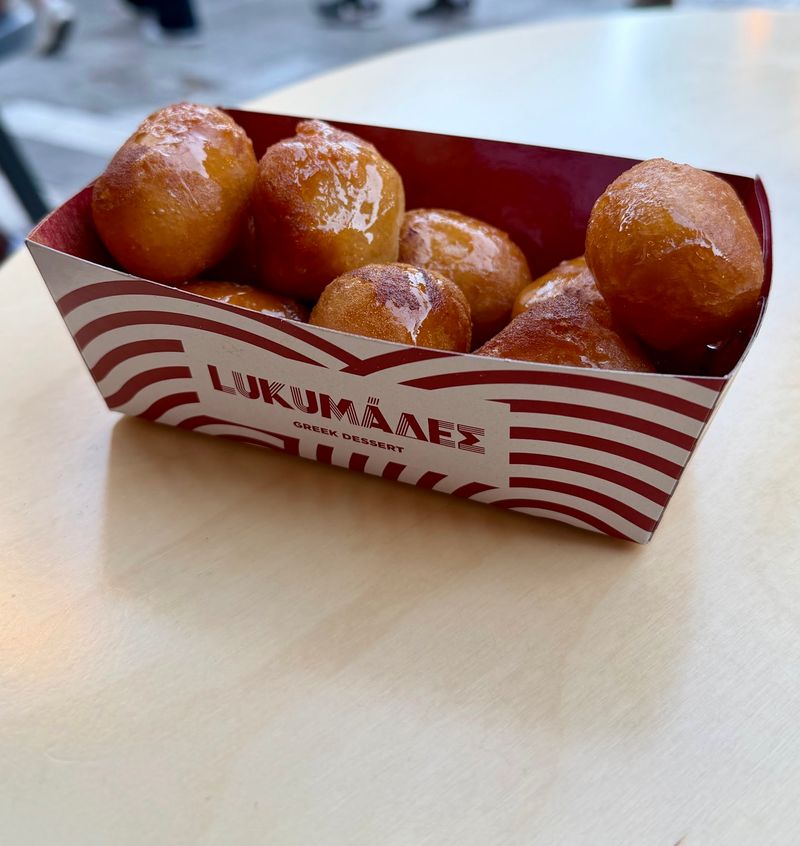
Tiny, puffy, and glossy with honey, loukoumades are the kind of dessert that disappears from the plate fast. These bite-size doughnuts are fried until golden, then soaked in syrup and dusted with cinnamon.
The treat has ancient roots. Some historians say similar honey fritters were given to winners at early Olympic games in Greece.
Modern shops in Athens offer many toppings, such as chopped walnuts, chocolate sauce, or sesame seeds. The classic version with honey and cinnamon is still the favorite.
Order them fresh and warm, because the outside is crisp and the middle is light as air. Share a portion with friends, since the syrup makes them rich and a small plate goes a long way.
8. Macarons – France
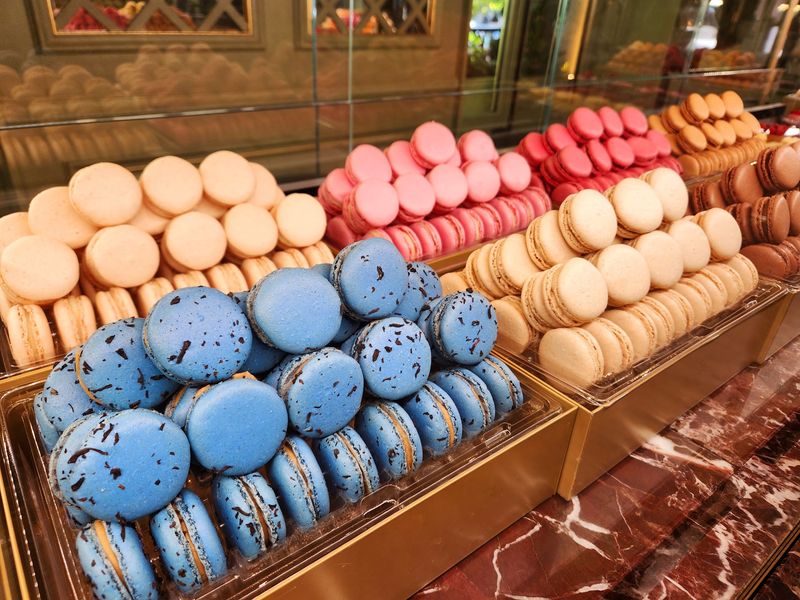
Rows of pastel cookies glow in the windows of Paris pastry shops like tiny jewels. A true French macaron has a thin, crisp shell, a chewy middle, and a smooth filling of ganache, jam, or buttercream.
They are made with almond flour and egg whites, and the baking is tricky. That is why quality shops take pride in each batch.
Flavors range from pistachio and raspberry to salted caramel and rose. Do not confuse them with coconut macaroons, which are a different cookie.
Buy a small box and try several flavors side by side. Many pastry chefs suggest letting macarons sit at room temperature for a few minutes after refrigeration, since the texture and taste are better when they are not cold.
9. Krumkake (Rolled Waffle Cookies) – Norway
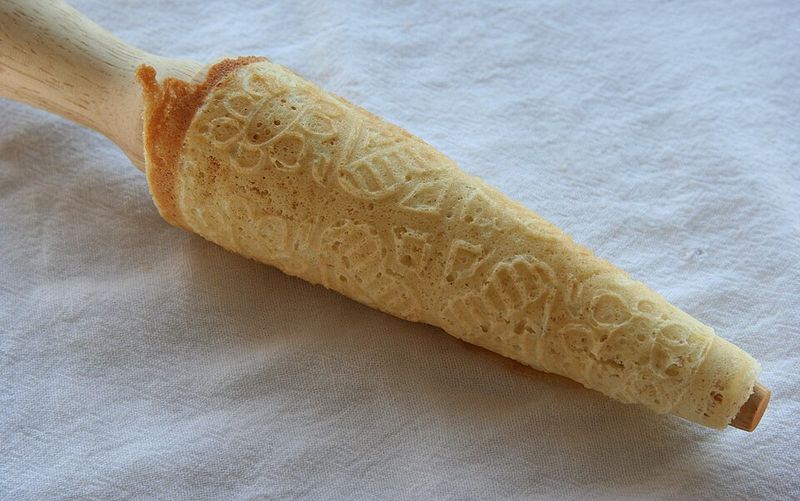
Grandmothers in Norway have been pressing these delicate cookies for generations. Krumkake are thin, lacy waffle cookies baked on a decorated iron and rolled into a cone while still hot.
The batter is simple, made from eggs, sugar, butter, flour, and a little cardamom. The patterned iron gives each cookie a pretty design.
They are especially popular at Christmas, though you can find them in bakeries and shops year round. Some people fill them with whipped cream and berries.
Eat them plain for the lightest crunch, or fill them just before serving so they stay crisp. Handle them gently, because these cookies are fragile and can snap easily in a bag or backpack.
10. Obwarzanek Krakowski (Ring-Shaped Bread) – Poland
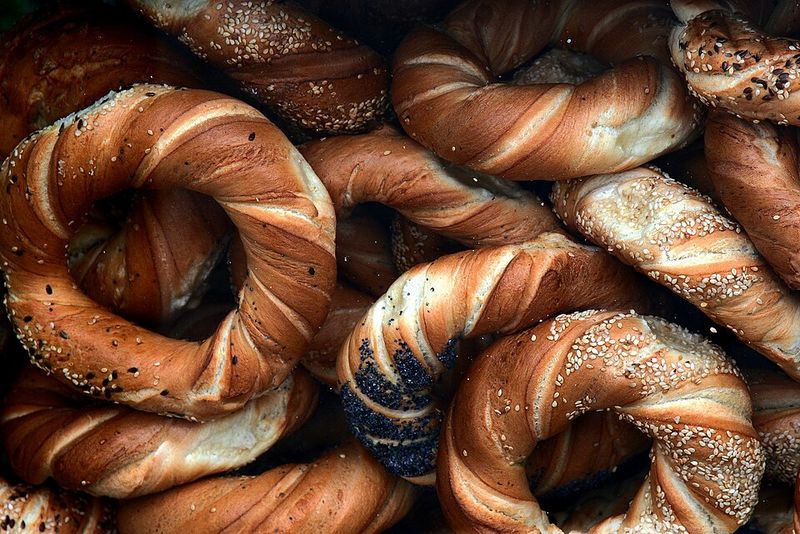
Carts piled with braided bread rings dot the streets of Krakow, and they have done so for centuries. The obwarzanek is boiled briefly, then baked, which gives it a chewy crust and a soft center.
It looks like a bagel, but it is twisted from two ropes of dough and usually longer and flatter. Toppings include poppy seeds, sesame seeds, salt, and sometimes cheese.
The bread is so tied to the city that it has protected status in the European Union. Records of it in Krakow go back to the late 1300s.
Grab one from a cart for just a couple of zloty. It makes a light snack while you walk around the Main Market Square, and the sesame version is a favorite with visitors.
11. Kürtőskalács (Chimney Cake) – Hungary
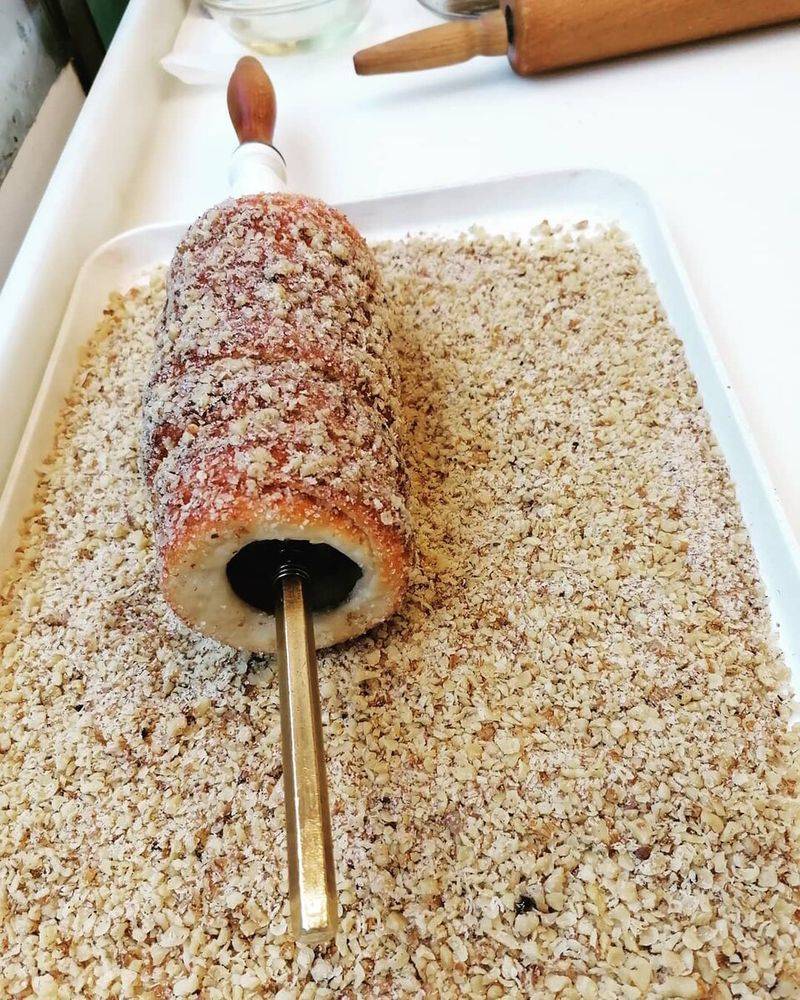
Few snacks put on a show like this one. Dough is wrapped around a wooden cylinder, rolled in sugar, and turned over hot coals until the outside turns caramelized and crackly.
Once finished, the cake slides off the roller as a hollow spiral, which you can pull apart in soft, warm strips. The name comes from the chimney shape, and the treat has roots in Transylvania.
Classic toppings include cinnamon, walnut, and vanilla sugar. Some shops in Budapest now fill the hollow center with ice cream or chocolate cream.
Eat it fresh, since the sugar crust is crunchiest right off the roller. Tear off pieces to share, because a whole cake is larger than it looks and makes a great snack for two or three people.
Share this story