
Food brands often adjust their recipes for new ingredient rules, cost, or customer requests. Many of these changes pass quietly, but some get loud reactions from fans with strong memories.
This list looks at 11 well-known foods that changed, what exactly was different, and how shoppers responded. Each story shows how closely people pay attention to the tastes they love.
1. Butterfinger
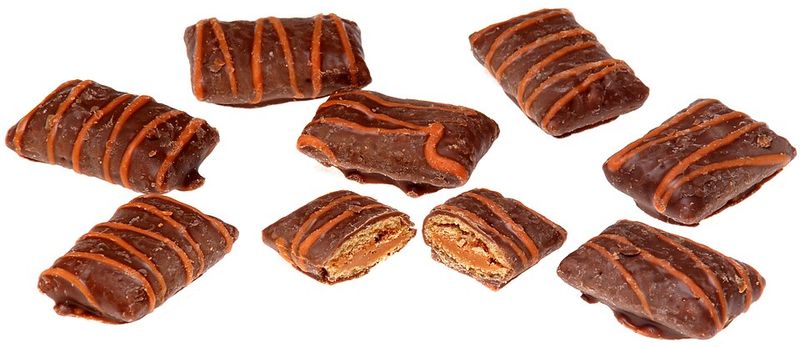
Crunchy, flaky, and a bit messy, the Butterfinger has a loyal following. In 2019, the candy bar received a major reformulation that touched both the chocolate coating and the peanut butter filling.
The company said the new version used better ingredients, including a different kind of chocolate and updated peanut butter. Packaging also changed to show the new recipe.
Fans did not all agree. Some liked the cleaner look of the ingredient list, while others said the crisp layers felt different when they took a bite.
Candy bars depend on texture as much as taste. When the crunch changes even slightly, people tend to notice right away, which is why this update drew so many comments online.
2. Cadbury Creme Eggs
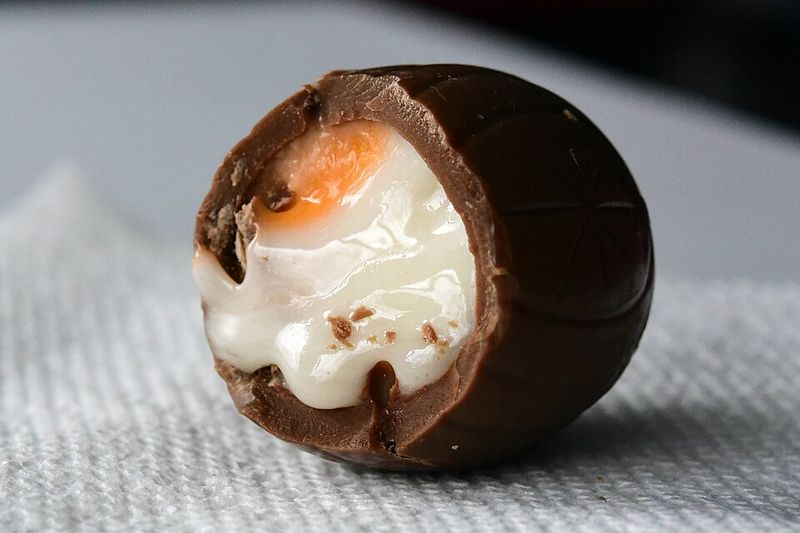
Few spring treats spark as much debate as the Cadbury Creme Egg. In 2015, the British version moved away from Dairy Milk chocolate and used a different chocolate recipe for the shell.
Longtime fans noticed quickly. Many said the shell tasted different and less creamy than the one they remembered from childhood.
Social media and news outlets picked up the complaints, and the brand became a regular topic each Easter season.
The gooey white and yellow center stayed the same, but the shell is what people talked about. It shows how a small tweak to one part of a candy can change how the whole treat feels.
Chocolate is a tricky ingredient because cocoa content, milk, and sugar all shape the flavor. Shoppers who compare old and new eggs often say the shell is the biggest clue.
3. McDonald’s Apple Pie
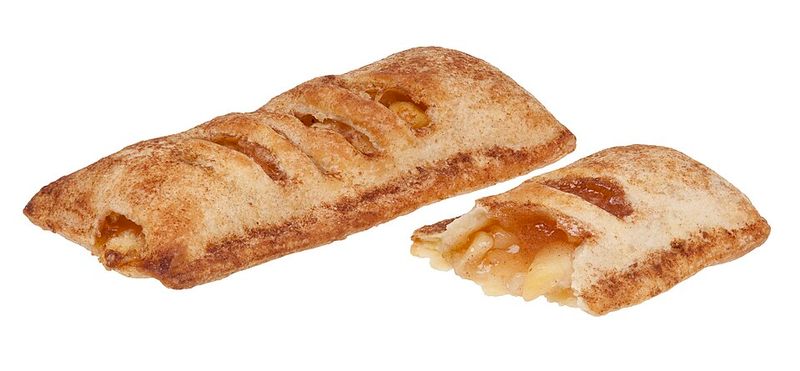
Anyone who remembers the bubbly, blistered shell of the old McDonald’s apple pie knows it was a different treat. The chain replaced its fried pie with a baked version in 1992.
Baking gave the pie a softer, flakier crust with sugar sprinkled on top. Some customers liked the lighter feel, while others missed the crispy fried bite.
In 2018, the filling was revised again, which led to fresh chatter among regular buyers.
Fun fact: fried pies still appear at some restaurants outside the United States. That means a traveler may find a taste of the old version in another country.
4. Skittles
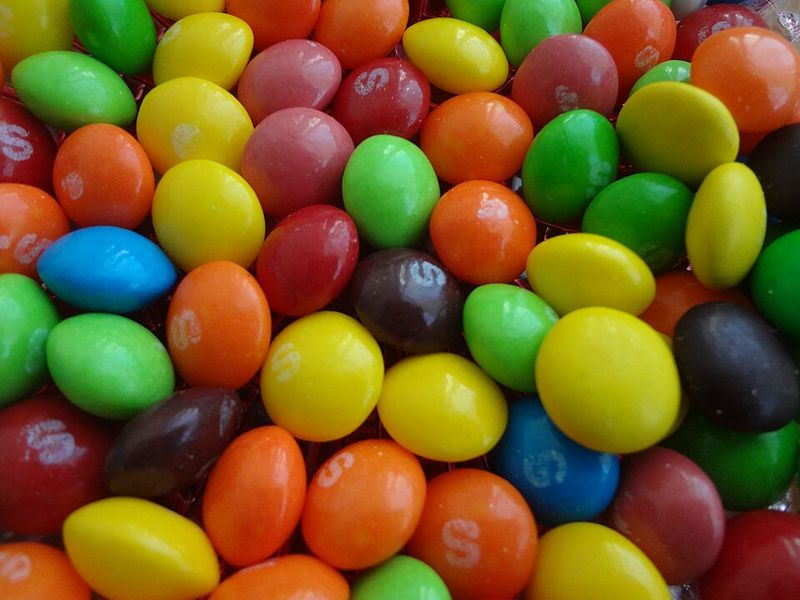
Lime or green apple? That simple question set off a candy debate.
In 2013, Skittles replaced its green lime flavor with green apple.
Many fans were surprised, since the green color had long been tied to lime. Some people liked the new taste, but others wanted the old one back.
Fans kept asking, and the brand listened. In 2021, lime returned for good, and the green candy went back to its earlier flavor.
The story shows how a single color can carry a strong memory. When shoppers speak up in large numbers, brands sometimes bring back a favorite.
5. Kraft Mac & Cheese
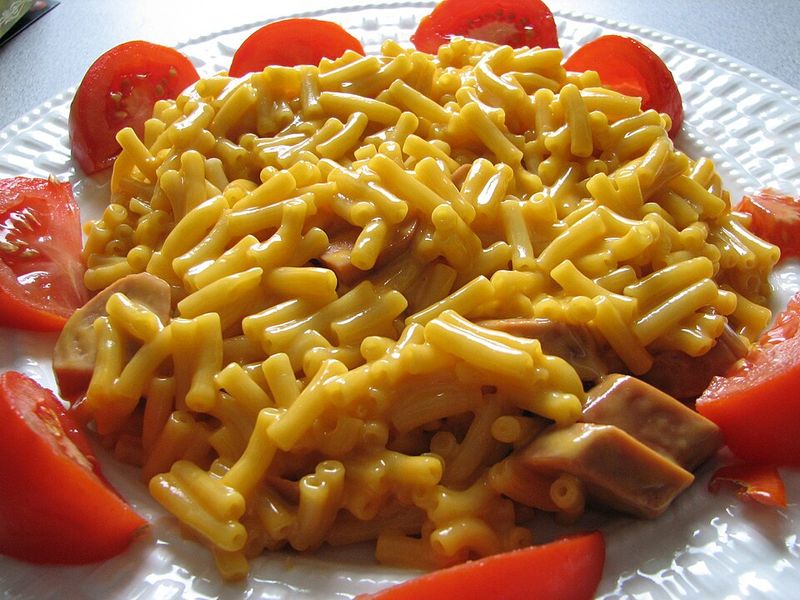
The blue box is a staple in many homes. Between 2015 and 2016, Kraft removed artificial dyes and preservatives from its classic macaroni and cheese.
The company used spices such as paprika, annatto, and turmeric to keep the familiar orange color. It also shared that most customers did not notice the change.
Still, a few shoppers said the taste felt slightly different. That mix of reactions is common when a recipe changes behind the scenes.
The update was a response to shoppers who wanted simpler ingredient lists. It is a good example of a change meant to be invisible while still meeting new demands.
6. Toblerone
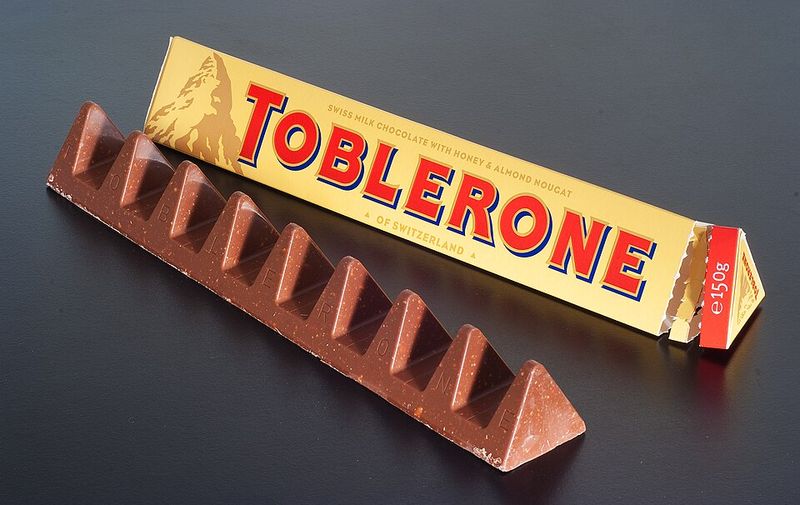
Picture a chocolate bar with gaps so wide you could slide a finger between the peaks. That was the look of certain Toblerone bars in the United Kingdom in 2016.
The company widened the spacing to reduce the weight of the bar. Shoppers noticed the gaps and criticized the change widely.
This was a shape and portion change, not a confirmed recipe reformulation. The chocolate itself was not the main issue.
The episode shows that people care about how much they get, not only what is inside. Even a small shift in design can feel like a big difference when the product is a familiar one.
7. McDonald’s Chicken McNuggets
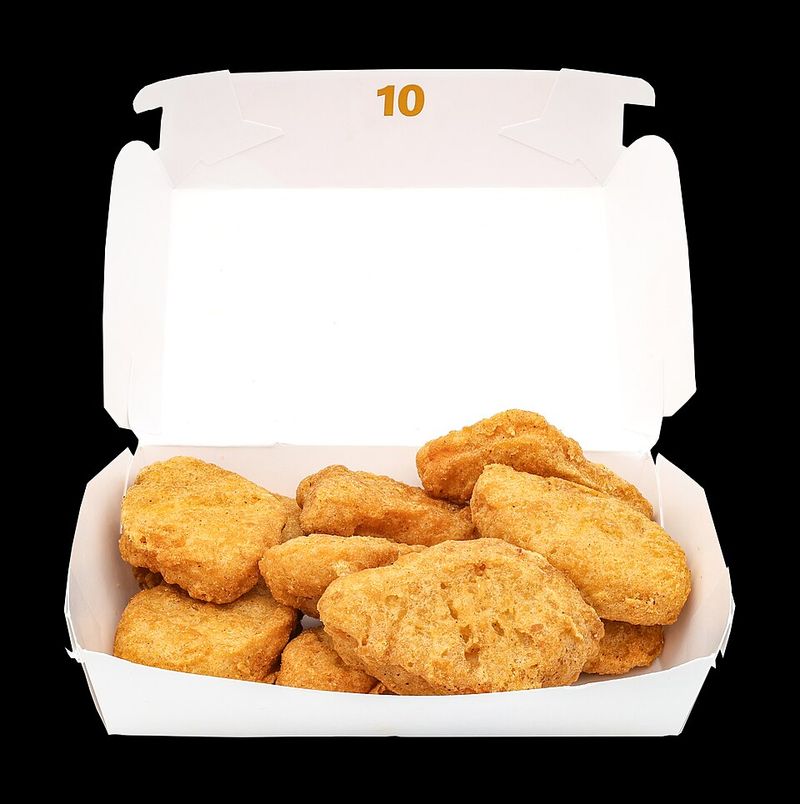
Golden, crunchy, and easy to share, McNuggets are a fast food favorite. In 2016, McDonald’s removed artificial preservatives from them.
The goal was to update the ingredient list while keeping the familiar flavor. The company also worked to make the list shorter and simpler to read.
Many customers said they could not tell the difference. That suggests the update was mostly about meeting shopper interest in cleaner labels.
Changes like this often happen quietly. A brand may adjust what is inside while hoping the experience at the table stays exactly the same.
8. Nestlé Smarties
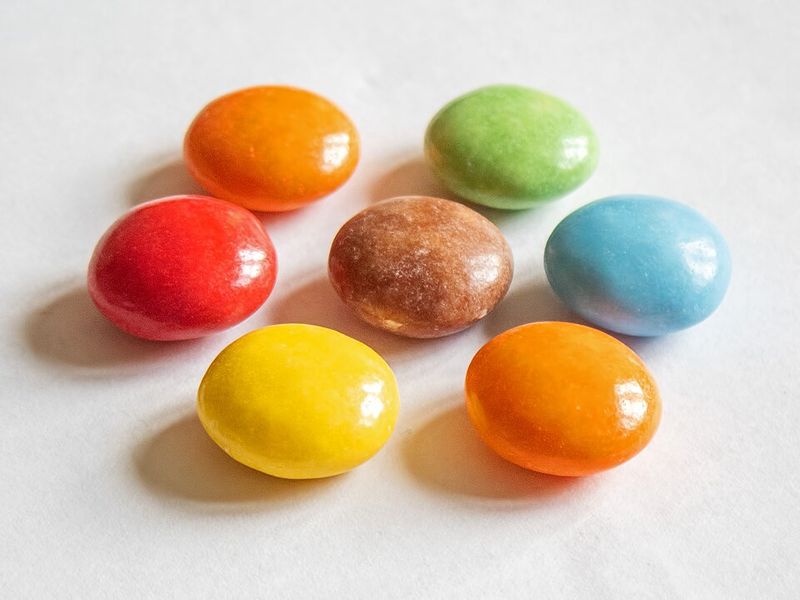
Smarties are small, but their colors were once a big deal. In 2006, the UK brand replaced artificial colors with natural alternatives.
The change meant some candies looked different. Natural colorings from plants and vegetables can be softer than bright synthetic dyes.
Parents were often pleased by the update, since many families wanted fewer artificial additives. Yet some longtime fans missed the old, brighter shades.
The story is a handy reminder that looks are part of flavor. When a candy changes color, people may swear it tastes different even if the sweet center is the same.
9. Subway Bread
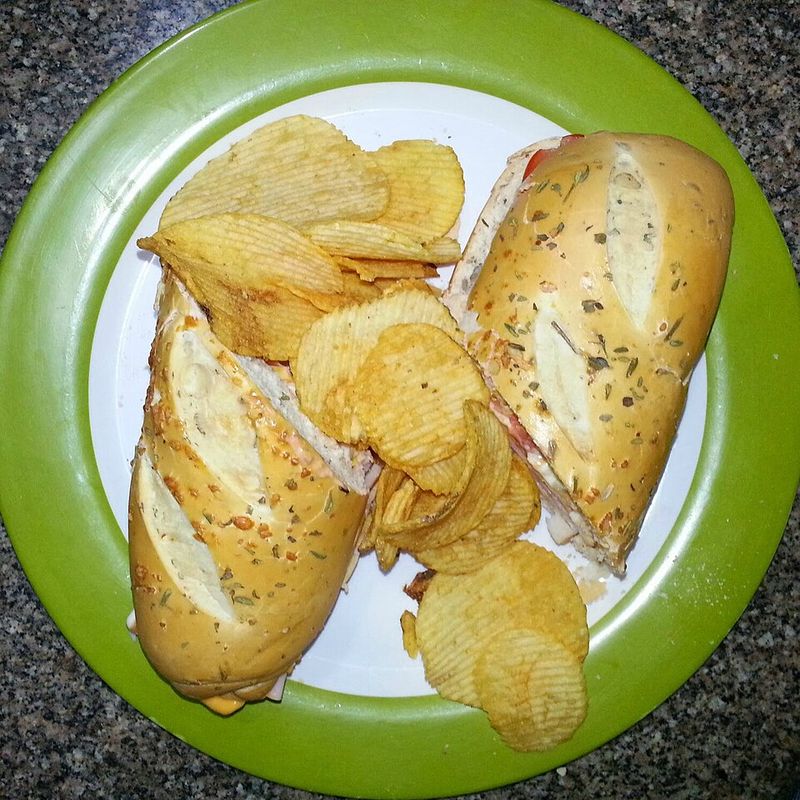
Sandwich shops live and die by their bread. In 2014, Subway reformulated its bread to remove azodicarbonamide after public criticism of the ingredient.
The chemical had been used as a dough conditioner, and a food blogger’s petition drew national attention to it. Subway announced the change soon afterward.
The company said it was already in the process of making the switch. Customers mostly kept ordering as usual.
This case shows how quickly public opinion can shape a menu. A single ingredient name was enough to spark a conversation that reached a large audience.
10. Pizza Hut Original Pan Pizza

The thick, buttery crust of Pizza Hut’s pan pizza has been a family dinner staple for decades. In 2019, the chain introduced a revised recipe with a different cheese blend and an updated baking process.
The company said the new version would have a crispier edge and a more flavorful bite. It also changed how the pizza was cooked in the pan.
Some fans welcomed the crunch. Others said they missed the softer, greasier crust they grew up with.
Pizza is full of small details, from oil to cheese. Changing even one can give a classic a new personality.
11. McDonald’s French Fries
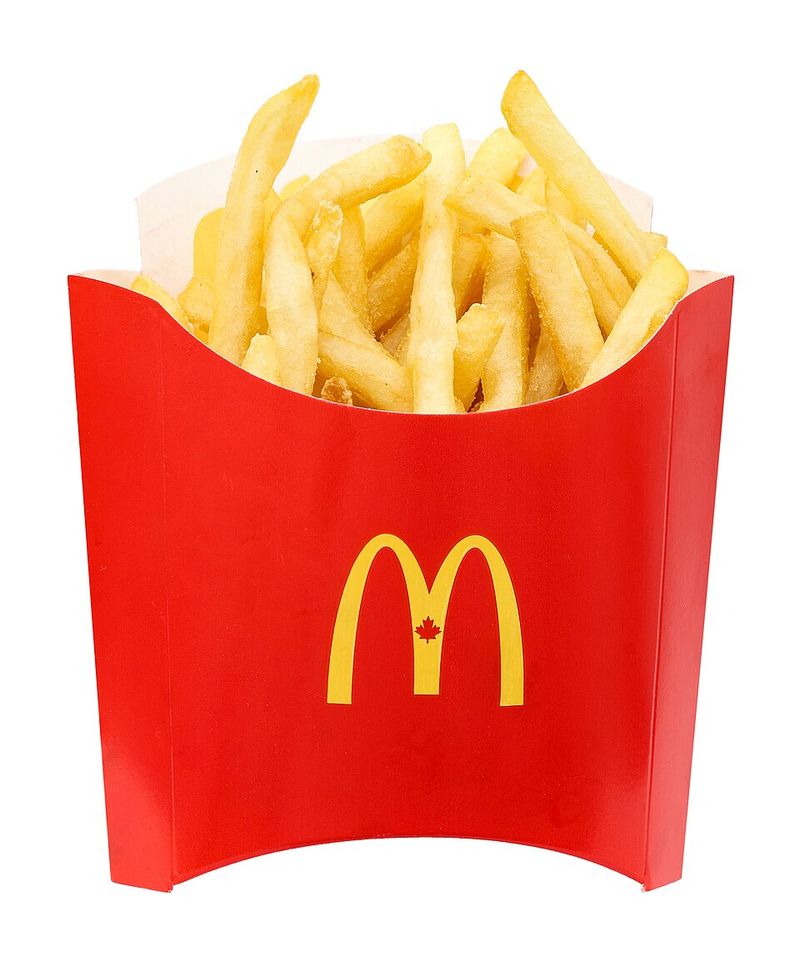
Long before 1990, McDonald’s fries had a rich, savory taste that many people still talk about. That year, the chain in the United States switched from cooking them in beef tallow to vegetable oil.
The move came as health concerns about saturated fat grew. The company added natural flavoring to help keep the taste close to the original.
Even so, longtime customers said the flavor was no longer the same. Some still say the older fries were the best they ever had.
Taste memories are strong, and fries are a simple food. With so few ingredients, any change in the cooking oil stands out.
Share this story