Food is always changing, and 2026 is shaping up to be one of the most exciting years yet for what lands on our plates. From gut-friendly fermented foods to bold global flavors, the trends this year are all about eating smarter, tastier, and more sustainably.
Whether you cook at home or love trying new restaurants, these trends are easy to spot and even easier to enjoy. Here is a look at the 11 food trends making the biggest waves in 2026.
1. Fiber-Rich Foods
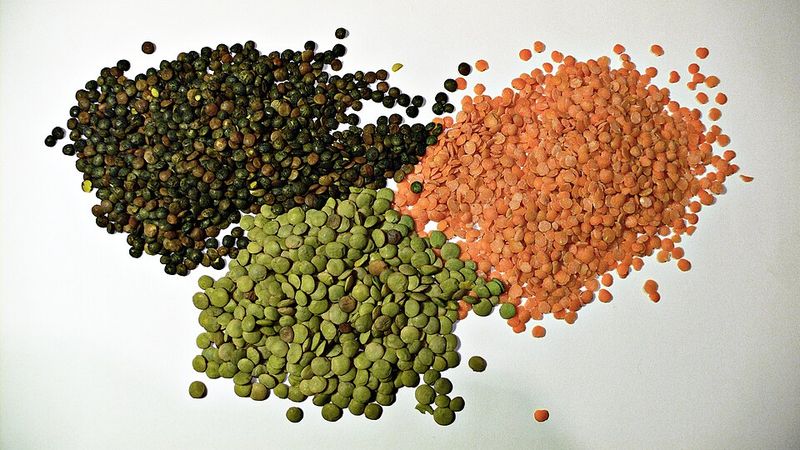
Fiber has officially had its moment in the spotlight, and it is not stepping back anytime soon. In 2026, people are loading up on foods like lentils, oats, beans, and leafy greens because the science backing fiber is stronger than ever.
Studies show that a high-fiber diet supports healthy digestion, lowers cholesterol, and even helps manage blood sugar levels.
What makes this trend stand out is how approachable it is. You do not need fancy supplements or expensive products.
A bowl of oatmeal topped with berries or a lentil soup for lunch can make a real difference. Grocery stores are stocking more fiber-forward snacks, cereals, and even pasta options to meet the growing demand.
Fiber is also showing up in unexpected places, like fiber-added smoothies and high-fiber tortillas. Eating more of it is one of the simplest upgrades you can make to your daily diet.
2. High-Protein Foods

Protein is everywhere in 2026, and for good reason. More people are realizing that protein is not just for bodybuilders.
It helps keep you full longer, supports muscle health, and gives your body the building blocks it needs to function well every single day.
What is new this year is the variety of protein sources getting attention. Beyond the usual chicken and eggs, shoppers are reaching for cottage cheese, edamame, lentils, and even protein-packed pasta made from chickpeas.
Food brands are racing to add protein to everything from yogurt to chips to breakfast cereals.
High-protein eating is also showing up in meal prep culture in a big way. People are planning their weekly meals around protein-first thinking, making sure each dish delivers a solid nutritional punch.
Whether plant-based or animal-based, the message is clear: protein is a priority in 2026.
3. Gut-Friendly Fermented Foods
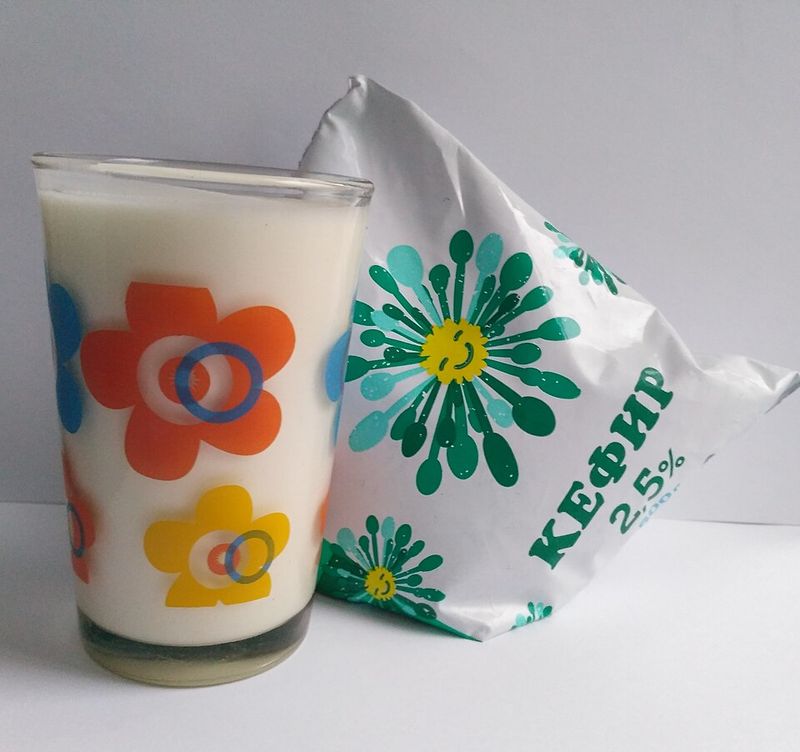
Your gut might just be the most talked-about part of your body in 2026. Research continues to show that a healthy gut microbiome is connected to better mood, stronger immunity, and improved digestion.
That has sent fermented foods straight to the top of grocery lists across the country.
Kimchi, sauerkraut, miso, kefir, and yogurt are all having a major moment. These foods are packed with live cultures, also called probiotics, that help keep the bacteria in your digestive system balanced and thriving.
Restaurants are featuring fermented sides and condiments more prominently than ever before.
Home fermentation is trending too. Many people are making their own kimchi or yogurt at home, treating it as both a health habit and a creative kitchen project.
With so many easy recipes available online, getting started with fermented foods has never been simpler or more rewarding.
4. Functional Beverages

Drinks are no longer just about quenching thirst. Functional beverages are beverages designed to do something extra for your body, like reduce stress, sharpen focus, boost energy, or support sleep.
In 2026, this category has exploded into one of the hottest segments of the food and drink industry.
Mushroom coffee blends, adaptogen lattes, collagen-infused water, and drinks with added vitamins or herbs are flying off shelves. Major coffee chains and health food stores alike are adding functional drink options to their menus.
Even convenience stores are stocking drinks with ingredients like ashwagandha, lion’s mane mushroom, and magnesium.
The appeal is simple: people want their drinks to work as hard as they do. While some functional beverages have stronger research behind them than others, the overall trend reflects a growing interest in wellness through everyday habits.
Choosing what you sip is becoming just as intentional as choosing what you eat.
5. Non-Alcoholic Drinks

Going alcohol-free used to mean choosing between water and soda. Not anymore.
The non-alcoholic drinks market has transformed dramatically, and 2026 is the year it truly goes mainstream. Sophisticated mocktails, alcohol-free wines, and zero-proof spirits are now showing up at weddings, restaurants, and dinner parties without a second thought.
The shift is being driven by younger generations who are choosing to drink less or not at all, a movement sometimes called sober curiosity. Brands have responded by creating drinks that genuinely taste complex, refreshing, and satisfying without the alcohol.
Think sparkling botanical blends, non-alcoholic IPAs, and dealcoholized wines that taste remarkably close to the real thing.
Bars and restaurants are also stepping up with full non-alcoholic menus that treat mocktails with the same creativity as cocktails. This trend is about inclusion, choice, and flavor.
You no longer have to drink alcohol to enjoy a truly interesting beverage experience.
6. Global Condiments and Sauces
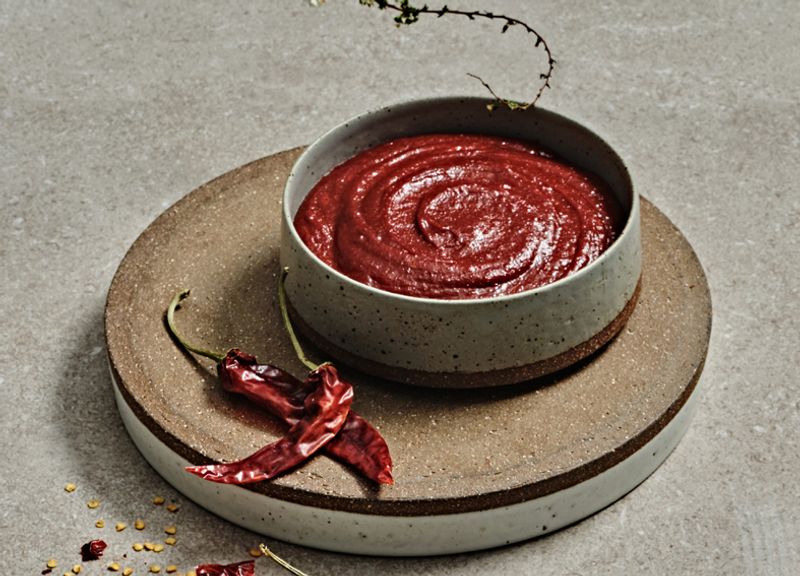
Chili crisp started it all, and now the world of global condiments has fully taken over the condiment aisle. In 2026, shoppers are reaching past the ketchup and mustard for sauces and pastes from Korea, North Africa, Japan, and the Middle East.
These bold, complex flavors are reshaping how people season and finish their meals.
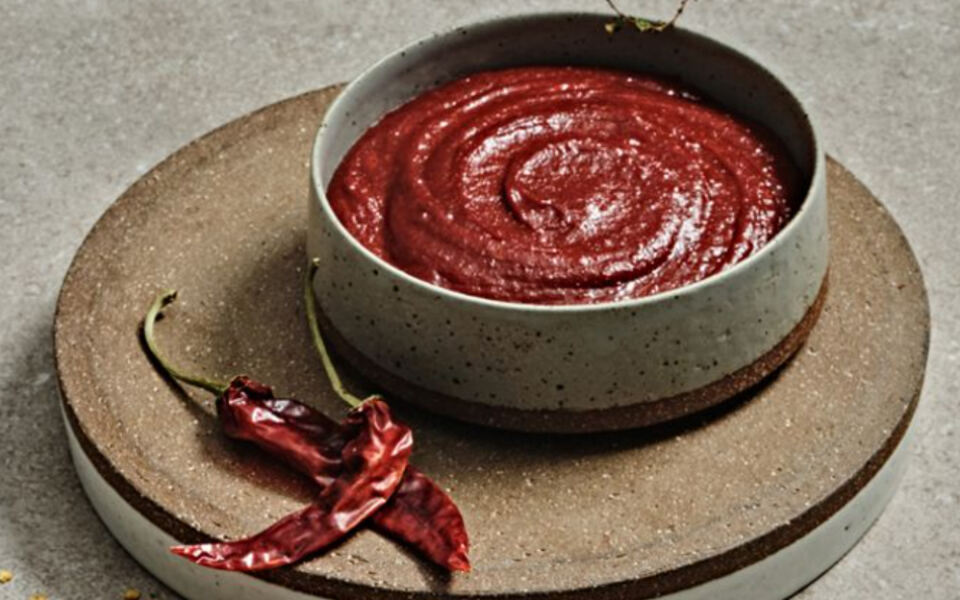
Gochujang, a Korean fermented chili paste, is being stirred into everything from pasta to salad dressings. Harissa, a North African chili sauce, is showing up as a marinade and dip.
Yuzu kosho, a Japanese citrus chili condiment, is winning fans with its bright, punchy flavor. Tahini is moving beyond hummus and being drizzled over roasted vegetables, grain bowls, and even desserts.
These condiments make it easy to add restaurant-level flavor to a home-cooked meal in seconds. Exploring global sauces is one of the most fun and affordable ways to upgrade your cooking this year.
7. Sweet-and-Spicy Flavor Combinations
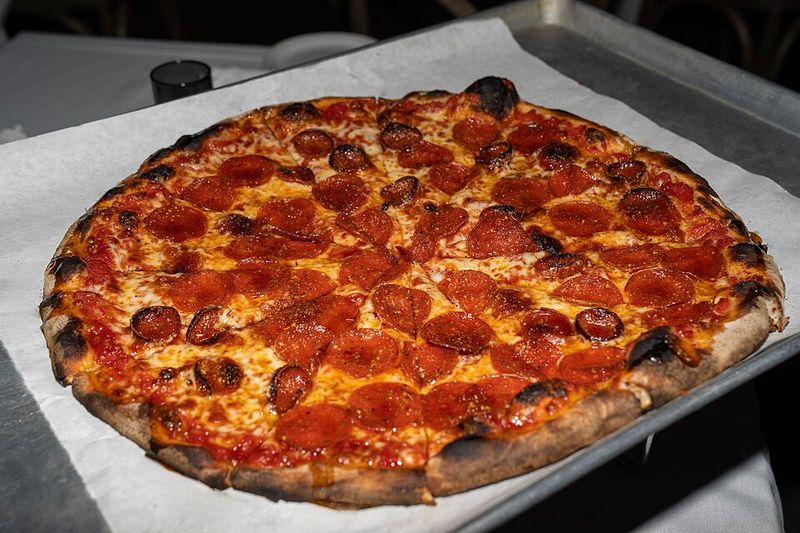
Few flavor combinations have captured people’s taste buds quite like sweet and spicy. In 2026, this duo is showing up absolutely everywhere, from snack aisles to fast food menus to gourmet restaurants.
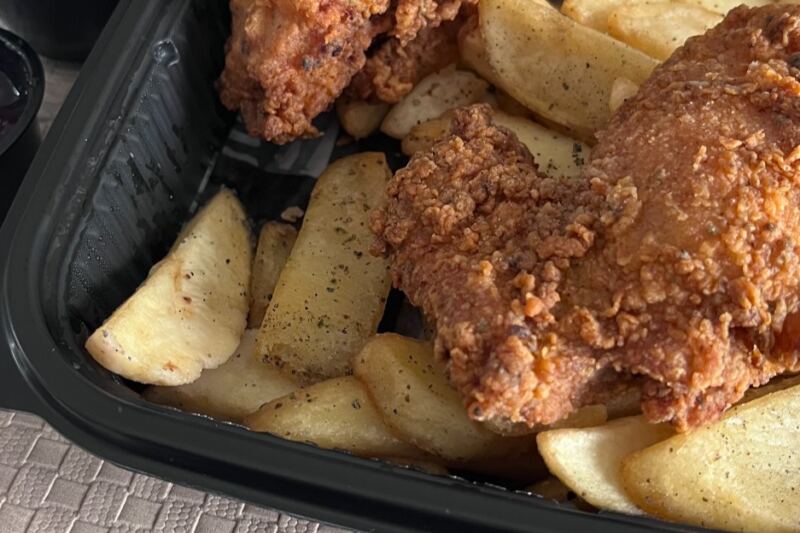
Hot honey has become practically a pantry staple, drizzled over pizza, fried chicken, and cheese boards alike.
The combination works because sweet and heat balance each other in a way that keeps your palate interested. Your brain registers the sweetness first, then the spice creeps in, creating a layered experience that feels exciting and satisfying.
Brands have caught on, launching spicy chocolate bars, chili-infused caramels, and sweet-hot snack mixes.
Restaurants are also pairing sweet fruits with fiery chili powders in dishes like spicy mango tacos and chili-watermelon salads. This trend shows no signs of cooling down.
If anything, expect even bolder sweet-heat combinations to hit menus and store shelves as 2026 rolls on.
8. Tinned and Conserved Seafood

Tinned fish has gone from pantry afterthought to culinary star, and 2026 is proving that this is no passing fad. High-quality canned sardines, smoked oysters, tuna, mackerel, and clams are being celebrated for their convenience, affordability, and impressive nutritional profile.
They are rich in omega-3 fatty acids, protein, and important minerals.
The trend is being driven partly by social media, where tinned fish boards have become a popular and visually appealing alternative to charcuterie. People are arranging premium canned seafood with crackers, pickles, mustard, and lemon for an easy, elegant spread that impresses guests without hours of preparation.
Specialty tinned seafood brands from Portugal, Spain, and Japan are gaining dedicated fan bases in the United States. Shoppers are willing to pay more for high-quality, sustainably sourced options.
Tinned seafood is a smart, delicious, and low-waste way to enjoy the ocean’s best offerings any day of the week.
9. Sourdough in New Forms

Sourdough bread was the pandemic baking project that never really ended. Instead, it evolved.
In 2026, sourdough is showing up in completely new forms that go well beyond the classic round loaf. Bakers and food brands are using sourdough starter and fermentation techniques to create crackers, pancakes, pizza crusts, bagels, and even pasta.
The appeal of sourdough goes beyond nostalgia. The long fermentation process that gives sourdough its tangy flavor also makes the bread easier to digest and gives it a lower glycemic impact compared to regular white bread.
That health angle has kept sourdough relevant even as food trends have shifted.
Home bakers who started their starters years ago are now experimenting with new recipes, while bakeries are rolling out creative sourdough-based menus. From sourdough waffles at brunch to sourdough flatbreads at dinner, this beloved fermented dough is finding exciting new ways to show up at the table in 2026.
10. Plant-Forward Eating

Plant-forward eating is not the same as going fully vegan, and that distinction is exactly why it is resonating with so many people in 2026. Rather than eliminating animal products entirely, plant-forward eating simply means making plants the star of the plate more often.
Vegetables, legumes, whole grains, nuts, and seeds take center stage, with meat or dairy appearing as a supporting ingredient when used at all.
This approach is flexible, which makes it far more sustainable as a long-term habit than strict dietary rules. Research consistently shows that eating more plants is linked to reduced risk of heart disease, type 2 diabetes, and certain cancers.
Restaurants have caught on, offering creative vegetable-driven dishes that feel indulgent and satisfying without relying on meat.
Cauliflower steaks, lentil bolognese, jackfruit tacos, and mushroom-based dishes are regular menu features now. Plant-forward eating is about adding more good stuff rather than restricting.
That positive, additive mindset is what makes this trend feel genuinely sustainable and enjoyable.
11. Minimally Processed Whole Foods
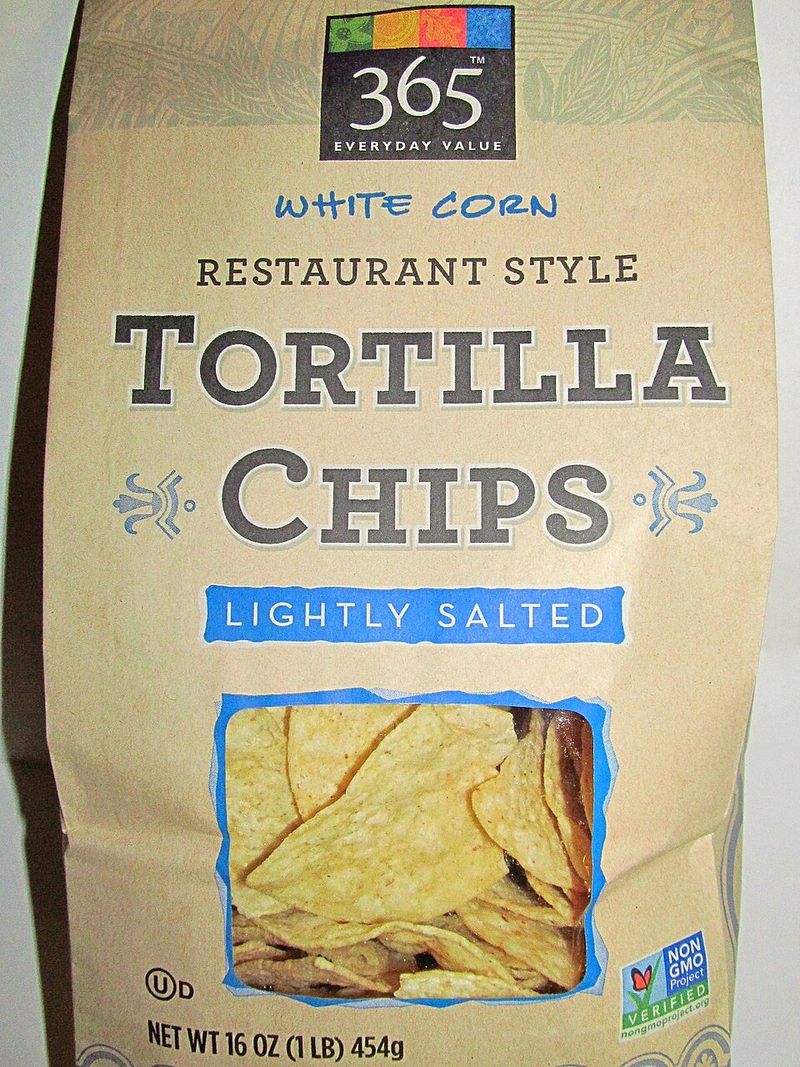
A quiet rebellion against ultra-processed food is gaining real momentum in 2026. More consumers are reading ingredient labels and choosing products with fewer, simpler, and more recognizable ingredients.
The term ultra-processed food has entered everyday conversation, and people are actively trying to reduce how much of it they eat.
Whole foods, meaning foods that are as close to their natural state as possible, are being celebrated for their nutritional density and their lack of artificial additives. Think whole grains instead of refined flour, fresh fruit instead of fruit-flavored snacks, and plain nuts instead of heavily seasoned packaged varieties.
The idea is straightforward: the less a food has been tampered with, the better it tends to be for you.
This trend is also reshaping how people grocery shop. Many are sticking to the perimeter of the store where fresh produce, meat, and dairy live, and spending less time in the center aisles.
Eating simply has become a form of self-care that more people are embracing every day.
Share this story