Venezuelan cuisine is one of the most flavorful and diverse in all of Latin America, shaped by Indigenous, Spanish, and African traditions. From street food to holiday feasts, the country’s dishes are packed with bold flavors, fresh ingredients, and deep cultural meaning.
Whether you are new to Venezuelan food or already a fan, there is always something new and exciting to discover. These 11 dishes are a great place to start your culinary journey through Venezuela.
1. Arepas
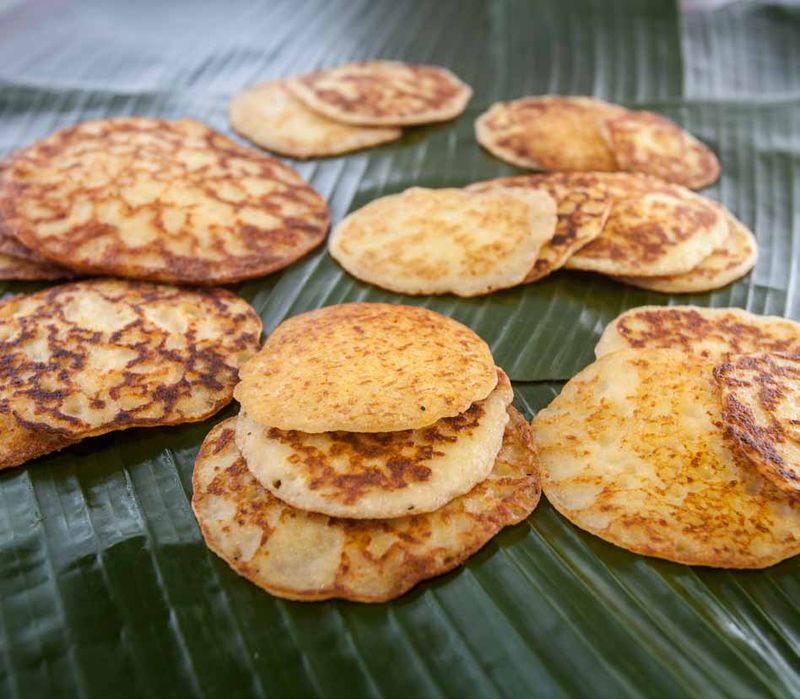
Few foods are as deeply woven into daily Venezuelan life as the arepa. Eaten at breakfast, lunch, or dinner, this round cornmeal patty is a blank canvas for endless fillings.
It is made from pre-cooked white cornmeal, water, and salt, then griddled or baked until golden.
What makes arepas special is how personal they are. Every family has a favorite filling, whether it is shredded chicken, black beans, or the famous “Reina Pepiada,” a creamy avocado and chicken mix.
Street vendors across Venezuela sell them fresh and hot all day long.
Arepas are also naturally gluten-free, making them a great option for people with dietary restrictions. They are simple to make at home, and once you try one stuffed with your favorite ingredients, you will understand why Venezuelans consider them a national treasure worth celebrating every single day.
2. Pabellón Criollo
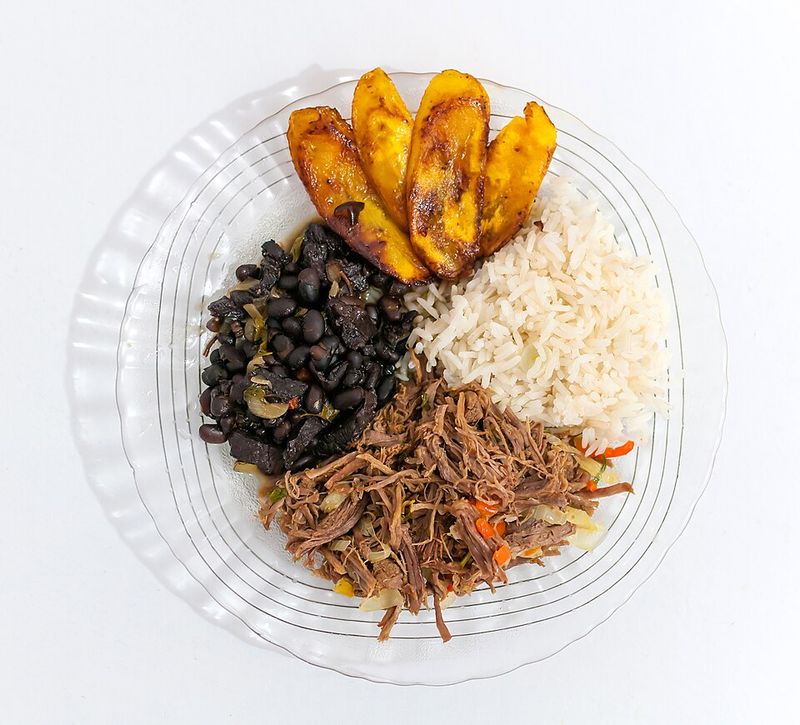
Pabellón Criollo is often called the national dish of Venezuela, and for good reason. This hearty plate brings together four key components: white rice, black beans, shredded beef, and sweet fried plantains called tajadas.
Each element has its own distinct flavor, but together they create something truly memorable.
The dish reflects Venezuela’s cultural roots, with Indigenous, African, and Spanish influences all present on one plate. The black beans are slow-cooked with garlic and onion, while the beef is braised until tender and then pulled apart by hand.
The sweet plantains add a caramelized contrast that ties everything together beautifully.
Pabellón Criollo is the kind of meal that feels like home. It is filling, balanced, and satisfying in every bite.
Many Venezuelans grow up eating it on Sundays with family, making it a dish tied closely to warmth, memory, and tradition.
3. Hallacas
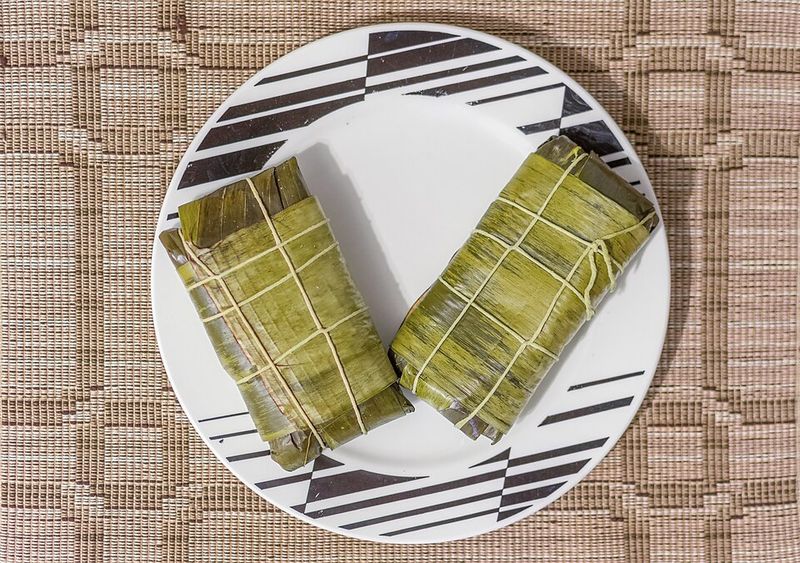
Come December in Venezuela, the smell of hallacas fills every kitchen. This iconic holiday dish is made from seasoned cornmeal dough filled with a slow-cooked stew of beef, pork, chicken, olives, raisins, and capers.
The whole thing is wrapped in banana leaves and boiled until perfectly cooked.
Making hallacas is a family event. Grandparents, parents, and children gather around the table to assemble each one, passing down the recipe and the tradition together.
The process takes hours, but the result is a rich, layered flavor that no other dish can replicate.
Hallacas are often compared to tamales, but the filling and spices give them a uniquely Venezuelan character. They are typically made in large batches and shared with neighbors and friends.
If someone offers you a homemade hallaca during the holiday season, accept it without hesitation. It is a true gift.
4. Cachapas
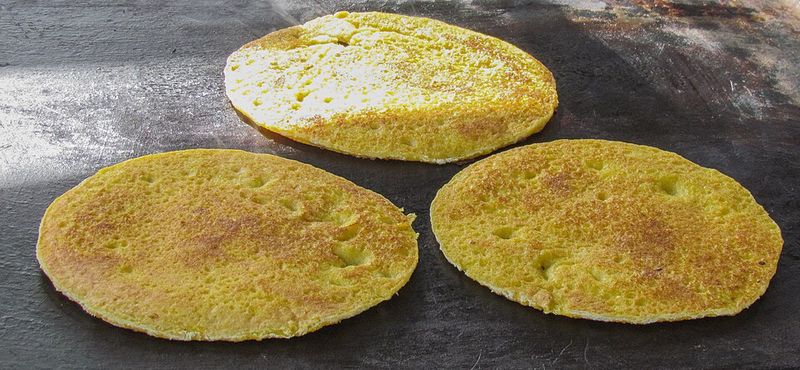
Cachapas are Venezuela’s answer to the pancake, but with a sweet corn twist that makes them completely irresistible. Made from ground fresh corn mixed into a thick batter, they are cooked on a griddle until golden and slightly crispy on the edges.
The natural sweetness of the corn shines through in every bite.
The most classic way to enjoy a cachapa is folded over a thick slab of hand cheese, known as queso de mano. The salty, creamy cheese pairs perfectly with the sweet corn flavor, creating a contrast that is simple but deeply satisfying.
Some people also add butter or cream cheese for extra richness.
Cachapas are popular at roadside food stands, especially in the countryside outside Caracas. They are best eaten fresh off the griddle while still warm.
Once you have tried one, it becomes very hard to forget that sweet, golden, cheesy bite.
5. Tequeños
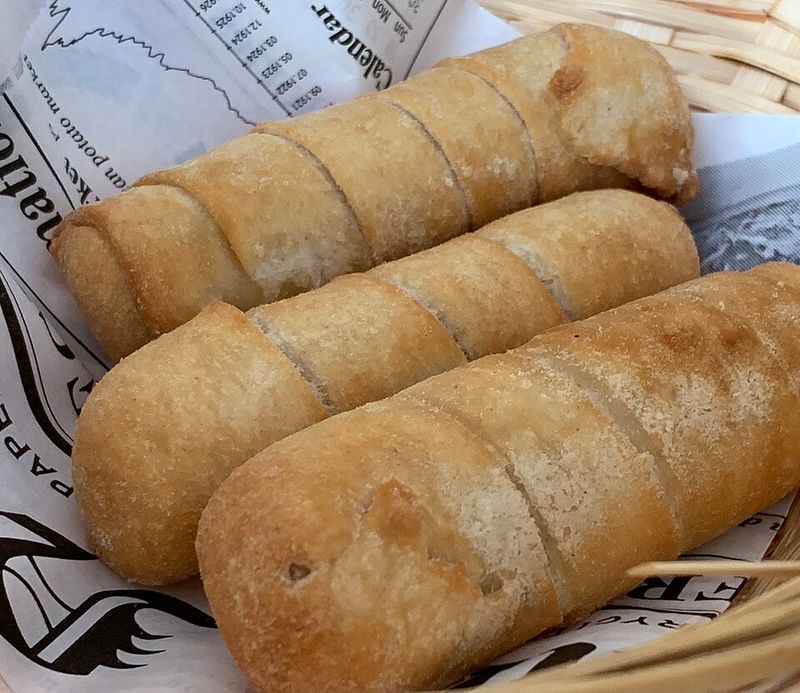
At almost every Venezuelan party or gathering, tequeños make an appearance, and they disappear fast. These addictive cheese-filled bread sticks are made by wrapping strips of dough around a piece of white cheese, then frying or baking them until golden and slightly crispy on the outside.
The cheese inside melts completely during cooking, creating a gooey, stretchy center that pulls apart with every bite. Venezuelans use a mild, salty white cheese called queso blanco, which holds up well to heat and gives the tequeño its signature flavor.
They are best enjoyed hot, fresh out of the fryer.
Tequeños have become so popular that they are now sold frozen in Venezuelan communities around the world. They are perfect as an appetizer, snack, or party food.
Fun fact: the name comes from Los Teques, a city near Caracas where this beloved snack is said to have originated centuries ago.
6. Venezuelan Empanadas
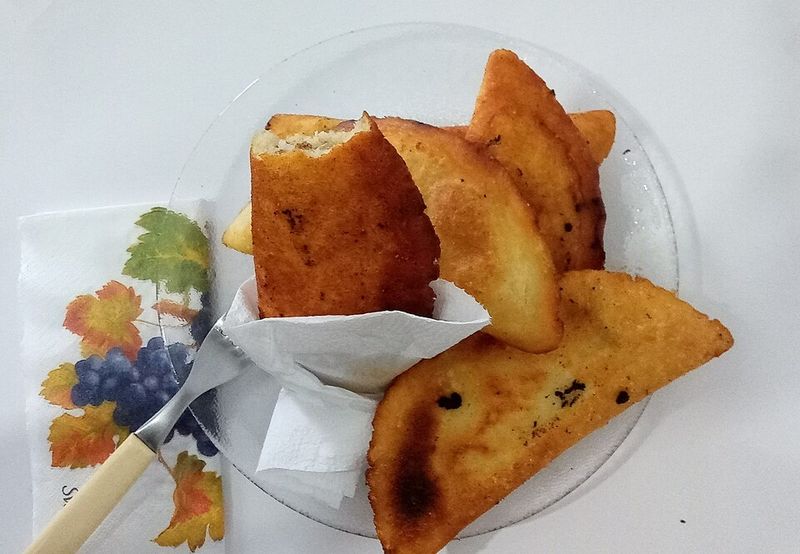
Venezuelan empanadas are different from their South American cousins in one key way: they are made with cornmeal dough instead of wheat flour. This gives them a slightly crispier shell and a heartier texture that holds up well to bold, flavorful fillings packed inside each one.
Popular fillings include shredded beef, black beans, cheese, shark meat known as cazón, and chicken. They are deep-fried to a beautiful golden color and are a staple of Venezuelan breakfast culture.
Many people grab one from a street vendor on their way to work or school in the morning.
Each region of Venezuela has its own twist on the empanada, with local ingredients and spices influencing the flavor. They are affordable, portable, and incredibly satisfying.
If you ever find yourself at a Venezuelan food stand, ordering an empanada is one of the best decisions you can make to start your day.
7. Asado Negro
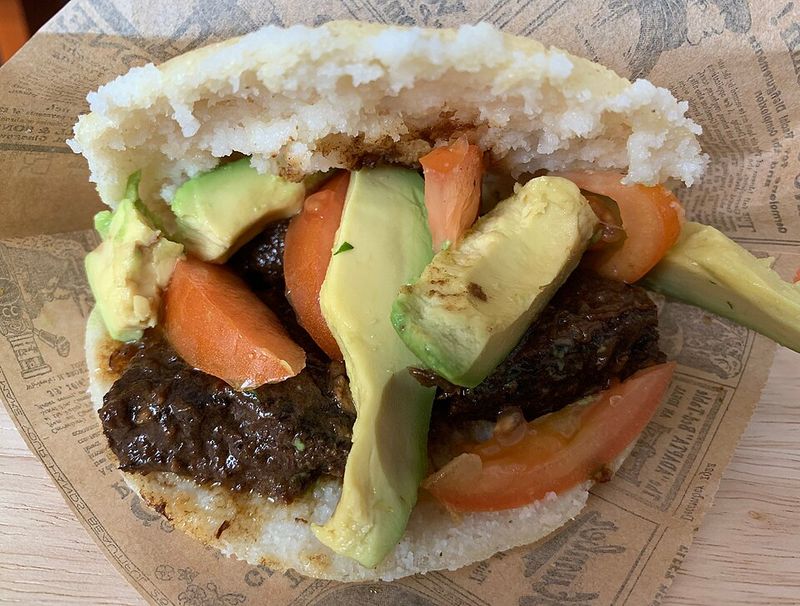
Asado Negro is the kind of dish that commands respect at the dinner table. A whole beef roast is marinated, seared, and then slowly braised in a sauce made from caramelized brown sugar, red wine, and spices until the meat is fall-apart tender and coated in a deep, dark glaze.
The signature color comes from the caramelized papelón, which is unrefined cane sugar. As it cooks low and slow, the sauce thickens and clings to the meat, giving Asado Negro its unmistakable mahogany appearance.
The flavor is rich, slightly sweet, and deeply savory all at once.
This dish is often reserved for special occasions like Christmas, weddings, or Sunday family meals. It is traditionally served with white rice and sweet plantains.
Asado Negro shows the elegant side of Venezuelan cooking, proving that patience and quality ingredients can transform a simple cut of beef into something extraordinary.
8. Pasticho
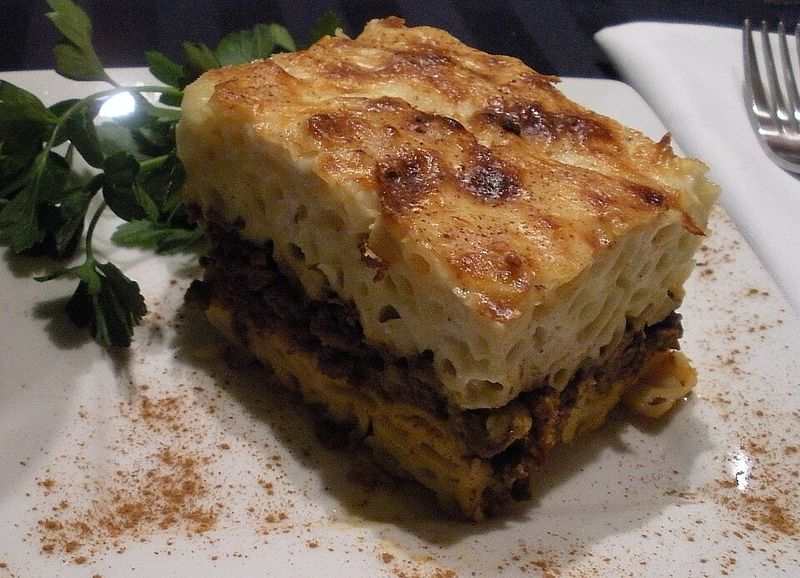
Venezuela has its own beloved version of lasagna, and locals call it pasticho. Layers of pasta are stacked with a savory ground beef and tomato sauce, creamy béchamel, and plenty of melted cheese.
The top layer bakes into a golden, bubbling crust that is hard to resist.
Pasticho became popular in Venezuela during the 20th century as Italian immigrants settled in the country and adapted their recipes using locally available ingredients. Over time, it became a staple of Venezuelan home cooking, especially for family gatherings and birthday celebrations.
What sets Venezuelan pasticho apart is the generous use of béchamel between every layer, making each bite extra creamy and rich. Some families also add ham or hard-boiled eggs to the layers.
It is a crowd-pleasing, comforting dish that bridges Italian tradition and Venezuelan flavor beautifully, and it always disappears quickly at any dinner table.
9. Bollos Pelones
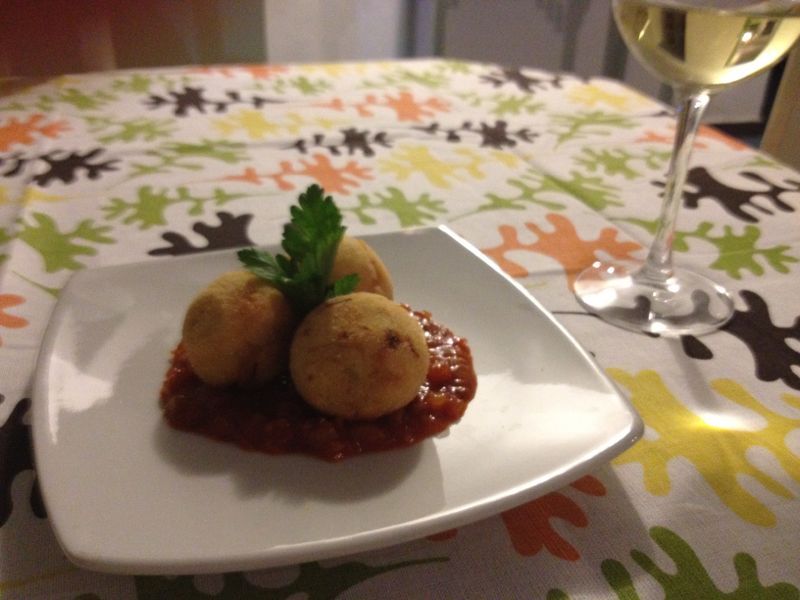
Bollos Pelones have a playful name that translates roughly to “bald balls,” which describes their smooth, round appearance perfectly. These are soft cornmeal dough balls stuffed with a savory filling of seasoned ground beef, then cooked and served in a rich tomato-based sauce poured generously over the top.
The contrast between the soft, pillowy masa exterior and the flavorful meat filling inside makes every bite interesting. The tomato sauce soaks into the dough slightly as it sits, adding even more flavor and moisture to an already satisfying dish.
They are hearty enough to serve as a full meal on their own.
Bollos Pelones are considered comfort food in Venezuela, often made at home on weekday evenings when families want something filling and flavorful without spending hours in the kitchen. They are not as well-known internationally as arepas, but among Venezuelans, they hold a very special place in the heart.
10. Patacones
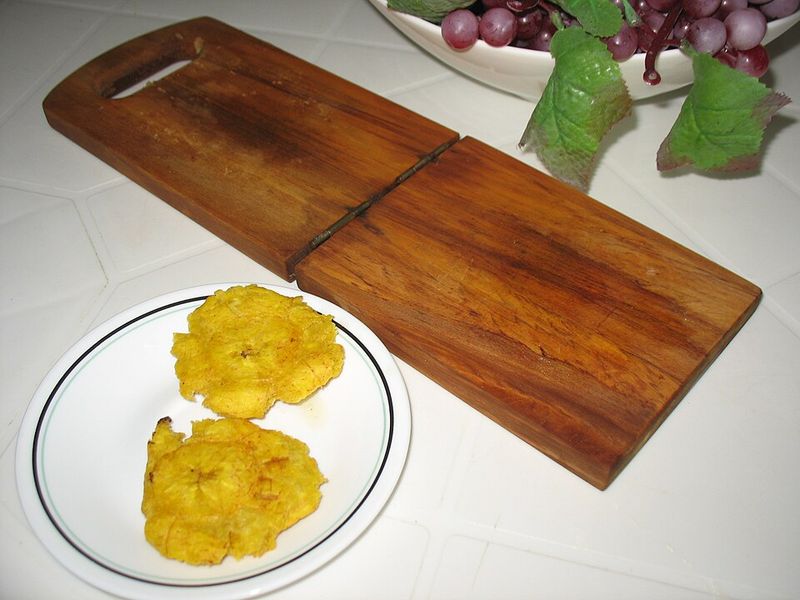
Green plantains get a serious upgrade when they become patacones. Thick slices of unripe plantain are fried once, smashed flat, and then fried again until crispy and golden.
The result is a sturdy, crunchy base that can hold a variety of toppings, making patacones one of the most versatile dishes in Venezuelan cuisine.
Common toppings include shredded beef, black beans, avocado, white cheese, and hogao, which is a cooked tomato and onion sauce. Some people enjoy them plain with just a sprinkle of salt, letting the natural starchy flavor of the plantain take center stage.
Either way, the double-frying technique creates a satisfying crunch.
Patacones are popular across much of Latin America, but in Venezuela they carry their own regional character. They work as a snack, a side dish, or even a full meal depending on the toppings.
Once you taste that crispy plantain base loaded with savory toppings, you will be hooked immediately.
11. Pan de Jamón
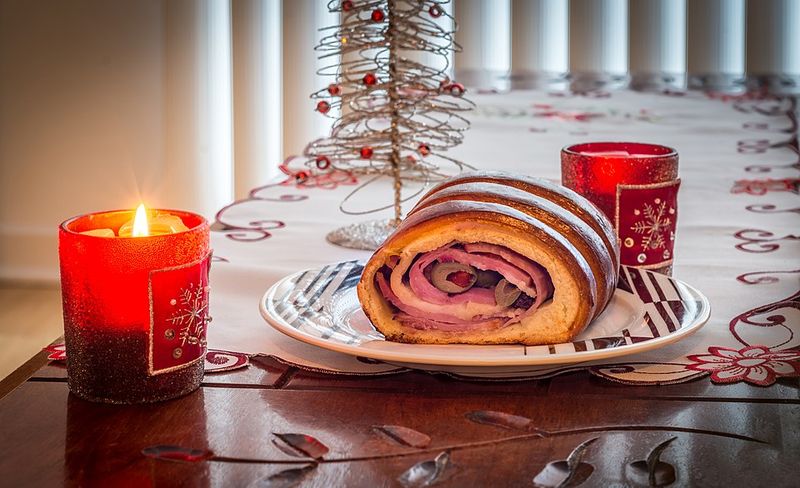
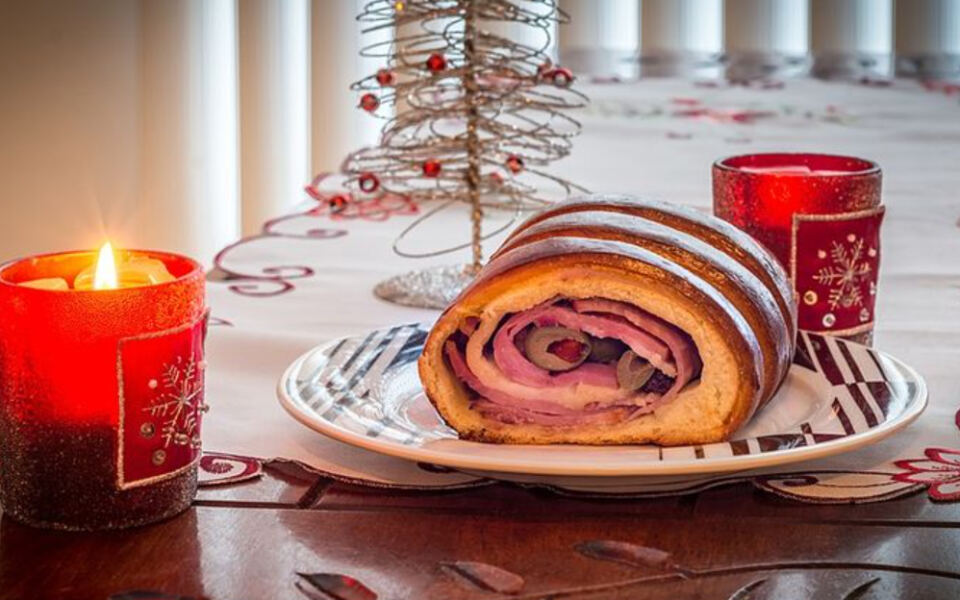
Every December, Venezuelan kitchens fill with the warm, buttery aroma of Pan de Jamón baking in the oven. This festive rolled bread is stuffed with layers of sliced ham, green olives, and sweet raisins, then baked until golden brown and glazed with a light coating of butter or egg wash on top.
The combination of salty ham and sweet raisins might sound unusual, but the contrast is what makes Pan de Jamón so addictive. When you slice it open, you see beautiful swirling layers of filling that make it as attractive as it is delicious.
It is always a centerpiece at Venezuelan holiday tables.
Pan de Jamón was first created in Caracas in the early 1900s and has been a Christmas tradition ever since. Bakeries begin selling it weeks before the holidays, and families often make their own at home.
Sharing a loaf with loved ones is one of the most cherished Venezuelan holiday customs.
Share this story