
Some communities around the world are famous for having unusually high numbers of people who live past 90 or even 100 years old. Researchers have studied these places closely, looking for clues about what helps people stay healthy for so long.
One pattern that keeps showing up is food. The meals eaten in these communities tend to share certain ingredients, and learning about them can give the rest of us some useful ideas for our own plates.
1. Beans
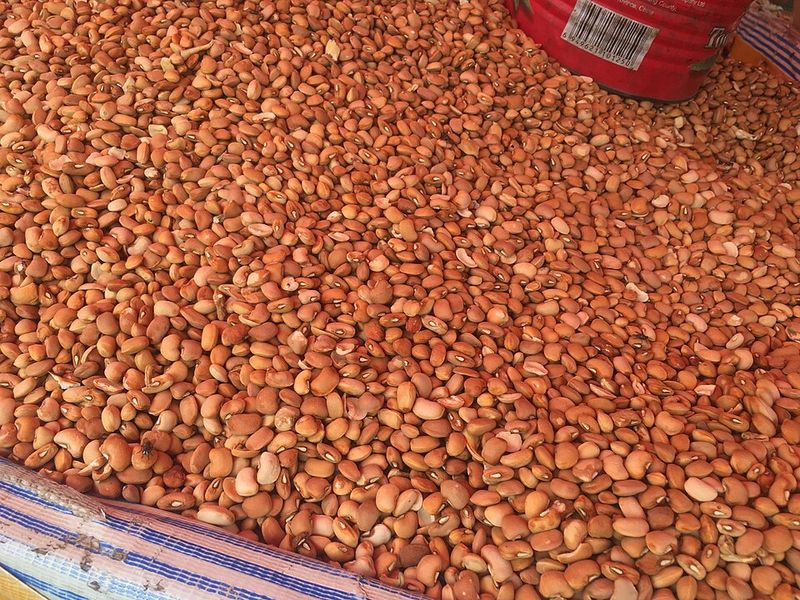
Ask someone who lives in one of the world’s longest-lived communities what they eat most often, and beans will almost always come up. These little legumes are packed with protein, fiber, and important minerals like iron and magnesium.
They help keep your digestive system running smoothly and can make you feel full for longer stretches of the day.
In places like Sardinia, Italy and the Nicoya Peninsula in Costa Rica, beans are eaten almost every single day. They show up in soups, stews, and side dishes at nearly every meal.
Researchers who study longevity have noted that regular bean consumption is one of the most consistent dietary habits found across healthy aging populations worldwide.
Adding beans to your meals does not have to be complicated. Toss them into salads, blend them into dips, or stir them into pasta for an easy protein boost.
2. Lentils
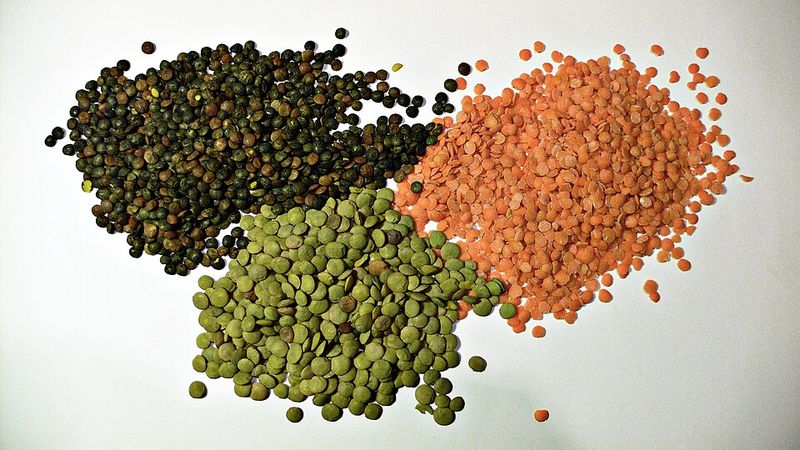
Lentils have been a staple food in human diets for thousands of years, and for good reason. They cook faster than most other legumes, require no soaking, and deliver a powerful nutritional punch.
A single cup of cooked lentils contains around 18 grams of protein and nearly half your daily recommended fiber intake.
Communities in Ikaria, Greece and parts of the Middle East eat lentils regularly as part of their everyday meals. Lentil soup is especially popular, often seasoned with garlic, cumin, and a squeeze of lemon.
These simple additions actually enhance the absorption of iron found in the lentils, making the dish even more nutritious.
Lentils are also budget-friendly, which makes them accessible to people in many different parts of the world. Whether red, green, or black, each variety brings its own texture and flavor to the table.
3. Chickpeas
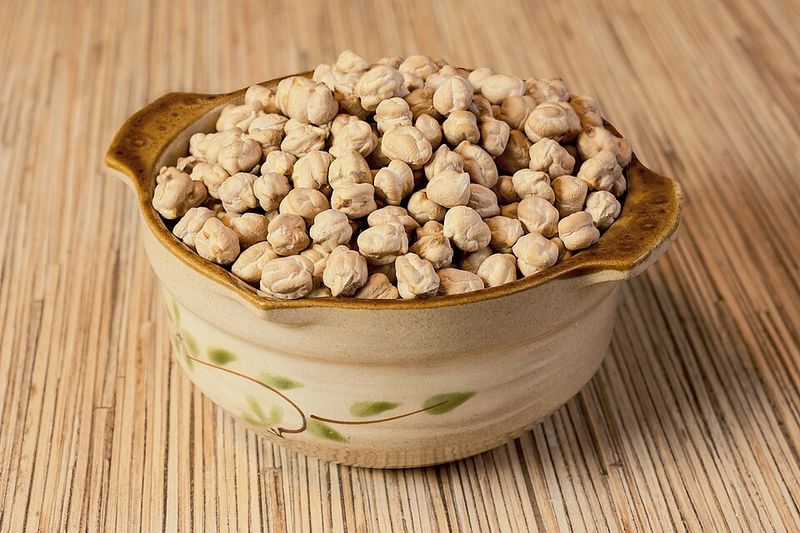
Chickpeas, also known as garbanzo beans, are a beloved staple in some of the healthiest regions on the planet. They are incredibly versatile and appear in dishes ranging from creamy hummus to hearty stews and crispy roasted snacks.
Their mild, nutty flavor makes them easy to pair with a wide variety of seasonings and ingredients.
In the Mediterranean region, particularly in countries like Greece, Turkey, and Lebanon, chickpeas are eaten several times a week. Research on populations in these areas consistently shows lower rates of heart disease and longer average lifespans compared to many Western nations.
Chickpeas are rich in plant-based protein, folate, and antioxidants that support heart and brain health.
Roasting chickpeas with a little olive oil and seasoning is one of the easiest healthy snack swaps you can make. They satisfy cravings for something crunchy without the downsides of processed snack foods.
4. Sweet Potatoes

On the Japanese island of Okinawa, sweet potatoes were historically the main source of calories for a population known for exceptional longevity. Purple Okinawan sweet potatoes, in particular, are loaded with anthocyanins, which are powerful antioxidants that help protect cells from damage.
Scientists believe these compounds play a role in reducing inflammation in the body.
Sweet potatoes are also rich in beta-carotene, vitamin C, potassium, and fiber. They provide steady energy without causing dramatic spikes in blood sugar, making them a smart choice for long-term health.
Their natural sweetness means they need very little added sugar or fat to taste delicious.
You can bake them whole, mash them as a side dish, or slice and roast them for a simple weeknight dinner. Unlike many trendy health foods, sweet potatoes are affordable, widely available, and easy to prepare in countless ways that the whole family can enjoy.
5. Leafy Greens
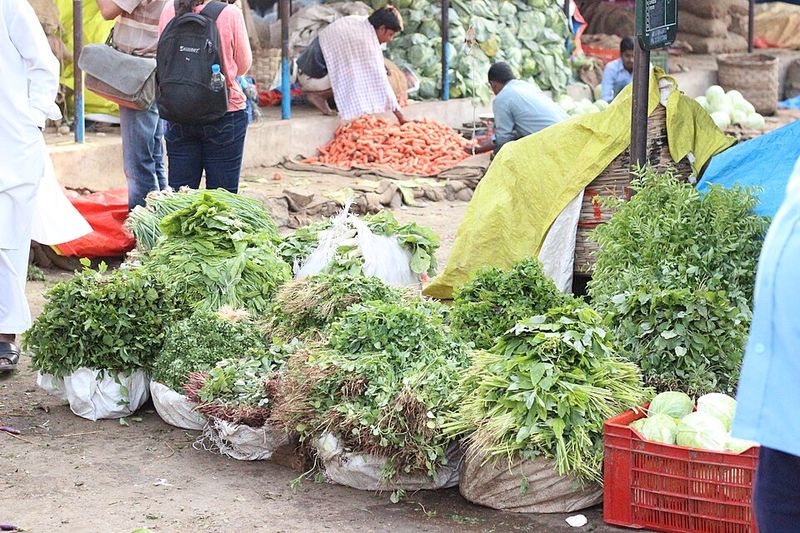
Dark leafy greens are among the most nutrient-dense foods on earth. Spinach, kale, Swiss chard, and collard greens are all packed with vitamins A, C, and K, along with folate, calcium, and a range of antioxidants.
Eating them regularly has been linked to better bone health, sharper memory, and a reduced risk of heart disease.
In Ikaria, Greece, wild greens called horta are boiled and drizzled with olive oil as a common side dish. Okinawans eat sweet potato leaves and bitter melon greens.
Sardinians include dark greens in soups and as accompaniments to main dishes. The consistent theme across these cultures is that greens appear at meals frequently, not occasionally.
Getting more leafy greens into your routine can be as simple as adding a handful of spinach to a smoothie or swapping out iceberg lettuce for darker varieties in your everyday salads.
6. Whole Grains
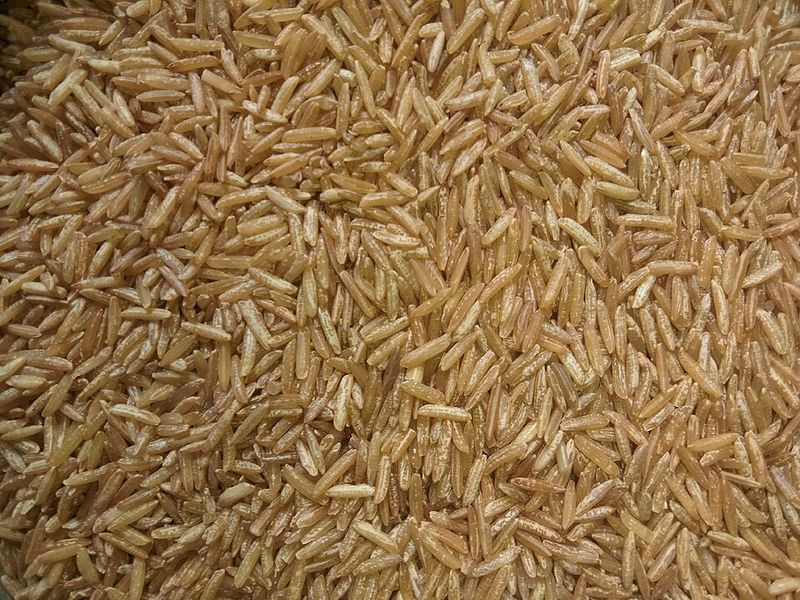
Whole grains have been a cornerstone of human nutrition for centuries, and they remain a key part of the diet in many long-lived communities. Unlike refined grains, whole grains retain their outer bran and inner germ layers, which is where most of the fiber, B vitamins, and minerals are found.
This makes them significantly more nutritious than white bread or white rice.
Populations in Sardinia and the Mediterranean region frequently eat whole grain breads and pastas. In parts of Asia, brown rice and other unrefined grains are traditional staples.
Studies have found that people who eat whole grains regularly tend to have lower rates of type 2 diabetes, heart disease, and certain cancers.
Switching from refined to whole grains does not require a complete diet overhaul. Start by choosing whole wheat bread over white, or try brown rice as a simple swap for your usual side dish at dinner.
7. Nuts
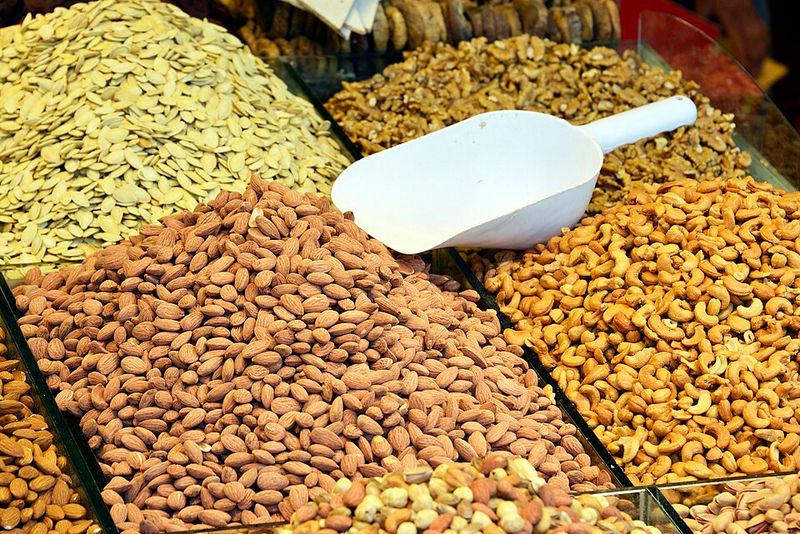
Grab a small handful of nuts and you are holding one of the most calorie-efficient health foods available. Walnuts, almonds, pistachios, and hazelnuts are all rich in healthy fats, protein, fiber, and essential vitamins and minerals.
Research published in major nutrition journals has consistently shown that people who eat nuts regularly tend to live longer and have healthier hearts.
In the Seventh-day Adventist communities of Loma Linda, California, one of the world’s recognized longevity hotspots, nuts are eaten almost daily. Many members follow a plant-based diet where nuts serve as a primary source of fat and protein.
Studies on this specific population found that those who ate nuts five or more times per week had significantly lower rates of heart disease.
A small portion of about one ounce per day is generally considered the sweet spot. Overeating them is easy since they are so tasty, so measuring your portions is a smart habit to build.
8. Olive Oil

There is something almost legendary about olive oil and its connection to long, healthy lives. In Mediterranean cultures, it is not just a cooking ingredient but a way of life.
Extra virgin olive oil is rich in monounsaturated fats and powerful antioxidants called polyphenols, which help reduce inflammation and protect the cardiovascular system from damage over time.
In Sardinia and Ikaria, olive oil is drizzled generously over vegetables, legumes, and bread at nearly every meal. Researchers have noted that the populations in these regions consume olive oil in quantities that would seem extravagant by other dietary standards, yet they experience remarkably low rates of heart disease and stroke.
Using olive oil as your primary cooking fat is one of the easiest and most evidence-backed dietary changes you can make. Choose extra virgin varieties for the highest concentration of beneficial compounds and the richest, most complex flavor.
9. Oatmeal
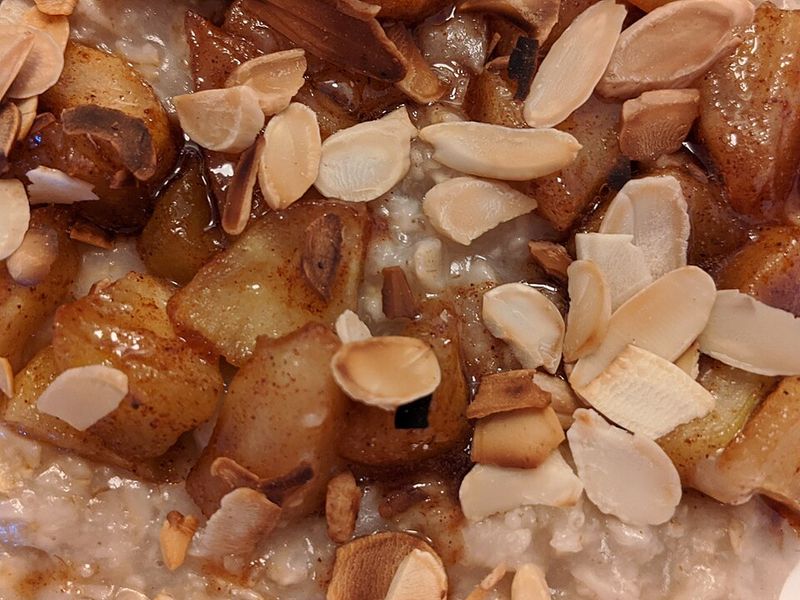
Oatmeal has earned its reputation as a reliable morning staple for good reason. It is one of the most filling and nutritionally complete breakfast options available, offering a solid dose of fiber, complex carbohydrates, and several important vitamins and minerals.
The specific type of fiber found in oats, called beta-glucan, is particularly well studied for its ability to lower LDL cholesterol levels.
Long-lived communities in Northern Europe and among Seventh-day Adventists in the United States have traditionally included oatmeal as a regular breakfast food. It provides sustained energy throughout the morning, which helps prevent the energy crashes that often lead to overeating later in the day.
Plain rolled oats or steel-cut oats are the best choices since they contain less added sugar than instant varieties. Top them with fresh fruit, a spoonful of nut butter, or a sprinkle of cinnamon to build a breakfast that is both satisfying and genuinely good for you.
10. Barley
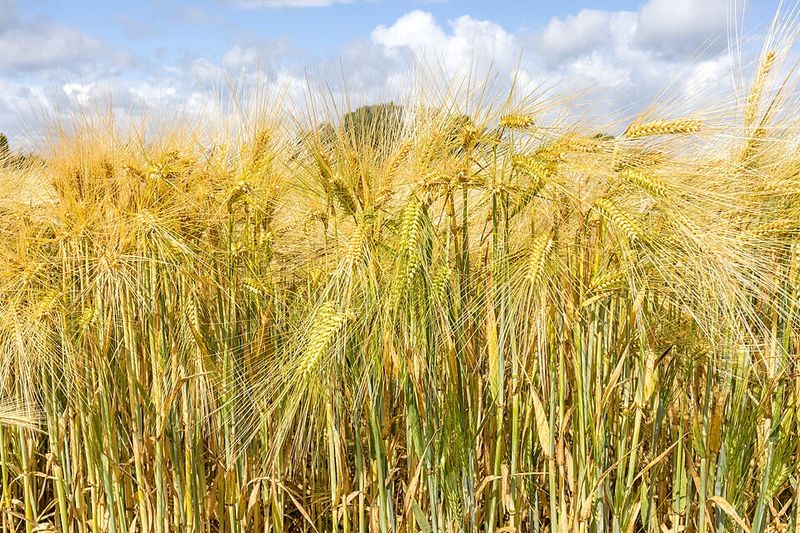
Barley might not get the same attention as trendier grains like quinoa, but it has been feeding people for thousands of years and has a solid nutritional profile to back up its staying power. It is one of the highest-fiber grains available, and like oats, it contains beta-glucan fiber that helps manage cholesterol and blood sugar levels effectively.
In Sardinia, barley bread called pane carasau has been a traditional food for generations. Sardinian men in particular are known for reaching 100 at rates far higher than most other populations on earth.
While no single food deserves full credit, barley’s regular presence in their diet is considered one contributing factor by researchers who study longevity in the region.
Barley works well in soups, grain salads, and as a side dish in place of rice or pasta. Its chewy texture and slightly nutty flavor make it a satisfying addition to many kinds of meals.
11. Fresh Fruit
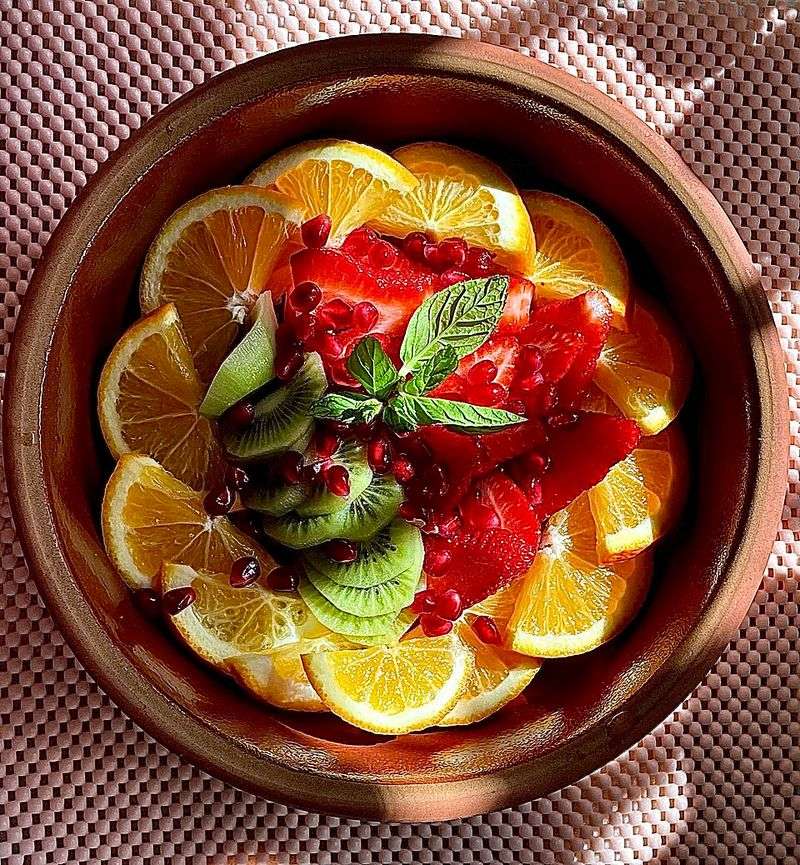
Fresh fruit brings natural sweetness, vibrant color, and a wide range of nutrients to the diets of long-lived communities around the world. Berries are especially prized for their high concentration of antioxidants, which help combat oxidative stress in the body.
Figs, pomegranates, and citrus fruits are also common in Mediterranean and Middle Eastern diets where longevity rates are notably high.
In Okinawa, papaya and other tropical fruits are eaten regularly as snacks and as part of meals. In Sardinia, seasonal fruits are enjoyed fresh and simply prepared without added sugars or heavy processing.
The key in these communities is that fruit is eaten in its whole, natural form rather than as juice, which strips away most of the beneficial fiber.
Choosing a variety of colorful fruits throughout the week ensures you get a broad range of vitamins, minerals, and plant compounds that work together to support long-term health in meaningful ways.
12. Tofu and Soybeans
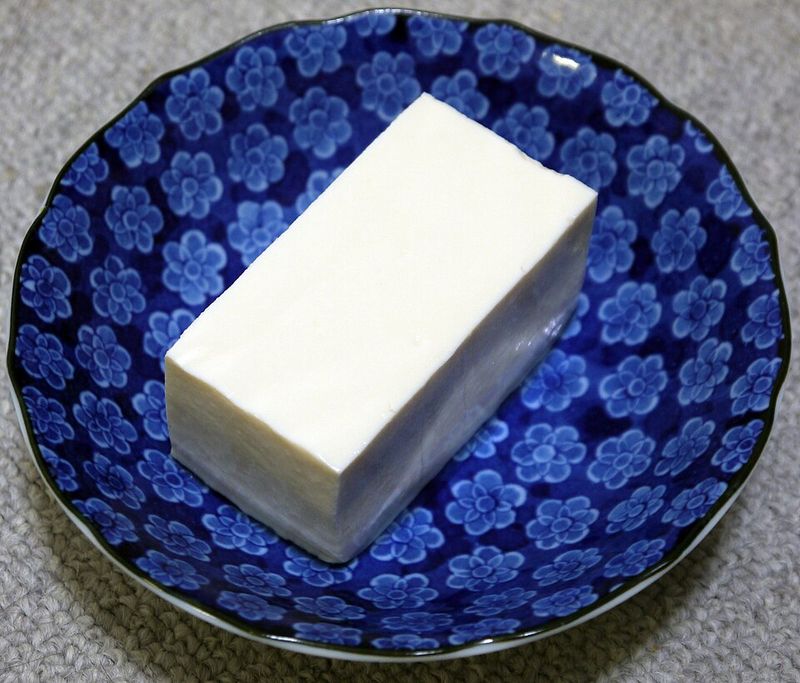
In Okinawa, Japan, tofu and soybeans have been dietary staples for centuries, and they are widely credited as one of the reasons Okinawans historically lived so long. Tofu is made from soybeans and is an excellent source of plant-based protein, calcium, and iron.
It is low in saturated fat and contains compounds called isoflavones, which have been studied for their potential role in reducing the risk of heart disease and certain cancers.
Okinawans traditionally eat tofu in miso soup, stir-fries, and simmered dishes seasoned with light broth and vegetables. Edamame, which are young soybeans, are also eaten as a simple snack or side dish throughout the region.
The soybean in various forms appears at multiple meals throughout the day in traditional Okinawan cooking.
Fermented soy products like miso and tempeh offer additional benefits by supporting gut health. Including tofu or edamame a few times per week is an easy, protein-rich swap worth trying.
Share this story