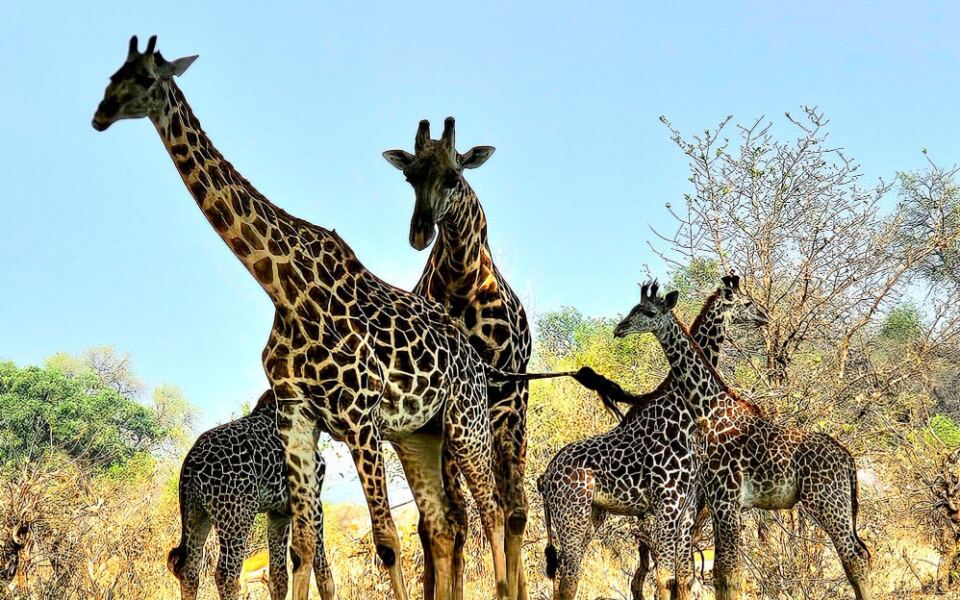
Giraffes are the tallest animals on Earth, and watching them stroll across an African landscape is a memory that stays with you. Their numbers have dropped in many regions, so seeing them in protected areas matters more than ever.
From open grasslands to river valleys, parks across the continent offer reliable sightings. Here are twelve places where giraffes roam freely and visitors can watch them in their natural homes.
1. Nairobi National Park – Nairobi, Kenya
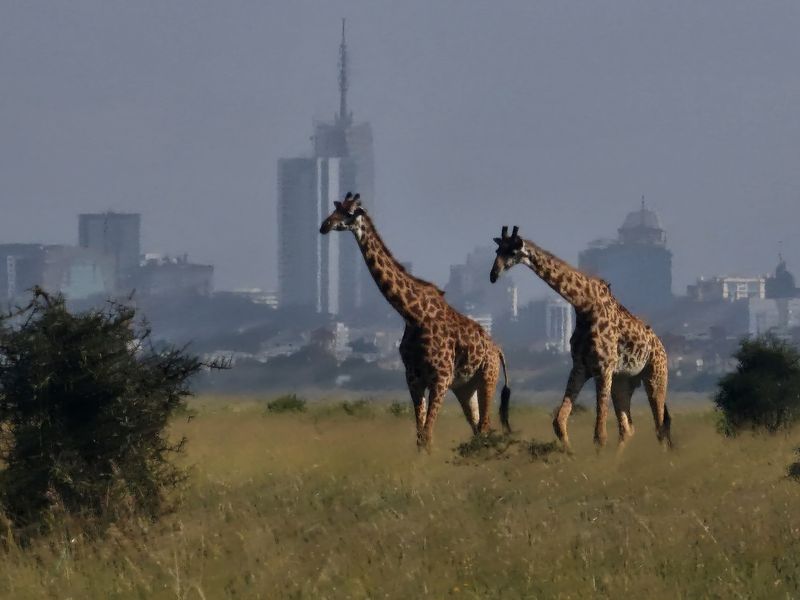
Few places let you watch giraffes with skyscrapers behind them. Nairobi National Park sits right on the edge of Kenya’s capital, and its grassy plains and acacia woodland hold a healthy population of Masai giraffes.
The park is small, so you can cover a lot of ground in a half day. Early morning drives often bring the best light and cooler air, and giraffes tend to feed on acacia leaves while the day is still fresh.
Keep an eye out for the Rothschild’s giraffe too, since a nearby sanctuary works to protect that rare subspecies. Travelers with limited time can easily add a game drive before or after a flight.
Bring binoculars, a hat, and water, and ask your guide about quieter loops where giraffes often gather near the trees.
2. Masai Mara National Reserve – Narok County, Kenya
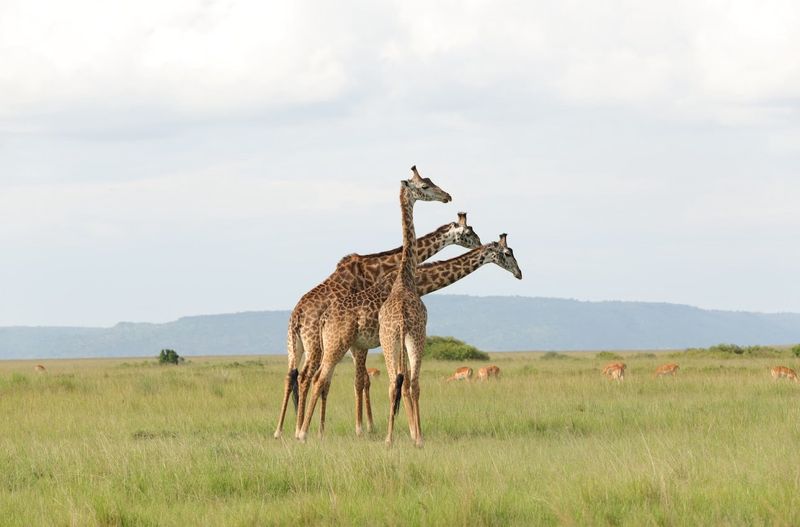
Picture a long-legged giraffe pausing beside a lone acacia while the savanna glows orange. That scene plays out daily in the Masai Mara, where Masai giraffes are a common sight across the rolling plains.
Their patchy, jagged markings set them apart from other types, and the reserve’s open land makes spotting them simple. Many visitors see them from a safari vehicle within the first hour of a drive.
The Mara is also famous for the wildebeest migration, which usually arrives between July and October. Giraffes live here all year, though, so any season can bring good sightings.
Dry months offer clearer views, while green months bring baby giraffes. Book a guide who knows the area well, and plan at least two days to explore the different sections of the reserve.
3. Serengeti National Park – Tanzania
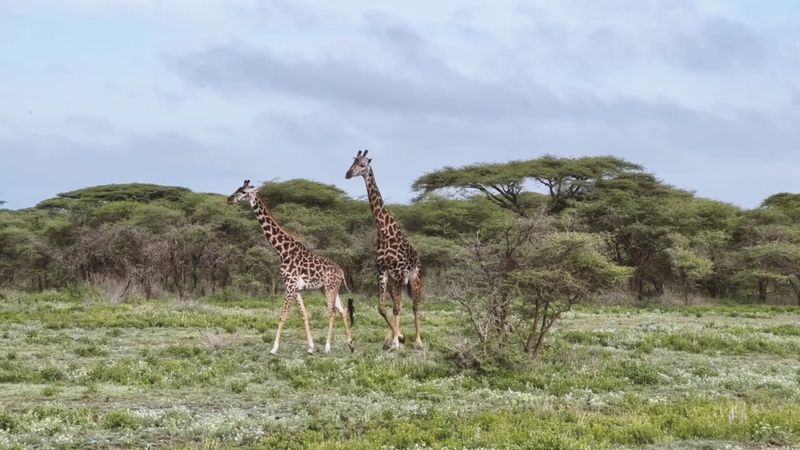
Here is a number worth remembering: the Serengeti covers about 5,700 square miles. That is plenty of room for giraffes, and the park holds one of the largest groups of Masai giraffes in Africa.
Look for them in the woodlands of the central Seronera area and the northern hills near Kogatende. They often browse in small groups, reaching high for the thorny leaves other animals cannot get to.
Because the park is so big, a longer stay pays off. Three or four nights lets you shift between regions and improve your chances of seeing different wildlife.
Mobile camps and lodges are spread across the park, so choose one near the areas you want to explore. Giraffes are calm around vehicles, so photographers can often take their time with a shot.
4. Tarangire National Park – Manyara Region, Tanzania
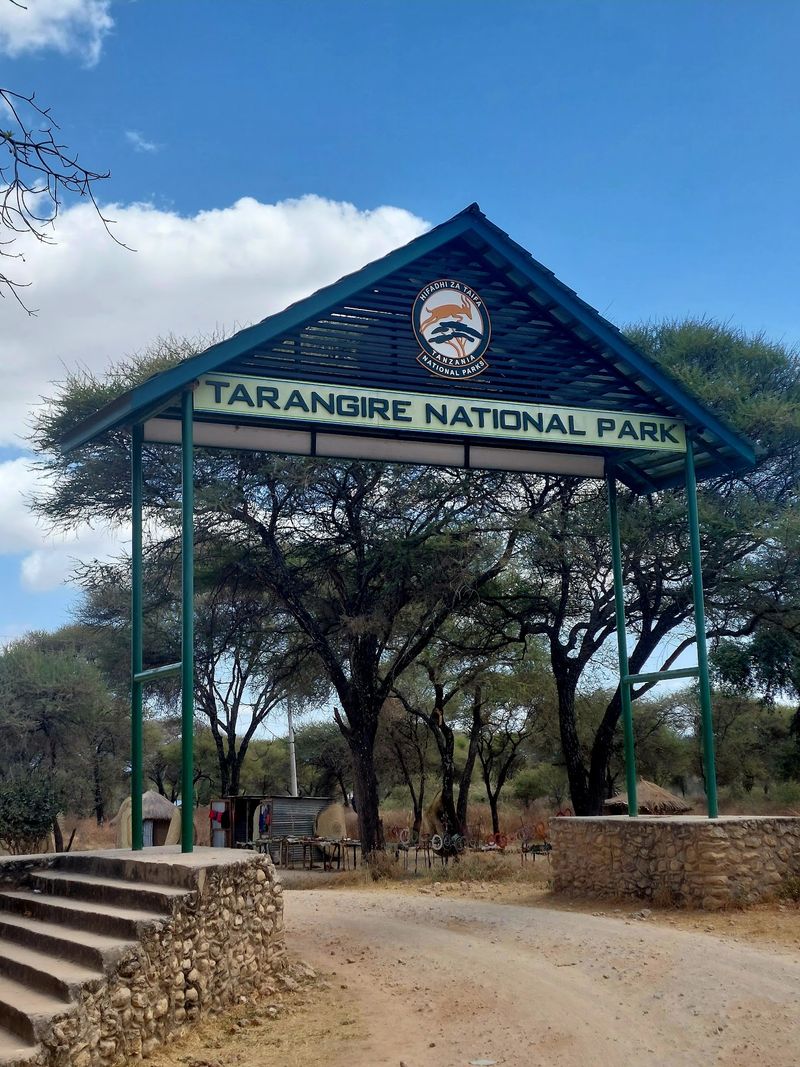
Baobab trees with trunks as wide as small houses make Tarangire feel like a different world. Giraffes wander between these ancient giants, which creates some of the most striking photos in northern Tanzania.
The park is at its busiest for wildlife from June to October. As other water sources dry up, animals gather along the Tarangire River, and giraffes join elephants and zebras there.
Because Tarangire gets fewer visitors than the Serengeti, drives can feel peaceful and unhurried. It also sits close to Lake Manyara and Ngorongoro Crater, so it fits well into a northern circuit trip.
Pack layers for chilly mornings, and ask your driver about the best river bends for a calm view of giraffes bending down to drink.
5. Kruger National Park – Limpopo and Mpumalanga, South Africa
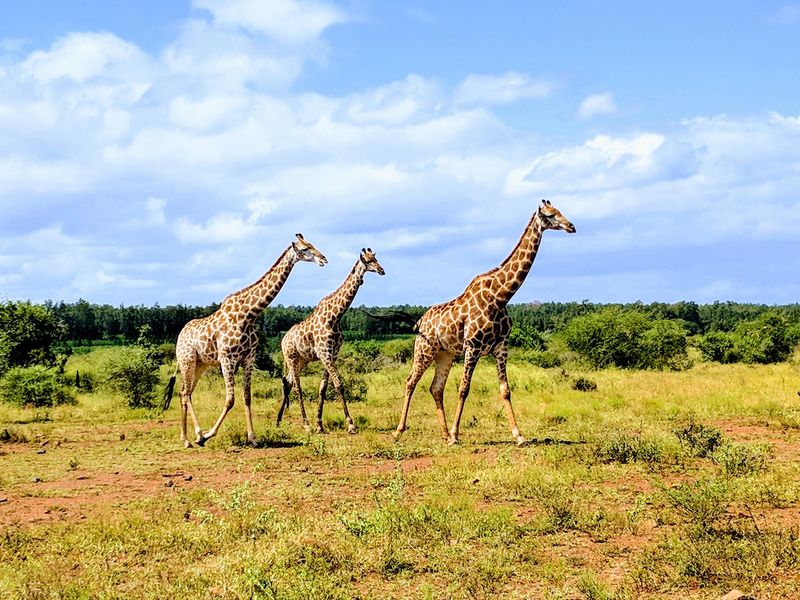
Kruger is one of the easiest safari spots to explore on your own. Paved roads and well-marked camps mean you can rent a car and search for giraffes at your own speed.
The park stretches nearly 7,500 square miles, and South African giraffes live throughout it. Southern and central areas often have the best sightings, especially near rivers where trees grow thick.
Fun fact: a giraffe’s tongue can be around 18 inches long and has a dark color that helps protect it from sunburn. Watch closely and you may see one wrap it around a thorny branch with ease.
Stay in a rest camp for early gate access, drive slowly, and pause often. Giraffes blend into the trees more than you might expect.
6. Pilanesberg National Park – North West Province, South Africa
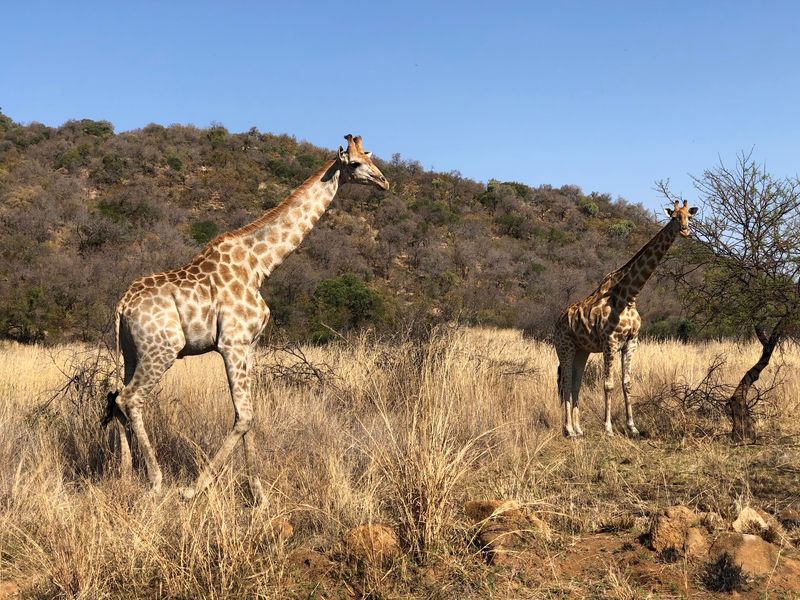
Long ago, a volcano shaped the land that now hosts Pilanesberg. The ring of hills around the park creates a scenic backdrop, and giraffes move gracefully across the grassy valleys inside it.
Located about two hours from Johannesburg, it makes a handy escape for a weekend trip. The park is malaria-free, which is a big plus for families and first-time safari visitors.
Gravel roads wind past dams and viewing spots, and hides near the water let you watch quietly without leaving your seat. Giraffes often visit these areas in the cooler hours.
Self-drive visits are popular, but a guided drive can help you find animals faster and teach you about the area’s geology and history along the way.
7. Etosha National Park – Northern Namibia
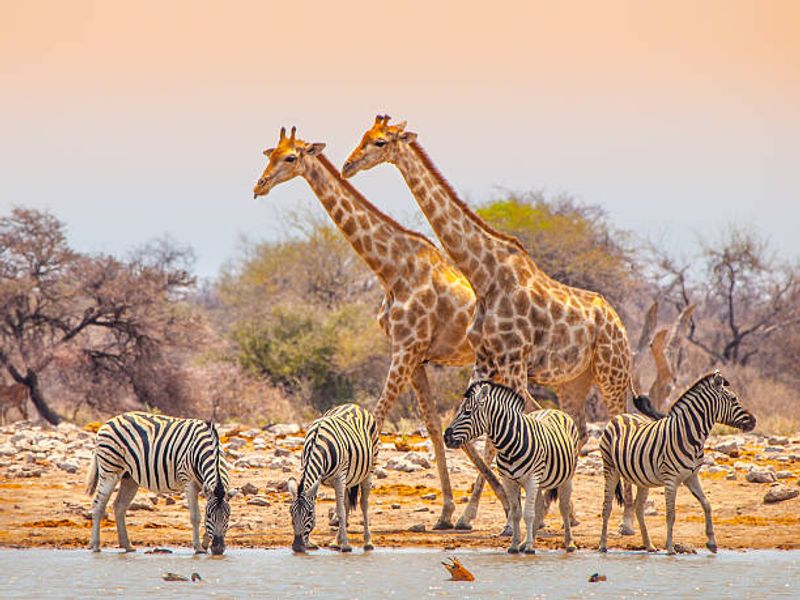
“Waterholes do the work for you.” That is how many guides describe Etosha, and it holds true for giraffe watching. In the dry season, animals come to a handful of reliable pools, and giraffes arrive with a careful, slow routine.
Drinking is risky for a giraffe because it must spread its legs wide and lower its head. At Etosha, you can watch them take turns, with one standing guard while others sip.
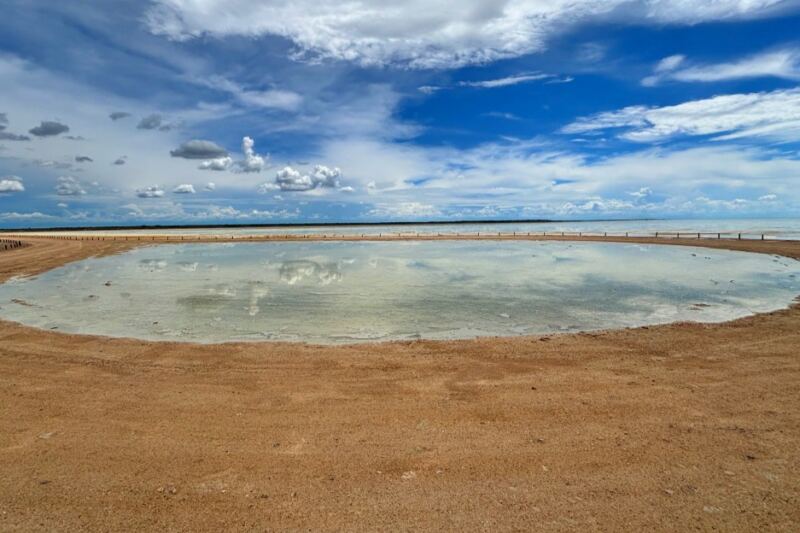
The park surrounds a huge white salt pan that can be seen from space. Camps like Okaukuejo and Halali have floodlit waterholes, so you can watch wildlife after dark from a bench.
Visit between May and September for the best viewing, and bring a good zoom lens for distant shots.
8. Chobe National Park – Northern Botswana
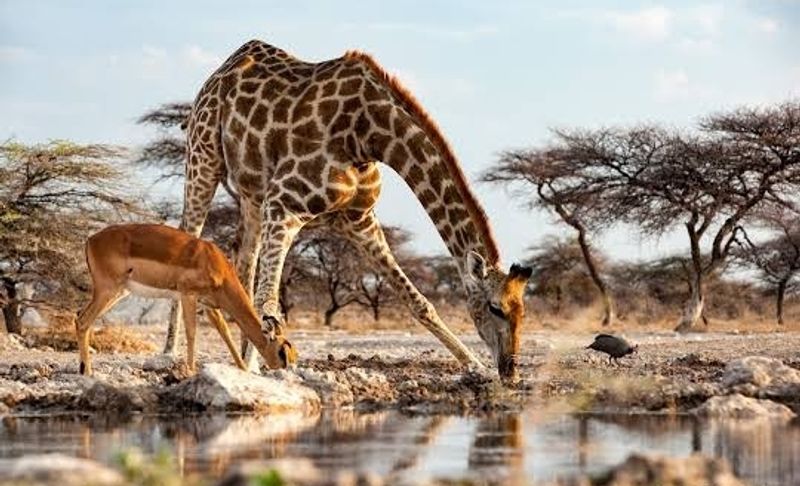
Chobe is best known for elephants, yet giraffes quietly steal plenty of attention along the river. The Chobe Riverfront offers open views where tall silhouettes stand out against the water and sky.
Boat safaris give a fresh angle. From the water, you can watch giraffes come down to the bank while hippos and crocodiles stay nearby.
Land drives and river cruises work well together, so try both in one trip. Morning and late afternoon offer the softest light and the most activity.
The park is easy to reach from Kasane, which has an airport and plenty of lodges. Dry months from May to October bring the largest gatherings of wildlife near the river, making sightings far easier.
9. South Luangwa National Park – Eastern Zambia
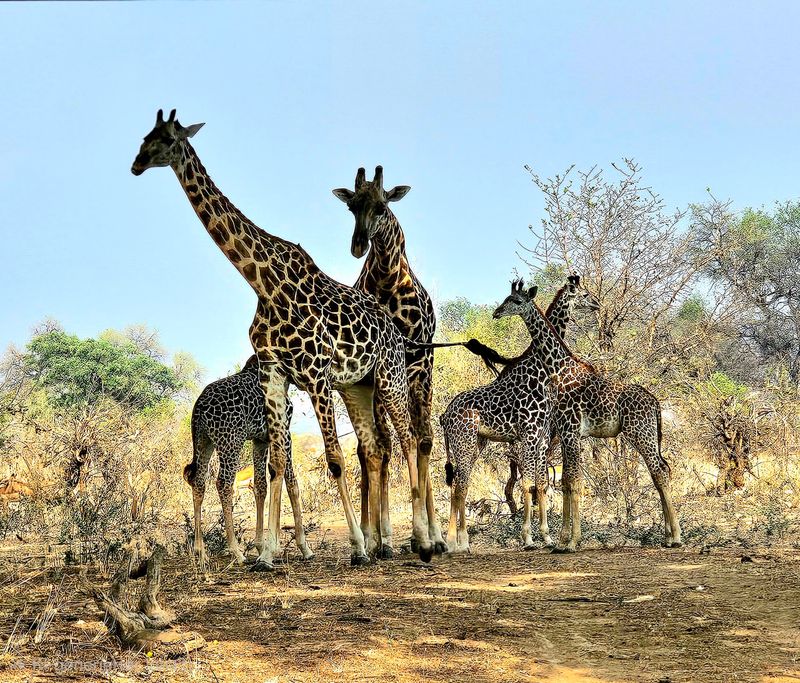
Only in the Luangwa Valley will you find Thornicroft’s giraffe, a subspecies that lives nowhere else on Earth. Its coat has rich, star-shaped patches that stop above the knees, leaving the lower legs pale.
The population is small, so each sighting feels special. Look for them among the mopane woodlands and along the dry riverbeds.
South Luangwa is also the birthplace of the walking safari, and many camps offer guided walks with trained scouts. Seeing a giraffe on foot gives a real sense of its size.
Visit from June to October for dry weather and easier tracking. Night drives are common here too, offering a chance to spot leopards and other nocturnal animals.
10. Murchison Falls National Park – Northwestern Uganda
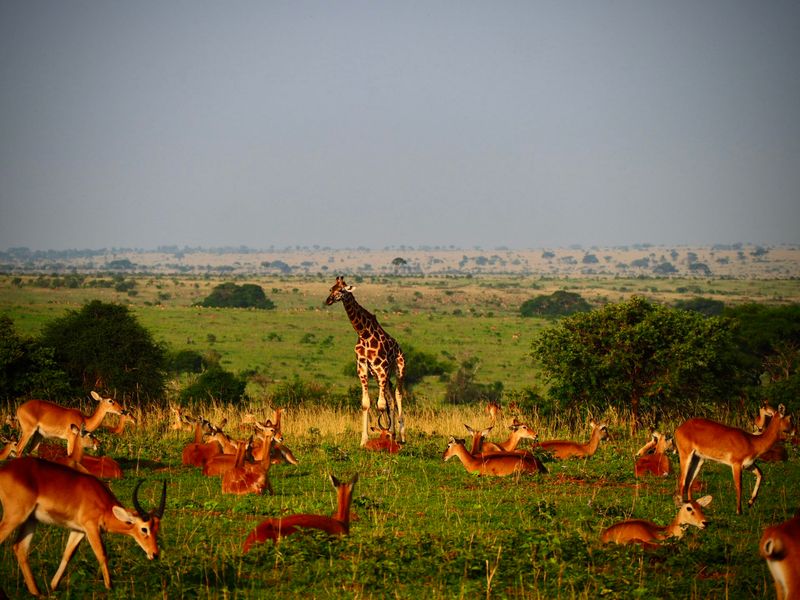
Uganda’s largest park is home to Rothschild’s giraffes, one of the rarest kinds in the world. Most of them live north of the Nile, where open savanna and scattered palms make spotting them simple.
Once close to disappearing, their numbers have grown thanks to conservation work, including moving some animals to safer areas. Today, Murchison Falls holds the biggest population of this subspecies.
A ferry carries visitors across the river to the northern sector. Be sure to also take a boat trip to the base of the falls, where the Nile squeezes through a gap just 23 feet wide.
Mix a game drive with the boat cruise for a full day. Wildlife is easier to see in the dry months of December to February.
11. Akagera National Park – Eastern Rwanda
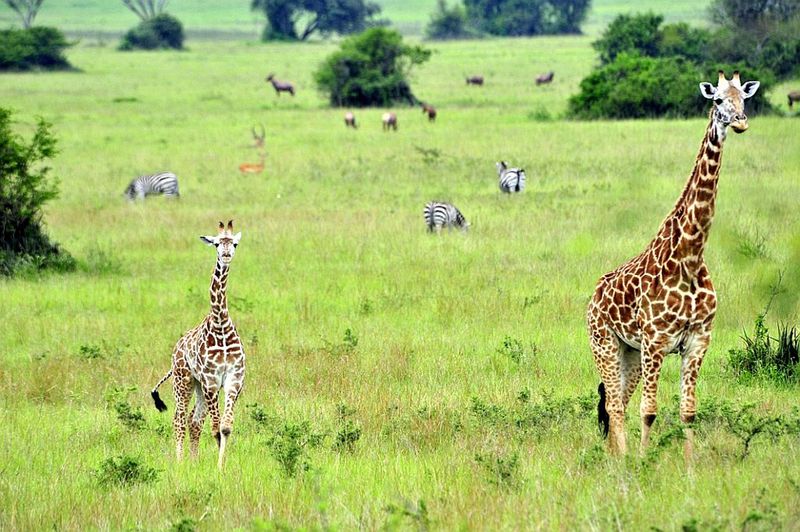
Akagera tells a comeback story. After years of damage from conflict and poaching, the park has recovered through strong management, and giraffes now roam its rolling hills and lake shores.
Rothschild’s giraffes were brought here from Uganda in 2016, and the herd has grown since. Today, you can often see them in the open woodlands of the central and southern areas.
The park is only about a two-hour drive from Kigali, so it works as a day trip or a short stay. Lodges and tented camps sit near the lakes, and boat trips add variety.
Plan a visit in the dry months of June to September, and take time to scan the hillsides slowly, as giraffes often stand still among the trees.
12. Samburu National Reserve – Samburu County, Kenya
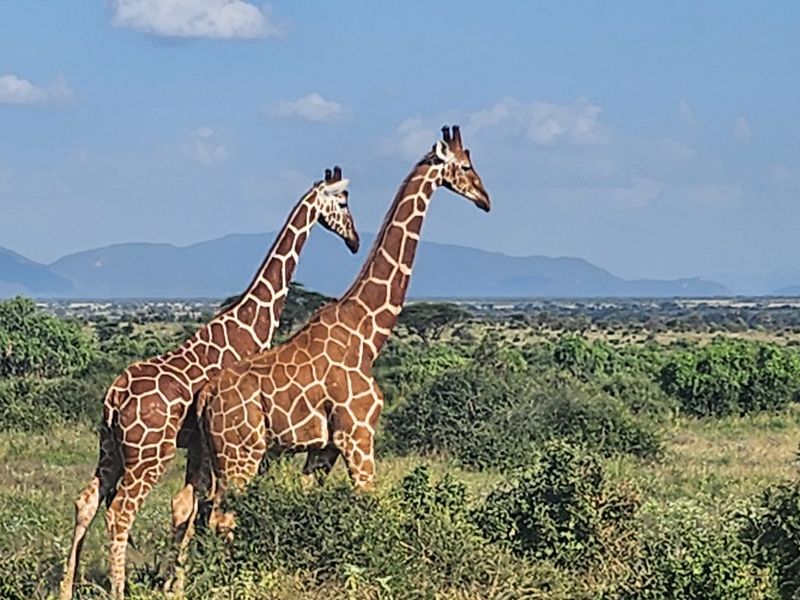
Bold, neat patches outlined in white give the reticulated giraffe a look that seems almost painted. Samburu is one of the best places to see them, set in dry northern Kenya along the Ewaso Ng’iro River.
The reserve belongs to a group of animals sometimes called the Samburu Special Five. Alongside the reticulated giraffe, it includes the Grevy’s zebra, Somali ostrich, gerenuk, and beisa oryx.
Giraffes gather near the river, where doum palms and acacia trees offer food and shade. The landscape is drier and rockier than the southern plains, which gives photos a unique look.
Visit between June and October for the clearest conditions. Local Samburu guides can share stories about the animals and the land, making each drive more meaningful.
Share this story