Sometimes the best New Jersey discoveries start with a simple thought: I wonder what is down that road, and is there anywhere good to stop afterward? Then you find a place that is not flashy at all, but suddenly you are learning about owls, marshes, turtles, rescued birds, and forests that quietly do big work.
This list is for anyone who likes a day trip with a purpose, the kind where you can bring your curiosity, pack a snack, and leave knowing a little more about the animals sharing the state with us. From bird hospitals to salt marsh walkways and national refuges, these New Jersey places help wildlife, protect habitats, and give regular visitors a real reason to care.
1. The Raptor Trust, Millington, NJ
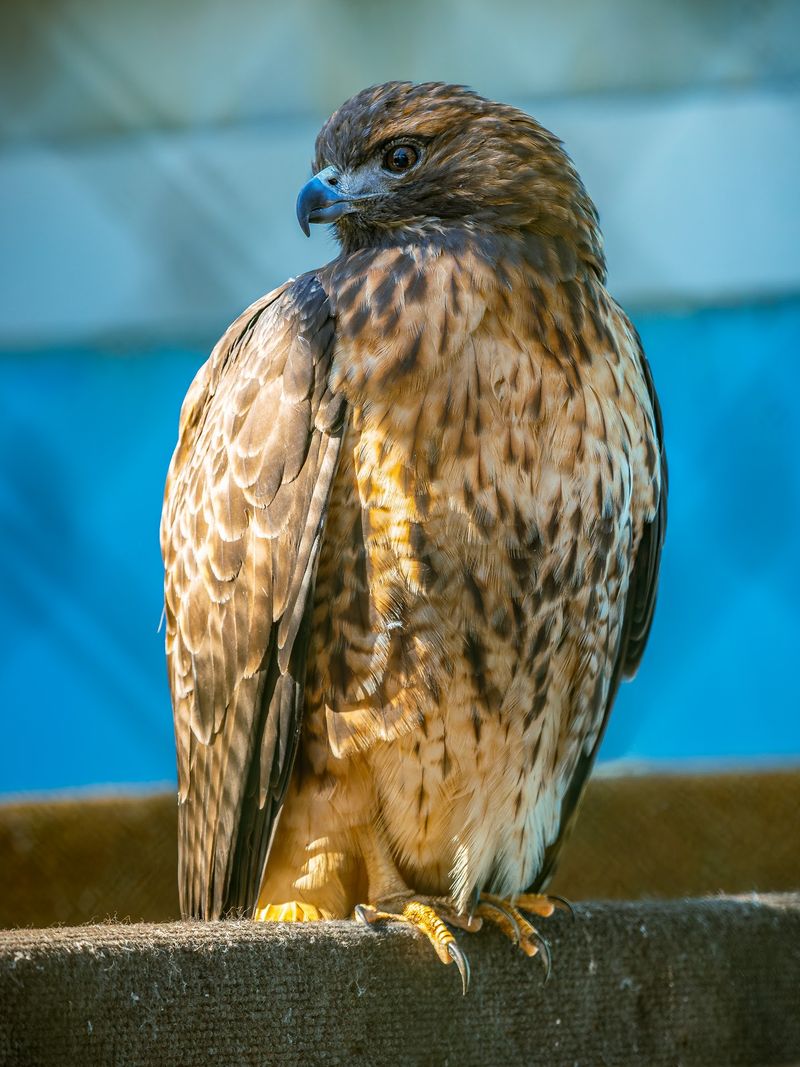
A hawk on a perch can stop a conversation faster than a text message, and that is part of the pull here. The Raptor Trust in Millington provides care to native wild birds in need, with a special focus on birds of prey, while also teaching the public about how these animals live.
The facility accepts native non-invasive birds for rehabilitation, so its work reaches beyond the big, dramatic raptors. Visitors may see eagles, hawks, owls, and other birds that help explain why wildlife care matters close to home.
Open daily from 9 AM to 4 PM, it is also unusually accessible for a meaningful animal-focused outing. Free public access, on-site services, and parking options make it a practical stop surrounded by the woods and wetlands of the Millington area.
2. Woodford Cedar Run Wildlife Refuge, Medford, NJ
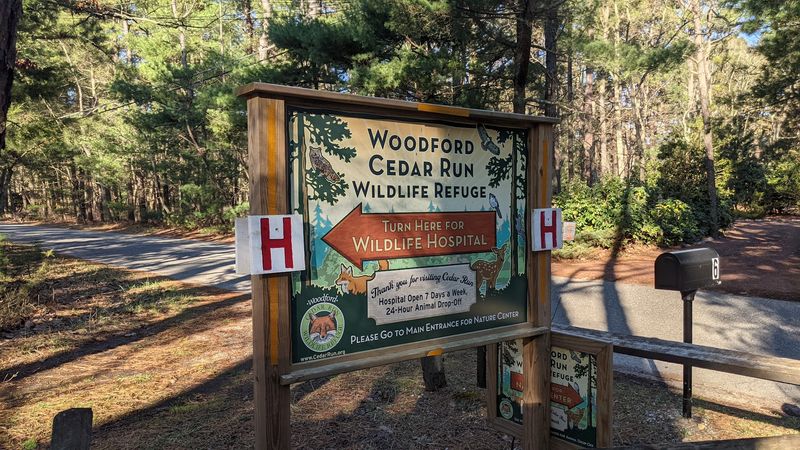
Kids who like animals and adults who secretly still do will find plenty to notice at Woodford Cedar Run Wildlife Refuge. Set in Medford, this wildlife hospital and nature center combines rehabilitation work with trails, a learning center, and spaces designed for families.
The refuge cares for injured and orphaned native wildlife, with the goal of releasing animals when that is possible. Animals that cannot return to the wild help support education, giving visitors a clearer look at local species and the challenges they face.
Open daily from 10 AM to 4 PM, Cedar Run is more than a quick animal-viewing stop. Well-marked trails, picnic tables, public restrooms, a playground, kid-friendly hikes, and free parking make it one of South Jersey’s most useful wildlife outings.
3. Woodlands Wildlife Refuge, Pittstown, NJ
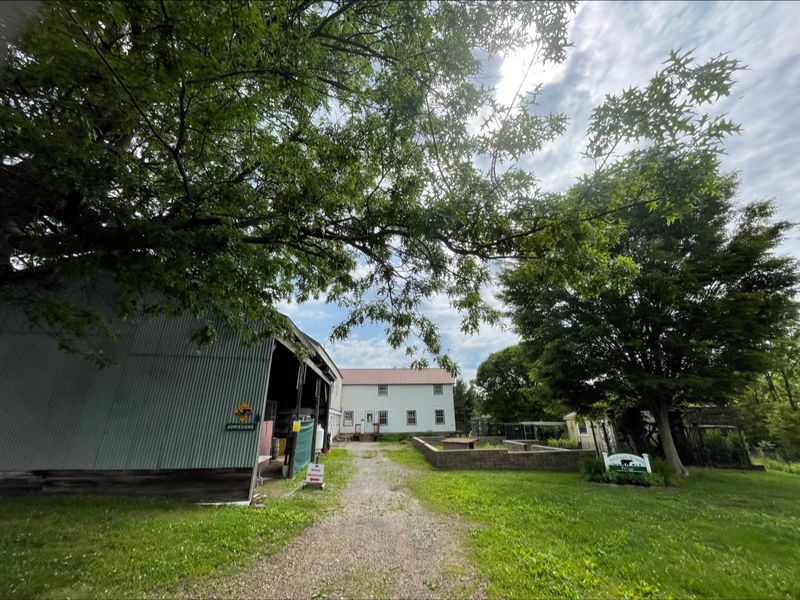
Rural Hunterdon County has the right pace for a place focused on second chances for local wildlife. Woodlands Wildlife Refuge in Pittstown cares for orphaned and injured native animals, then works toward releasing them back into their natural habitat.
The mission is refreshingly direct, and that focus is what makes this stop different from larger public refuges. It is not just about seeing animals, but understanding the careful bridge between emergency care, rehabilitation, and the wild spaces animals need afterward.
Woodlands also provides educational programs about the habits and habitats of local wildlife, which gives the organization a wider role in the community. Open daily from 10 AM to 5 PM, it is a practical resource for people who want to support wildlife care in a small-town New Jersey setting.
4. Avian Wildlife Center, Wantage, NJ
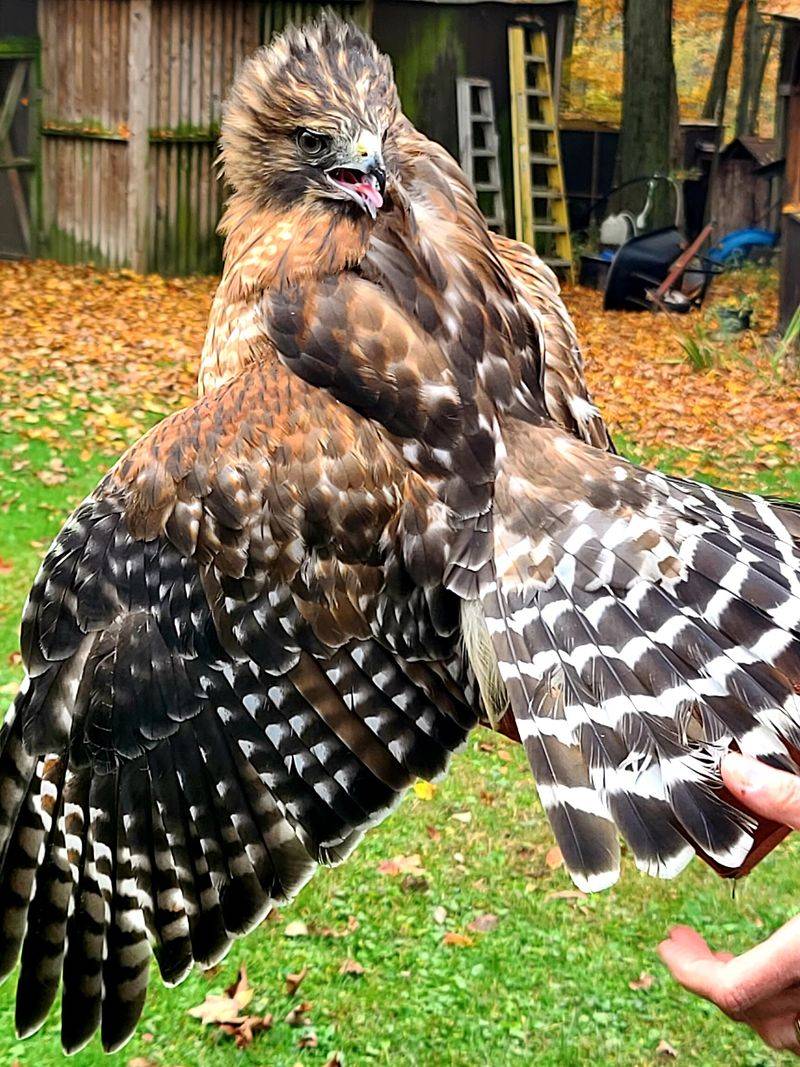
Bird trouble rarely waits for a convenient hour, which is why Avian Wildlife Center stands out in Sussex County. This Wantage nonprofit focuses on rehabilitating injured or orphaned wild birds and releasing them back into the wild when they are ready.
The place is especially useful because its work is so specific. Instead of covering every type of animal, the center concentrates on birds, offering care and guidance for situations involving young, hurt, or displaced wild birds.
Hours listed daily from 9 AM to 9 PM make it one of the more flexible resources on this list. Set along rural Neilson Road in Wantage, it reflects a quieter side of New Jersey, where farmland, open space, and wildlife needs overlap in everyday ways.
5. Wildlife Center Friends, Lambertville, NJ
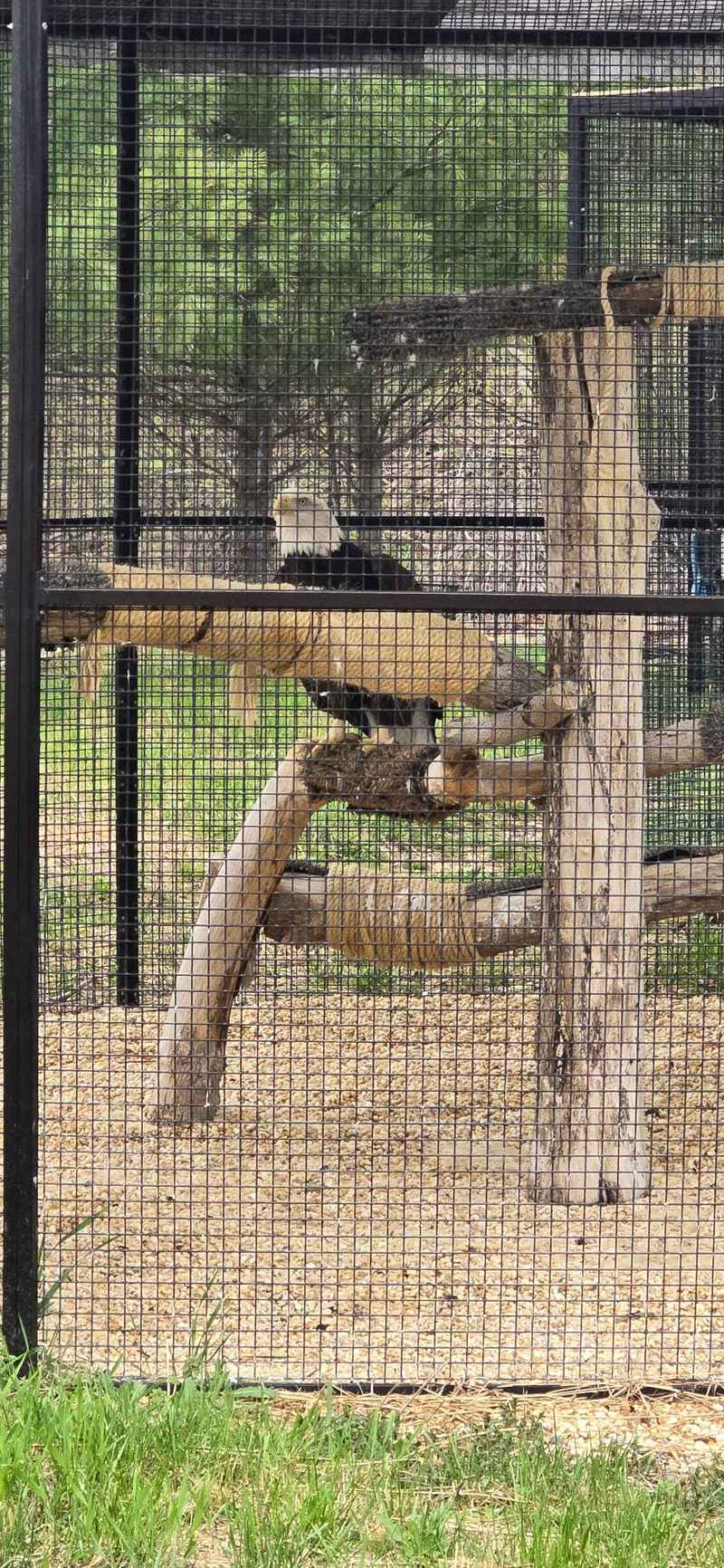
Lambertville already knows how to make a small stop feel interesting, and Wildlife Center Friends adds an animal-care reason to linger. Located along River Road, this outdoor wildlife-focused space highlights birds and animals that have been found, treated, and cannot live independently in the wild.
The educational side is a major part of the visit. Displays explain details about birds, their treatment, and what happened after care, turning a simple walk-through into a clearer lesson on wildlife rehabilitation.
Open daily from 10 AM to 4 PM, the site is smaller than a national refuge but useful in a different way. It gives visitors a close, readable look at individual animals and the work involved in helping them, with restroom access and an easy Lambertville-area location.
6. New Jersey Audubon’s Scherman Hoffman Wildlife Sanctuary, Bernardsville, NJ
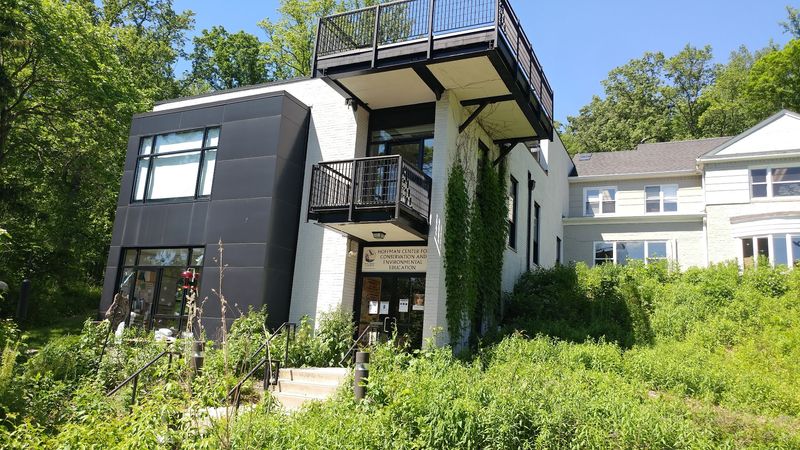
A bookstore at a wildlife sanctuary is exactly the kind of New Jersey detail that makes a nature stop more inviting. New Jersey Audubon’s Scherman Hoffman Wildlife Sanctuary in Bernardsville pairs trails through fields and forest with an environmental learning center, observation deck, bookstore, and gift shop.
Birders get a strong reason to visit, especially with the bird-feeding station and nature-focused shop selling items such as bird seed, guides, children’s nature books, and bird or bat houses. The trails are marked and suited for easier walks, which keeps the experience approachable.
Public hours vary by day, with the center closed Monday and Tuesday, so checking before heading out is smart. Free parking, public restrooms, kid-friendly hikes, and a wooded Somerset County setting make it a polished but still peaceful wildlife stop.
7. Great Swamp National Wildlife Refuge, Basking Ridge, NJ
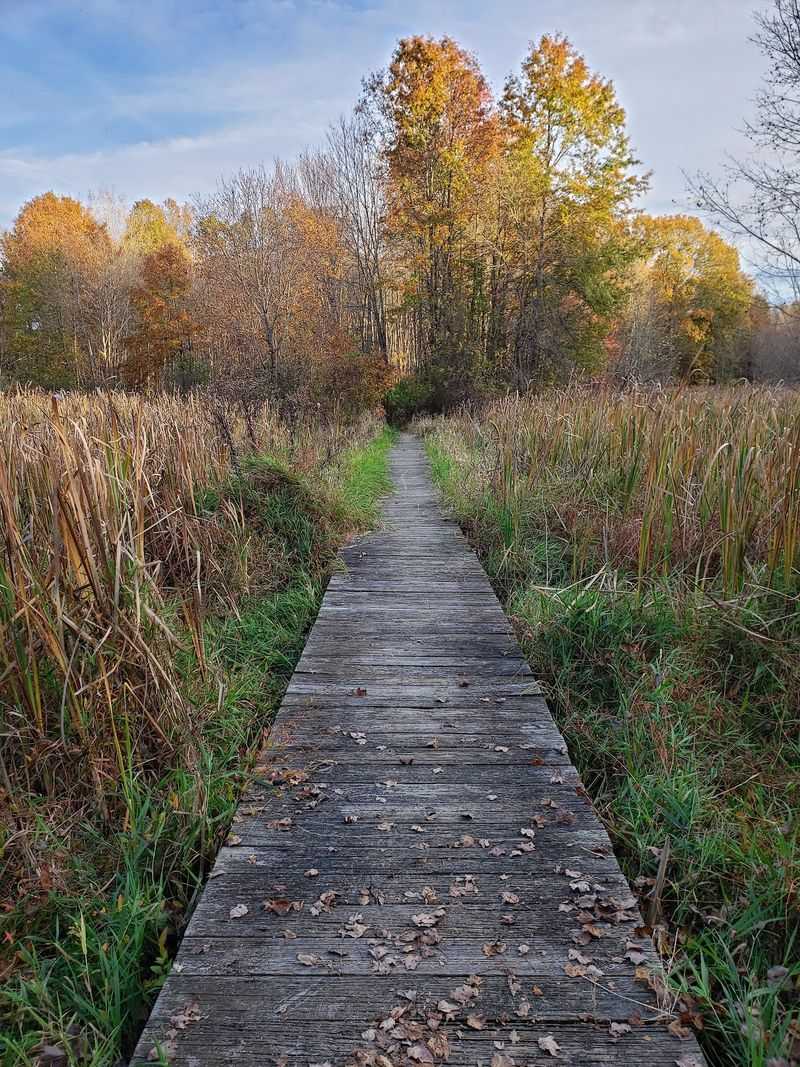
Boardwalks make swamp exploring feel like a backstage pass without asking you to ruin your shoes. Great Swamp National Wildlife Refuge in Basking Ridge was created in 1960 and protects wetland habitat while offering bird and wildlife viewing, hiking trails, and learning programs.
The Wildlife Observation Center area is known for elevated wooden paths and easy walking routes through swamp habitat. Depending on the season, visitors may spot turtles, frogs, snakes, deer, owls, bald eagles, and plenty of other birds.
Open Tuesday, Thursday, Friday, Saturday, and Sunday from 10 AM to 4 PM, with Monday and Wednesday closed, it rewards a little planning. Free parking, public restrooms, picnic options, and kid-friendly hikes make this northern New Jersey refuge both serious conservation land and a manageable outing.
8. The Wetlands Institute, Stone Harbor, NJ
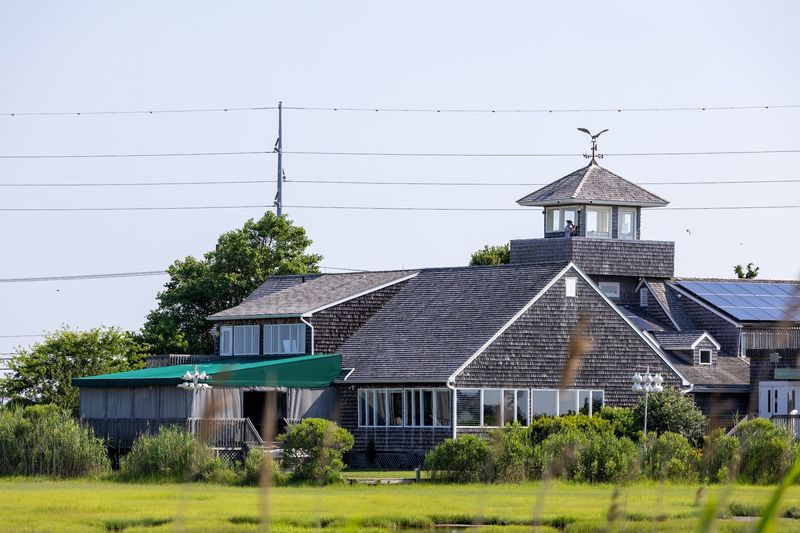
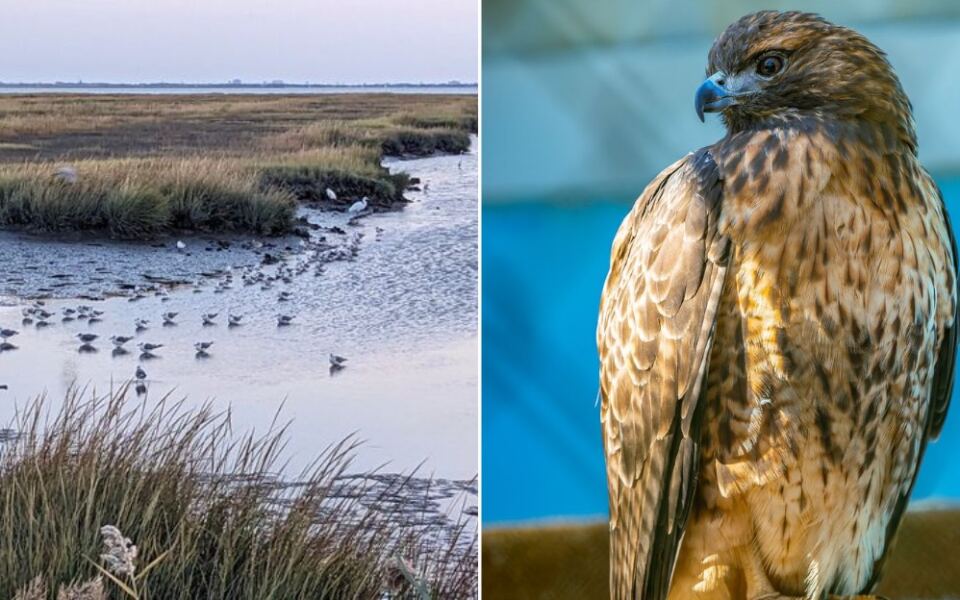
Salt marshes can look quiet from the road, then suddenly reveal an entire busy neighborhood of wildlife. The Wetlands Institute in Stone Harbor helps visitors understand that coastal world through indoor exhibits, an elevated walkway, and programs centered on marsh creatures.
The setting is the star here. Terrapin turtles, ospreys, crabs, and aquarium exhibits connect the building to the surrounding salt marsh, making the science feel close and easy to follow.
Open daily from 9:30 AM to 4:30 PM, the institute works well as a shore-area stop that is not just beach time. Free parking and a location along Stone Harbor Boulevard make it accessible, while its education rooms and marsh-side building show how habitat protection and public learning can share the same view.
9. Edwin B. Forsythe National Wildlife Refuge, Galloway, NJ
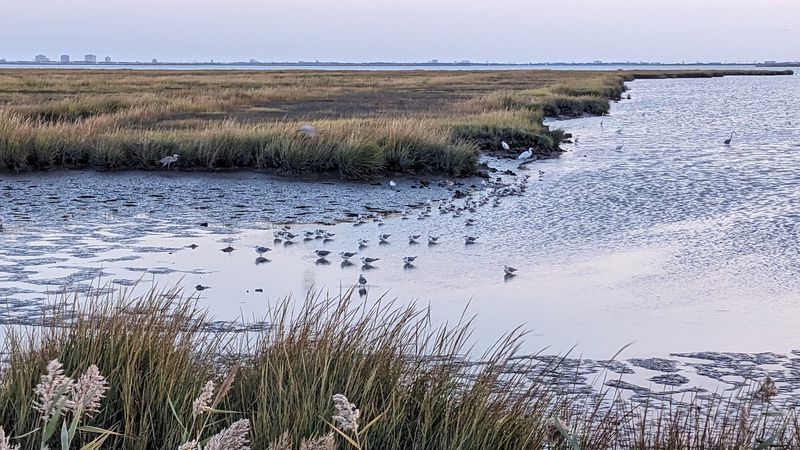
An eight-mile wildlife drive is a rare treat for anyone who likes nature but also appreciates staying near the snack bag. Edwin B.
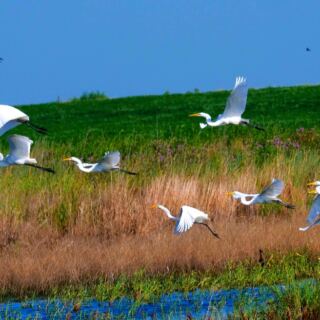
Forsythe National Wildlife Refuge in Galloway protects coastal habitat and offers trails plus a slow driving loop for spotting birds, egrets, osprey, and more.
The 15 mph route gives visitors time to scan the marshlands without rushing. Observation towers, trails, bird feeders and houses, nesting platforms, and other viewing points create several ways to experience the refuge beyond a standard walk.
Birds are the big draw, but turtles, deer, plants, and sweeping marsh views add variety. Public restrooms, picnic tables, parking options, and kid-friendly hikes make it practical, while the Great Creek Road location places it firmly in South Jersey’s coastal wildlife landscape.
10. Natural Lands’ Glades Wildlife Refuge, Newport, NJ
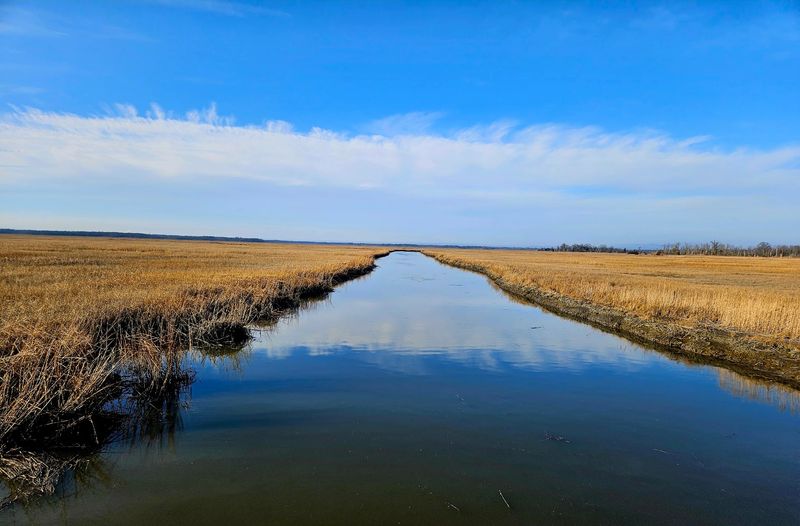
Newport is tiny, but the surrounding landscape at Natural Lands’ Glades Wildlife Refuge thinks big. This free refuge, open daily from dawn to dusk with listed hours of 7 AM to 7 PM, protects tidal marshes, wooded uplands, Delaware Bay beaches, and a remarkable old growth forest.
The habitat mix gives the place its personality. Bald eagles, other birds, fish, horseshoe crabs, and diamondback terrapin turtles are all part of the wildlife picture in and around the marshes and beaches.
Visitors can hike, fish, watch wildlife, and explore a bayfront ecosystem that feels far removed from busier New Jersey routes. Dogs are allowed, free parking is available, and the Turkey Point Road location makes this Cumberland County refuge a strong pick for people who like wide-open conservation land.
11. Wallkill River National Wildlife Refuge, Sussex, NJ
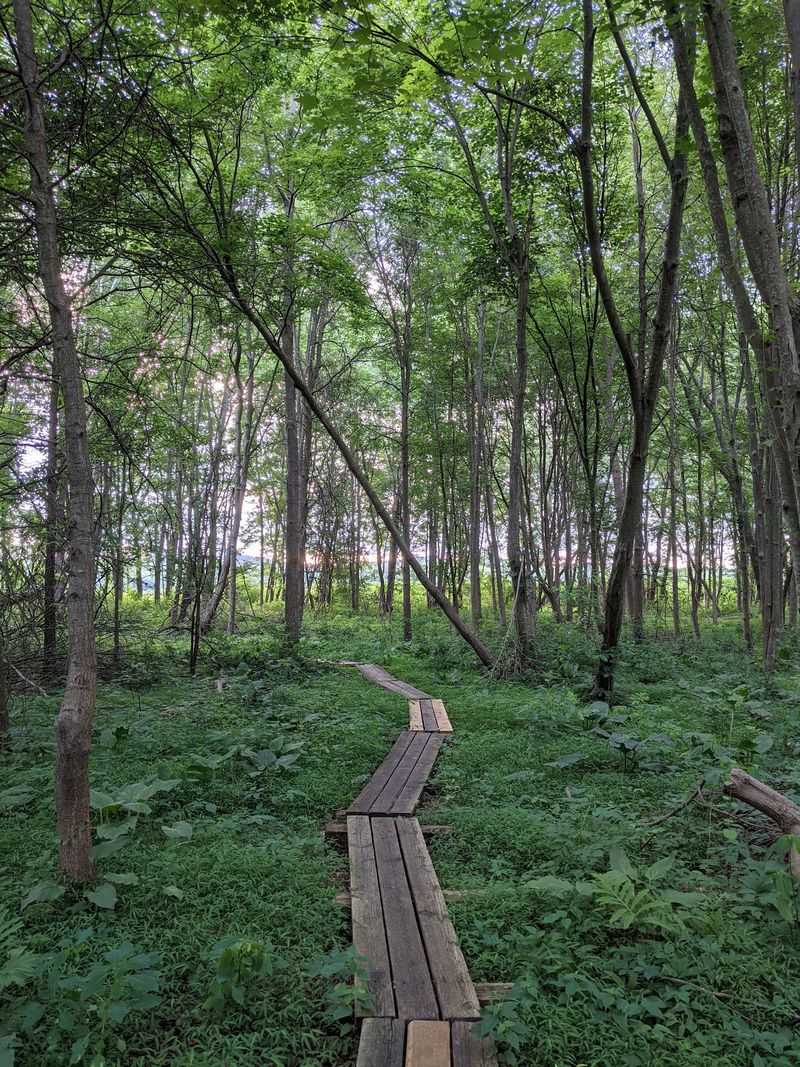
North Jersey has a softer side, and the Wallkill River valley shows it well. Wallkill River National Wildlife Refuge in Sussex was established to conserve and enhance wildlife populations and habitats, protect water quality, and support wildlife-dependent recreation and research.
The refuge is known for diverse bird life, trails, learning programs, fishing, and hunting where permitted. Easy walking routes pass through different habitats, and the area is also noted for canoeing and kayaking opportunities.
Swans, herons, and other wildlife may appear along the trails and waterways, so it suits patient visitors more than rushed ones. Office hours are listed Monday through Friday from 8 AM to 4:30 PM, with weekends closed, and dogs are allowed, making this Sussex County refuge a flexible outdoor resource when planned properly.
12. Lorrimer Sanctuary, Franklin Lakes, NJ
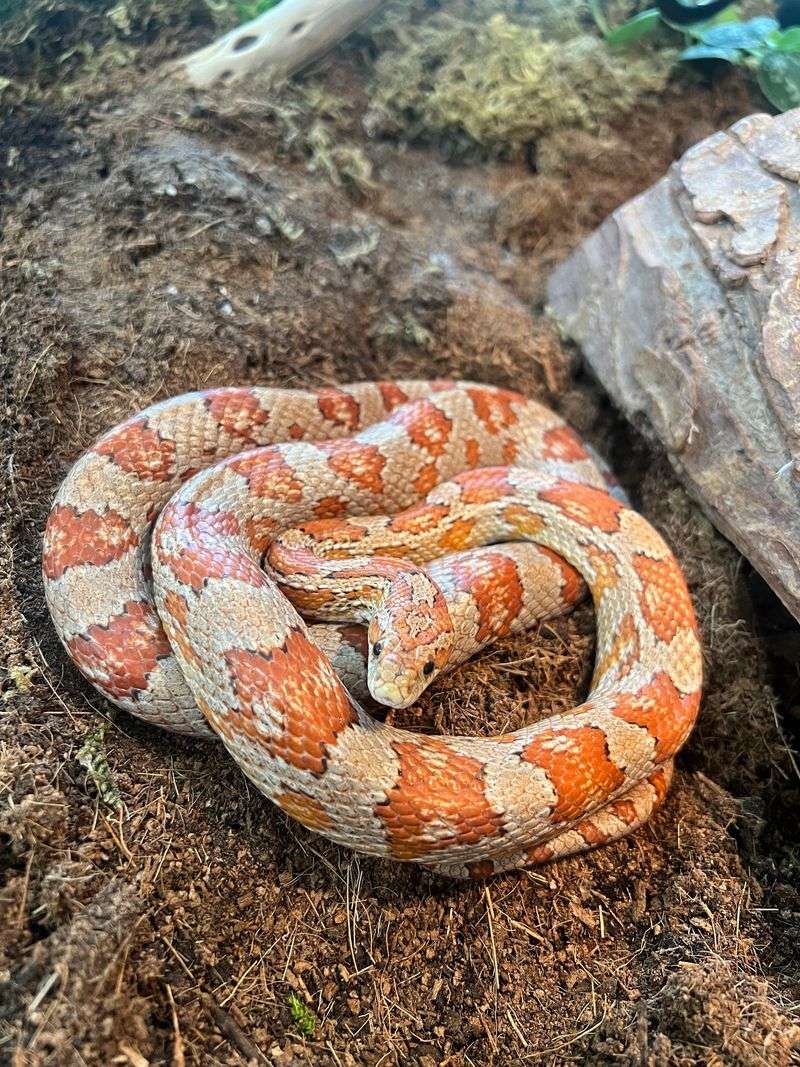
A short nature walk can do a lot when the signs, trails, and programs are all pulling in the same direction. Lorrimer Sanctuary in Franklin Lakes is a New Jersey Audubon nature center with an indoor museum, self-guided trail system, educational programs, and a gift shop.
The sanctuary is especially approachable for families and newer nature watchers. Educational signs and wildlife sightings help visitors connect what they see on the trails with the larger story of habitat, birds, and local conservation.
Hours run Wednesday from 10 AM to 7 PM and Thursday through Sunday from 10 AM to 4 PM, with Monday and Tuesday closed. Picnic tables, public restrooms, kid-friendly activities, on-site parking, and a suburban Bergen County location make Lorrimer an easy wildlife-minded stop without a long backcountry commitment.
Share this story