In 1977, American parents wrapped up a nearly empty cardboard box for Christmas and promised their kids the toys would show up in the mail months later. Two years before that, shoppers happily paid almost four dollars for a plain rock in a box.
Neither group was really tricked. They were simply living through one of the strangest decades in the history of American advertising.
The 1970s brought color television into most homes, along with a growing appetite for anything new and quirky. Companies tested odd giveaways.
Movie studios learned how to turn a summer release into a national event. Sports teams discovered that one unusual promotion could fill thousands of empty seats in a single night.
Some of these ideas were brilliant and changed marketing for good. Others ended in confusion, forfeits, and headlines nobody wanted.
A few were so strange that people still wonder how they ever got approved. What they all shared was a simple lesson that advertisers still chase today: getting people to talk about something can matter as much as the thing itself.
Keep reading to see the gimmicks, campaigns, and spectacles that grabbed the country’s attention, and to learn what each one revealed about how Americans shopped, watched, and played.
1. The Pet Rock That Turned Ordinary Stones Into Christmas Gifts, 1975
Few business plans start as a joke among friends, yet that is exactly how a California advertising man made a small fortune in 1975.
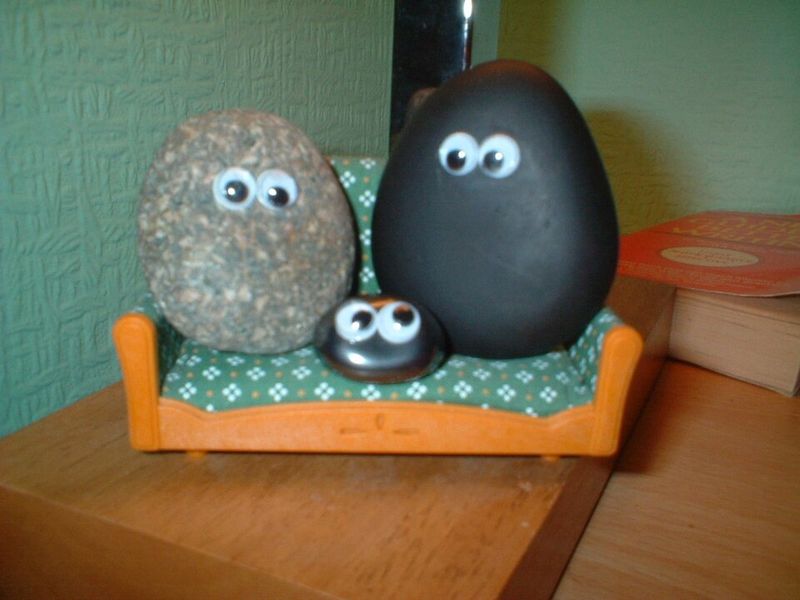
Gary Dahl listened to friends complain about their pets and joked that a rock would be the ideal pet. It never needed feeding, walking, or a trip to the vet.
He packaged smooth beach stones from Mexico in cardboard carriers with air holes and straw bedding. Each one came with a funny training manual that explained commands like sit and stay, which the rock obeyed perfectly.
The price was about $3.95, and the timing was ideal. Newspapers and talk shows loved the story, and the holiday shopping rush did the rest.
Dahl reportedly sold more than a million Pet Rocks in just a few months. By early 1976, the craze had mostly faded away.
The takeaway still holds up today. A clever story and smart packaging can make almost anything feel worth buying, even a rock that does absolutely nothing.
2. The Mood Ring That Claimed to Reveal Your Feelings, 1975
Imagine a piece of jewelry that could warn your friends you were grumpy before you said a word. That was the promise behind one of the most popular accessories of the mid-1970s.
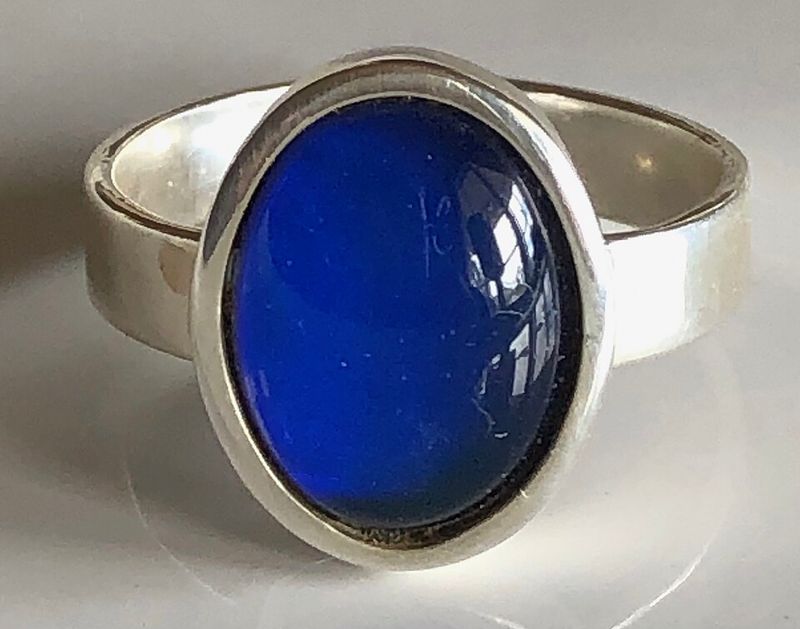
New York inventors Joshua Reynolds and Maris Ambats introduced mood rings in 1975. The stones held thermochromic liquid crystals that shifted color as temperature changed.
Sellers included handy charts linking each shade to a feeling. Dark blue supposedly meant happy or romantic, while black meant stressed or tense.
The science was far less magical. The crystals mostly reacted to the warmth of a finger and the air around it, so a cold room could make anyone look anxious.
None of that slowed sales. Early versions set in gold cost hundreds of dollars, while cheaper copies sold for a few bucks at drugstores.
Kids compared colors at school, and couples checked each other’s rings for clues. The rings never read minds, but they sure got people talking about their feelings.
3. The Star Wars Toy Box That Arrived Without Any Toys, 1977
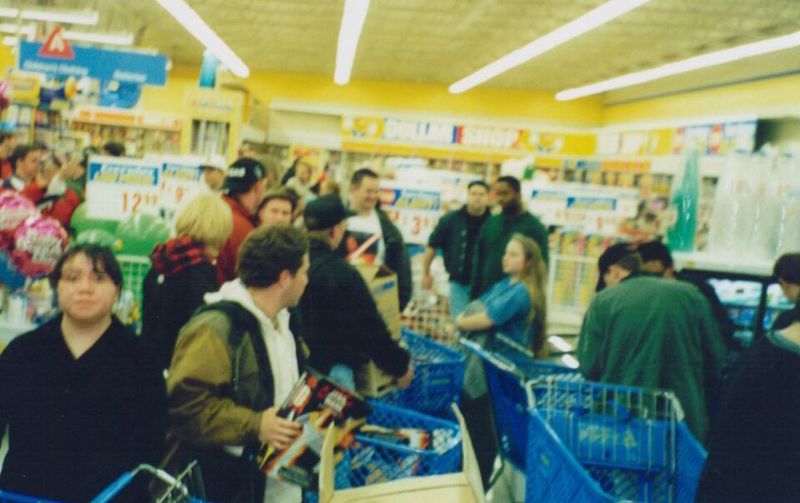
Picture a ten-year-old on Christmas morning in 1977, tearing open a gift and finding a certificate instead of action figures. Strangely enough, plenty of kids were thrilled.
Star Wars had become a box-office giant that summer, and toy maker Kenner had a serious problem. Demand for figures was enormous, but the factories could not produce them before the holidays.
The fix was the Early Bird Certificate Package. Families paid for an envelope holding a cardboard display stand, stickers, a fan club card, and a promise of four figures by mail.
Those figures were Luke Skywalker, Princess Leia, Chewbacca, and R2-D2. They began arriving in early 1978.
Some store owners doubted anyone would pay for an IOU. Shoppers proved them wrong, and the packages sold well.
Today, unused Early Bird kits are prized collector items worth far more than their original price. Kenner turned a factory delay into a clever marketing win, and the toy industry took careful notes.
4. The Ten-Cent Beer Night That Turned a Baseball Game Into Chaos, 1974
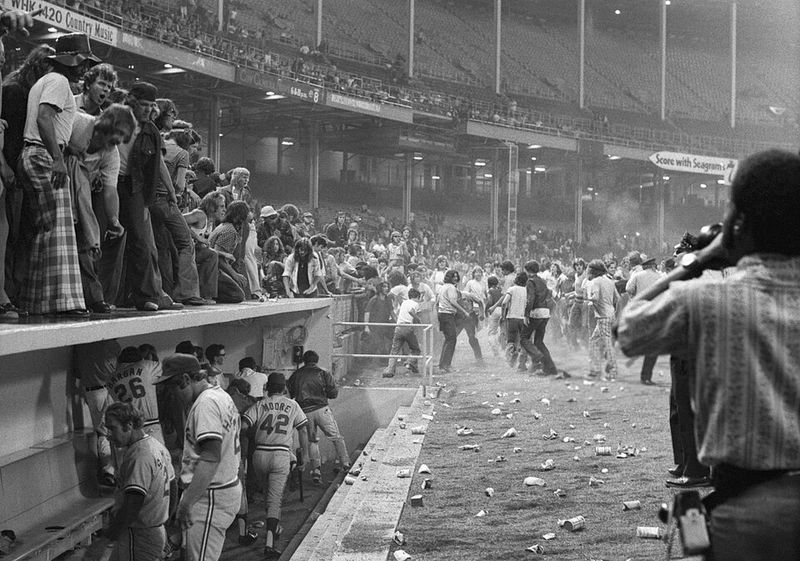
Cleveland’s baseball team needed a crowd in 1974, and it found one. The team simply did not plan for what that crowd would do.
On June 4, the Indians hosted the Texas Rangers at Cleveland Municipal Stadium. The team offered cups of a popular ballpark drink for just ten cents each, a huge discount from the usual price.
More than 25,000 fans showed up, roughly double a normal weeknight turnout. As the innings went on, the mood in the stands grew rowdier.
Fans began running onto the field during play. In the ninth inning, with the score tied, a large group rushed the diamond, and players from both teams had to leave the field.
Umpire Nestor Chylak ruled the game a forfeit, handing the win to Texas. It remains one of the most famous promotional flops in Major League Baseball.
The league soon tightened its rules on discount events. Teams learned that a cheap gimmick can bring in fans but can also bring in trouble.
5. The Evel Knievel Rocket Jump That Became a Paid Television Event, 1974
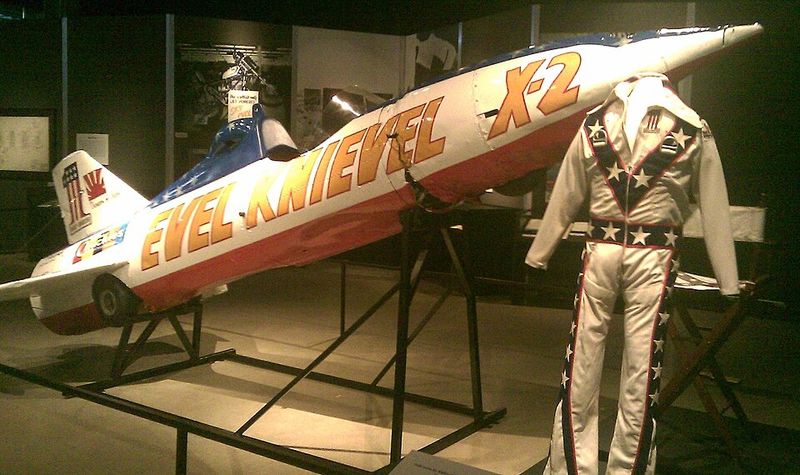
Years of hype went into a jump that lasted only a few seconds. Evel Knievel, the most famous daredevil in America, knew that the buildup could be worth more than the landing.
Knievel had talked for years about leaping the Grand Canyon. When he could not get permission, he leased land along Idaho’s Snake River Canyon instead.
On September 8, 1974, he climbed into the Skycycle X-2, a steam-powered rocket vehicle. The event was sold as a closed-circuit broadcast, so fans paid to watch in theaters and arenas around the country.
Things went wrong almost at once. The safety parachute opened right after launch, and the rocket drifted gently down into the canyon.
Knievel walked away with only minor injuries. He reportedly still earned millions from the event.
Critics called it a flop, yet his fame kept growing. Toy stores sold stacks of Evel Knievel stunt cycles, proving that a failed jump could still be a great business move.
6. The Jaws Campaign That Made People Afraid to Go Swimming, 1975
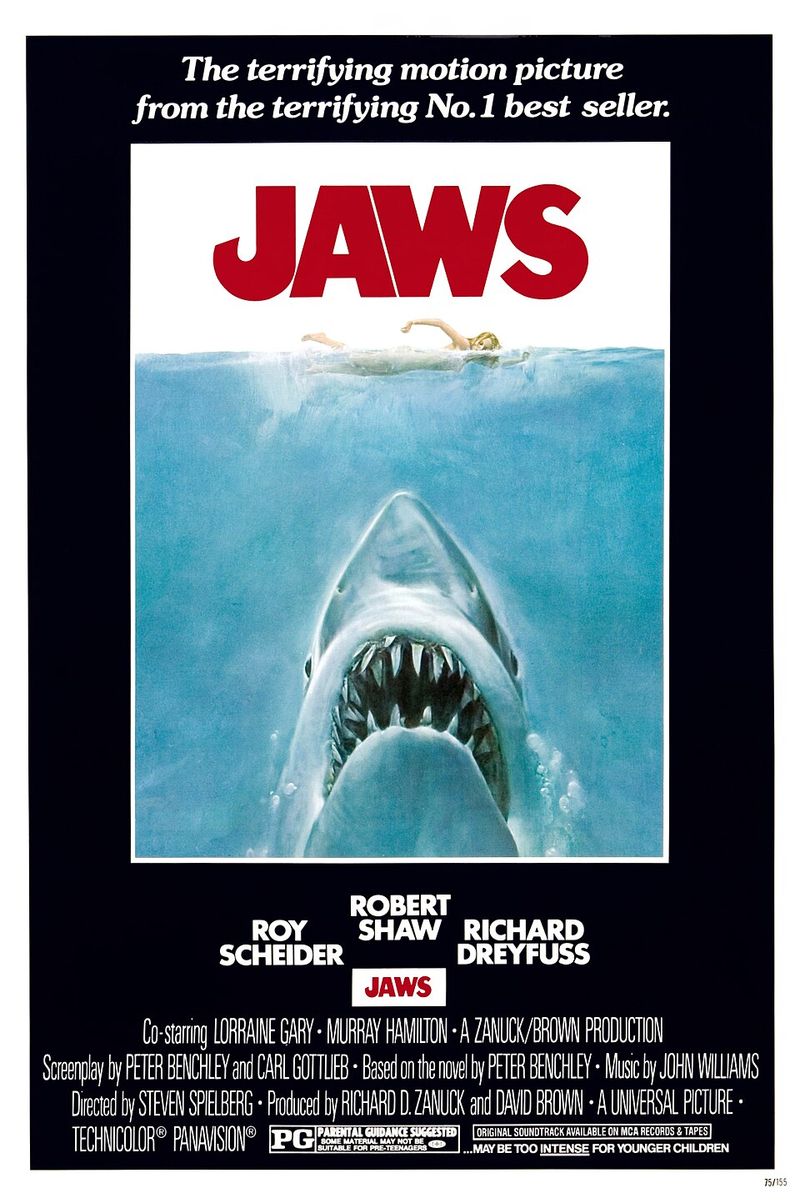
Beach towns had a strange problem in the summer of 1975. Lots of people were suddenly nervous about going into the ocean, and a movie was to blame.
Universal Pictures released Jaws on June 20, 1975, in hundreds of theaters at once. That was unusual, since big films normally opened slowly in a few cities first.
The studio also spent heavily on national television ads during prime time. Viewers everywhere saw the same trailers in the same week, which made the film feel like an event nobody should miss.
The poster did plenty of work too. A giant shark rose toward a swimmer who had no idea, and the image needed no explanation.
Jaws became the highest-earning film in history at that time. It also helped create the summer blockbuster, a pattern studios still follow.
Movie executives noticed something important. A wide release, paired with heavy TV advertising, could turn a single film into a nationwide conversation in just a few days.
7. The Bicentennial Merchandise Craze That Put 1776 on Everything, 1976
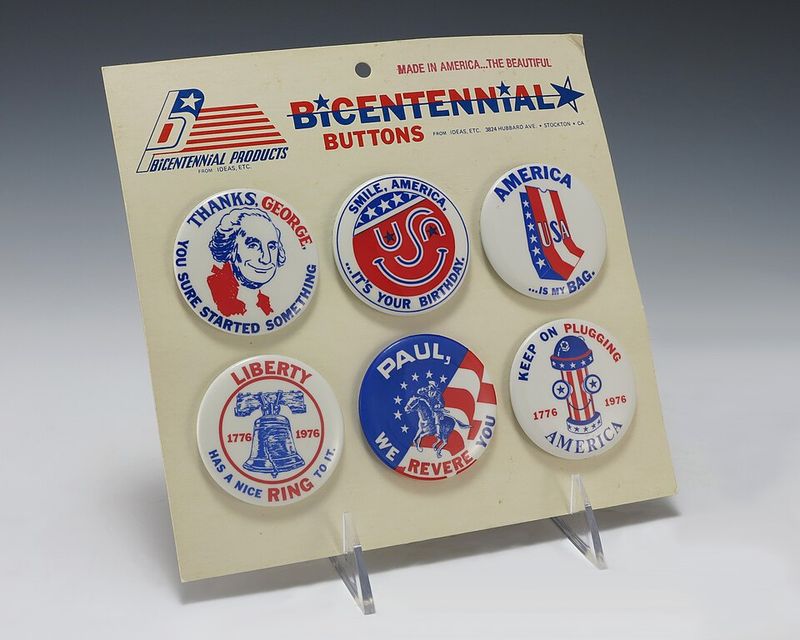
Red, white, and blue toilet seats really existed in 1976. So did patriotic trash cans, star-spangled toasters, and fire hydrants painted to look like colonial soldiers.
America’s 200th birthday was a true national celebration. It was also one of the biggest selling opportunities companies had ever seen.
Starting around 1975, stores filled with goods covered in eagles, flags, Liberty Bells, and the number 1776. Collectors snapped up commemorative plates, medals, and special coins.
The U.S. Mint joined in by releasing quarters, half dollars, and dollar coins with a dual date, 1776-1976.
Many families still keep a few in a drawer.
Critics coined a nickname for the flood of products: the Buy-Centennial. Some items were carefully made keepsakes, while others were ordinary goods with a quick patriotic paint job.
The craze showed how a shared national moment could become a shopping event. Brands still use the same idea today during anniversaries, holidays, and big sporting events.
8. The McDonald’s Happy Meal That Turned Lunch Into a Toy Hunt, 1979
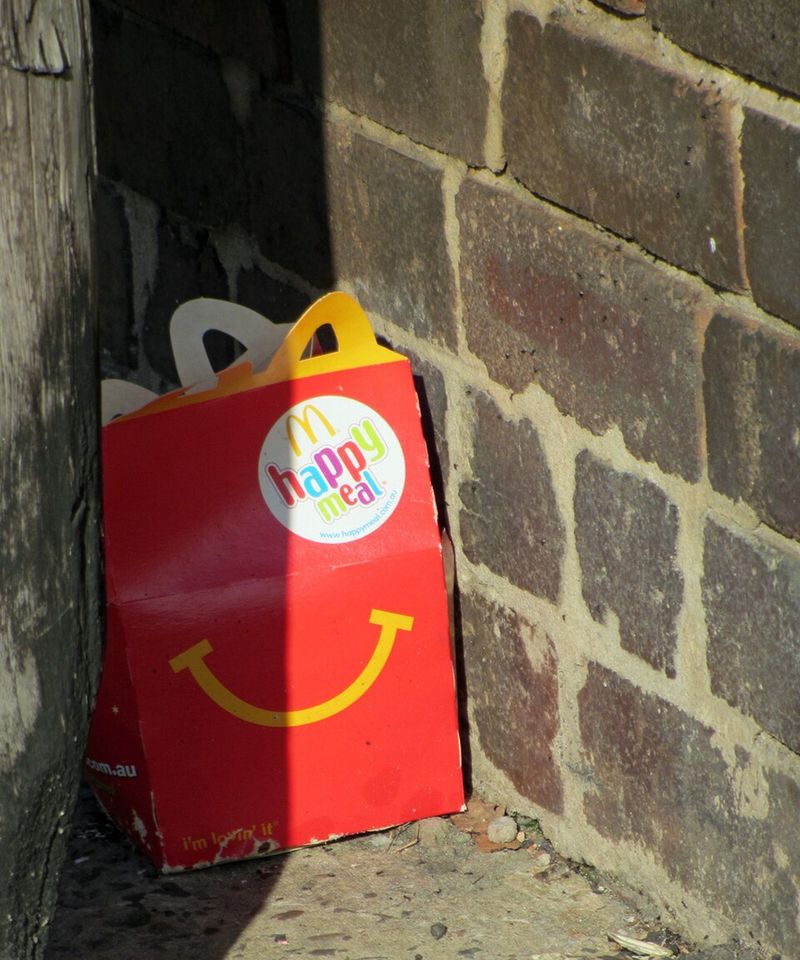
Kids in 1979 had a new reason to beg for fast food, and it had very little to do with burgers. The prize inside the box was the real attraction.
McDonald’s rolled out the Happy Meal nationally in June 1979. The first boxes were shaped like circus wagons and covered with puzzles, jokes, and games.
Each meal included a hamburger or cheeseburger, fries, a cookie snack, and a drink. The surprise toy might be a stencil, a spinning top, or an ID bracelet.
The idea had roots in a few places. A franchisee in Guatemala, Yolanda Fernandez de Cofino, created a kids meal earlier, and ad executive Dick Brams helped shape the version tested in St. Louis.
Soon the toys became the main event. Movie tie-ins and collectible sets turned lunch into a scavenger hunt for many families.
The plan was simple and smart. A small, low-cost toy could decide where an entire family ate dinner.
9. The Coca-Cola Commercial That Turned a Hillside Into a Global Singalong, 1971
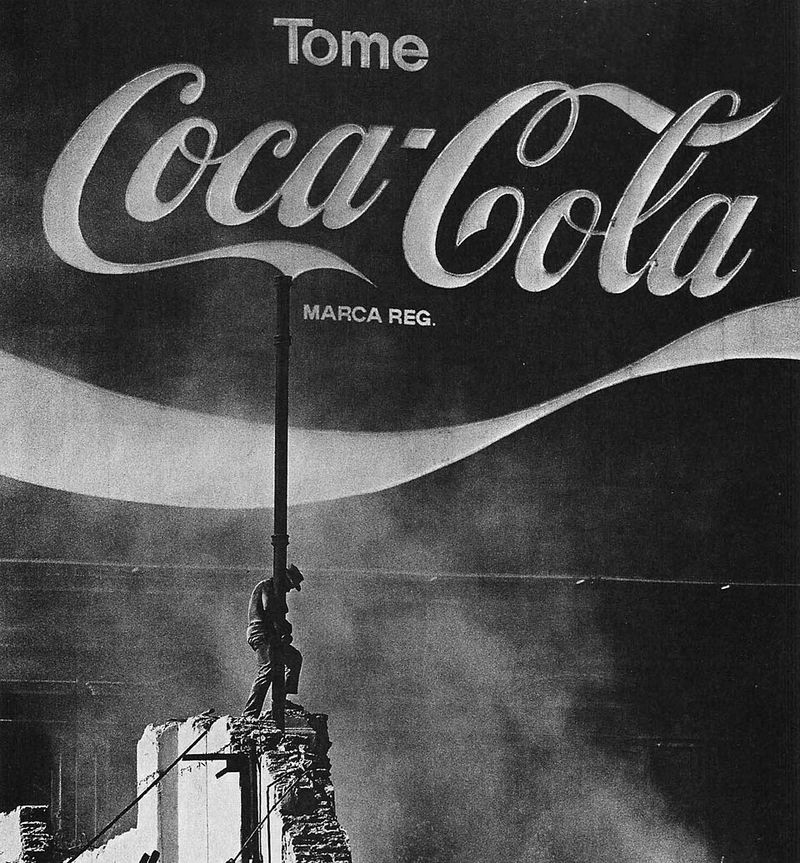
A delayed flight started it all. Advertising executive Bill Backer was stuck at an airport in Ireland when he noticed stranded travelers bonding over bottles of Coke.
That moment became the seed for the famous Hilltop ad of 1971. Filmed on a hillside near Rome, it showed young people from around the world singing together while holding glass bottles.
The jingle asked viewers to imagine buying the world a Coke. Nothing in the ad mentioned price, flavor, or ingredients.
Production was a headache, with rain delays and a cast that had to be partly replaced. The final cost reached around $250,000, a large sum for one commercial back then.
Viewers loved it, and radio stations got thousands of requests for the song. A reworked version, I’d Like to Teach the World to Sing, became a pop hit for The New Seekers.
The campaign changed how brands thought about ads. Selling a feeling could work better than selling a product feature.
10. The Disco Demolition Night That Destroyed More Than Records
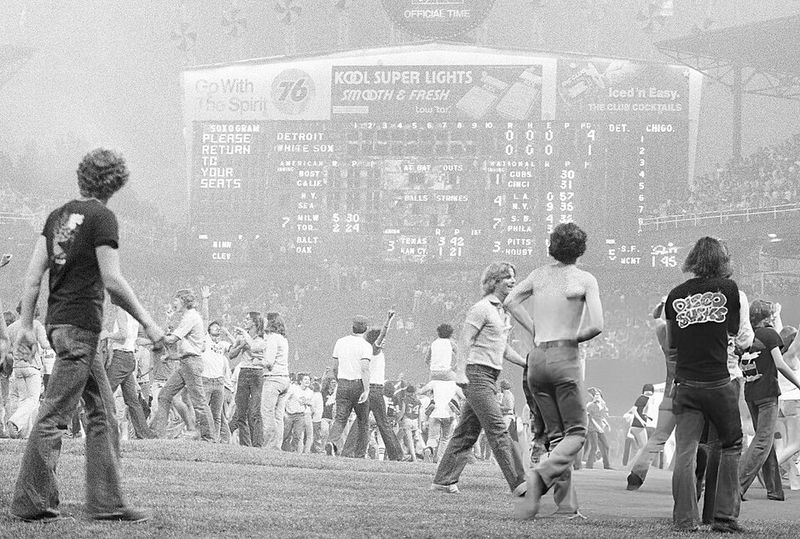
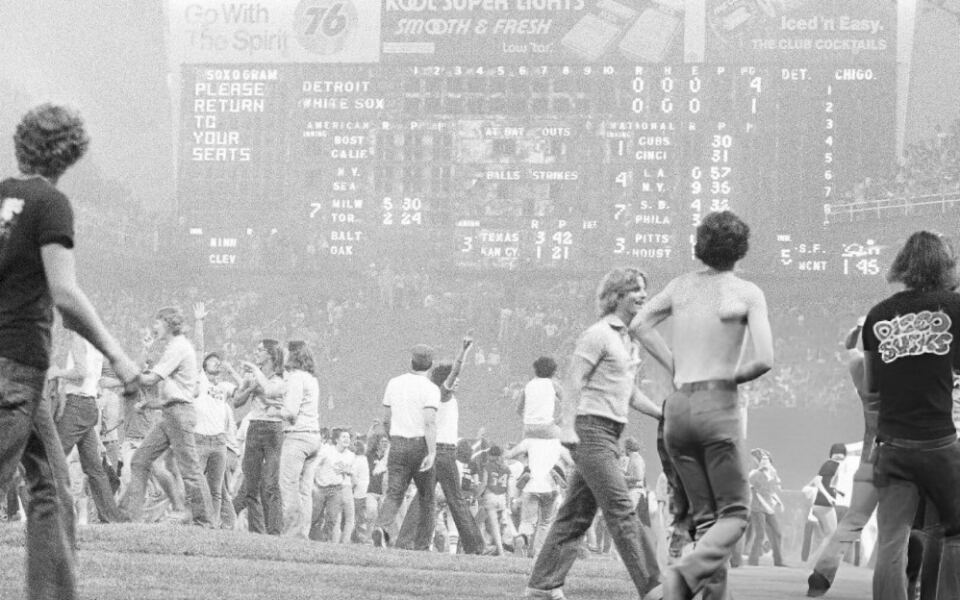
Ninety-eight cents and an unwanted record were all it took to get into a Chicago ballpark on July 12, 1979. The deal attracted far more people than anyone expected.
The White Sox teamed up with radio host Steve Dahl, who had built a following by mocking disco music. Fans who brought a disco album got cheap tickets to a doubleheader against the Detroit Tigers.
Comiskey Park filled up fast, and thousands more gathered outside. Between games, the collected records were destroyed in a big crate in center field.
Then thousands of fans poured onto the field. The grass was torn up, police were called in, and the second game never happened.
The White Sox had to forfeit to Detroit. Disco’s popularity dropped sharply over the next year.
Historians have since looked closely at the event, noting that disco was closely tied to Black, Latino, and gay communities. That added layer makes the night more than just a baseball story.
11. The Freedom Train That Turned American History Into a Traveling Attraction, 1975–1976
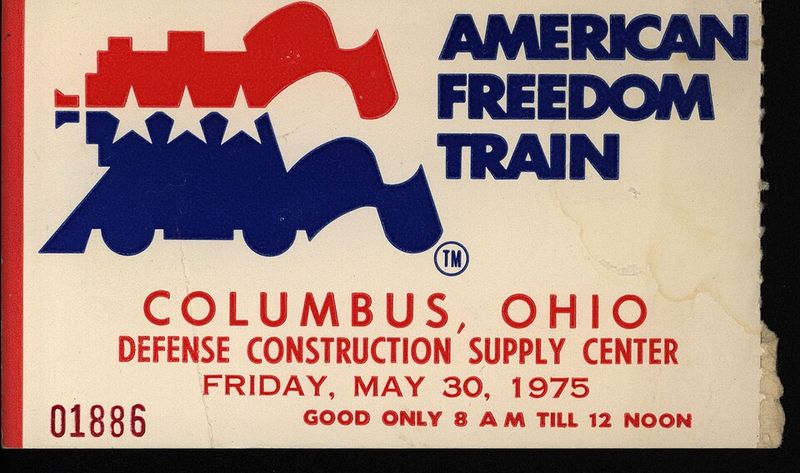
Plenty of Americans saw a moon rock in 1975 without ever leaving their hometown. All they had to do was wait for a very special train to roll into the station.
The American Freedom Train started its journey in Wilmington, Delaware, in April 1975. It was pulled by a huge steam locomotive painted red, white, and blue.
Its 26 cars carried more than 500 pieces of American history and culture. Visitors could see a copy of the Louisiana Purchase, Martin Luther King Jr.’s pulpit and robes, Judy Garland’s dress from The Wizard of Oz, and that famous moon rock.
Moving walkways carried people through the exhibit cars, so lines kept moving. Over about 21 months, the train visited all 48 lower states.
Roughly seven million people toured it, and millions more watched from trackside. Corporate sponsors helped pay the costs.
Rather than selling a gadget, the project sold an experience. History became an event families planned their weekends around.
12. The King Kong Remake That Used a Giant Mechanical Ape to Sell a Movie, 1976
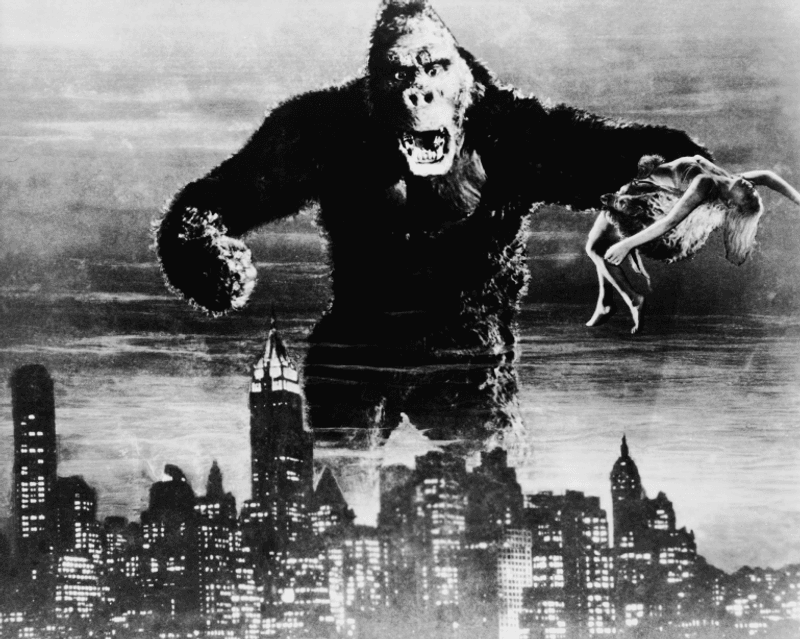
Forty feet tall and covered in horsehair, the robot gorilla was supposed to be the star of the 1976 King Kong. In the end, it barely showed up for work.
Producer Dino De Laurentiis promised audiences a Kong unlike anything seen before. Publicity focused on a giant mechanical ape that reportedly cost around $1.7 million to build.
Newspapers and magazines ran stories about the machine, and crowds came to see it at public showings. Fans expected the robot to carry the whole movie.
The reality was clunky. The machine was hard to control, and it appears on screen for only about 15 seconds.
Most of Kong’s scenes featured makeup artist Rick Baker wearing a detailed ape suit. Baker later became one of Hollywood’s most respected effects artists.
The film still earned strong ticket sales and won a special Academy Award for visual effects. It proved that a flashy behind-the-scenes gimmick could sell a movie, even when the gimmick barely appeared in it.
Share this story