Nineteen sixty-six was a turning point for popular music. That single year produced a wave of recordings that pushed rock and roll into completely new territory, borrowing from Indian classical music, jazz improvisation, and experimental studio techniques that barely existed a few years earlier.
Radio listeners in 1966 were hearing backward vocals, sitar drones, and feedback-drenched guitar solos alongside their usual pop hits, often without any warning. The 12 songs collected here represent that creative explosion, each one arriving with a distinct personality and a willingness to break the rules of what a pop song was supposed to do.
Whether you already know these tracks or are hearing about them for the first time, the history behind each one is packed with surprising decisions, accidental discoveries, and cultural collisions that changed the direction of rock music for decades.
1. Eight Miles High by The Byrds
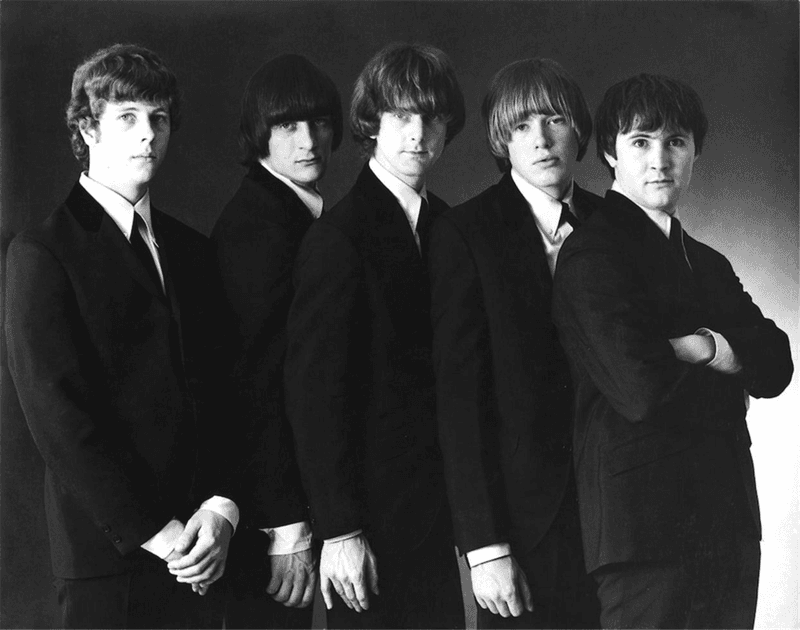
A transatlantic flight to England in 1965 became the unlikely starting point for one of rock’s most forward-thinking singles. The Byrds released “Eight Miles High” in March 1966, and it landed on their album Fifth Dimension as a defining statement of where rock could go.
Roger McGuinn’s twelve-string guitar solo was built around the modal phrasing of jazz saxophonist John Coltrane, particularly his approach on the song “India.” The band had also absorbed Ravi Shankar’s raga music during their UK tour, and both influences shaped the song’s unusual structure.
The recording process itself was complicated. An original version was cut at RCA Victor Studios, but contractual obligations forced the band to re-record it at Columbia Studios.
Some radio stations banned the track over lyrical interpretations, which hurt its chart performance despite strong critical praise. McGuinn, Gene Clark, and David Crosby shared songwriting credit.
2. Shapes of Things by The Yardbirds
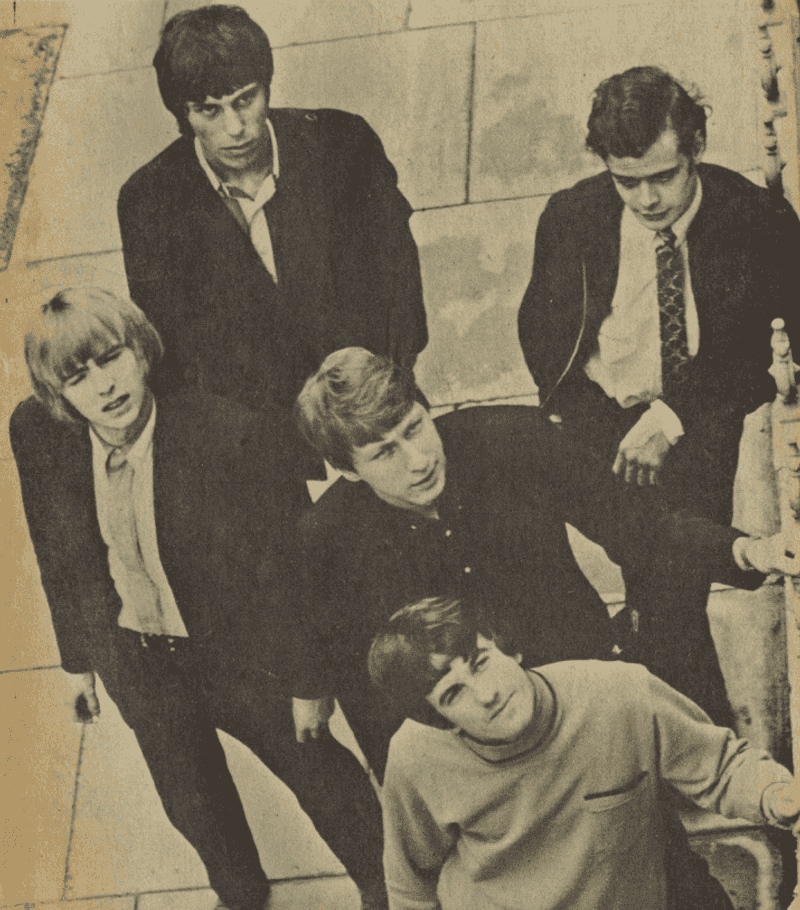
Released on February 25, 1966, this single is frequently identified by music writers as the first widely heard psychedelic rock song to reach a mainstream pop audience. It climbed to number three in the UK and number eleven in the US, a strong showing for something so unconventional.
Jeff Beck’s guitar solo was the track’s most radical element. He studied ragas by Ravi Shankar and Vilayat Khan at guitarist Jimmy Page’s house, then applied those ideas to electric guitar by finding resonant feedback frequencies and bending strings into unfamiliar tonal territory.
The result influenced Paul McCartney and Jimi Hendrix, among others.
The lyrics carried anti-war and environmentalist ideas at a time when protest themes in pop were still relatively rare. The Yardbirds had started as a blues band, and “Shapes of Things” marked a clear pivot toward experimental territory that would define their later work and influence countless bands after them.
3. Paint It Black by The Rolling Stones
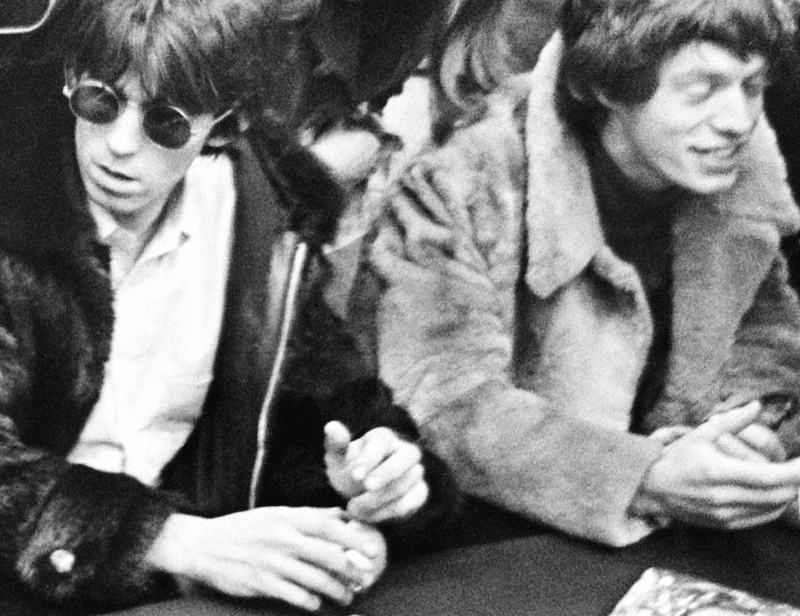
When “Paint It Black” arrived on May 7, 1966 in the US and May 13 in the UK, it became the first chart-topping single to feature a sitar as a lead instrument. Brian Jones played the sitar on the recording, and his contribution pulled the song far outside the band’s usual blues-rock territory.
The track also included a Hammond organ and castanets alongside the standard rock lineup, creating a texture that drew from Indian, Middle Eastern, and Eastern European musical traditions simultaneously. Mick Jagger and Keith Richards wrote the lyrics, which center on grief and a dark emotional state.
“Paint It Black” reached number one on both the US Billboard Hot 100 and the UK Record Retailer chart, making it a commercial as well as artistic breakthrough. It appeared as the opening track on the American version of the band’s 1966 album Aftermath, though it was absent from the original UK release of that record.
4. Rain by The Beatles
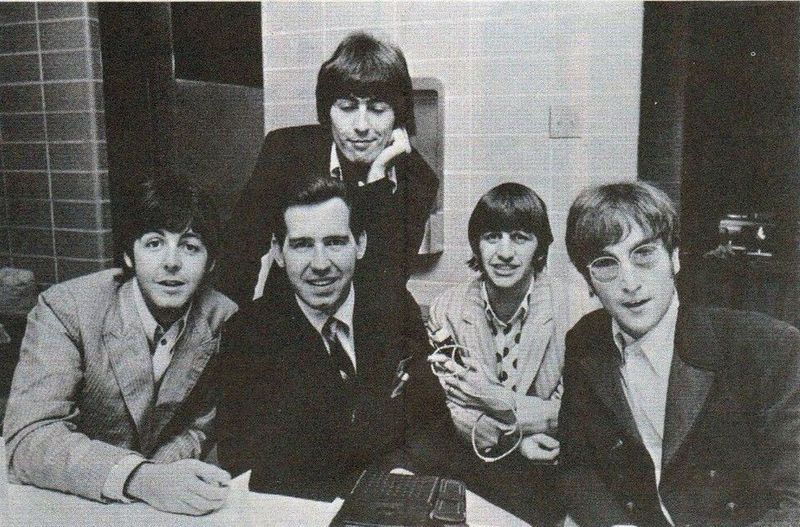
Released on May 30, 1966 as the B-side to “Paperback Writer,” this track stands as one of the earliest examples of reversed audio appearing in a commercially released pop song. It was recorded during the Revolver sessions but left off the album entirely.
John Lennon wrote the song and claimed the idea for backward vocals came from accidentally playing a tape in reverse. The segment includes Lennon singing the word “sunshine,” a drawn-out version of “rain,” and the song’s opening line played in reverse.
The rhythm track was recorded at a faster speed and then slowed down during playback, which gave Lennon’s vocal a distinctly altered quality.
Lennon described the subject matter as people complaining about weather, with rain functioning as a metaphor for fixed, inflexible thinking. The Beatles also produced three promotional films for the song, which are now recognized as early examples of what would become the modern music video format.
5. Sunshine Superman by Donovan
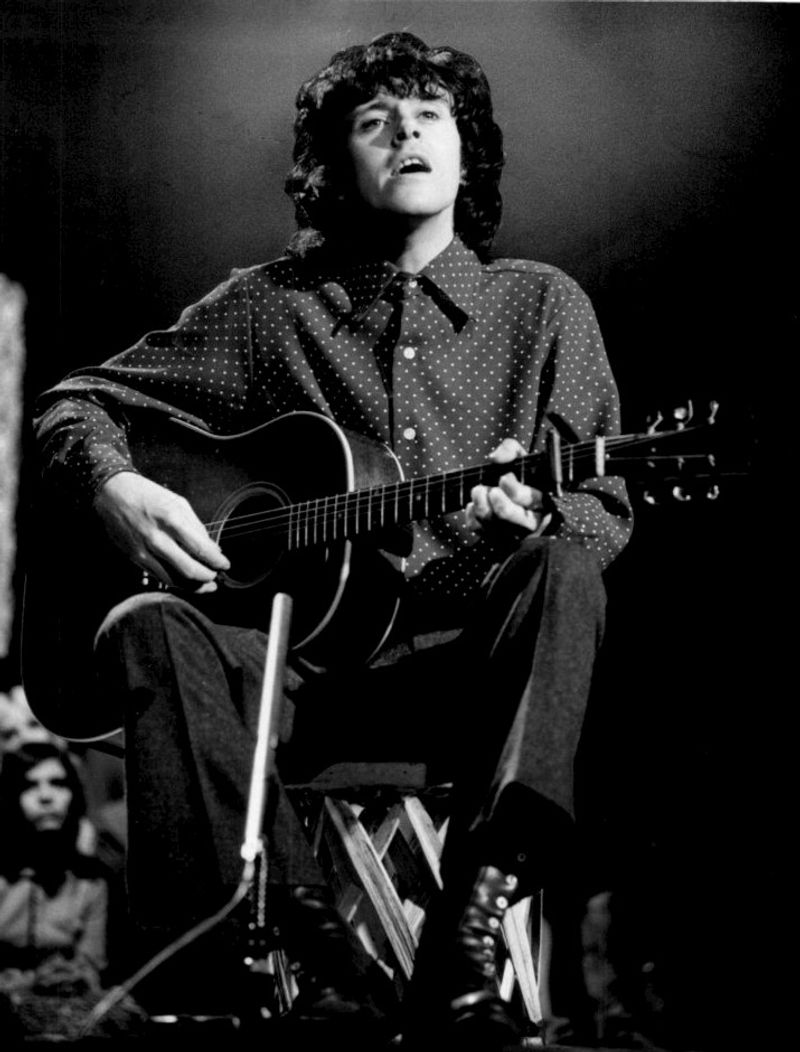
Donovan released “Sunshine Superman” in the United States in July 1966, and the song marked a decisive shift in his musical identity. Previously known as a folk singer in the style of Bob Dylan, he arrived here with a fully arranged production featuring harpsichord, sitar, and a complete rock band underneath the melody.
The album of the same name is considered by some music historians to be the first fully realized psychedelic album, arriving roughly a year before Sgt. Pepper’s Lonely Hearts Club BandSurrealistic Pillow and Jefferson Airplane’s .
Producer Mickie Most shaped the track’s pop accessibility without removing its experimental instrumentation.
A contractual dispute delayed the UK release until December 1966, meaning American audiences heard it months before British ones. Donovan described the song partly as a love song and partly as an attempt to reach what he called “the invisible fourth dimension of transcendental superconscious vision,” which says a great deal about where his head was in 1966.
6. 7 and 7 Is by Love
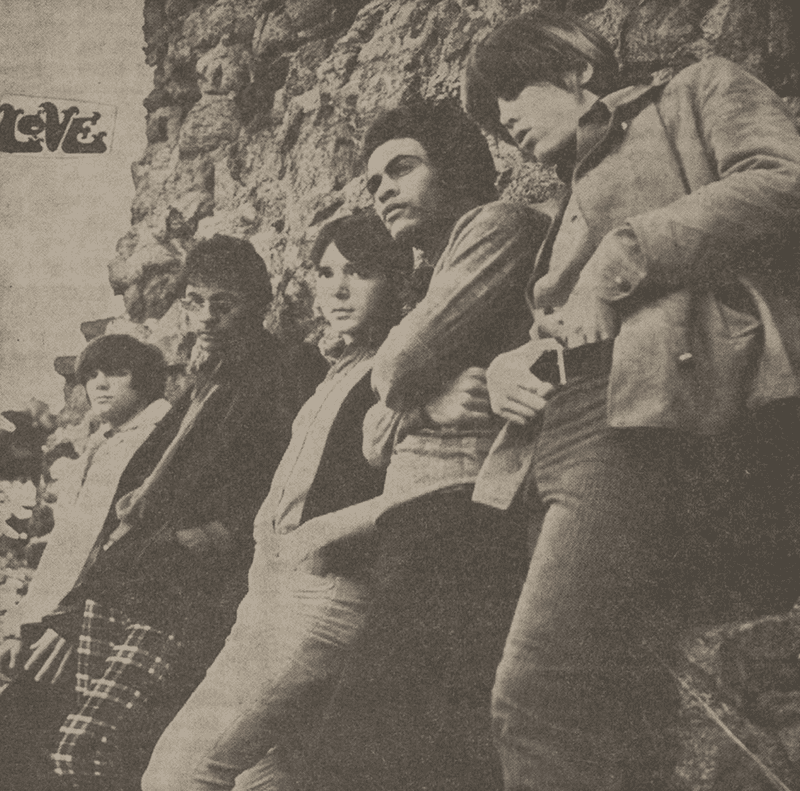
Arthur Lee wrote this song and Love released it as a single in July 1966, making it the band’s highest-charting record at number 33 on the Billboard Hot 100. It was recorded on June 17 and 20, 1966, at Sunset Sound Recorders in Hollywood.
The track began as a slower, folkier piece and transformed through studio experimentation into something closer to garage rock and early proto-punk. Psychedelic elements include extensive reverb and tremolo on the guitar, fuzz bass, and a climactic moment that sounds like an explosion.
In the studio, that sound was created using a sound effects record; in live performances, Lee reportedly kicked a reverb unit to recreate it.
Lee’s lyrics drew from personal experience, referencing his high school girlfriend and a shared birthday of March 7. The phrase “my mind in an ice cream cone” was his way of describing wearing a dunce cap.
Love’s mixed-race lineup was also notable for the era, setting the band apart from most of their Los Angeles contemporaries.
7. Psychotic Reaction by Count Five
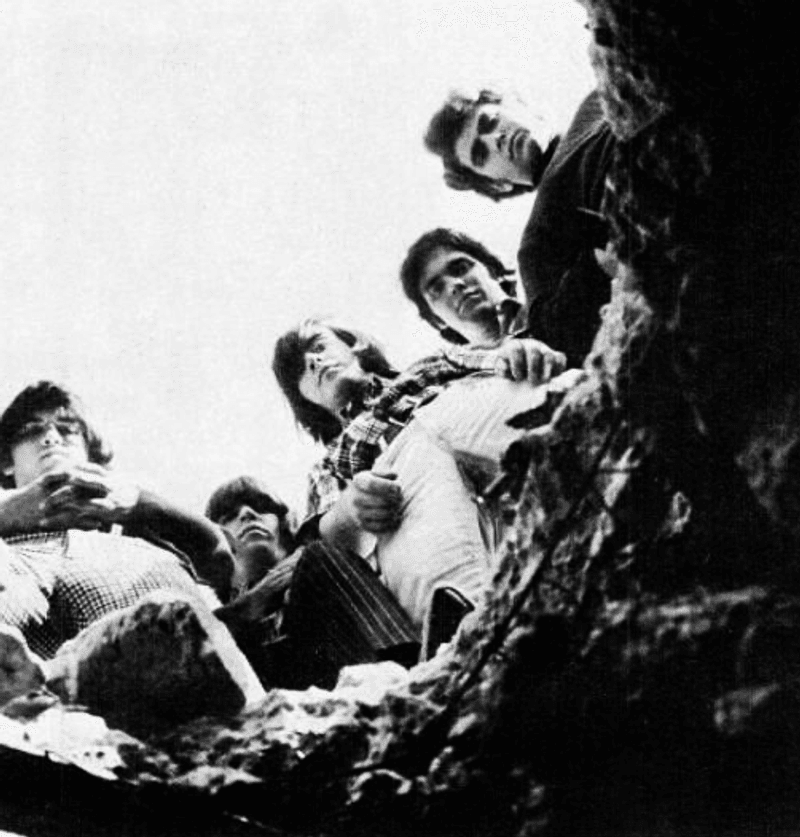
Count Five released “Psychotic Reaction” as their debut single in June 1966, and by October it had climbed to number 5 on the Billboard Hot 100. That is a remarkable chart position for a band from San Jose, California, operating on a small independent label with no major industry backing.
The lyrics came from an unexpected source: rhythm guitarist John “Sean” Byrne’s health education class, where the concepts of psychosis and neurosis were discussed. A friend suggested the song title, and the band built around it.
The track was later included in the Rock and Roll Hall of Fame’s list of “500 Songs That Shaped Rock and Roll,” cementing its place in rock history.
The album of the same name, released in October 1966, included backward guitar, a technique the band borrowed from The Beatles’ Revolver sessions. “Psychotic Reaction” is now regarded as a seminal recording in garage rock, acid rock, and psychedelic rock, all at once, which is no small distinction for a two-and-a-half-minute single.
8. I Had Too Much to Dream (Last Night) by The Electric Prunes
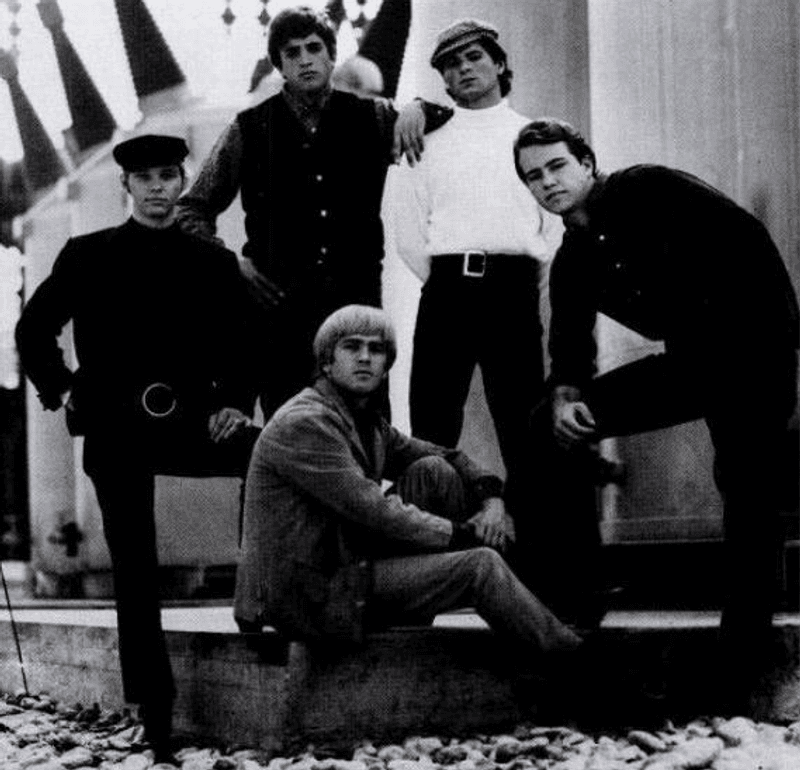
The Electric Prunes released this track as their second single in November 1966, and it became their signature recording, reaching number 11 on the Billboard Hot 100 in early 1967 and number 49 in the UK. The song was written by Annette Tucker and Nancie Mantz, who originally envisioned it as a Rolling Stones-influenced rock track.
What made it stand out was its opening: a slowly swelling, backward burst of fuzztone tremolo guitar that resulted from a studio accident. Producer Dave Hassinger, who had previously worked with The Rolling Stones, recognized the value of the mistake and edited it onto the final track.
That accidental texture became the song’s most memorable feature.
Lyrically, the song describes vivid, disorienting dreams of an ex-lover. The title plays on the phrase “too much to drink,” shifting it into dreamlike territory instead.
Lenny Kaye later chose it as the opening track for his 1972 Nuggets compilation, which introduced the song to a whole new generation of listeners.
9. Tomorrow Never Knows by The Beatles
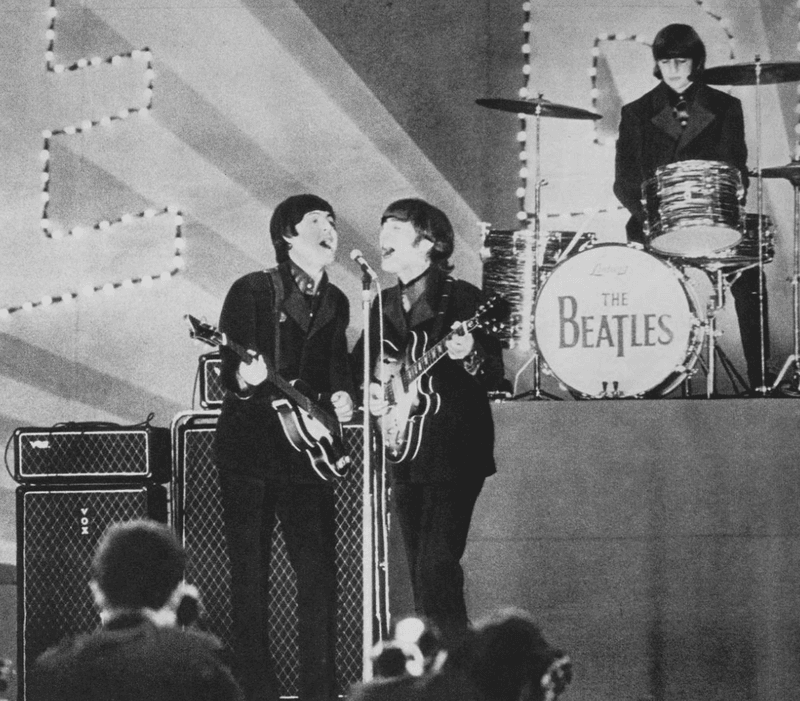
Recorded first but sequenced last on Revolver, “Tomorrow Never Knows” was unlike anything The Beatles had released before. John Lennon wrote it in January 1966, drawing lyrics almost directly from Timothy Leary, Richard Alpert, and Ralph Metzner’s 1964 book The Psychedelic Experience: A Manual Based on The Tibetan Book of the Dead.
The recording process was a deliberate departure from live performance considerations. The band used tape loops, backward recordings, varispeed techniques, and ran Lennon’s vocal through a Leslie speaker cabinet to alter its quality.
Elements of musique concrete and sitar-like drones were layered throughout, creating a dense, multi-textured arrangement that had no precedent in pop music.
The song’s title came from one of Ringo Starr’s characteristic verbal mix-ups, which Lennon found fitting for a track about surrendering conscious thought. Music critics have consistently described it as the most experimental track on Revolver and the point toward which the entire album builds across its runtime.
10. East-West by The Paul Butterfield Blues Band
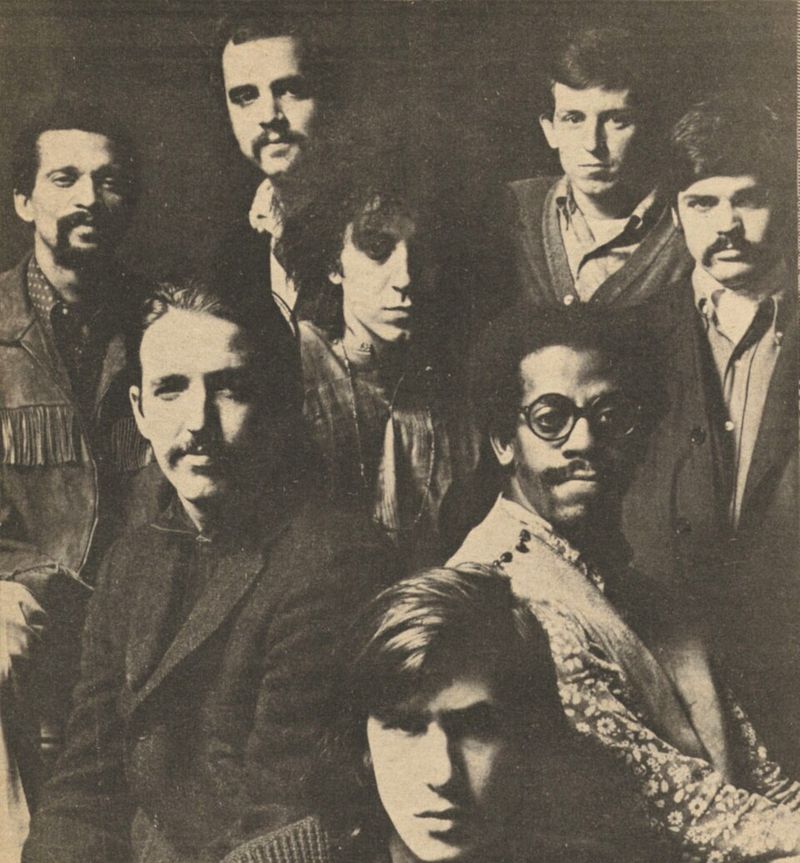
Released in August 1966 as the title track of the band’s second album, “East-West” runs for 13 minutes and functions as an extended instrumental jam that connects blues, rock, jazz, and Indian classical music in a way that had not been attempted at that scale in rock before.
Guitarist Mike Bloomfield was the driving creative force behind the track’s structure. His fascination with John Coltrane’s modal jazz approach and Indian raga music shaped the improvisation.
The song is built around a drone, similar to Indian classical music, and explores melodic development rather than conventional chord progressions. The album was recorded at Chess Studios in Chicago.
Bloomfield later credited an all-night LSD experience in late 1965 with giving him a new understanding of Indian music’s possibilities within a rock context. “East-West” became a major reference point for the psychedelic scene developing in San Francisco’s Haight-Ashbury neighborhood, and rock and blues historians still cite it as one of 1966’s most forward-thinking recordings.
11. Reverberation (Doubt) by 13th Floor Elevators
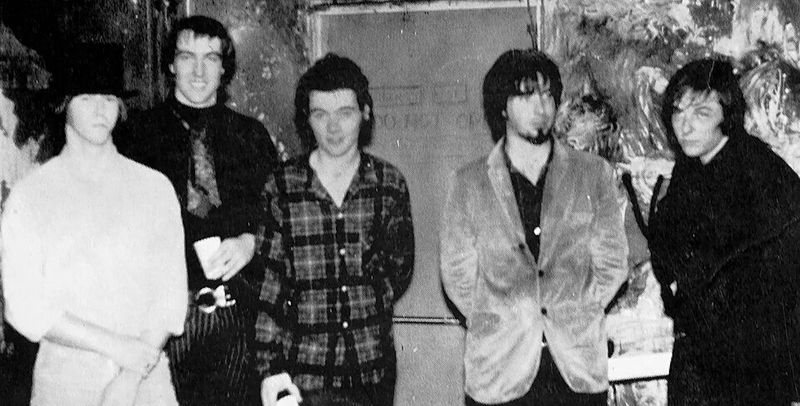
Released on October 31, 1966, this single appeared on the 13th Floor Elevators’ debut album, The Psychedelic Sounds of the 13th Floor Elevators, which came out the same month. The album’s title was not subtle, and the music matched the ambition of that title completely.
A central element of the band’s sound was the electric jug, played by Tommy Hall. The instrument produced a droning, reverberating quality that gave the band a sonic identity unlike any other group operating at the time.
Hall’s jug playing was not decorative; it was structural, anchoring the band’s approach to rhythm and texture.
The lyrics confront feelings of psychological entrapment, with the line “You finally find your helpless mind is trapped inside your skin” functioning as a direct statement rather than an abstract image. The 13th Floor Elevators were based in Austin, Texas, far from the major coastal music centers, yet their debut album influenced psychedelic rock broadly and continues to attract attention from musicians and collectors decades later.
12. Over Under Sideways Down by The Yardbirds
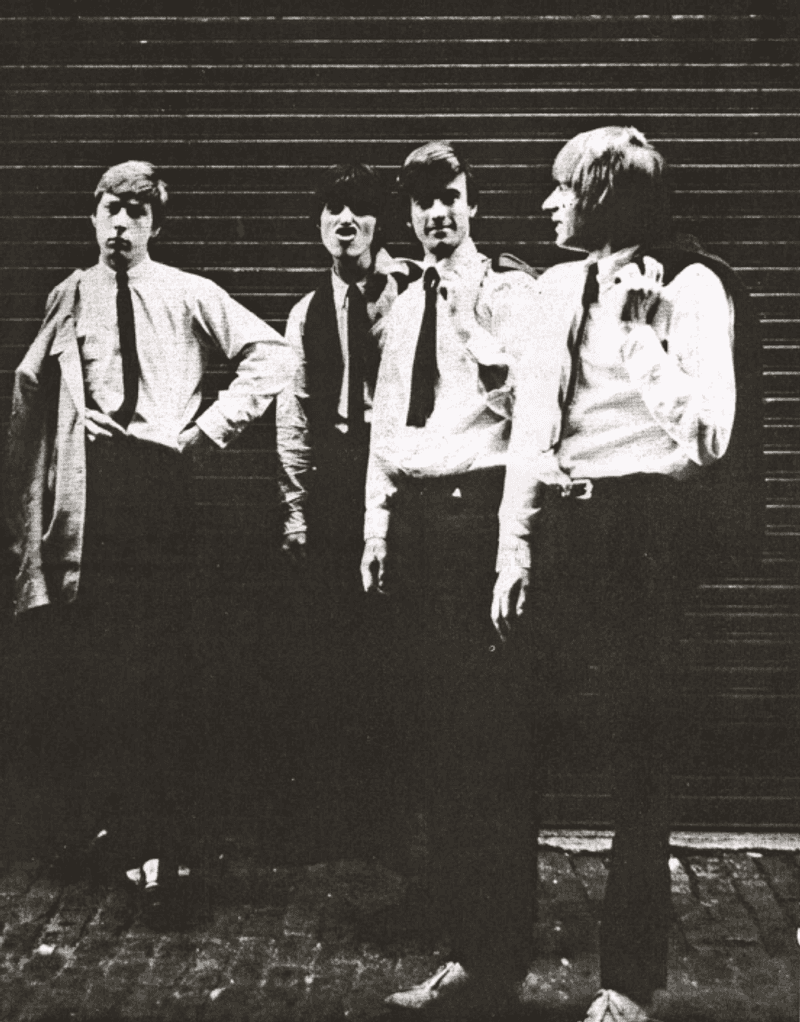
Released as a single in May 1966, this track followed “Shapes of Things” and continued The Yardbirds’ move toward experimental rock. It appeared on their UK self-titled album, widely known as Roger the EngineerOver Under Sideways Down, and on the US album in July 1966.
The song charted at number 13 on the US Billboard Hot 100 and number 10 on the UK Singles Chart.
Jeff Beck developed the song’s raga-influenced guitar riff and intro after absorbing Indian classical music, which he had been studying alongside Jimmy Page. Drummer Jim McCarty later stated that the basic structural idea came from Bill Haley and His Comets’ “Rock Around the Clock,” which is not an obvious starting point for a psychedelic track.
All five band members, Chris Dreja, Jim McCarty, Jeff Beck, Keith Relf, and Paul Samwell-Smith, shared songwriting credit. The lyrics reflected the rapid social changes of the 1960s, and music historians point to the song as an early marker of the transition from blues-influenced rock toward the harder, more experimental sounds that would define the following decade.
Share this story