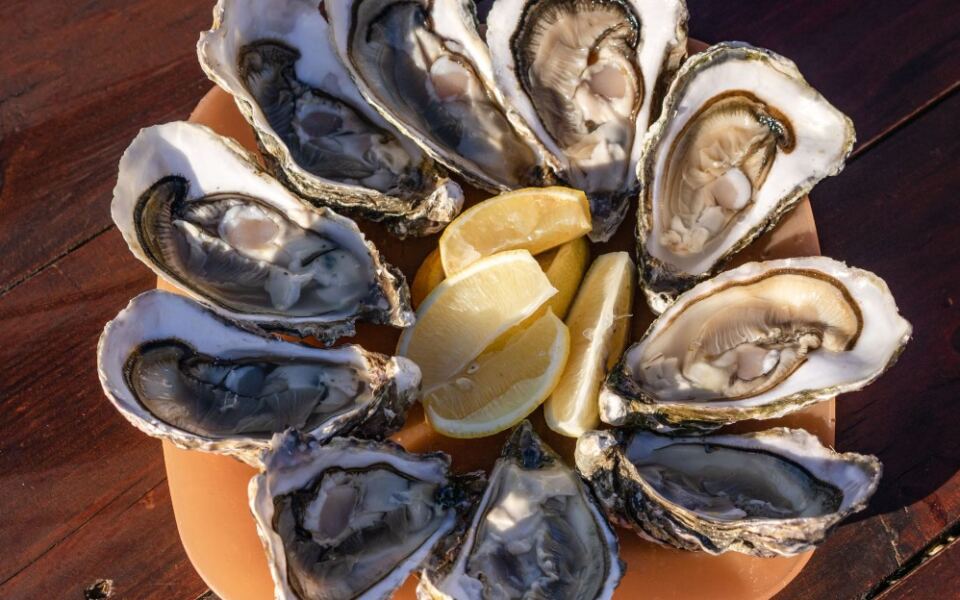
Oysters have been part of human life for thousands of years, yet most people know very little about what makes these small shellfish so remarkable. From their role in cleaning waterways to their surprising biology, oysters are far more complex than they appear on a plate.
Whether you enjoy them raw at a seafood restaurant or simply find ocean life fascinating, there is plenty here to spark your curiosity. Here are 12 things about oysters that might genuinely catch you off guard.
1. Some Oysters Can Change Sex During Their Lifetime
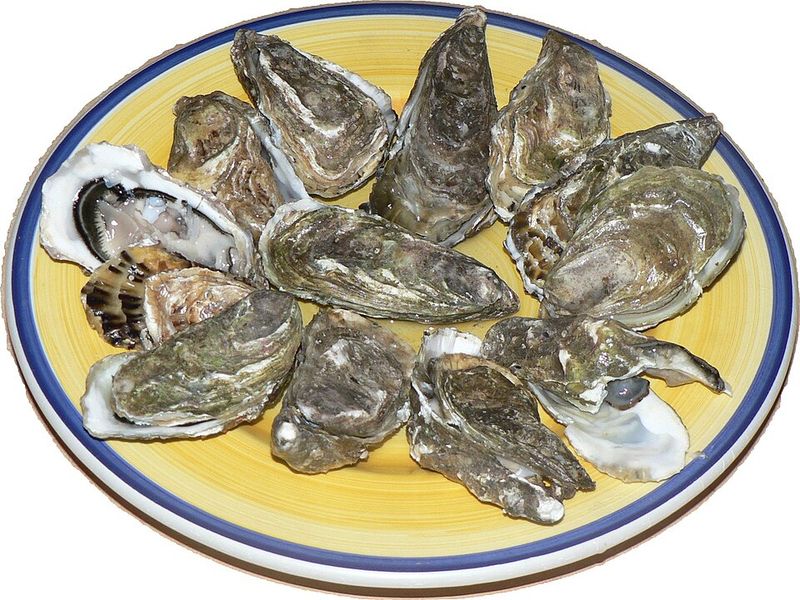
Not many animals can change their biological sex, but certain oysters do exactly that. Pacific and Eastern oysters commonly start life as males.
As they grow older and conditions are right, some of them develop female reproductive organs and begin producing eggs instead of sperm.
Scientists call this process sequential hermaphroditism. It is not random or accidental.
The change often depends on water temperature, food availability, and the oyster’s overall health. This flexibility helps the species reproduce more successfully under changing conditions.
For a creature without a backbone or a brain as we know it, this is a pretty remarkable biological trick. Researchers who study marine life find oysters useful for understanding how reproduction adapts to environmental pressure.
Next time you see an oyster on the half shell, remember it may have lived a life that shifted direction in a way most animals never experience.
2. A Female Oyster Can Release More Than 100 Million Eggs at Once
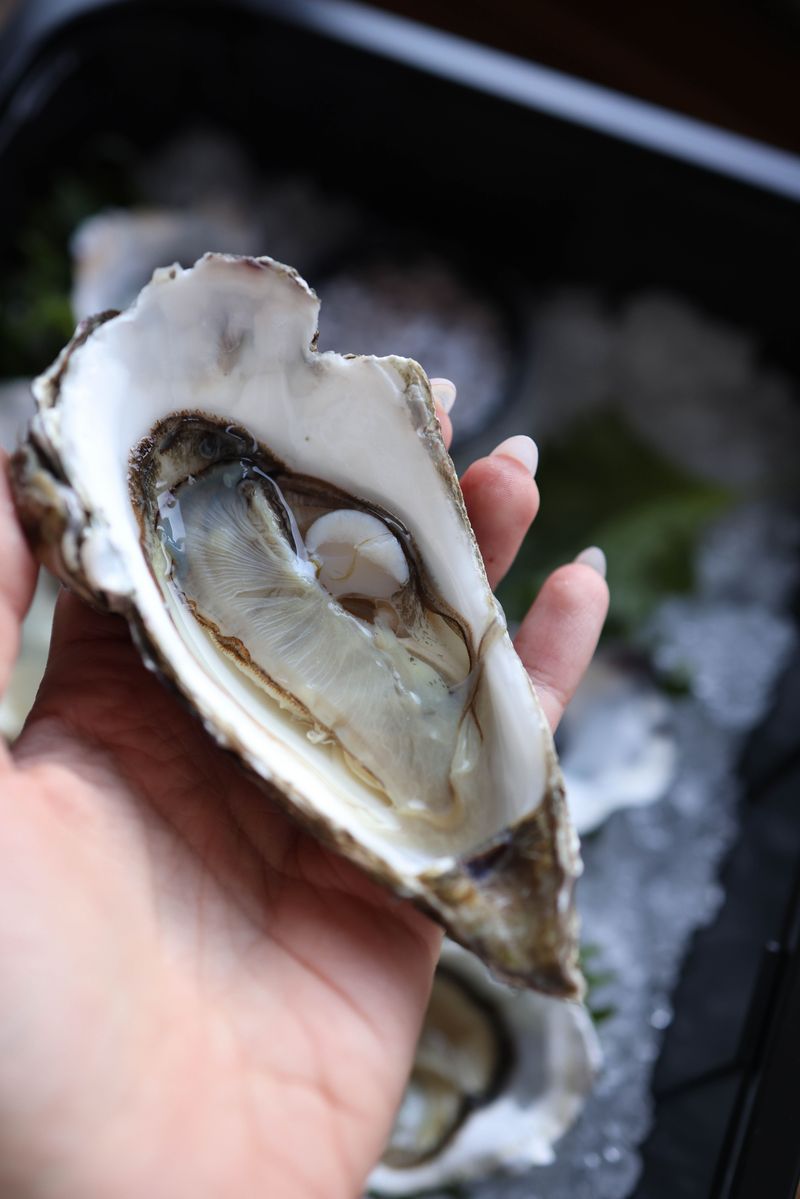
The number sounds almost unbelievable, but it is backed by science. According to NOAA, a single Eastern oyster can release more than 100 million eggs during one spawning event.
Pacific oysters can release anywhere from 50 to 200 million eggs in a single go.
Of course, the vast majority of those eggs never survive to become adult oysters. Predators, water conditions, and competition all take a heavy toll on young oysters called spat.
The sheer volume of eggs is nature’s way of making sure at least some offspring make it.
This strategy is common among marine animals that cannot protect their young after birth. Releasing enormous numbers of eggs increases the odds that a few will find a safe surface to settle on and grow.
It is a numbers game, and oysters have been playing it successfully for millions of years.
3. One Oyster Can Filter Around 50 Gallons of Water Per Day
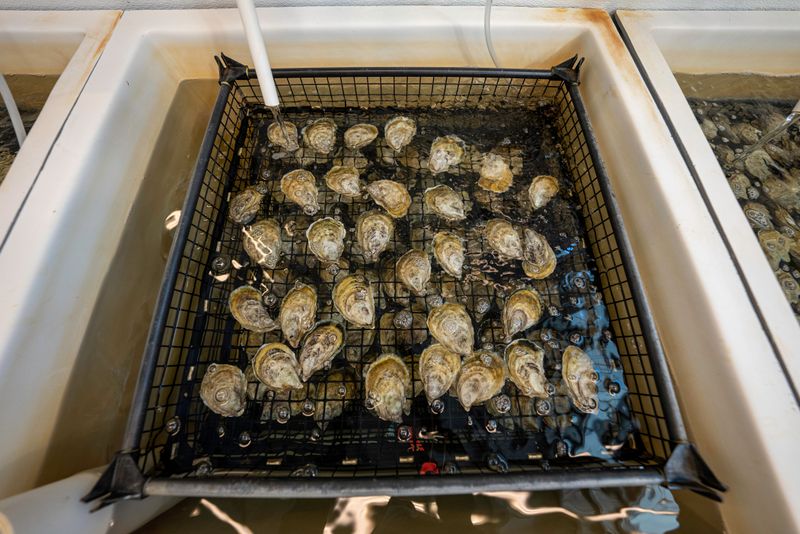
Oysters are natural water filters, and they are remarkably good at the job. Under favorable conditions, a single adult oyster can pull roughly 50 gallons of water through its body in a single day.
As water passes through, the oyster captures particles like algae, sediment, and some pollutants.
This filtering process, called suspension feeding, benefits entire ecosystems. Cleaner water allows sunlight to reach underwater plants, which in turn supports fish and other marine life.
In areas where oyster populations have declined, water clarity has often dropped noticeably.
Restoration projects around the world are using this knowledge to improve coastal water quality. Scientists and environmental groups are working to rebuild oyster reefs in places like the Chesapeake Bay and along the Gulf Coast.
Oysters do not just taste good at dinner. They are quietly doing important environmental work every single hour of every single day.
4. Oyster Reefs Are Home to Hundreds of Other Species
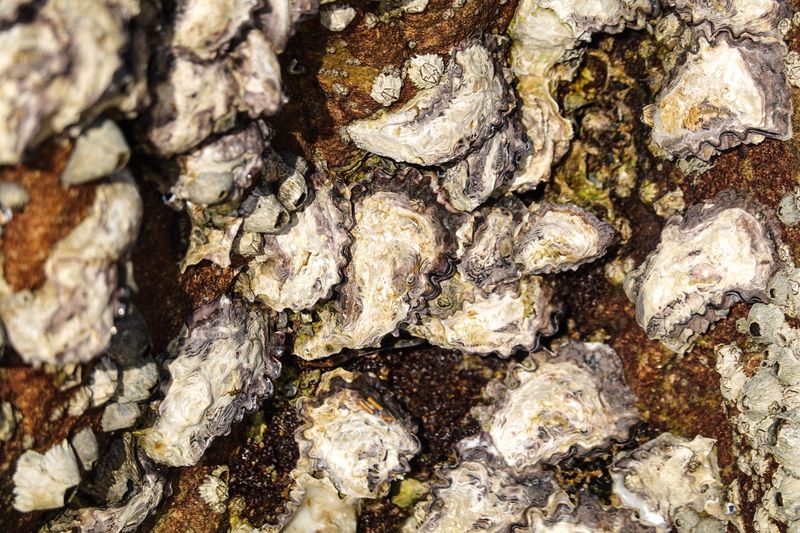
An oyster reef is not just a pile of shells. It is a full-blown neighborhood.
Fish, crabs, shrimp, and dozens of invertebrate species use oyster reefs for shelter, feeding, and raising their young. The complex structure of clustered shells creates countless tiny hiding spots that smaller creatures depend on.
Some species found on oyster reefs are commercially important, meaning they matter to fishing communities and local economies. Protecting reefs is not just an environmental cause.
It is also an economic one. When reefs disappear, the ripple effects reach far beyond the water.
Researchers have documented hundreds of species using oyster reefs as habitat at various stages of their lives. For many juvenile fish, reefs serve as a nursery where they can grow safely before moving to open water.
Think of an oyster reef as an underwater apartment complex, always busy, always full, and absolutely essential to the neighborhood around it.
5. The Oysters You Eat Can Produce Pearls, Just Not Valuable Ones
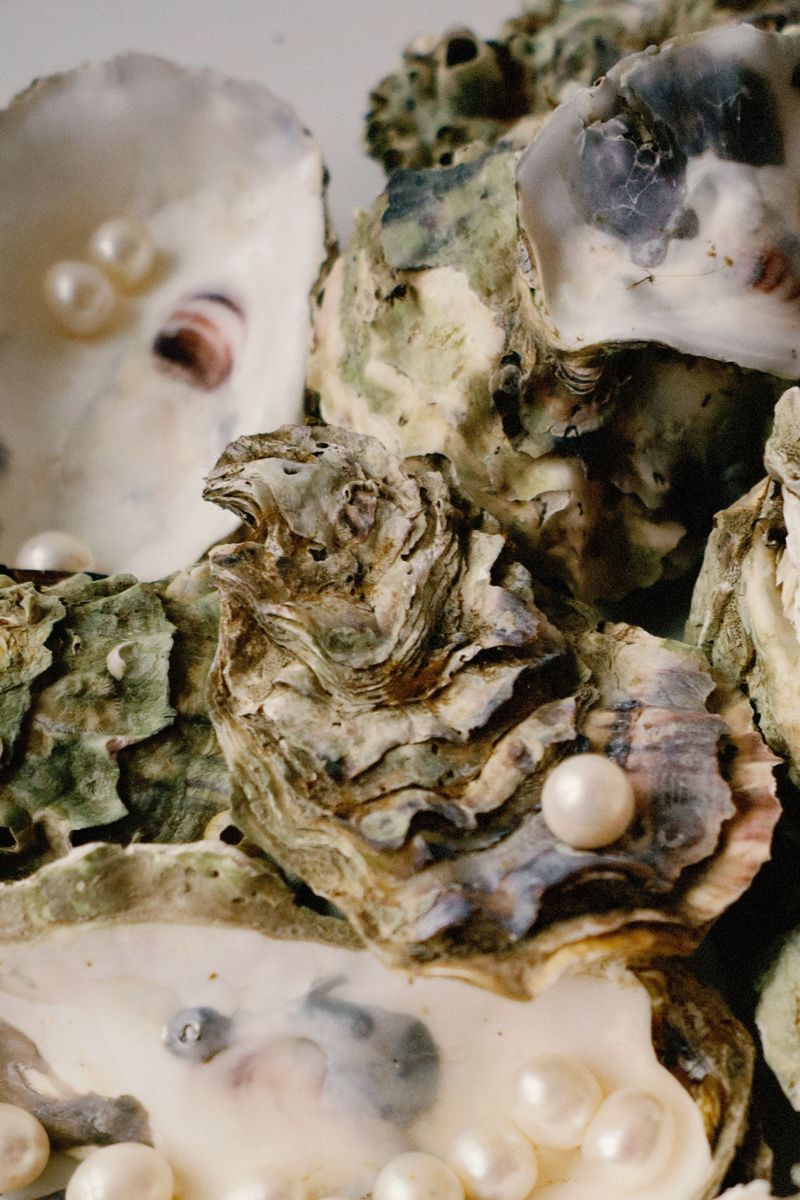
Here is something that surprises a lot of people: the oysters served at restaurants can actually produce pearls. The catch is that these pearls are usually small, misshapen, and lack the luster that makes jewelry pearls so prized.
Finding one in your meal is rare but not impossible.
Pearls form when an irritant, like a grain of sand or a parasite, gets inside the shell. The oyster responds by coating the object with layers of nacre, a smooth mineral substance.
Over time, those layers build up into what we recognize as a pearl.
Edible oysters go through this same process, but the results are rarely gem quality. The pearls tend to be chalky or oddly shaped rather than round and shiny.
Still, stumbling across one while eating is a fun surprise. Some diners have reportedly found them and kept them as quirky little souvenirs from an unexpected seafood moment.
6. Jewelry Pearls Come From a Completely Different Type of Oyster
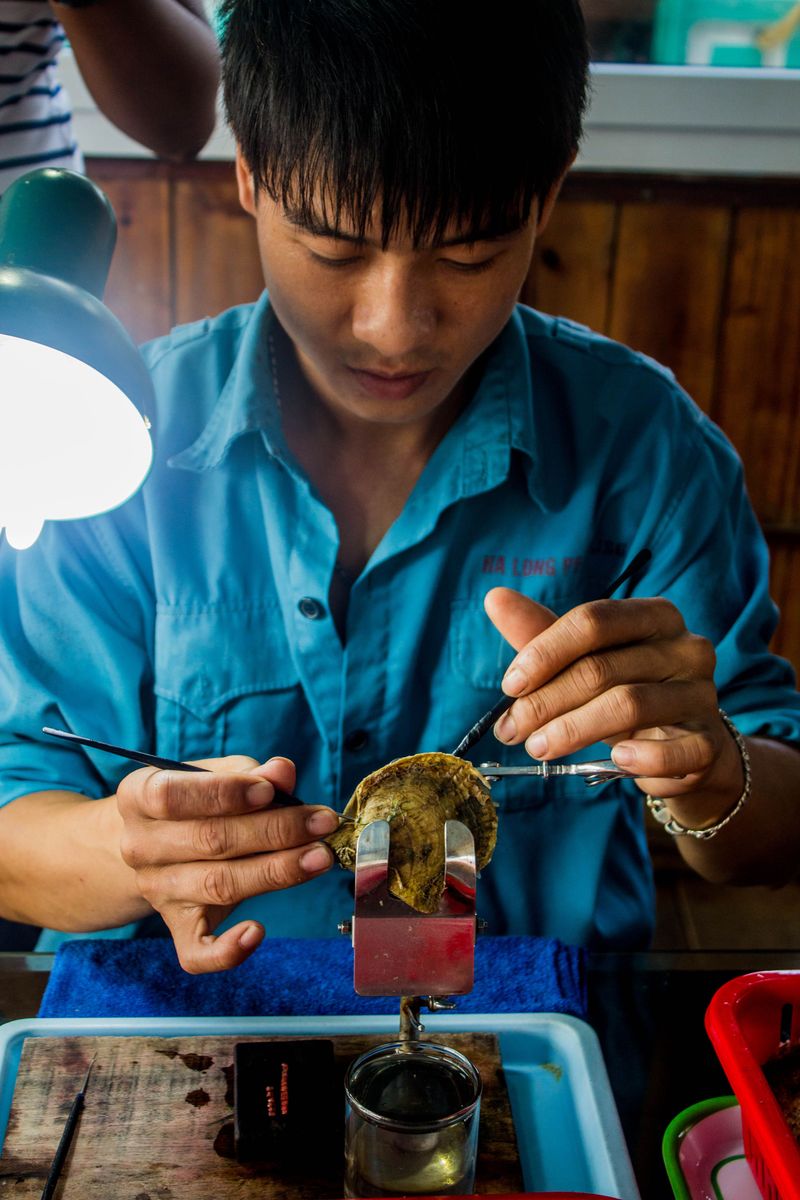
Many people assume that the oysters producing fine jewelry pearls are the same ones found on seafood menus. They are not.
Pearl oysters belong to a different biological family altogether. The Pinctada genus, which includes species like the Akoya and the South Sea pearl oyster, is the source of most commercial pearls.
These pearl oysters are not typically eaten. They are cultivated specifically for pearl production in farms located in Japan, Australia, and French Polynesia, among other places.
The farming process is carefully managed and can take years to produce a single high-quality pearl.
Edible oysters, like the Eastern oyster or the Kumamoto, belong to the Ostreidae family and have a completely different shell structure and flavor profile. Mixing up the two is an easy mistake to make, but they are about as related as a house cat and a tiger.
Both are real, but very different animals doing very different things.
7. Humans Have Been Eating Oysters for Thousands of Years

Long before refrigeration, restaurants, or even written language, people were eating oysters. Archaeological evidence shows that coastal communities around the world consumed oysters as far back as 164,000 years ago.
Shell middens, which are ancient garbage heaps made mostly of discarded shells, have been found on nearly every continent where oysters exist.
For early humans, oysters were a reliable and nutritious food source. They are packed with protein, zinc, and other minerals, and they do not require cooking to be eaten safely when fresh.
That made them a practical choice for people living near the coast.
Ancient Romans were known to be particularly fond of oysters, reportedly farming them near the coast to meet demand in cities like Rome. Native American communities along the Atlantic and Pacific coasts also relied heavily on oysters for sustenance.
The long history of oyster eating is a reminder that some food traditions run incredibly deep.
8. Where an Oyster Grows Affects How It Tastes
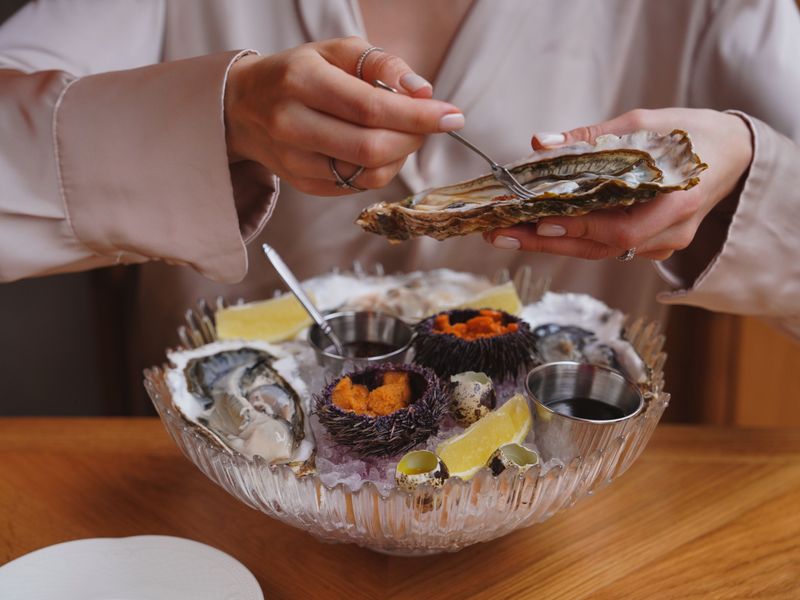
Wine lovers talk about terroir, the idea that where grapes grow shapes their flavor. Oyster enthusiasts have a similar concept called merroir.
The water an oyster grows in, including its salinity, temperature, mineral content, and the types of algae present, directly influences how that oyster tastes when eaten.
An oyster from the cold, briny waters off Maine will taste noticeably different from one harvested in the warmer, slightly less salty waters of the Gulf of Mexico. Some oysters have a crisp, clean, salty flavor.
Others are creamier, sweeter, or have a mild mineral finish.
This is why oyster menus at seafood bars often list the region of origin alongside each variety. Serious oyster fans travel specifically to taste local harvests in places like Prince Edward Island, the Pacific Northwest, or Brittany in France.
The geography of an oyster is, in a very real way, part of its flavor profile.
9. Oysters Do Not Have a Centralized Brain
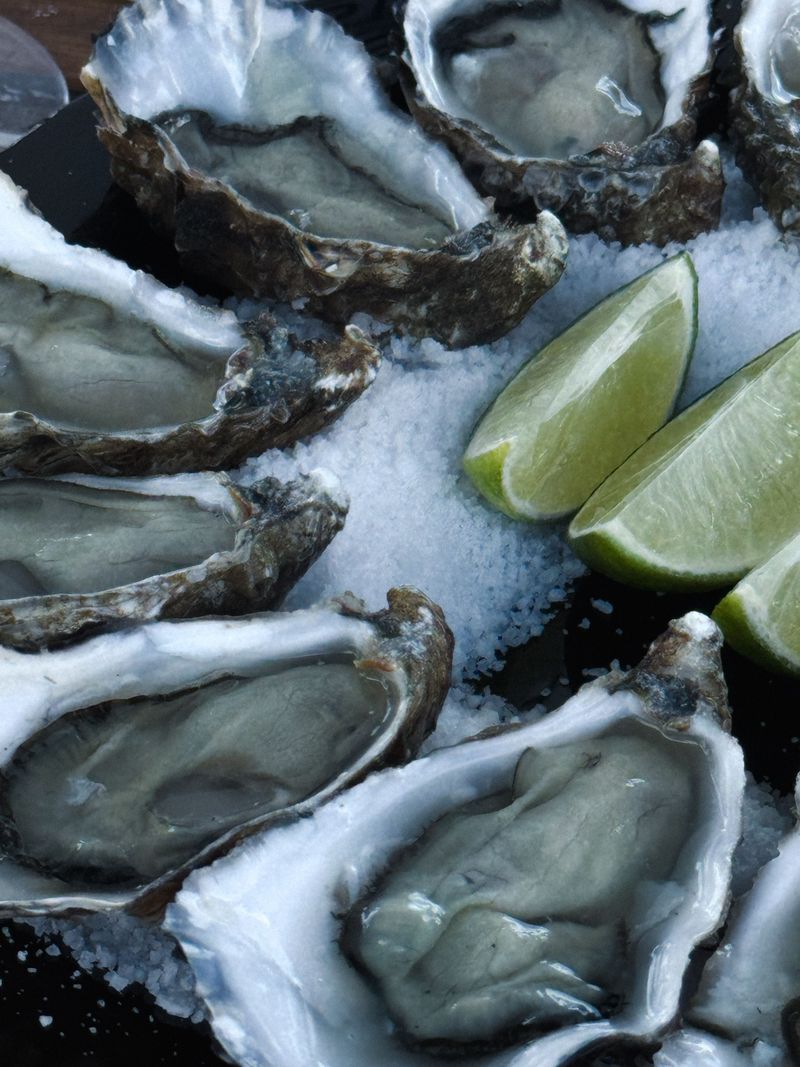
When you think about what it means to feel pain or have awareness, the brain is usually central to that conversation. Oysters do not have one, at least not in any form resembling a vertebrate brain.
Instead, they have a simple nervous system made up of small clusters of nerve cells called ganglia.
These ganglia help the oyster respond to its environment, such as closing its shell when threatened or sensing water conditions. But there is no central command center processing complex information.
Oysters have no eyes, no ears, and no ability to move around and explore.
This biological reality is why some people who otherwise avoid meat still feel comfortable eating oysters. Philosophers and scientists continue to debate whether oysters can experience anything like pain or discomfort.
The current scientific consensus leans toward no, though the conversation is ongoing. It is a surprisingly philosophical question wrapped inside a very small shell.
10. Oyster Shells Can Preserve Clues About Past Environments
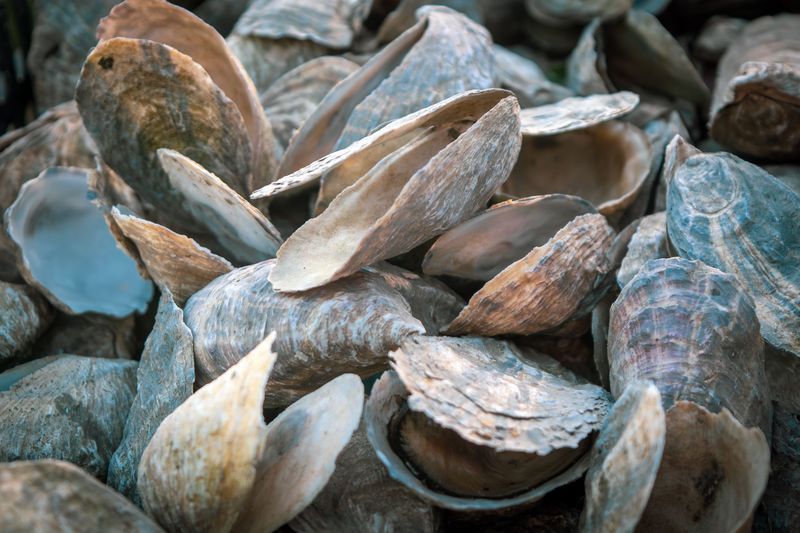
Oyster shells are more than just leftovers from a meal. They are environmental records.
As an oyster grows, it lays down layers of calcium carbonate in its shell. Those layers trap chemical signals from the surrounding water, including information about temperature, salinity, and even pollution levels at the time of growth.
Scientists can analyze these chemical signatures to reconstruct what ocean conditions were like decades or even centuries ago. This type of research, called sclerochronology, works similarly to reading growth rings in a tree trunk.
Each layer tells a piece of the environmental story.
Fossilized oyster shells have helped researchers understand how coastlines and sea conditions changed long before modern measurements existed. This makes oysters useful not just as food or habitat builders, but as historical archives sitting on the ocean floor.
The data locked inside an old shell can be surprisingly detailed and scientifically valuable to researchers studying climate change and ocean history.
11. Oyster Reefs Help Protect Shorelines From Erosion
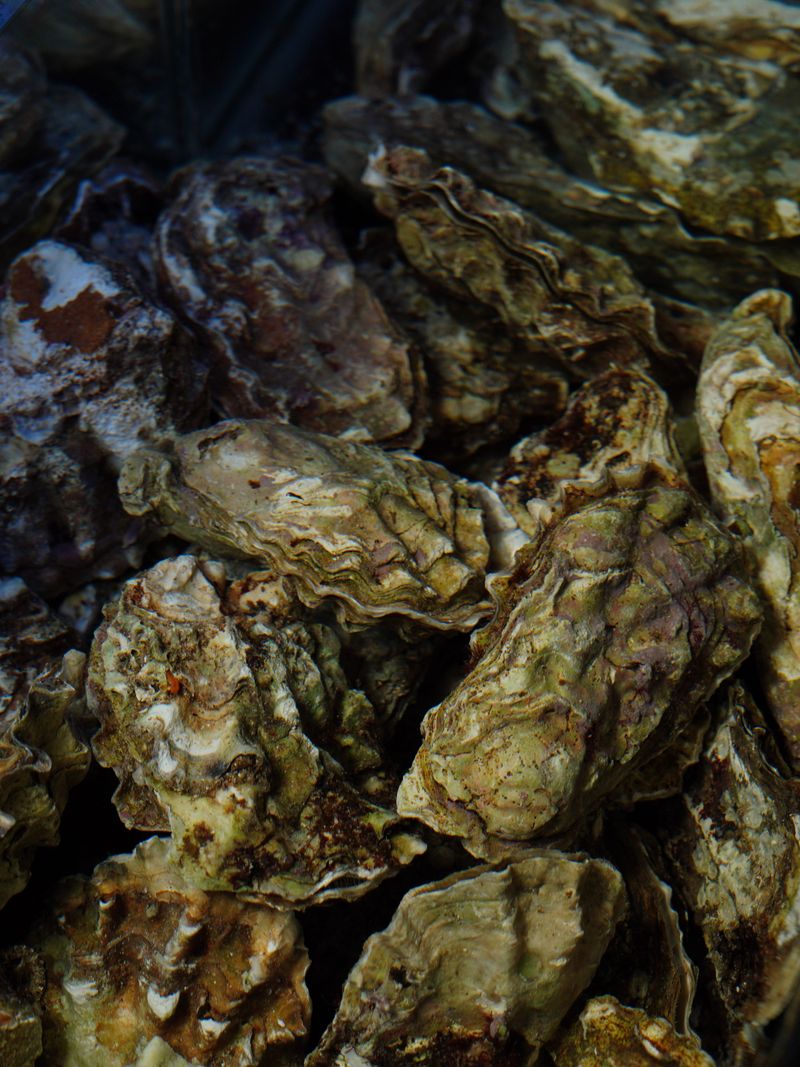
Beyond their role as habitat and water filters, oyster reefs also act as natural barriers against coastal erosion. According to NOAA, healthy reefs can absorb and reduce wave energy before it reaches the shore.
This buffering effect helps protect beaches, marshes, and even coastal communities from storm damage.
As sea levels rise and storm intensity increases in many regions, this protective function is drawing more attention from engineers and environmentalists alike. Living shoreline projects now use oyster reefs as a nature-based alternative to concrete seawalls in some coastal areas.
The appeal is practical. Unlike hard structures, oyster reefs can grow and adapt over time, potentially keeping pace with changing conditions.
They also continue providing all their other ecological benefits while doing the protective work. Several U.S. states, including Louisiana, Virginia, and North Carolina, have invested in reef restoration partly because of this shoreline protection value.
It is smart, sustainable coastal engineering.
12. Raw Oysters Can Carry Dangerous Bacteria Even When They Look Fine
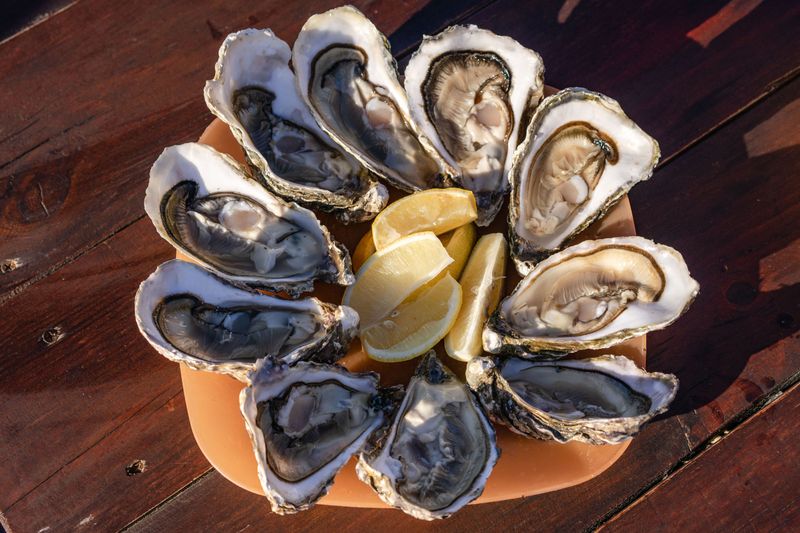
Raw oysters can look, smell, and taste completely normal while still carrying harmful bacteria. The CDC has made this point clearly: Vibrio bacteria, particularly Vibrio vulnificus, can accumulate in oysters without any outward sign of contamination.
You cannot tell by looking at or smelling an oyster whether it is safe to eat raw.
Vibrio infections are rare but can be severe, especially for people with weakened immune systems, liver conditions, or diabetes. Symptoms can include vomiting, diarrhea, and in serious cases, bloodstream infections that require hospitalization.
Cooking oysters thoroughly eliminates the risk.
Health agencies recommend that people in high-risk groups avoid raw shellfish entirely. For healthy individuals, the risk is lower, but it is never zero.
Reputable restaurants follow strict handling and storage guidelines to minimize danger. Knowing the risk does not mean you have to skip oysters entirely.
It just means going in with accurate information rather than assumptions about how safe food looks.
Share this story