Some European towns never got the memo that the Middle Ages ended. Stone walls, tall towers and cobbled lanes still shape daily life there.
Many grew up beside castles that guarded rivers, mountain passes and trade roads. Come along and see 13 places where history feels close enough to touch.
Český Krumlov, Czechia
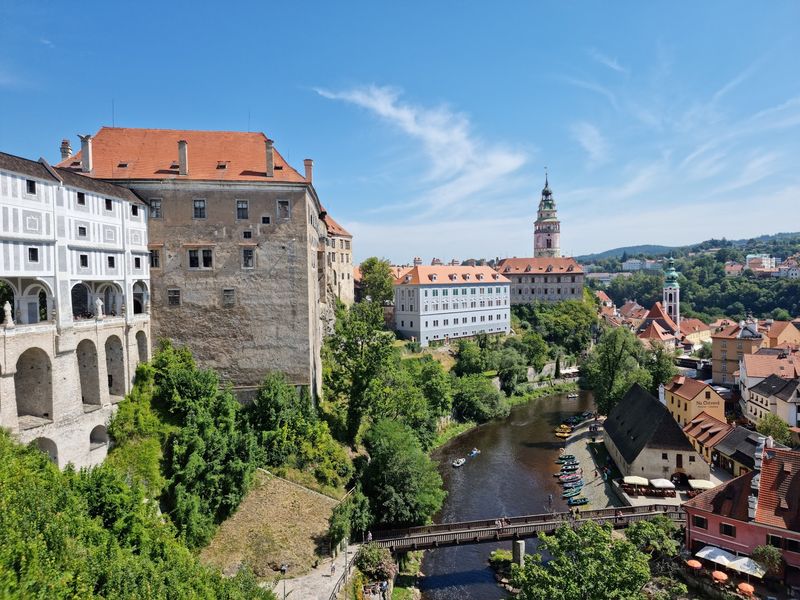
Picture a river looping around a town like a lazy cat curling up for a nap. That is Český Krumlov, where the Vltava bends around a compact center of red roofs and narrow streets.
Above it all sits a huge castle complex that started in the 13th century.
The town grew slowly over hundreds of years, yet it kept its medieval layout. Renaissance and Baroque buildings crowd the lanes, and UNESCO calls it an outstanding small Central European medieval town.
Very little has been bulldozed or rebuilt in a flashy way.
Climb the castle tower for the best view. From the top, the rooftops spread out like a patchwork quilt of orange tiles, and the river glints between them.
Go early in the morning, before tour groups arrive, and the streets feel almost private.
Wander without a map for a while. Every corner seems to open onto a courtyard, a tiny shop or a bridge.
Bring comfy shoes, because the cobblestones are charming but not kind to thin soles. Stop for a warm pastry and watch rafts drift by on the water.
Carcassonne, France
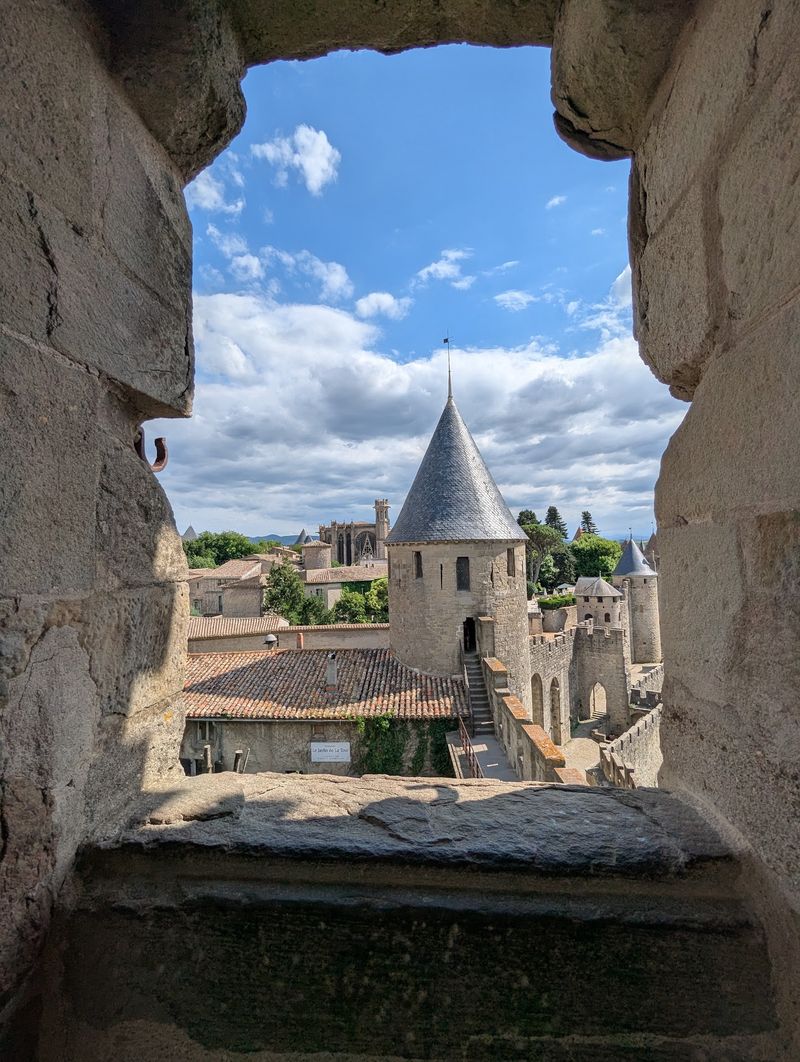
Count the towers and you will probably lose track. Carcassonne wears two rings of defensive walls, and dozens of towers poke up along them.
Inside the fortified core stands the Château Comtal, the old castle of the city.
Most of the defenses took shape in the 13th century, though fortifications stood here much earlier. Step through the gateways and you enter a maze of stone lanes and old houses, all tucked inside the walls.
It feels like a complete medieval settlement rather than a few leftover ruins.
UNESCO praises Carcassonne as an outstanding fortified medieval town. The castle, the Gothic cathedral and the huge walls fit together as one remarkable group.
Few places in Europe show a defensive system so fully.
Walk the ramparts if you can. The path between the two walls gives you a sense of how hard it was to attack this place.
Visit in the evening when day trippers leave, and the golden light on the stone is hard to beat.
Óbidos, Portugal
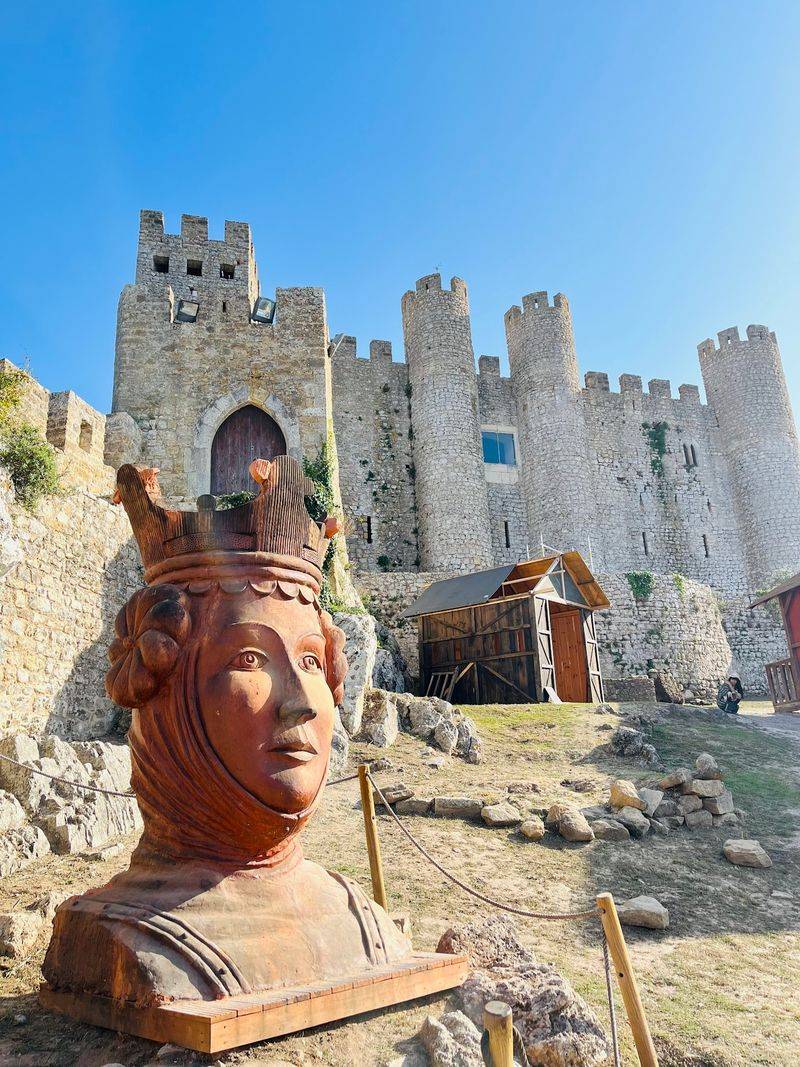
Here is a fun royal fact: Óbidos was once a wedding gift. King Dinis gave the town to Queen Isabel, and many later queens of Portugal held it too.
That tradition gave the place a sweet, storybook reputation.
The first Portuguese king, Afonso Henriques, took the town from the Moors in 1148. Today you can still enter through old gateways and stroll lanes enclosed by medieval walls.
Whitewashed houses with blue and yellow trim line the streets, and flowers spill over doorways.
Visit Portugal calls Óbidos one of the country’s most picturesque and best-preserved medieval towns. The castle watches over everything from the high point of the settlement.
Try the local cherry liqueur, often served in a tiny chocolate cup. It is a tasty snack and a fun souvenir moment.
Walk the top of the town walls for rooftop views, but hold on tight, since there are no handrails in many places.
Vianden, Luxembourg
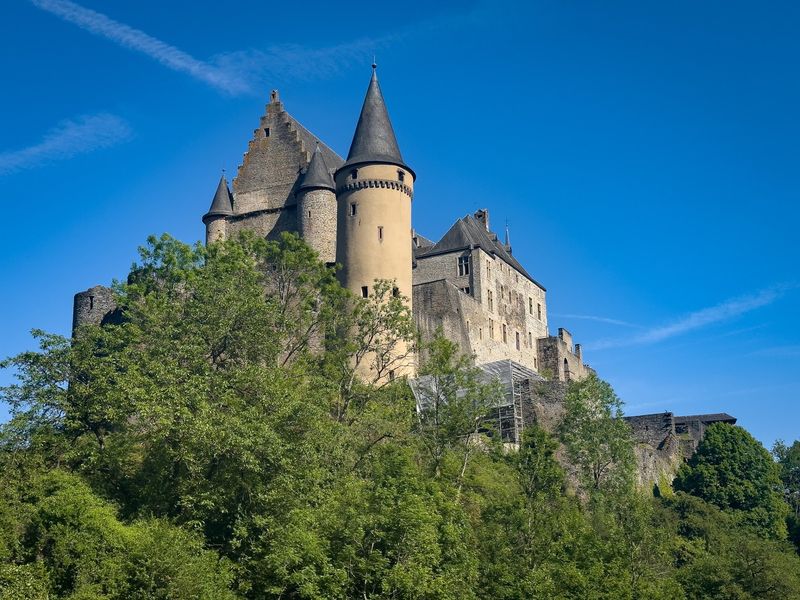
Tucked in the green Our Valley, Vianden has a castle that looks ready for a movie premiere. The fortress towers high above the rooftops while narrow streets tumble down toward the river.
It is one of Europe’s most striking feudal castles.
Construction ran from the 11th to the 14th century, built on older Roman and Carolingian foundations. The result is a mix of Romanesque and Gothic style that served as an important noble home.
Careful restoration has brought it back to life.
What makes Vianden special is how connected the castle feels to the town. The streets are compact and historic, so the fortress never seems cut off on its hilltop.
Luxembourg’s tourism authority calls it one of the country’s most significant heritage landmarks.
Visitors can ride a chairlift for a bird’s-eye view over the valley. Afterward, wander down to the stone bridge across the river and look back up at the castle.
The photo almost takes itself.
Sighișoara, Romania
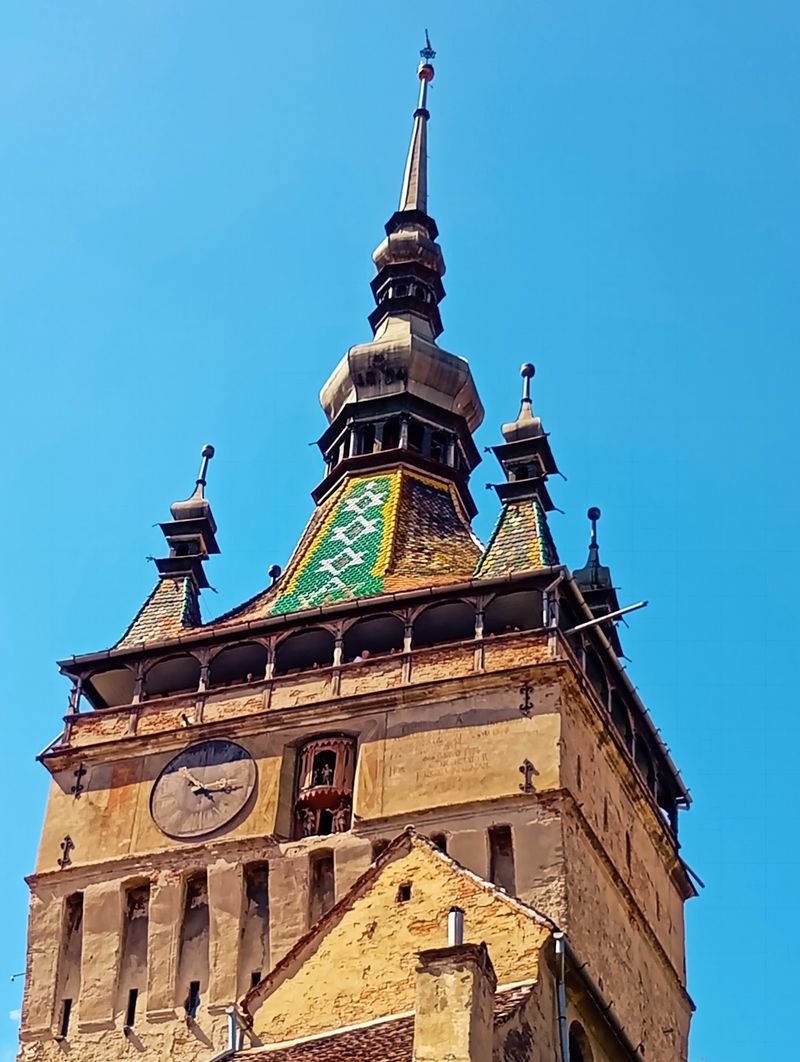
Cobblestones, pastel houses and a giant clock tower: Sighișoara packs a lot into one hilltop. Transylvanian Saxon craftsmen and merchants founded this citadel, and its walls and towers still rise above the countryside.
It is one of Europe’s most atmospheric inhabited medieval citadels.
Inside, streets wind between churches, guild towers and brightly painted homes. The Clock Tower rules the skyline and can be climbed for wide views.
Unlike many preserved centers that feel like open-air museums, this one is a living town where locals still cook, shop and gossip.
UNESCO describes it as an outstanding small fortified medieval city with a long strategic and trading role. That history is easy to feel as you walk.
The compact size is a big bonus. You can see the main sights on foot in a few hours, then linger at a cafe on the square.
Come in the evening, when the lamps glow and the day crowds thin out.
Trakai, Lithuania
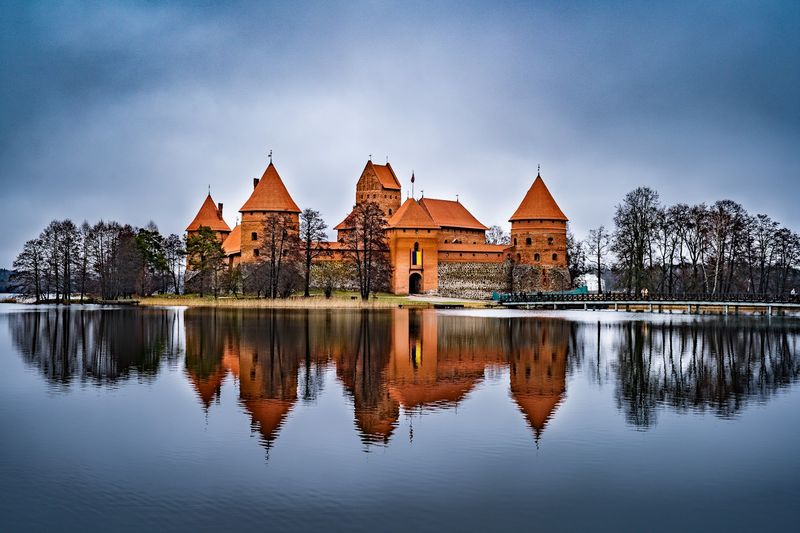
A castle floating on a lake sounds like a fairy tale, yet Trakai has one. Its red-brick fortress sits on an island in Lake Galvė, linked to the shore by wooden bridges.
Gothic towers and steep roofs make a view Lithuanians know by heart.
Builders worked mostly in the 14th and 15th centuries. The castle became a stronghold of Lithuania’s grand dukes and saw battles, talks and royal visits.
Lithuania Travel calls it one of Europe’s most spectacular medieval structures and the only island castle of its type in Eastern Europe.
The town around the lake adds wooden houses and quiet streets. A Karaim community has lived here for centuries, giving Trakai a mixed cultural flavor.
Try a kibinai, a savory baked pastry that is the local specialty.
For something different, rent a rowboat or kayak and look at the castle from the water. Sunset gives the brick walls a warm glow, and the lake turns into a mirror.
Bellinzona, Switzerland
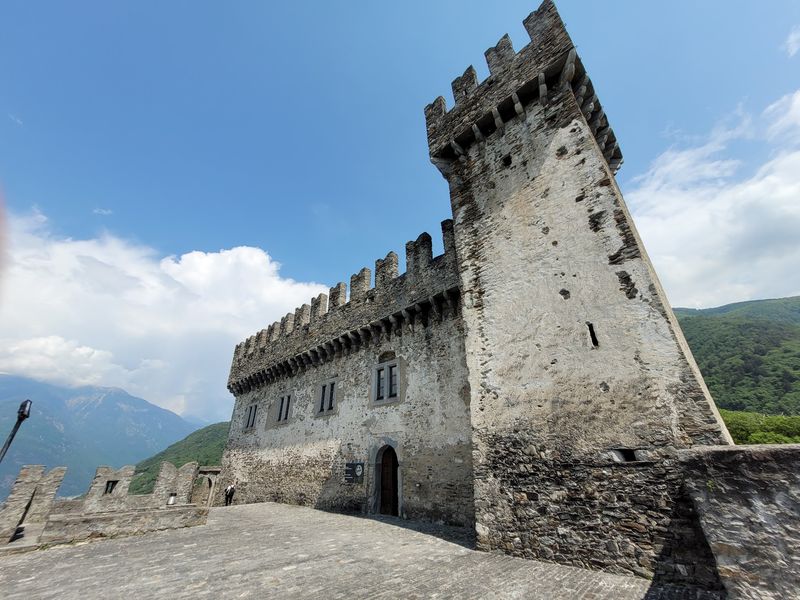
One castle was not enough for Bellinzona, so it built three. Castelgrande, Montebello and Sasso Corbaro crown the hills around the town and valley.
Together they guarded a key Alpine route toward northern Italy.
Long walls once stretched across the valley floor, and more fortifications protected the old town. UNESCO calls the group an exceptional example of late-medieval military architecture.
It is also the only surviving Alpine system of several castles linked with big defensive walls in this form.
Walk around today and towers, battlements and stone walls keep popping into view. The medieval feel is surprisingly strong for a Swiss town better known for trains and chocolate.
You can visit all three castles, and each one gives a different view.
Start at Castelgrande, which has an easy lift from town. Then hike up to Montebello for a quieter stroll.
If you visit on a Saturday, the market in the old town square adds local color and tasty snacks.
Bled, Slovenia
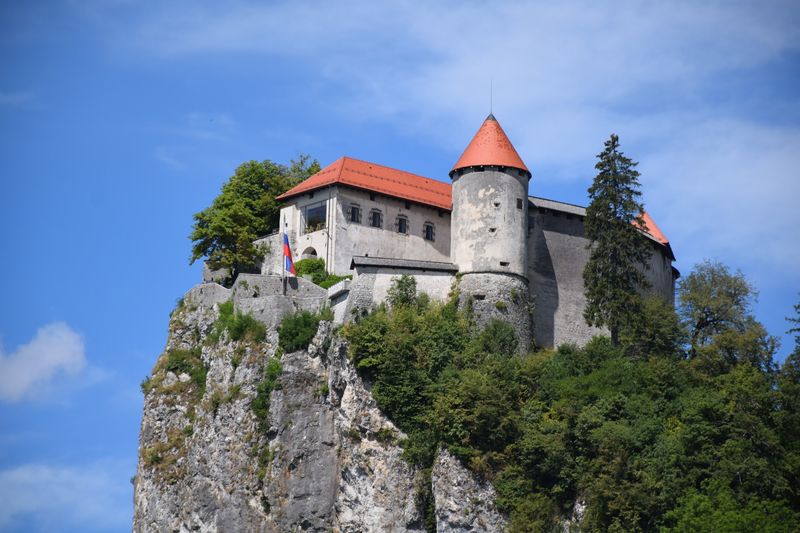
Most people come to Lake Bled for the tiny island church, but the castle steals the show. Bled Castle perches on a steep cliff high above the water.
It is regarded as Slovenia’s oldest castle.
Records mention the site in 1004, and a fortified castle was founded around the start of the 11th century. Medieval towers and walls were added over time, creating the two-level complex you see now.
Inside, you can explore courtyards, a chapel and a small museum.
The village below has modernized quite a bit, so the castle does the heavy lifting for medieval atmosphere. Still, the mix of cliff, lake and Alpine peaks is among the most memorable scenes in Europe.
For the best photo, walk to the opposite shore and look back. Morning mist on the water adds a dreamy touch.
Try the local cream cake, kremšnita, after your climb. You will have earned it.
Cochem, Germany
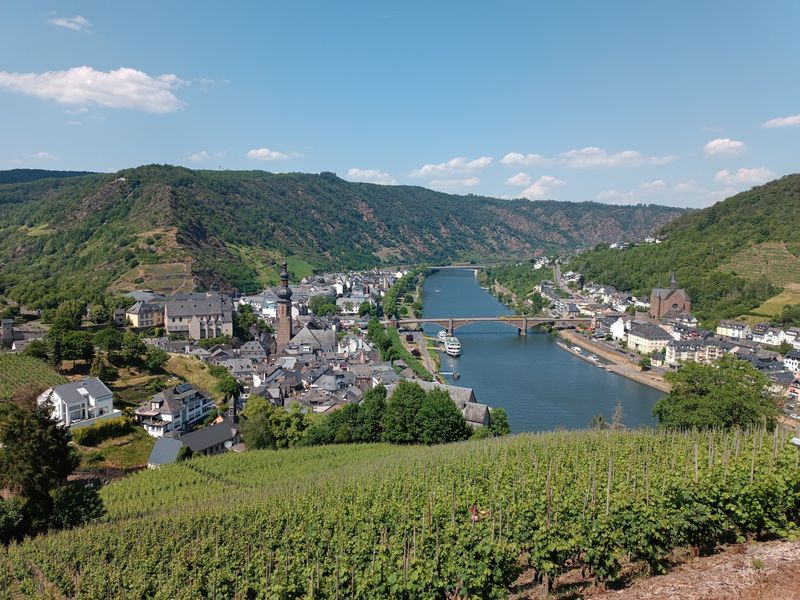
Half-timbered houses, a river, a hilltop castle and vineyards: Cochem checks every box on the romantic Germany list. Narrow lanes run beside the Moselle, and Reichsburg Cochem rises dramatically on the slope above.
The whole scene looks like a model train layout come to life.
The old center still has traces of defensive walls, gates and towers. An 18th-century town hall overlooks a pretty market square.
Steep streets climb toward the castle, so it feels like the town grew in its shadow.
The regional tourism authority points to the old town and the imposing Reichsburg as the heart of Cochem’s charm. The surrounding vineyards add extra drama, especially when autumn paints the hills gold.
Take a guided castle tour to see the furnished rooms. Then stroll the riverbank and sample a local Riesling.
If your legs are up for it, a short hike up through the vines gives a lovely view of the red roofs and the winding river.
Alnwick, England
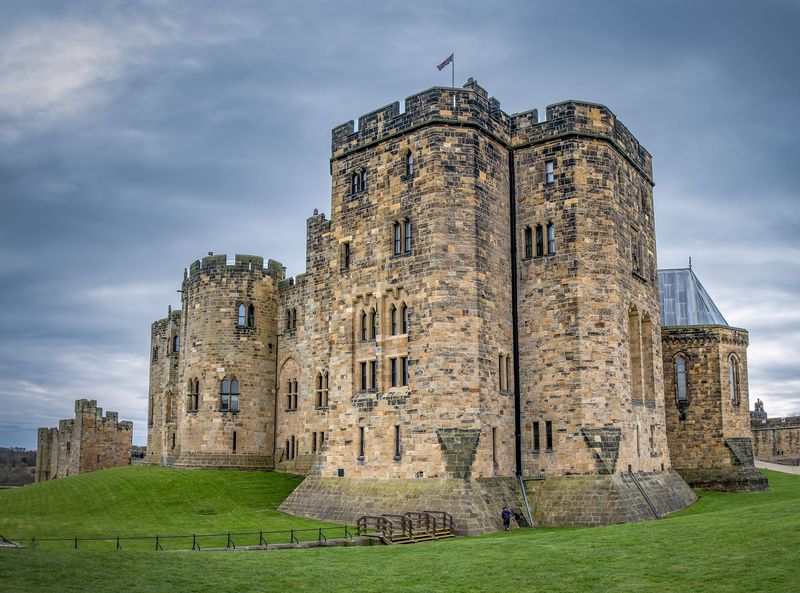
Wizards, brooms and medieval walls: Alnwick Castle has seen it all. It served as Hogwarts in the early Harry Potter films, which gave the old fortress a fresh wave of fans.
Yet it has been home to the Percy family for more than 700 years.
It is the second-largest inhabited castle in the United Kingdom. Medieval walls and towers hide lavish later state rooms, so you get rough stone outside and fancy decor inside.
The town nearby keeps cobbled streets, historic buildings and a lively market feel.
Visit Northumberland calls Alnwick a fairytale-like market town shaped by the castle and centuries of local history. That mix of grand and cozy is what makes it special.
Join a broomstick training session in the castle grounds if you travel with kids. Then wander into town and browse the huge secondhand bookshop in an old railway station.
It is a wonderful place to lose an hour.
Krujë, Albania
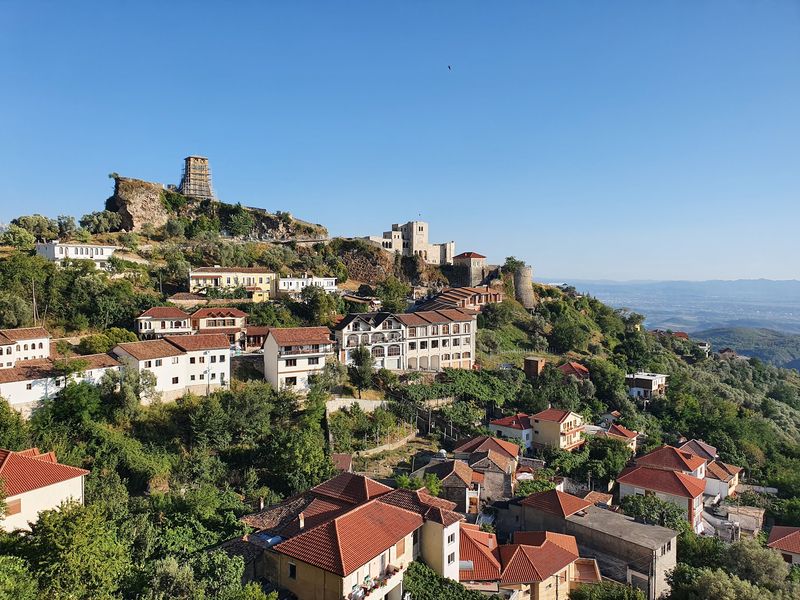
Albania’s national hero still seems to watch over Krujë. Skanderbeg led the fight against the Ottoman Empire in the 15th century, and this castle was his base.
His story gives every stone here extra weight.
The town climbs the slopes of Mount Krujë, with the fortress at its center. Inside the walls you will find museums, towers and traces of traditional homes.
The views over the plains toward the sea are wide and dramatic.
A cobbled street runs downhill to the Old Bazaar. Wooden shops there carry on a trading tradition that goes back centuries.
You can find handmade rugs, copper pots, felt hats and local sweets.
Albania’s tourism authority names Krujë one of the country’s most important historical towns. It highlights the castle, the bazaar and the mountain setting as its signature features.
Visit in the morning, haggle with a smile and finish with strong Albanian coffee.
San Marino, San Marino
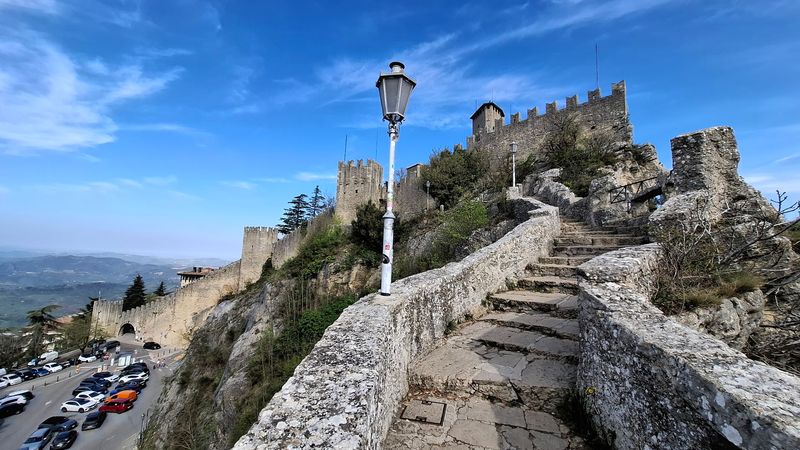
Here is a quirky fact: San Marino is one of the oldest republics still standing, and it sits on a mountain. Its historic center clings to Mount Titano, where stone streets climb between fortified gates and walls.
Towers look out over the Italian landscape.
No single castle rules the town. Instead, a whole fortified system defines it, including the famous towers on the ridge.
The city-state traces its independent tradition back to the Middle Ages, which makes it one of Europe’s most unusual surviving political entities.
UNESCO recognizes the historic center and Mount Titano as proof of an independent republic that has lasted since medieval times. Steep lanes and sweeping views make the capital feel older than most European cities.
Walk the path that links the towers and enjoy the breeze on top. Bring a passport and ask for a fun souvenir stamp.
Cable cars from the lower town save your knees on the way up.
Bran, Romania
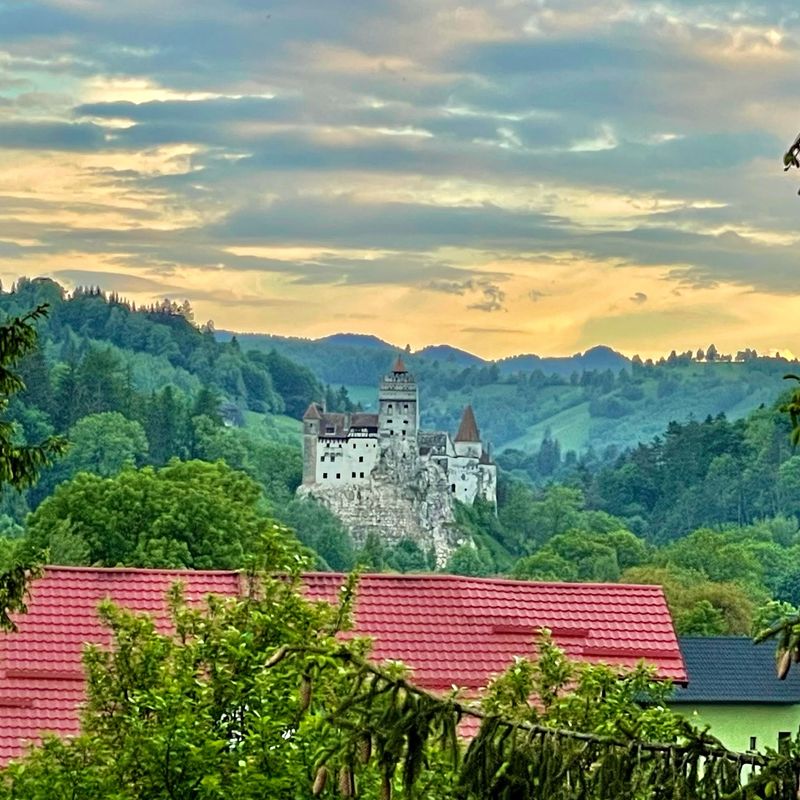
Mention Dracula and most travelers think of Bran. The castle’s steep roofs, towers and stone walls helped build that famous link.
The real history is more complicated than the legend, but the spooky mood sticks.
The village sits along an old mountain route between Transylvania and Wallachia. The fortress stands above the valley as its defining landmark.
Its pointed towers and forested backdrop look like a storybook illustration.
Inside, visitors can tour narrow staircases and furnished rooms tied to Romania’s royal family. Afterward, explore the royal park and the open-air village museum nearby.
Carpathian villages around the area offer farm cheese, hearty stews and warm hospitality.
Arrive early to beat the crowds and the long lines at the ticket desk. Wear sturdy shoes, since the climb to the entrance is steep.
Stay until late afternoon, when the mist drifts over the hills and the castle gets its most dramatic look.
Share this story