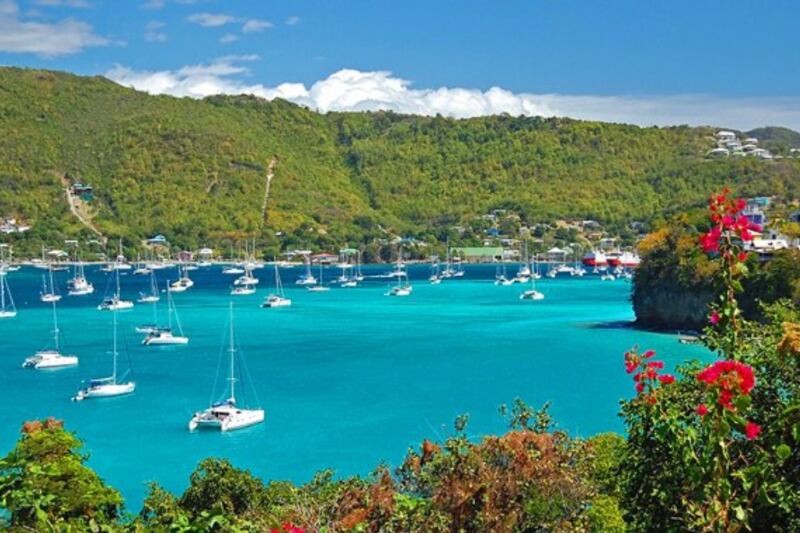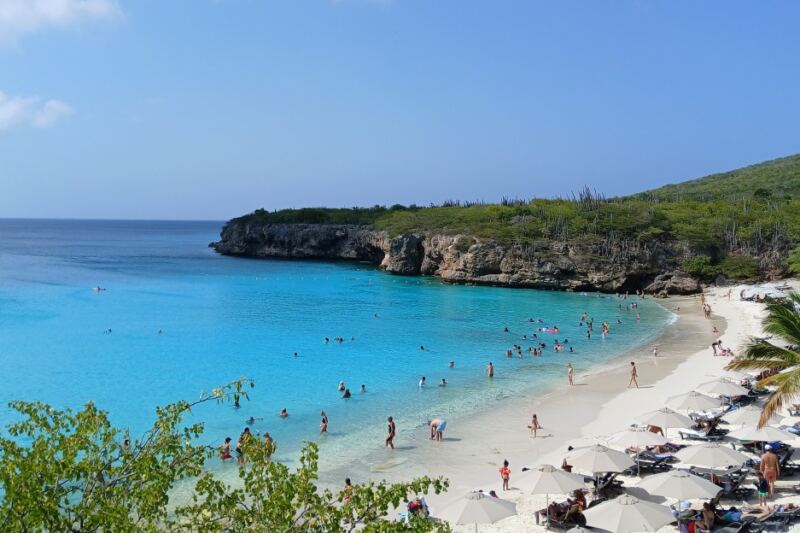
Most people picture white sand and turquoise water when they think about the Caribbean. That picture is not wrong, but it is seriously incomplete.
Tucked behind the coastlines and above the shorelines, a whole other world exists, one made of ancient trees, roaring waterfalls, rare wildlife, and trails that wind through some of the most biodiverse forests on the planet. From Puerto Rico to Tobago, these rainforest destinations offer something the beach simply cannot, which is the feeling of being somewhere genuinely wild.
Whether you are a casual hiker, a nature photographer, or just someone who wants to skip the sunscreen for a day and walk under a forest canopy instead, this list has a reason to pull you in. These 13 rainforest adventures across the Caribbean will change how you see an entire region.
El Yunque National Forest, Puerto Rico
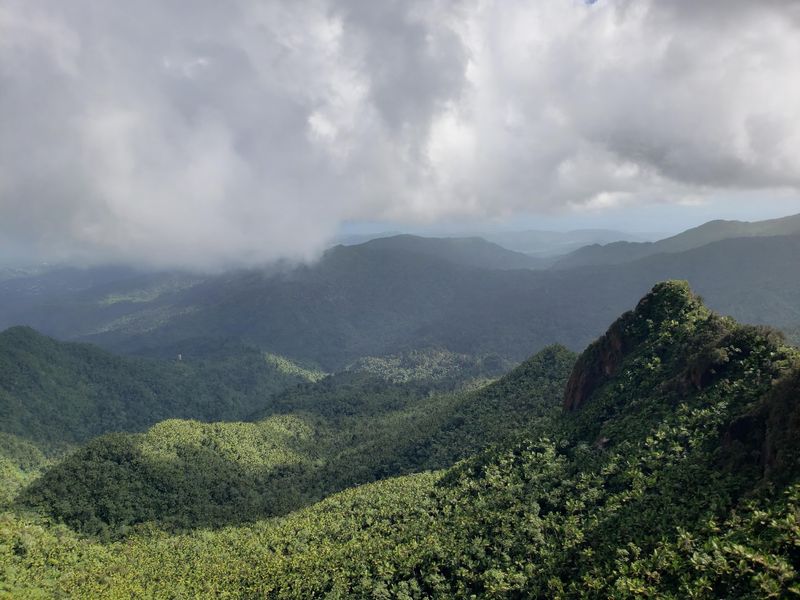
El Yunque is the only tropical rainforest in the entire United States National Forest System, which already makes it unlike anything most visitors have experienced before. Located in the northeastern corner of Puerto Rico, it covers more than 28,000 acres and receives over 100 billion gallons of rainfall each year.
The forest is home to the endangered Puerto Rican parrot, the coqui frog, and hundreds of plant species found nowhere else on Earth. Trails range from easy paved paths to steeper backcountry routes, making it accessible for different fitness levels.
La Mina Falls is one of the most popular destinations inside the park, a genuinely beautiful waterfall reachable by a well-maintained trail. The El Portal Visitor Center offers maps, exhibits, and context before you head in.
Parking fills up early on weekends, so arriving before 9 a.m. is a smart move.
Boiling Lake, Dominica
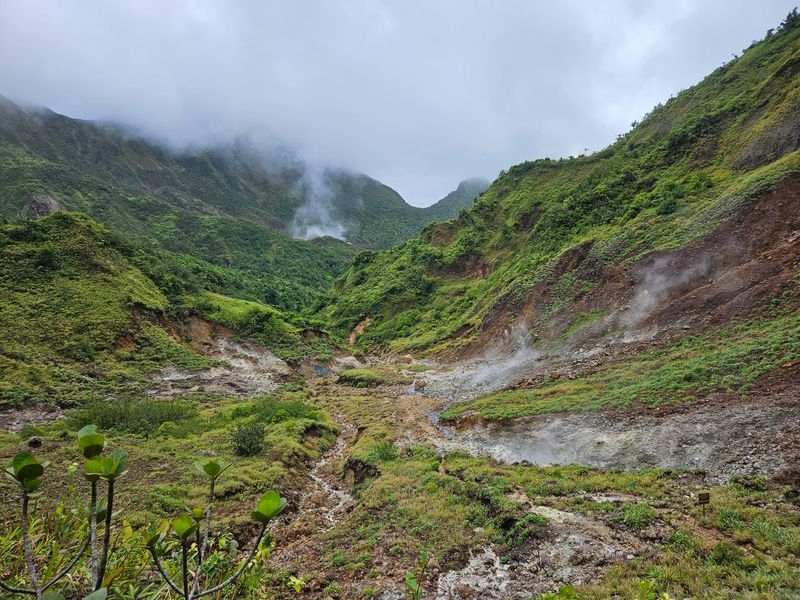
Dominica calls itself the Nature Island of the Caribbean, and nothing earns that title quite like Boiling Lake. It is the second-largest hot spring in the world, sitting inside a flooded fumarole in Morne Trois Pitons National Park, a UNESCO World Heritage Site.
Getting there requires a full-day hike of roughly 7 to 8 miles round trip through volcanic terrain, river crossings, and a stretch called the Valley of Desolation, where the ground literally vents steam and sulfur. The lake itself sits at around 197 degrees Fahrenheit on a calm day, surrounded by grey bubbling water and rising mist.
This is not a casual walk, and guides are strongly recommended both for safety and navigation. The reward is a landscape that feels completely unlike anywhere else in the region.
Dominica has no all-inclusive resorts crowding this experience, which keeps it raw, challenging, and genuinely unforgettable for serious nature travelers.
Chutes du Carbet, Guadeloupe
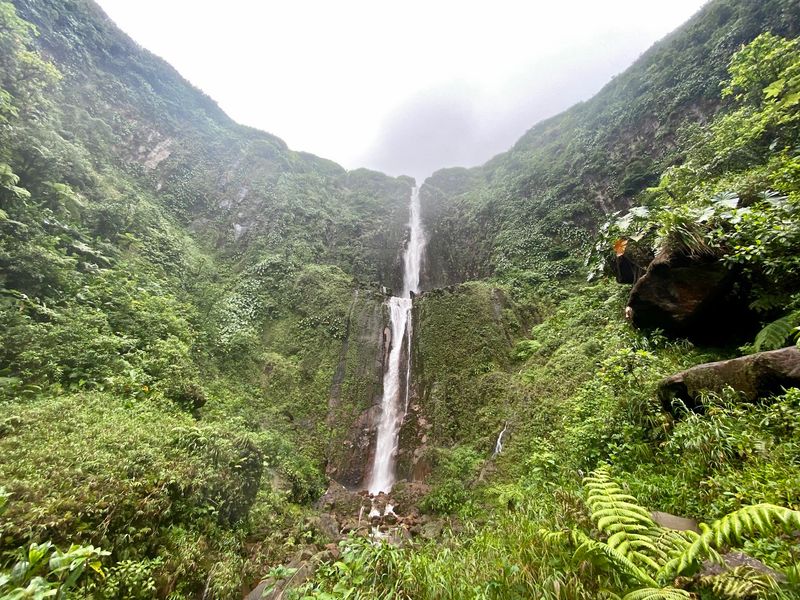
Three waterfalls, one volcanic mountain, and a forest that Christopher Columbus reportedly described when he arrived in 1493 make Chutes du Carbet one of the most storied natural sites in the entire Caribbean. The falls drop from the slopes of La Soufriere volcano on the Basse-Terre side of Guadeloupe.
The second waterfall is the most accessible and reaches a height of about 110 meters, making it one of the tallest in the Caribbean. Trails through the surrounding rainforest pass through thick tropical vegetation, including tree ferns, bromeliads, and bamboo groves.
Guadeloupe is a French overseas territory, so the infrastructure here is well maintained by European standards. The park is part of the larger Guadeloupe National Park system.
Visitors should wear proper hiking footwear since trails can be muddy and slippery after rain. Morning visits tend to offer clearer conditions before afternoon clouds settle over the volcano.
Cascade Couleuvre, Martinique
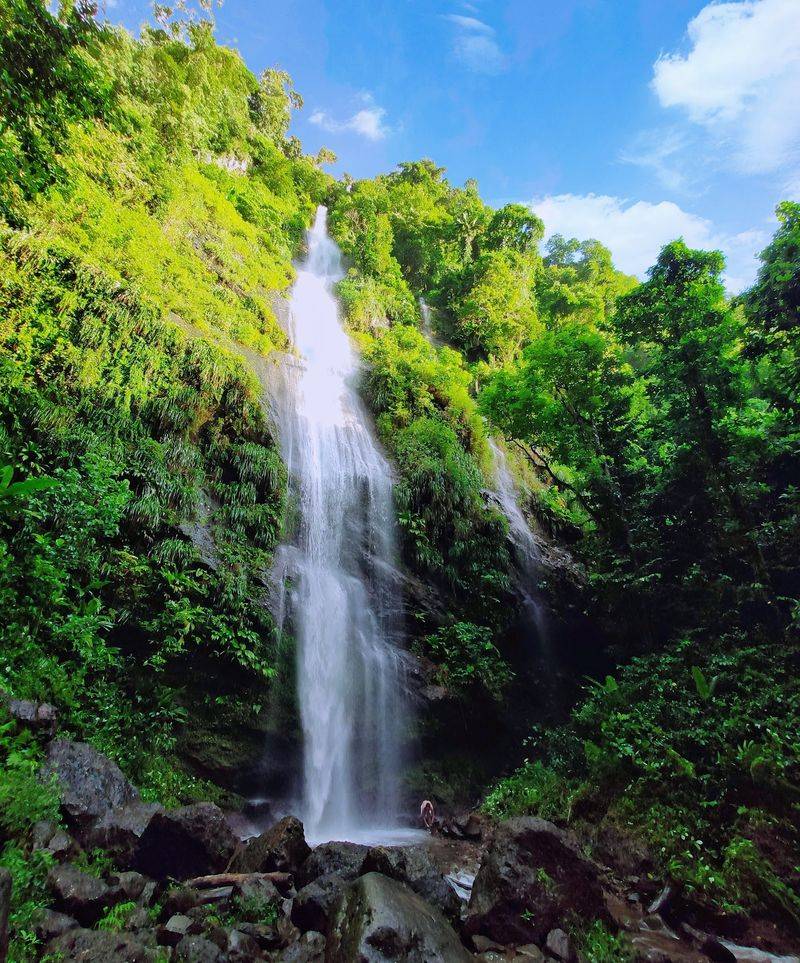
Martinique is another French Caribbean island with serious rainforest credentials, and Cascade Couleuvre is one of its most rewarding natural stops. The waterfall sits in the northern part of the island near the town of Saint-Pierre, a town with its own dramatic history tied to the 1902 eruption of Mount Pelee.
The hike to reach the falls is moderate in difficulty and passes through dense tropical forest along a river corridor. The trail involves river crossings and can get slippery, so waterproof footwear makes a real difference.
The waterfall itself drops into a clear natural pool that visitors often use for a swim.
What makes this stop particularly interesting is its combination of natural beauty and historical context. Saint-Pierre was once called the Paris of the Caribbean before the volcanic eruption, and the ruins are still visible nearby.
Pairing a rainforest hike with a visit to the town creates a full and genuinely layered day out.
Blue and John Crow Mountains National Park, Jamaica
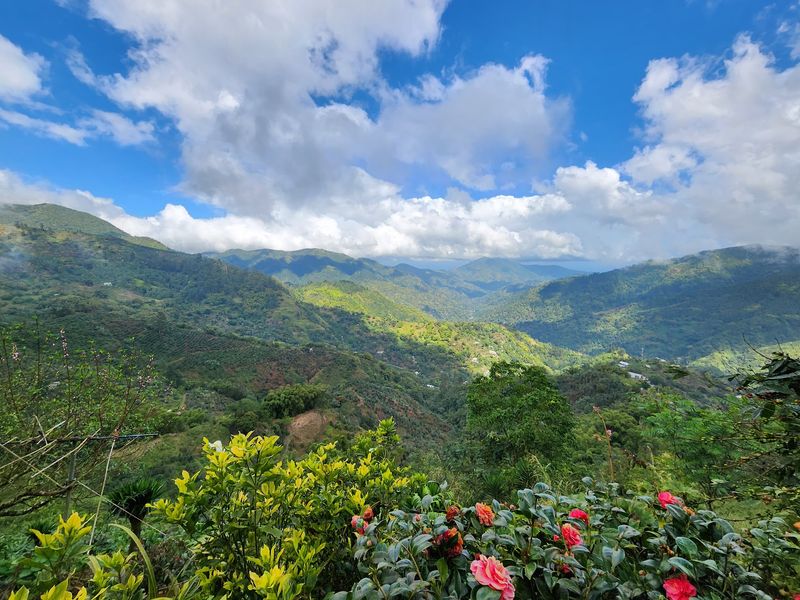
Jamaica’s Blue and John Crow Mountains National Park became a UNESCO World Heritage Site in 2015, recognized for both its biodiversity and its deep cultural significance to the Maroon communities who found refuge in these mountains during colonial times. That history adds a layer to the landscape that most Caribbean parks simply do not have.
The park covers over 78,000 acres and protects one of the most important biodiversity hotspots in the Caribbean. More than 200 bird species have been recorded here, including the Jamaican blackbird and the streamertail hummingbird, which is the national bird.
Blue Mountain Peak, at 7,402 feet, is the highest point in Jamaica and a popular overnight hiking destination. Many hikers start the summit trail before midnight to catch sunrise from the top.
The upper elevations are significantly cooler than the coast, so packing a light layer is genuinely useful advice for anyone planning the climb.
Main Ridge Forest Reserve, Tobago
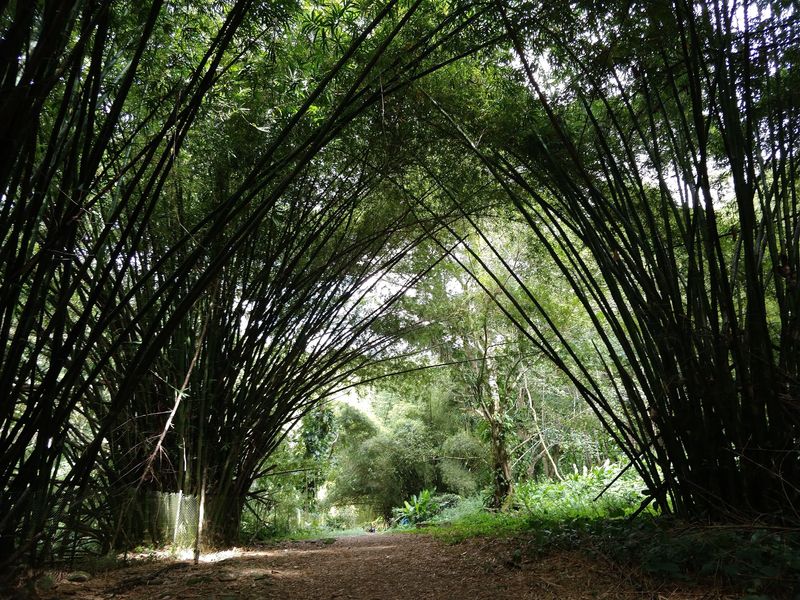
Main Ridge Forest Reserve in Tobago holds a remarkable distinction: it is the oldest legally protected forest in the western hemisphere. The British colonial government established its protection in 1776, more than a century before most national parks anywhere in the world were even conceived.
The reserve runs along the central ridge of Tobago and covers roughly 9,700 acres of primary rainforest. It is home to over 200 bird species, including the blue-backed manakin and the white-tailed sabrewing hummingbird.
Birdwatchers from around the world make specific trips to Tobago just for this forest.
Several trails wind through the reserve at varying difficulty levels, and local guides are available and highly recommended for birding tours. The Gilpin Trace is one of the most popular routes and passes through some of the oldest sections of the forest.
Tobago is quieter and less developed than Trinidad, which keeps this experience genuinely peaceful.
Nevis Peak Rainforest, Nevis
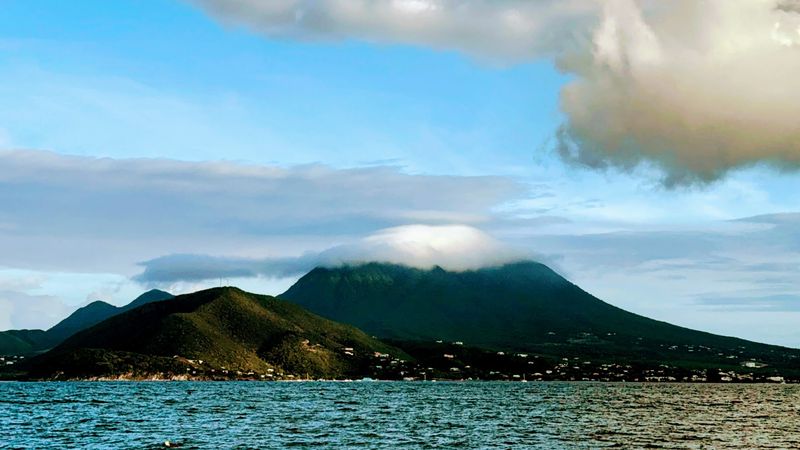
Nevis is a small island with a big volcanic centerpiece. Nevis Peak rises to about 3,232 feet and is wrapped in dense tropical rainforest from its mid-slopes to the cloud-covered summit.
The hike to the top is considered one of the more challenging in the Eastern Caribbean.
The trail passes through multiple vegetation zones, starting with dry scrub near the base and transitioning into lush rainforest, then cloud forest near the peak. Visibility at the summit depends heavily on weather, but on clear days the views stretch across to St. Kitts, Antigua, Montserrat, and several other islands.
A local guide is strongly recommended because the trail can be difficult to follow through the upper forest sections. The round trip typically takes five to seven hours.
Nevis itself is a quiet, low-key island with a small tourism footprint, which means the trail rarely feels crowded. That alone makes it worth the effort for hikers who prefer solitude over spectacle.
Vermont Nature Trail, St. Vincent
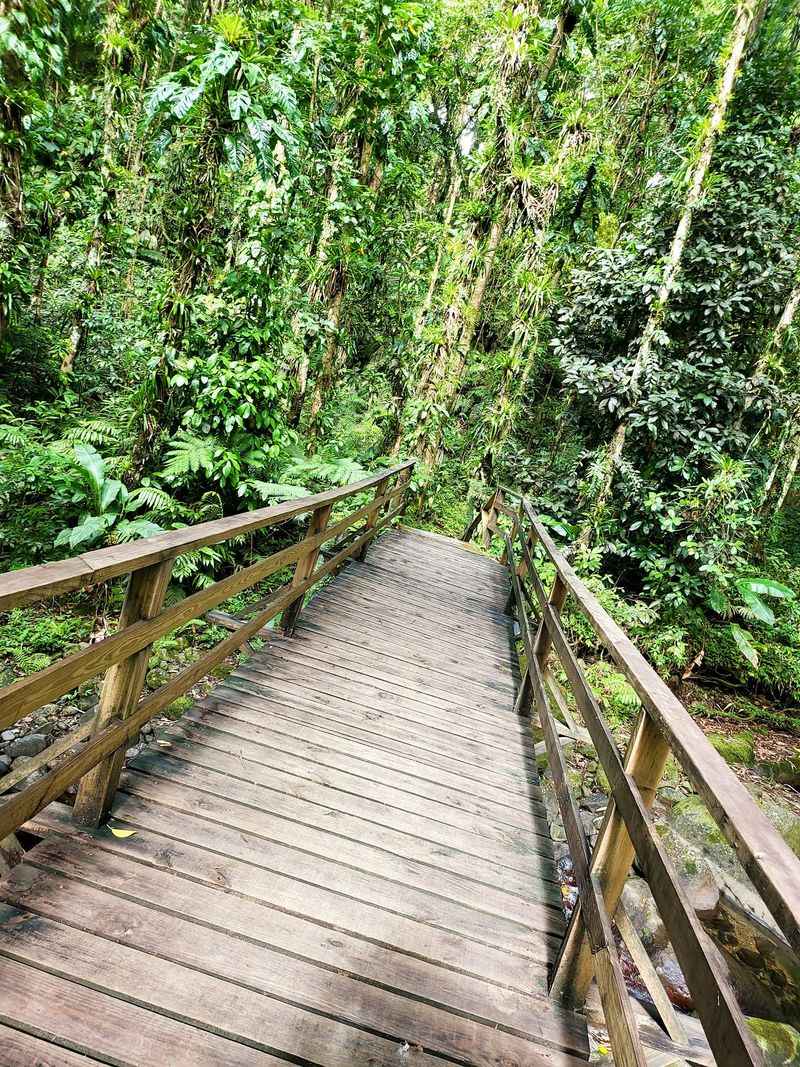
St. Vincent does not get nearly the attention it deserves as a nature destination, and the Vermont Nature Trail is a good example of what gets overlooked. The trail runs through the Vermont Valley on the leeward side of the island and is one of the best places in the Caribbean to spot the St. Vincent parrot, the island’s critically endangered national bird.
The trail is a loop of about 2 miles and passes through secondary rainforest with a good canopy cover. It is managed by the Forestry Division and is generally accessible without a guide, though local birding guides can significantly improve the chances of spotting the parrot.
Early mornings offer the best wildlife activity.
St. Vincent is part of the Grenadines chain and sees far fewer tourists than larger Caribbean islands, which keeps natural sites like this one relatively undisturbed. The surrounding Vermont Valley area also has other trails and forest access points worth exploring for those who want a longer day.
Grand Etang National Park and Forest Reserve, Grenada
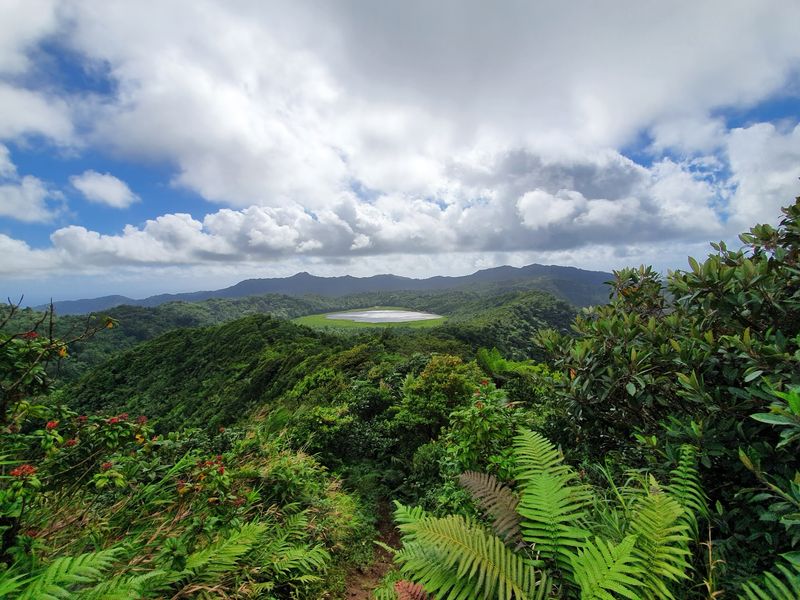
Sitting at roughly 1,900 feet above sea level in the center of Grenada, Grand Etang is a volcanic crater lake surrounded by a national park and forest reserve that covers about 3,800 acres. The lake itself is a striking shade of green and sits inside a dormant volcanic crater.
The park has a visitor center with exhibits on local wildlife and ecology, and several trails radiate outward into the surrounding forest. The Morne Labaye Trail and the Grand Etang Lake Circuit are among the most popular, offering views of the lake and the surrounding rainforest canopy.
Grenada is famous globally for its spice production, and nutmeg, cinnamon, and cloves are actually grown in areas surrounding the park. Mona monkeys, introduced to the island centuries ago, are commonly seen along the trails and near the visitor center.
This combination of volcanic geology, forest ecology, and accessible wildlife makes Grand Etang one of the more layered rainforest stops in the Caribbean.
Cockscomb Basin Wildlife Sanctuary, Belize
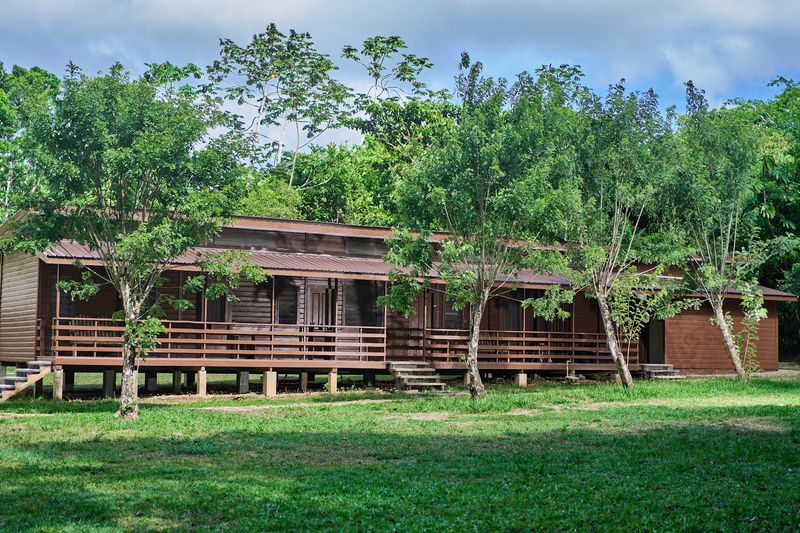
Belize sits on the Caribbean coast of Central America, and Cockscomb Basin Wildlife Sanctuary is one of its most important conservation achievements. Established in 1990, it is the world’s first jaguar preserve, protecting one of the highest densities of jaguar habitat anywhere in the Americas.
The sanctuary covers nearly 150 square miles of lowland tropical rainforest in the Maya Mountains foothills. While jaguar sightings are rare since they are nocturnal and elusive, the park supports over 300 bird species, tapirs, pumas, ocelots, and an extraordinary range of reptiles and amphibians.
Well-marked trails range from easy river walks to longer backcountry routes. The Ben’s Bluff trail offers elevated views over the forest canopy.
Camping is available inside the sanctuary for those who want to extend their stay. Victoria Peak, Belize’s second-highest mountain, is also accessible through a multi-day expedition from within the reserve boundaries for experienced hikers with proper permits.
Reef Bay Trail, St. John, U.S. Virgin Islands
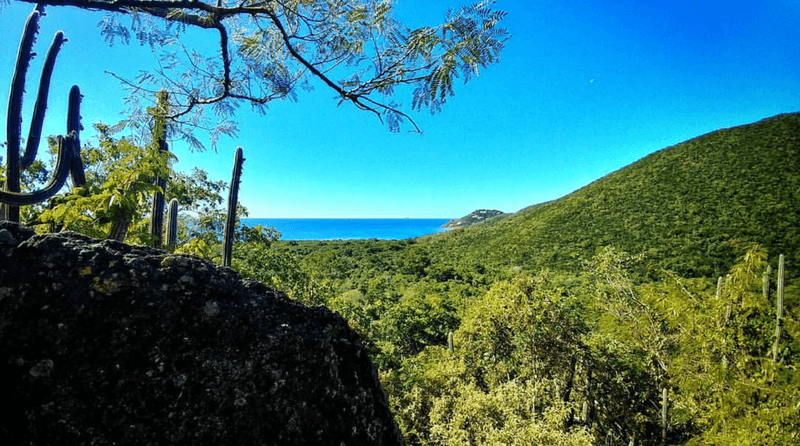
St. John is about 60 percent protected as Virgin Islands National Park, which means the island has stayed remarkably natural compared to most Caribbean destinations. The Reef Bay Trail is the park’s signature hike and one of the most historically layered walks in the entire region.
The trail descends roughly 2.5 miles through subtropical dry forest and moist forest to the coast at Reef Bay. Along the way, hikers pass the ruins of four sugar plantations dating to the 18th and 19th centuries, including stone windmill towers and processing buildings slowly being reclaimed by vegetation.
Near the bottom, a short side path leads to a freshwater pool with pre-Columbian Taino petroglyphs carved into the surrounding rocks, a genuinely rare find. The National Park Service periodically offers ranger-guided hikes with boat return service, which eliminates the uphill return walk.
Checking the NPS website for current guided hike schedules before visiting is a practical first step.
Wingfield Rainforest, St. Kitts
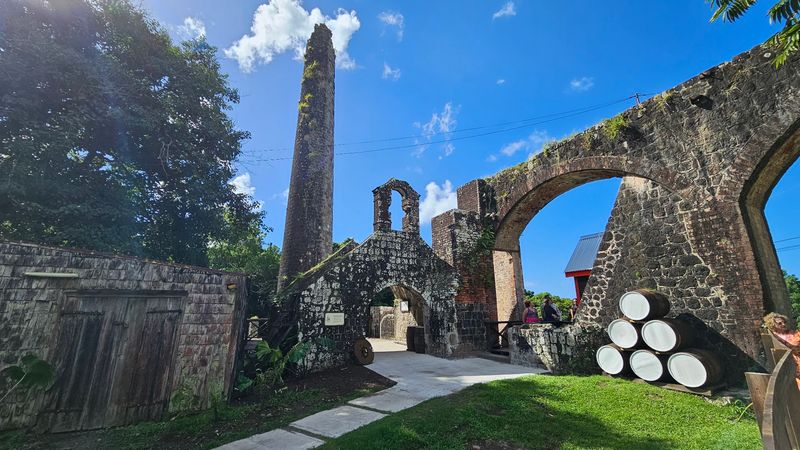
Wingfield Estate on St. Kitts has a history that stretches back to the early colonial period, when it operated as a sugar and rum plantation. Today, the property has been transformed into an adventure and nature destination built around the rainforest that has grown up around the old estate ruins.
The rainforest canopy tour at Wingfield is one of the most accessible adventure experiences on the island, featuring ziplines, suspension bridges, and platforms built through the tree canopy. It is operated by Sky Safari Tours and caters to a wide range of visitors, including families with children.
Beyond the ziplines, the estate grounds include historical ruins, a river, and forest walking paths. The combination of colonial history and active rainforest adventure on the same property creates a visit that covers more ground than most single stops.
St. Kitts is a compact island, so Wingfield pairs well with other sites like Brimstone Hill Fortress, which is also a UNESCO World Heritage Site.
Antigua Rainforest Canopy Tour, Antigua
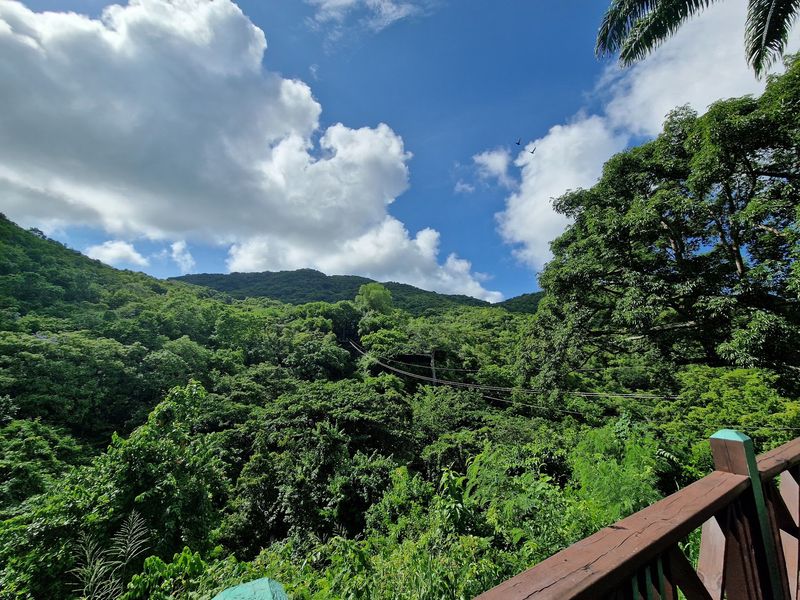
Antigua is almost always discussed in the context of its 365 beaches, one for every day of the year according to the popular claim. What rarely comes up is that the island also has a functioning rainforest canopy tour in its interior highlands, offering a completely different kind of day.
The Antigua Rainforest Canopy Tour operates in the Fig Tree Drive area, which is the lushest and most forested part of the island. The tour includes ziplines, rope bridges, and platforms set among the tree canopy, with trained guides managing safety and providing information about the local forest environment.
The experience is designed for a wide range of fitness levels and is particularly popular with families and cruise visitors looking for something beyond the beach. Fig Tree Drive itself is a scenic road worth driving slowly, passing through banana groves and fruit trees.
For an island that most people associate entirely with coastline, this forest corner of Antigua genuinely surprises first-time visitors.
Share this story