The Caribbean gets a lot of attention for its famous resort strips and postcard-perfect shorelines, but some of the region’s most rewarding beaches are the ones that rarely make the front page. These are the spots where the water is just as clear, the sand just as white, and the crowds are nowhere in sight.
From Aruba’s reef-sheltered coves to Grenada’s bluff-framed shores, the islands hold far more than the tourist brochures show. This list covers 15 real, open, and genuinely beautiful beaches across the Caribbean that are worth seeking out, whether you are planning your first island trip or looking for a fresh reason to go back.
Arashi Beach, Aruba
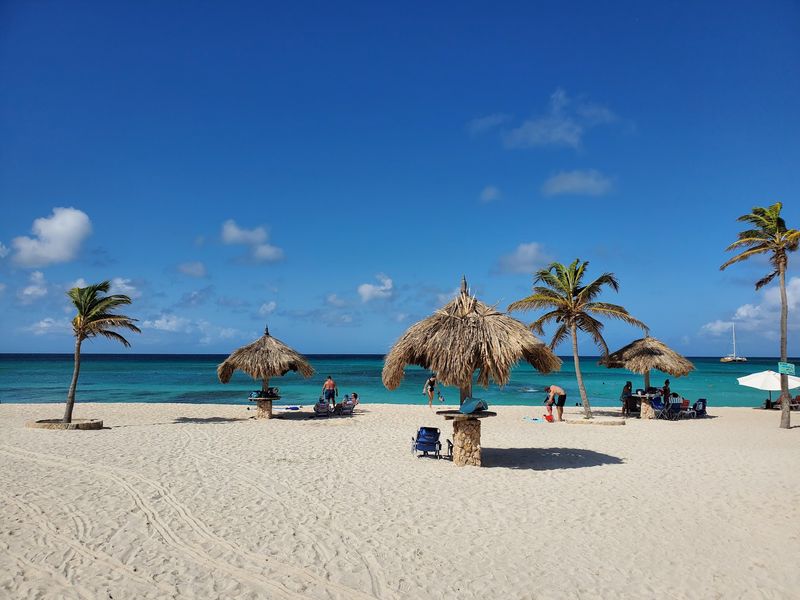
Sitting near Aruba’s iconic California Lighthouse on the island’s northwestern tip, Arashi Beach is the kind of place that regulars quietly claim as their own. The water here tends to be calm and clear, which makes it a reliable spot for snorkeling without a lot of gear or planning required.
Beach huts offer shade when the sun gets serious, and practical amenities like parking, outdoor showers, and chair rentals make it easy to settle in for a full day. Aruba’s official tourism site specifically calls it a favorite with locals, which says a lot about a beach on an island full of strong competition.
The reef just offshore draws colorful fish close to the surface, so even beginners can get a good look. If you want a beach that delivers both scenery and accessibility without the shoulder-to-shoulder crowds, Arashi is a genuinely strong choice on the northwestern end of the island.
Rodger’s Beach, Aruba
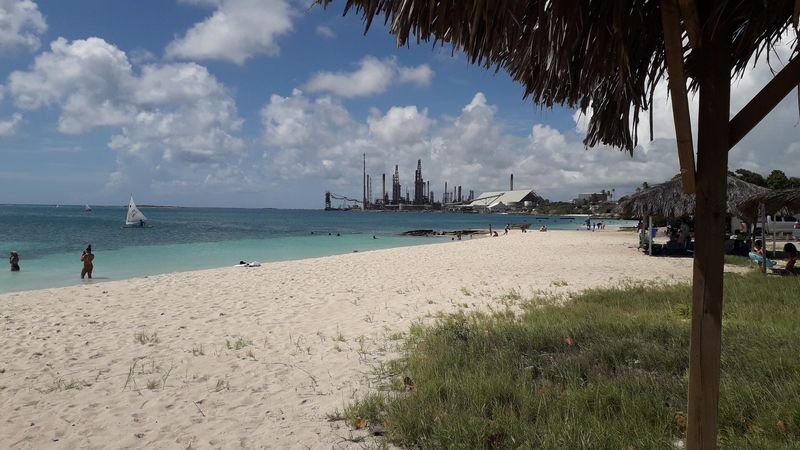
Just south of the well-known Baby Beach, Rodger’s Beach curves around a small, reef-protected bay where traditional fishing boats often dot the shoreline in faded blues and reds. The reef keeps the water calm and relatively shallow, which makes it a comfortable swim for a wide range of visitors.
Aruba Tourism highlights the shaded huts and peaceful setting as key draws, and the description holds up. The bay’s natural curve blocks much of the wind and wave action that hits other parts of the island’s southern coast.
Because Baby Beach tends to pull in more visitors, Rodger’s Beach often stays noticeably quieter even on busy days. The two beaches are close enough to walk between, so some travelers end up spending time at both.
For anyone who wants reef-protected water and a more relaxed atmosphere in Aruba’s southern corner, Rodger’s Beach is a solid and underappreciated option worth putting on your itinerary.
Grote Knip, Curaçao
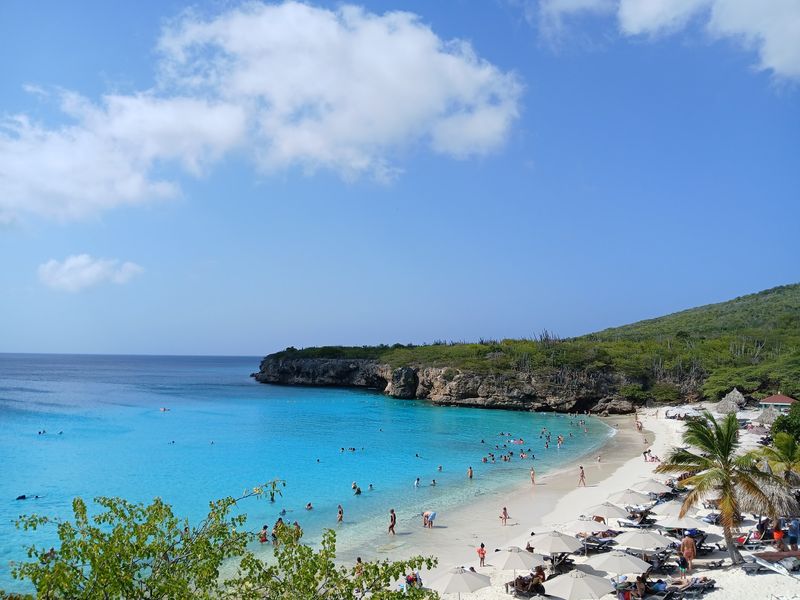
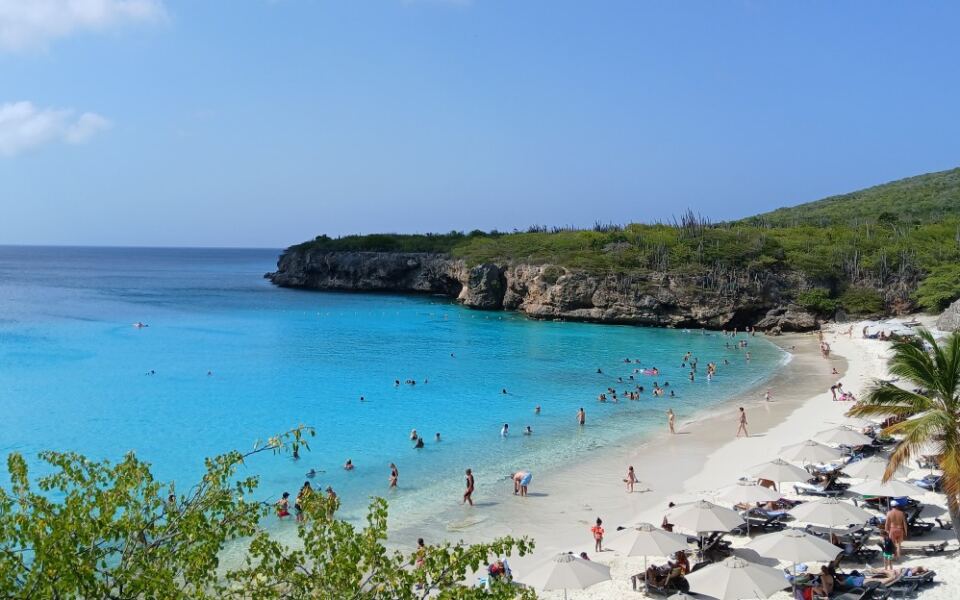
Few beaches in the Caribbean match the color contrast at Grote Knip, also known as Playa Kenepa Grandi. The turquoise water here sits against Curaçao’s dry, rocky landscape in a way that looks almost unreal from the top of the surrounding cliffs before you walk down to the sand.
Curaçao’s tourism board consistently features it among the island’s standout beaches and notes that it is one of the largest stretches of sand on the island. That size means there is usually room to spread out even when the beach sees a reasonable number of visitors.
The water clarity makes it a popular choice for swimming and snorkeling, and the rocky terrain around the bay gives the whole setting a distinctly rugged character that separates it from flatter, more manicured resort beaches. Getting there requires a short drive into the island’s western countryside, which adds a pleasant sense of arrival when the beach finally comes into view.
Playa Porto Mari, Curaçao
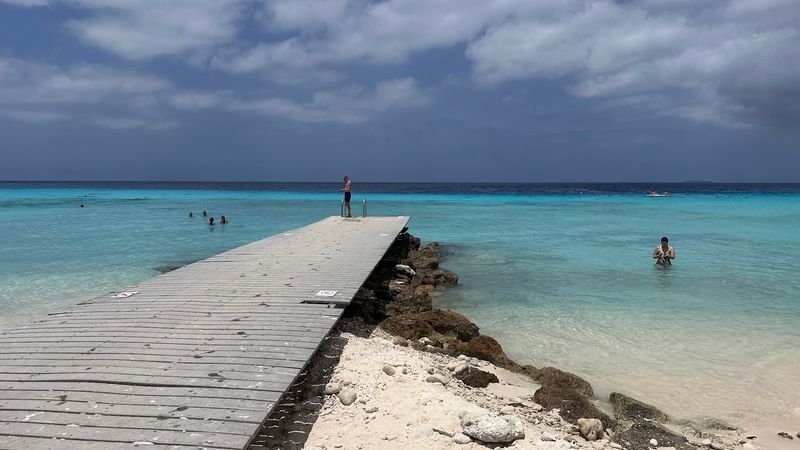
Playa Porto Mari is one of the few beaches in Curaçao that offers a double reef, meaning snorkelers and divers get two distinct underwater environments within easy reach of the shore. The shallow entry makes it accessible even for those who are not strong swimmers.
Curaçao’s tourism authority specifically highlights the possibility of spotting sea turtles near the shoreline, which is the kind of detail that turns a good beach day into a memorable one. The white sand and clear water hold up well even by Caribbean standards, and the bay’s protected shape keeps conditions generally manageable.
The beach has some basic facilities on site, which helps for a longer stay. Because Porto Mari sits on the island’s western coast, the sunsets from the shoreline tend to be particularly good.
Travelers who want a beach that rewards both relaxed lounging and active water exploration will find that this spot covers both angles without much effort required.
Bottom Bay, Barbados
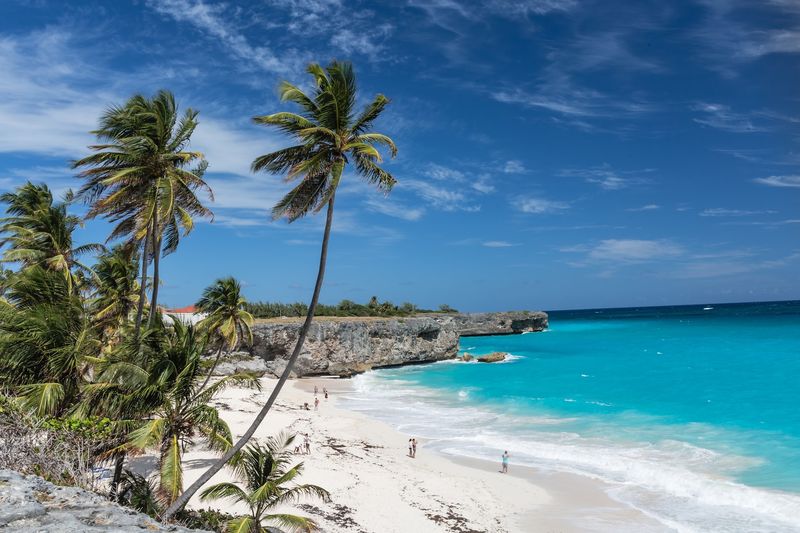
Bottom Bay earns its reputation through sheer drama. High coral cliffs frame the beach on either side, a row of palms leans toward the sand, and the Atlantic stretches out in front with a force that reminds you this is the windward side of Barbados.
Barbados’s tourism authority lists it as an official beach attraction and a popular picnic location, though it is upfront about the fact that strong Atlantic waves make swimming here inadvisable. That honesty matters, because the beach’s appeal is really about the scenery rather than the water.
Visitors come to walk the sand, photograph the cliffs, and take in one of the island’s most visually striking coastal settings. The relative remoteness of the location on the southeastern coast means the crowds stay thin compared to Barbados’s western shore.
If you are looking for a beach that looks genuinely spectacular in photographs and even better in person, Bottom Bay delivers that reliably.
Anse Mamin, Saint Lucia
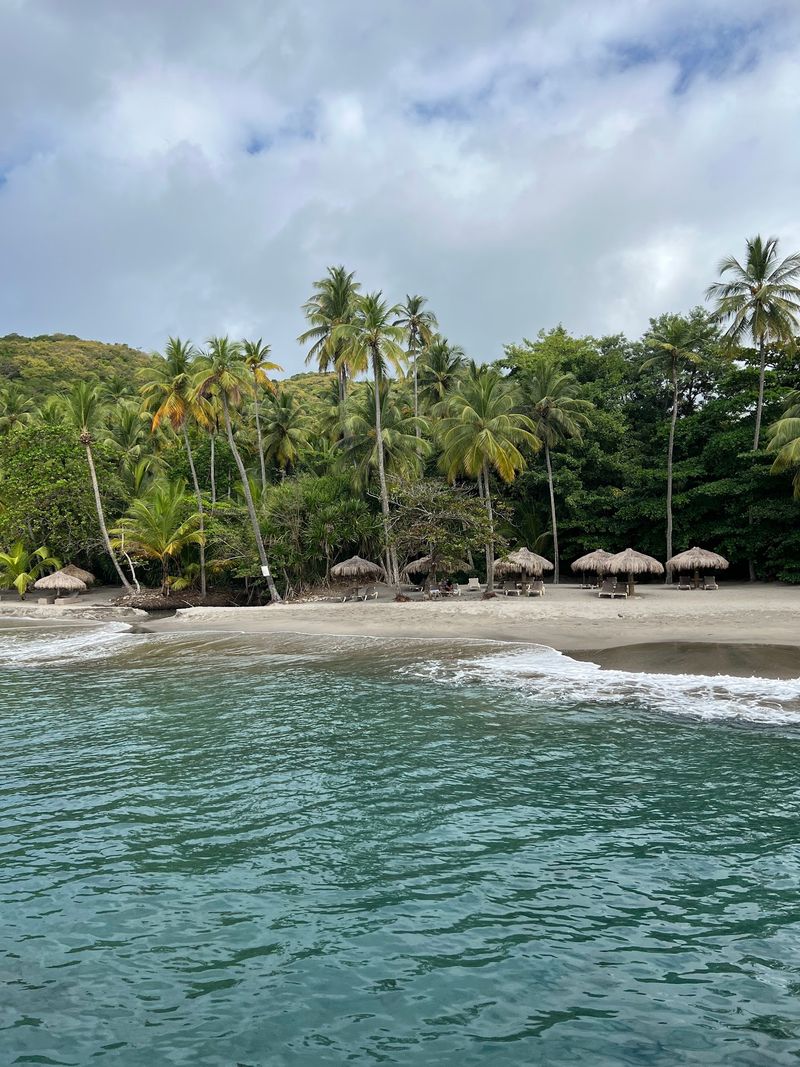
Reaching Anse Mamin requires a short coastal walk from the better-known Anse Chastanet, and that small effort is exactly why the beach stays as quiet as it does. The path through the vegetation is part of the experience, and the beach that waits at the end earns the trip.
Saint Lucia Tourism describes Anse Mamin as quieter and more secluded than its famous neighbor, with a natural setting defined by dark volcanic sand and dense tropical forest rising directly behind the shoreline. That combination gives the beach a character that feels genuinely different from the white-sand coves most Caribbean visitors expect.
The forest backdrop and the calm water create an environment that feels almost entirely undisturbed. There are no resort facilities crowding the edges, which is either a drawback or a selling point depending on what you are looking for.
For travelers who want a beach that feels genuinely removed from the usual tourist circuit in Saint Lucia, Anse Mamin is a rare and rewarding find.
Laborie Beach, Saint Lucia
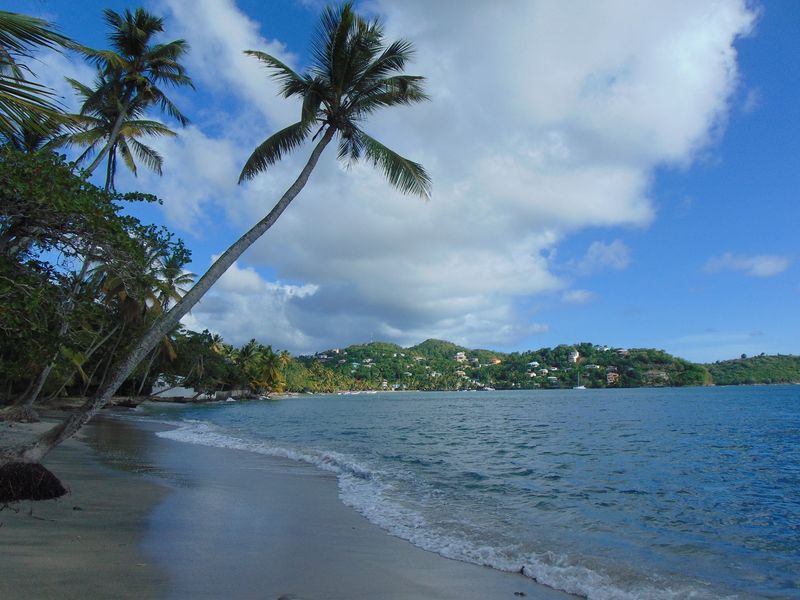
Not every great Caribbean beach is about seclusion and drama. Laborie Beach, tucked beside a traditional fishing village in Saint Lucia’s south, offers something different: a genuine slice of everyday island life that most resort-based itineraries never reach.
Saint Lucia’s tourism authority describes it as a place that reflects the rhythm of local life rather than a heavily developed resort environment. The water is calm and clear, the pace is slow, and the village setting gives the whole visit a grounded, unhurried quality that is genuinely refreshing.
Fishing boats often rest near the shore, and the village itself is worth a short walk. The southern location means Laborie sees fewer tourists than the beaches closer to the main resort corridor, which is a large part of its appeal.
Travelers who want to experience Saint Lucia beyond the well-worn path will find that Laborie Beach offers a kind of authenticity that is increasingly rare and worth making time for.
Smith Barcadere, Grand Cayman
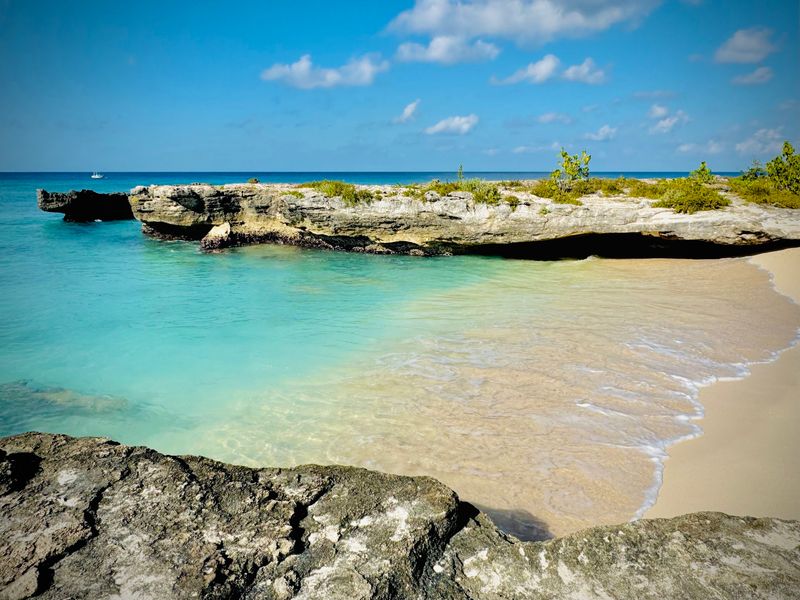
Smith Barcadere, commonly known as Smith Cove, punches well above its size on Grand Cayman’s southwestern coast. The beach is small, but the combination of turquoise water, white sand, and unusual limestone formations jutting out of the shallows gives it a character that larger, more groomed beaches often lack.
The protected water makes it a reliable spot for swimming and snorkeling, and the limestone formations create interesting underwater terrain close to shore. Public amenities including restrooms, outdoor showers, and picnic benches make it easy to spend a few hours here without needing to pack everything yourself.
Because it sits just south of George Town, Smith Barcadere is accessible without a long drive, which makes it a practical option even on a short visit to the island. The beach tends to draw a mix of locals and visitors who have done their research, and the compact size means it never feels like an anonymous stretch of sand.
Rum Point, Grand Cayman
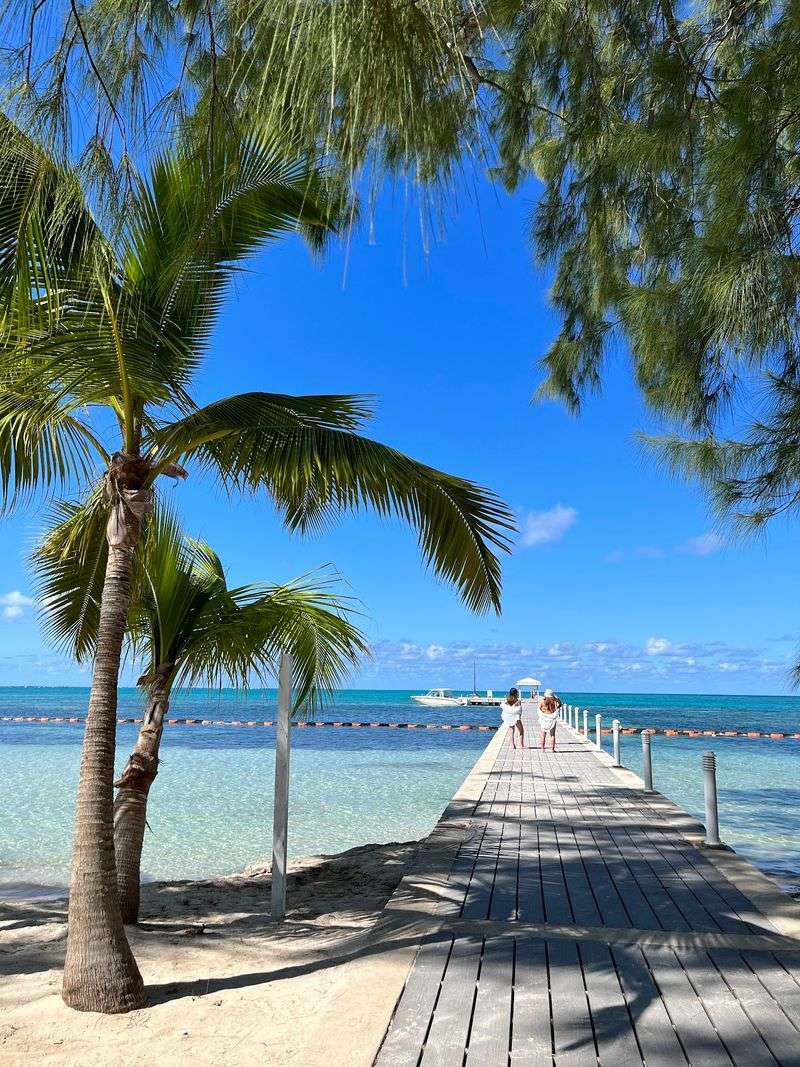
Grand Cayman’s North Side operates at a noticeably different pace from the busier Seven Mile Beach corridor, and Rum Point captures that contrast well. The water here is famously calm and shallow, which makes it a particularly good option for families or anyone who prefers a gentler swim.
The Cayman Islands Department of Tourism recommends Rum Point for swimming, snorkeling, and watersports, and the beach has the facilities to support a full day out. The setting is shaded in places by palms and Australian pines, which helps on hotter days.
Getting to Rum Point requires crossing the island from the main tourist areas, and that drive is part of what keeps the atmosphere here more relaxed. The North Side location also means the views across the water are wide and unobstructed.
Travelers who want to experience a quieter, more laid-back version of Grand Cayman without sacrificing water quality or beach facilities tend to find that Rum Point delivers exactly what they were hoping for.
Taylor Bay, Providenciales, Turks and Caicos
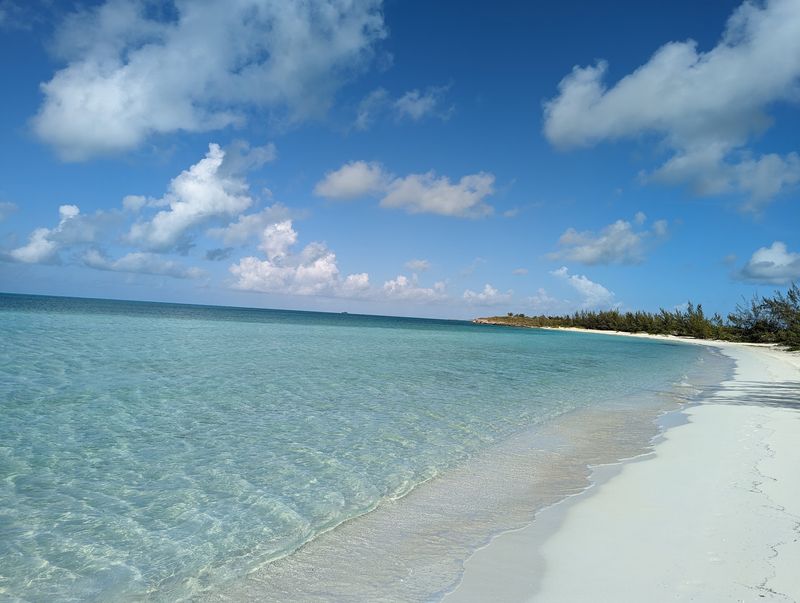
Taylor Bay might be the most unusually shallow beach in the entire Caribbean. The cove stretches roughly 2,000 feet and the water stays so shallow for such a long distance that you can wade far out from shore without the water reaching your waist.
That feature makes it a standout choice for young children or anyone who simply wants to walk in warm, clear water without worrying about depth. Unlike some of Providenciales’s more famous beaches, Taylor Bay typically stays quiet, which adds to the appeal considerably.
Official tourism information for Turks and Caicos confirms that all beaches on the islands are public up to the high-water mark, so access is open to everyone regardless of where they are staying. The sheltered shape of the cove keeps conditions calm even when other parts of the coast are windier.
For a beach experience that is genuinely unique in the region, Taylor Bay earns serious consideration from anyone visiting Providenciales.
Leeward Beach, Providenciales, Turks and Caicos
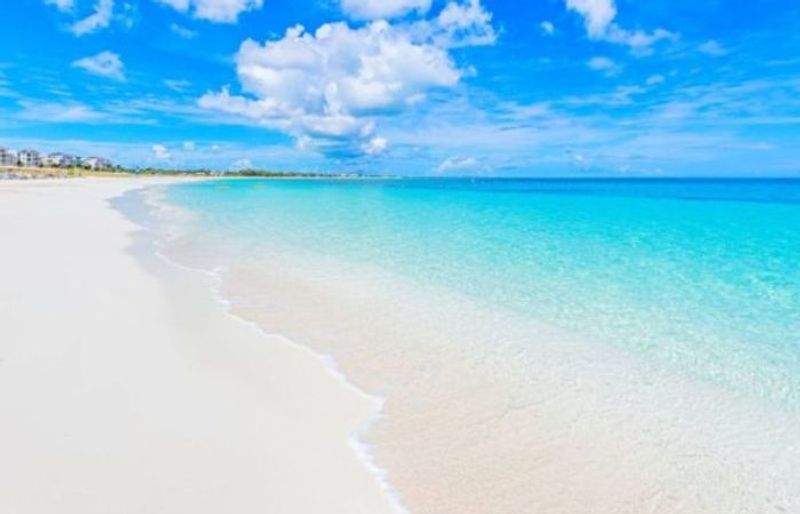
Grace Bay gets most of the attention in Providenciales, and rightfully so, but Leeward Beach sits just to the east and delivers the same brilliant white sand and turquoise water with a fraction of the foot traffic. The difference in crowd level alone makes it worth considering as an alternative.
Local tourism guides specifically point to Leeward as a spectacular option for travelers who want a less crowded shoreline without having to sacrifice water quality or scenery. The beach stretches generously, which means even on busier days there is room to find your own space along the shore.
The water color here is the kind of vivid, layered turquoise that Turks and Caicos is known for, and Leeward delivers it without the added noise of resort activity nearby. For anyone who has already experienced Grace Bay and wants to explore what else Providenciales has to offer along its coastline, Leeward Beach is a natural and rewarding next step.
Flamenco Beach, Culebra, Puerto Rico
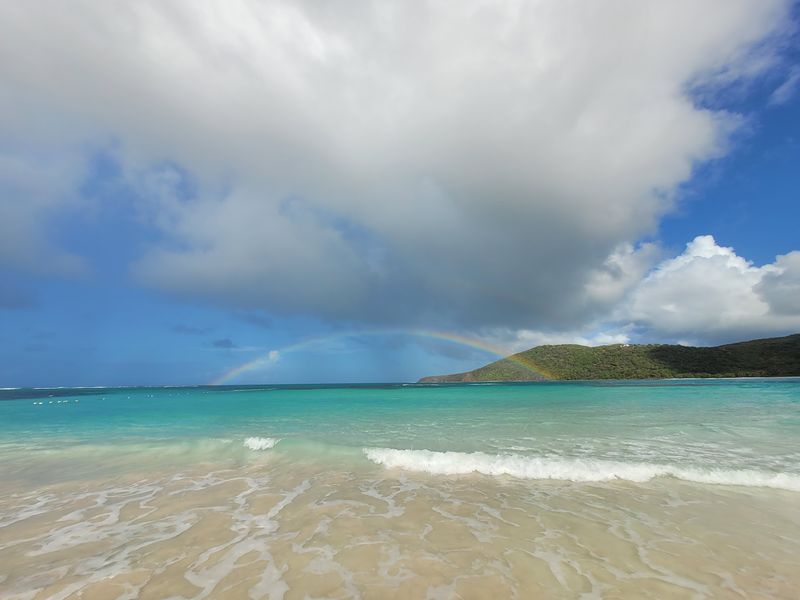
Getting to Flamenco Beach requires a ferry ride from the Puerto Rico mainland to the small island of Culebra, and that short journey is genuinely part of what makes the destination feel special. The beach itself is a broad crescent of pale sand with clear Caribbean water that ranks among Puerto Rico’s most celebrated coastal spots.
Discover Puerto Rico continues to feature Flamenco in its 2026 guidance on enjoying and protecting the island’s coastal areas, which reflects both its enduring appeal and the ongoing effort to preserve what makes it exceptional. The bay’s shape and the hills surrounding it create a naturally sheltered environment.
Facilities on the beach include restrooms and vendors, which makes it practical for a full day. The ferry schedule from Ceiba is the main logistical detail to plan around, but once you are there, the combination of water clarity, sand quality, and island setting is hard to argue with.
Culebra keeps things simple, and Flamenco Beach benefits from that.
La Chiva, Vieques, Puerto Rico
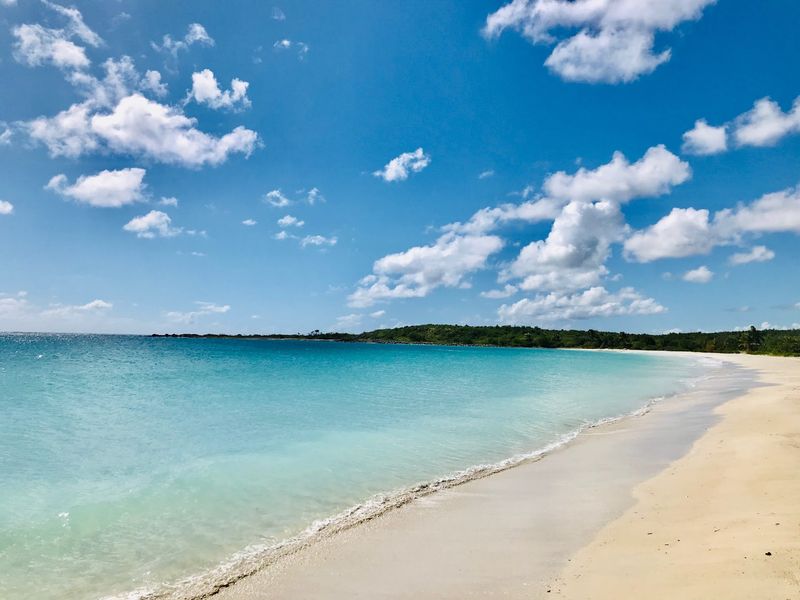
Vieques operates on a different frequency from the rest of Puerto Rico. The island sits about eight miles off the eastern coast, and getting there by ferry or small plane sets the tone for what follows: quieter, slower, and considerably more natural than the metropolitan beaches most visitors default to.
La Chiva is specifically highlighted by Discover Puerto Rico for its serene sands, and the description is accurate. The beach sits on the island’s northern coast within the Vieques National Wildlife Refuge, which means the surrounding land is protected and largely undeveloped.
That protected status is one of the main reasons La Chiva looks the way it does. There are no resort developments pressing up against the shoreline, just sand, water, and low coastal vegetation.
Travelers who make the effort to reach Vieques and then find their way to La Chiva tend to come away with a very clear sense of why the island has such a devoted following among those who know it well.
Frenchman’s Cove, Port Antonio, Jamaica
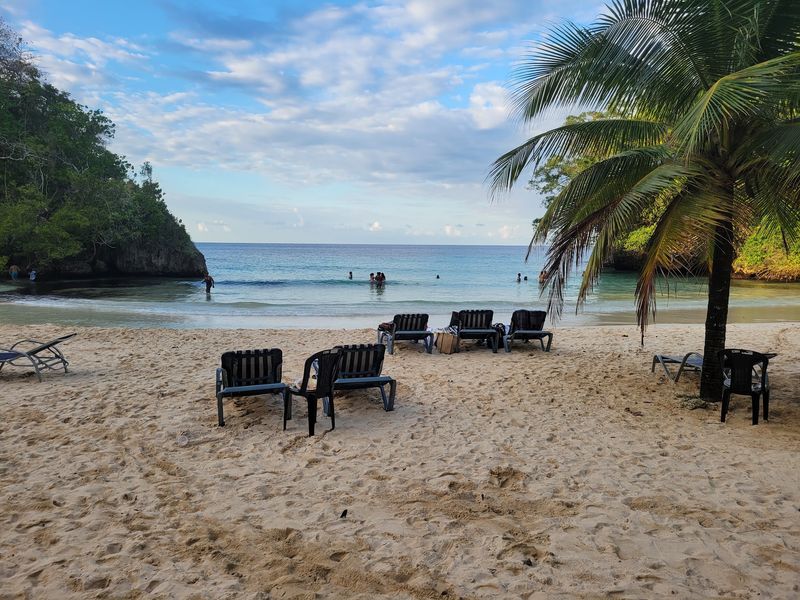
Port Antonio has long attracted a different kind of traveler than the resort corridors of Montego Bay or Negril, and Frenchman’s Cove reflects that distinction. The beach sits within a lush, green landscape that is characteristic of Jamaica’s northeastern coast, where rainfall keeps the vegetation dense and the scenery consistently dramatic.
Visit Jamaica includes Frenchman’s Cove among the area’s notable beaches alongside San San and Boston Bay, emphasizing Port Antonio’s clear water and white-sand coastline as collective draws. One of the cove’s distinctive features is a small freshwater stream that crosses the beach and meets the sea at the shoreline.
That detail gives Frenchman’s Cove a slightly different character from a standard Caribbean beach. The surrounding greenery, the clear water, and the intimate scale of the cove all contribute to a setting that feels carefully composed.
For travelers willing to explore beyond Jamaica’s most marketed destinations, the Port Antonio area and Frenchman’s Cove in particular make a compelling case for the road less traveled.
Magazine Beach, Grenada
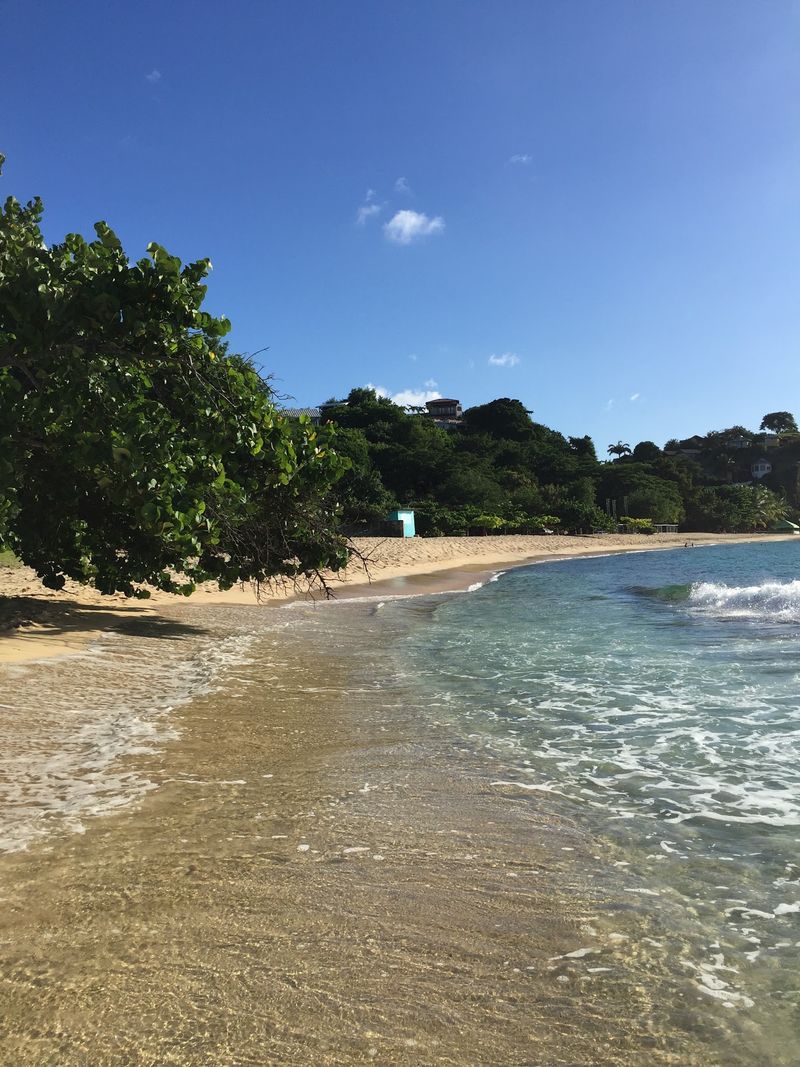
Magazine Beach sits just minutes from Grenada’s international airport, which makes it one of the more conveniently located secluded beaches in the Caribbean. The vegetation and rocky bluffs surrounding the long white-sand shoreline do a surprisingly effective job of creating a sense of separation from everything nearby.
Grenada’s tourism authority recommends it for swimming, snorkeling, kayaking, and relaxed walks along the shore. The waves here tend to be gentle, which supports a range of water activities without requiring significant experience or equipment.
The beach’s length gives it a spacious feel even when visitors are present, and the combination of activities it supports means there is genuine flexibility in how you spend time here. Grenada as a destination is often overshadowed by more heavily marketed Caribbean islands, and Magazine Beach reflects that broader pattern of underappreciation.
For travelers looking for a final swim before a flight or a first stop after landing, the location alone makes it an unusually practical and rewarding option on the island.
Share this story