Some songs take on a life of their own, reaching far beyond the artists who recorded them. In country music history, there are tracks that turned into cultural touchstones, played at parties, referenced in movies, and hummed by people who couldn’t name the singer if asked.
These songs connected with everyday life in a way that made them feel like they belonged to everyone. Here are 13 country songs that grew so large, they practically overshadowed the talented artists behind them.
1. Harper Valley P.T.A. – Jeannie C. Riley
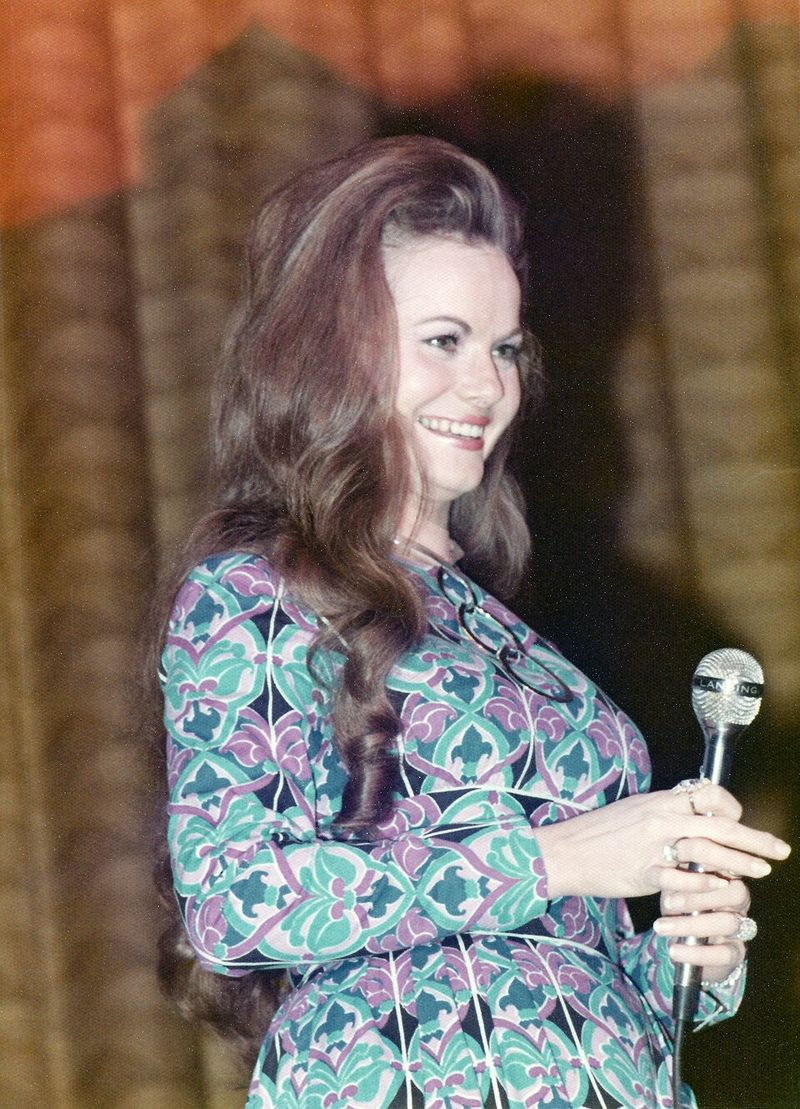
When Jeannie C. Riley walked into a recording studio in 1968, nobody could have predicted what was about to happen. “Harper Valley P.T.A.” shot to number one on both the country and pop charts within weeks of its release.
It was a rare crossover moment that few artists ever experience.
The song told the story of a widow who boldly called out hypocritical small-town gossips at a school meeting. Listeners across America recognized the characters immediately, because towns like Harper Valley existed everywhere.
The story felt personal, funny, and deeply satisfying all at once.
Riley even won a Grammy for the performance. The song later inspired a movie and a television series.
Yet today, many people can sing every word without knowing Jeannie C. Riley’s name, which says everything about how thoroughly the song outgrew its singer.
2. Ode to Billie Joe – Bobbie Gentry
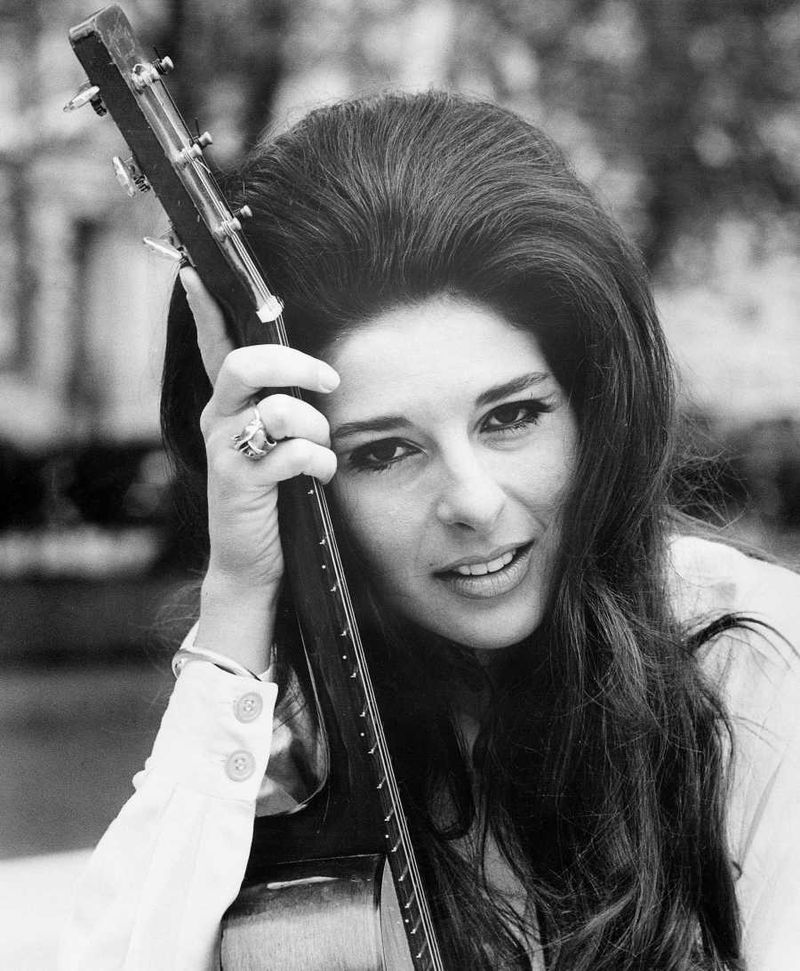
Mystery has a way of making people obsess, and “Ode to Billie Joe” gave listeners one of the most compelling unsolved puzzles in music history. Bobbie Gentry released the song in 1967, and the question of what Billie Joe McAllister threw off the Tallahassee Bridge consumed the public immediately.
Gentry never gave a straight answer.
The song debuted at number one and stayed there for four weeks, knocking the Beatles off the top spot. Its slow, swampy storytelling felt unlike anything else on country radio at the time.
Gentry’s Southern Gothic atmosphere was completely original and deeply cinematic.
Bobbie Gentry largely stepped away from the spotlight in the 1980s, adding another layer of mystery to her legacy. The song, however, has never stopped being discussed, analyzed, and covered.
It belongs more to American folklore now than to any single recording artist.
3. Wolverton Mountain – Claude King
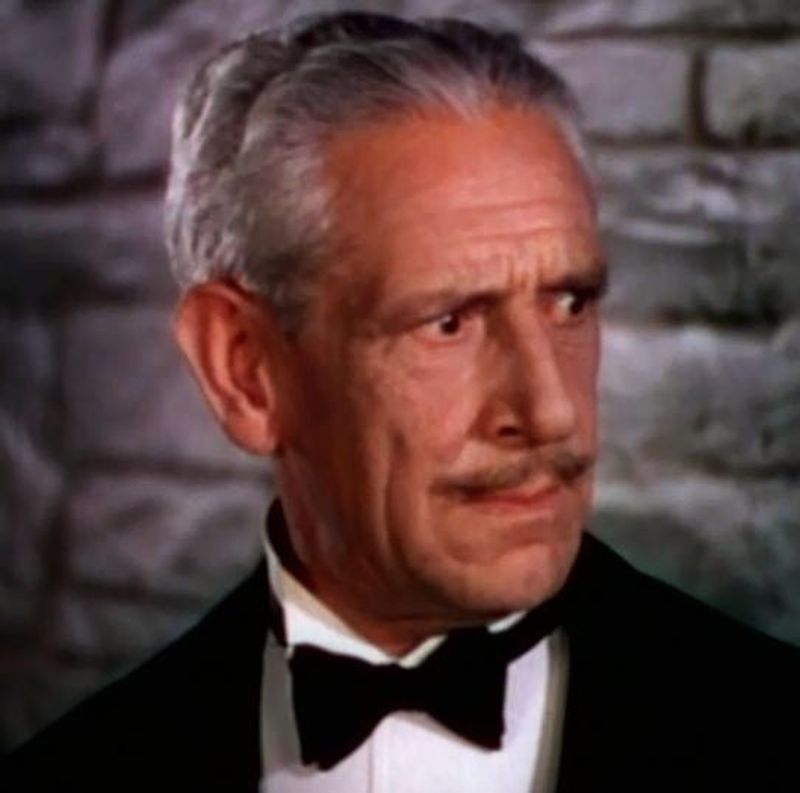
Claude King had a voice perfectly suited for storytelling, and “Wolverton Mountain” gave him the ultimate tall tale to sing. Released in 1962, the song described a fierce mountain man named Clifton Clowers who guarded his daughter from any suitor brave enough to climb up and ask for her hand.
The character felt larger than life in the best possible way.
The song spent nine weeks at number one on the country charts and crossed over to the pop top twenty. King co-wrote the track with Merle Kilgore, basing it on a real person named Clifton Clowers who actually lived in Arkansas.
That real-life connection gave the song an extra layer of charm.
King continued recording for years, but nothing matched the cultural footprint of this one track. “Wolverton Mountain” became the song, not the singer, that people remembered when his name came up.
4. Skip a Rope – Henson Cargill
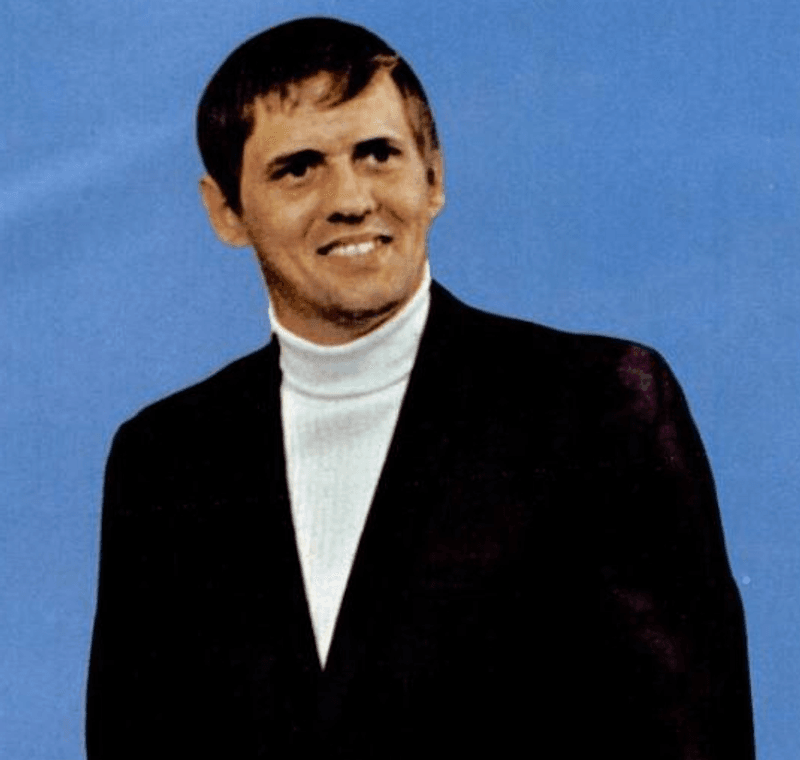
Country music has always had a soft spot for social commentary, and “Skip a Rope” delivered some of the sharpest criticism of its era wrapped inside a children’s playground melody. Henson Cargill recorded the track in 1967, and its contrast between the carefree sound of a jump rope song and its biting lyrics about adult hypocrisy caught people completely off guard.
The song reached number one on the country charts and earned Cargill a Grammy nomination for Best Male Country Vocal Performance. Lines about hate, dishonesty, and broken homes sung to a skipping rhythm made parents and critics stop and listen carefully.
The message hit hard because the delivery was so deceptively cheerful.
Cargill struggled to follow up its success and eventually left the music industry. “Skip a Rope,” however, remains a fascinating time capsule of late-1960s American anxiety that speaks just as clearly today.
5. The Carroll County Accident – Porter Wagoner
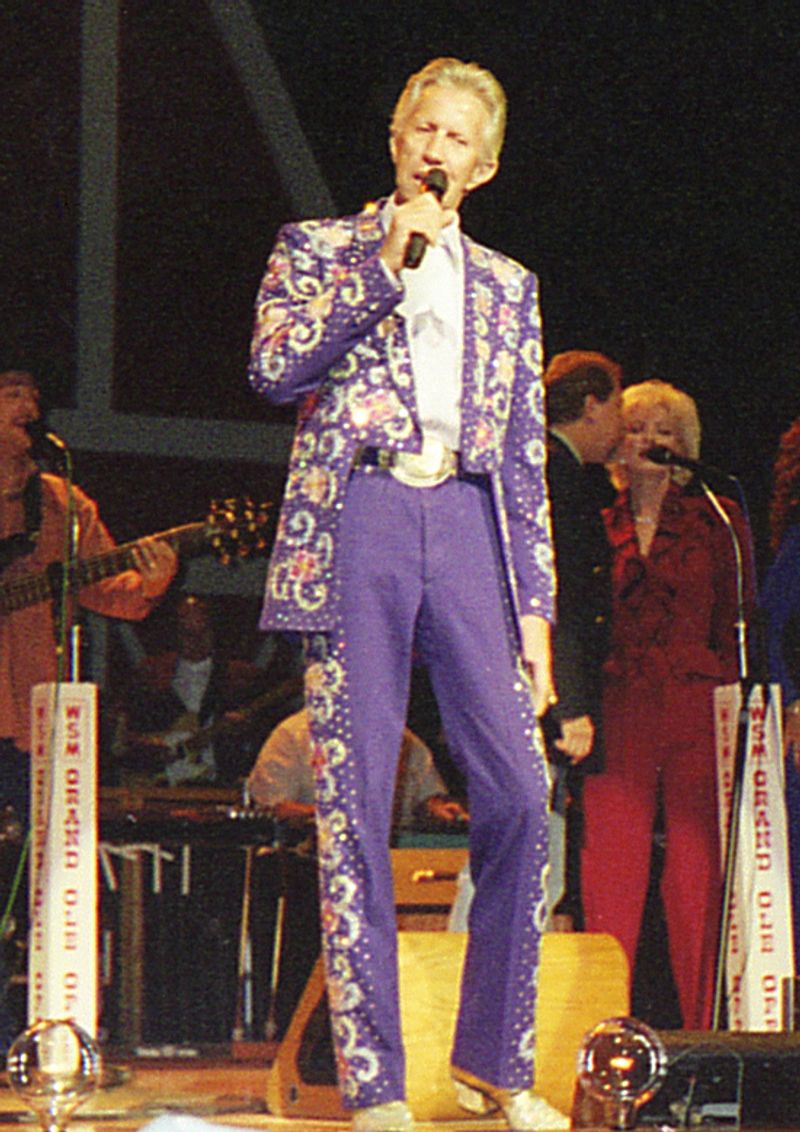
Porter Wagoner was already a well-established country star by the time he recorded “The Carroll County Accident” in 1968, but this particular song took on a reputation that stood entirely apart from his broader career. The track told a dark, gripping story about a car crash and the secrets it uncovered in a small community.
Country listeners couldn’t get enough of it.
The song reached number one and became one of the defining narrative songs of the era. Wagoner’s deep, deliberate delivery made every detail feel weighty and real.
It had the pull of a short story more than a pop song.
Wagoner is remembered today largely for his television show and his partnership with Dolly Parton. This song, though, carved out its own permanent place in country storytelling tradition.
Many fans consider it his finest single recording, even if it rarely headlines his biography.
6. Teddy Bear – Red Sovine
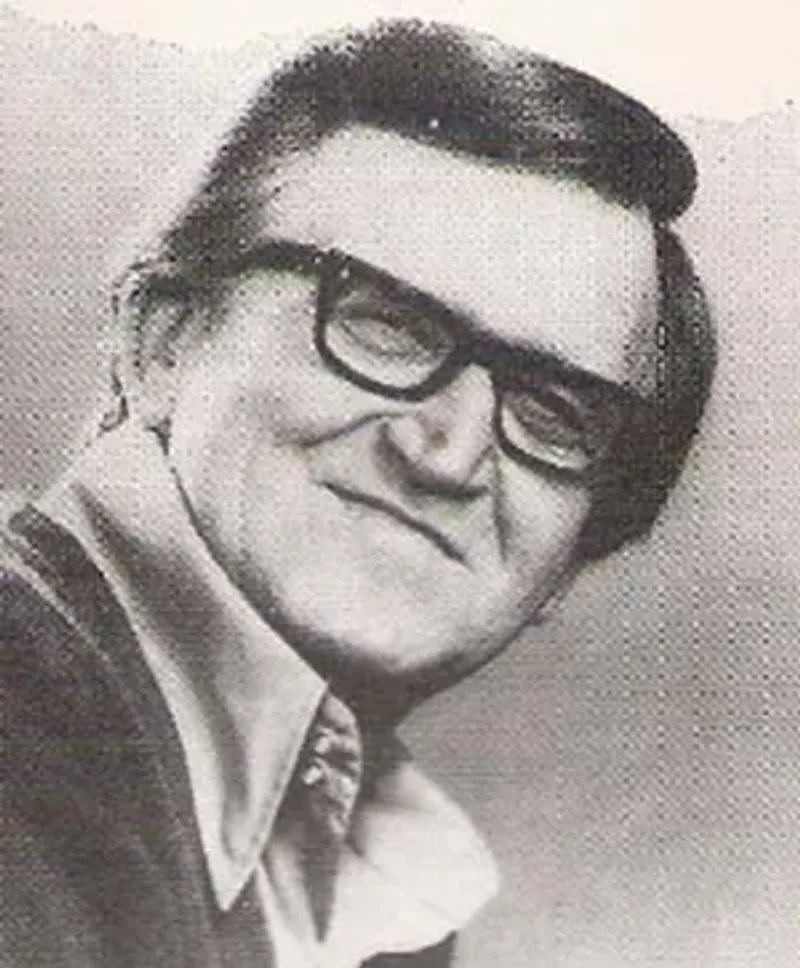
Trucking songs were everywhere in the 1970s, but none hit emotional notes quite like “Teddy Bear” by Red Sovine. Released in 1976, the spoken-word song told the story of a disabled boy who used a CB radio to connect with truck drivers after losing his father.
It was unabashedly sentimental, and listeners absolutely loved it.
The song reached number one on the country charts and crossed over to pop audiences who were not regular country fans. Sovine had recorded a similar track called “Phantom 309” years earlier, but “Teddy Bear” eclipsed everything else in his catalog almost immediately.
Grown adults reportedly pulled over to cry while listening in their cars.
Sovine passed away just a year after the song’s release, making it feel even more bittersweet in hindsight. The song remains his defining legacy, remembered warmly by anyone who heard it on the radio in 1976.
7. Mr. Bojangles – Jerry Jeff Walker

Jerry Jeff Walker wrote “Mr. Bojangles” after spending a night in a New Orleans jail cell in 1965, where he met an older street dancer who told him stories about his life and his dog. Walker turned that chance encounter into one of the most covered songs in American music history.
The emotional weight of the story was undeniable from the very first listen.
Interestingly, Walker’s original 1968 recording was not the version most people know. The Nitty Gritty Dirt Band’s cover in 1971 brought the song to a massive national audience, and dozens of other artists followed.
Sammy Davis Jr.’s version introduced the song to an entirely new generation of listeners.
Walker continued making music for decades with a loyal following in Texas. Still, “Mr. Bojangles” grew so far beyond him that it now feels like a song that has always existed, belonging to everyone who has ever felt its quiet sadness.
8. Please Help Me, I’m Falling – Hank Locklin
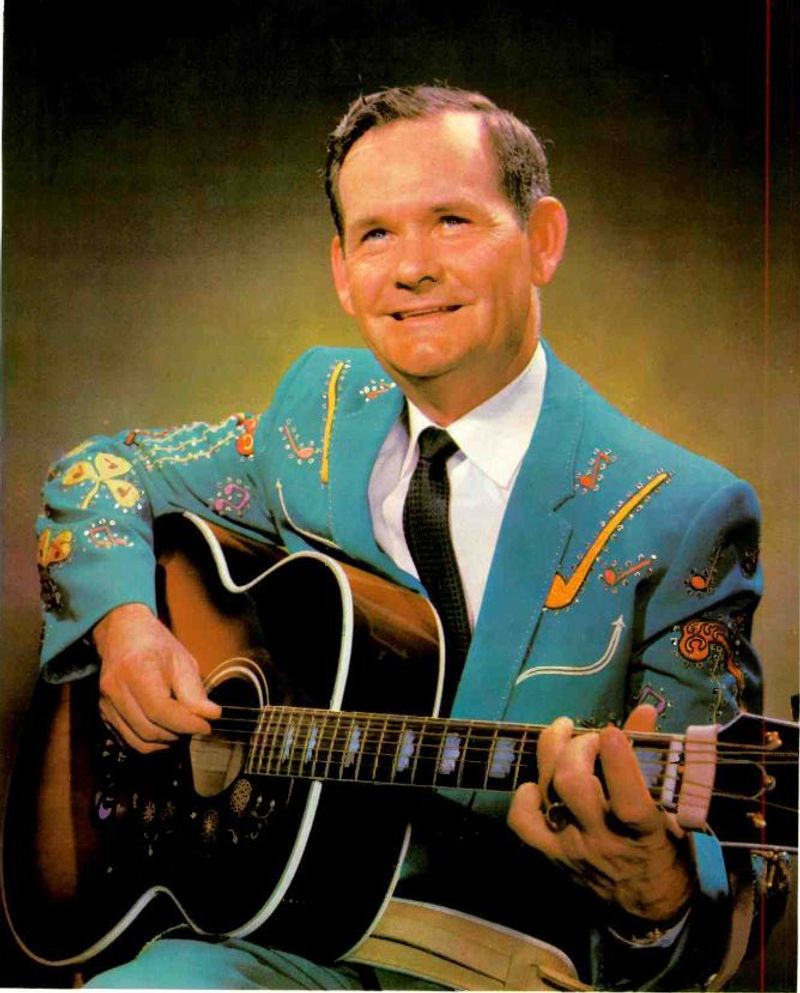
Hank Locklin had been recording country music for over a decade before “Please Help Me, I’m Falling” made him a household name in 1960. The song was a deeply felt plea from a married man tempted by another woman, and its emotional honesty resonated with audiences on both sides of the Atlantic.
It reached number one in the United States and became a massive hit in the United Kingdom as well.
The track stayed at the top of the Billboard country charts for fourteen weeks, one of the longest runs of its era. Locklin’s smooth, high tenor voice gave the song an aching quality that few singers could have matched.
Don Robertson and Hal Blair wrote the lyrics, but Locklin made them feel completely personal.
Despite his impressive chart history, Locklin remains a relatively underappreciated figure. This song, though, still gets airplay on classic country stations and is recognized far more readily than the man who sang it.
9. Rose Garden – Lynn Anderson
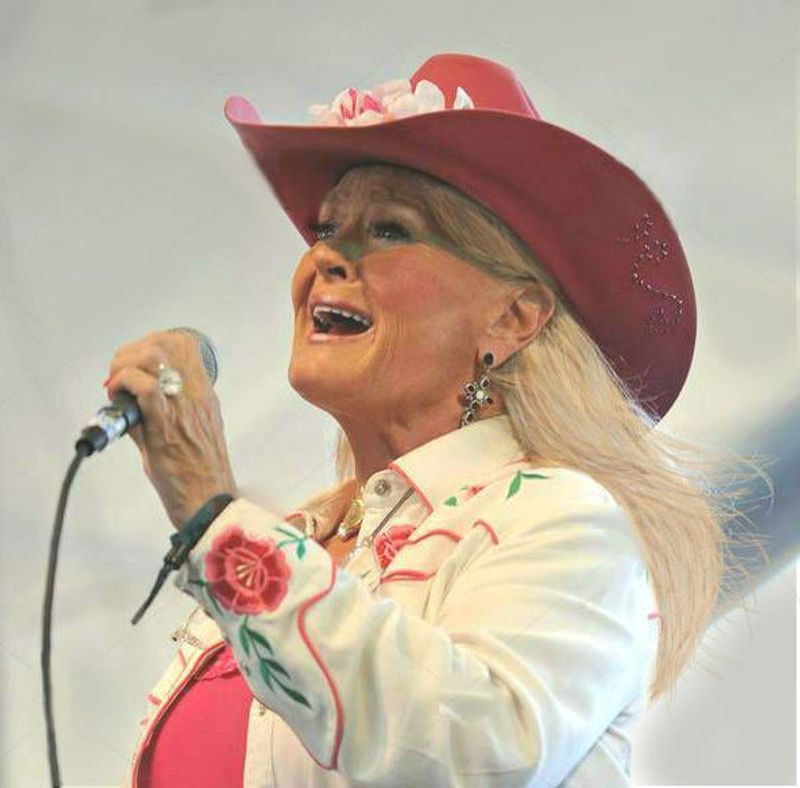
Lynn Anderson’s “Rose Garden” became one of those rare country songs that the whole world seemed to know at exactly the same moment. Released in 1970, it crossed every musical boundary imaginable, reaching top ten in countries as far apart as Australia, Norway, and Japan.
The song’s message was charming but honest: life isn’t going to hand you everything you want.
The track sold over two million copies in the United States alone and earned Anderson a Grammy Award for Best Female Country Vocal Performance in 1972. Joe South wrote the song, and his clever lyric about promises and reality gave it a timeless quality.
Anderson’s bright, confident delivery made the message feel uplifting rather than discouraging.
Anderson recorded many other songs throughout a long career, but “Rose Garden” became her permanent identity. Even casual music fans worldwide can hum the chorus, while her name sometimes requires a moment of thought to recall.
10. Don’t It Make My Brown Eyes Blue – Crystal Gayle

Crystal Gayle had one of the most distinctive looks in country music, with floor-length hair that became her trademark. But “Don’t It Make My Brown Eyes Blue” gave her something even more lasting: a song that transcended country radio and became a pop classic.
Released in 1977, it reached number one on the country charts and number two on the Billboard Hot 100.
Richard Leigh wrote the song, and Gayle’s warm, slightly melancholy delivery turned a simple heartbreak lyric into something genuinely moving. The track earned her a Grammy for Best Female Country Vocal Performance and helped establish her as one of the era’s biggest crossover stars.
Gayle is Loretta Lynn’s younger sister, a fact that sometimes overshadows her own considerable achievements. Yet this song stands completely on its own, recognized instantly by people who grew up in the 1970s regardless of whether they followed country music closely.
11. Queen of Hearts – Juice Newton

Juice Newton had a voice that could slide effortlessly between country twang and mainstream pop polish, and “Queen of Hearts” showed off that range perfectly. Released in 1981, the song reached number two on the Billboard Hot 100 and became one of the defining pop-country hits of the early 1980s.
Its infectious rhythm made it nearly impossible to sit still while listening.
Hank DeVito wrote the song, and it had actually been recorded before Newton got to it. Her version, though, was the one that stuck.
The production had just enough country feel to keep it on country radio while crossing over to pop stations without any friction at all.
Newton released other charming hits during this period, but “Queen of Hearts” became the song people reach for first when her name comes up. At the same time, younger listeners often know the melody without being able to place the artist.
12. Take This Job and Shove It – Johnny Paycheck
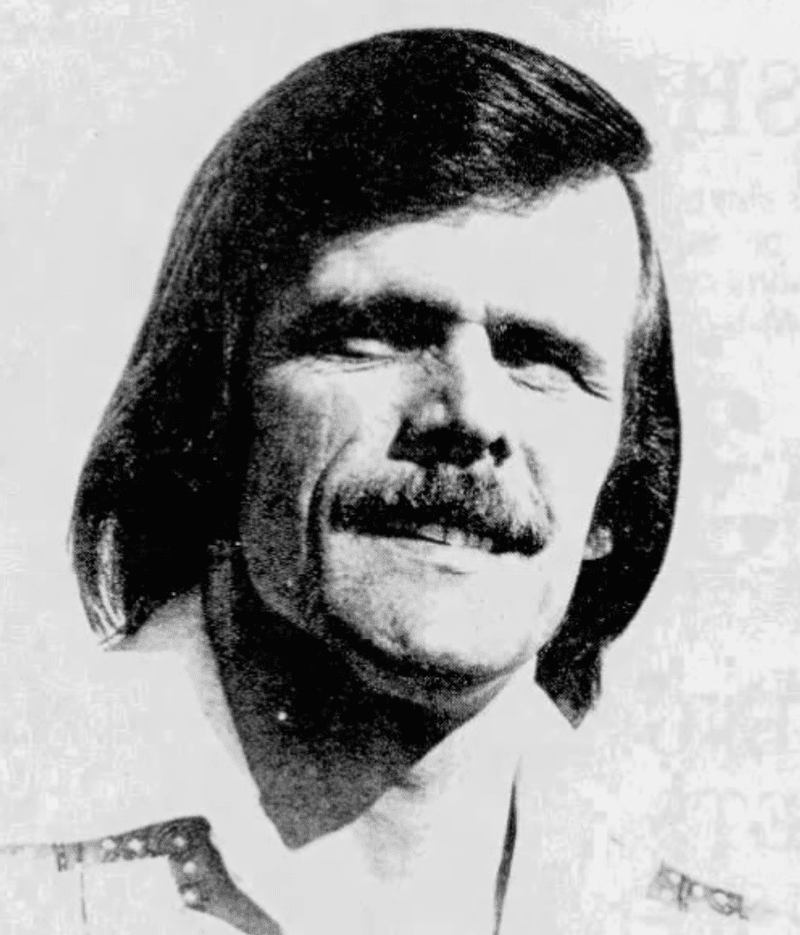
Few songs have ever captured workplace frustration as directly and satisfyingly as “Take This Job and Shove It.” Johnny Paycheck released the track in 1977, and it became an instant anthem for every worker who had ever bitten their tongue in front of a boss they couldn’t stand. David Allan Coe wrote the lyrics, drawing from real feelings that millions of Americans shared every single day.
The song reached number one on the country charts and crossed over to pop audiences who found the sentiment completely relatable. A film based on the title followed in 1981, cementing the phrase in American pop culture permanently.
The title itself became a saying people used in everyday conversation, often without knowing there was a song attached to it.
Paycheck had a complicated personal life and career, but this song gave him a legacy that outlasted every headline. The phrase is now bigger than the man who sang it.
13. Achy Breaky Heart – Billy Ray Cyrus
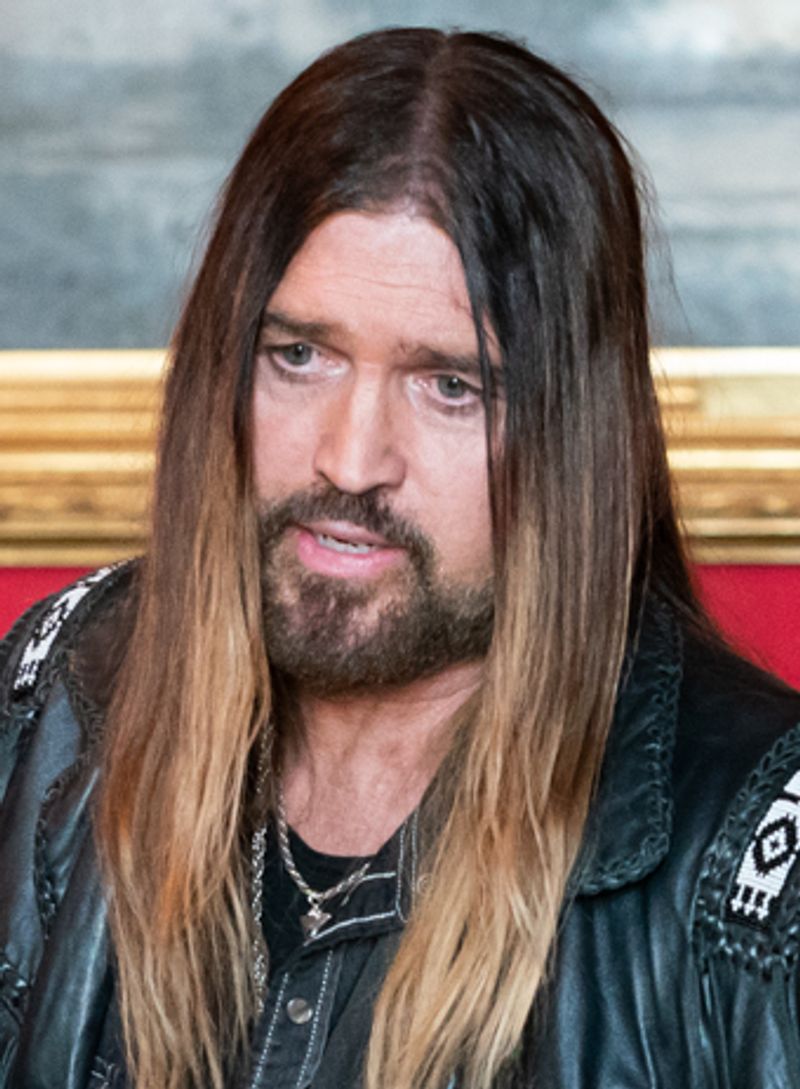
Billy Ray Cyrus was a relatively unknown Kentucky singer when “Achy Breaky Heart” arrived in the spring of 1992 and turned the entire country music world upside down. The song launched a line-dancing craze that spread from honky-tonks to school gymnasiums to wedding receptions across America.
Almost overnight, line dancing became a mainstream activity that needed no explanation.
The track became the first country single to go platinum for digital downloads and helped Cyrus sell over twenty million copies of his debut album “Some Gave All.” Don Von Tress wrote the song, and its simple, repetitive structure made it easy to love and impossible to forget. Critics were not always kind, but audiences clearly didn’t care.
Cyrus went on to have a long career and later became known worldwide as Miley Cyrus’s father. Still, “Achy Breaky Heart” remains the moment that defined him, a song so culturally massive it belongs to an entire decade more than to any single artist.
Share this story