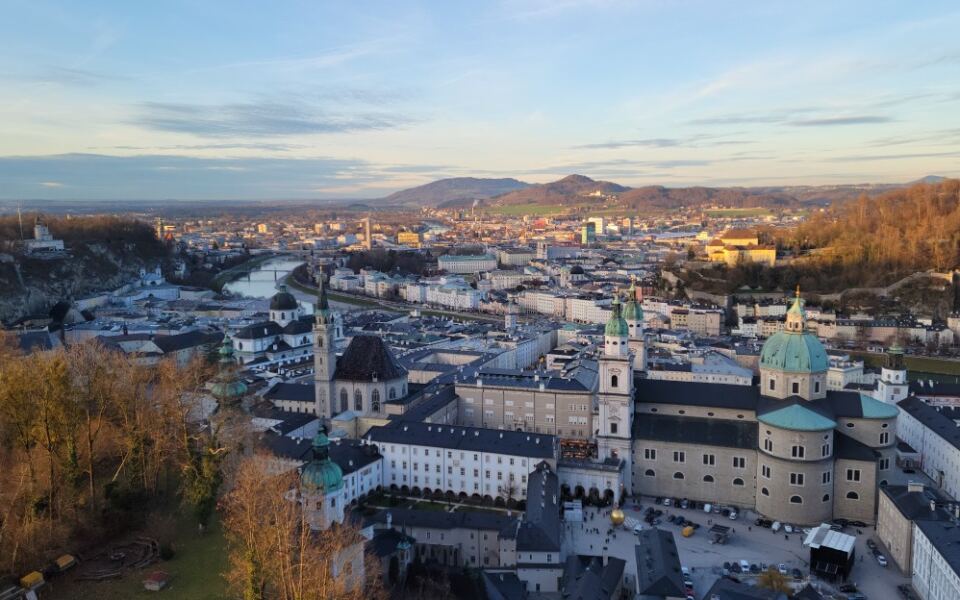
Europe has a secret that locals know well: winter is when many places shine brightest. Snow, twinkling lights, steamy pools and quiet streets can turn a chilly trip into a cozy adventure.
Some spots even offer mild weather while the rest of the continent shivers. Here are 13 places that prove cold months deserve a spot on your travel calendar.
Tromsø, Norway
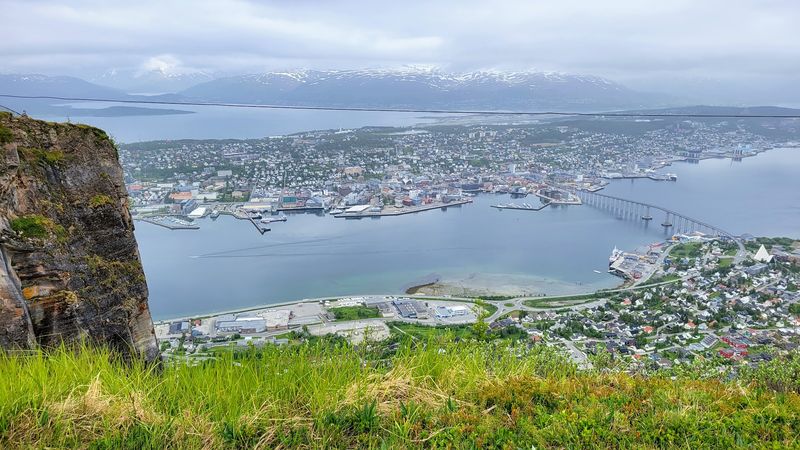
Picture this: the sun barely shows up, yet the sky puts on a show anyway. Tromsø enters the Polar Night in late November, and only a few hours of soft, colorful twilight appear each day.
After dark, the aurora borealis may dance overhead. The city sits right under the auroral oval, and local tourism officials say lights can be seen from late August into early April.
Winter is simply the season when the nights are long enough to give you plenty of chances.
Daytime is packed with action. You can ride a dog sled, zip across the snow on a snowmobile, or join a wildlife trip to spot winter animals.
Kids and adults both tend to grin like they have won a prize.
When you get chilly, cafes and restaurants keep the town buzzing. Here is a surprise for packing: the Gulf Stream softens the weather, so it is not as brutal as the latitude suggests.
Still, bring warm layers, good boots and a hat that covers your ears.
Rovaniemi, Finland
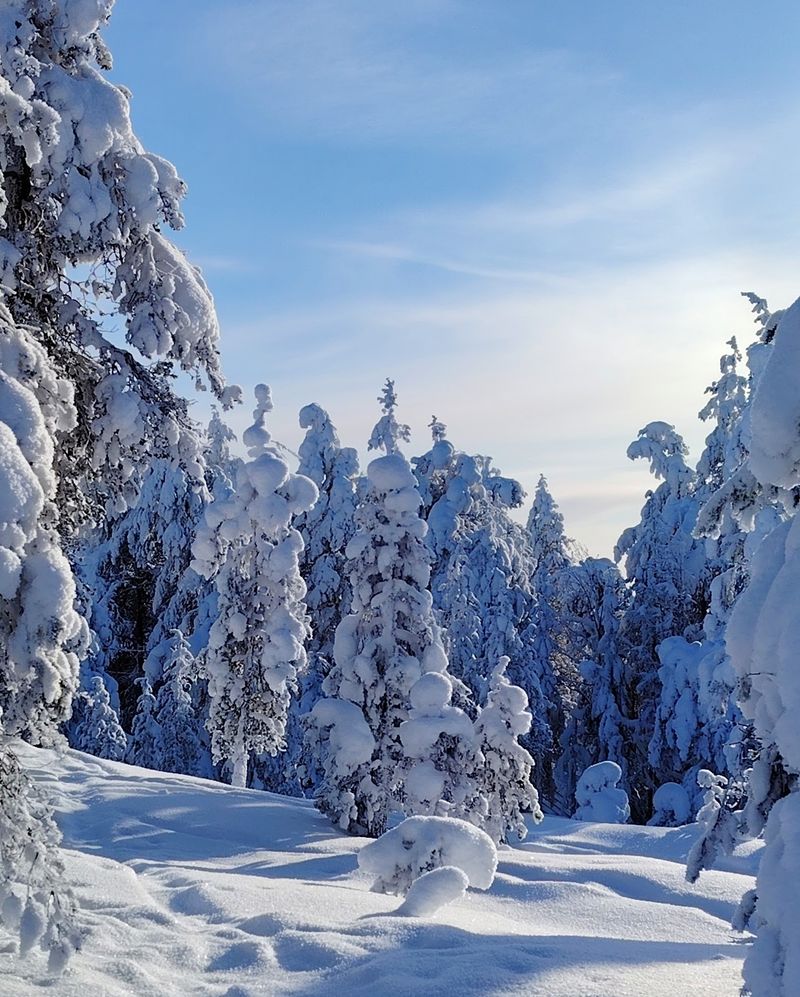
Lapland keeps its best tricks for the snowy months. Once white powder buries the forests around Rovaniemi, the whole region looks like a storybook page.
Winter usually runs from November into March. December is the star month, bringing deep snow, Polar Night conditions and a big dose of Christmas spirit.
You can ride behind reindeer, race with husky teams, zoom on snowmobiles or hunt for the northern lights in wild forests that feel almost untouched.
Families love Santa Claus Village, which explains why so many visits cluster in December instead of summer. Meeting Santa on his home turf is hard to top.
Getting there is easier than you might guess for an Arctic town. Direct winter flights run from many European cities during the 2026-2027 season, which saves a lot of hassle.
Do not underestimate the cold, though. Temperatures can sink far below freezing, so pack thermal underwear, thick socks, mittens and a warm jacket.
Rental snowsuits are often available on tours if you want extra cover.
Zermatt, Switzerland
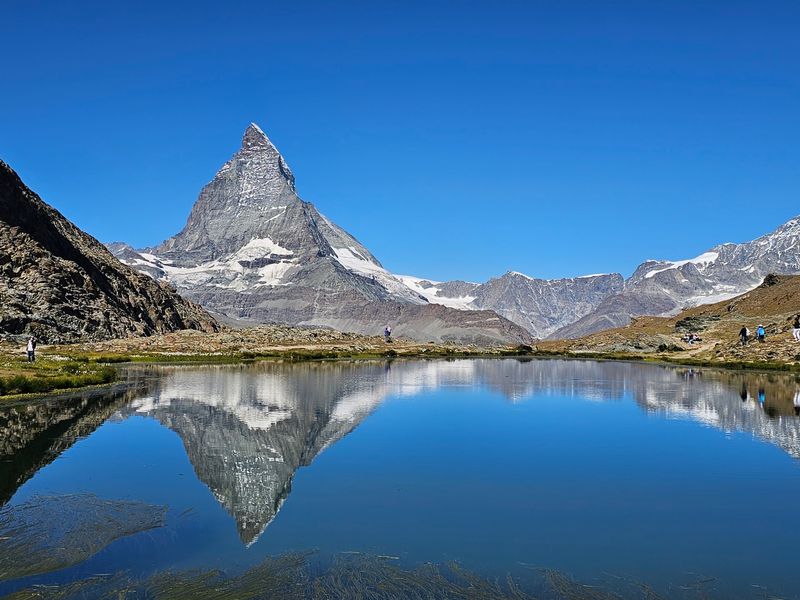
Postcards finally make sense in Zermatt. When snow blankets the car-free streets and the Matterhorn rises behind the rooftops, the scene looks almost too perfect to be real.
Skiers have plenty to chase. Lifts climb to Matterhorn Glacier Paradise at 3,883 meters, and an international ski pass opens runs that stretch across the border into Italy.
Imagine eating breakfast in Switzerland and lunch in another country on skis.
Not into skiing? No problem.
Mountain railways carry you to dazzling viewpoints, winter trails invite easy walks, and snowshoeing lets you crunch through quiet powder at your own speed.
Many visitors simply pick a sunny terrace, order something hot and stare at the famous peak. Since vehicles are kept out of the village center, the air feels crisp and the pace stays calm.
Winter feels like the natural season here. The snow, the height and the walkable village all click together beautifully.
Reykjavík, Iceland
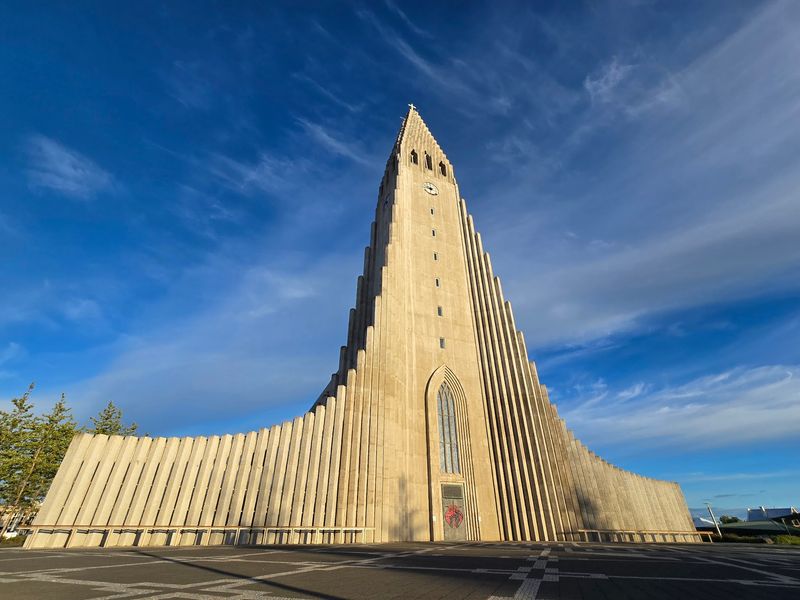
Soaking in a steaming outdoor pool while snowflakes land on your hair is peak Icelandic winter. Reykjavík is full of geothermal pools, and the contrast with the freezing air feels wonderfully silly and relaxing.
Daylight is short, which sounds like a downside until green ribbons of aurora appear overhead. Iceland’s tourism authority calls October through March a great time for northern lights, and November through March brings the longest nights.
Snow and ice also change the landscapes outside the capital. Waterfalls look frosted and dramatic, and the scenery feels like another planet.
Back in the city, cozy cafes, museums and concert venues give you plenty of warm places to hide when the wind picks up. A hot drink and a pastry go a long way.
Weather can be unpredictable and may shake up outdoor plans, so keep your schedule flexible. Those wild conditions are part of the charm, and they make a winter trip here feel truly different.
Salzburg, Austria
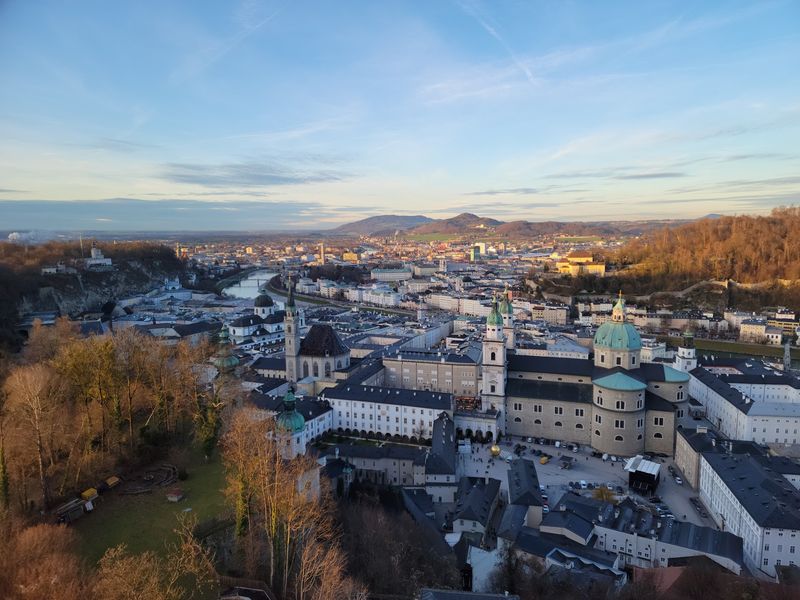
Mozart’s hometown has a trick up its sleeve: winter adds a layer of magic that summer just cannot copy. Baroque squares glow under seasonal lights, and Hohensalzburg Fortress looms above frosty rooftops.
From late November, Christmas markets fill the historic center with the smell of roasted nuts and warm spiced drinks. Music is a big part of the season too.
Salzburg Advent Singing is a long-running tradition, and January brings Mozart Week around the composer’s birthday.
Outside the busiest holiday weekends, the UNESCO-listed Old Town can feel noticeably calmer than in peak travel periods. That means more room to wander, more seats in cafes and better photos.
Nearby Alpine scenery is just a short trip away, so you can add a snowy view to your itinerary.
It is a great pick if you want a winter holiday full of atmosphere without planning every day around ski runs.
Tallinn, Estonia
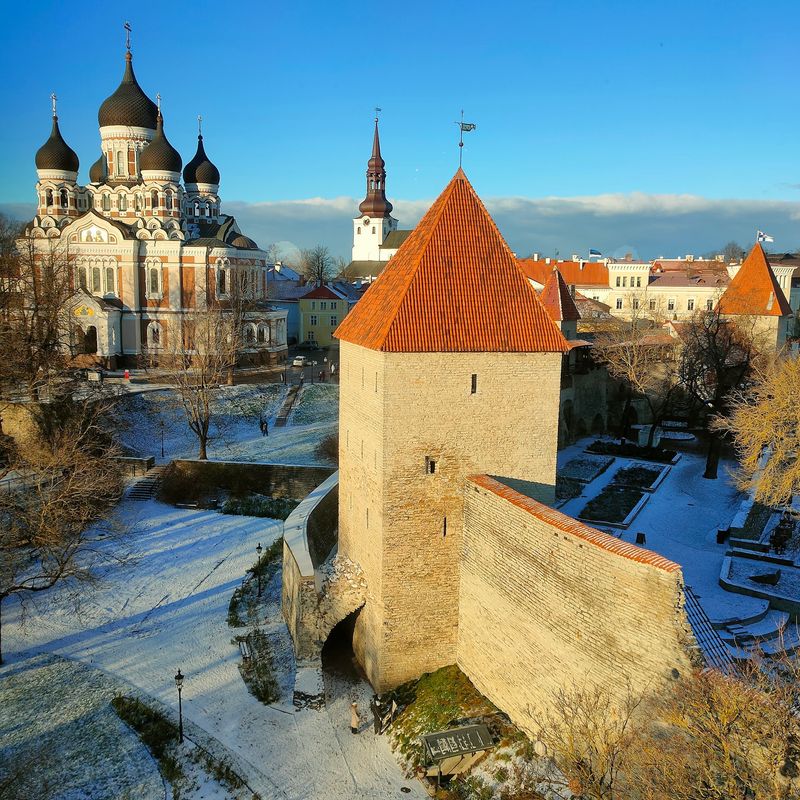
Cobblestones, towers and fresh snow make Tallinn look like it was designed with winter in mind. Walls and church spires wear white caps, and tiny lanes feel straight out of a fairy tale.
Christmas cranks up the charm. The market on Town Hall Square runs from November 20, 2026 through January 6, 2027.
You will find a huge tree, handmade crafts and traditional Estonian seasonal food to warm your hands and your belly.
Cafes serve as handy pit stops between strolls through the historic center. Slip inside, thaw out, then head back into the cold.
Winter keeps going after Advent ends. Concerts and exhibitions fill the calendar, and forested districts of the city offer cross-country skiing, which is a fun surprise for a capital.
If you love medieval architecture, December and January may feel far more atmospheric here than the busy summer months, and the crowds are much smaller too.
Innsbruck, Austria
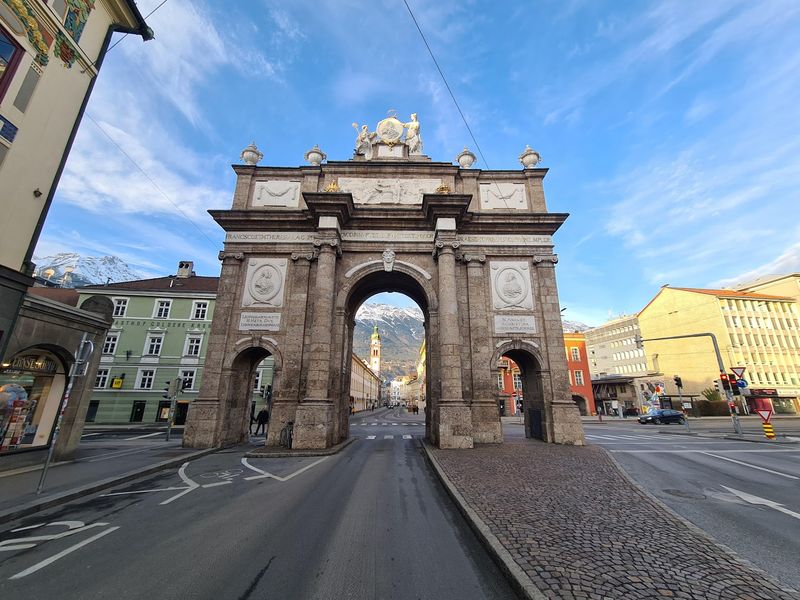
Breakfast among imperial buildings, lunch on a mountain: Innsbruck makes that day possible. Few European cities put you so close to real Alpine slopes.
The Nordkette range rises right above town and can be reached directly from the city. Many other ski areas sit around the region too.
The official tourism authority says the Seegrube viewpoint is about 25 minutes from the Old Town, which is shorter than many commutes.
Winter fun goes beyond skiing. You can try tobogganing, snowshoeing or mountain hiking, then return for the festive season, which brings seven Christmas markets.
That mix makes Innsbruck a smart choice for groups with different tastes. One person can chase fresh powder while another explores museums, sips coffee and shops for souvenirs.
Everyone meets up in the evening with rosy cheeks and plenty of stories. Few places balance city life and snowy peaks so smoothly.
Madeira, Portugal
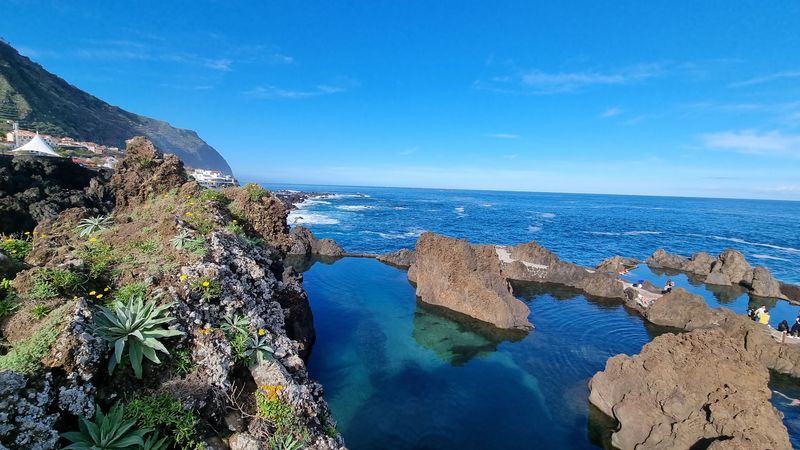
Swimming in January sounds like a dare, yet on Madeira it is real. Sea temperatures hover around 18°C even in winter, so brave visitors can still take a dip while much of Europe bundles up.
This Atlantic island flips the usual winter script. Instead of snow, you get mild air, lush green mountains and coastlines that are comfortable to explore.
Tourism officials say lower areas rarely fall below about 15°C, though the mountains can be cooler and wetter, so a light rain jacket is smart.
Levada walks are quieter in winter, which means peaceful paths beside narrow water channels and fewer people in your photos.
The biggest party arrives at the end of the year. The New Year’s Eve fireworks over Funchal Bay are one of the island’s signature events and draw a happy crowd.
If you crave a break from cold, gray days, Madeira makes a bright, breezy escape.
Copenhagen, Denmark
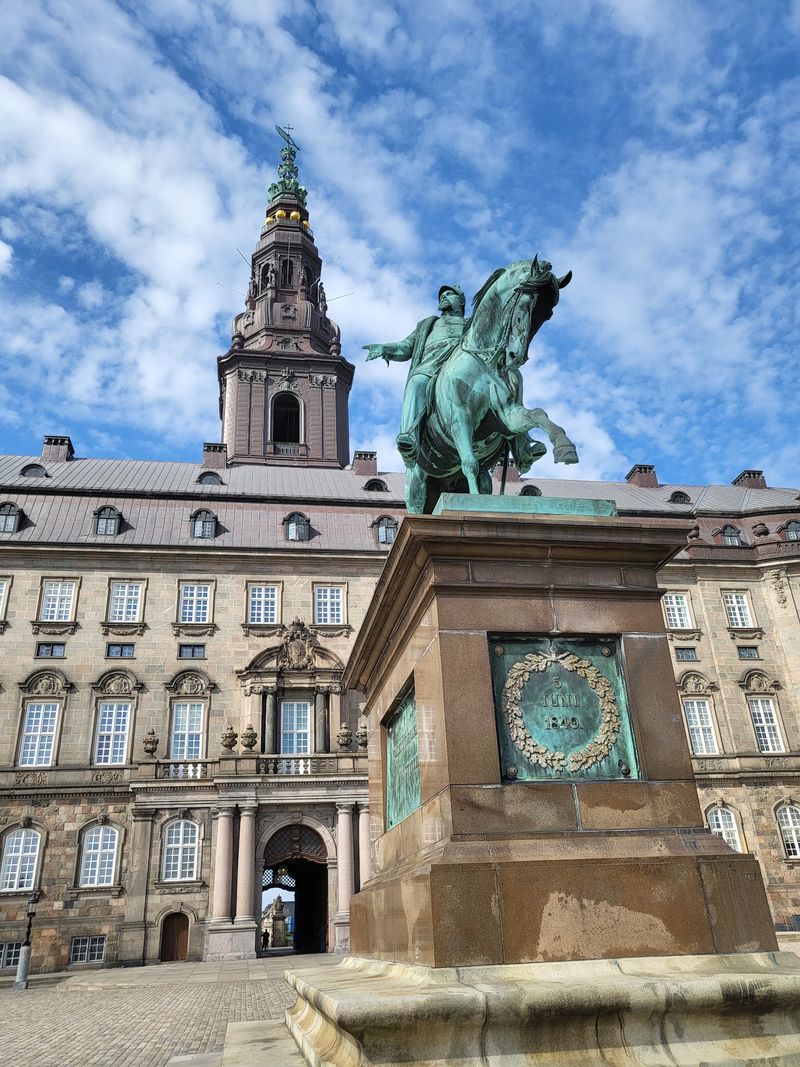
Danes do not fight the dark months. They light a candle and get on with the fun.
Copenhagen turns short days into an excuse for long cafe stops and cozy dinners, all wrapped in the idea of hygge.
Not everything is indoors, though. Outdoor skating rinks pop up, sauna sessions are popular, and some locals even swim in icy water.
You can try it, or just cheer from the dock with a warm drink.
November and December bring Christmas lights and markets across the city. Tivoli Gardens becomes one of the biggest festive attractions, sparkling with color after sunset.
Once January and February roll in, holiday crowds thin out. Museums, bakeries and cultural events take center stage, and it is easier to grab a table.
Visit Copenhagen describes winter as a great time to mix cozy indoor moments with a few deliberately chilly outdoor traditions. That sounds like a pretty tasty plan.
Vienna, Austria
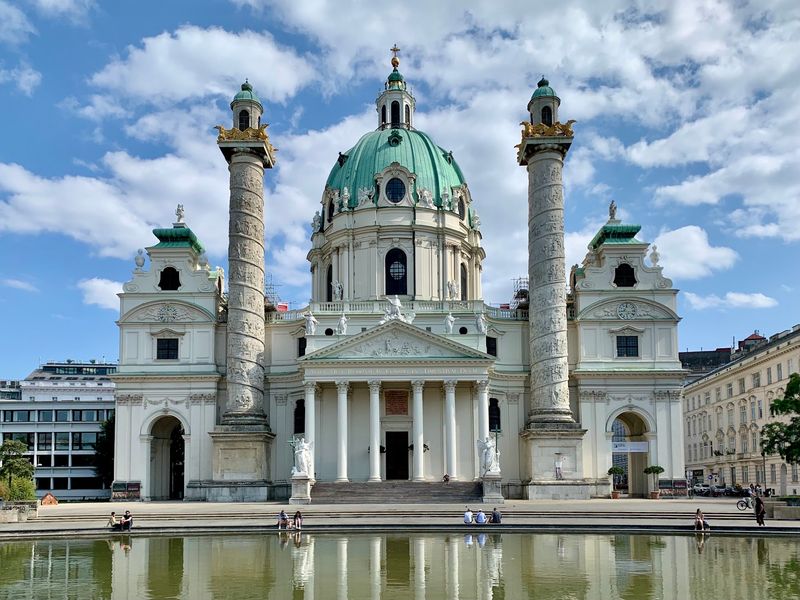
Coffee and cake taste better when you are wearing a wool coat. Vienna’s grand buildings look even grander in winter, and the city seems to know it.
From mid-November, Christmas markets take over some of the most impressive spots, including Rathausplatz, Schönbrunn Palace and Belvedere Palace. Lights, wooden stalls and sweet smells make evening walks a treat.
After Advent ends, the appeal continues. Coffee houses stay toasty, skating rinks keep spinning, and the traditional ball season brings gowns and waltzes to the city.
Cold weather also nudges travelers to slow down and linger inside palaces and world-class art collections instead of rushing between outdoor sights. You see more, and your toes stay warmer.
For culture lovers, winter can make Vienna feel more purposeful, not just colder. Each stop on your list becomes a reward for braving the chill.
Bled, Slovenia
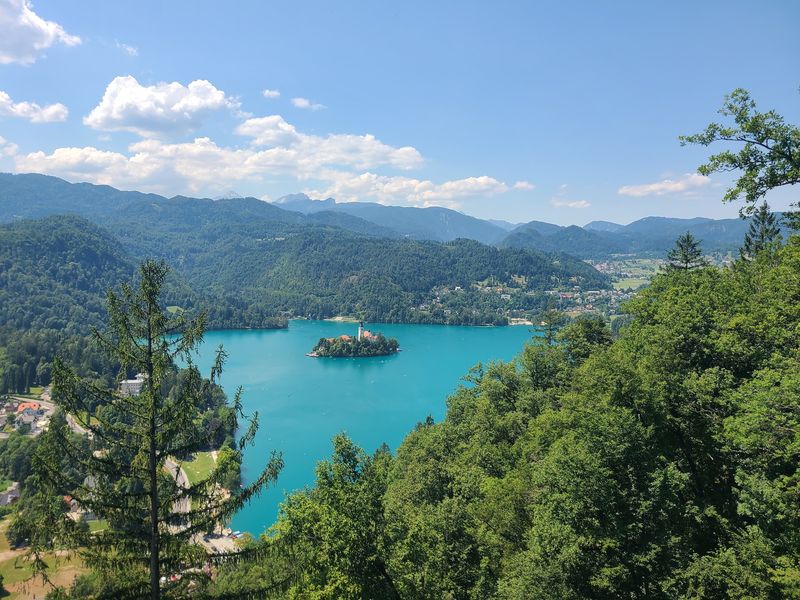
Summer crowds vanish, and Lake Bled finally exhales. The famous view of the island church and the cliffside castle looks even dreamier with snow on the mountains and rooftops.
The local tourism authority describes the season as especially peaceful. Instead of swimming and boating, visitors enjoy lakeside walks, horse-drawn carriage rides, wellness centers and wide Alpine views.
Skiers have options close by. Ski areas around town include Vogel, Kranjska Gora, Krvavec and Soriška planina, so you can mix a mountain day with a calm evening by the water.
One word of honesty: snow at lake level is never guaranteed. Check the forecast and keep your plans flexible.
When flakes do arrive, the mix of Bled Castle, the island church and the Julian Alps creates one of Slovenia’s most memorable winter scenes. Bring a camera and a thermos.
Malta
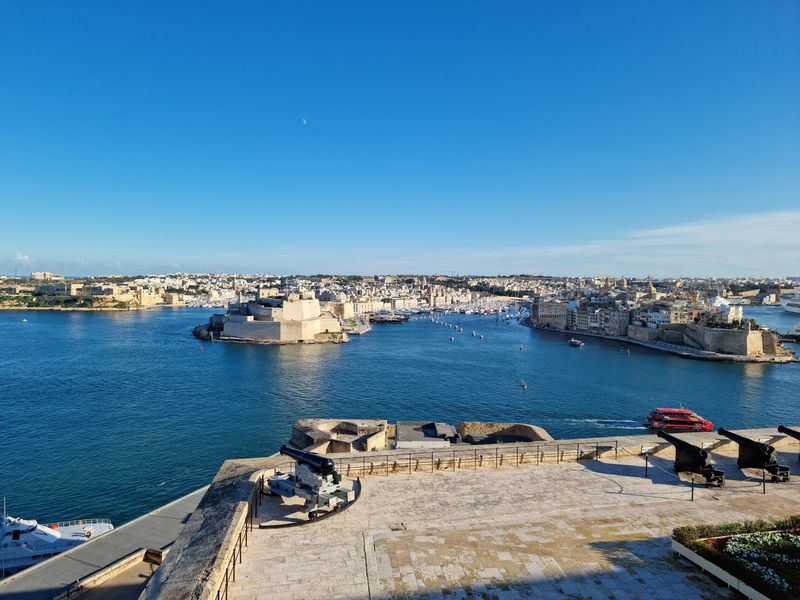
Around 300 days of sunshine a year is a bold claim, and Malta’s national tourism authority proudly makes it. Winters here are remarkably mild, which is music to the ears of anyone tired of gray skies.
That gentle weather is perfect for exploring Valletta’s fortifications without sweating through your shirt. Archaeological sites, coastal trails and the quieter island of Gozo all feel more relaxed than in midsummer heat.
Do not pack only swimsuits, though. Winter is not guaranteed beach weather.
It is better suited to long walks, diving and sightseeing, so bring a light jacket for breezy evenings.
The islands are small, which helps a lot. You can combine historic cities, countryside and coastline in one trip without losing hours on the road.
For a winter escape that still delivers culture, Malta hits a sweet spot between warmth and wonder.
Prague, Czechia
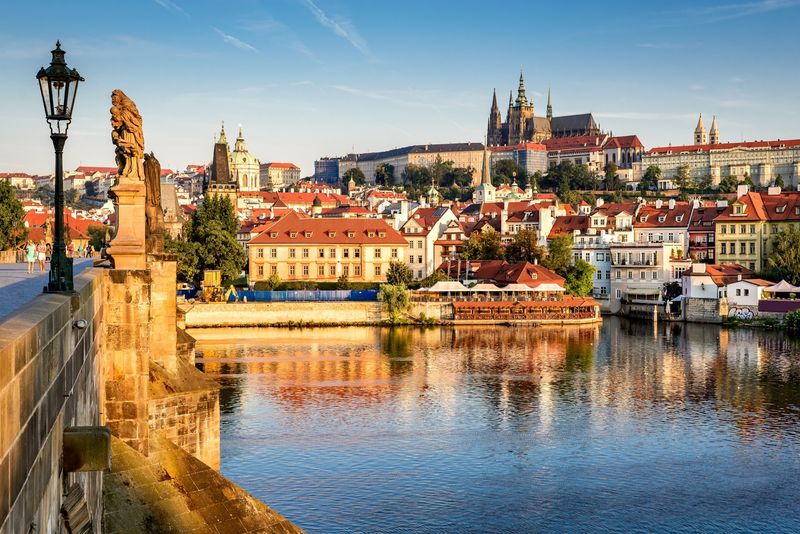
Cold morning mist on Charles Bridge is hard to forget. Prague’s Gothic towers and Baroque facades take on a moody, cinematic look in winter, especially under fresh snow.
Advent brings Christmas markets and glowing streets to the Old Town. After New Year, holiday visitors head home, and the colder weeks can feel calmer and more spacious.
Winter also plays to the city’s indoor strengths. Historic cafes, concert halls, churches and museums give you cozy places to warm up between sights.
Hearty Czech food fits the season perfectly, with rich stews and dumplings that make cold fingers feel like a distant memory. Shorter sightseeing lines are another sweet bonus.
Prague City Tourism releases its Christmas programming for 2026-2027 seasonally, so check ahead for dates. Even outside the festive period, the mix of architecture, food and fewer crowds makes the colder months a smart time to visit.
Share this story