Some of the most convincing straight romantic leads in TV and film history were actually played by openly gay actors. That might surprise you, but it speaks to something real about the craft of acting.
Talent does not have a sexual orientation, and the performances on this list prove that point clearly. From charming con artists to brooding romantic heroes, these actors stepped into straight roles and delivered characters that audiences fell in love with, argued about, and still talk about today.
Whether it was a womanizing best friend in a beloved sitcom, a Netflix heartthrob in period costume, or a prison escape mastermind with a complicated love story, each actor brought something genuine and memorable to the screen. This list looks at 13 gay actors whose straight characters became some of the most iconic in entertainment history.
Neil Patrick Harris As Barney Stinson In How I Met Your Mother
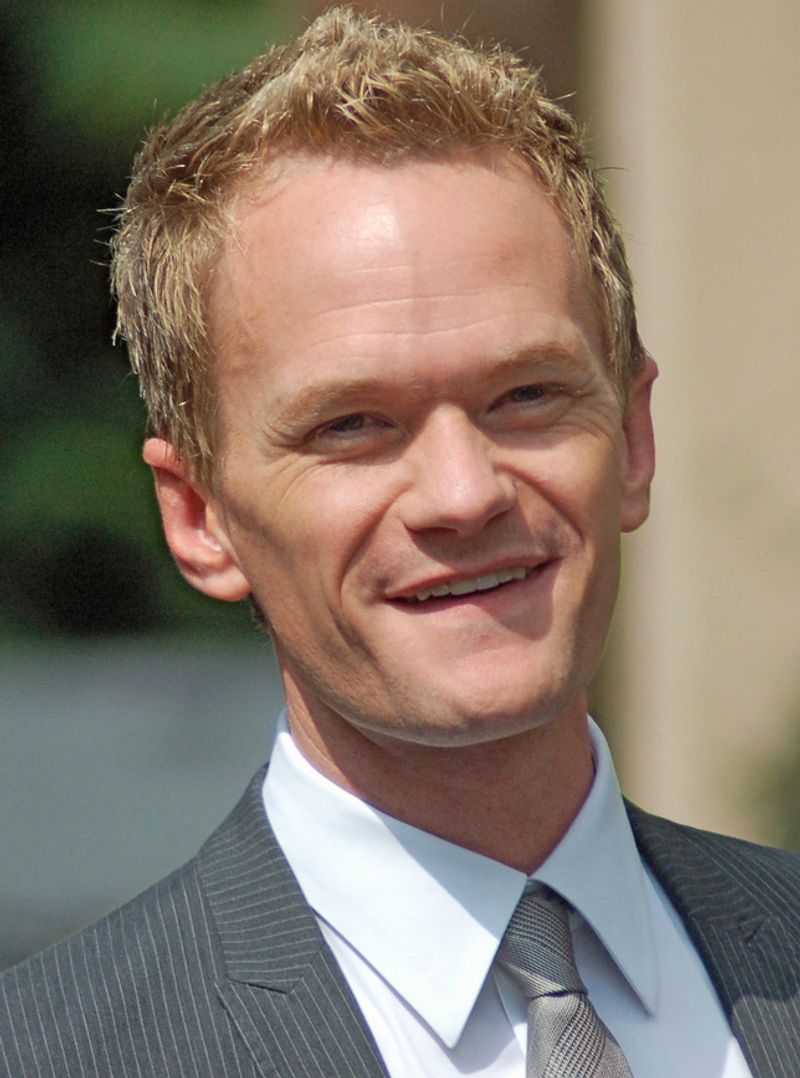
Few sitcom characters are as loudly, aggressively heterosexual as Barney Stinson, which makes Neil Patrick Harris’s portrayal even more remarkable in hindsight. Harris came out publicly in 2006, right in the middle of How I Met Your Mother’s run, and the show never missed a beat.
Barney was built around an exaggerated pursuit of women, complete with elaborate schemes, catchphrases, and a wardrobe of expensive suits. Harris played every bit of it with perfect comic timing and genuine charisma.
The character could have come across as a shallow caricature, but Harris gave Barney real heart underneath the bravado.
By the final seasons, Barney’s journey toward love and vulnerability became one of the show’s most emotionally satisfying arcs. Harris earned Emmy nominations for the role and remains one of the most celebrated comic performers of his generation.
Barney Stinson is proof that great acting transcends personal identity.
Jim Parsons As Sheldon Cooper In The Big Bang Theory
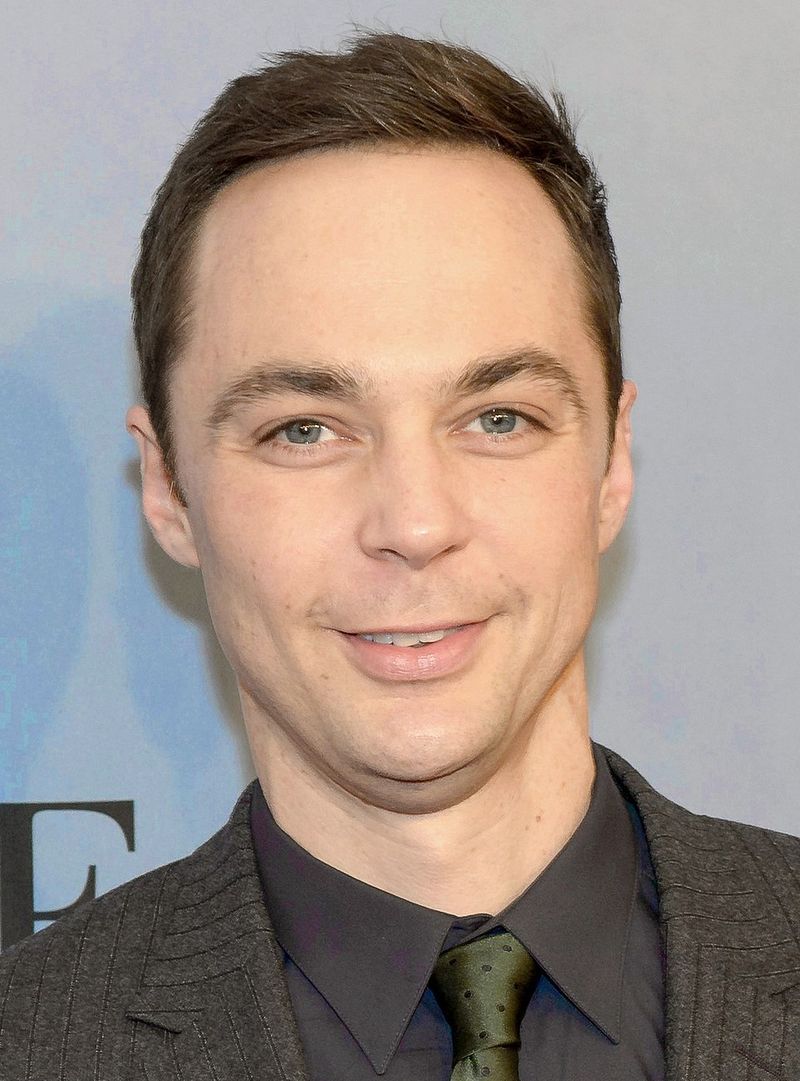
Jim Parsons came out in a 2012 New York Times profile, and by that point he had already been playing Sheldon Cooper for five seasons on The Big Bang Theory. Sheldon is one of the most distinctive characters in modern sitcom history, a theoretical physicist with rigid social rules and almost no emotional range.
What made Parsons’s performance so extraordinary was how he slowly revealed Sheldon’s capacity for connection, particularly through his relationship with Amy Farrah Fowler. What began as an awkward intellectual pairing grew into a genuine and deeply funny love story that carried the show through its later seasons.
Parsons won four Emmy Awards for the role, a record for a comedy performance. When the Young Sheldon series ended, Parsons and Mayim Bialik returned as older Sheldon and Amy for the finale, giving the couple a full-circle moment.
The character remains a cultural touchstone.
Jonathan Bailey As Anthony Bridgerton In Bridgerton
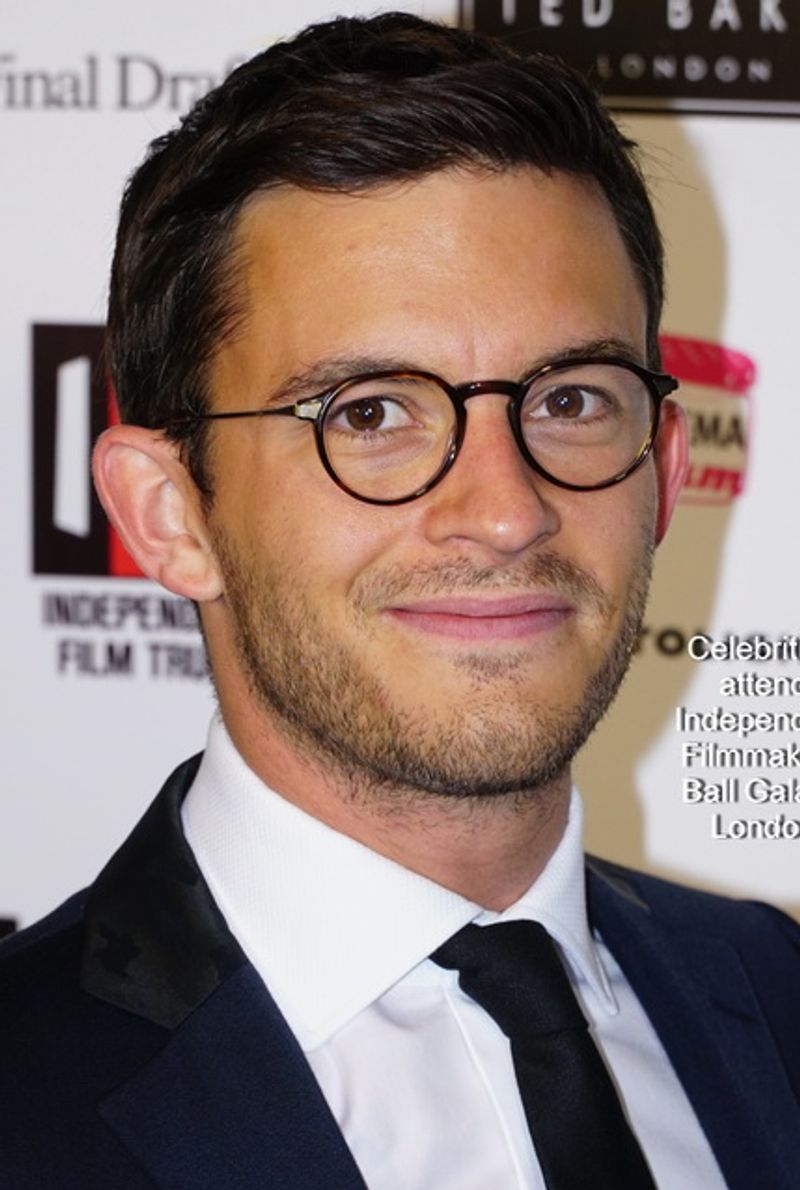
Jonathan Bailey has spoken openly about his sexuality and described it as part of his personal and professional journey. That openness has only made his performance as Lord Anthony Bridgerton more impressive to fans who follow both the show and his public life.
Anthony Bridgerton is one of Netflix’s most successful straight romantic leads, a viscount with a commanding presence who falls deeply and turbulently in love with Kate Sharma in the second season. The chemistry Bailey built with Simone Ashley made their storyline one of the most talked-about romantic arcs in recent streaming history.
Bailey’s physical commitment to the role, combined with his ability to show vulnerability beneath Anthony’s stern exterior, gave the character real depth. He returned in later seasons with the same intensity.
His work in Bridgerton helped establish him as a major leading-man talent on both sides of the Atlantic, earning widespread critical praise.
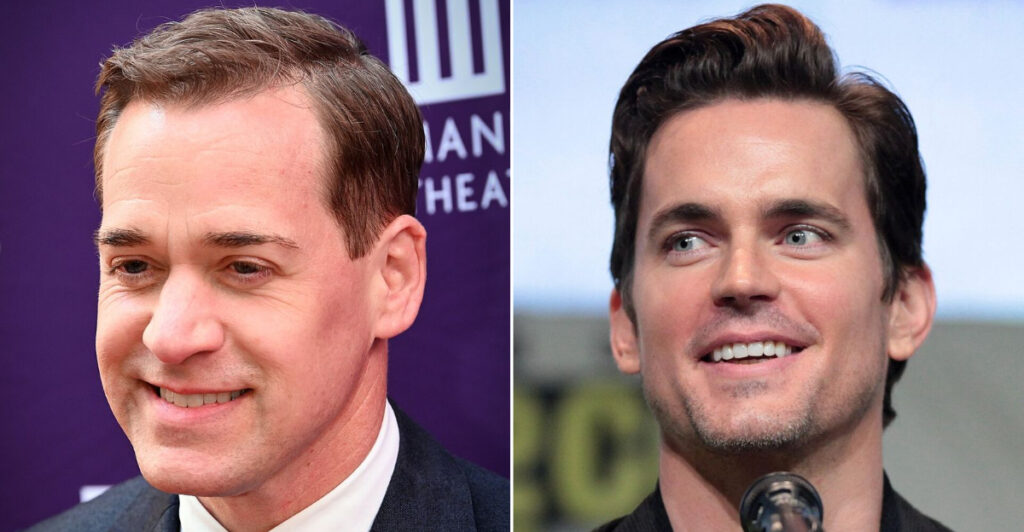
Matt Bomer As Neal Caffrey In White Collar
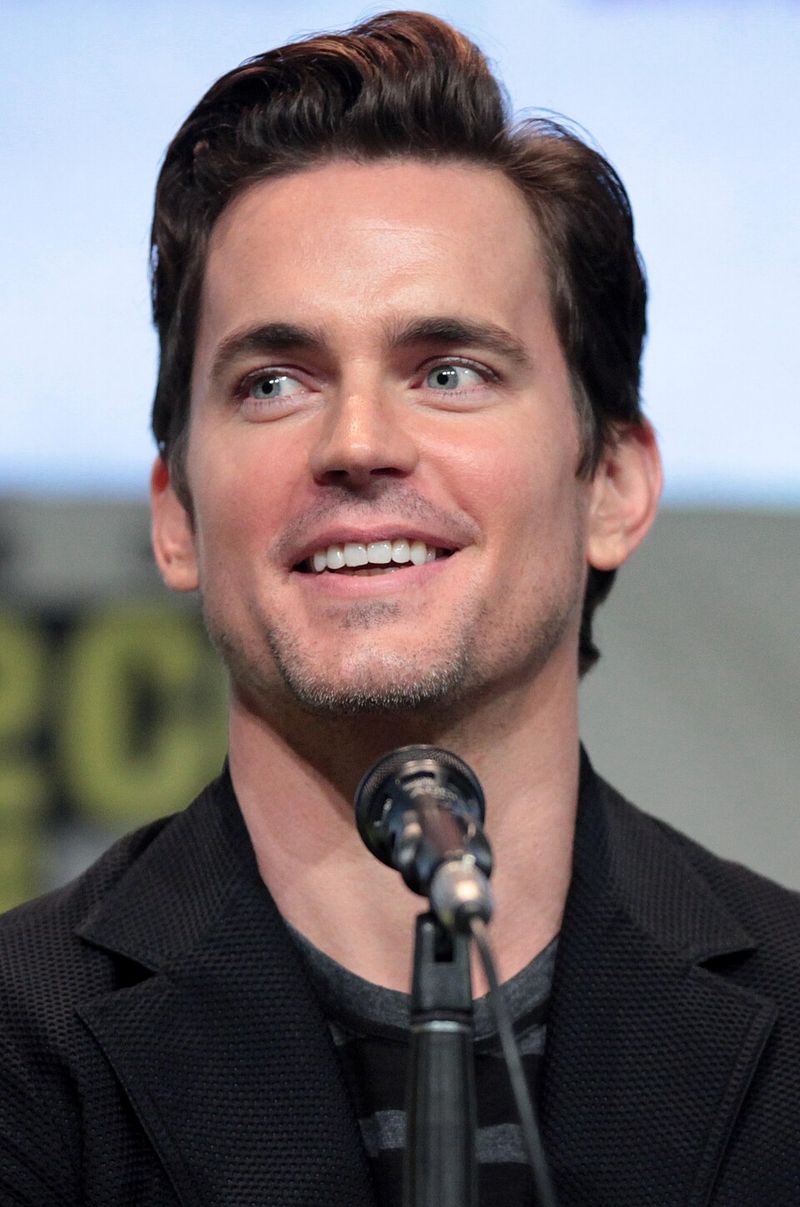
Matt Bomer has one of the most classically cinematic faces in television, and the producers of White Collar leaned into that completely when casting him as Neal Caffrey. Bomer has spoken openly about being gay and has also reflected on spending years being cast as a traditional straight leading man before his public coming out.
Neal Caffrey is a charming, stylish con artist who works alongside the FBI, and the character’s appeal rests almost entirely on Bomer’s ability to project effortless charisma and romantic magnetism. The show ran for six seasons, and Bomer held the center of it with complete conviction.
What is interesting about Neal is that his appeal was never just about action or cleverness. It was about presence, the way he walked into a room and owned it.
Bomer delivered that quality naturally, making Neal one of the most watchable characters of his era in cable drama.
Wentworth Miller As Michael Scofield In Prison Break
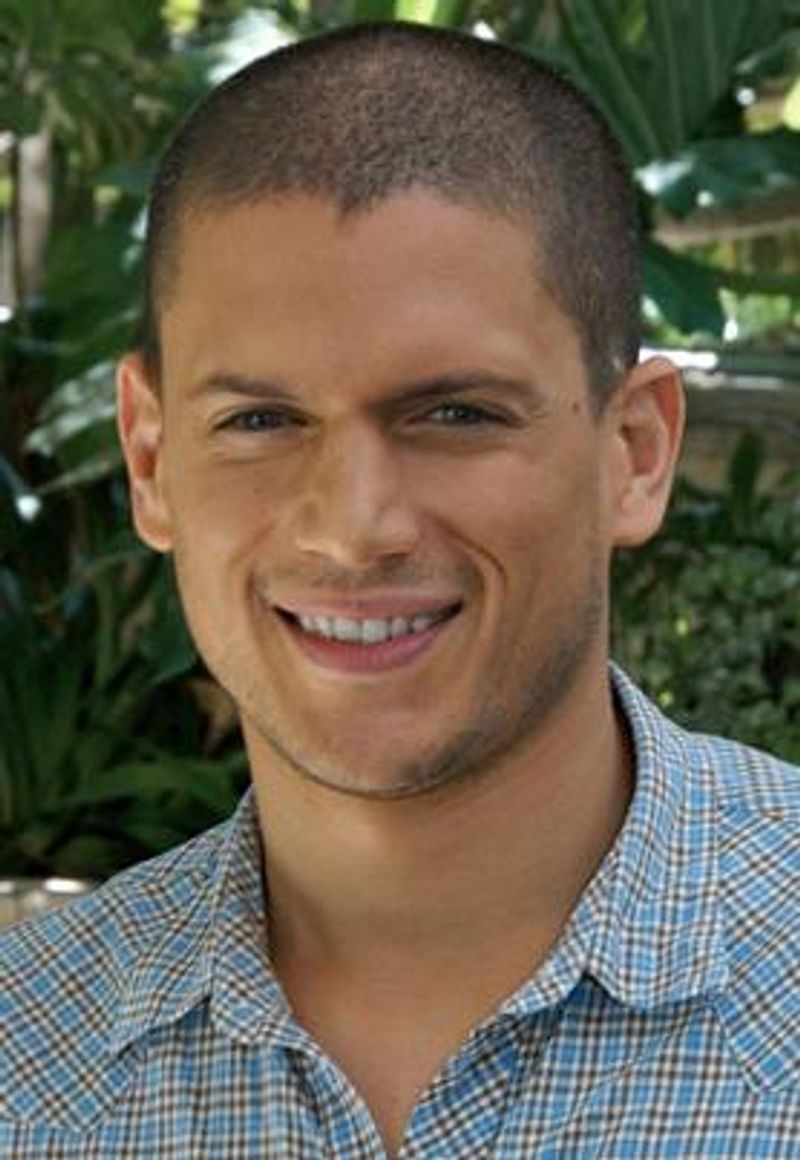
Prison Break built its entire premise around Michael Scofield’s intelligence, sacrifice, and love for his brother, but the show also gave Michael a central romantic storyline with Dr. Sara Tancredi. Wentworth Miller played that relationship with quiet sincerity, making it one of the emotional anchors of the series.
Miller came out publicly in 2013, years after Prison Break had already made him a global star. The show ran from 2005 to 2009 and was later revived in 2017.
Michael Scofield’s romance with Sara, who eventually became Sara Scofield, gave the thriller series a human warmth that kept audiences emotionally invested beyond the plot mechanics.
Miller has since stated that he no longer wants to play straight characters, a decision he has explained thoughtfully in public statements. That choice makes his earlier body of work, especially Michael Scofield, feel like a distinct chapter in a career that has evolved meaningfully and on his own terms.
T.R. Knight As George O’Malley In Grey’s Anatomy
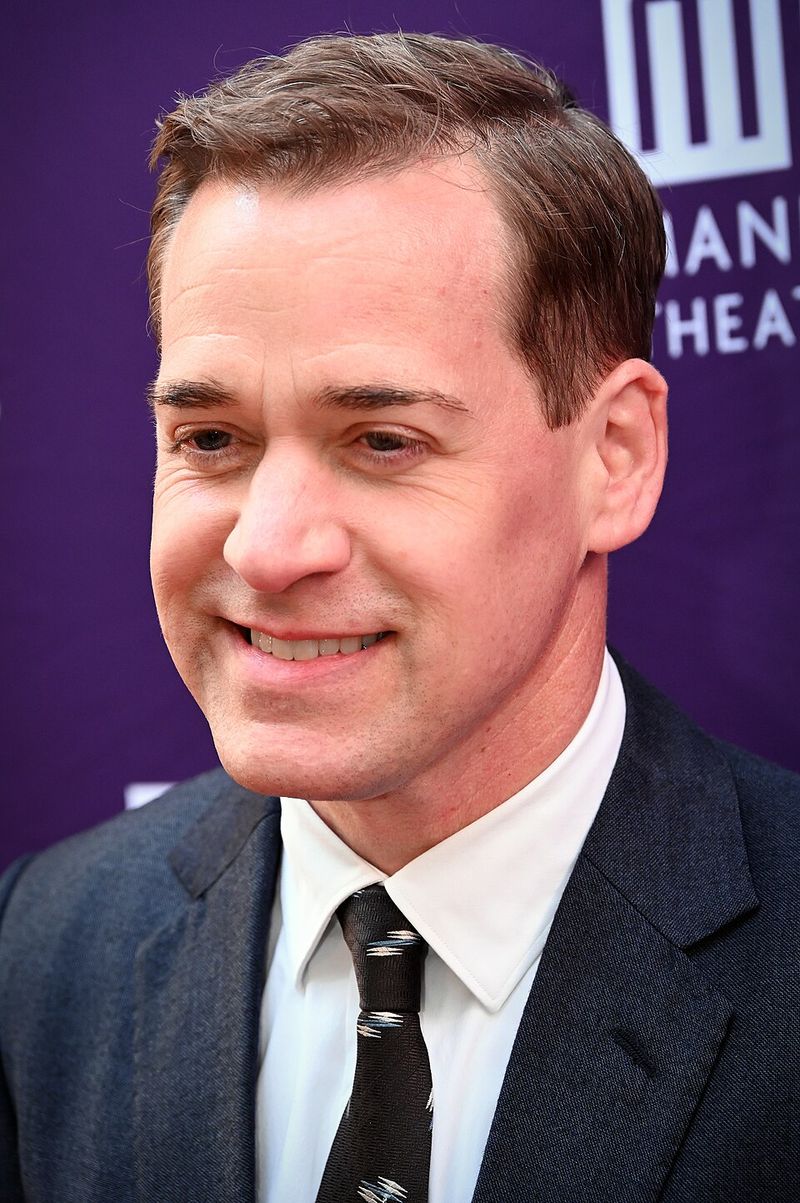
George O’Malley was one of Grey’s Anatomy’s original interns, a kind and earnest character who struggled to find his footing while navigating complicated relationships with nearly every woman in his orbit. T.R.
Knight played George with a soft vulnerability that made him instantly likable.
Knight came out as gay during his time on the show, a period that reportedly involved personal tension on set. Despite that, his performance never wavered.
George’s heterosexual storylines included a marriage to Callie Torres, romantic tension with Meredith Grey, and relationships with Izzie Stevens and Olivia. Knight made each dynamic feel honest and emotionally real.
George was never the flashiest character in the ensemble, but he was often the most emotionally affecting. Knight brought a quiet authenticity to scenes that could have easily felt melodramatic.
His departure from the show at the end of season five remains one of the most emotional moments in the series’ long run.
David Hyde Pierce As Niles Crane In Frasier

Niles Crane might be the most romantically devoted character in sitcom history. His years-long, unrequited love for Daphne Moon is the emotional spine of Frasier, and David Hyde Pierce played every stage of it with a precision that earned him four Emmy Awards for the role.
Pierce is openly gay, and he brought something genuinely tender to Niles that went beyond the character’s comedic pomposity. Niles begins the series in a marriage to the unseen Maris and spends the better part of a decade longing for Daphne from across the room.
When they finally get together, the payoff feels completely earned.
What makes Pierce’s performance remarkable is how he balanced the comedy with real feeling. Niles was funny because of his pretension, but he was lovable because of his sincerity.
Pierce made both qualities coexist naturally, giving Frasier one of its most enduring characters across all eleven seasons of the original series run.
Andrew Scott As The Hot Priest In Fleabag
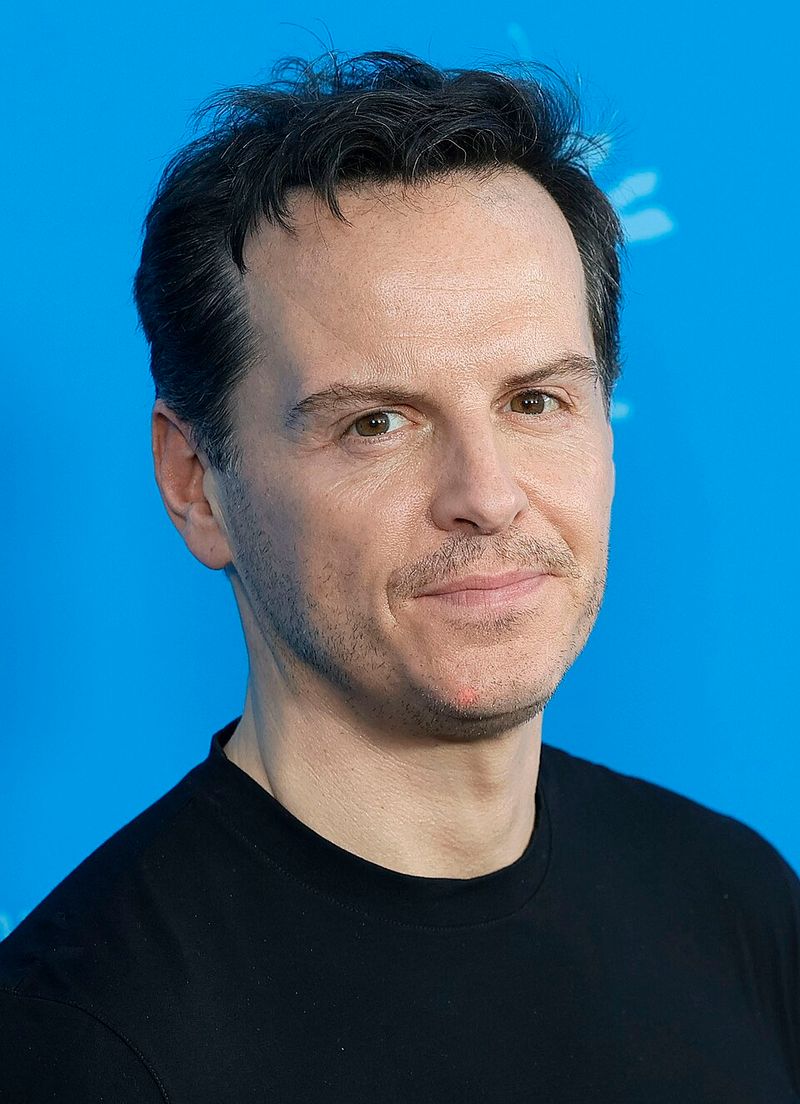
The character known simply as the Priest in Fleabag does not have a name in the script, but he became one of the most talked-about romantic figures on television the moment season two aired. Andrew Scott, who came out publicly in 2013, brought a disarming openness to the role that made the character impossible to look away from.
The tension between the Priest and Fleabag works because Scott played it as genuinely mutual and emotionally complex, not as a joke or a plot device. The character’s faith is real, his attraction to Fleabag is real, and the conflict between those two things is handled with remarkable care.
Phoebe Waller-Bridge wrote the role with Scott in mind, which says something about the specific quality he brings to performance. His ability to be simultaneously warm, funny, and heartbreaking made the Priest a cultural phenomenon.
The phrase hot priest entered the pop culture vocabulary almost immediately after the season premiered.
Luke Evans As Gaston In Beauty And The Beast
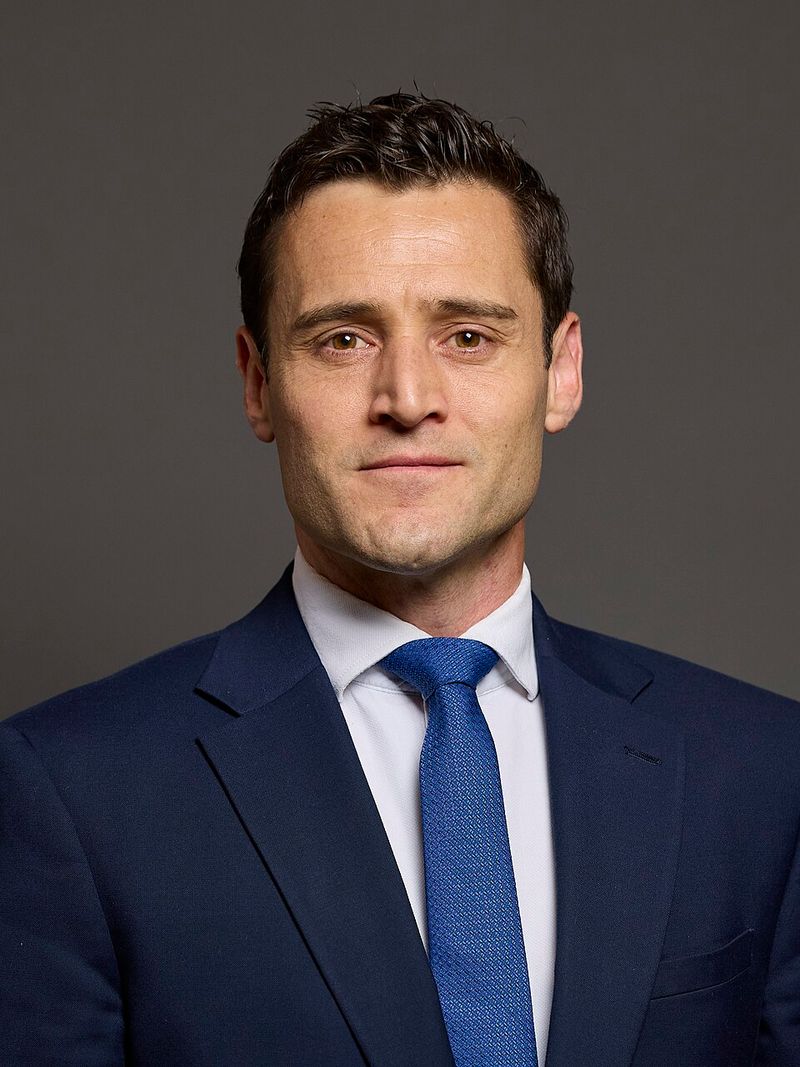
Gaston is one of Disney’s most deliberately over-the-top straight characters, a man so consumed by masculine vanity and obsessive pursuit of Belle that he becomes the film’s central villain. Luke Evans, who is openly gay, played the live-action version of Gaston in the 2017 Beauty and the Beast film with enormous physical commitment and obvious enjoyment.
Evans leaned into Gaston’s absurdity without making the character a parody. The performance stays grounded in Gaston’s genuine belief in his own superiority, which makes him both funny and genuinely threatening as the story progresses.
The musical number “Gaston” gave Evans a chance to showcase his singing voice alongside Josh Gad, and the sequence became one of the film’s highlights.
The 2017 film earned over one billion dollars globally, and Evans’s Gaston was widely praised as one of the adaptation’s strongest elements. He made a cartoon villain feel like a real, if ridiculous, human being.
Zachary Quinto As Sylar In Heroes
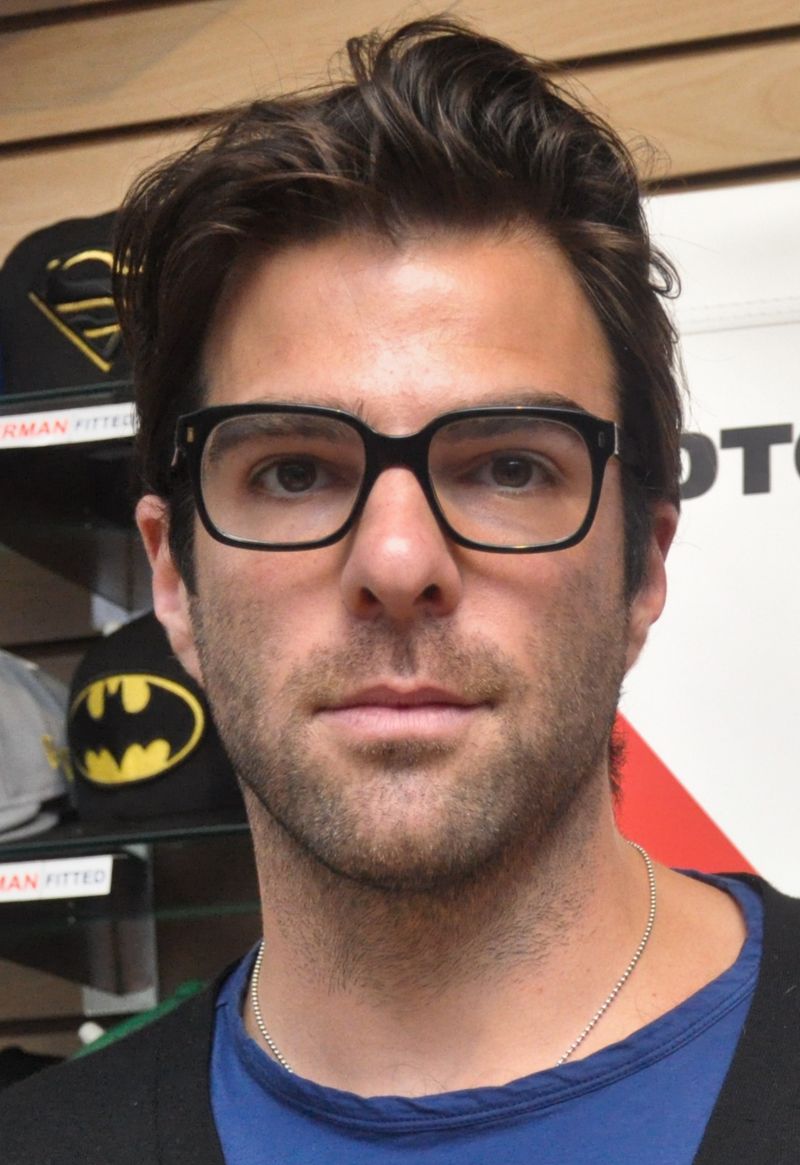
Before Zachary Quinto became known for playing Spock in the Star Trek film series, he built his television reputation as Sylar in Heroes, one of the most compelling villains in superhero TV history. Quinto came out publicly in 2011, a few years after Heroes premiered to massive viewership in 2006.
Sylar is a complex antagonist whose storyline spans multiple seasons and includes a future son, shifting alliances, and a character arc that explored identity in genuinely interesting ways. None of that arc was written as queer.
Quinto played the character’s menace and internal conflict with a controlled intensity that made Sylar one of the show’s most watchable presences even when the writing became uneven.
Quinto’s ability to suggest layers of pain and calculation beneath Sylar’s surface gave the villain a psychological weight that elevated the material. Heroes would not have had nearly the same impact in its first two seasons without his performance anchoring the threat.
Colton Haynes As Roy Harper In Arrow
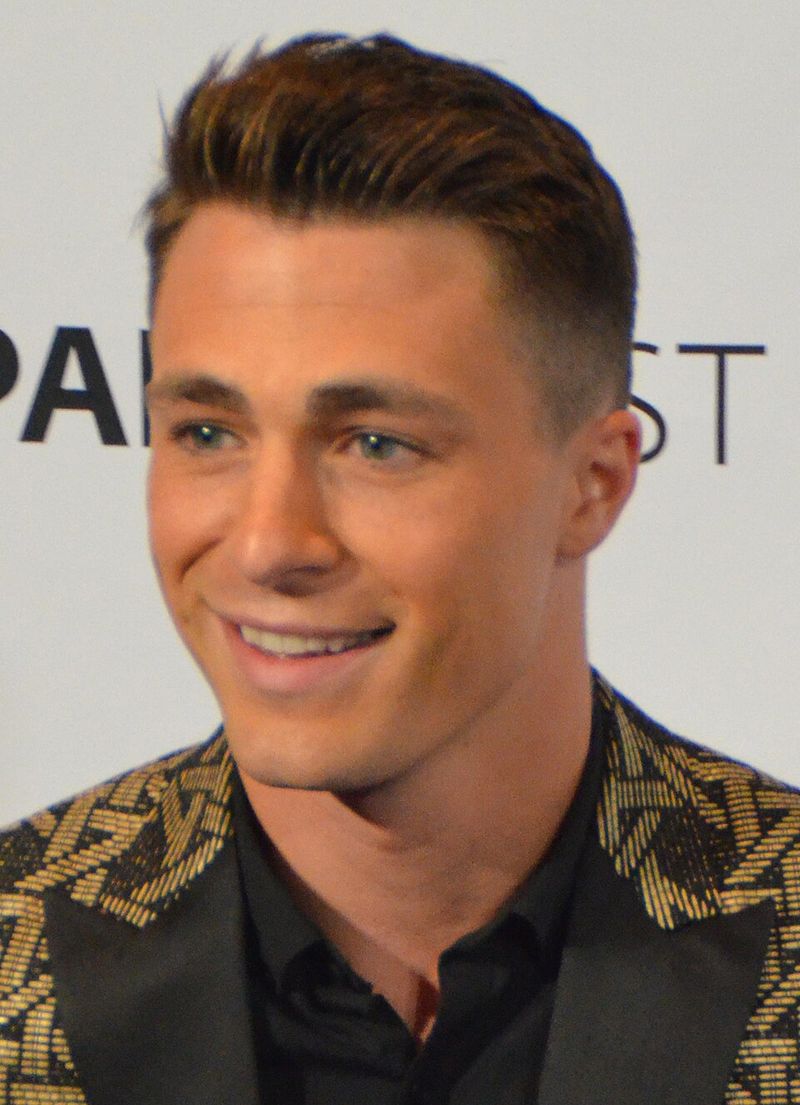
Roy Harper is introduced in Arrow as a street-level kid from the Glades with quick instincts and a stubborn streak, and Colton Haynes brought a restless energy to the role that made Roy stand out in a large ensemble cast. Haynes came out publicly as gay after years of public pressure around his personal life and image.
On the show, Roy’s storyline centers heavily on his relationship with Thea Queen, Oliver’s sister, which becomes one of Arrow’s more emotionally consistent romantic threads across multiple seasons. Haynes played the dynamic with warmth and a believable sense of protectiveness.
Roy eventually becomes Arsenal, taking on a hero identity of his own, and Haynes handled the action demands of the role with clear physical commitment. He left the show in season three but returned in later seasons, which reflected how much the character resonated with the audience.
Roy Harper became one of Arrow’s more reliable and genuinely likable supporting figures.
Victor Garber As Jack Bristow In Alias
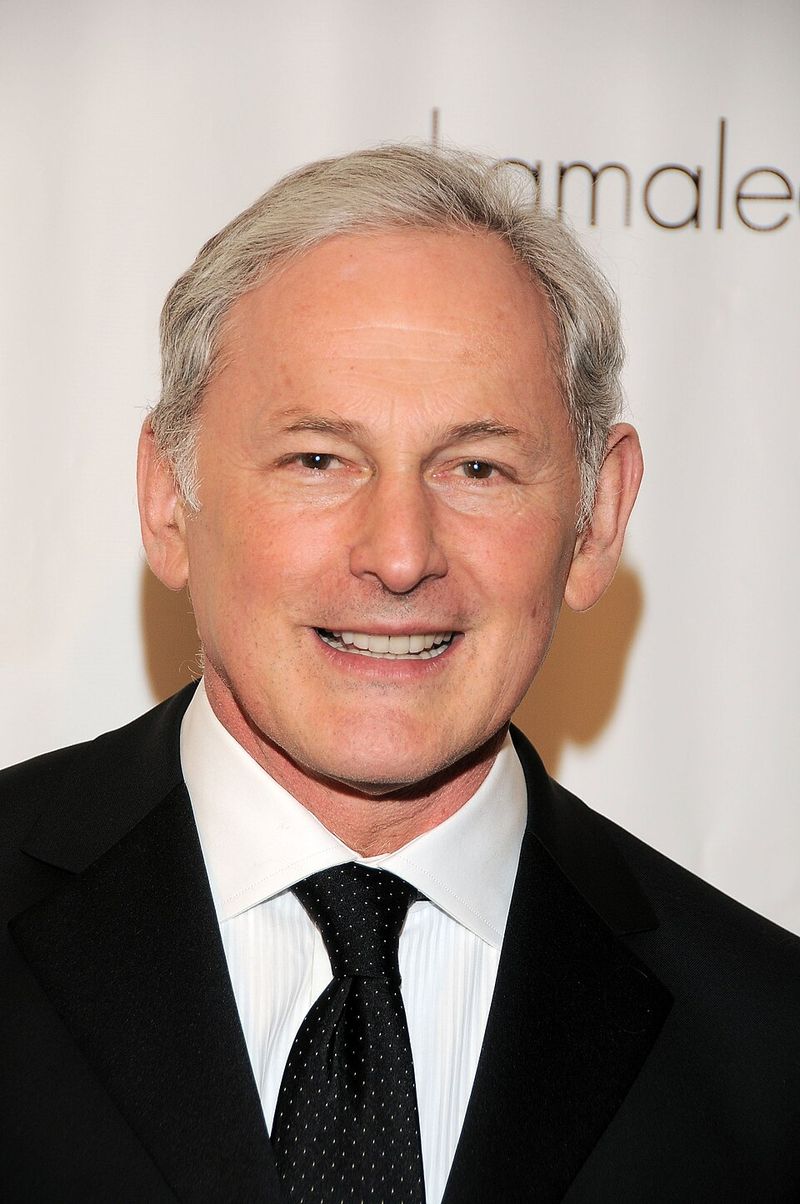
Jack Bristow is one of television’s great cold-on-the-surface, burning-underneath father figures, and Victor Garber played him across all five seasons of Alias with a controlled restraint that made every emotional crack in the character feel significant. Garber came out publicly in 2013, more than a decade after Alias premiered.
Jack’s backstory is built around his complicated marriage to the double agent Irina Derevko and his fierce, often painful effort to protect his daughter Sydney. The tension between his professional detachment and his deep paternal love gave Garber material that he used extraordinarily well.
What made Jack such a compelling straight male character was how much of his emotional life was defined by his relationships with women, particularly his wife and daughter. Garber found the humanity inside a character who could easily have been a cold plot device.
His chemistry with Jennifer Garner gave Alias its emotional core, and his work remains one of the most underappreciated performances in prestige TV drama.
Rupert Everett In Straight-Leaning Period And Leading-Man Roles
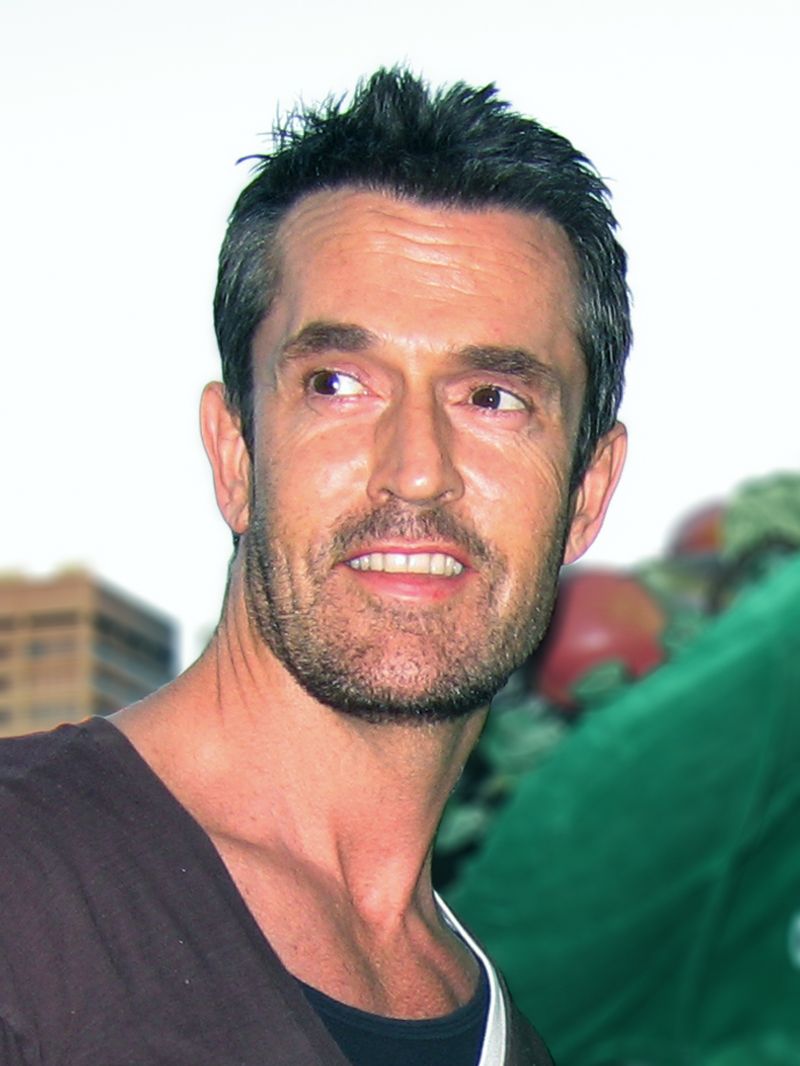
Rupert Everett has been openly gay for most of his public career and has spoken candidly about how that honesty affected the roles he was offered in Hollywood. He has described coming out as a professional risk that reshaped his career trajectory in significant ways.
Despite that, his filmography includes a range of roles set within straight social worlds, particularly in British period dramas and literary adaptations. His aristocratic bearing and sharp comic timing made him a natural fit for roles involving drawing rooms, formal manners, and complicated social hierarchies.
He is best remembered internationally for My Best Friend’s Wedding, where he played George, a gay best friend, but his broader career includes romantic and period roles that placed him squarely within heteronormative narratives. Everett’s willingness to discuss the real costs of being out in Hollywood makes his career an honest and important part of this conversation.
His talent was never the question.
Share this story