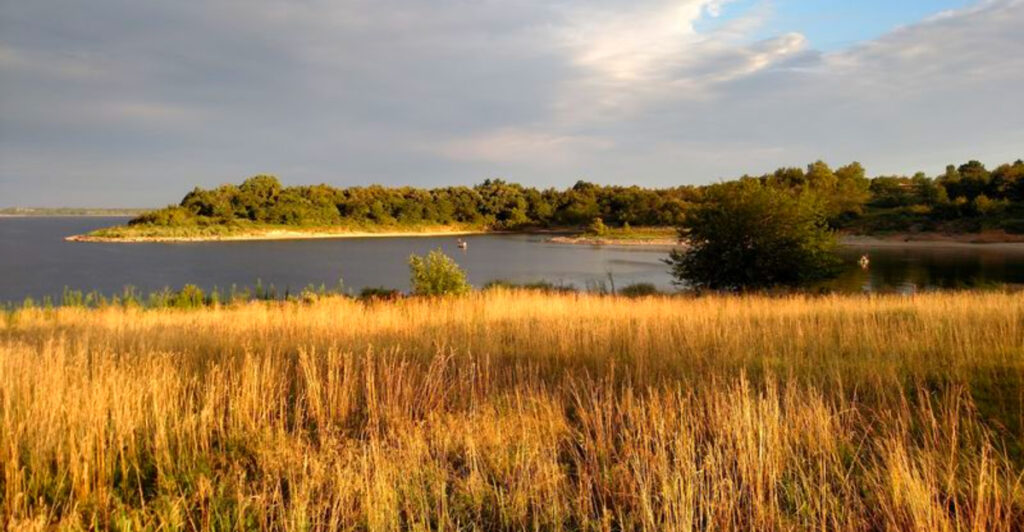
Kansas does not always get the credit it deserves, and that is a shame. Beneath those wide, open skies, you will find sandstone bluffs, glittering reservoirs, and tallgrass prairies that stretch so far your eyes will need a rest. The state has more than 20 state parks, and several of them rank among the most underrated camping destinations in the entire country. From the rugged Smoky Hills in the center of the state to the rolling High Plains of the northwest, each campground on this list offers something genuinely worth packing your tent for.
Some have wildlife colonies, ancient ruins, or Civil Conservation Corps history baked right into the landscape. Others simply offer the kind of quiet that city life cannot replicate. If you have ever doubted Kansas, these 13 campgrounds are about to change your mind completely.
1. Wilson State Park, Sylvan Grove, Kansas
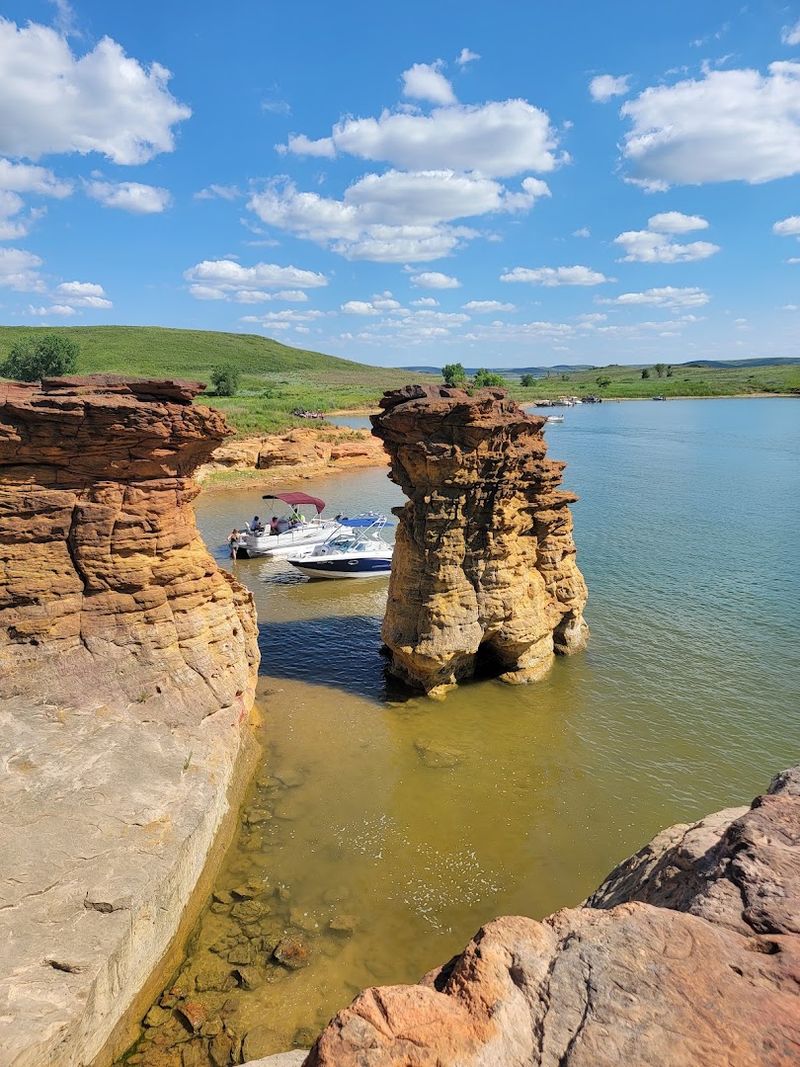
Limestone meets the lake at Wilson State Park, and the result is one of the most visually dramatic camping settings in central Kansas. The park covers 945 acres split between the Hell Creek and Otoe areas, giving campers a real choice in how they want to experience the landscape.
Tent sites, primitive spots, and cabin lodging are all available, with many campsites positioned to capture sweeping views across Wilson Reservoir. Anglers come specifically for the striped bass and walleye fishing, which is consistently productive here.
The Dakota Trail delivers some of the best prairie and reservoir views in the region, while the Switchgrass Bike Trail offers a scenic route for cyclists. Deer, bobwhite quail, and migratory birds are regular sights throughout the park. Wildlife watchers and hikers alike find Wilson State Park worth every mile of the drive to Sylvan Grove.
2. Kanopolis State Park, Marquette, Kansas
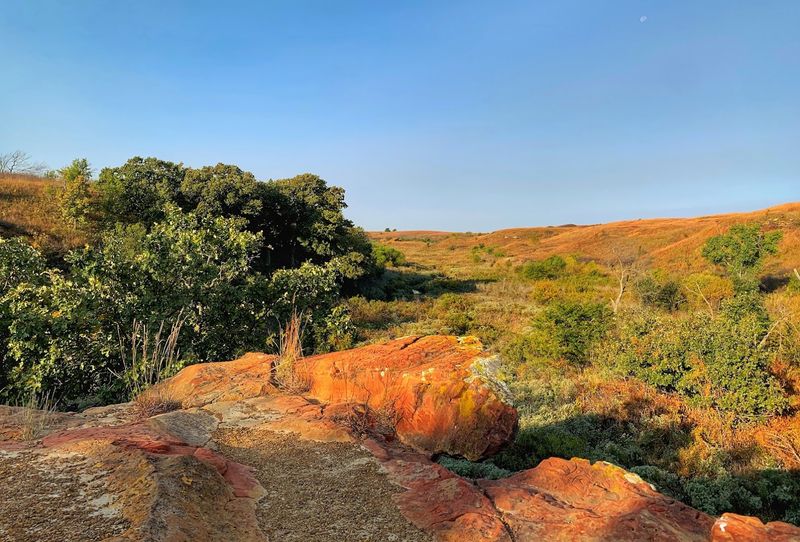
Kansas earned its first state park title here, and Kanopolis has been living up to that distinction ever since. The Smoky Hills region provides a dramatic backdrop of Dakota sandstone cliffs, wooded ravines, and open grasslands that feel genuinely wild.
Horsethief Canyon is the headline attraction, complete with caves and striking rock formations that reward hikers willing to put in the steps. A 26-mile multi-use trail system accommodates hikers, mountain bikers, and equestrians, with routes like the Prairie Trail leading to Red Rock Canyon.
Camping options range from utility sites and primitive spots to deluxe cabins for those who prefer a roof overhead. The 3,000-acre Kanopolis Lake offers fishing for crappie, catfish, wiper, and walleye, keeping anglers occupied for days. Few Kansas campgrounds pack this much geological drama and outdoor recreation into a single destination.
3. Prairie Dog State Park, Norton, Kansas
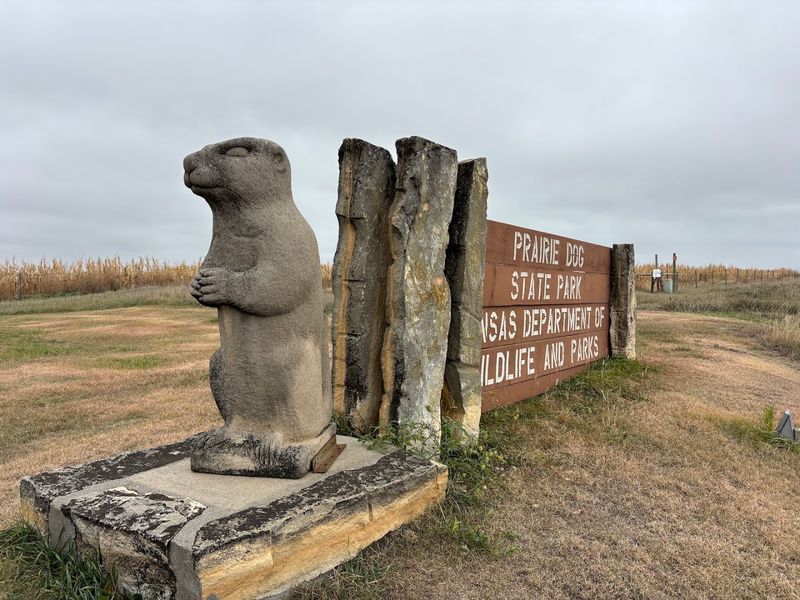
Out in northwestern Kansas, the horizon goes on forever, and Prairie Dog State Park leans into that fact with pride. The 1,150-acre park overlooks Keith Sebelius Reservoir and delivers a classic High Plains experience that feels authentically remote without being inconvenient.
The resident prairie dog colony, home to roughly 300 of these entertaining creatures, is unlike anything else in the Kansas state park system. History buffs will appreciate the preserved adobe house built in the 1890s and the restored one-room schoolhouse from 1886, both of which add surprising depth to a camping trip here.
With 215 campsites covering primitive to full hookup options, plus cabin lodging, the park serves a wide range of camping styles. A disc golf course, archery range, basketball court, and swimming beach round out the recreational lineup. The wide open skies here also make for exceptional stargazing after dark.
4. Milford State Park, Junction City, Kansas
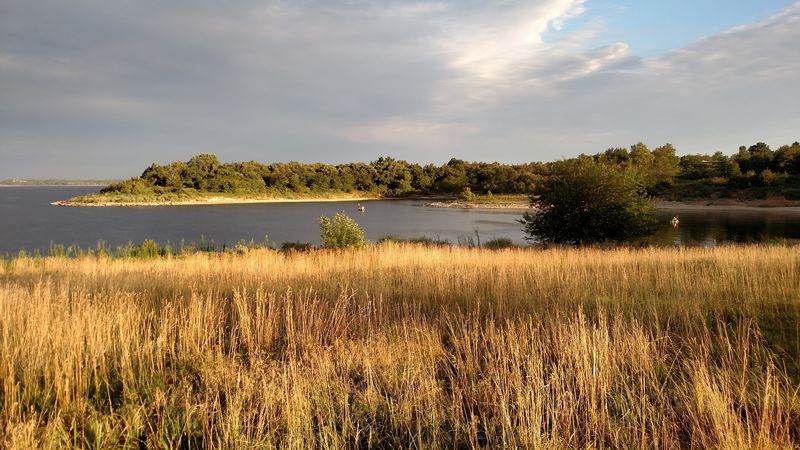
Kansas’s largest lake sets the stage at Milford State Park, where 163 miles of shoreline give campers more elbow room than most parks can dream of. The 1,084-acre park features 234 campsites ranging from primitive areas to full utility hookups, plus ten rental cabins positioned near the water.
Bald eagles are a regular winter sighting here, and the surrounding Flint Hills landscape gives the park a grounded, distinctly Kansas personality that lakeside parks in other states simply cannot replicate. Boating, fishing for walleye, crappie, bass, and catfish, and exploring the shoreline keep visitors busy for entire weekends.
Over 12 miles of trails accommodate hikers and horseback riders, and family-friendly extras like a splash pad and playgrounds make it a reliable choice for groups of all sizes. Sunsets over the open prairie sky here have a way of making campers forget they had anywhere else to be.
5. Pomona State Park, Vassar, Kansas
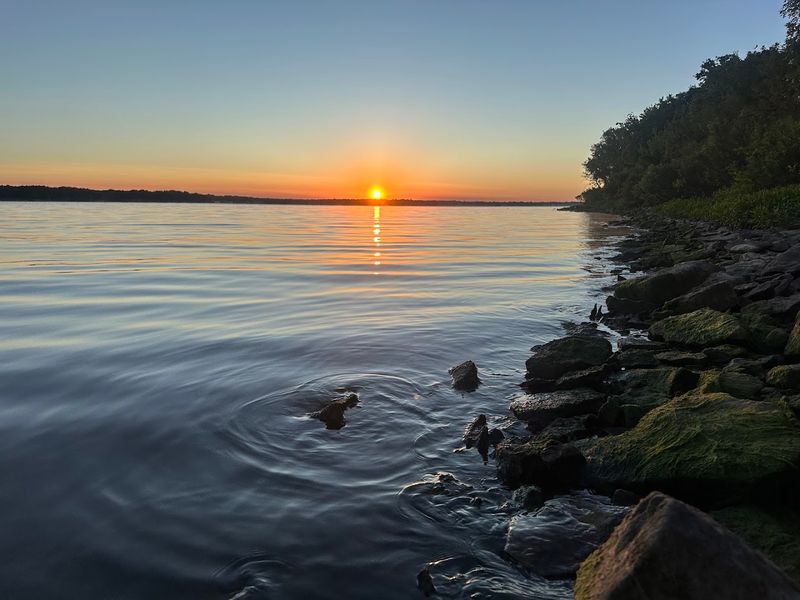
Pomona State Park sits at a fascinating ecological crossroads where eastern woodlands gradually give way to open prairie, creating a landscape that feels more varied than most Kansas campgrounds. The 490-acre park hugs the south shore of the 4,000-acre Pomona Reservoir and offers 342 campsites alongside four ADA-accessible modern cabins with lake views.
The Santa Fe Trail passed through this region, and remnants of that historic route add a layer of significance that goes well beyond the average camping trip. Trails like the Ah-Ke-Ta Trail and Witches Broom Nature Trail wind through prairie, forest, and lakefront terrain, offering genuinely varied scenery within a single hike.
Fishing for crappie, catfish, white bass, and wiper is popular on the reservoir, and the Blue Dasher Bike Trail keeps cyclists happy as well. Disc golf, volleyball, and basketball courts round out a recreational lineup that covers nearly every outdoor interest.
6. Clinton State Park, Lawrence, Kansas
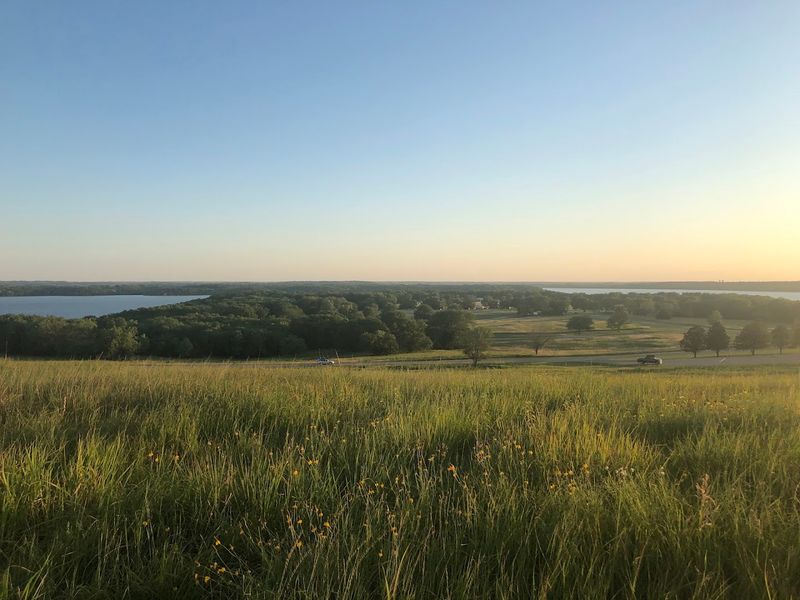
Perched 80 feet above Clinton Lake, this park offers reservoir views that most campers would not expect to find just minutes from a college town. Clinton State Park covers a wide stretch of native prairie and woodland, with 379 hard-surfaced campsites ranging from primitive spots to premium 50-amp sites and seven rental cabins, two of which sit right on the bluff overlooking Pelican Island.
The Prairieview Nature Trail is the park’s standout feature for prairie lovers, winding through native grasses and wildflowers that showcase exactly what Kansas looked like before development took hold. An additional 20 miles of hiking and biking trails thread through timber and grassland, keeping active visitors occupied from morning to evening.
Whitetail deer, wild turkey, waterfowl, and bald eagles are all regularly spotted within the park. An 18-hole disc golf course and archery range provide structured recreation for those who need a little more than a walk in the grass.
7. Eisenhower State Park, Osage City, Kansas
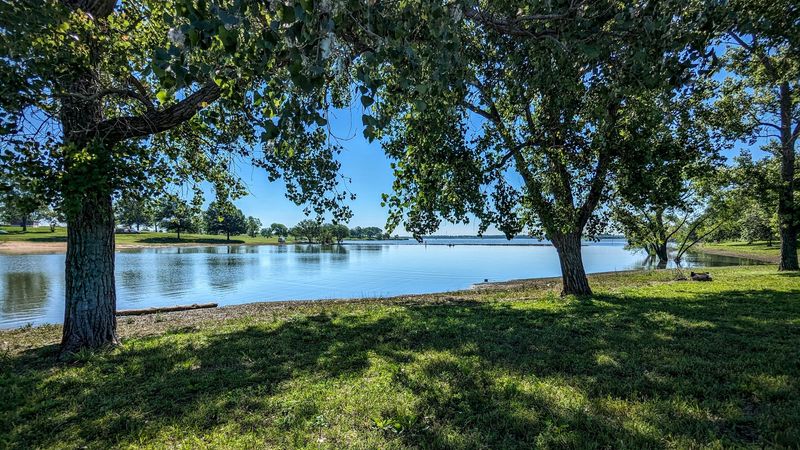
Named after Kansas’s only U.S. president, this 1,785-acre park carries some serious historical weight while delivering 1,000 acres of tallgrass prairie and 440 acres of mature woodland. Melvern Lake, spanning 6,930 acres, provides the water backdrop, and the combination of open grassland and lakeside scenery is genuinely hard to beat.
Campers choose from 163 utility sites, primitive camping areas, four modern cabins, and two yurts, giving the park flexibility for everyone from tent minimalists to comfort-seekers. Equestrian enthusiasts get their own dedicated campground with individual corrals, plus access to a 20-mile horse trail that also welcomes hikers and cyclists.
A 19-target archery trail, 18-hole disc golf course, swimming beach, and fly fishing pond fill out an impressive list of on-site activities. White-tailed deer, eastern wild turkey, bobwhite quail, and foxes are commonly spotted throughout the park’s varied terrain, making wildlife observation a reliable highlight of any visit.
8. Historic Lake Scott State Park, Scott City, Kansas
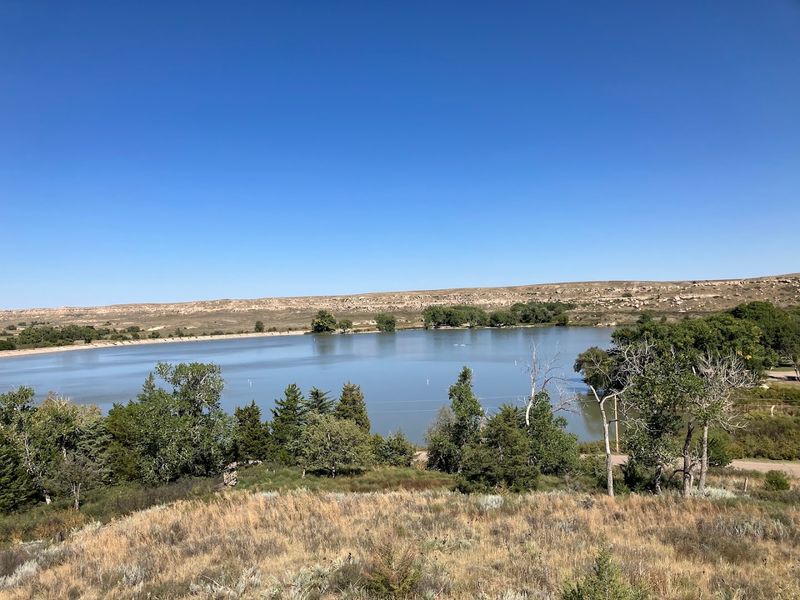
Nothing about this park looks like it belongs in western Kansas, and that is precisely what makes it so remarkable. Natural springs feed a 100-acre lake nestled within deep wooded canyons and rocky bluffs, creating a surprisingly lush oasis surrounded by open High Plains grassland.
The park’s 1,020 acres hold two extraordinary historical sites: the Steele Homestead, a four-room sandstone house from the 1890s now operating as a museum, and the El Cuartelejo Ruins, remains of a Native American pueblo built in 1664 by Taos Indians. Those two facts alone make Historic Lake Scott State Park one of the most historically layered campgrounds in the state.
Fifty-five utility campsites, 100 primitive sites, and a swimming beach provide solid practical infrastructure, while hiking trails and equestrian routes allow deeper exploration of the canyon terrain. Wild turkey, deer, bobcat, and beaver are all documented residents of the park, keeping wildlife watchers alert and rewarded throughout their stay.
9. Crawford State Park, Farlington, Kansas
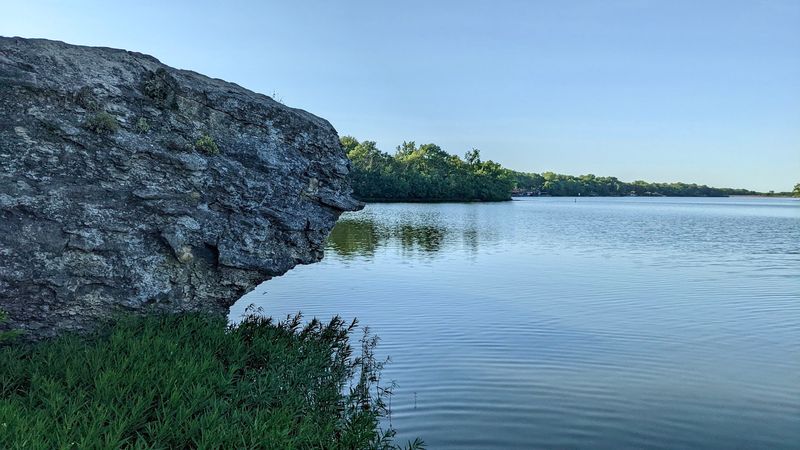
Crawford State Park carries a piece of American history in its bones: the 150-acre lake at its center was built by the Civilian Conservation Corps in the 1930s, and the craftsmanship of that era is still visible throughout the park today. The surrounding landscape blends Ozark foothills with open prairie, giving it a character distinct from most Kansas campgrounds.
Six campgrounds offer 101 reserved sites covering primitive, electric-only, and water-electric options, with many positioned for direct lake views. Five lakefront rental cabins provide comfortable alternatives for those who prefer walls and a bed to a tent and a sleeping bag.
The Drywood Creek Mountain Bike Trail and the ADA-accessible Deer Run Nature Trail offer trail options for varying ability levels. Channel catfish, crappie, and striped bass keep anglers entertained, while the park’s marina and Lake View Cafe add a convenient social layer. Spring redbud blooms alongside wildflowers make this park especially photogenic between April and May.
10. Cedar Bluff State Park, Ellis, Kansas
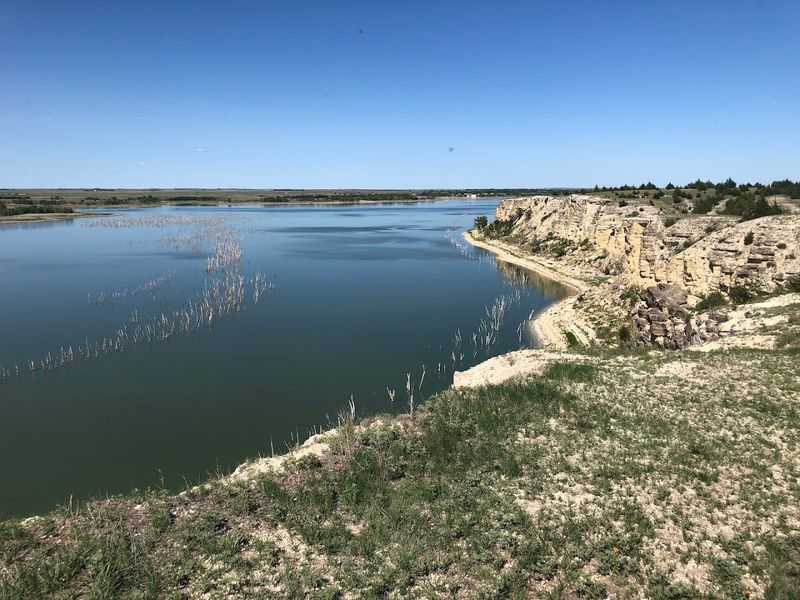
Cedar Bluff Reservoir has some serious geological confidence, backed by 150-foot limestone bluffs draped in cedar that rise sharply above the water’s edge. The park spans 1,100 acres split between the Bluffton and Page Creek areas, and the views across the 6,800-acre lake stretch far enough to remind you that western Kansas takes its wide-open spaces seriously.
Campers choose from 135 sites ranging from primitive setups to full hookups for large RVs, plus five modern and three primitive rental cabins. The park sits along the Smoky Valley Scenic Byway, marking the transition zone between mixed-grass and shortgrass prairie, which gives the surrounding landscape a textured, layered quality.
Cedar Bluff Reservoir is recognized as a premier walleye fishery, drawing serious anglers from across the region. An archery range, BMX track, and ADA-accessible Agave Ridge Nature Trail round out the activity options. Deer, pheasants, and orioles are commonly spotted throughout the park’s varied terrain.
11. Tuttle Creek State Park, Manhattan, Kansas
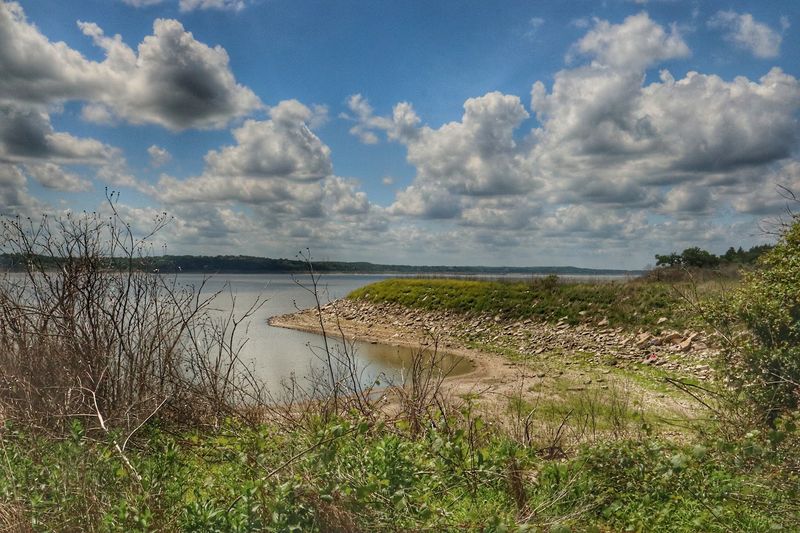
Tuttle Creek State Park operates on a scale that sets it apart from most Kansas parks: 711 campsites spread across five distinct units, 100 miles of rugged wooded shoreline, and 12,500 acres of reservoir water to explore. That kind of variety means repeat visits rarely feel identical.
The five units, River Pond, Rocky Ford, Cedar Ridge, Fancy Creek, and Randolph, each have their own character, from wooded riverside camping to open prairie settings with lake access. Eleven rental cabins offer comfortable alternatives for those who want a roof without sacrificing the Flint Hills scenery.
Tallgrass prairie within the park blooms with bluestems, goldenrods, and sunflowers in spring, turning the landscape into a colorful patchwork. An 18-hole disc golf course, archery range, mountain biking trail, and equestrian trail keep active visitors occupied from arrival to departure. Channel catfish, flathead, and bass are the primary fishing targets, and a full-service marina handles all water-based logistics efficiently.
12. Lovewell State Park, Webber, Kansas
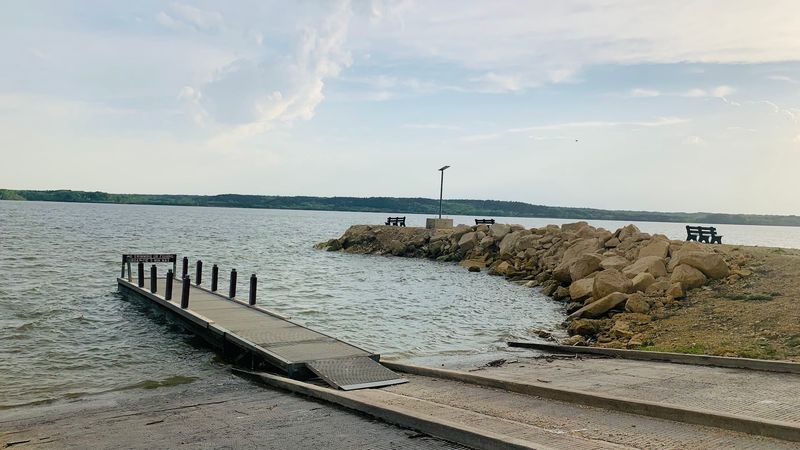
Quiet is the defining quality of Lovewell State Park, and the park earns that reputation honestly. The south shore’s high bluffs naturally calm summer winds, creating flat, sheltered water conditions that make boating and swimming far more pleasant than at more exposed reservoirs.
The 2,900-acre reservoir is a consistent draw for birdwatchers and anglers, and the surrounding prairie delivers broad, unobstructed views that are at their best during early morning and late evening. A preserved limestone schoolhouse on the property, which hosts summer church services, gives the park a community-rooted character that feels genuinely unique.
With 394 campsites ranging from full hookups to primitive areas, plus nine rental cabins, the park handles a wide range of camping preferences without feeling crowded. A sand volleyball court, disc golf course, archery range, horseshoe pits, and a full-service marina with boat slip rentals ensure that quiet does not mean boring. Lovewell rewards campers who appreciate space and simplicity in equal measure.
13. Sand Hills State Park, Hutchinson, Kansas
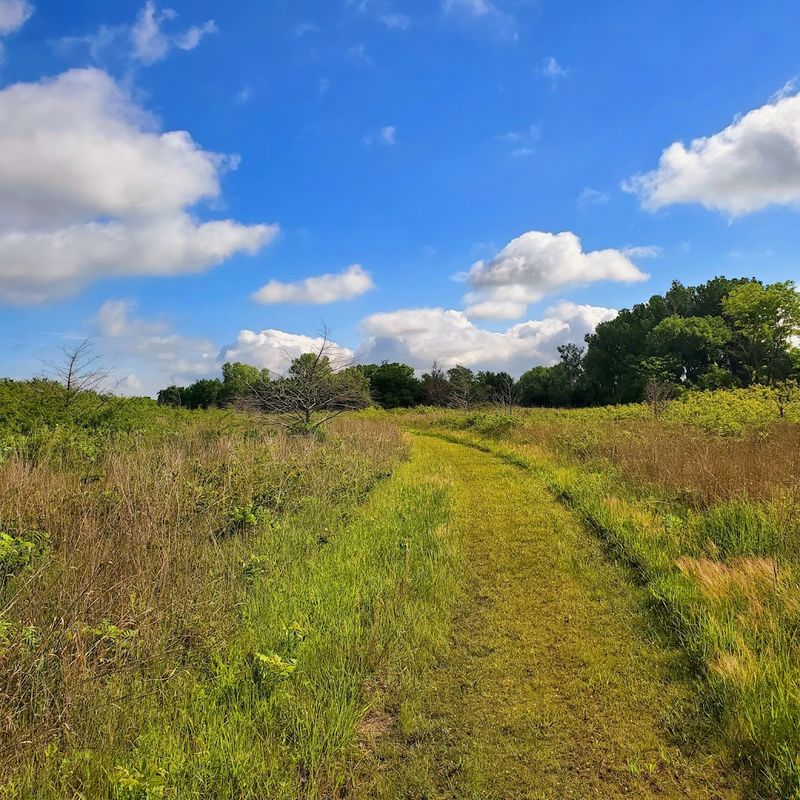
Sand dunes in Kansas might sound like a trick question, but Sand Hills State Park makes the case with 1,123 acres of wind-sculpted dunes carpeted in native prairie grasses, wetlands, and woodlands. This is one of the rarest natural landscapes in the state, and it looks unlike anything else in the Kansas park system.
The park offers 64 utility sites with 50-amp service, including 44 with full hookups and 20 with water and sewer. Equestrian campers have 14 dedicated sites with horse pens, and a five-acre pond stocked with channel catfish provides fishing right within the campground area.
Over 15 miles of trails, including the Bluestem, Prairie, Dune, Cottonwood, Pond, and Woodland Trails, cover the full variety of the park’s terrain. Two wildlife observation blinds offer structured chances to spot birds and animals without disturbing them. Seasonal yucca blooms and ripening sand plums add natural spectacle that makes spring and early summer particularly rewarding visits here.
Share this story