Big Christmas markets draw huge crowds, but some of the coziest holiday magic happens in tiny towns. Medieval walls glow with lights, wooden houses circle small squares, and the air smells like mulled wine and roasted chestnuts.
These places are smaller than Vienna or Prague, and that is exactly why people love them. Here are 13 European towns that turn into winter wonderlands once Advent begins.
Rothenburg ob der Tauber, Germany
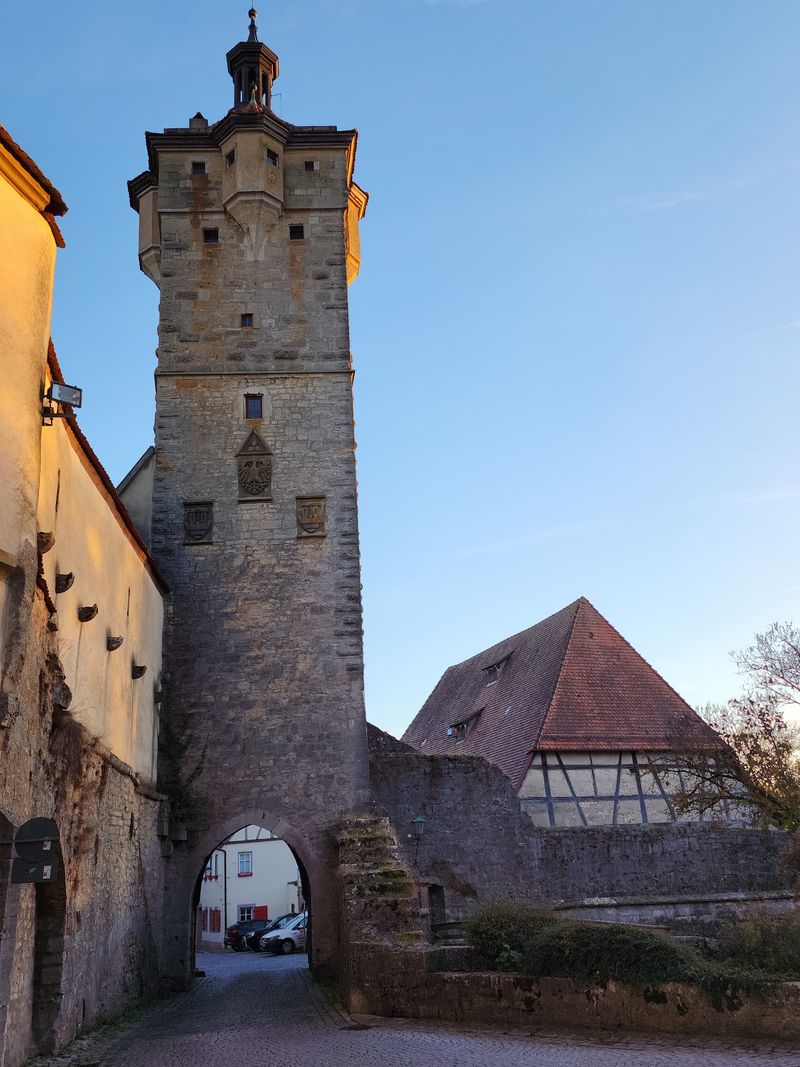
Some towns look like a postcard all year, and Rothenburg is one of them. Come Advent, the walled Bavarian town goes full Christmas card.
The Reiterlesmarkt fills the Marktplatz and nearby streets, tucked under medieval towers and steep roofs.
The market has been tied to Rothenburg for centuries. In 2026 it runs from November 20 through December 23, so you have plenty of choice when planning a trip.
Local tourism officials describe the old town as a winter fairy tale during the season, and that is not much of a stretch.
The market is fairly compact, which is a good thing. You do not have to push through giant crowds to see the buildings, because the buildings are the real stars.
Walk slowly, sip something warm, and look up at the rooftops every few steps.
Do not miss the German Christmas Museum. It keeps the holiday spirit going all year long, which makes it a fun stop when your fingers get cold.
Pop in, warm up, and see how Christmas traditions have changed over time. Then head back outside for another lap around the lights.
Český Krumlov, Czechia
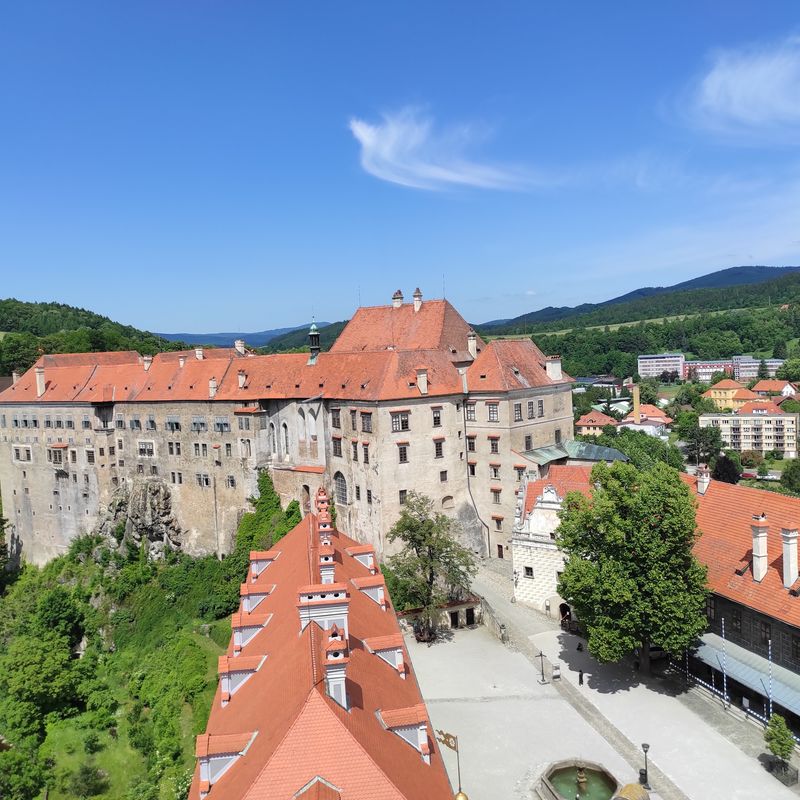
Imagine a castle tower rising over red roofs, with snowflakes drifting past. That is the dream in Český Krumlov, a town that feels like a stage set.
While Prague gets most of the Czech Christmas attention, this smaller spot has a charm all its own.
Renaissance and Baroque buildings surround the central square. A big tree, wooden stalls, and seasonal events fill the historic center during Advent.
The huge castle complex looms above the Vltava River and watches over it all.
Snow is never promised, so pack hope along with your gloves. When it does fall, the town becomes one of the prettiest winter scenes in Central Europe.
Even without snow, the lights on the old facades look wonderful.
Here is a tip worth taking: stay for the evening. Many day-trippers leave by late afternoon, and the streets turn calm and quiet.
Walking along the lit-up lanes after dark feels like having the whole town to yourself. The small size makes it easy to explore on foot without getting lost or tired.
Quedlinburg, Germany
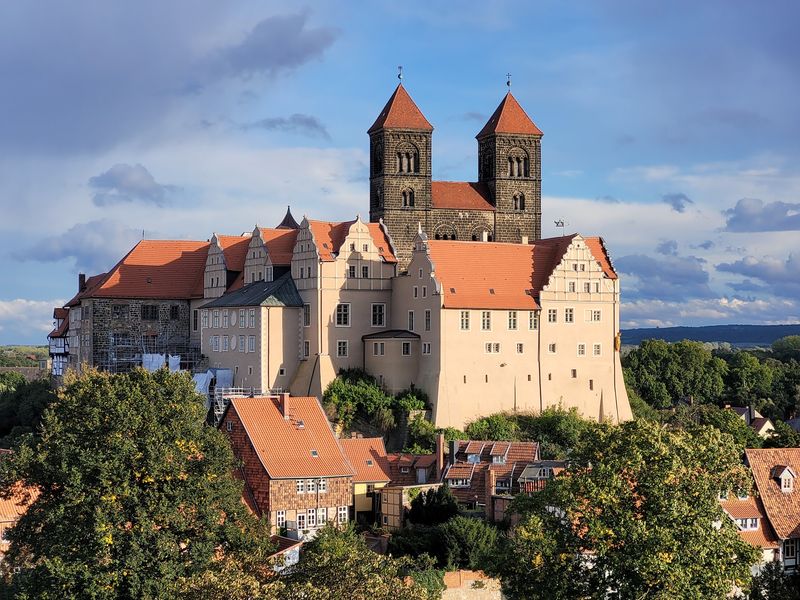
Behind the old doors of Quedlinburg, a secret Christmas is waiting. During Advent weekends, private courtyards that stay shut most of the year swing open to visitors.
The event is called Advent in den Höfen, and it is a real treat.
More than 20 courtyards take part in 2026. Inside you will find crafts, food, and decorations tucked behind plain facades.
It feels a bit like being invited into someone’s backyard party, only much prettier.
The UNESCO-listed old town is packed with half-timbered buildings, so even the walk between stops is a joy. The main Christmas market runs from November 25 through December 22.
The courtyard events happen over the first three Advent weekends, so plan your visit around those dates.
Wear comfortable shoes, because the cobblestones are charming but uneven. Bring a little cash for small stalls, and take your time at each courtyard.
Because everything is spread through the old town, the whole experience feels personal and cozy. Larger German markets have a hard time matching that feeling.
Valkenburg, Netherlands
Who says a Christmas market needs to be outside? In Valkenburg, the stalls head underground.
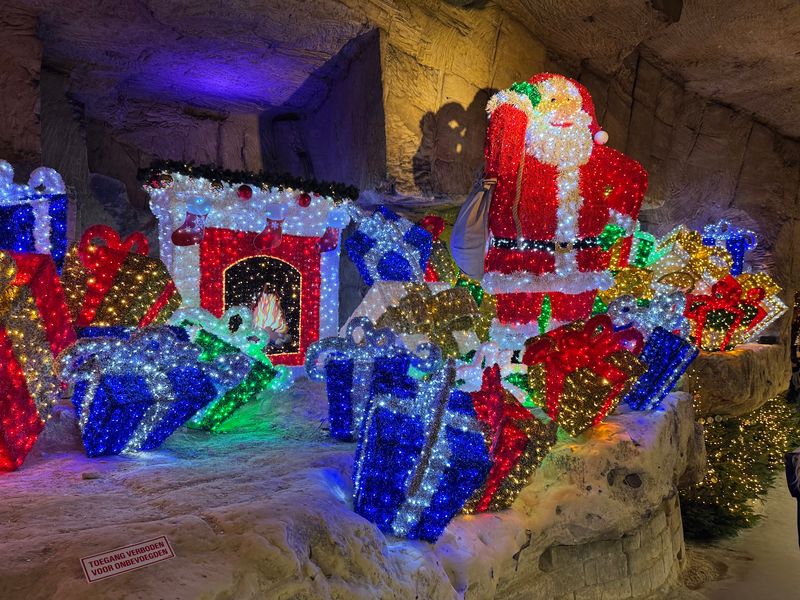
Old marl caves turn into glowing festive tunnels, and nothing else in Europe quite compares.
Visitors stroll through passages lit with lights, nativity scenes, and seasonal displays. Stalls line the cave walls beneath the hills of southern Limburg.
It feels a little like exploring a secret, but with hot chocolate.
Above ground, the town adds parades and decorations across the center. The main cave markets run from November 13 through December 30 in 2026.
That is one of the longest seasons on this list, so you have lots of dates to pick from.
Here is the best part: the weather barely matters. Rain, wind, or freezing drizzle cannot reach you down there.
The caves stay cool, so bring a warm jacket even if the sky above looks mild. Families will enjoy how different it feels from a typical market, and kids tend to love the tunnel adventure.
Porvoo, Finland
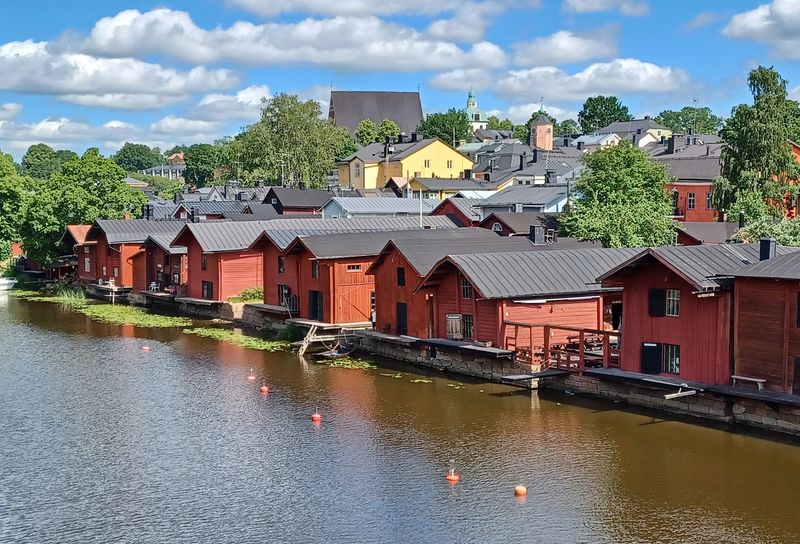
Painted wooden houses and a frozen riverbank do most of the work in Porvoo. This Finnish town needs no fancy scenery to feel like Christmas.
The historic center already has cobbled streets, bright houses, and old riverside warehouses.
In December, lights and decorations turn the lanes into a calm Nordic winter scene. Visit Finland points to the traditional Christmas market in Old Town Hall Square.
Sellers offer local food and handmade crafts, and a newer design market adds a modern twist.
The season opens with a ceremony near the end of November. Events then continue through December, so there is no rush to visit on one particular day.
Check the schedule and pick a date that suits you.
If snow shows up, even better. White rooftops and a snowy riverbank make the town look especially striking.
Bundle up, grab a warm drink, and wander slowly. The pace in Porvoo is gentle, and that is exactly what makes it a lovely place to slow down before the holidays.
Kaysersberg, France
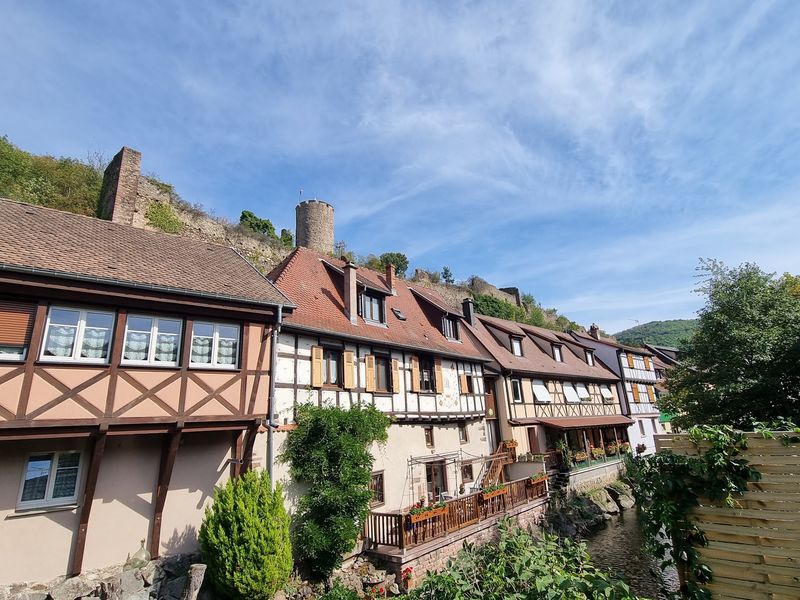
Colmar gets the crowds, but Kaysersberg gets the calm. This Alsatian village offers everything people love about a French Christmas without the shoulder-to-shoulder shuffle.
Half-timbered houses line narrow streets beneath castle ruins.
The decorations stay traditional rather than flashy. You will not find loud commercial displays here.
Instead, the Christmas market focuses on artisans and regional products, and it runs over four Advent weekends in 2026.
Everything sits inside a small historic center, so you drift naturally from one pretty sight to the next. One moment you are admiring a decorated facade, and the next you are peeking into a wine cellar or a tiny courtyard.
There is no need for a map.
Kaysersberg suits travelers who want Alsace at its most beautiful but prefer a village mood. It is a great choice if big city markets leave you feeling squeezed.
Try a local pastry, chat with a craftsperson, and enjoy a Christmas that feels like it belongs to the neighbors.
Riquewihr, France
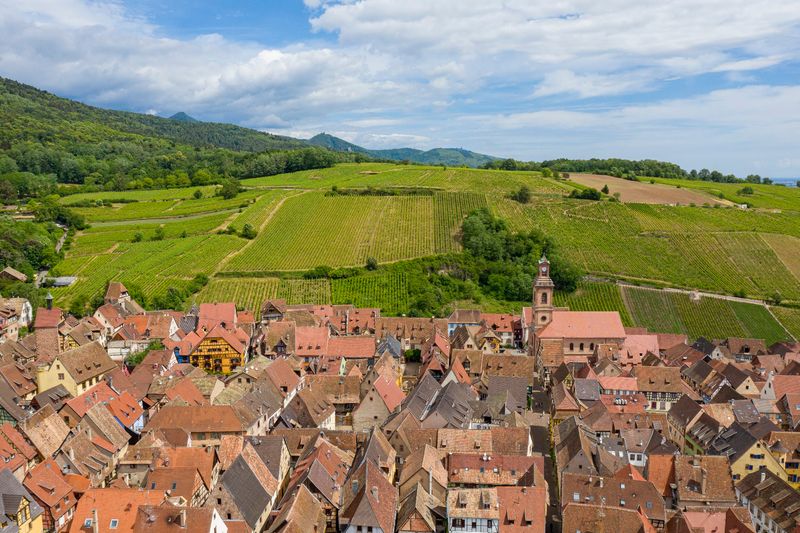
Step through the gateway into Riquewihr, and the modern world seems to fade away. Colorful half-timbered houses, fortified gates, and wine merchants fill the old center.
Vineyards roll out around the village like a green and golden blanket.
At Christmas, glowing garlands and wooden stalls add extra drama to the medieval and Renaissance buildings. The 2026 market runs from November 27 through December 20.
Its busiest days fall right in the middle of Advent.
The village is small enough to explore at an easy pace. You can wander every lane in an afternoon and still have time for a warm drink.
Pause often, because each corner has a new view worth a photo.
Riquewihr sits along the Alsace Wine Route, which makes it simple to visit nearby villages too. Plan a day with a few stops, and you will see how each place has its own personality.
Still, Riquewihr keeps that intimate feeling that makes it a favorite. Arrive early for the quietest streets.
Eguisheim, France
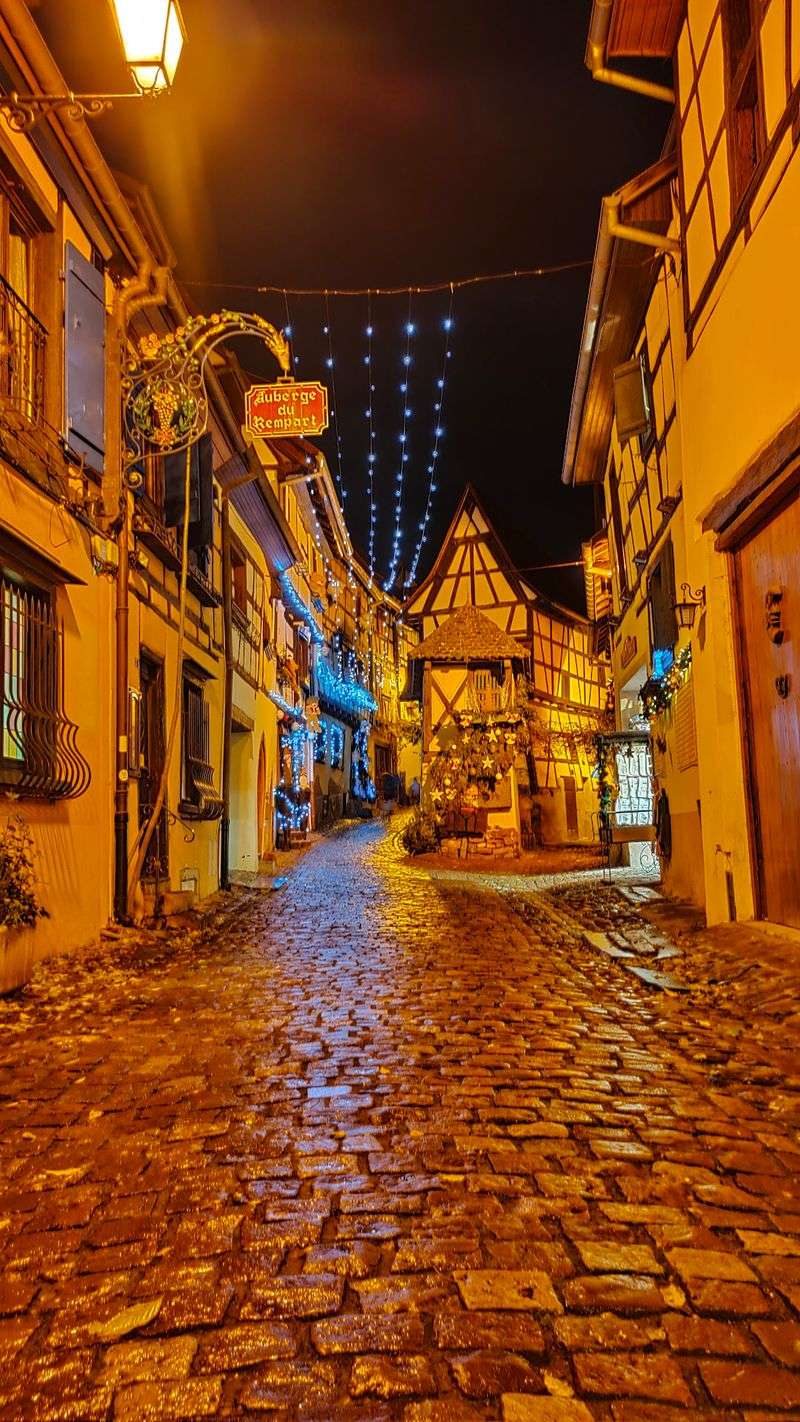
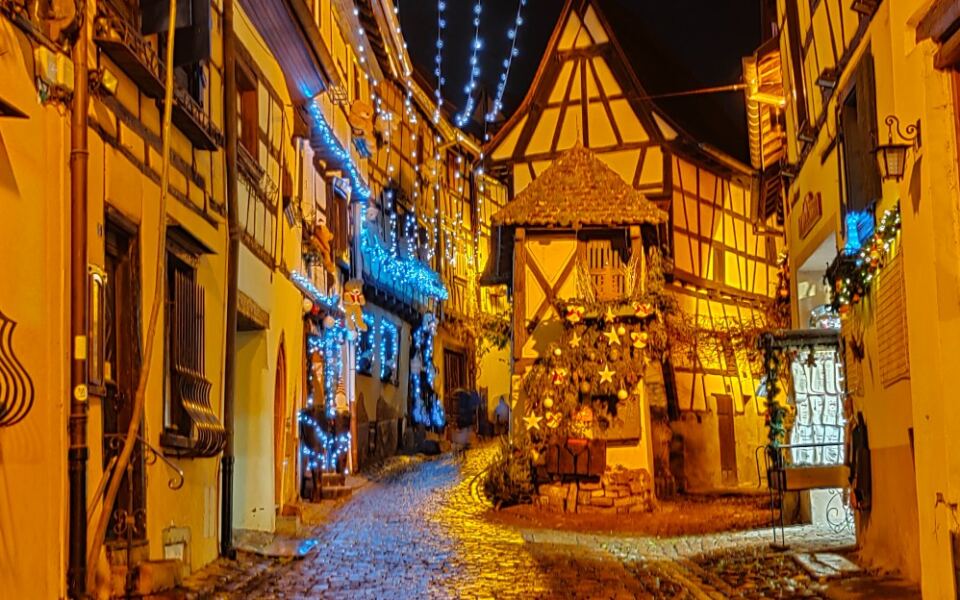
Walk in a circle in Eguisheim, and you will end up exactly where you began. That is because the village grew in rings around an old castle.
The curved lanes, colorful houses, and tiny courtyards give the Christmas season a storybook shape.
During Advent, artisans and seasonal stalls spread along those winding streets. Decorations highlight the well-preserved buildings without hiding them.
The village feels like one big, glowing circle of holiday cheer.
The 2026 season runs from November 27 through December 30. There is a short closure over Christmas itself, so plan around that.
Booking a visit before or after the break keeps your trip simple.
Compared with bigger Alsatian towns, Eguisheim is small and friendly. You will not hop between huge event zones or sprawling shopping areas.
Instead, you can stroll, snack, and shop at your own speed. Try a local wine or a warm treat, then take another lap.
The second time around, you will notice details you missed the first time.
Goslar, Germany
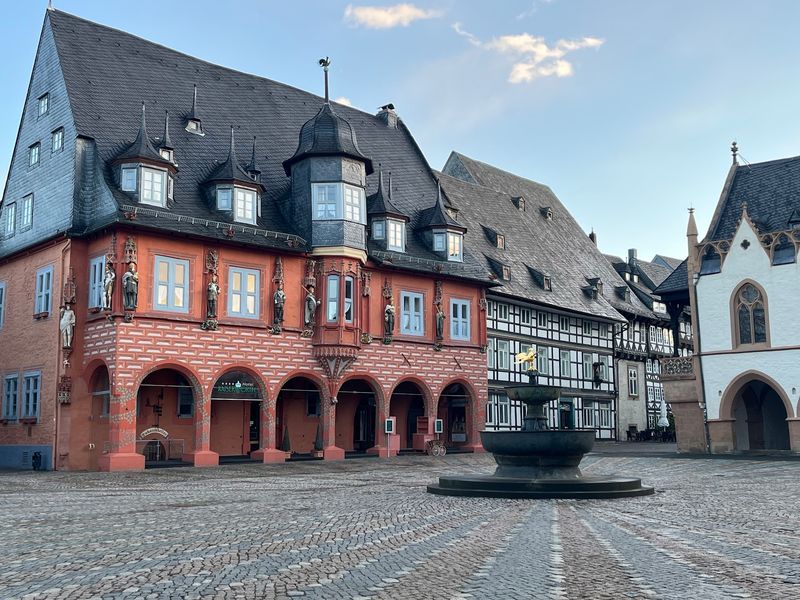
A forest has moved into the middle of Goslar, and nobody seems worried. The Weihnachtswald, or Christmas Forest, brings evergreen trees right into the old town.
Suddenly the historic streets feel like a tiny woodland.
Timber-framed buildings already give the center plenty of charm. Add wooden stalls, twinkling lights, and traditional food around the market square, and the whole place glows.
It feels less like a planned event and more like a medieval town dressed for winter.
According to the Harz region’s 2026 calendar, the Christmas market and Christmas Forest run from November 25 through December 30. That gives you more than a month to choose a date.
Weekday visits are usually calmer, so consider going then.
Walk between the trees and take time to enjoy the scent of fresh pine mixed with sweet treats. Photos look great here, especially as the sky grows dark and the lights pop.
Goslar proves that small German towns can still be wonderfully creative with their holiday ideas.
Vipiteno, Italy
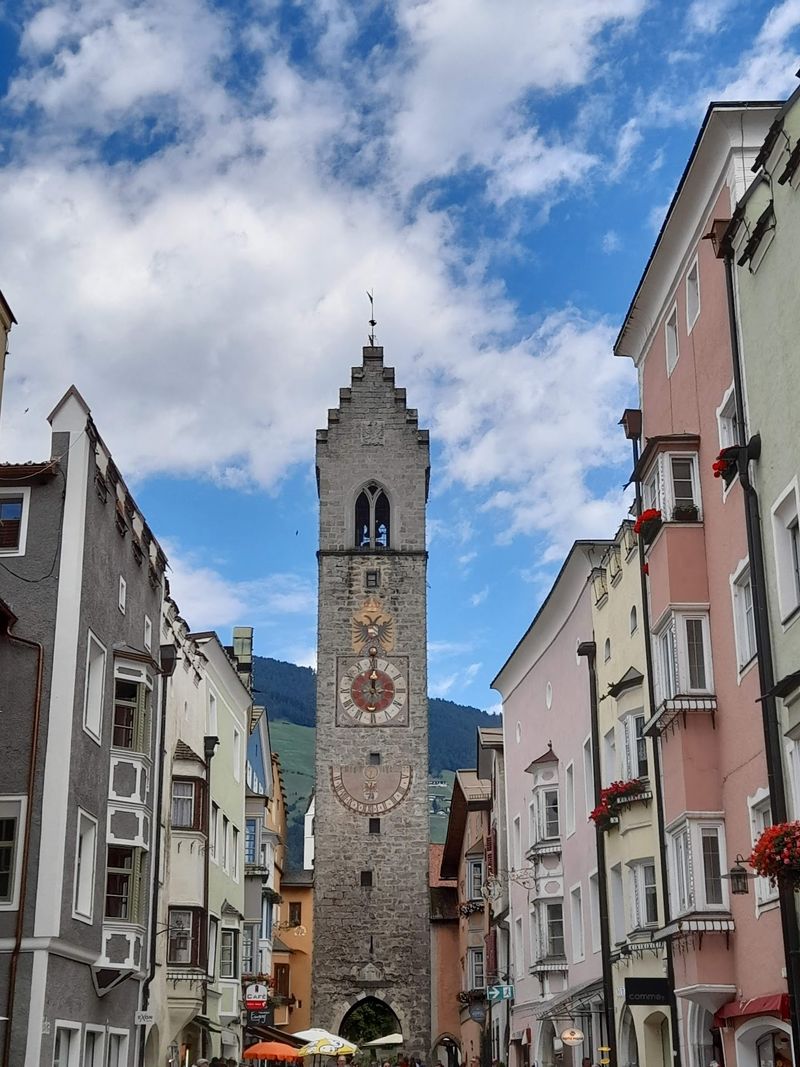
One town, two names, and a whole lot of Alpine charm. Vipiteno is called Sterzing in German, and it blends Italian and Tyrolean customs in a small mountain setting.
It sits in South Tyrol near the Austrian border.
The Christmas market gathers around the Tower of Twelve, a landmark that rises above a main street of colorful old facades. Mountains beyond the rooftops make a natural winter backdrop.
When snow reaches the valley, the view gets even better.
The 2026 Sterzing Bell Christmas market runs from November 27 through January 6, 2027. That is a long season, so there is room for a flexible trip.
Holiday visitors can even enjoy it after Christmas Day.
Local customs, regional food, and handmade goods give the market a true neighborhood feel. Try a few Tyrolean snacks and look for items made nearby.
The old center is compact, so you can explore it all on foot. Wear sturdy boots, since mountain towns can be chilly and slippery after dark.
Bressanone, Italy
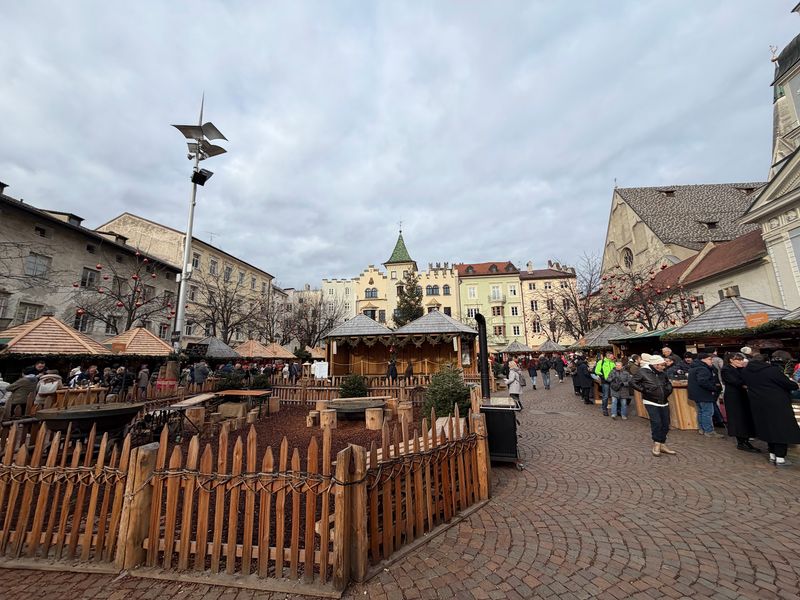
Thirty-five candles on the birthday cake, and Bressanone’s Christmas market still looks fresh. In 2026, the town celebrates the market’s 35th anniversary.
It runs from November 26 through January 6, 2027.
Bressanone, called Brixen in German, is one of South Tyrol’s oldest towns. The market fills Cathedral Square, right beneath the cathedral’s towers.
Wooden stalls focus on products made or finished in South Tyrol, so souvenirs have real local roots.
Concerts and a light-and-music show add extra sparkle. They do not overwhelm the old center, though.
You can enjoy the shows and still hear yourself talk afterward.
The experience feels polished but easy to handle. Compared with larger Alpine destinations, the town stays small enough that the cathedral, arcades, and mountains always stay in view.
Take a slow walk under the arcades if the weather turns cold. Then return to the square for a final look at the lights.
It is a tidy, welcoming place to enjoy the season.
Rango, Italy
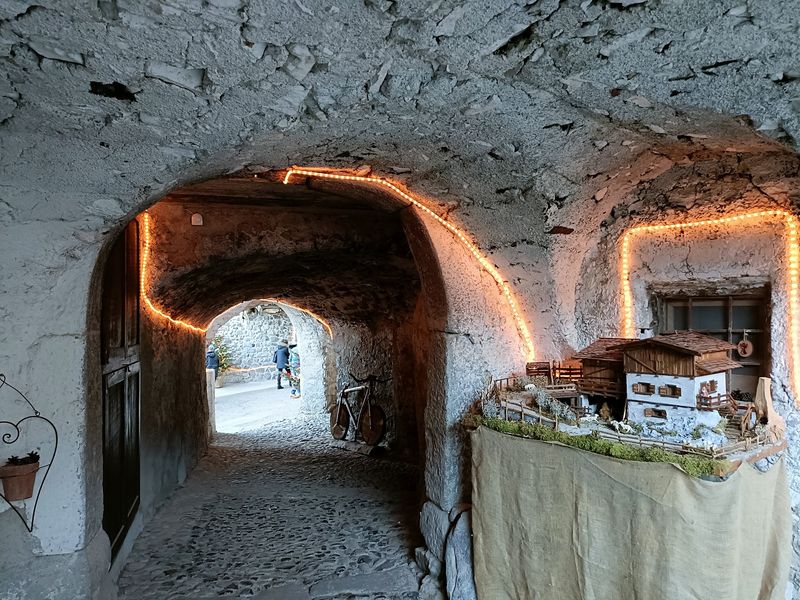
Forget rows of identical chalets. In Rango, the market lives inside the village.
Old stone passageways, vaulted cellars, barns, and courtyards become little rooms full of crafts and seasonal food.
This medieval Trentino village is far smaller than most places linked to European Christmas markets. That is exactly why it feels special.
You are not visiting a market set up in a square. You are walking through a village that has opened its doors.
The 2026 season starts in mid-November and continues on selected dates through December. Check the calendar before you go, since it is not open every day.
A little planning will save you from a disappointing trip.
Visitors step through historic homes and storage spaces, which gives the event a warm, personal mood. It feels closer to a village celebration than a big tourism show.
Wear good shoes for the stone paths and bring a light for the dark corners. You might leave with a handmade gift and a new favorite snack.
Canale di Tenno, Italy
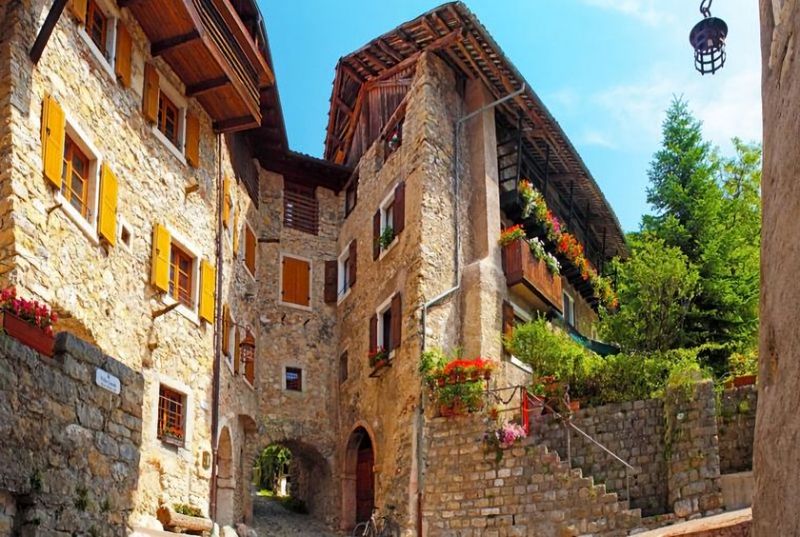
High above Lake Garda, a tiny stone village slips into Christmas mode. Canale di Tenno is a medieval settlement with vaulted lanes and old stone houses.
Together they make a wonderfully moody setting for Advent.
The market does not cover the village with modern structures. Instead, it uses existing courtyards, passages, and old buildings as part of the show.
The village itself is the decoration.
In 2026, the market opens over the November 28 to 29 weekend. It then continues on selected Advent dates, so check ahead before you travel.
The surrounding mountains add a dramatic winter backdrop that looks great in photos.
The village is so small that it feels far from Europe’s big commercial markets. That is the appeal for travelers who care more about atmosphere than counting stalls.
Expect quiet lanes, local goods, and the feeling of stepping into another century. Bring a warm coat, since the air above the lake can be crisp.
Take your time and let the old stones set the mood.
Share this story