Popular music was changing fast in 1954. Crooning ballads and polished vocal groups still filled much of American radio, but rhythm and blues was reaching new listeners.
Teenagers were becoming serious record buyers, and small independent labels were making sounds that big companies could not ignore. Some records that year came from Hollywood stars with famous voices, while others came from small studios in Memphis, Chicago, and Los Angeles.
Sometimes the same song was recorded twice, once for one audience and again for another, and that tells us a lot about the music business back then. The full rock and roll boom was still a year or two away, yet you could already hear it getting closer.
Ahead is a list of 13 songs that people were humming, buying, and arguing about in 1954. You will find out who recorded them, how they sold, and why they still matter.
Some were chart giants, some were local hits, and a few quietly changed music history. Keep reading to see how one busy year set the stage for a new sound.
1. Sh-Boom by The Chords
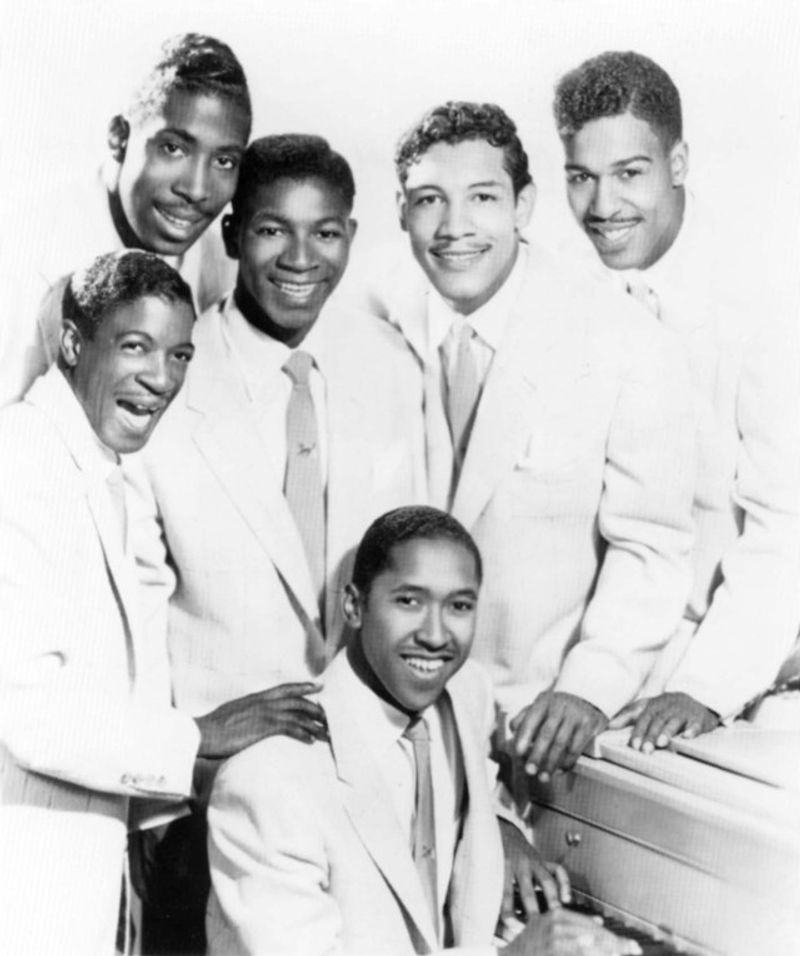
To see how fast American music was shifting, start with a nonsense refrain that nobody could shake.
The Chords released Sh-Boom in March 1954. It was first the B-side to Cross Over the Bridge, but listeners pushed it to the front.
It reached number two on the R&B chart and number nine on the pop chart, a rare feat for a Black vocal group at the time.
Then The Crew-Cuts, an all-white Canadian group, recorded a smoother cover. Their version hit number one and stayed there for nine weeks in the late summer of 1954.
The two records showed how the business worked. Songs from Black R&B artists were often rerecorded for white pop audiences.
Rolling Stone later ranked the original at number 215 on its list of the best songs ever.
2. Shake, Rattle and Roll by Big Joe Turner
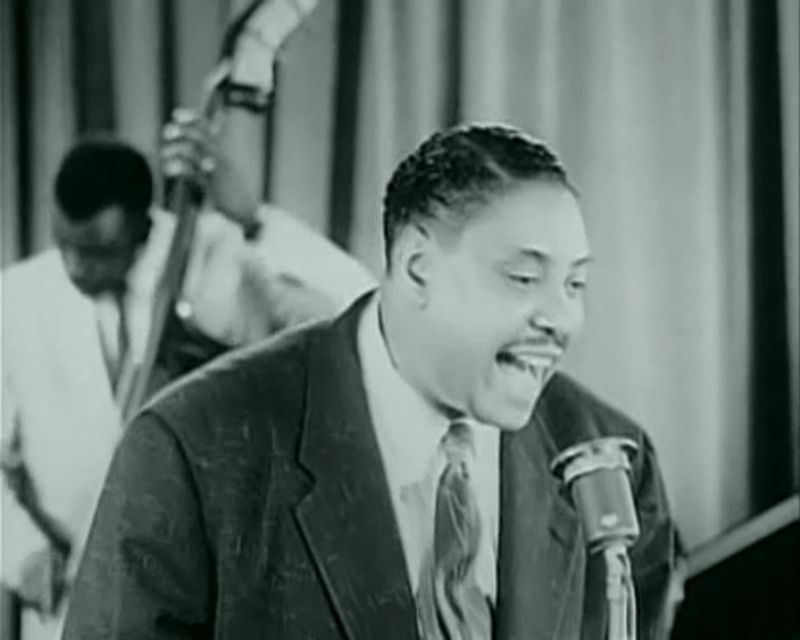
Long before rock and roll had a settled name, Big Joe Turner was already making music that sounded a lot like it.
Shake, Rattle and Roll arrived in April 1954. Jesse Stone wrote it, often using the pen name Charles Calhoun.
Turner’s huge voice and a swinging band made it hard to sit still.
The record topped the R&B chart and reached number 22 on the pop chart. Rolling Stone later placed it at number 127 on its list of the greatest songs.
Bill Haley & His Comets then recorded a faster version with changed lyrics. It became a Top 10 pop hit.
The crossover mattered because it showed how much the new style owed to blues, boogie-woogie, and jump blues. By 1954, teenagers were starting to notice.
3. That’s All Right by Elvis Presley
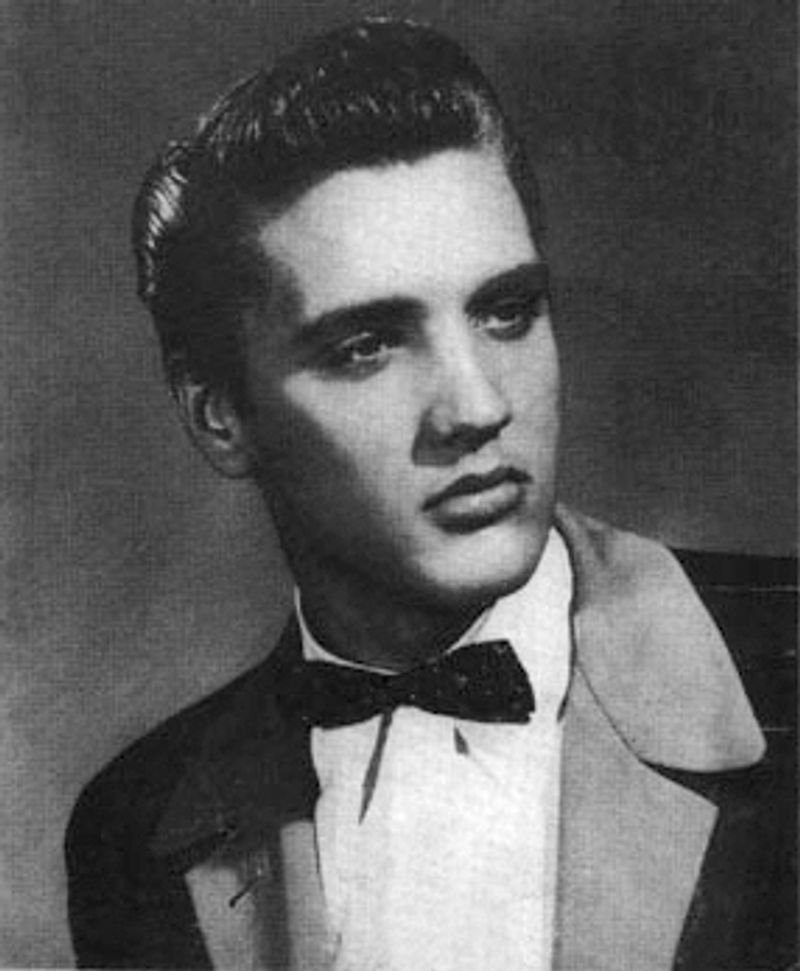
Nobody outside Memphis knew his name yet, and that was about to change.
In July 1954, Elvis Presley was a 19-year-old looking for his sound inside Sam Phillips’ Sun Studio. He, guitarist Scotty Moore, and bassist Bill Black started playing Arthur Crudup’s That’s All Right.
Phillips heard something different from standard country and R&B records. He passed the tape to Memphis disc jockey Dewey Phillips, and local listeners called in wanting to know who the singer was.
The song never became a giant national pop hit in 1954. Still, its place in history is huge.
The Library of Congress includes Presley’s 1954 and 1955 Sun sessions in the National Recording Registry, noting their role in creating the rock and roll era.
America had not discovered Elvis yet. Memphis had.
4. Secret Love by Doris Day
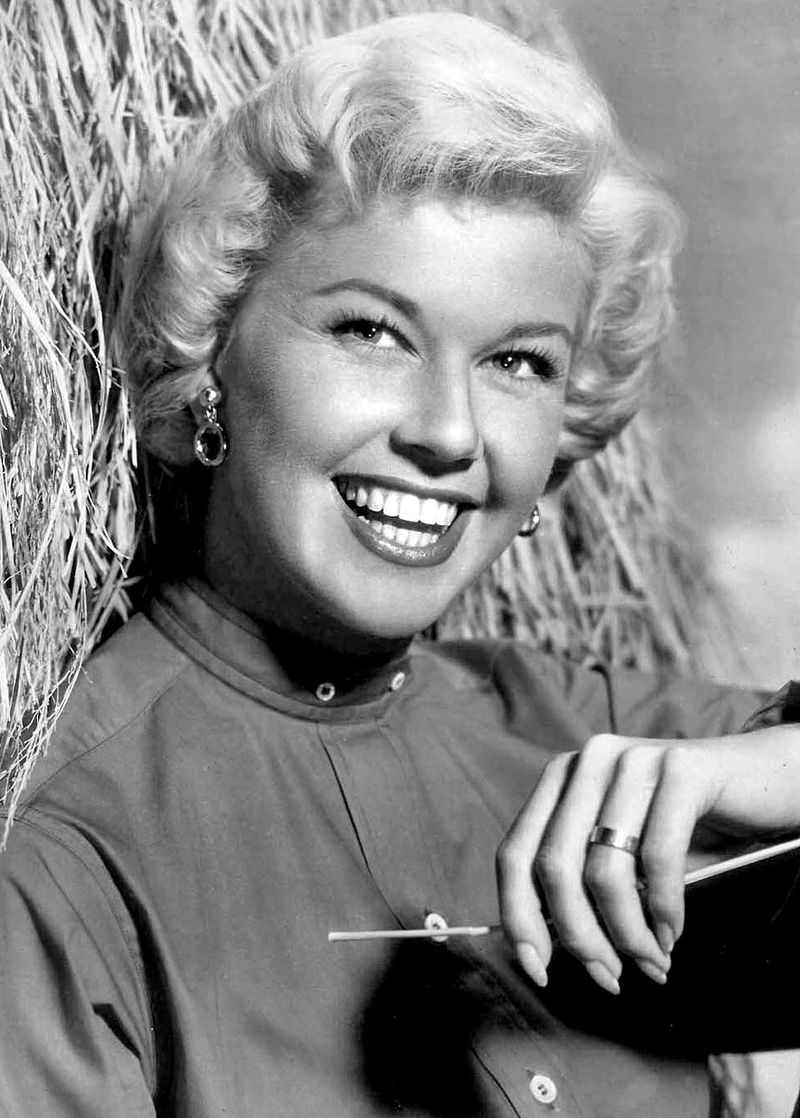
While independent labels stirred up new sounds, Doris Day showed that Hollywood pop still had plenty of muscle.
Secret Love came from the 1953 film Calamity Jane, where Day played the title role. She reportedly recorded it in a single take after skipping a practice run with the orchestra.
The record became one of the big hits of 1954. It reached number one in the United States and the United Kingdom, and the song won the Academy Award for Best Original Song for 1953.
Its success helps explain the period. Listeners did not abandon traditional pop overnight for rock and roll.
The two worlds overlapped for several years.
A teenager might hear Doris Day on one station and a raw R&B record elsewhere on the dial. That mix made 1954 so interesting.
5. Mr. Sandman by The Chordettes
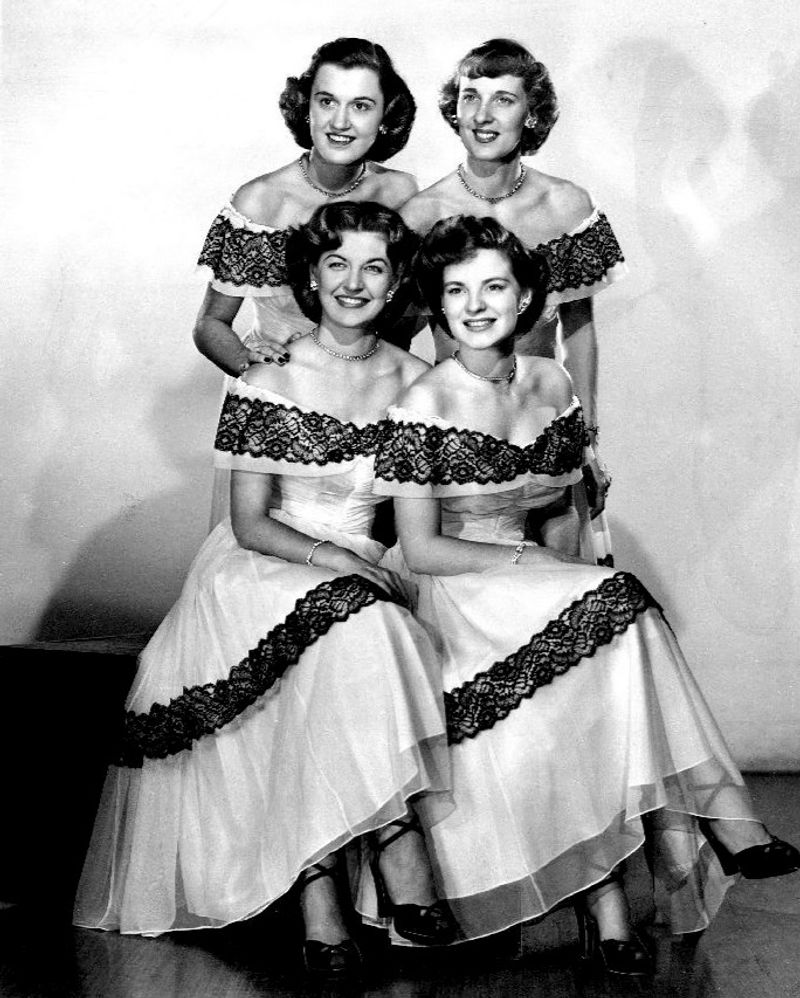
A plea for the perfect dream man became one of the decade’s most recognizable vocal group records.
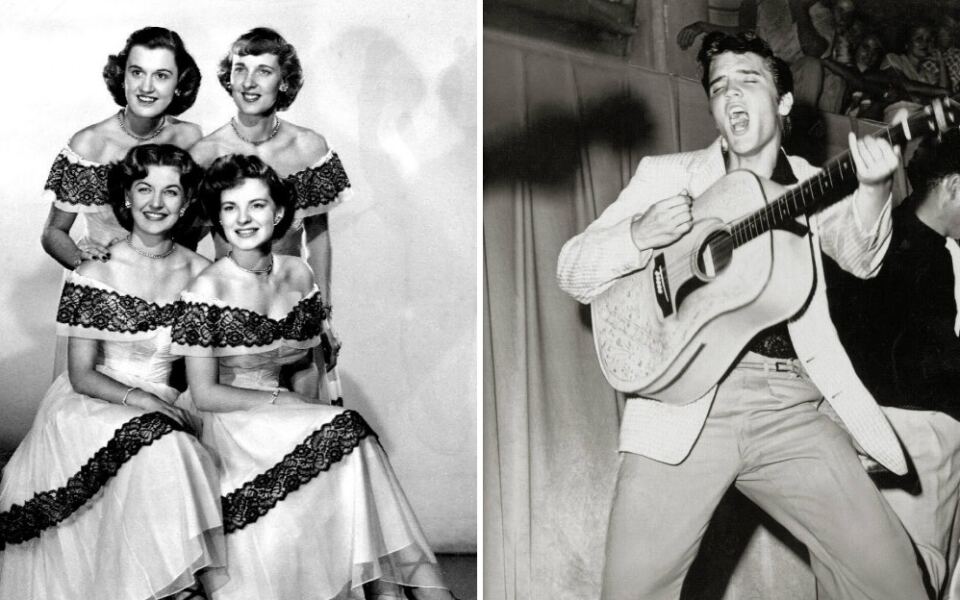
Pat Ballard wrote the song, and Vaughn Monroe first recorded it in May 1954. The Chordettes released the version that took off, wrapping the simple idea in tight harmonies and a repeated call for Mr. Sandman.
It reached number one on all three of Billboard’s main pop charts and stayed there for seven weeks. The recording entered the Grammy Hall of Fame in 2002.
The deep voice answering Yes in the third verse belonged to Archie Bleyer, founder of Cadence Records.
The record sounded very different from the tougher R&B and early rock songs appearing that same year. It was playful, polished, and easy to remember.
In 1954, it was not nostalgia. It was simply what everyone was hearing.
6. I’m Your Hoochie Coochie Man by Muddy Waters
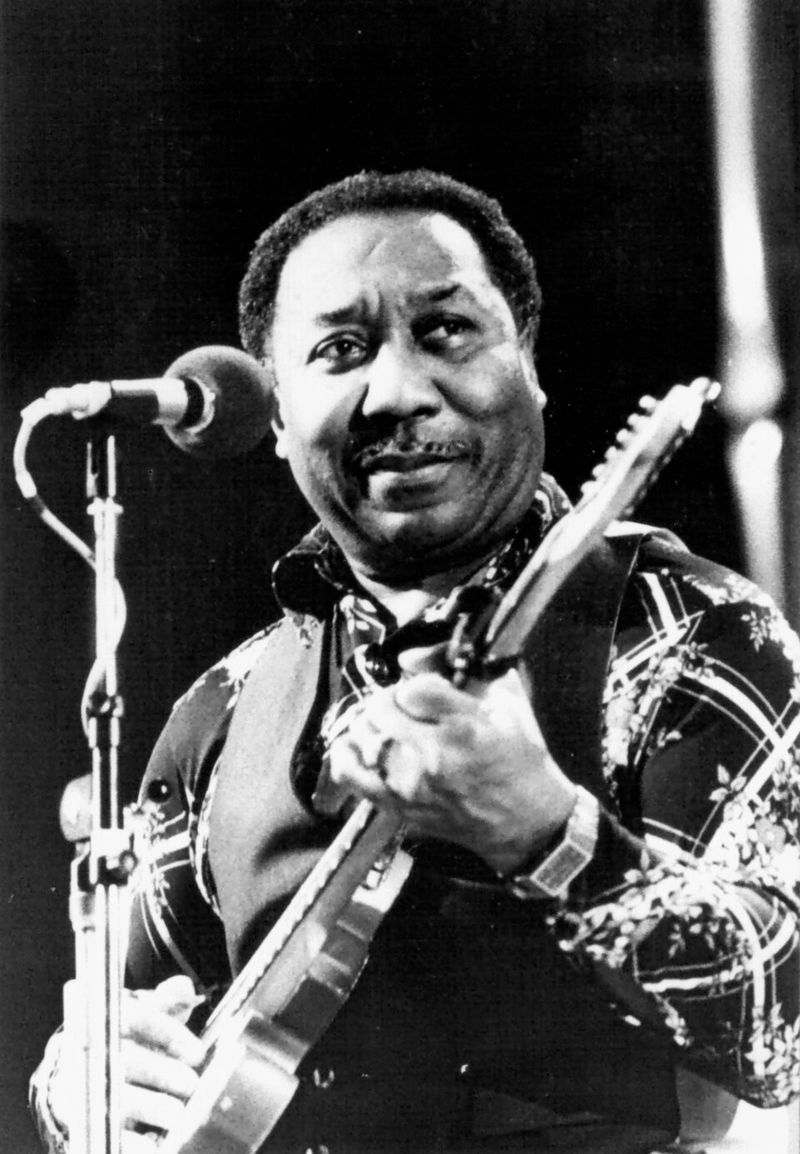
Pop charts were not the only place music was changing in 1954.
Chicago blues was producing records that future rock musicians would study closely, and this was one of the best. Willie Dixon wrote it, and Muddy Waters recorded it in January 1954 with Little Walter on harmonica, Otis Spann on piano, Jimmy Rogers on guitar, Fred Below on drums, and Dixon on bass.
Waters sang with total confidence. The lyrics nod to hoodoo folk magic, and the stop-time arrangement became a lasting riff in blues, jazz, R&B, and rock.
It became the biggest hit of his career, reaching number three on the R&B chart. The Library of Congress added it to the National Recording Registry in 2004.
It was not teenage pop. But some teenagers listening would soon start bands of their own.
7. This Ole House by Rosemary Clooney
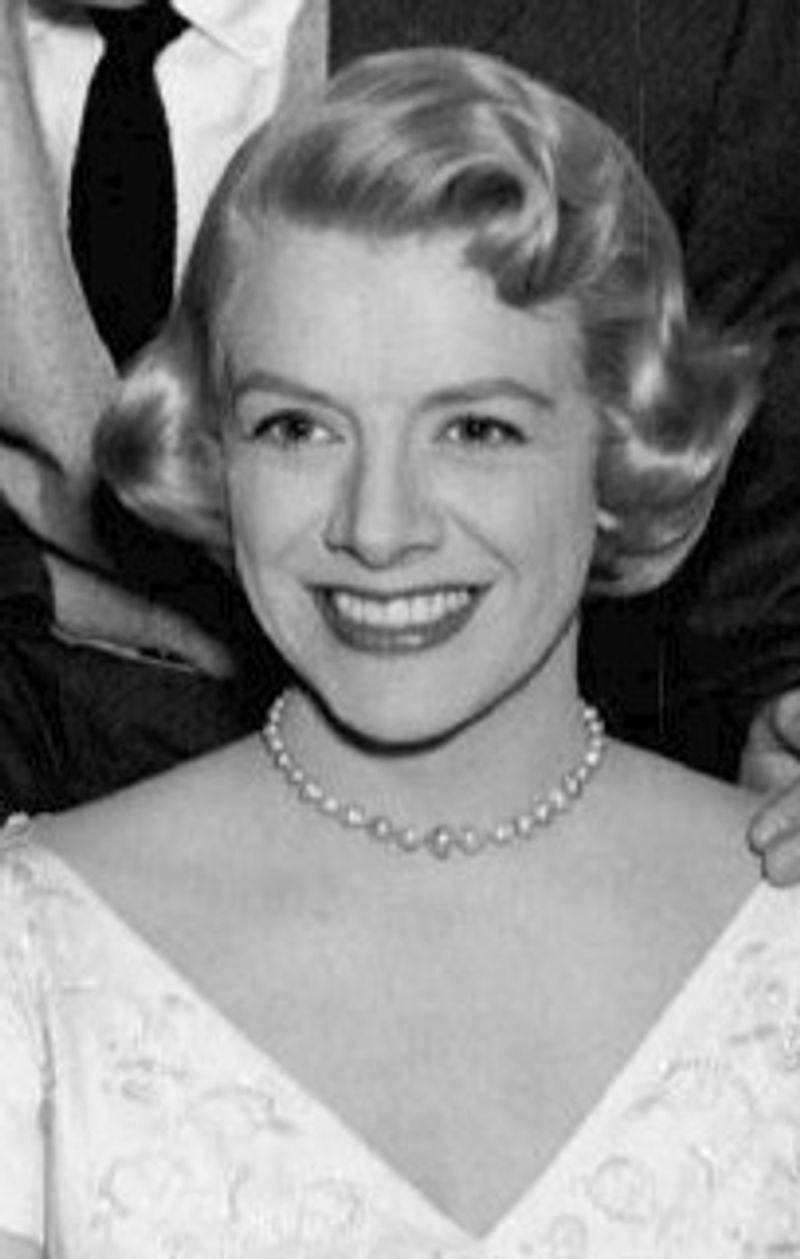
Rosemary Clooney was already among America’s top pop singers when this quirky hit arrived.
Stuart Hamblen wrote the song, using an aging house as a picture of a life winding down. The idea came to him on a trip with actor John Wayne, when they came across an abandoned cabin.
That sounds serious for a pop hit, but the record itself was lively. Clooney’s bouncy performance made it one of the biggest records of 1954.
It reached number one in the United States and was her first number one in the United Kingdom.
The song also showed how unpredictable the charts were. Novelty tunes, country influences, vocal groups, traditional pop, and new R&B sounds all competed for listeners.
It is hard to picture a song on this subject topping charts today. In 1954, millions loved it.
8. That’s Amore by Dean Martin
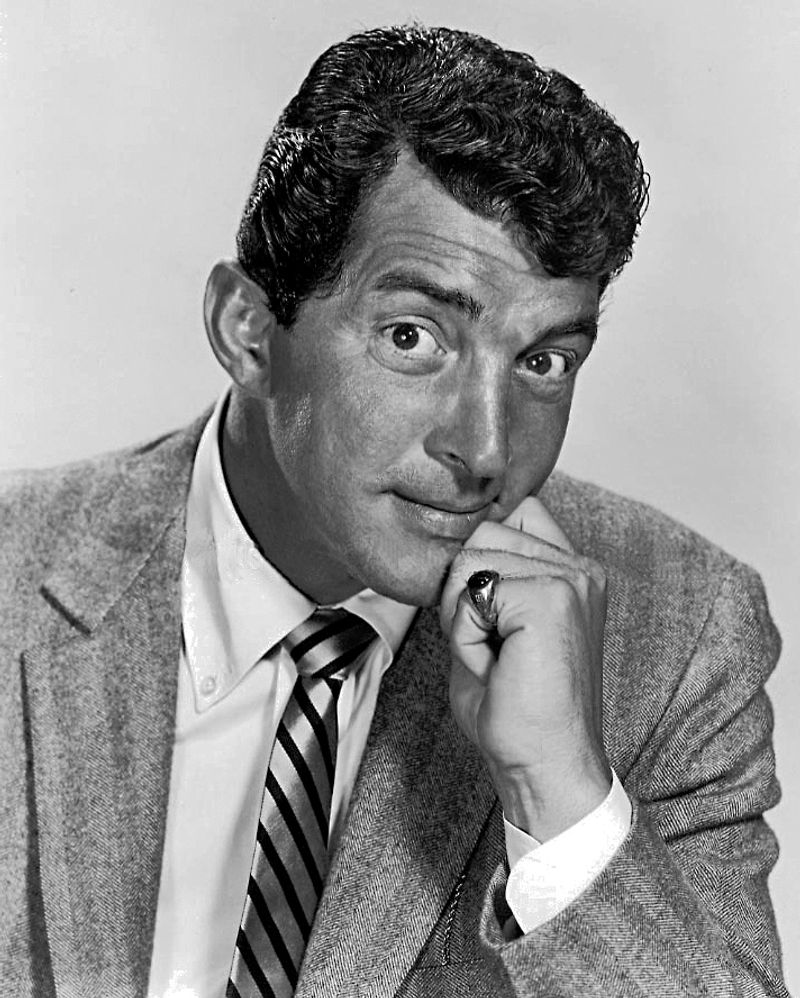
An exaggerated celebration of Italian romance became one of Dean Martin’s signature recordings.
That’s Amore first appeared in the 1953 film The Caddy, starring Martin and Jerry Lewis. The record was still a big part of popular culture as 1954 began.
The song reached number two on the American chart. The lyrics were playful, the melody stuck in your head, and Martin delivered it with the relaxed charm that became his trademark.
It also stands for the pop establishment that still drew enormous audiences before rock and roll took over youth culture.
Martin did not need to compete with early rock performers on their terms. He lived in a different musical world.
In 1954, both worlds could thrive side by side.
9. Work With Me, Annie by Hank Ballard and the Midnighters
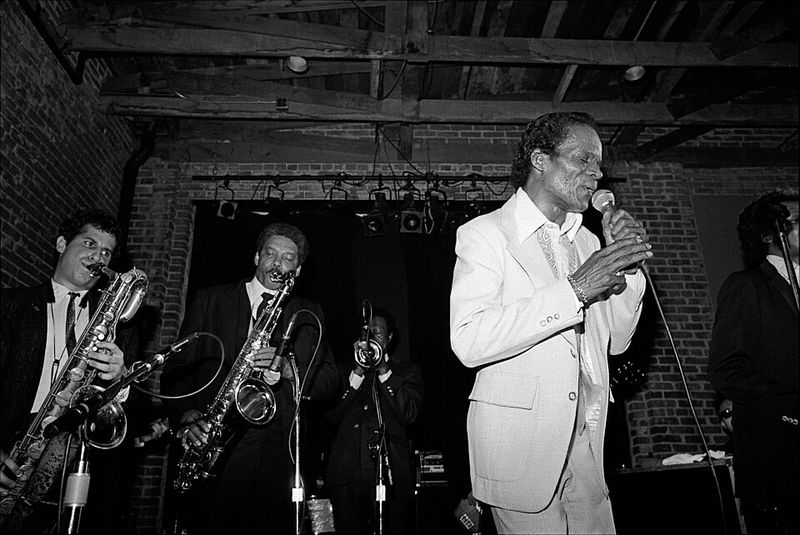
Some of the year’s most important records were not welcomed by everyone.
Work With Me, Annie became a huge R&B hit even though many radio programmers thought the lyrics were too suggestive. The phrase work with me was slang with adult meaning in the Black community, and that got it banned from many stations.
Controversy did not stop buyers. The record spent seven weeks at number one on the R&B chart and reached number 22 on the pop chart.
It was first titled Sock It To Me Mary.
Its success showed a growing gap between what young listeners wanted and what gatekeepers allowed. Adults worried about lyrics, dancing, race, and teen behavior.
Teenagers kept buying records.
The Rock and Roll Hall of Fame later listed it among the 500 songs that shaped rock and roll.
10. Good Rockin’ Tonight by Elvis Presley
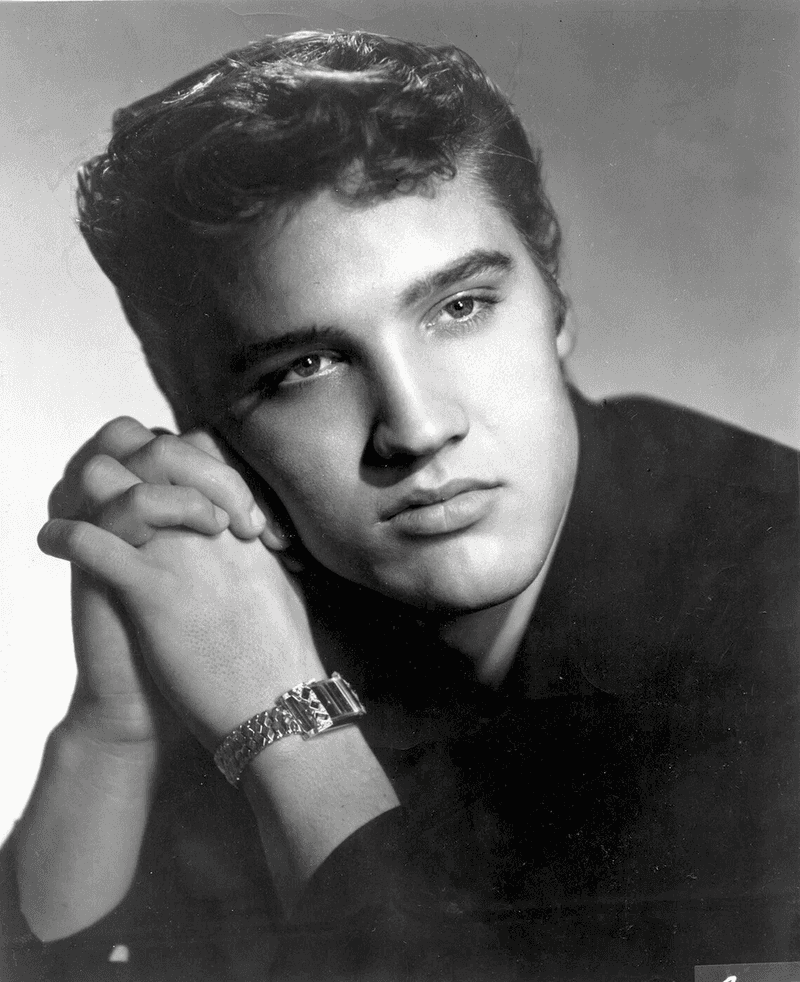
The second Sun single pushed the experiment even further.
Roy Brown wrote and recorded Good Rockin’ Tonight in 1947, and it was already an R&B standard by the time Elvis Presley tried it in September 1954.
His version mixed country, blues, R&B, and gospel influences in a way that was hard to label with the categories of the day. That was exactly the point.
Presley’s early Sun material began to win attention across the South as he toured with Scotty Moore and Bill Black. The single did not sell well at first, but the Library of Congress now preserves the 1954 and 1955 Sun sessions as recordings that launched his career and the rock and roll era.
The national explosion was still ahead. The ingredients were already in place.
11. Oh! My Pa-Pa by Eddie Fisher
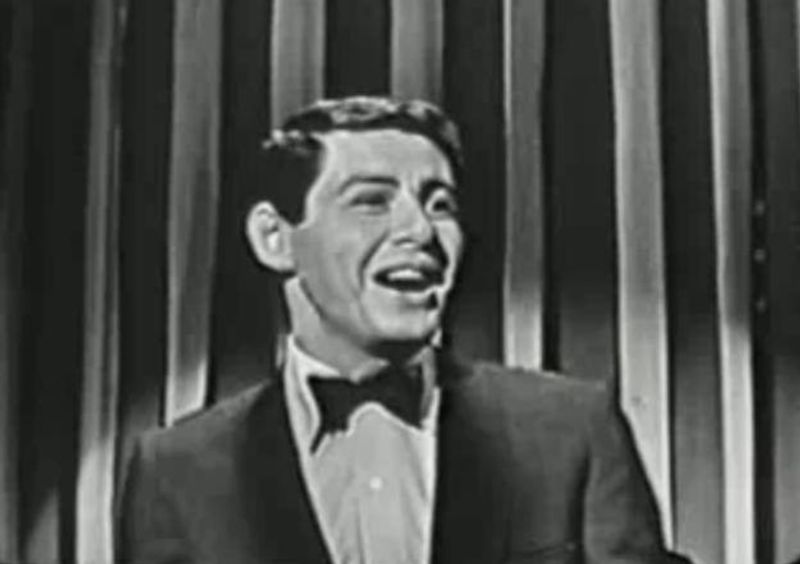
Before rock stars became teenage idols, singers like Eddie Fisher held that spot.
Oh! My Pa-Pa began as O mein Papa, written by Swiss composer Paul Burkhard in 1939 for a musical.
John Turner and Geoffrey Parsons adapted it into English.
Fisher’s version became a major American hit around the start of 1954. It reached number one, sold over a million copies, and earned him a gold record.
Trumpeter Eddie Calvert’s instrumental version also topped the UK chart that year.
Fisher’s fame is easy to underestimate today. He was a television personality, recording star, and heartthrob whose personal life later got almost as much attention as his music.
The song stands for the polished, emotional pop style that ruled much of radio. Within a few years, youth culture would swing toward rock and roll.
12. Earth Angel by The Penguins
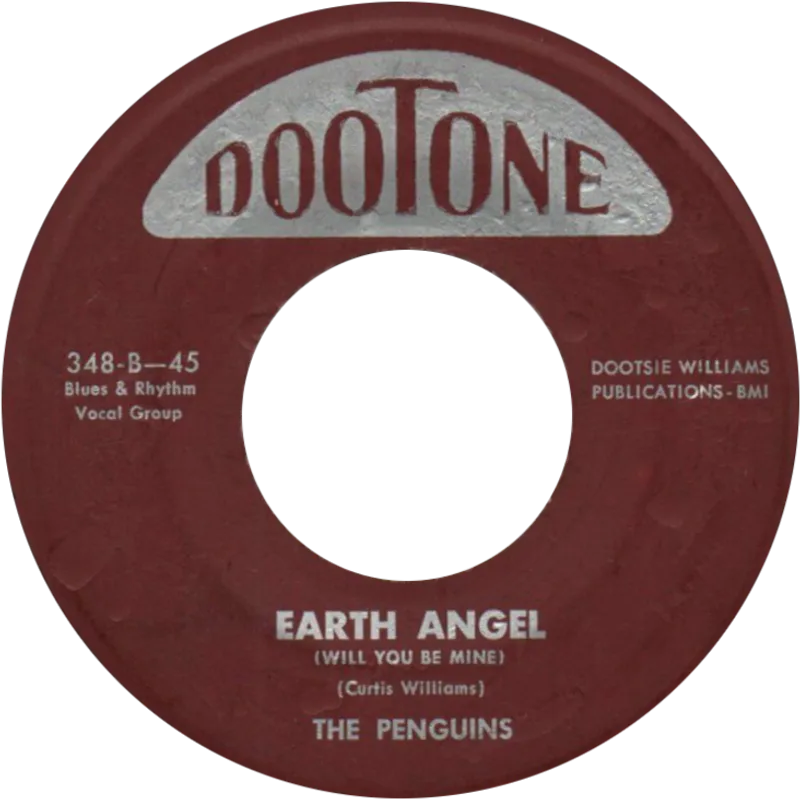
Few doo-wop records capture teenage romance as simply as this one.
The Penguins recorded Earth Angel in 1954 in a South Central Los Angeles garage for the small Dootone label. It came out as the B-side to Hey Senorita, but fans quickly picked their favorite side.
It reached number one on the R&B chart for several weeks and landed in the pop top 10. It was the first song from an independent R&B label to reach the Billboard pop chart, and it eventually sold more than ten million copies.
The Grammy Hall of Fame honored it in 1998, and the Library of Congress added it to the National Recording Registry in 2005.
The arrangement is sparse, and Cleveland Duncan’s lead vocal carries the feeling. It became the go-to song when the dancing slowed down.
13. Blue Moon of Kentucky by Elvis Presley
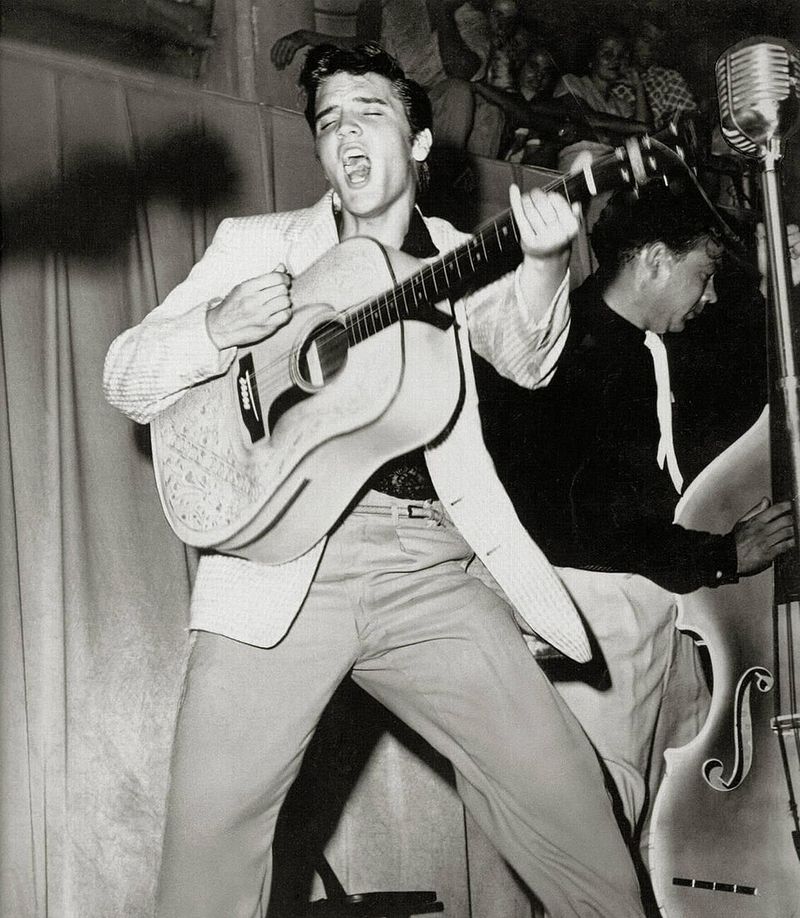
The flip side of Elvis Presley’s first Sun single was every bit as revealing as the front.
Bluegrass pioneer Bill Monroe wrote and recorded Blue Moon of Kentucky in 1945. Presley, Scotty Moore, and Bill Black changed it a lot.
They sped up the tempo and turned the bluegrass waltz into a blend of country and the rhythm Presley admired in Black R&B performers.
The result became an early example of what was called rockabilly. In October 1954 it reached the top 10 in Memphis, Nashville, and New Orleans, while That’s All Right was missing from those lists.
Bill Monroe disliked the new version at first, but his opinion softened once royalty checks arrived. He later played his own song faster.
Country listeners heard something familiar. So did R&B fans.
The record belonged fully to neither world.
Share this story