In 1953, Elvis Presley was an 18-year-old truck driver in Memphis, and rock and roll did not even have a name yet. Radio belonged to crooners, big orchestras, and country stars.
Teenagers spent their nickels at jukeboxes, and 45 rpm singles were quickly replacing heavy old 78s. Television sets were showing up in millions of living rooms, changing how people found new music.
Under all that polish, something louder was brewing. Rhythm and blues singers were pushing harder, electric guitars were getting bolder, and street-corner vocal groups were inventing harmonies that would soon be called doo-wop.
Studio wizards were stacking sounds in ways no one had tried before. The charts that year were a strange and wonderful mix.
A song about a puppy could sit near a raw blues shout, and a farewell ballad could share airtime with the first true rock and roll hit. Cool did not sound like one thing in 1953.
It sounded like many things at once, and some of them were quietly planning a takeover. The songs ahead show where the future started, who got there first, and why a year often skipped in music history deserves a second listen.
You might even find a new favorite hiding in your grandparents’ record collection.
1. Hound Dog by Big Mama Thornton
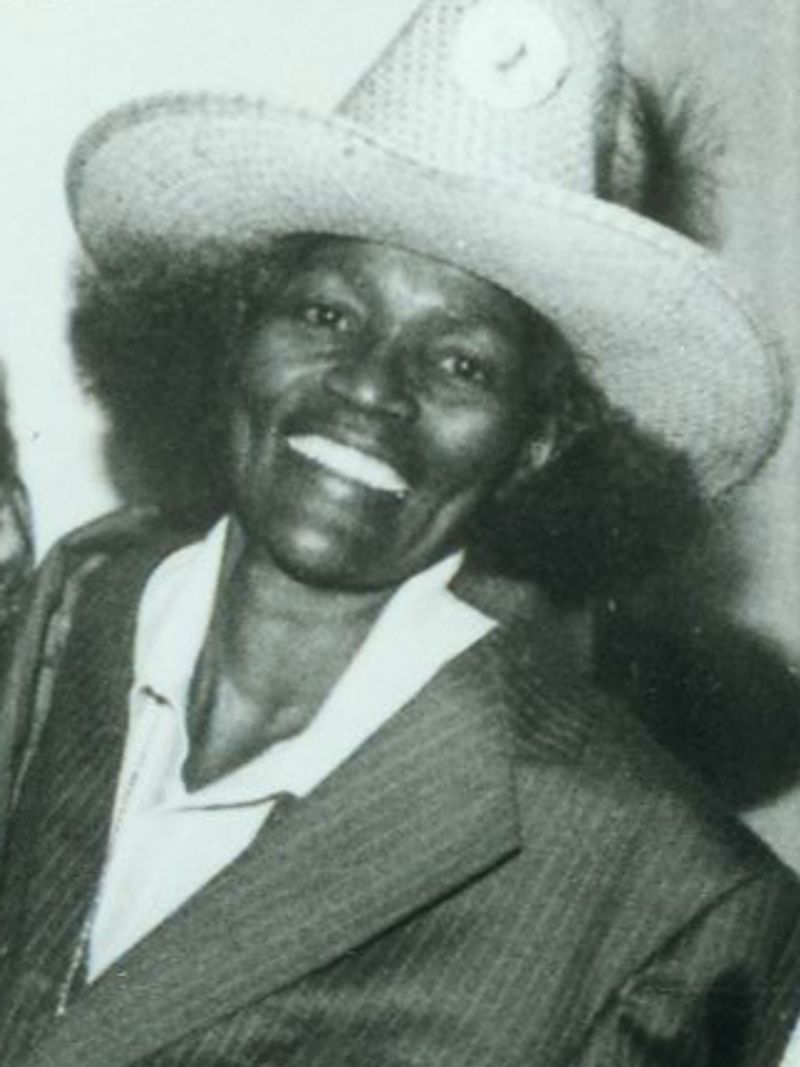
Three years before Elvis shook his hips to it, a woman named Willie Mae Thornton owned this song completely. Her version came out in February 1953 and spent seven weeks at No. 1 on Billboard’s R&B chart.
Jerry Leiber and Mike Stoller were only teenagers, about 19, when they wrote it for her. Thornton did not treat it as a joke.
She sang it like a warning, tough and full of attitude.
Guitarist Pete Lewis added sharp electric licks that gave the record real bite. The whole thing feels loose, bold, and a little rowdy.
Elvis turned it into a rock smash in 1956, with different lyrics and a faster beat. Many fans never hear the original.
Give Thornton’s take a spin. It shows how Black R&B artists built the road rock and roll later drove down.
2. That’s Amore by Dean Martin
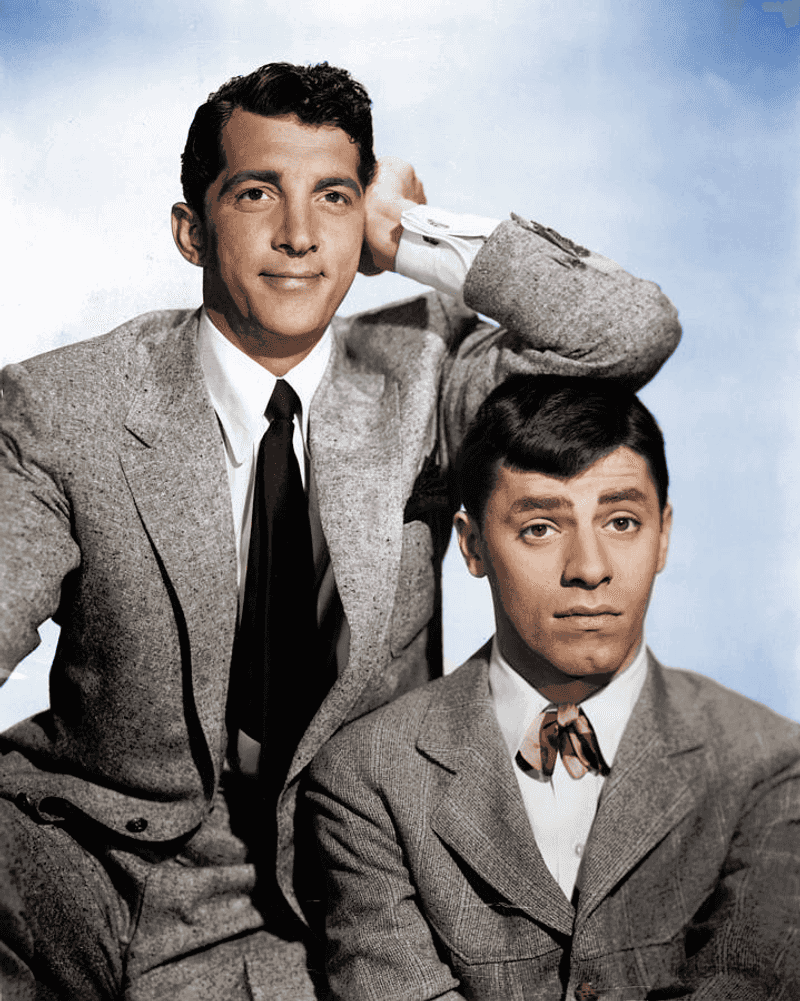
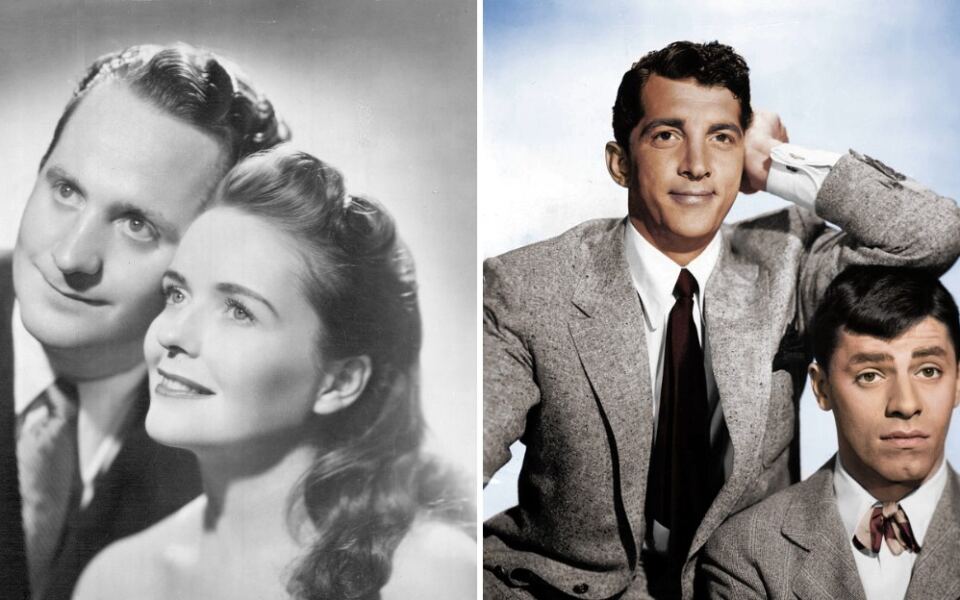
Pizza pies and moons in the sky turned out to be a winning formula. Dean Martin first sang That’s Amore in the 1953 comedy The Caddy, which starred him alongside Jerry Lewis.
Harry Warren wrote the music and Jack Brooks wrote the words. The song even earned an Academy Award nomination for Best Original Song.
Martin’s secret weapon was looking like he barely tried. He sang with a grin in his voice and never pushed too hard.
That relaxed style became his trademark for decades.
The single climbed to No. 2 on the Billboard pop chart. It proved Martin could succeed on his own, apart from his famous comedy team.
Today the tune pops up in movies, commercials, and Italian restaurants everywhere. Fun fact: it reached the charts again in several countries long after 1953.
3. Your Cheatin’ Heart by Hank Williams
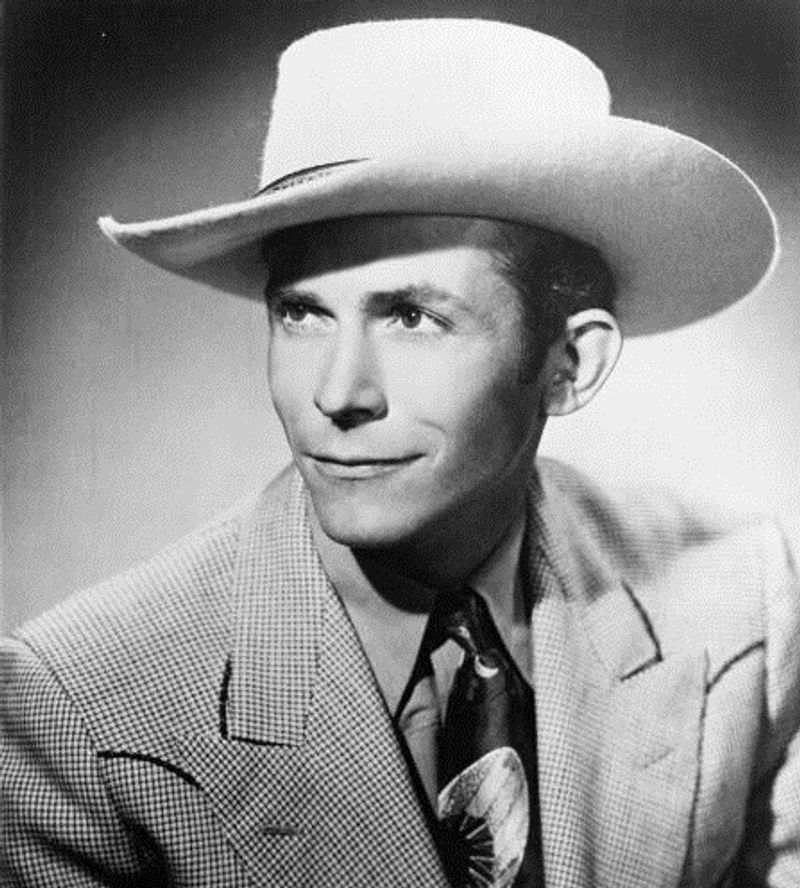
Short lines and plain words made this one of the most covered songs in country music. Hank Williams recorded it in September 1952, and it was released in January 1953.
Williams passed away on January 1 of that year, at only 29. The record went on to spend six weeks at No. 1 on Billboard’s country chart.
The lyrics deal with a partner who broke a promise. There are no fancy tricks here.
Williams simply sings the truth, and listeners have believed him ever since.
The song became a model for honky-tonk, the style of country built for dance halls and jukeboxes. Songwriters still study its simple structure.
Its reach spread far beyond Nashville. Ray Charles recorded a soulful version in 1962 that hit No. 29 on the Billboard Hot 100, bringing Williams to a whole new crowd.
4. Vaya Con Dios by Les Paul and Mary Ford
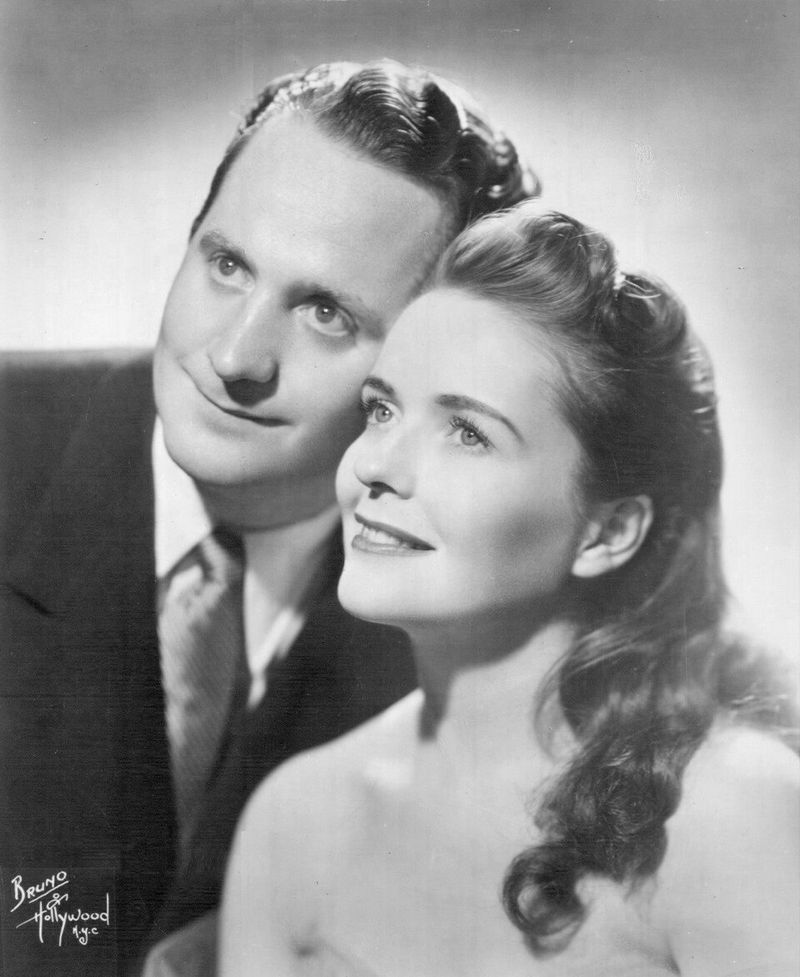
Eleven weeks at No. 1 is the kind of number most artists only dream about. Les Paul and Mary Ford pulled it off with Vaya Con Dios in 1953.
The title is Spanish for go with God. The lyrics describe a soft goodbye between two people in love.
Ford’s voice was smooth and warm, but the real story was happening behind the scenes. Les Paul was a tinkerer who loved gadgets.
He pioneered multitrack recording, which let him layer guitar parts and vocals one on top of another. Ford could sing harmony with herself.
In the early 1950s, that was brand new.
Today almost every song you hear is built this way. Paul also helped shape the solid-body electric guitar, and Gibson still sells a model with his name on it.
Not bad for one couple working from home.
5. Money Honey by Clyde McPhatter and The Drifters
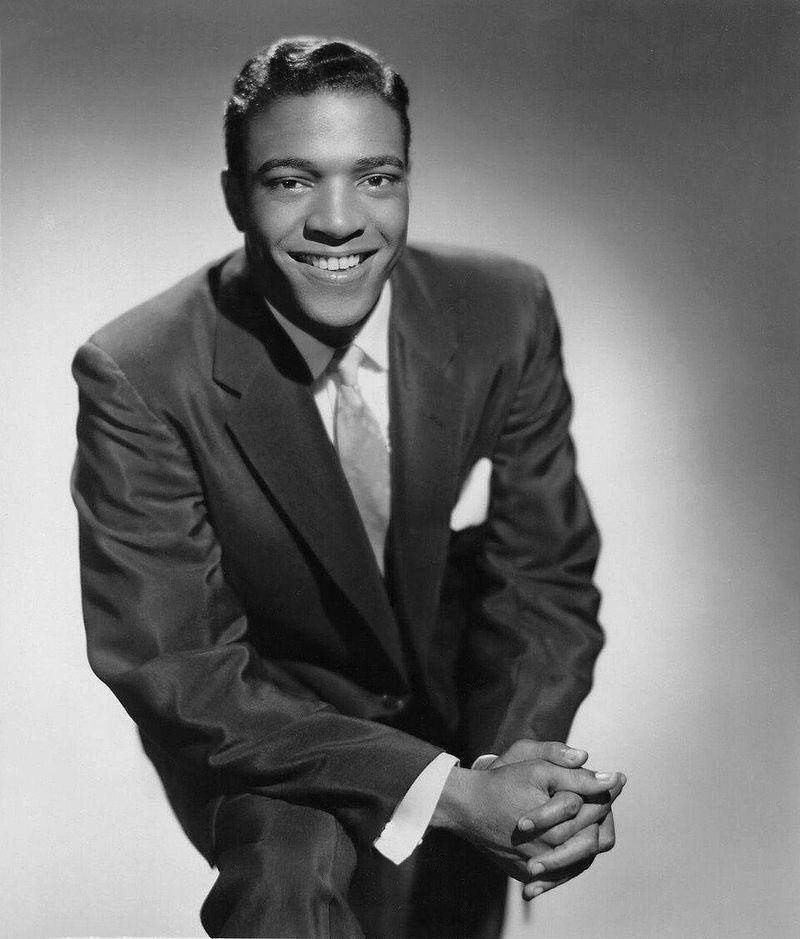
Rent is due, the landlord is knocking, and love depends on cash. That was the funny setup of Money Honey, the very first hit by The Drifters.
Released in September 1953 on Atlantic Records, it reached No. 1 on Billboard’s R&B chart. It stayed on that chart for 23 weeks.
Clyde McPhatter led the group. He had just left The Dominoes and brought a church-trained voice that soared and swooped.
The record mixed tight harmonies with a bouncy beat that pointed toward rock and roll. Elvis later recorded his own version in 1956.
The Drifters went through many lineup changes. Over the years, more than 60 singers performed under the name.
Hits like Under the Boardwalk came much later. Money Honey is where the whole adventure began.
6. How Much Is That Doggie in the Window by Patti Page
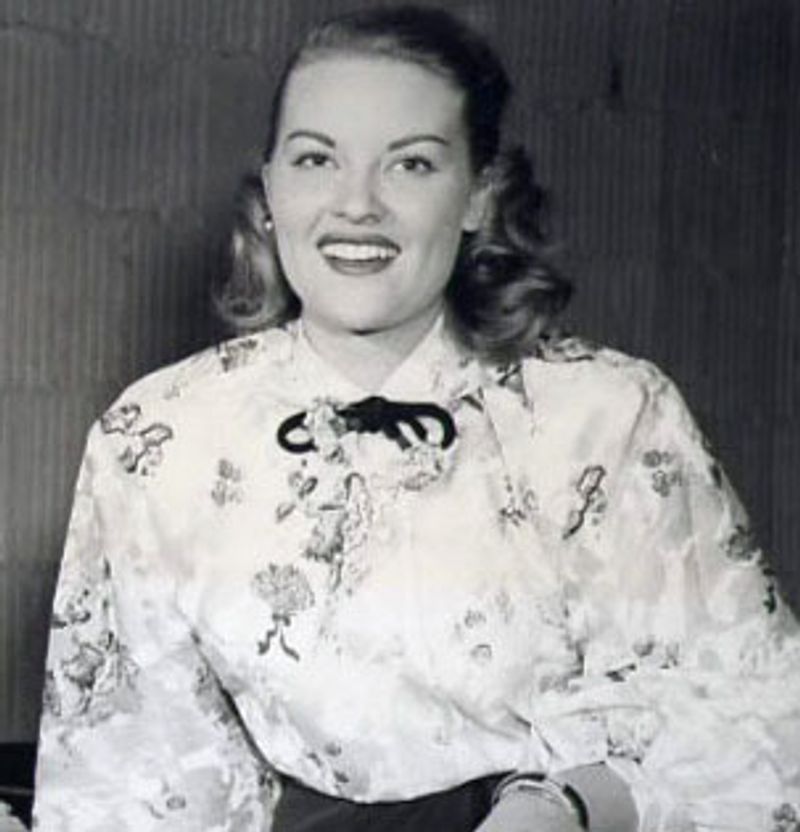
Woof woof. Those barks helped sell over two million copies of a song about a puppy.
Patti Page released her version in January 1953. It reached No. 1 on both the Billboard and Cash Box charts and stayed on top for eight weeks.
Bob Merrill wrote it, and the tune was simple enough for kids to sing after one listen. Families loved it, and radio stations played it constantly.
Not everyone was a fan. Some critics thought it was silly.
Yet it proved that a novelty song could beat serious ballads on the charts.
Here is a twist. Decades later, Page changed her view on the song’s message.
She backed animal shelters and recorded a new version encouraging people to adopt pets instead of buying them from stores. A puppy song with a sequel is pretty unusual.
7. Crying in the Chapel by The Orioles
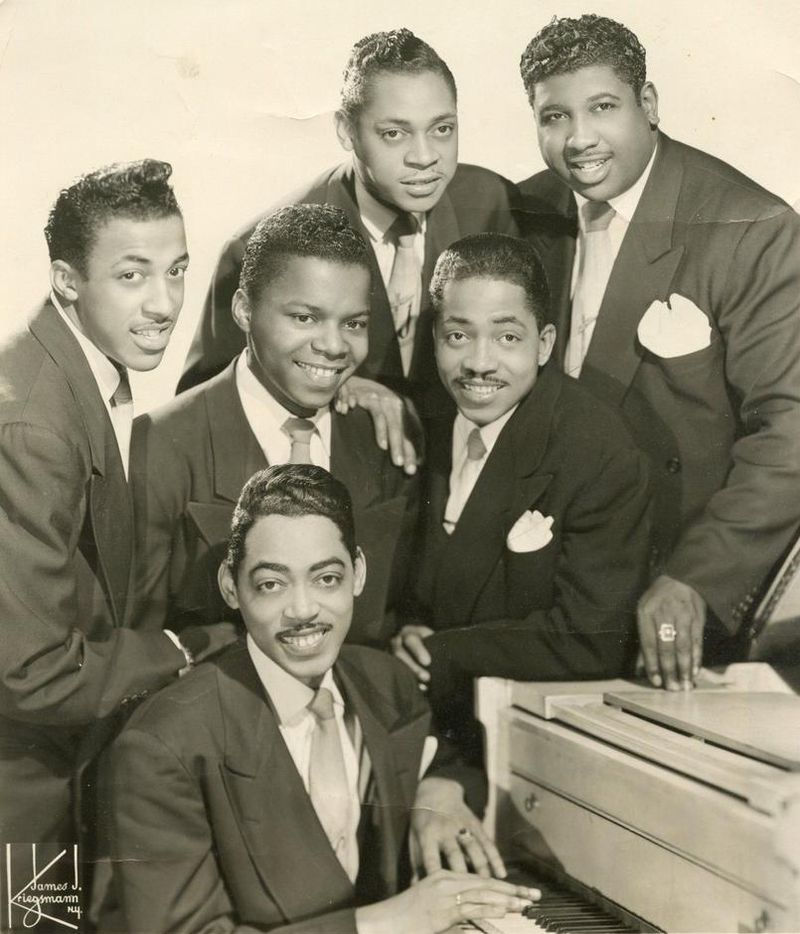
Doo-wop did not have a name yet, but The Orioles were already singing it. The group came from Baltimore and started in the late 1940s.
In 1953 they released Crying in the Chapel. It hit No. 1 on the R&B chart and crossed over to No. 11 on the pop chart.
That crossover mattered a lot. Back then, radio and record stores often kept Black and white audiences separate.
A song reaching both lists was a big deal.
Lead singer Sonny Til sang with a soft, aching voice. The group hummed and blended behind him.
Slow songs like this showed that vocal groups could do more than dance tunes. Elvis took the song to No. 3 on the Billboard Hot 100 in 1965.
Still, the Orioles version set the pattern many groups copied.
8. Dragnet by Ray Anthony and His Orchestra
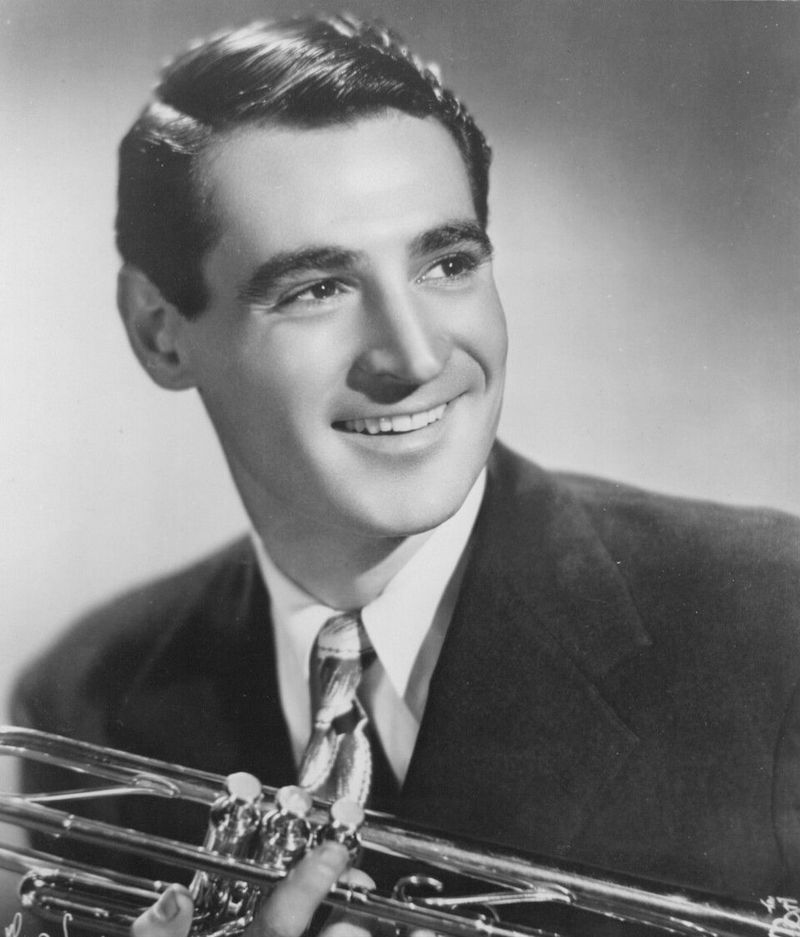
Dum, de-dum-dum. Four notes were enough for millions of TV viewers to know a police show was starting.
Dragnet aired on NBC television beginning in 1951, and its theme quickly became famous. Bandleader Ray Anthony turned it into a full record in 1953.
His version reached No. 3 on the Billboard Best Selling Singles chart. Loud brass and a steady beat made it easy to recognize.
Timing helped. Around half of American homes had a TV by 1953, and that number was climbing fast.
People wanted to own the music from their favorite shows.
Anthony was a trumpet player who had performed with Glenn Miller’s band. He knew how to make horns grab attention.
The success opened a door. Later TV and movie themes, from Peter Gunn to Star Wars, became chart hits too.
9. I Believe by Frankie Laine
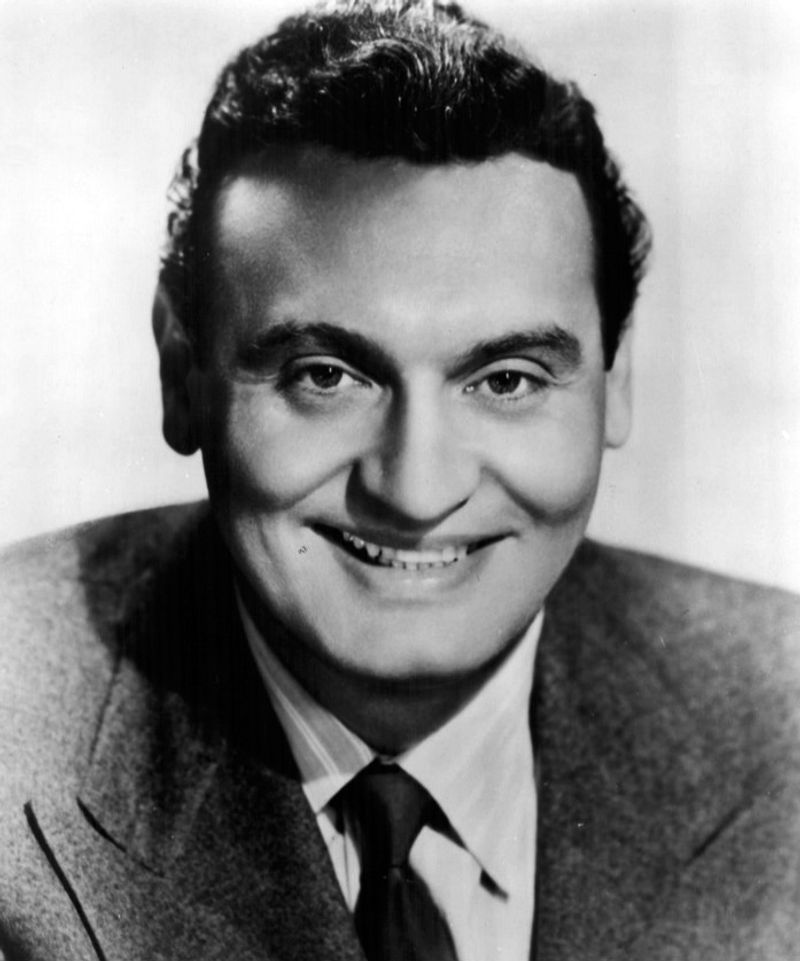
Eighteen weeks at No. 1 in Britain is a record that still stands today. Frankie Laine set it with I Believe in 1953.
Those weeks were not all in a row. The song kept dropping and climbing back to the top.
Even so, no single has beaten that total in the UK.
Written in 1952, the song was first performed on a TV show by Jane Froman. Its message of hope and faith connected with people rebuilding their lives after World War II.
Laine was famous for singing with huge energy. He did not hold back, and this song let him go big.
In the United States it reached No. 2. While R&B singers were heading somewhere new, Laine stood for a grand, emotional pop style that many listeners still adored.
10. The Things That I Used to Do by Guitar Slim
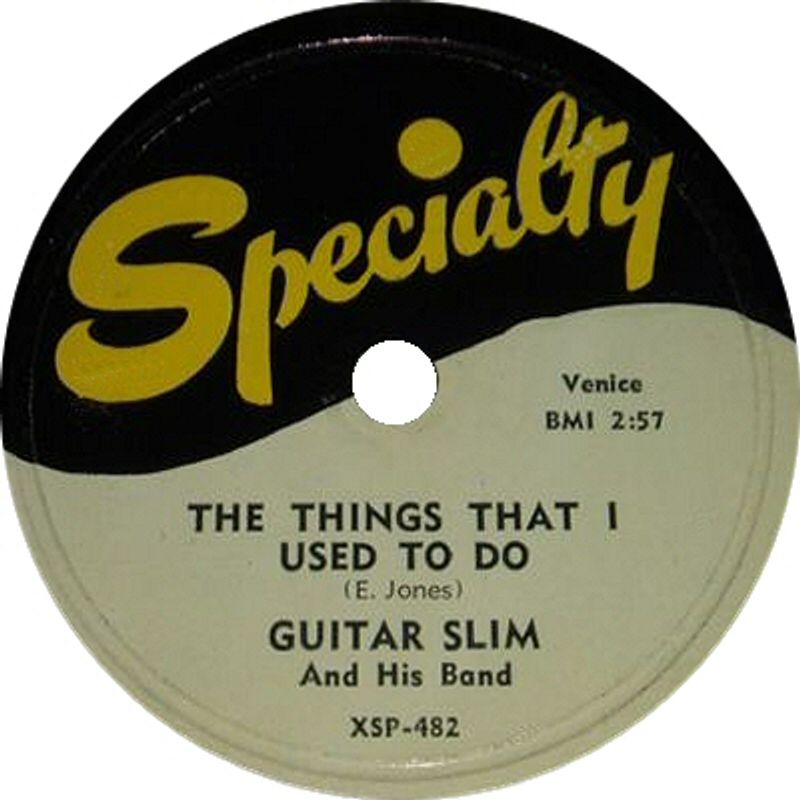
Bright suits, a 350-foot guitar cord, and performances that wandered into the crowd made Eddie Jones unforgettable. Fans knew him as Guitar Slim.
He recorded The Things That I Used to Do in New Orleans in October 1953. A young Ray Charles helped arrange the session and played piano.
Released in late 1953, the song became a giant hit in 1954. It topped Billboard’s R&B chart for weeks.
Slim liked to turn his amplifier up loud. His guitar sometimes sounded fuzzy and gritty, years before distortion pedals existed.
That raw tone caught the attention of future players. Jimi Hendrix and Stevie Ray Vaughan both counted him as an influence.
If you want to know where blues-rock guitar came from, start here. It sounds nothing like the polished pop that ruled the radio that year.
11. Rags to Riches by Tony Bennett
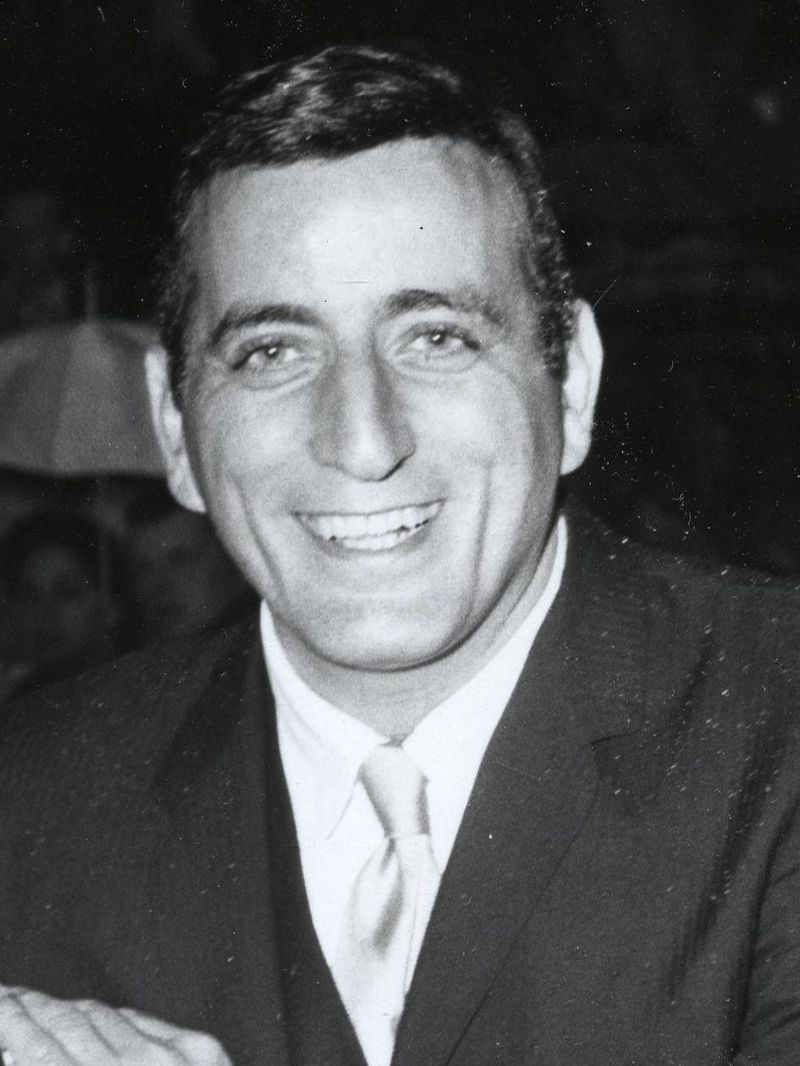
Long before he recorded duets with Lady Gaga, Tony Bennett was a 27-year-old singer from Queens chasing his next hit. He found it with Rags to Riches.
The song topped the Billboard chart in late 1953 and stayed at No. 1 for eight weeks. Richard Adler and Jerry Ross wrote it, the same team behind the Broadway show The Pajama Game.
Its story is simple. A person with no money feels rich because someone loves them.
Bennett sang it with big, bold energy, backed by a swinging orchestra. It fit perfectly with the romantic pop listeners wanted then.
His career stretched over seven decades, and he won 20 Grammy Awards. Few singers ever lasted that long.
Fun fact: the song later appeared in the 1990 film Goodfellas, introducing it to younger viewers.
12. Crazy, Man, Crazy by Bill Haley and His Comets
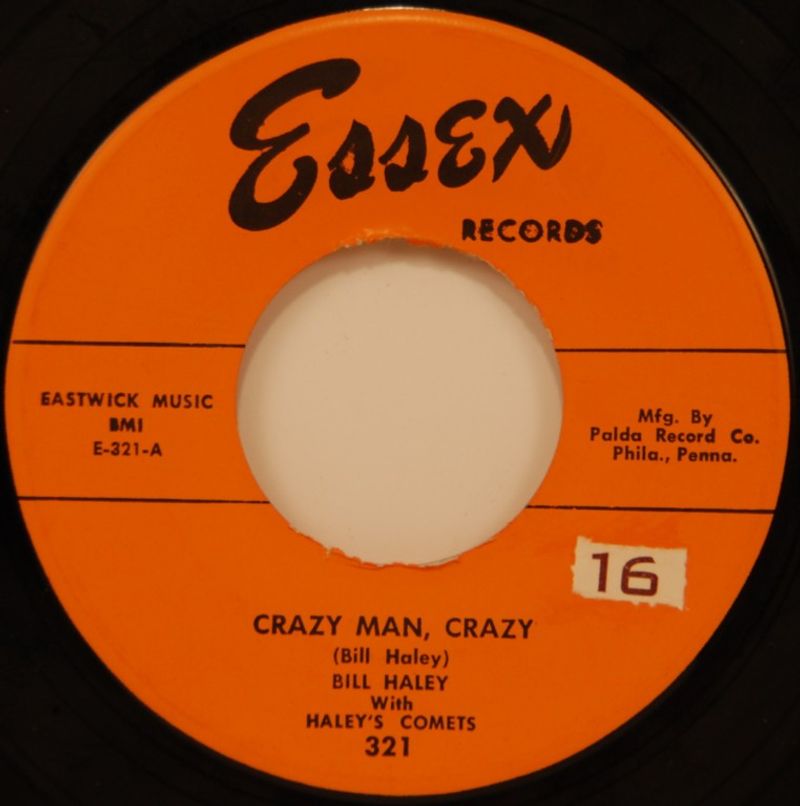
Teen slang made its way into a song title, and music history took notice. Crazy, Man, Crazy came out in April 1953.
It is widely recognized as the first rock and roll record to appear on a national American chart. It climbed to No. 12 on Billboard’s pop list.
Bill Haley started out in country and western swing. Then he began mixing in rhythm and blues beats and shouted group vocals.
The result was fast, loud, and fun to dance to. Older listeners were puzzled.
Younger ones loved it.
The song also appeared on a TV drama, which helped spread the word.
Haley recorded Rock Around the Clock in 1954, and it exploded in 1955 after showing up in the movie Blackboard Jungle. Crazy, Man, Crazy was the warm-up act that came first.
13. P.S. I Love You by The Hilltoppers
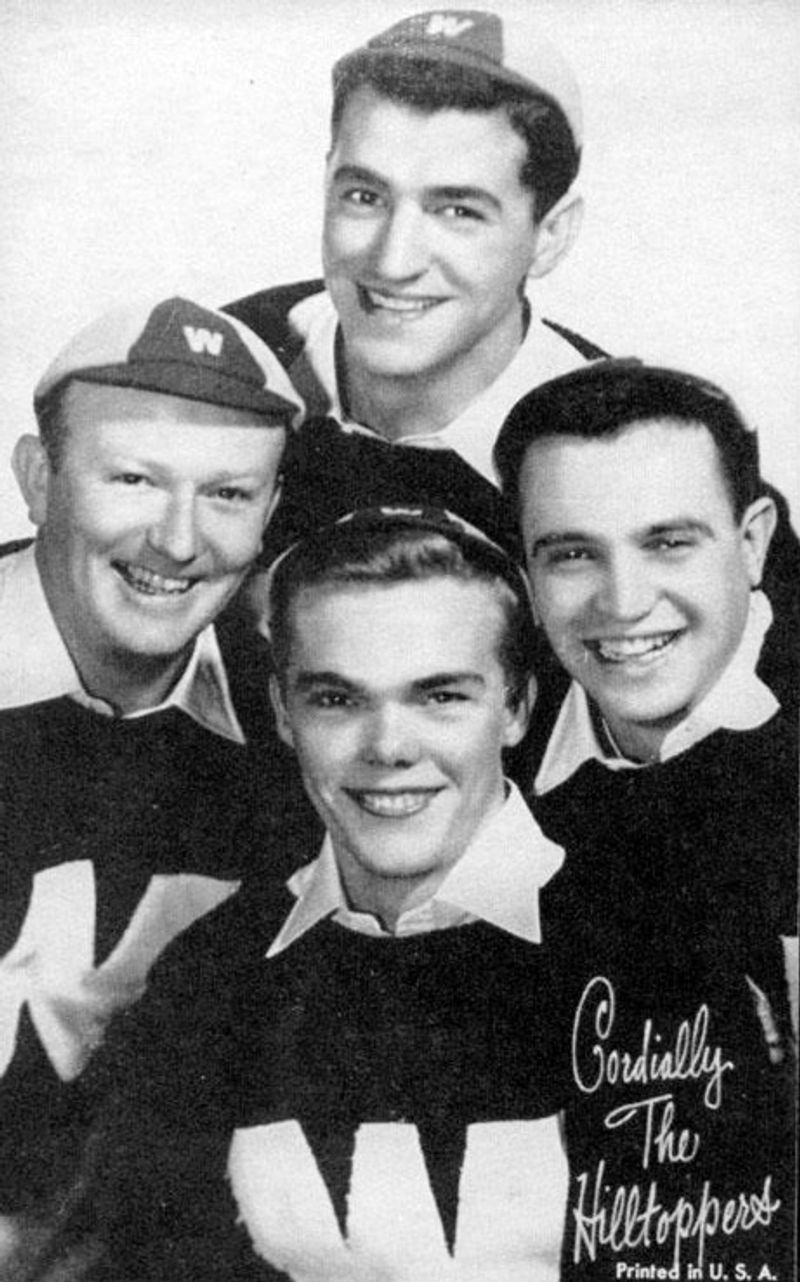
College students wearing beanie caps scored a million-selling record, and they were still in school. The Hilltoppers formed at Western Kentucky State College in Bowling Green.
Their 1953 single P.S. I Love You reached No. 4 on the Billboard pop chart.
It sold over a million copies.
The song first appeared in 1934, written by Gordon Jenkins and Johnny Mercer. It describes a letter that ends with a sweet little note of affection.
The group sang with neat, smooth harmonies. Lead singer Jimmy Sacca kept things calm and gentle, perfect for radio.
Their sound was very different from The Crows or The Orioles. Those groups leaned into R&B, while The Hilltoppers stuck to classic pop.
Both styles shared the charts in 1953. That variety is exactly what made the year so interesting.
Share this story