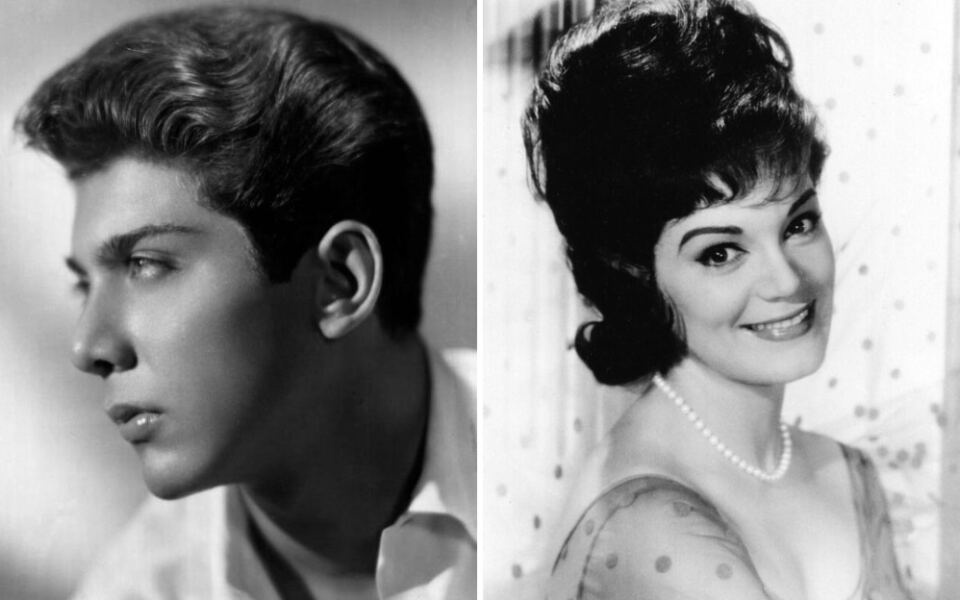
By 1959, the high school dance had become one of the defining rituals of teenage America. Gym floors turned into dance floors, record players and local bands supplied the soundtrack, and a single song could become inseparable from a first date or a Friday night with friends.
Rock and roll was still young but already changing fast, pulling in rhythm and blues, doo-wop, early soul, and romantic pop all at once. The 13 songs collected here were released in 1959 and capture the full range of excitement, romance, and youthful energy that could fill a school gymnasium before the final record of the night.
Each one left a mark on the teenagers who heard it, and together they tell the story of a year when popular music was genuinely unpredictable. Read on to find out which records ruled the dance floor and why they still hold up today.
1. Shout by The Isley Brothers
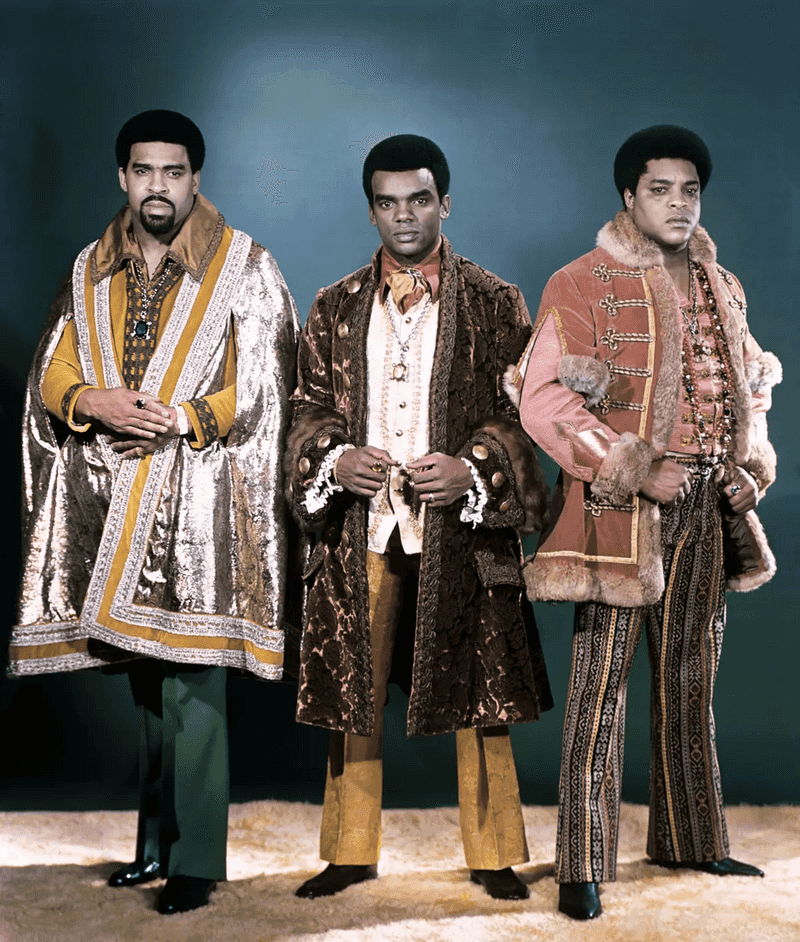
Call-and-response had existed in gospel and blues for generations, but the Isley Brothers turned it into a full-scale party instruction in August 1959 when they released Shout. The song grew directly out of their live performances, where audiences were already joining in before the record ever existed.
On the Billboard Hot 100, it peaked at number 47, which understates its actual reach considerably. Its reputation spread through repeated performances, word of mouth, and constant play at dances and parties where its structure practically forced participation.
The famous quieter section builds anticipation before the energy rises again, giving a crowd a natural moment to catch their breath. For a high school gym full of teenagers, that formula was nearly perfect.
Decades of continued use at celebrations of every kind confirmed what those first dancers already knew.
2. Dream Lover by Bobby Darin
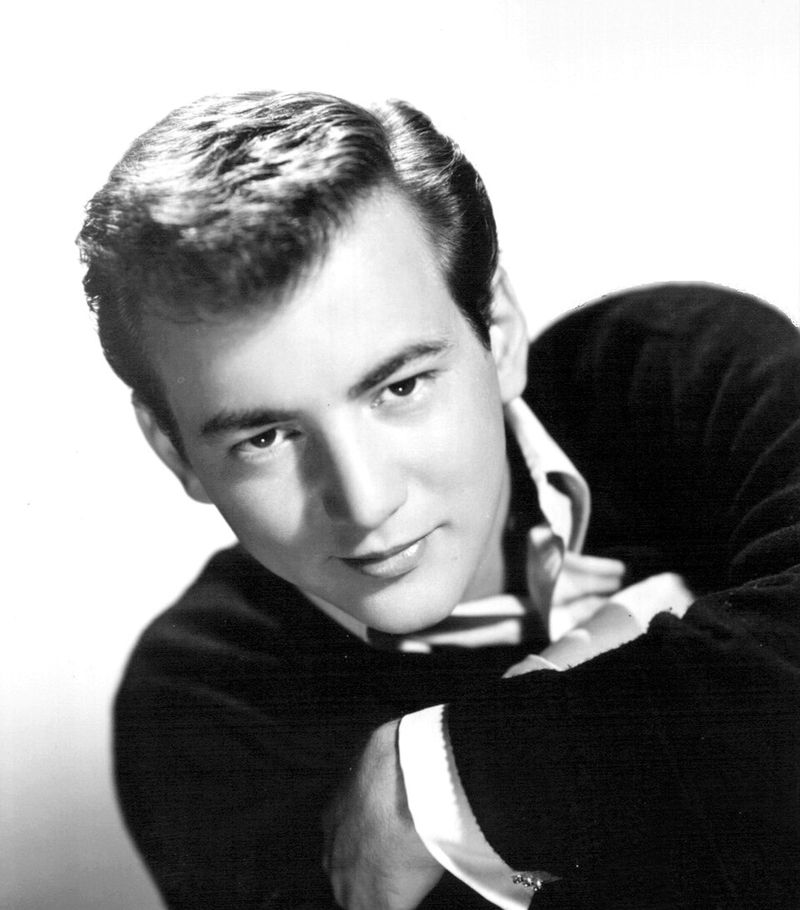
Bobby Darin wrote Dream Lover himself, which set it apart from much of the teenage pop being released around it. He released it in April 1959 during a period when he was moving confidently between rock and roll, mainstream pop, and the sophisticated standards that would define his later career.
The single reached number 2 on the Billboard Hot 100 and topped the UK’s New Musical Express chart. Its appeal was direct and immediate.
Darin sings about wanting someone he can call his own, turning a recognizable teenage longing into one of the year’s most polished records.
At a dance, it offered a natural change of pace after louder rock and roll numbers. The best school dances were not nonstop frenzy, and a record like Dream Lover gave couples a perfectly good reason to slow down.
3. Personality by Lloyd Price
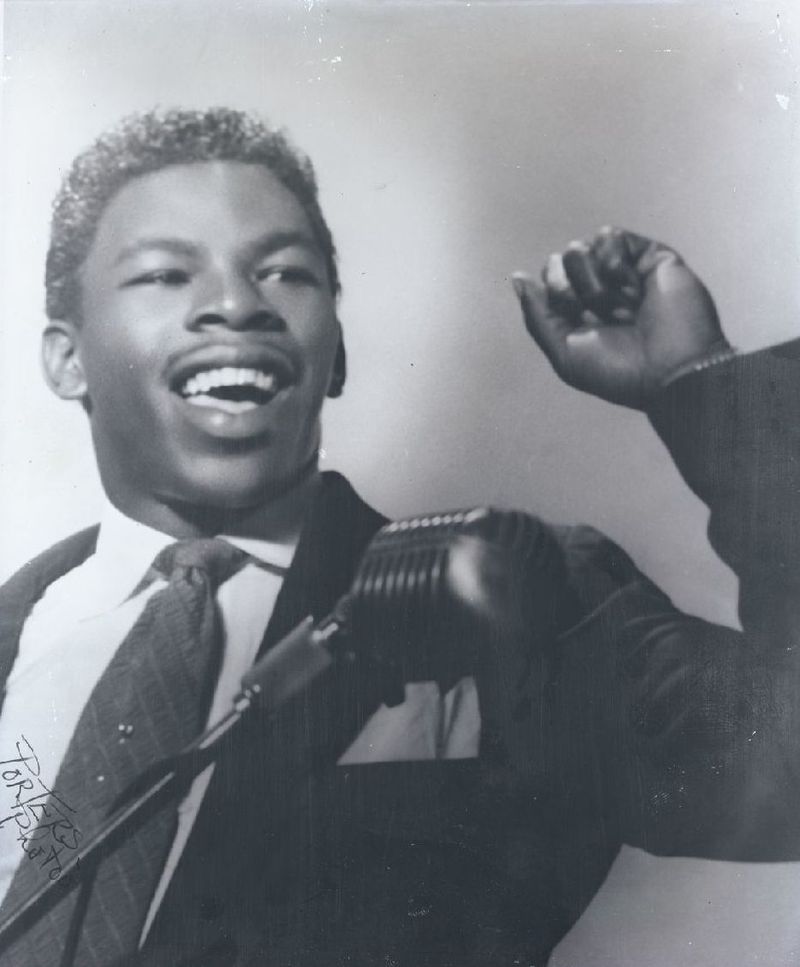
Lloyd Price had one of the biggest years of his career in 1959, and Personality was a major reason why. Released in April of that year, the song is built around a simple idea: the narrator is attracted to someone for far more than appearance, though his repeated enthusiasm makes it clear he is thoroughly captivated.
The single reached number 2 on the Billboard Hot 100 and topped the R&B chart. Price delivers the vocal with a playful confidence perfectly suited to teenage radio and dance floors alike.
Price was part of the generation of rhythm-and-blues performers whose music helped reduce the increasingly artificial separation between R&B and mainstream teenage pop. By 1959, teenagers were not sorting records by category.
They were simply hearing something great and turning it up, and Personality gave them every reason to do exactly that.
4. A Teenager in Love by Dion and the Belmonts
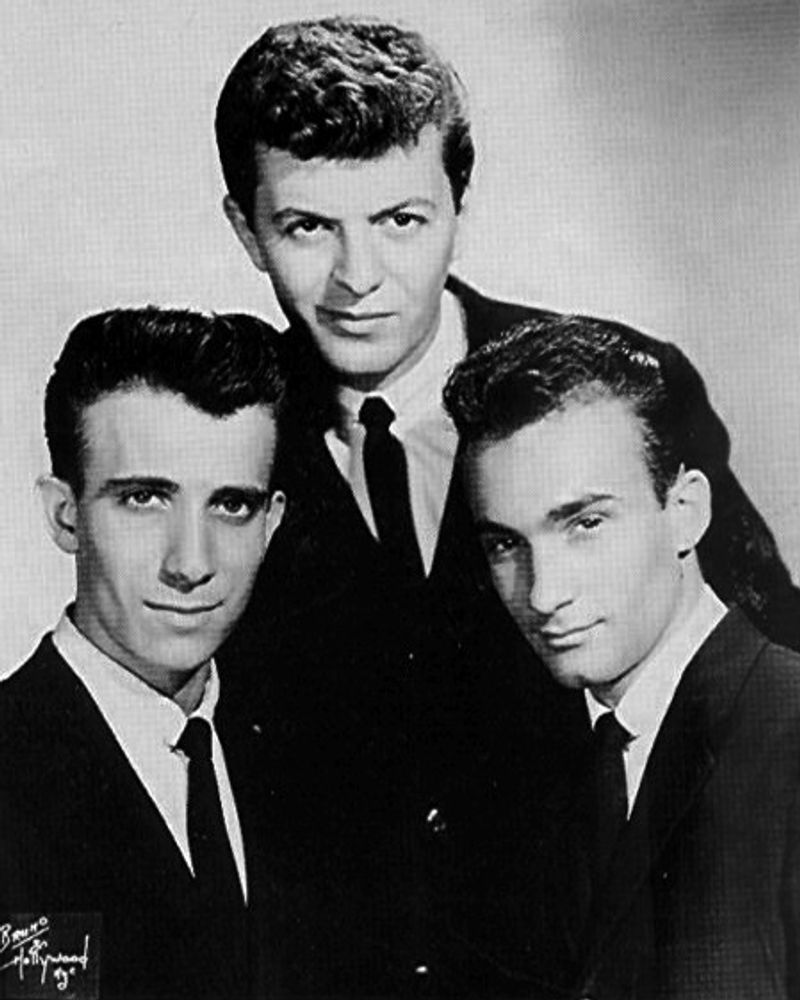
Few song titles could have been better designed for a high school dance. Written by Doc Pomus and Mort Shuman, A Teenager in Love was released by Dion and the Belmonts in March 1959 and became one of the defining records of the doo-wop era.
The lyrics capture the emotional extremes of young romance with striking directness. One moment everything seems perfect.
The next, heartbreak feels like the end of the world. That honesty was a large part of its appeal to the teenagers buying it.
Dion’s lead vocal sits against the Belmonts’ harmonies in a way that felt tailor-made for a gymnasium full of young people navigating exactly those emotions. The song peaked at number 5 on the Billboard Hot 100.
More importantly, its title practically announced who it belonged to, which no teenager at a 1959 dance could ignore.
5. Stagger Lee by Lloyd Price
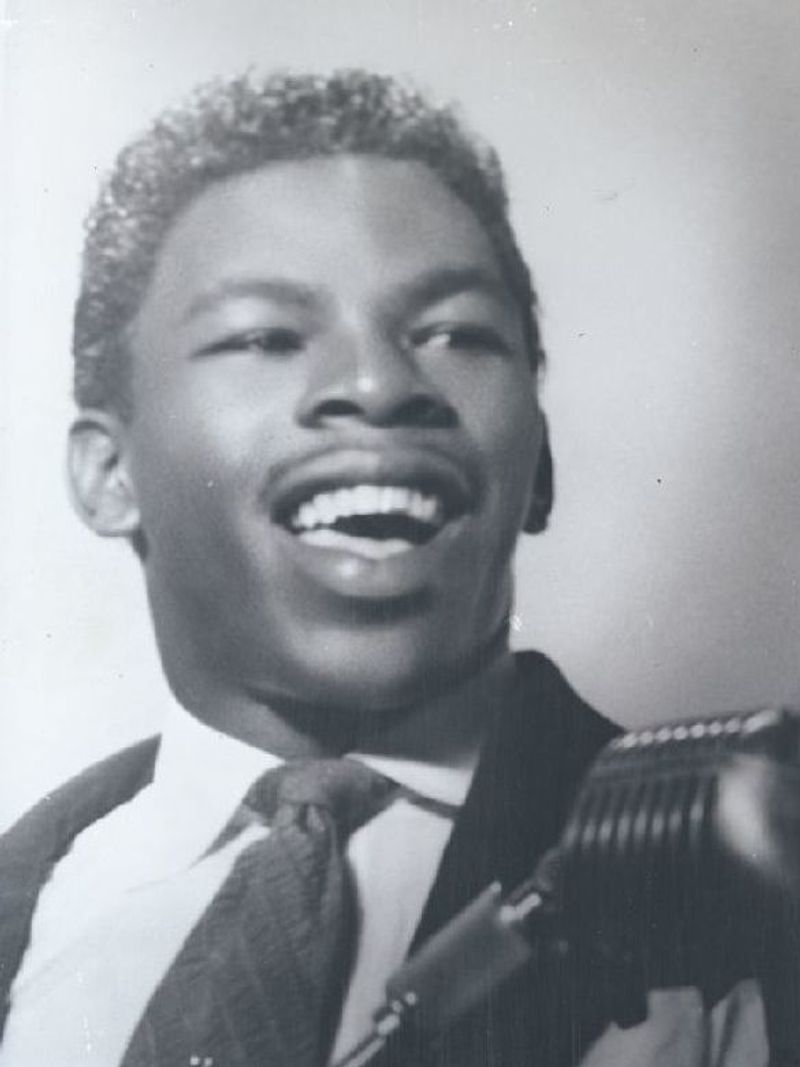
Based on a nineteenth-century American murder ballad about Stagger Lee Shelton and Billy Lyons, this story had circulated in folk and blues traditions for decades before Lloyd Price transformed it into a driving rhythm-and-blues hit. His version reached number 1 on both the pop and R&B charts in early 1959, having been released in late 1958.
The record’s subject matter was unusually direct for a mainstream pop hit, and a less confrontational version was reportedly prepared for television appearances. Teenagers bought the original anyway, in enormous numbers.
Musically, it had everything a dance floor required: pounding rhythm, horns, an urgent vocal, and momentum that never lets up. Its popularity also illustrates how broad teenage listening habits had become by 1959.
A school dance could move from an innocent romance song to a century-old cautionary tale without anyone finding the shift particularly unusual.
6. Charlie Brown by The Coasters
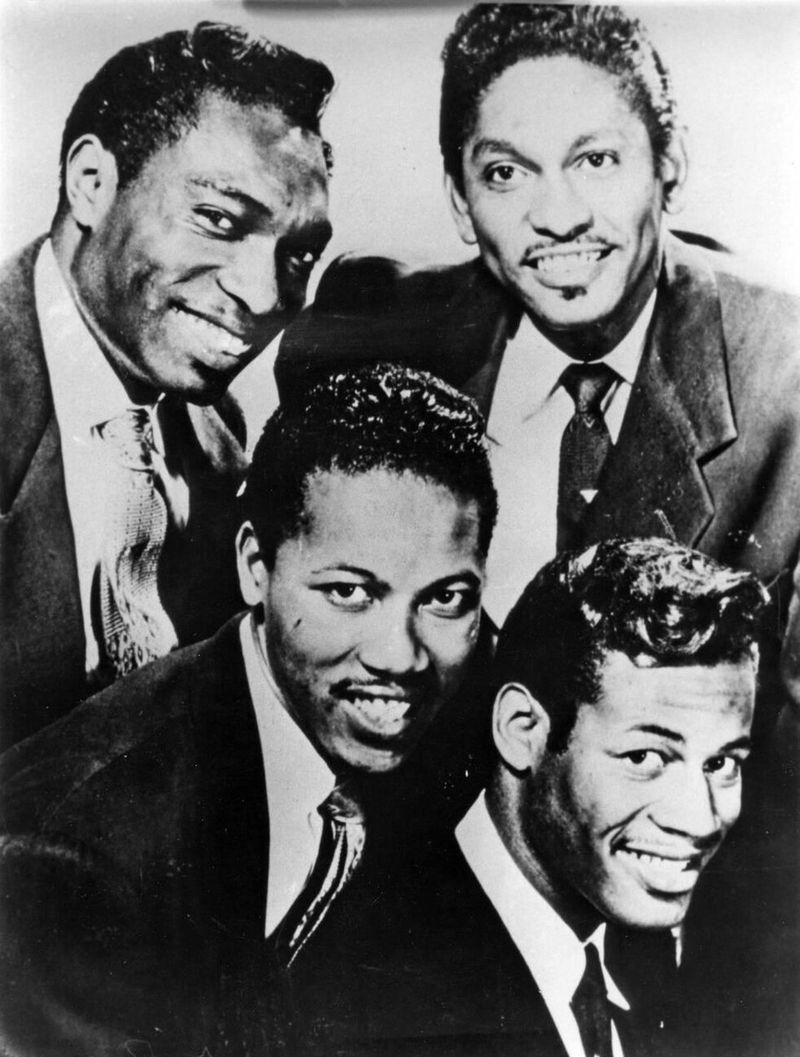
The Coasters had a talent for turning everyday teenage situations into rhythm-and-blues comedy, and Charlie Brown, released in January 1959, is one of their best examples. Written by Jerry Leiber and Mike Stoller, the song tells the story of the class troublemaker who causes problems and then genuinely cannot figure out why everyone seems to have a problem with him.
Teenagers hardly needed the character explained. Almost every school had someone who fit the description, which made the song feel less like fiction and more like a classmate’s biography.
The record peaked at number 2 on the Billboard Hot 100.
In an era crowded with songs about romance and heartbreak, Charlie Brown brought the classroom itself onto the dance floor. Listeners could move to the rhythm while laughing at the lyrics, which was a combination the Coasters consistently delivered better than almost anyone else working in 1959.
7. There Goes My Baby by The Drifters
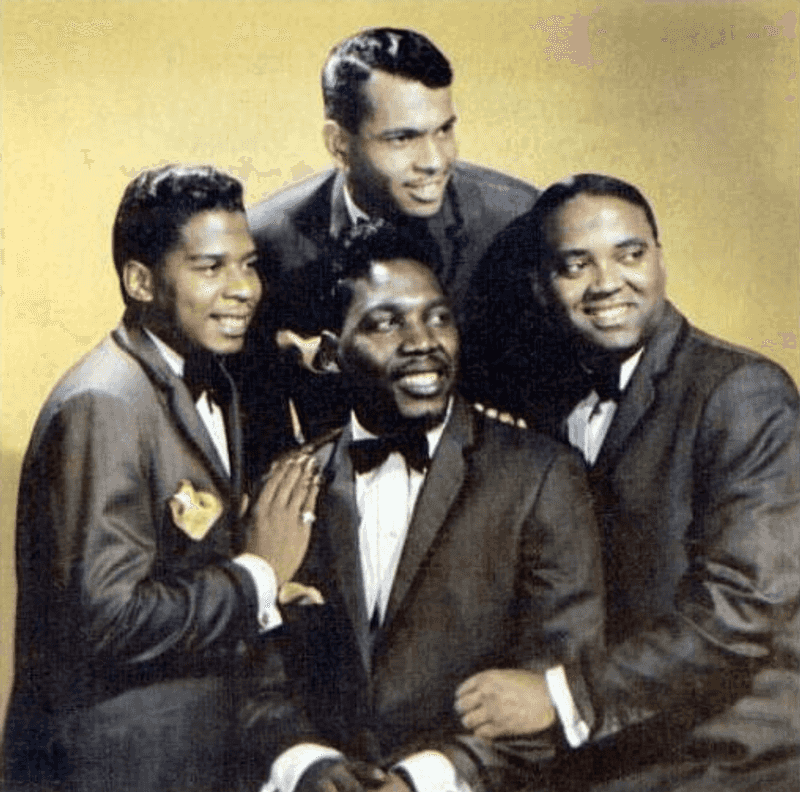
Released in spring 1959, There Goes My Baby helped change the sound of rhythm and blues. The Drifters’ recording featured Ben E.
King on lead vocals and an arrangement that incorporated orchestral strings into the group’s sound, which was far from a standard choice at the time.
The result was striking. The record reached number 2 on the Billboard Hot 100 and number 1 on the R&B chart.
Its ambitious production pointed directly toward the more sophisticated soul recordings that would define the following decade.
For teenagers in 1959, none of that future history was necessary to appreciate it. They heard a heartbreak song with an emotional sweep that most pop records could not match.
At a school dance, There Goes My Baby offered exactly the kind of record that could make an ordinary gymnasium feel unexpectedly large and significant for three minutes.
8. Lipstick on Your Collar by Connie Francis
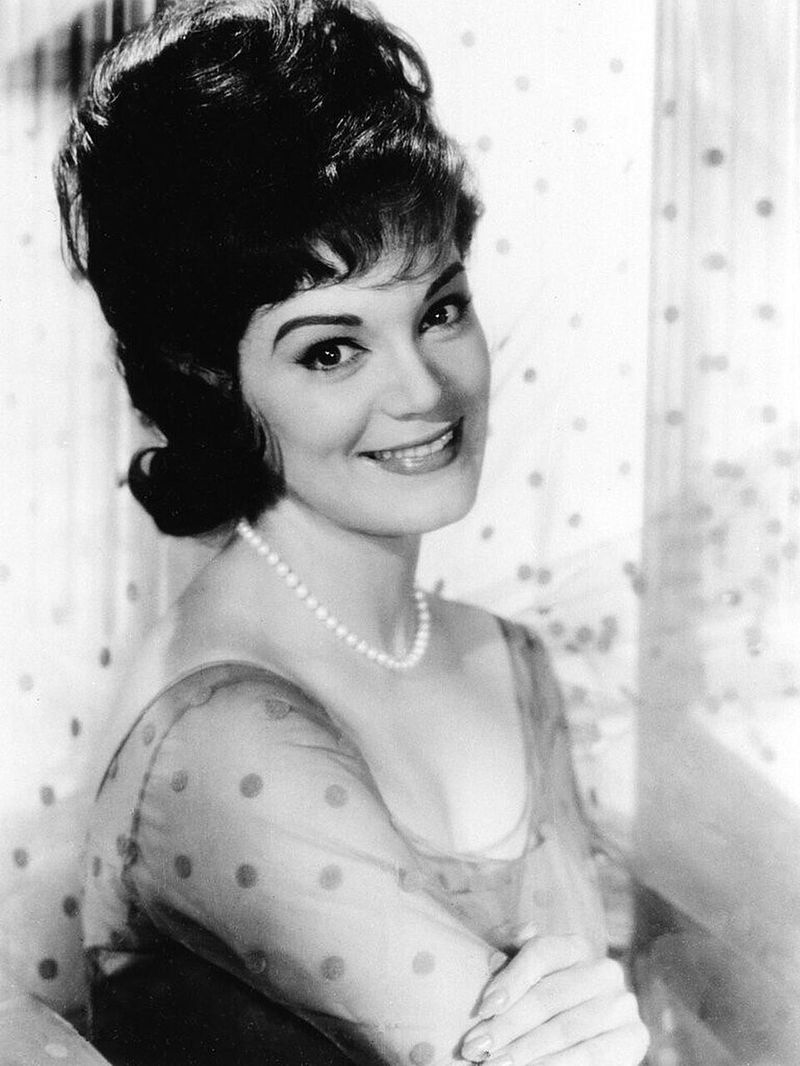
Teenage romance was not always dreamy, and Connie Francis knew it. Released in May 1959, Lipstick on Your Collar turned the discovery of an unfaithful boyfriend into an irresistibly catchy pop record.
The premise is about as clear as a premise can get.
A young woman spots lipstick on her boyfriend’s collar and immediately understands that whatever explanation he offers will not be sufficient. Francis delivers the song with enough assurance that the narrator never sounds helpless or confused.
She sounds like someone who has already made up her mind.
The single peaked at number 5 on the Billboard Hot 100 and number 3 in the UK, eventually selling over a million copies. At a high school dance, it fit perfectly.
The dances themselves were full of romantic possibilities, but songs like this reminded everyone that the drama rarely ended when the music stopped.
9. It’s Just a Matter of Time by Brook Benton
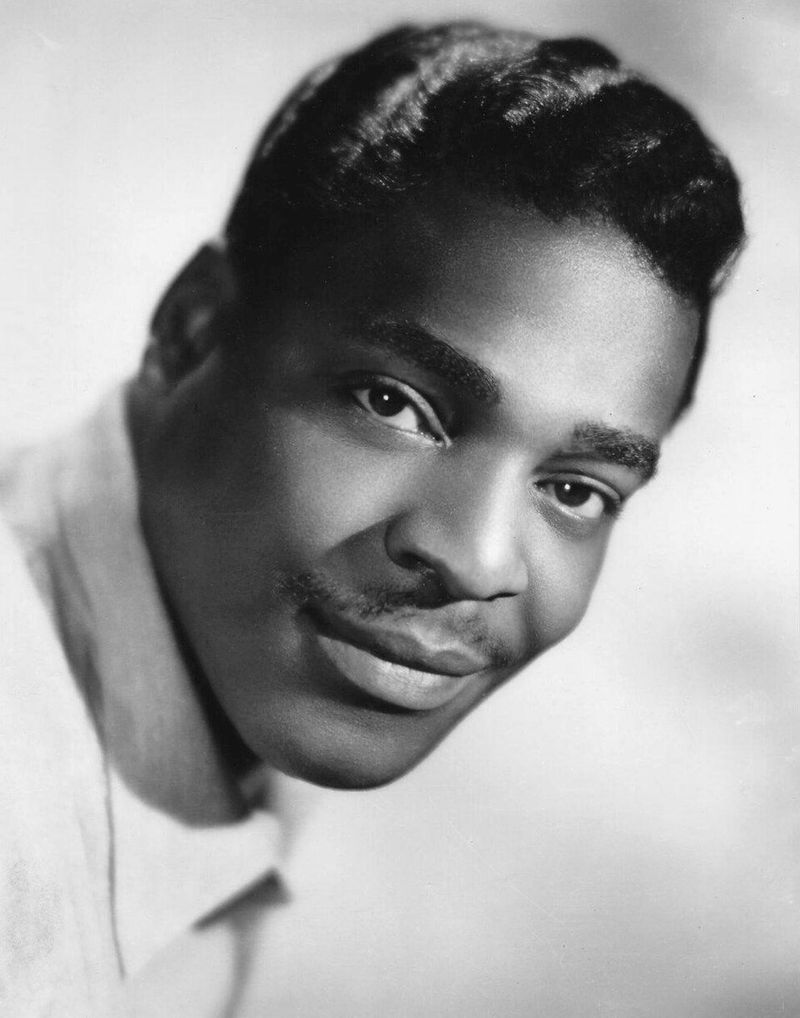
Brook Benton released It’s Just a Matter of Time in January 1959, and it showcased a side of popular music that teenagers did not always expect: controlled confidence. Written by Benton alongside Clyde Otis and Belford Hendricks, the song is built around certainty rather than desperation.
The narrator believes the other person will return, and Benton delivers that conviction with a smooth baritone that crossed easily from R&B into mainstream pop. The record reached number 3 on the Billboard Hot 100 and held the number 1 spot on the R&B chart for nine weeks, eventually selling over a million copies.
For teenagers accustomed to the frantic energy of early rock and roll, a record like this demonstrated that popular music could be youthful without being loud. At a dance, the slow songs were often the ones people remembered longest, and this one gave them good reason to remember it.
10. Poison Ivy by The Coasters
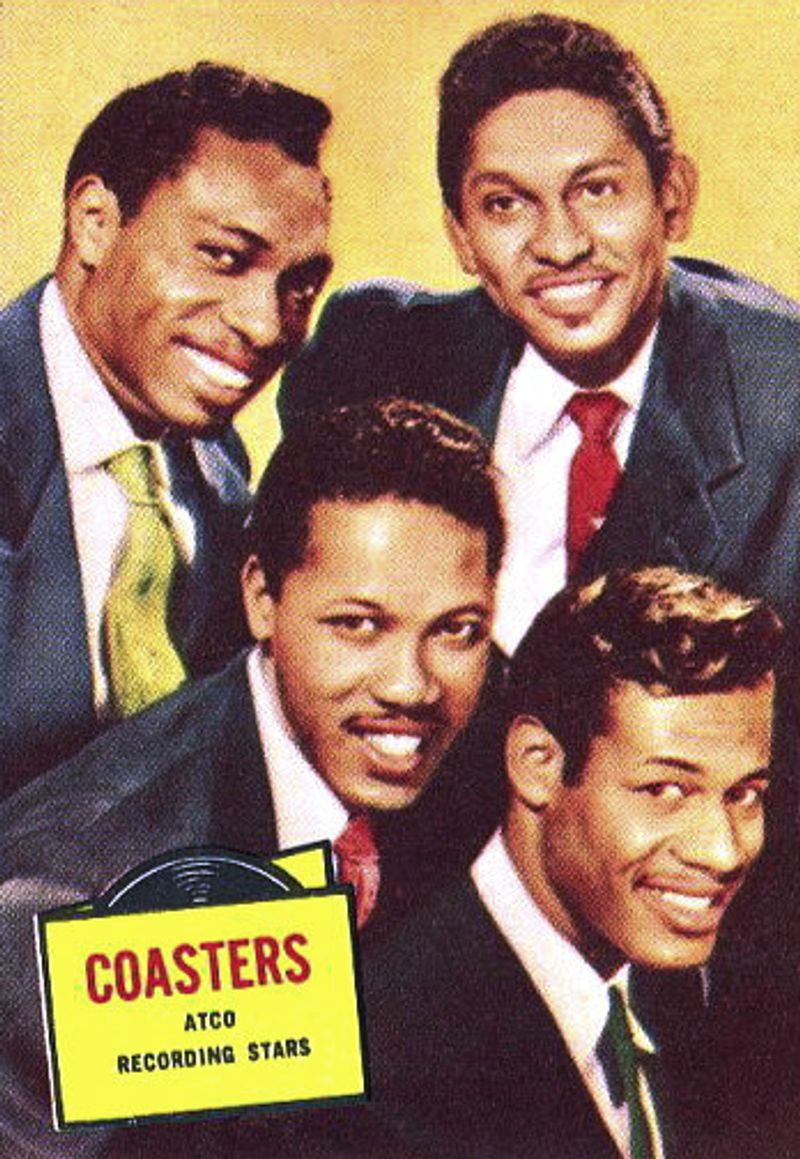
Jerry Leiber and Mike Stoller wrote Poison Ivy for the Coasters, and it arrived in 1959 with the same sharp wit that had made Charlie Brown a hit earlier that same year. The song uses an irritating plant as a metaphor for a dangerously irresistible person, a concept that required very little explanation for its teenage audience.
Recorded in July 1959, the track peaked at number 7 on the Billboard Hot 100 and reached number 1 on the R&B chart. Its rhythm made it naturally suited to a dance floor, while the lyrics gave listeners something entertaining to follow between choruses.
The Coasters occupied an unusual position in early rock and roll. Their records were funny without becoming throwaway novelties and musically sharp enough to stand beside far more serious hits.
Poison Ivy could fill a gymnasium while still giving everyone something to grin about, which is a harder combination to pull off than it looks.
11. Put Your Head on My Shoulder by Paul Anka
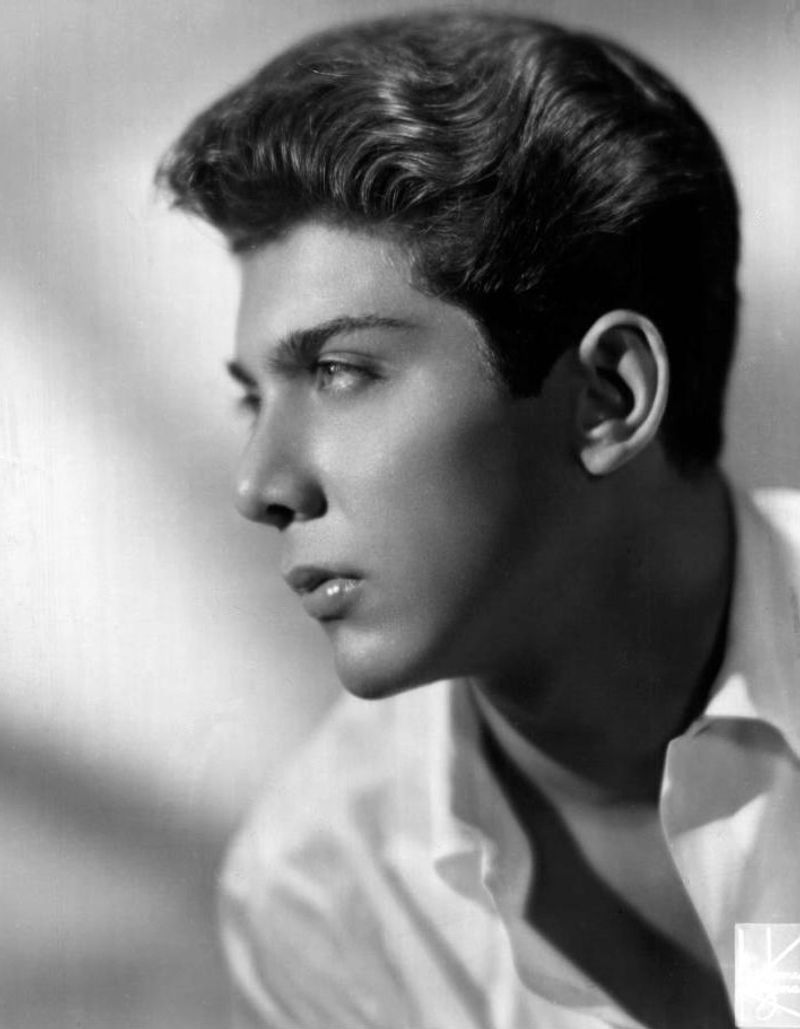
Paul Anka released Put Your Head on My Shoulder in August 1959, and it became one of the biggest romantic records of his early career. He wrote the song himself, which was notable given that he was still a teenager when he became a major star.
That detail mattered to his audience. Anka was not an older songwriter guessing what young romance felt like.
He was remarkably close in age to the teenagers buying his records and dancing to them at school gymnasiums across the country. The single reached number 2 on the Billboard Hot 100.
Put Your Head on My Shoulder captured the quiet intimacy that defined the late-1950s teen ballad at its most effective. For couples at a school dance, a song like this provided a perfectly respectable reason to move considerably closer together, which was often the entire point of the slow-dance portion of the evening.
12. Sleep Walk by Santo and Johnny
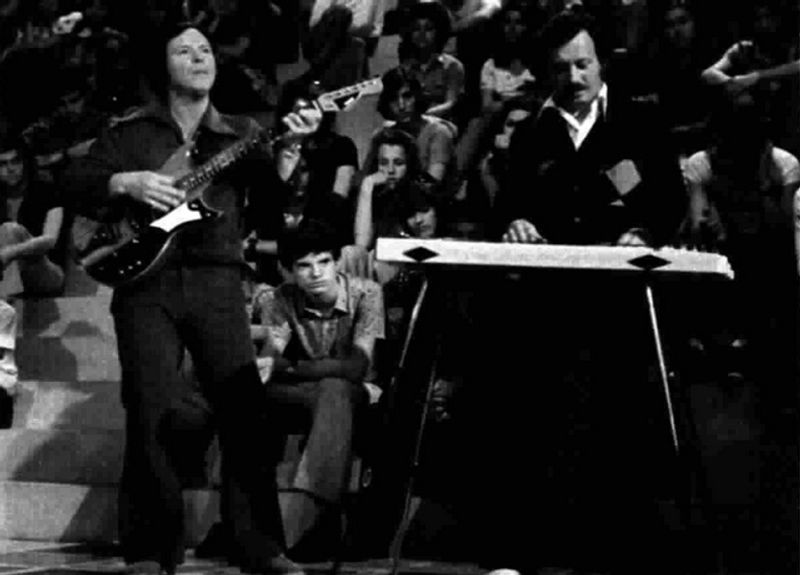
Santo and Johnny Farina released Sleep Walk in 1959 without a single word of lyrics, and it still reached number 1 on the Billboard Hot 100. That achievement was particularly striking for an instrumental record competing against some of the most popular vocal artists of the year.
The defining element is Santo’s steel guitar, which gives the melody its floating, almost weightless quality. Brothers Santo and Johnny had developed a sound that required no narrative to hold a listener’s attention.
The melody carried everything on its own.
At a high school dance, its appeal was practical as well as musical. There were no lyrics demanding interpretation and no story competing with whatever was happening on the floor.
Sleep Walk remains one of those recordings that can transport a listener back to 1959 in a matter of seconds, which is a quality very few instrumentals from any era can claim.
13. What’d I Say by Ray Charles
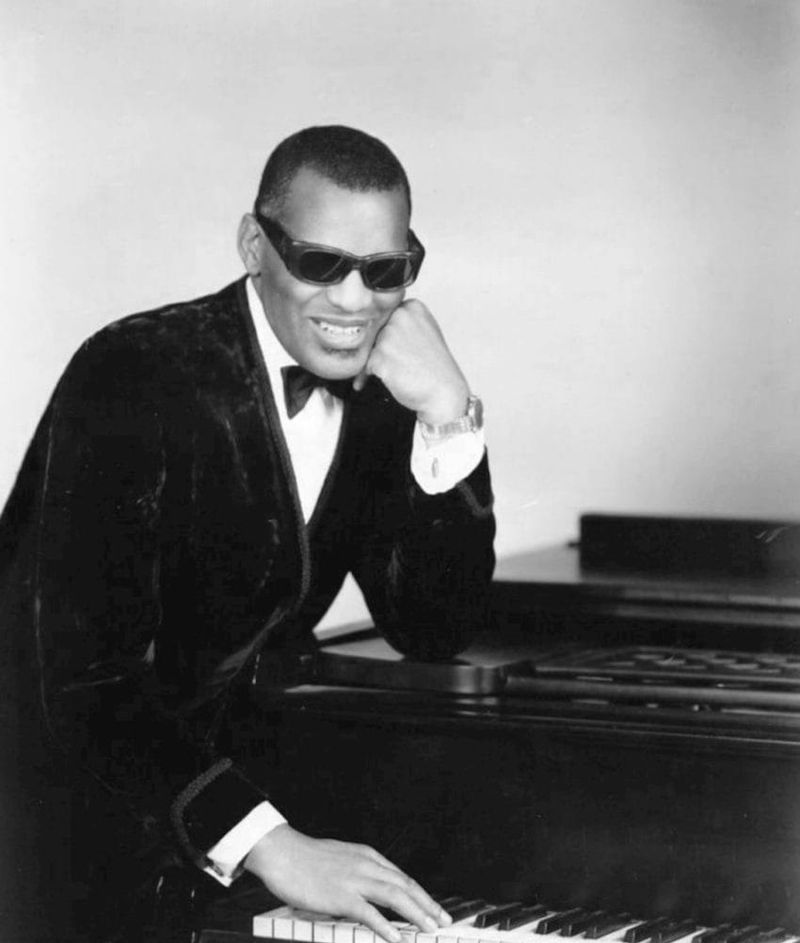
Ray Charles did not plan What’d I Say in advance. He developed it during a live performance in late 1958 when he needed additional material to fill the remaining time in a set.
That improvised session eventually became one of the most consequential recordings of 1959.
Built around his electric piano and an extended call-and-response vocal section, the record blurred the lines between gospel, rhythm and blues, and the emerging sound of soul. It reached number 6 on the pop chart and number 1 on the R&B chart, becoming a major crossover hit.
Its provocative energy made some listeners and broadcasters uncomfortable, which almost certainly increased its appeal among teenagers. If a school dance needed one final record capable of pulling everyone off the walls and back onto the floor, What’d I Say could reliably do the job.
It still can.
Share this story