Finding work once meant leaving the house with a pen, a few coins for the pay phone, and a lot of patience. In the 1960s, 1970s, and 1980s, there was no job board to refresh and no inbox full of automated replies.
People read newspapers, visited offices, asked neighbors, and mailed typed letters. A good pair of shoes could matter as much as a polished résumé.
Many Baby Boomers learned these habits as teenagers and used them for decades. Some methods were fast and friendly, while others took weeks of waiting by the telephone.
A 1975 government report even tracked which approaches worked best, and the results might surprise you. Several of these old habits still carry real value today, especially when it comes to personal connections and first impressions.
Knowing how earlier generations hunted for paychecks also explains why older relatives often give job advice that sounds unusual to younger ears. Keep reading to see how Americans landed work using paper, phones, and plenty of footwork, and which of those tricks might still help you get noticed now.
1. Asking Teachers and School Counselors for Job Leads
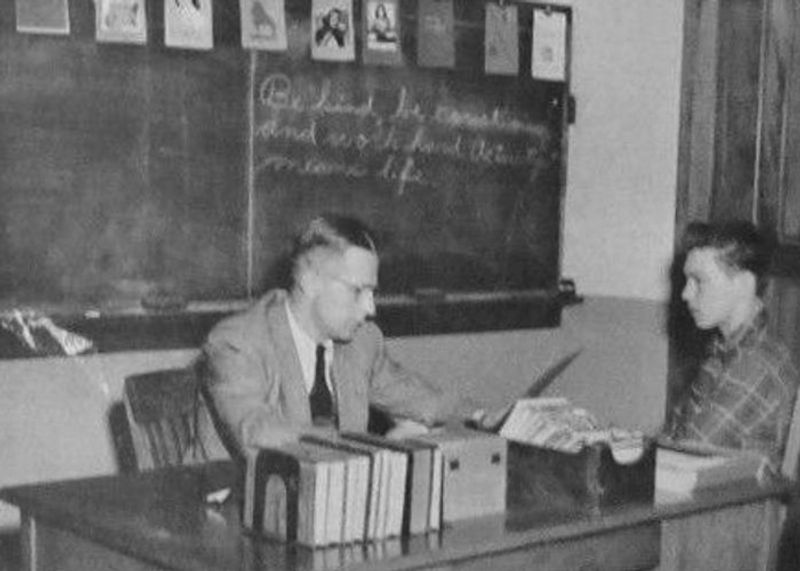
Plenty of careers began with a chat after class. Teachers and counselors often knew which local businesses needed young, reliable workers.
High school guidance offices kept binders full of openings. Students could find part-time work, summer jobs, or full-time positions after graduation.
Colleges had placement offices that went further. They scheduled campus interviews, so big companies came straight to the students.
Vocational schools built especially close ties with employers. Auto shops, beauty salons, and construction firms hired graduates trained in their exact trade.
An instructor’s good word carried real weight. A student who worked hard in shop class might be recommended for an apprenticeship before finishing school.
The arrangement helped everyone involved. Businesses got tested workers, and students got a trusted path into adult life.
Here is the useful takeaway. Teachers still remember students who show effort, and that memory can turn into a reference letter years later.
2. Walking Into Businesses and Asking for the Manager
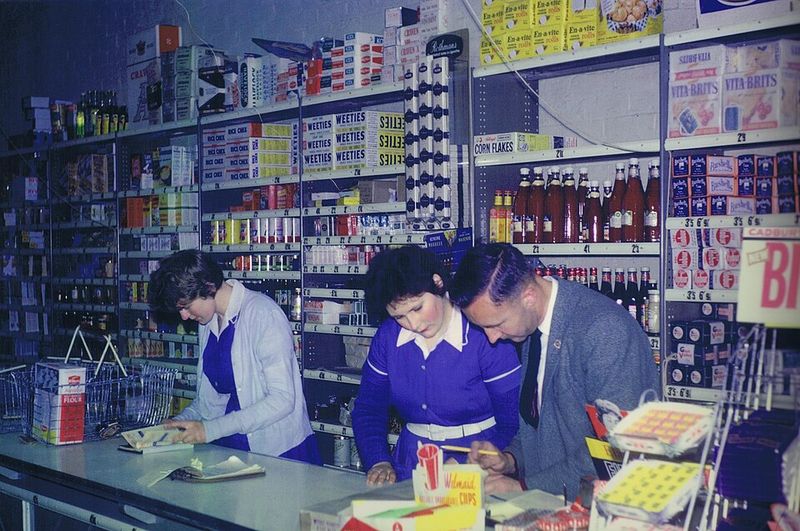
Confidence was the only application fee. A person could spend a whole afternoon walking from a diner to a hardware store to a factory office.
The script rarely changed. Walk in, ask if they were hiring, and politely request to speak with the manager.
Plenty of answers were a flat no. Still, persistence paid off often enough to make the method popular, especially for retail, restaurant, and light factory work.
Sometimes a manager handed over a paper application right away. Other times, the conversation turned into an interview on the spot.
Appearance mattered a lot here. Clean clothes, a firm handshake, and steady eye contact gave a manager quick clues about how a worker might behave.
Many 1970s career guides treated this approach as the gold standard for young workers. Today, some small businesses still respect it.
A friendly face at the counter can stand out more than one more file in a crowded online system.
3. Finding Jobs Through Friends and Relatives
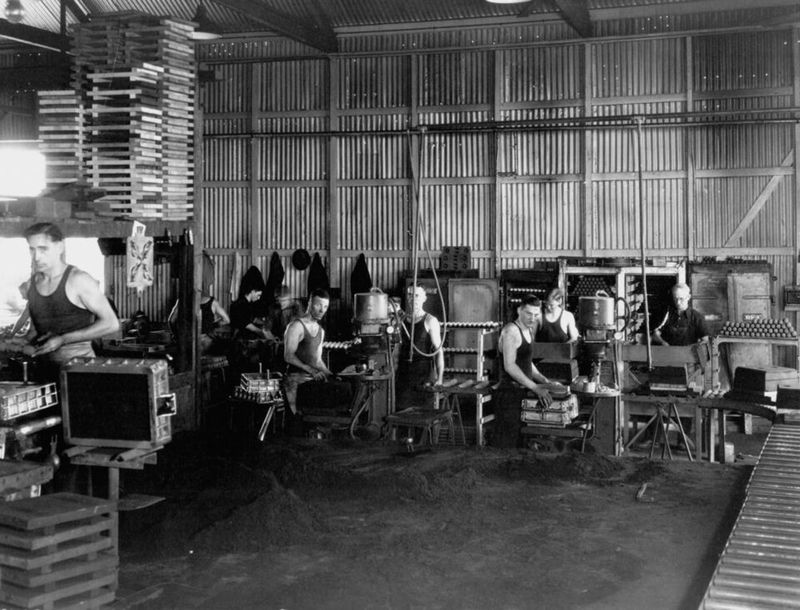
Uncle Ray mentioning that the plant was hiring could be worth more than ten newspaper ads. Personal tips often pointed to openings that were never advertised at all.
Word of mouth traveled at church picnics, ball games, and family dinners. A neighbor might know a supervisor who needed an assistant by Friday.
Recommendations did not promise a job. They did, however, push an applicant’s name toward the top of the pile.
Family ties were especially strong in towns built around one big employer. Steel mills, auto plants, and railroads sometimes hired grandfathers, fathers, and sons over several decades.
Employers liked the arrangement too. A worker vouched for by a trusted employee seemed like a safer bet than a total stranger.
The 1972 government data backed this up. Personal contacts ranked among the most successful ways Americans found work.
Modern networking sites simply copied an idea that families had been using for generations.
4. Visiting Employment Agencies in Person
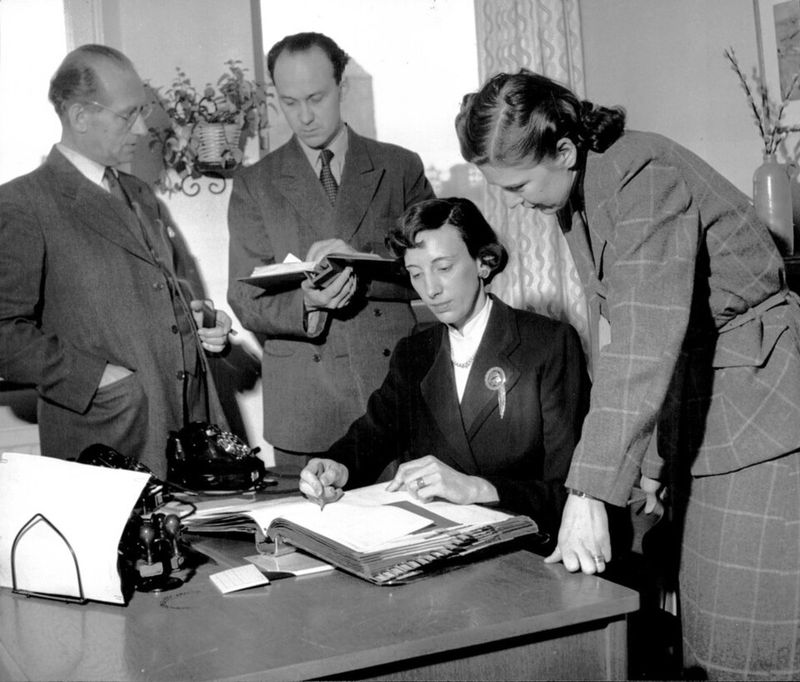
Typing speed could decide a career in about five minutes. Private employment agencies often tested applicants on the spot, timing words per minute with a stopwatch.
The visit usually began with forms. Applicants listed their schooling and past jobs, then met with a counselor to talk about skills.
Agencies acted as middlemen. Businesses sent them openings, and the agency matched those jobs with people in its files.
Office work was their specialty. Secretaries, receptionists, file clerks, and bookkeepers filled many agency waiting rooms.
Temporary staffing also grew popular. Kelly Girl Service, founded in 1946, made short-term office help a familiar idea across the country.
Fees varied widely. Some agencies charged job seekers a share of their first year’s pay, while others collected from employers instead.
For people who felt lost in the job market, an agency opened doors they could not reach alone. That basic setup still powers staffing firms today.
5. Checking Bulletin Boards at Grocery Stores and Laundromats
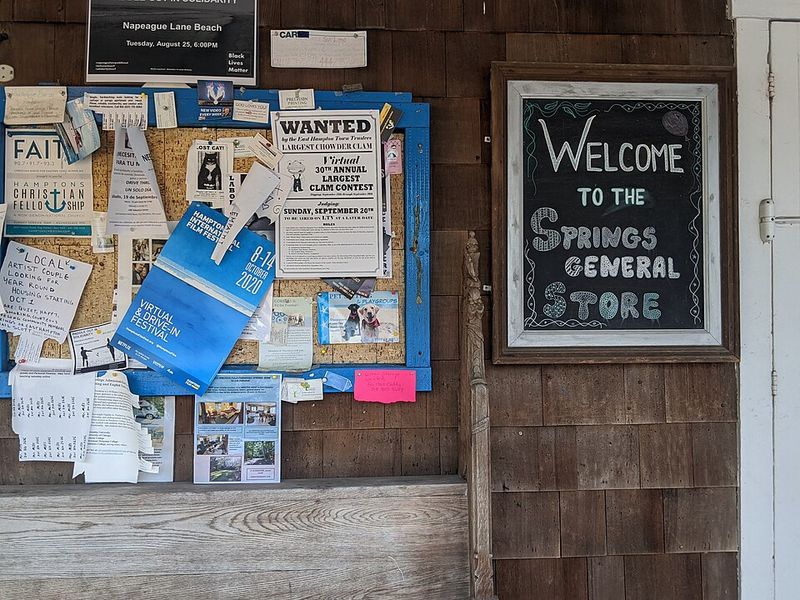
Lost cats, used couches, and babysitting jobs all shared the same corkboard. Near grocery store doors and inside laundromats, these boards worked like small local job markets.
Most notices were handwritten on index cards. A family might need a sitter, or a widow might want help mowing her lawn every Saturday.
The best part was the fringe at the bottom. Many posters cut the paper into tear-off strips, each holding the same phone number.
Anyone interested just ripped one off and walked away. A notice missing most of its strips was a quiet sign that competition was stiff.
Community centers, churches, and corner shops had similar boards. They were perfect for teenagers and anyone wanting extra cash close to home.
These jobs were rarely glamorous. Still, they taught plenty of young people how to show up on time and handle money.
Today, neighborhood apps carry on the same tradition.
6. Searching the Help Wanted Ads in Newspapers
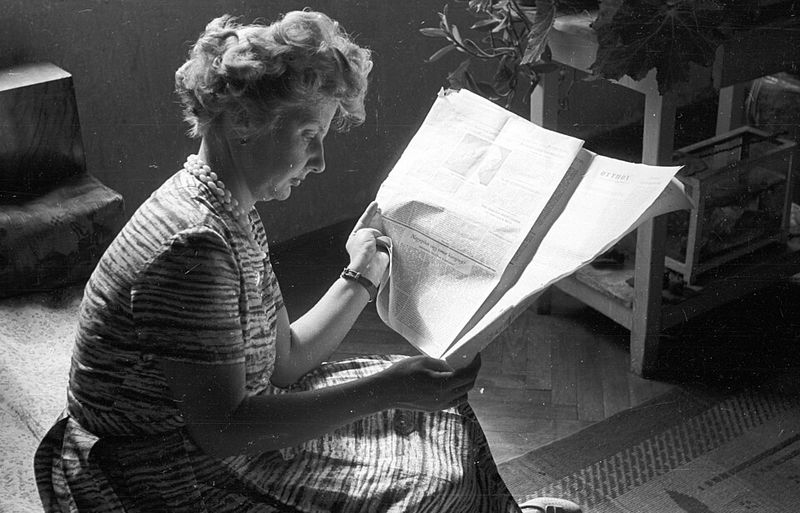
Sunday mornings once came with homework for anyone needing a paycheck. The classified section of the newspaper was the biggest job list most towns had.
Ads were sorted by type of work, such as clerical, sales, or factory jobs. Most listings were short, with a job title, a few requirements, and a phone number or address.
Short ads saved money. Employers paid by the line, so abbreviations like “exp. req.” and “gd. pay” were common.
Job seekers grabbed a pen and circled anything promising. On Monday they would call, mail a résumé, or show up during listed hours.
Newspapers held this role for a very long time. In 1990, roughly 62 million Americans still subscribed to a daily or Sunday paper.
The big limit was distance. Ads mostly reached people in the same town, so a dream job three states away usually stayed invisible.
Online job boards later erased that border almost overnight.
7. Visiting the Local Government Employment Office
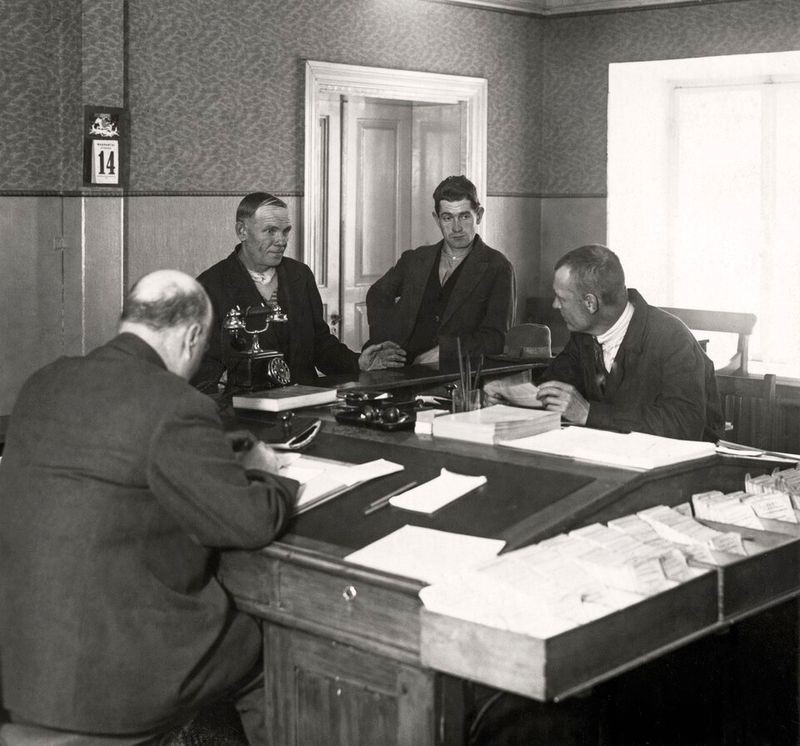
Roughly one in three job seekers in 1972 stopped by a state employment office. That figure comes from a Bureau of Labor Statistics study of how Americans searched for work.
These offices were run by the government. Unlike private agencies, they did not charge applicants for help.
A typical visit meant registering your skills and work history. Counselors then looked for matches among local openings.
Job listings were often printed on cards and pinned to boards. Visitors could browse them the way shoppers scan a store shelf.
The system dated back to the Wagner-Peyser Act of 1933. That law created a national network of public employment services during the Great Depression.
Offices grew especially busy when factories cut jobs or the economy slowed. Many people also visited while filing for unemployment benefits.
Today, the same system lives on as American Job Centers, though much of the searching has moved online.
8. Calling Employers Directly From the Telephone Book
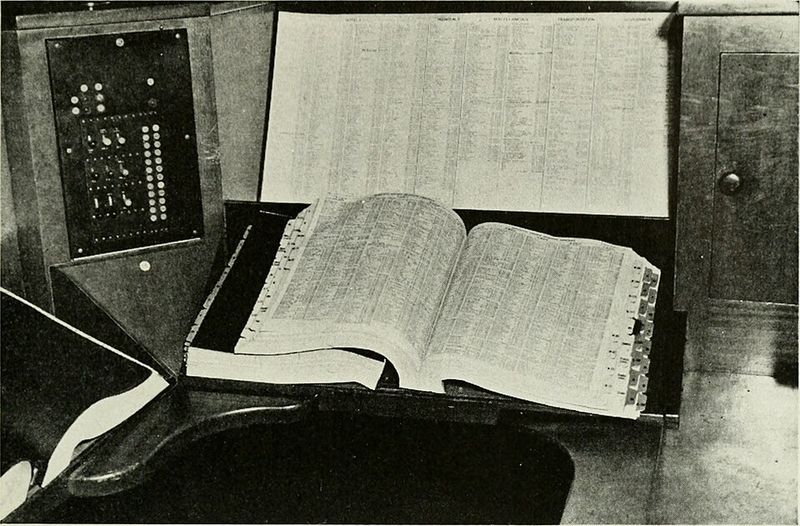
A thick yellow directory doubled as a list of possible bosses. Before company websites, the Yellow Pages showed which businesses existed in town and how to reach them.
Job seekers flipped to categories like construction, printing, or accounting. Then they started dialing, one number at a time.
Most of these cold calls ended quickly. Many companies simply were not hiring that week.
The first hurdle was usually a receptionist. Callers had to explain their skills in a few sentences before being passed along, if they were passed along at all.
Long-distance calls cost extra, so most searches stayed local. Careful callers kept notebooks listing who they called, when, and what they heard.
All that effort could pay off. A phone call sometimes reached a manager the day before an ad was placed, beating every other applicant to the opening.
9. Going to Union Hiring Halls
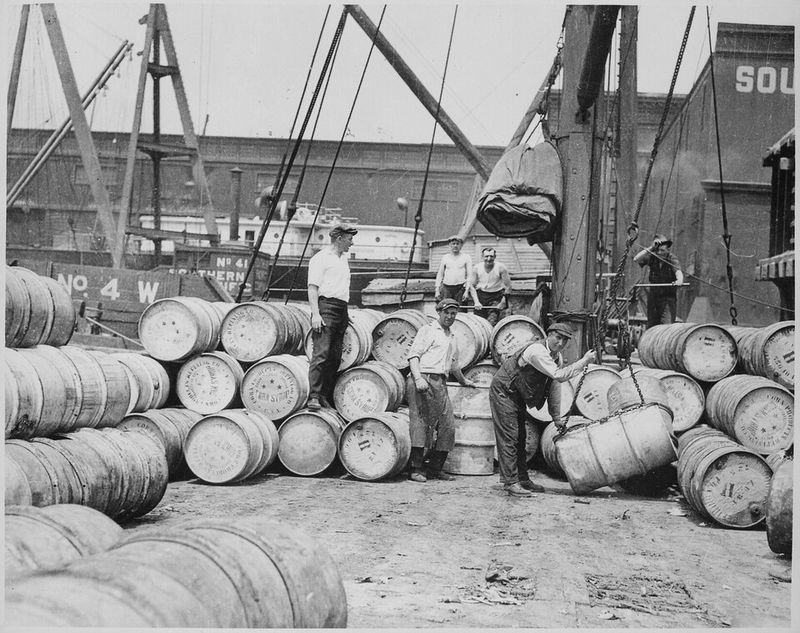
Electricians, ironworkers, and dockworkers often skipped job applications completely. Instead, they reported to a union hiring hall and waited for a referral.
The hall acted as a dispatch center. Contractors called in with labor needs, and the union sent qualified members to the job site.
Rules varied by union and local agreement. Many halls used an “out-of-work list,” where members signed up and were referred in order.
Seniority and skill level could affect placement. A certified welder, for example, might be matched with a job needing that specific ability.
This setup made sense in construction. Projects ended when the building was done, so workers constantly needed the next assignment.
For tradespeople, the hall removed the stress of starting a brand-new search every few months. Employers benefited too, since they could find trained workers fast.
Many building trades unions still use hiring halls today, though sign-ups often happen online now.
10. Mailing Résumés and Cover Letters in Envelopes
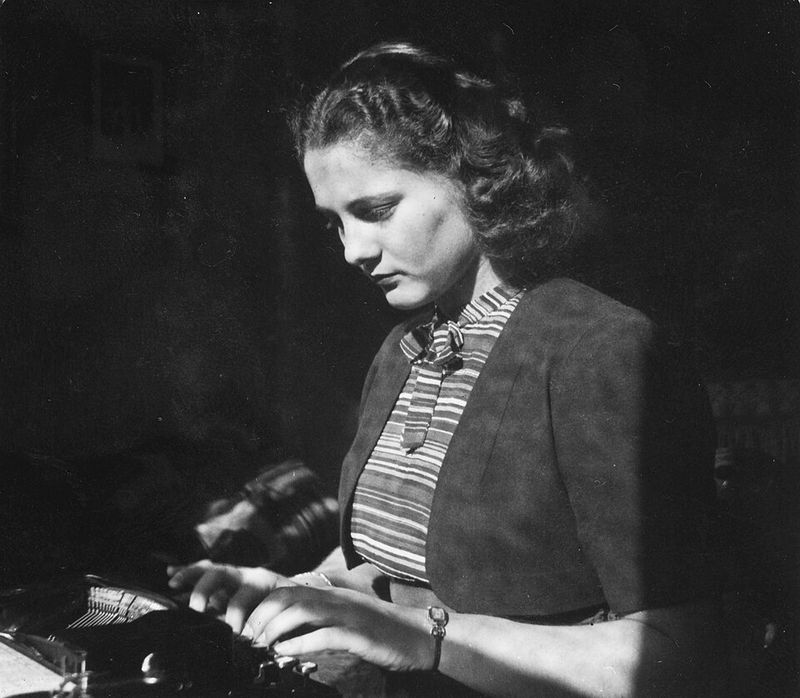
One typo could mean starting the whole page over. Before home computers, résumés were typed on manual or electric typewriters, letter by letter.
Correction fluid helped a little. Liquid Paper, invented by Bette Nesmith Graham in the 1950s, became a desk essential for nervous applicants.
Each cover letter had to be typed separately. Sending ten applications meant typing ten letters.
Copies of the résumé often came from a print shop or a library copier. Some people paid for nicer paper, hoping cream or ivory stock looked more professional.
Next came envelopes, stamps, and careful addresses. Then the waiting began.
Replies might arrive weeks later by letter or phone call. Many never arrived at all.
Nobody could log in to check an application status. Applicants simply checked the mailbox each afternoon.
Home printers and email finally ended that ritual in the 1990s.
11. Taking Civil Service Exams for Government Jobs
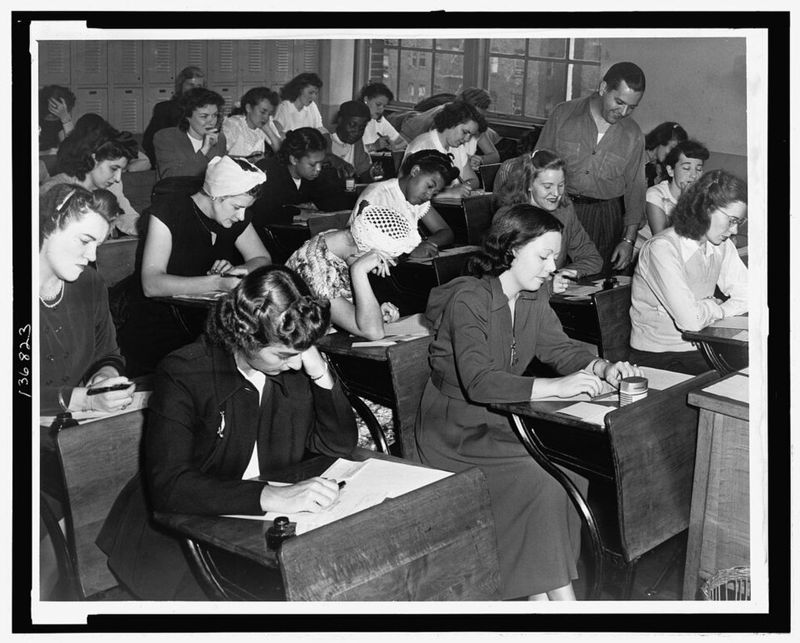
Post office jobs, city clerk positions, and police careers often started with a pencil and a test booklet. Civil service exams were the main gate into many government jobs.
The idea traces back to the Pendleton Act of 1883. That law required many federal workers to be hired based on merit instead of political favors.
Applicants watched for exam announcements posted at post offices and government buildings. After registering, they reported to testing sites on a set date.
Tests matched the job. Clerical exams checked spelling, filing, and typing, while technical exams measured specialized knowledge.
Passing did not mean instant hiring. High scorers joined an eligibility list, and agencies called names as openings appeared.
Veterans often received bonus points added to their scores. For many families, a government job meant steady pay and solid benefits.
That stability made studying for the exam feel worth every evening spent practicing.
12. Reading Job Openings in Trade Magazines
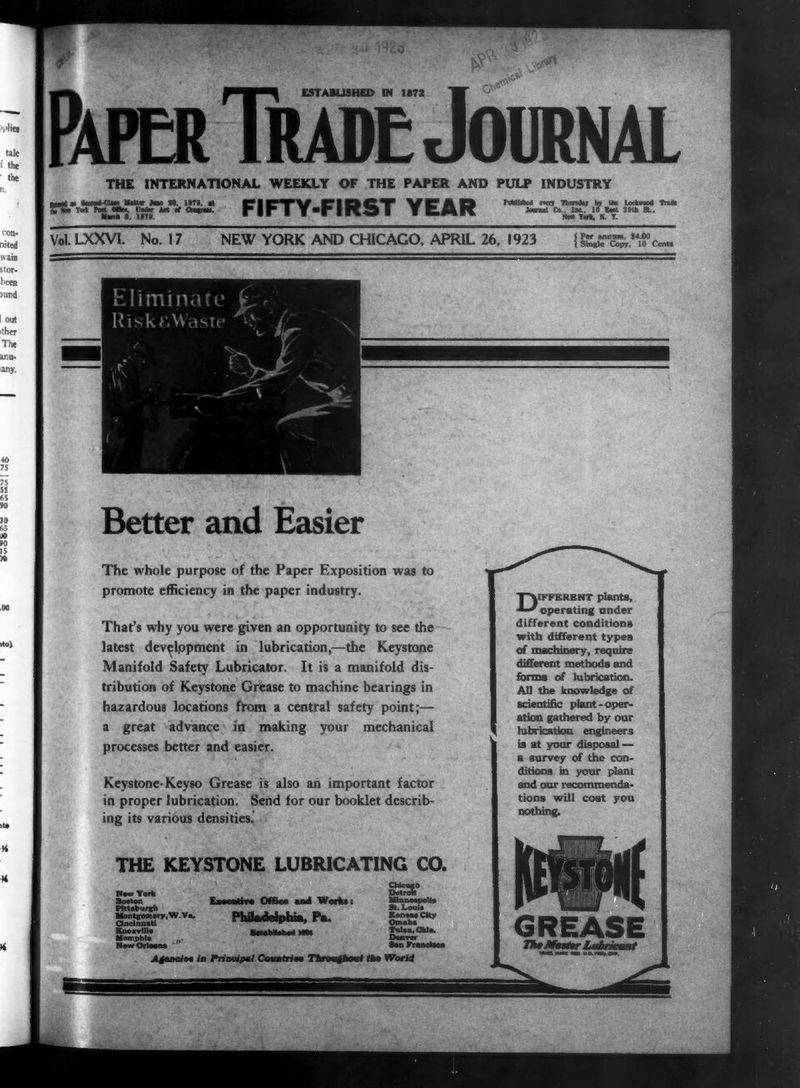
Engineers had little reason to search the same page as lawn care ads. Skilled professionals often turned to trade magazines built for their specific field.
Nearly every industry had its own publications. Nurses, teachers, chemists, and machinists each had journals covering news, products, and research.
Many included job listings near the back. These ads described specialized roles that a general newspaper reader would never understand.
The big advantage was reach. A hospital in Ohio could find a nurse in Oregon through a national nursing journal.
Applicants usually answered by mail. They sent a résumé and letter to the listed company, sometimes across several states.
Subscriptions also kept readers informed about new tools and trends. That knowledge came in handy during interviews.
Many of these publications still exist today. Their job sections have mostly moved to websites, but the idea of targeting one industry remains a smart strategy.
13. Placing Their Own Job Wanted Ads in Newspapers
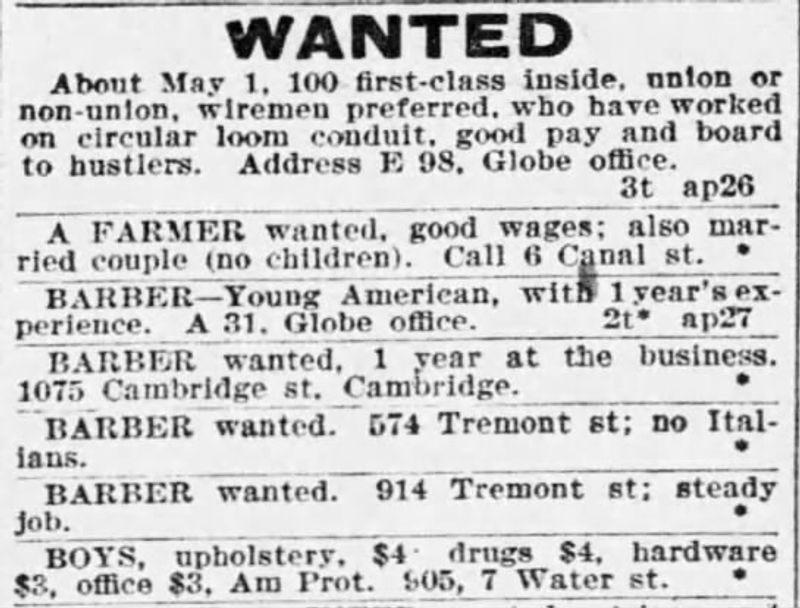
Why wait for a boss to post an ad when you could post one yourself? Some job seekers bought space under a heading called “Situations Wanted.”
These notices flipped the usual process. Instead of answering an employer, the worker announced skills and hoped someone called.
Typical ads were very short. A line might read “Exp. bookkeeper seeks part-time work, refs avail.”
Every word cost money, so writers trimmed their pitches carefully. Abbreviations helped squeeze more information into fewer lines.
Common offers included typing, housekeeping, car repair, and child care. Some ads listed hours or neighborhoods the person preferred.
Results were unpredictable. A single ad could bring several calls or none at all.
Still, the idea was clever. It was an early form of self-marketing, long before online profiles existed.
Writing a strong summary of your skills in a few words remains useful practice for any modern résumé.
Share this story