Colombia is home to some of the most visually striking historic towns in all of Latin America. From walled Caribbean ports to mountain coffee villages, each city tells its own story through painted walls, cobblestone streets, and living traditions passed down through generations.
The country’s regional diversity means that no two historic centers look or feel quite the same. Whether you are drawn to grand colonial plazas, riverside heritage towns, or neighborhoods covered in murals and street art, this list gives you 14 cities worth exploring, saving, and sharing with anyone who loves culture, history, and a good reason to hit the road.
Cartagena de Indias, Bolívar
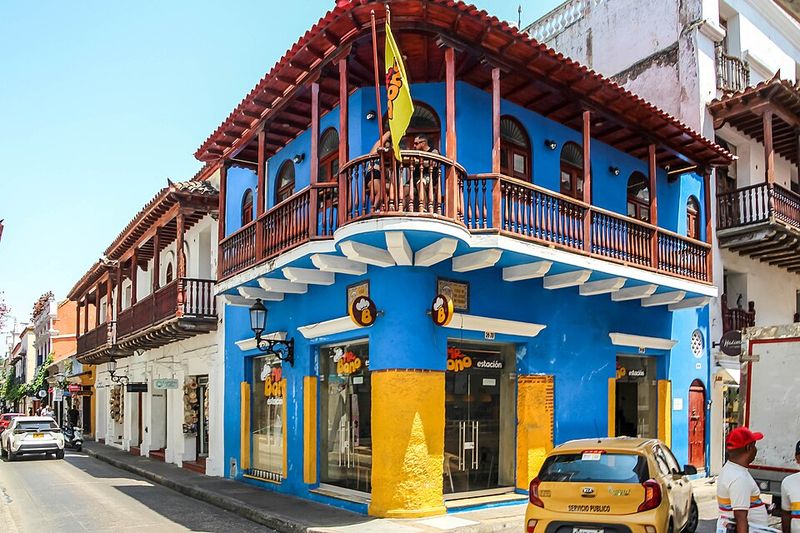
Walking through Cartagena’s walled old city feels like stepping into a living postcard. Narrow streets pass colonial homes painted in shades of yellow, coral, blue, and pink, while wooden balconies overflow with bougainvillea above shaded plazas filled with cafés, vendors, and musicians.
The architecture reflects Cartagena’s centuries as a major Caribbean port and defensive stronghold. Visitors can walk along the fortified walls, enter through the Clock Tower, or explore former convents that now house museums and cultural spaces.
Just beyond the historic center, the Getsemaní neighborhood adds another layer of character through murals and street art that cover entire building facades. Despite its international reputation, the old city remains a functioning neighborhood where Caribbean food, dance, crafts, and music are part of daily life rather than performance.
The combination of military history, colonial beauty, and living culture makes Cartagena a genuinely layered destination.
Santa Cruz de Mompox, Bolívar
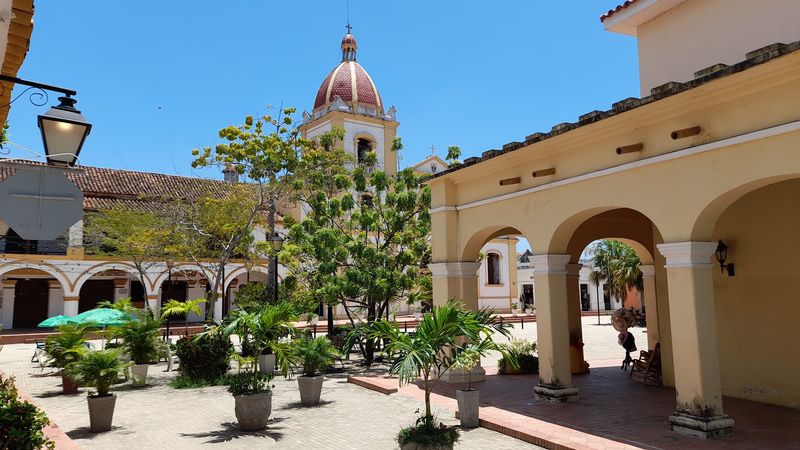
Mompox developed as a commercial hub along the Magdalena River, which once served as the primary route connecting Colombia’s Caribbean coast with the interior. That history is still visible in the town’s unusually complete collection of colonial churches, mansions, plazas, and residential streets that have changed very little over the centuries.
Whitewashed walls are accented with brightly painted doors, window frames, and ornamental details that add warmth to the otherwise restrained palette. Along La Albarrada, the riverside promenade, visitors can walk past some of the town’s most celebrated religious buildings.
Mompox is also recognized for delicate filigree jewelry, which local artisans have crafted for generations using techniques passed down through families. UNESCO recognizes the historic center for preserving its original street pattern, architecture, and residential character to a remarkable degree.
Few places in Colombia feel as genuinely untouched by commercial tourism development.
Villa de Leyva, Boyacá
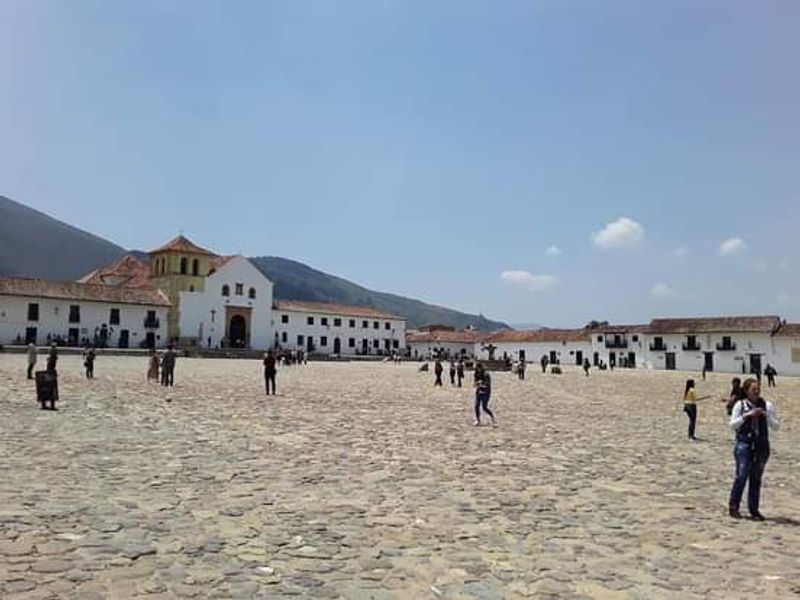
Plaza Mayor in Villa de Leyva is one of the largest town squares in South America, and standing at its center gives a clear sense of how deliberately the colonial city was planned. The plaza is surrounded by whitewashed facades, dark green balconies, and terracotta roofs that have remained largely unchanged since the 16th century.
Unlike Colombia’s more tropically colorful towns, Villa de Leyva trades vivid paint for pale cobblestone, natural stone walls, and architectural proportion. The result is a different kind of beauty, quieter and more structural, but no less impressive.
Cultural festivals bring additional energy throughout the year, with events centered on lanterns, kites, food, and local crafts drawing visitors from across the country. The surrounding Boyacá countryside extends the experience further, offering prehistoric fossil sites, traditional villages, and rural landscapes that make Villa de Leyva a strong base for regional exploration beyond its well-preserved historic center.
Barichara, Santander
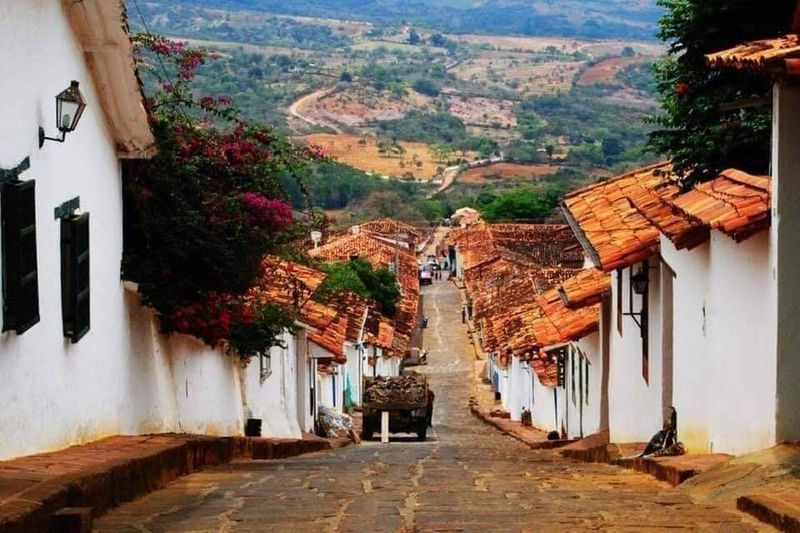
Barichara is the kind of town that makes you slow down whether you planned to or not. Its streets are paved with ochre-colored stone, and the buildings are constructed from the same warm honey-toned material, giving the entire historic center a visual coherence that feels rare in a working town.
Founded in the early 18th century and declared a National Monument in 1978, Barichara is now part of Colombia’s official Network of Heritage Towns. The Cathedral of the Immaculate Conception, smaller chapels, artisan workshops, and mountain viewpoints are all within easy walking distance of each other.
Traditional crafts remain central to local identity here. Stone carving, weaving, ceramics, and paper made from fique fiber are produced and sold by local artisans who continue generational practices.
Modern businesses in Barichara still occupy buildings that respect the town’s traditional appearance, which keeps the historic center from feeling like a museum rather than a real community.
Jardín, Antioquia
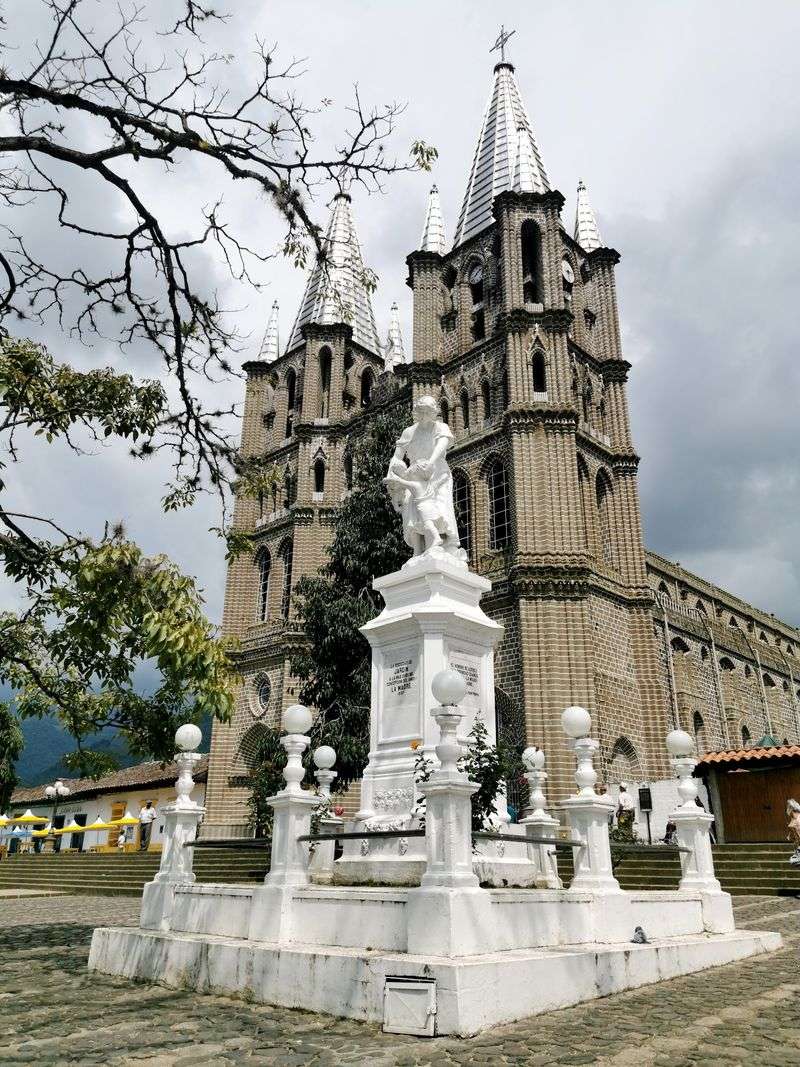
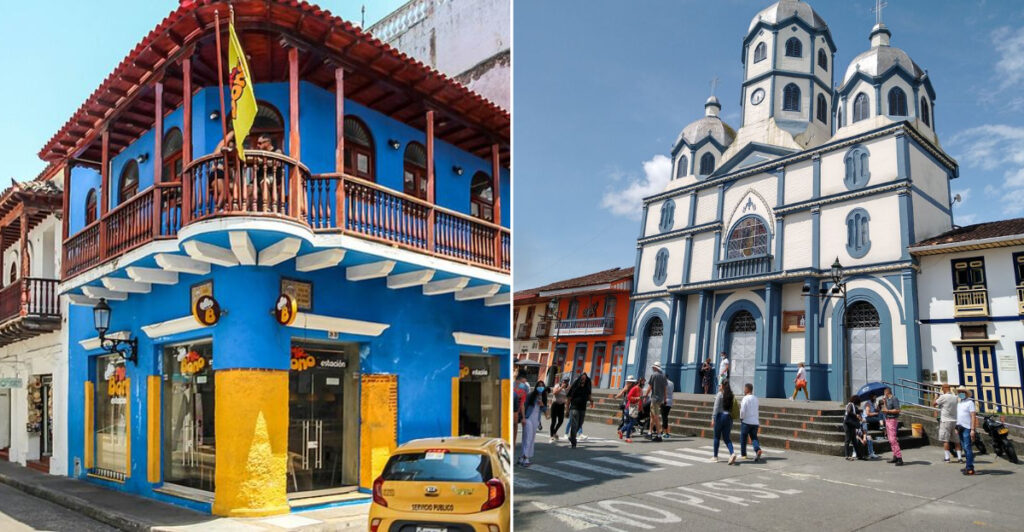
Jardín’s central plaza is one of the most photographed in Antioquia, and the reason is straightforward. Intensely colored buildings with carved balconies and decorative woodwork surround the square on three sides, while the towers of the Basilica of the Immaculate Conception rise above the whole scene.
Cafés line the plaza with brightly colored chairs that spill onto the pavement, creating a gathering place that feels genuinely social rather than staged for tourists. The streets beyond the square continue through a landscape shaped by coffee farming, waterfalls, mountain trails, and rich bird habitat that draws naturalists from across the country.
Jardín has been recognized as one of Colombia’s official heritage towns, and its colorful Paisa architecture remains one of the clearest visual expressions of traditional regional design. Local culture here is rooted in rural Antioquian traditions, from horseback riding and coffee cultivation to weekend gatherings that keep the plaza busy and lively throughout the year.
Jericó, Antioquia
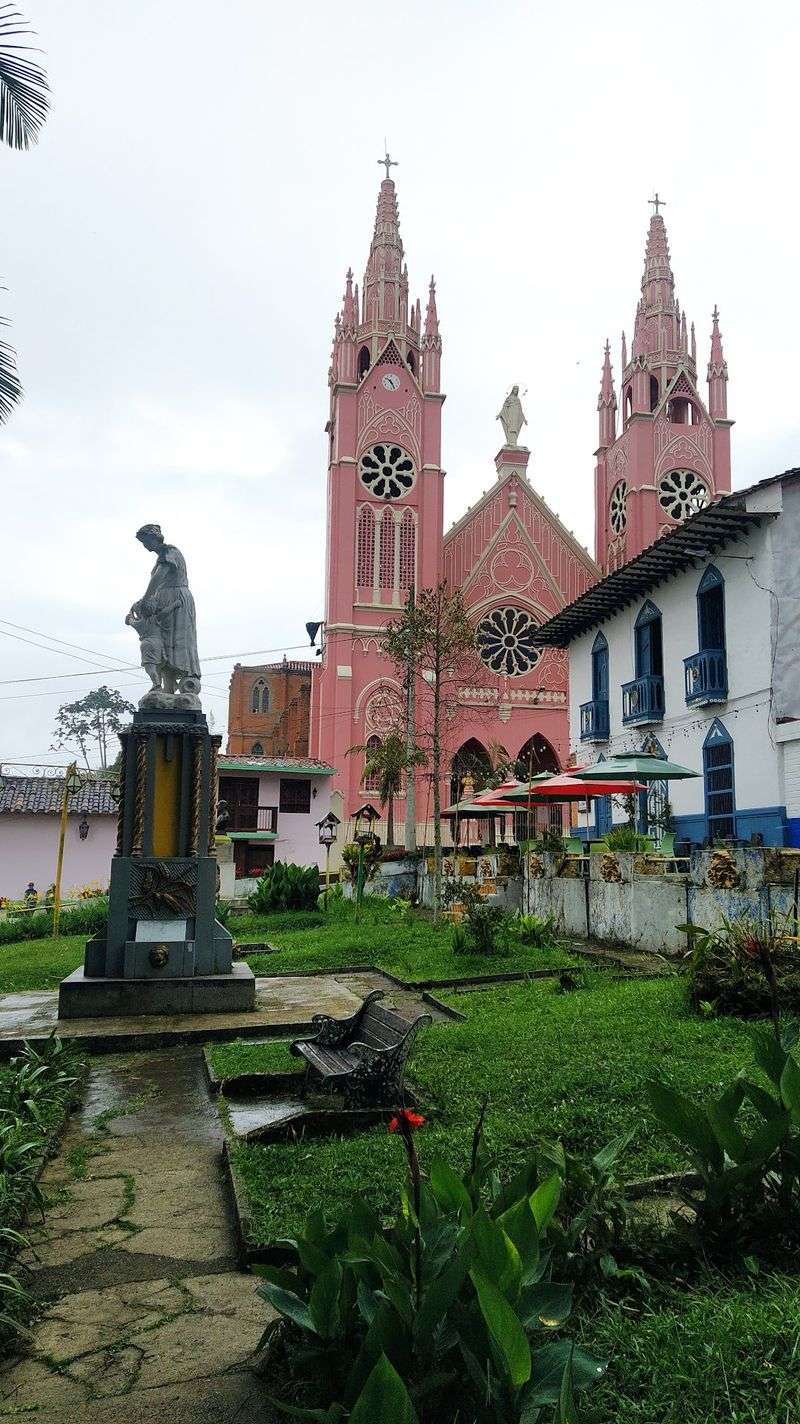
Perched in the mountains of southwestern Antioquia, Jericó carries a nickname that says a lot about how Colombians view this town. It is sometimes called the Athens of southwestern Antioquia because of its long history of cultural and educational achievement, which gives it a reputation that goes well beyond its pretty streets.
Rows of colorful homes rise along sloping streets, many decorated with elaborate wooden balconies, painted shutters, flower arrangements, and ornamental trim that reflect the region’s republican-era architectural traditions. The central square is anchored by a large brick cathedral and surrounded by cafés, shops, and civic buildings.
Jericó is also associated with leather craftsmanship, particularly the traditional Antioquian shoulder bags known as carrieles, which are still made and sold locally. Coffee tastings, religious sites, small museums, and mountain viewpoints round out the experience.
This is a town where craftsmanship and culture feel like natural parts of everyday life rather than tourist attractions.
Santa Fe de Antioquia, Antioquia
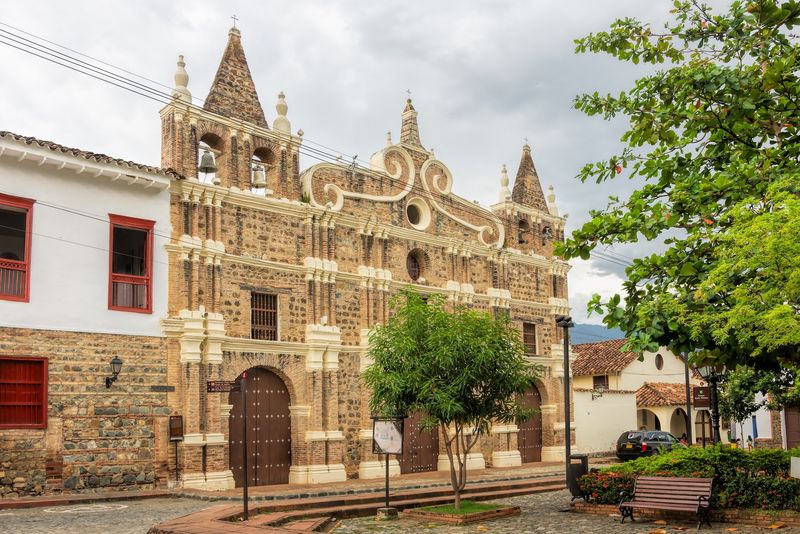
Before Medellín became Antioquia’s capital, Santa Fe de Antioquia was the region’s political and administrative center, and that history is still visible in the scale and quality of its historic architecture. Churches, courtyard houses, government buildings, and shaded plazas reflect the town’s former importance in a way that feels earned rather than restored.
Many facades are whitewashed, but their wooden doors, balconies, flowerpots, and window frames introduce deep reds, blues, greens, and browns that give the streets genuine visual variety. The town’s warm climate and fruit-growing surroundings also set it apart from Antioquia’s cooler mountain communities.
Outside the historic center, the Puente de Occidente is worth the short trip. Built in the 19th century, it is one of the oldest suspension bridges in the Americas and spans the Cauca River with impressive engineering for its era.
Santa Fe de Antioquia remains one of the department’s most significant heritage destinations and a strong day trip or overnight option from Medellín.
Guatapé, Antioquia
Guatapé might be the most deliberately colorful town in all of Colombia. Since the early 20th century, residents have decorated the lower sections of their homes with sculpted and painted panels called zócalos, which can depict animals, flowers, landscapes, local businesses, village history, or scenes from everyday life.
Above the zócalos, facades, doors, balconies, and window frames are painted in equally vivid combinations, making even a short walk through the historic streets feel like a visual event. Calle del Recuerdo and the streets around the main plaza display some of the most elaborate examples in the town.
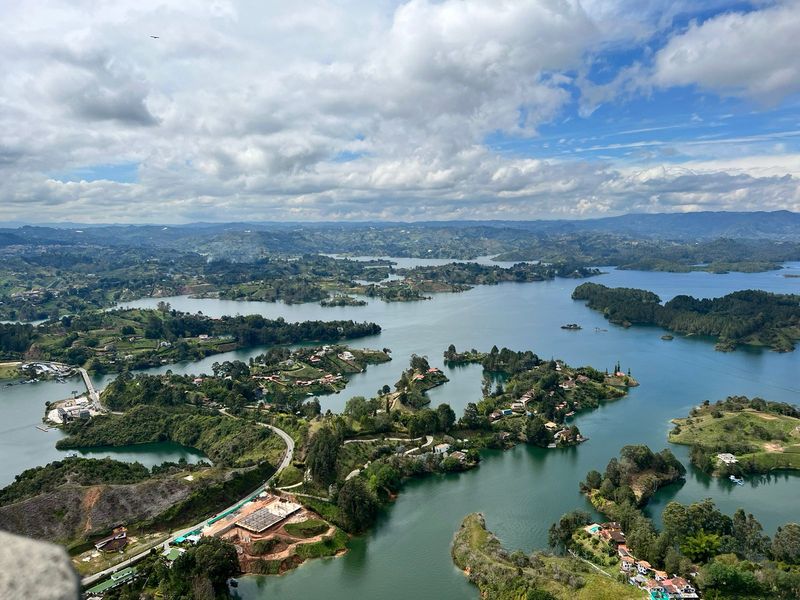
Guatapé also sits beside the Peñol-Guatapé Reservoir, giving visitors access to a waterfront promenade and various water activities. Nearby Piedra del Peñol rises roughly 220 meters above the surrounding landscape and provides sweeping views over the reservoir and its many wooded islands.
The combination of cultural color and natural scenery makes Guatapé one of the most visited towns in Antioquia.
Salento, Quindío
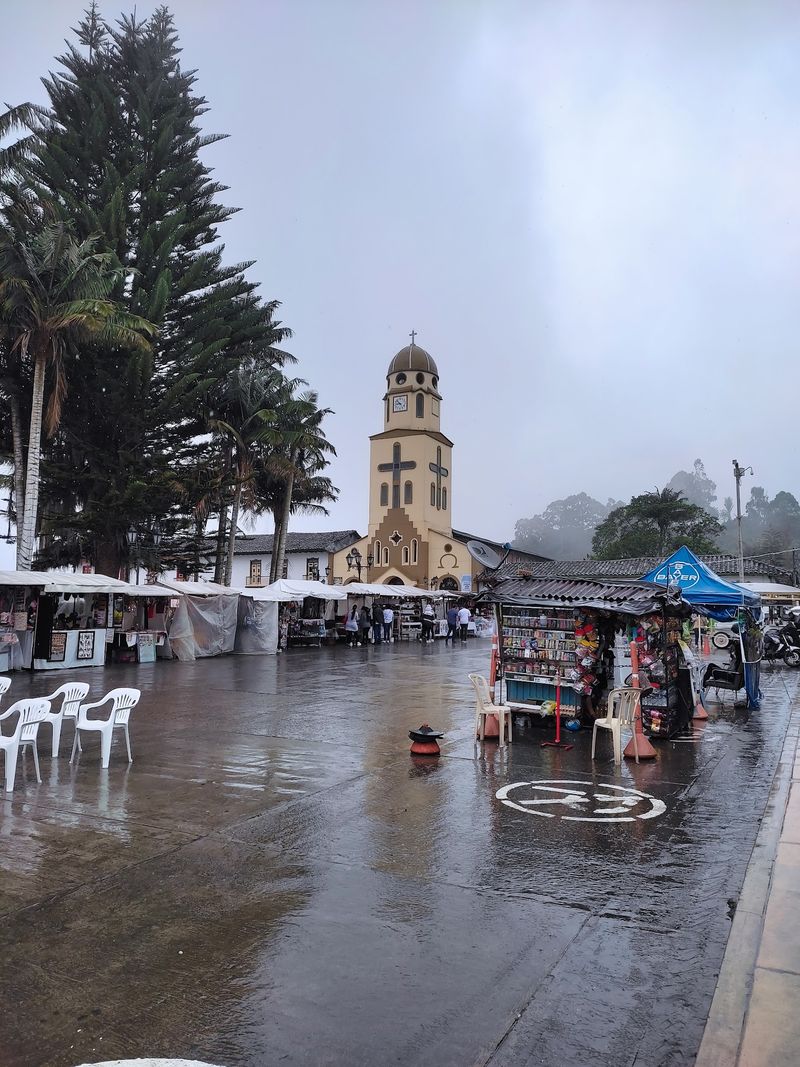
Salento is one of the oldest towns in Colombia’s coffee region and one of its most visually expressive. Along Calle Real and the streets near Plaza de Bolívar, white facades are framed by doors, balconies, and shutters painted in red, yellow, blue, and green, creating a palette that feels celebratory without being overwhelming.
These buildings reflect the traditional architecture of the Coffee Cultural Landscape, where Spanish-influenced construction was adapted to steep Andean terrain using local materials and techniques. Shops sell woven goods, leatherwork, coffee, and regional products, while restaurants serve trout, plantains, and arepas associated with Quindío’s food traditions.
Salento is also a gateway to the Cocora Valley, where towering wax palms, Colombia’s national tree, rise dramatically above the surrounding cloud forest. Coffee farms, rural hiking trails, and the town’s active central square connect Salento’s colorful appearance with the living agricultural culture that shaped the entire region over more than a century.
Filandia, Quindío
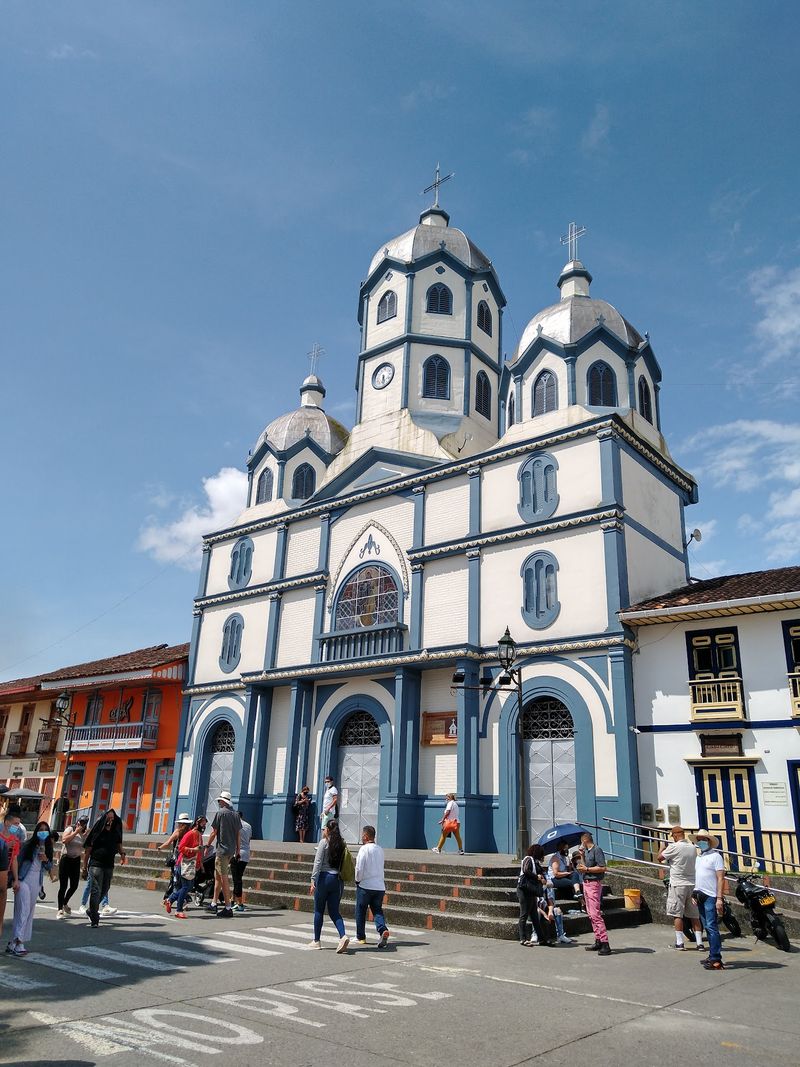
Filandia sits on an elevated ridge in Quindío and earns its nickname, the Illuminated Hill of Quindío, with views that stretch across the coffee-growing valleys below. The town shares many architectural traditions with Salento but tends to have a quieter, less commercially driven atmosphere in its historic center.
Two-story Paisa houses with broad wooden balconies, carved railings, tiled roofs, and contrasting combinations of white, turquoise, red, yellow, and green line the main streets. Coffee remains essential to local identity, but Filandia is also known for basketry and other crafts made with natural fibers, which are sold in small shops around the central square.
The Church of the Immaculate Conception serves as the visual anchor of the main plaza, where cafés and restaurants offer regional food and coffee tastings in a relaxed setting. Nearby forests and reserves add birdwatching and walking opportunities for visitors who want to extend their time beyond the town center itself.
Popayán, Cauca
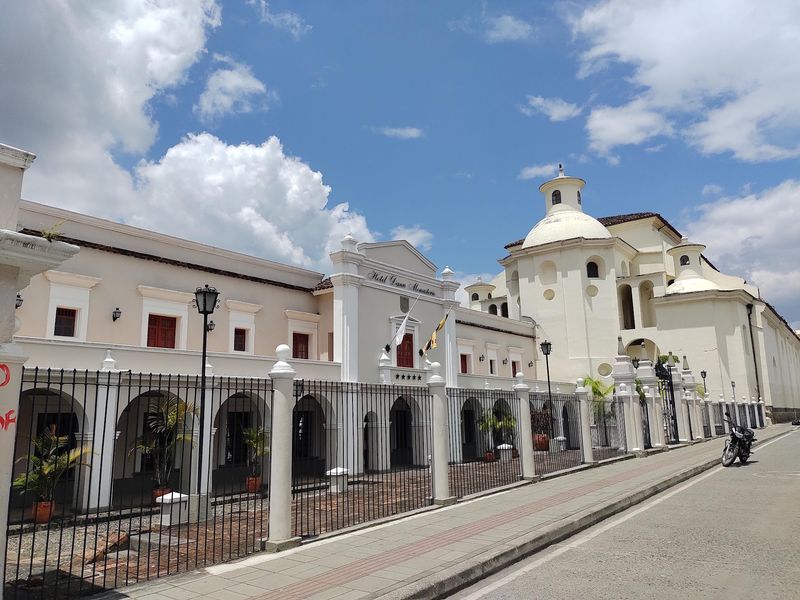
Popayán goes by the name Colombia’s White City, and the historic center earns that title through block after block of whitewashed colonial buildings that have defined the city’s visual identity for centuries. The restrained palette sets it apart from Colombia’s more vibrantly painted towns, but the city compensates with richly decorated church interiors, colorful markets, and festival traditions that run deep.
Founded in 1537, Popayán is among Colombia’s oldest cities. Its historic district contains churches, plazas, bridges, museums, and the distinctive Clock Tower near Caldas Park, all of which reflect the city’s long role as a regional cultural and religious center.
Holy Week in Popayán is one of the most significant cultural events in the country. Solemn religious processions follow traditions dating to the 16th century, and UNESCO added them to its Representative List of the Intangible Cultural Heritage of Humanity in 2009.
Popayán is also widely recognized for its regional culinary heritage and traditional food culture.
Honda, Tolima
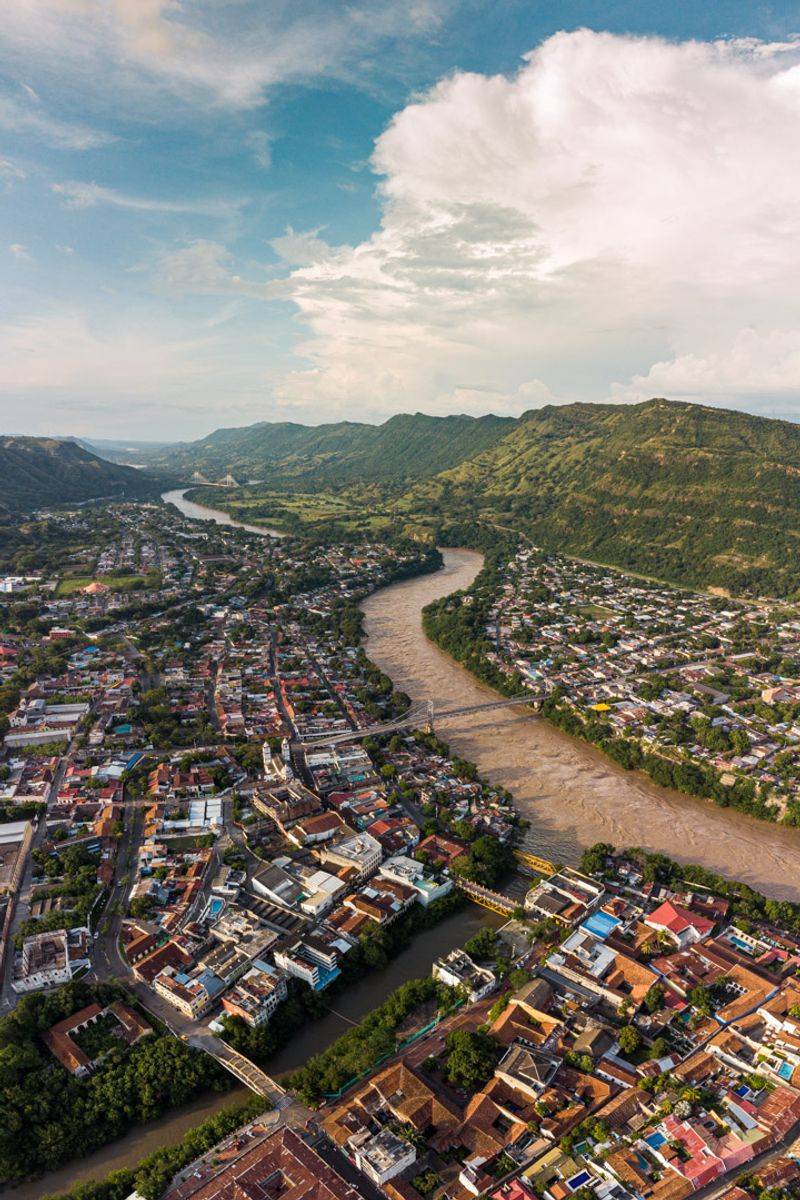
Honda grew into one of Colombia’s most important river ports because of its strategic position on the Magdalena River, which carried passengers and goods between the Caribbean coast and the Andean interior for centuries. That commercial past is still readable in the surviving historic center, where old warehouses, bridges, plazas, and narrow streets tell the story of a town built around movement and trade.
Calle de las Trampas is one of the most distinctive streets in the historic district. Steep, irregular, and lined with traditional houses in the oldest part of town, it gives Honda a rougher, more authentic character than Colombia’s more polished colonial destinations.
Colorful facades, tiled roofs, balconies, and weathered walls give the center a look shaped by real use rather than restoration. Honda remains part of Colombia’s official Network of Heritage Towns, and its riverfront, market culture, and historic bridges make it a genuinely interesting stop for travelers exploring the Tolima region.
Santa Cruz de Lorica, Córdoba
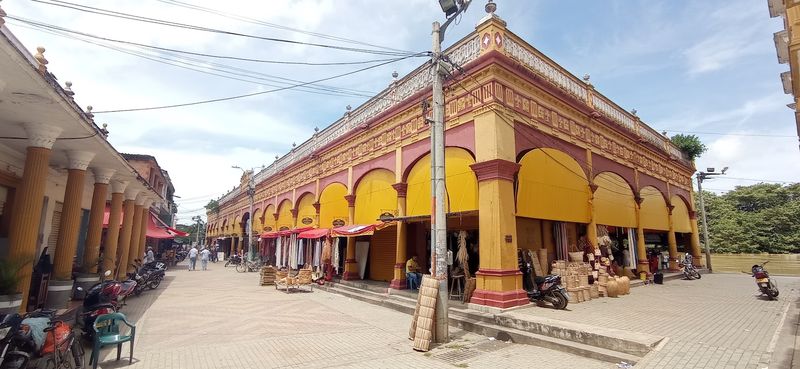
Lorica is one of those Colombian heritage towns that genuinely surprises first-time visitors. Its historic center reflects a mix of Caribbean, republican, and Middle Eastern architectural influences, the result of Syrian and Lebanese immigrant communities who played a central role in the town’s commercial and architectural development during the late 19th and early 20th centuries.
That multicultural history shows up in decorative details, patterned floors, columns, balconies, and ornamental facades that distinguish Lorica from any other heritage destination in the country. The historic public market, declared a National Monument, is one of the town’s central landmarks and remains a working hub of regional produce, fish, food, and daily social life.
Pastel colors and warm earth tones enliven the riverside streets beside the Sinú River, which remains essential to understanding how Lorica developed and why it mattered. The combination of architectural variety and river culture gives Lorica a character that rewards slower, more curious travel through Colombia’s Caribbean lowlands.
La Candelaria, Bogotá
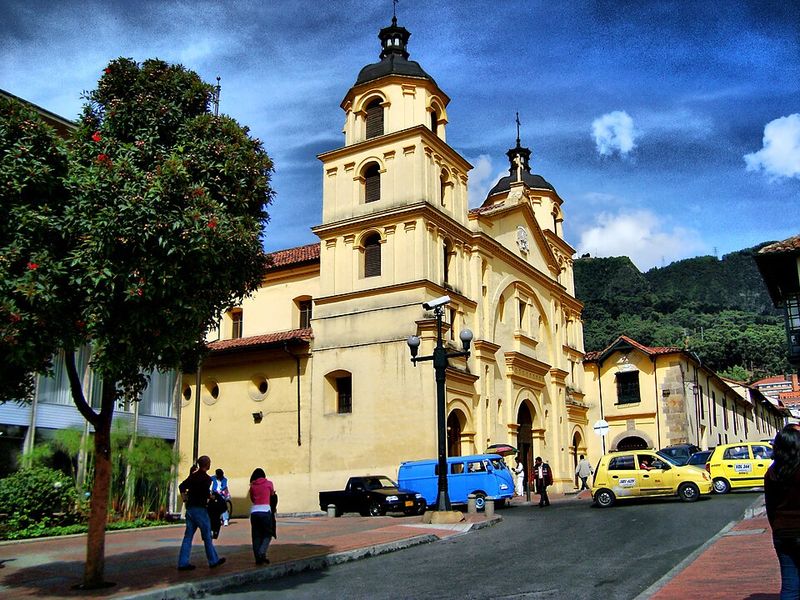
La Candelaria is where Bogotá’s history is most concentrated and most visible. Colonial houses with tiled roofs and wooden balconies stand beside republican structures, universities, museums, churches, theaters, and government institutions, creating a district where several centuries of city life overlap on the same block.
Color appears in multiple forms here. Traditional homes are painted in yellow, orange, blue, and green, while large murals and contemporary graffiti reflect Bogotá’s internationally recognized street-art culture.
The contrast between carefully preserved colonial architecture and bold contemporary art gives La Candelaria a creative tension that few historic districts in Latin America can match.
Plaza de Bolívar anchors the neighborhood, but the smaller surrounding streets reveal a more intimate mixture of student life, historic residences, cultural venues, and local businesses. The Gold Museum, Botero Museum, colonial churches, and street-art corridors are all within walking distance, making La Candelaria one of the most culturally dense areas in the entire country.
Share this story