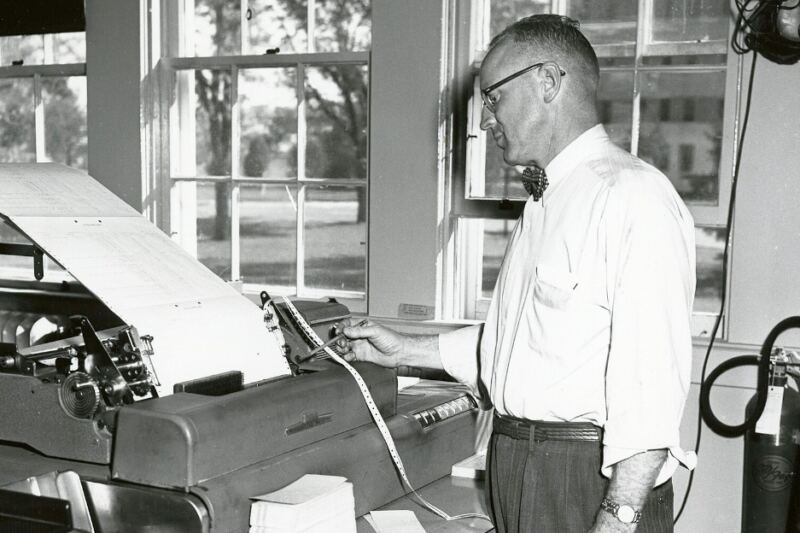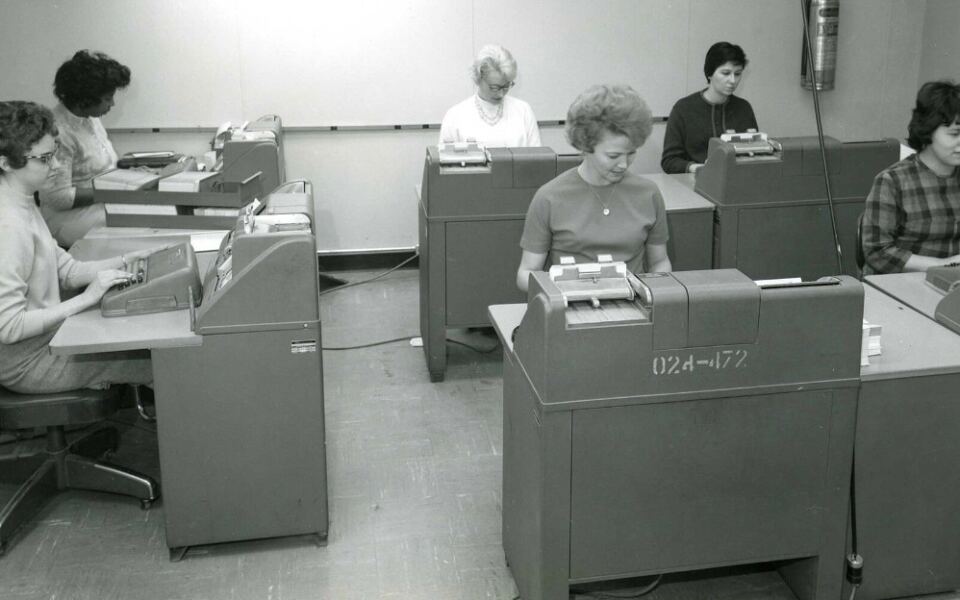
Picture an American office in 1970. One worker is typing a contract, another is punching holes into computer cards, and a receptionist is plugging calls into a switchboard.
Down the street, a travel agent is booking flights, a repairman is fixing a family TV, and a gas station attendant is checking someone’s oil. Baby boomers, born between 1946 and 1964, poured into the job market from the mid-1960s through the early 1980s.
For them, these jobs were normal ways to earn a paycheck. Some took years of training, while others gave teenagers their very first job.
Then came electronic phone systems, ATMs, word processors, self-service pumps, and eventually the internet. A typical office worker today does the work of five 1970s employees from a single laptop.
Not every one of these jobs vanished. Some still exist in small corners of the economy, and others grew into new careers with new names.
Below, you will find 14 occupations that once filled offices, banks, and main streets across the country. Each one shows how a single invention or habit change could reshape an entire line of work.
Keep reading to see which jobs your parents or grandparents may have held, and why they look so different now.
1. Typist
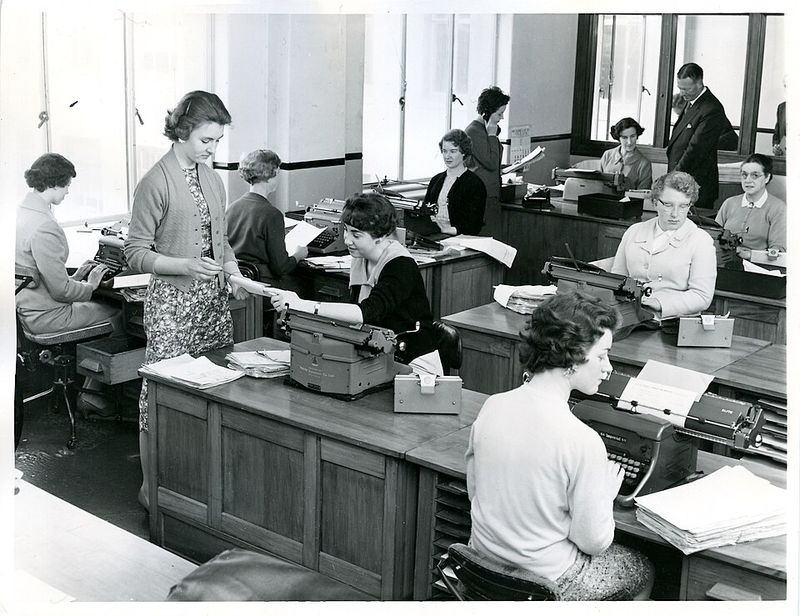
Speed counted as a résumé headline in the 1960s office. Employers often gave typing tests, and 60 words per minute could land you a job.
Businesses ran on paper. Letters, invoices, contracts, and reports all had to be typed, often in several copies using carbon paper.
Large companies kept typing pools, where rows of workers turned handwritten notes and dictation tapes into clean pages. Mistakes were costly.
Before correction tape and Liquid Paper caught on, one bad error could mean retyping the whole page.
Fun fact: Liquid Paper was invented in the 1950s by Bette Nesmith Graham, a secretary tired of fixing typos. Her son Michael later joined the band The Monkees.
Word processors arrived in the 1970s, and personal computers followed in the 1980s. Managers began typing their own memos.
Keyboard skills matter more than ever today. The full-time typist, though, has mostly been replaced by everyone else.
2. Travel Agent
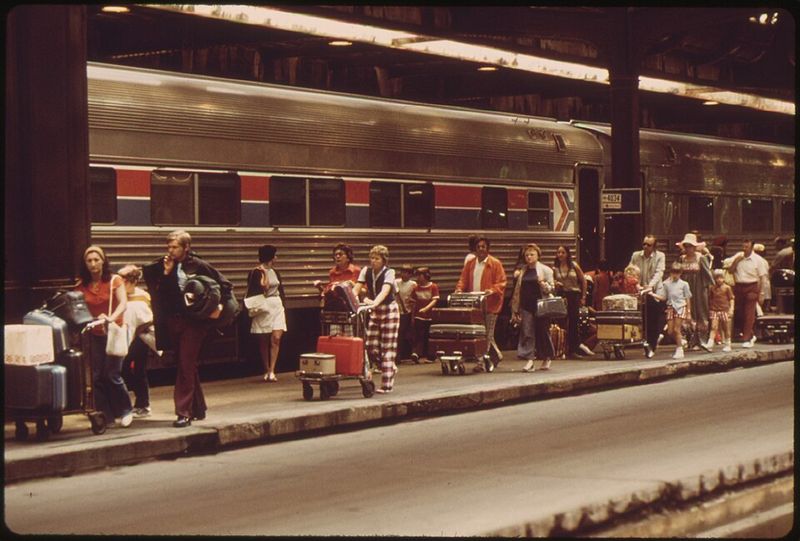
Want to fly to Hawaii in 1975? You probably made an appointment.
Travel agents compared flights, booked hotels, arranged cruises, and planned tricky multi-stop trips. Their offices were lined with destination posters and racks of glossy brochures.
Agents had something regular travelers lacked. They could use airline reservation systems such as SABRE, which American Airlines developed in the early 1960s.
Air travel grew fast after the Airline Deregulation Act of 1978. Fares dropped, more families flew, and agencies booked a huge share of tickets.
Agents also earned commissions from airlines on each sale. Those payments shrank in the late 1990s, then disappeared at major carriers.
Websites like Expedia, launched in 1996, let people book their own trips. Routine ticket sales moved online almost overnight.
Agents still thrive in luxury travel, cruises, weddings, and group tours. What faded was the idea that a simple round-trip ticket needed an expert.
3. Photo Lab Technician
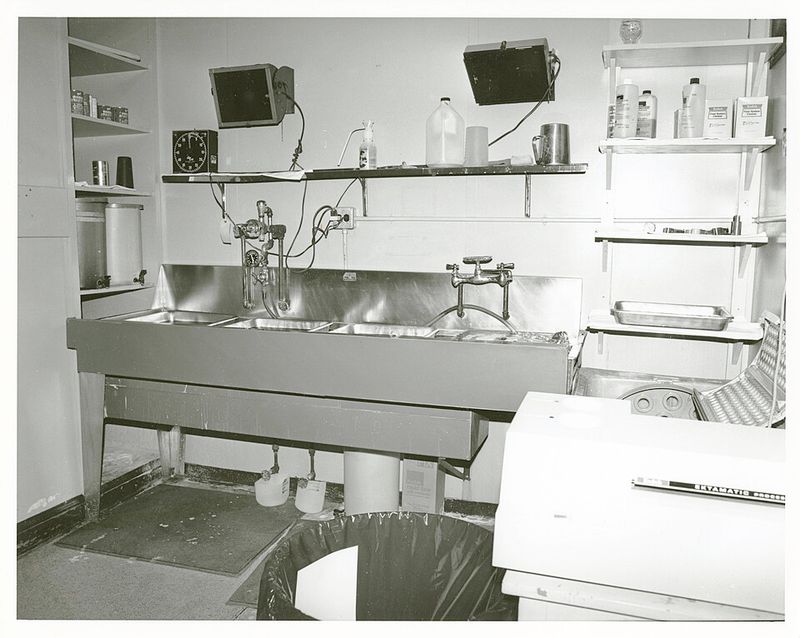
Patience was built into photography for most of the 20th century. You snapped 24 pictures, then waited days to learn whether anyone had blinked.
Families dropped film at drugstores, camera shops, and kiosks. Behind the counter, lab technicians developed negatives and printed finished photos.
The work involved chemistry, color balance, and equipment care. Professional labs handled weddings and portraits, while retail labs took care of birthday parties and vacations.
One-hour photo minilabs boomed in the 1980s. Fotomat kiosks, those small huts in parking lots, had already made film drop-off quick and easy since the 1960s.
Kodak dominated the business. Its slogan, “You press the button, we do the rest,” dated back to 1888.
Digital cameras arrived in the late 1990s, and smartphones finished the job. Photos appeared instantly on screens.
Film fans keep a few specialty labs busy today. The neighborhood photo counter, though, has mostly disappeared.
4. Filing Clerk
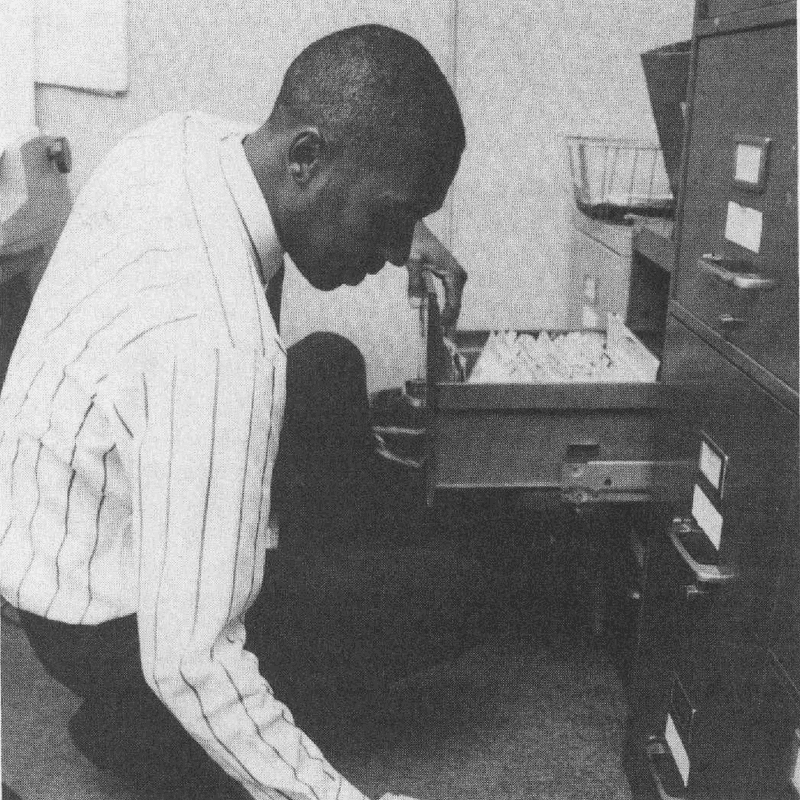
Every office of the 1970s faced the same question: where does all this paper go?
Filing clerks had the answer. They sorted contracts, letters, invoices, and personnel records into labeled folders inside rows of metal cabinets.
Retrieving a document quickly was the real skill. A well-run system saved coworkers hours, while one lost file could stall a lawsuit or insurance claim.
Hospitals, law firms, insurers, and government offices relied heavily on clerks. Some companies kept entire floors packed with records.
Many clerks were young workers starting out. The job often led to secretarial or office management roles later on.
Color-coded folder labels became popular in the 1970s to cut down on misfiling. A stray blue tab in a sea of red stood out right away.
Databases and document scanning slowly replaced cabinets from the 1980s onward. Records managers still exist, but most files now live on servers instead of shelves.
5. Television Repair Technician
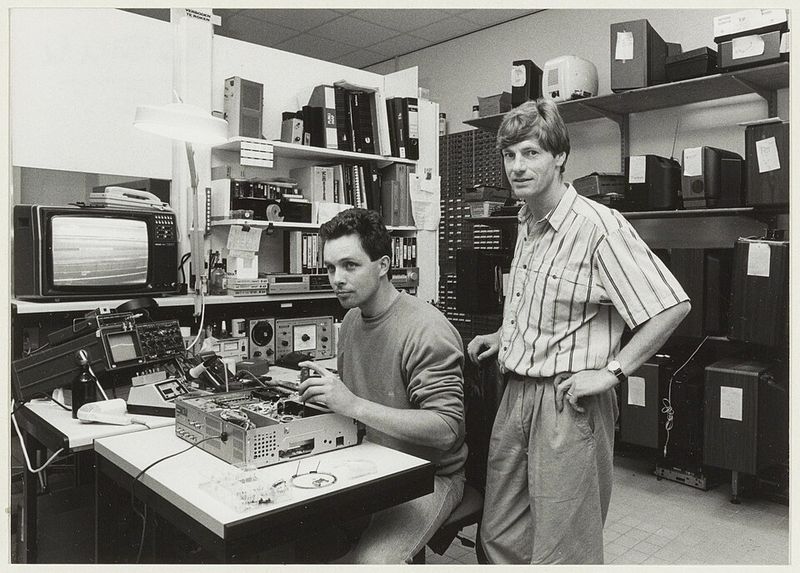
Tossing out a broken TV in 1968 would have shocked most households. A new set could cost several weeks of pay, so families picked up the phone and called the repairman.
Technicians often made house calls with a case full of vacuum tubes and tools. Other times, the set went to a neighborhood electronics shop.
The job demanded real skill. Technicians tested circuits, swapped parts, and kept learning as color TV spread through the late 1960s.
Some drugstores even had tube-testing machines, so customers could check parts themselves before buying replacements.
Solid-state electronics replaced tubes in the 1970s. Sets became more reliable, which meant fewer emergency visits.
Prices kept falling while repair costs did not. By the 2000s, buying a new screen was often cheaper than fixing the old one.
Flat-screens can still be repaired by specialists. The local TV man stopping by with his toolbox, though, is rarely seen today.
6. Bank Teller
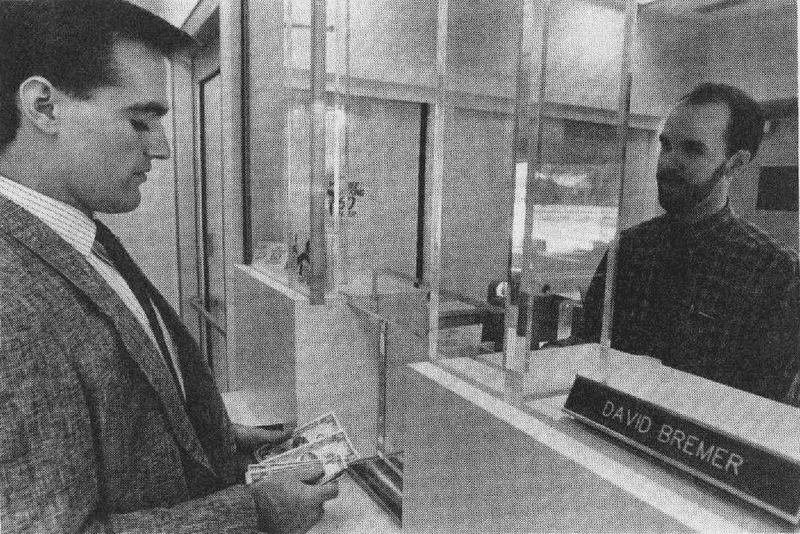
Friday afternoon at the bank once meant a long line and a paper passbook in hand. Every deposit and withdrawal went through a person behind the counter.
Tellers counted cash, cashed paychecks, and recorded transactions by hand. In small towns, they often knew customers by name.
The work called for steady hands and careful math. Drawers had to balance to the penny at closing time.
Automated teller machines began appearing in the late 1960s and spread through the 1970s. Suddenly, people could get cash at night or on weekends.
Here is a surprise: the number of U.S. tellers actually grew for years after ATMs arrived. Banks opened more branches because each one cost less to run.
Online banking and mobile check deposits changed the picture again in the 2000s and 2010s.
Tellers are still around. Their job now leans more on sales and advice than on counting twenties.
7. Newspaper Typesetter
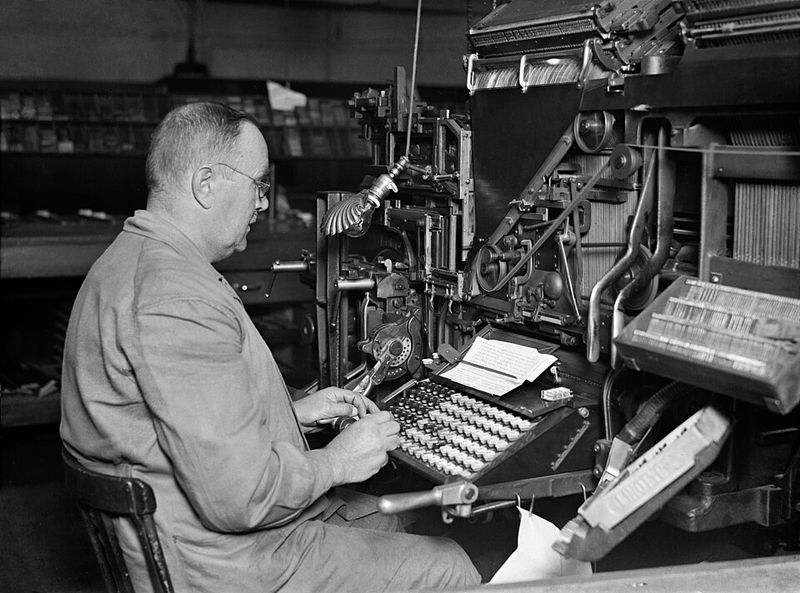
Every morning paper began as a pile of typed stories that someone had to turn into printable pages. That someone worked in the composing room.
For decades, typesetters ran Linotype machines. Invented in 1884, the Linotype cast entire lines of type from hot metal, which sped up printing enormously compared to setting letters by hand.
Typesetters needed strong technical skills and sharp eyes. A missed deadline could delay the whole press run.
By the late 1960s and 1970s, many papers switched to phototypesetting. Text was produced on photographic paper, then pasted onto layout boards.
Labor fights followed the change. A long New York newspaper strike in 1962 and 1963 centered partly on automation.
Computers finished the shift. Reporters and editors began building pages on screens, and desktop publishing spread in the late 1980s.
Designers still shape every newspaper page today. The hot-metal craft, however, now mostly lives in printing museums.
8. Keypunch Operator
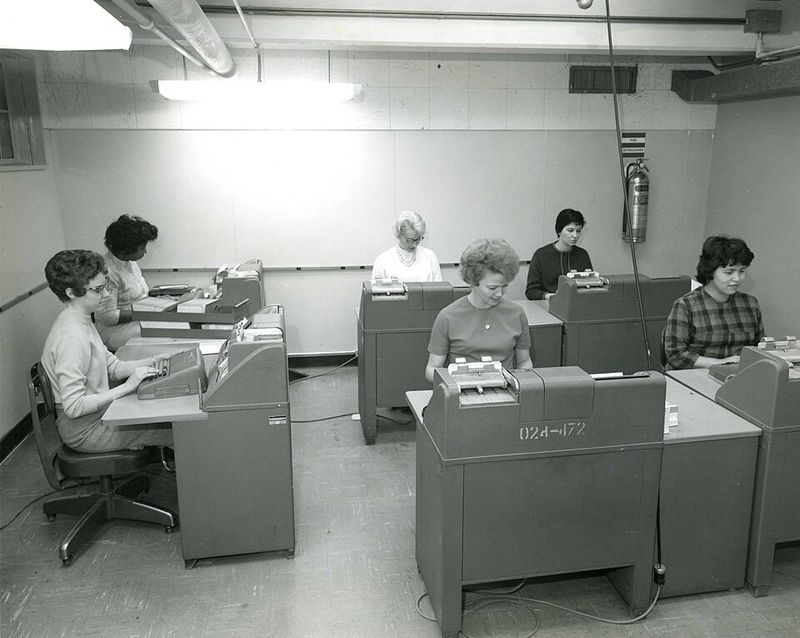
Computers of the 1960s could not read handwriting or understand a keyboard directly. They needed holes, and lots of them.
Keypunch operators sat at machines, often made by IBM, and typed data that punched small rectangular holes into stiff paper cards. Each card usually held 80 columns of information.
Stacks of these cards fed payroll, billing, inventory, and census work. A single wrong hole could throw off a report, so accuracy was everything.
Big organizations hired whole teams of operators. Banks, insurance firms, and government agencies kept card rooms humming with activity from morning until night.
There was even a famous warning printed on many cards: “Do not fold, spindle, or mutilate.” The phrase became a pop culture joke in the 1960s.
Terminals and magnetic tape storage grew cheaper in the 1970s. Workers could type straight into the computer instead.
By the early 1980s, the keypunch room had largely closed for good.
9. Door-to-Door Salesperson
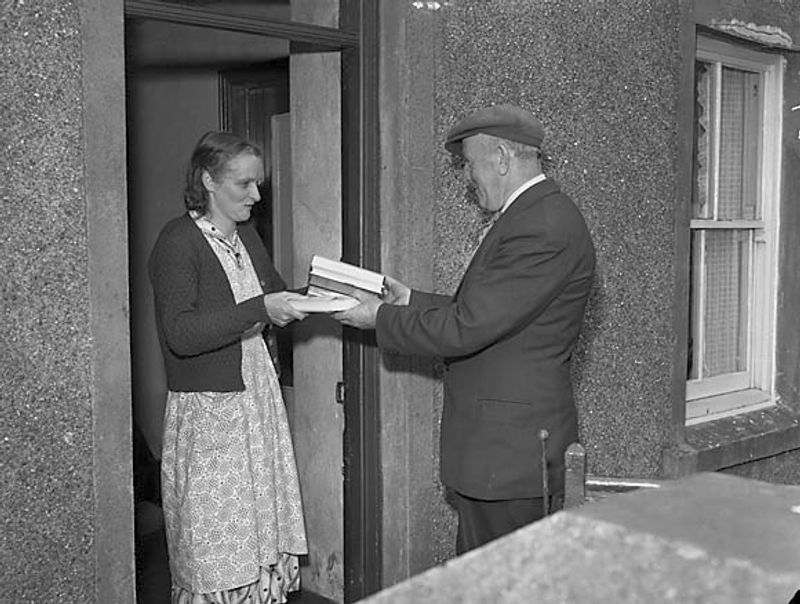
A knock at the door on a Tuesday evening could mean a new set of encyclopedias was about to be pitched. Many families of the 1960s bought their first reference library on the front porch.
Door-to-door sellers offered vacuum cleaners, brushes, cosmetics, and Tupperware alongside books. Companies like Fuller Brush, Avon, Kirby, and Encyclopaedia Britannica built huge sales forces.
The pay usually came from commission. A good talker with thick skin could earn well.
Rejection was part of the deal. Doors closed fast, and long drives between neighborhoods filled the day.
Encyclopedia sales were often pitched as an investment in kids’ futures. Britannica sold its last print edition in 2010, then went fully digital.
Telemarketing, catalogs, privacy worries, and online shopping all chipped away at the model.
Direct sales still exist, especially through parties and social media. The suited stranger with a sample case, however, rarely appears anymore.
10. Gas Station Attendant
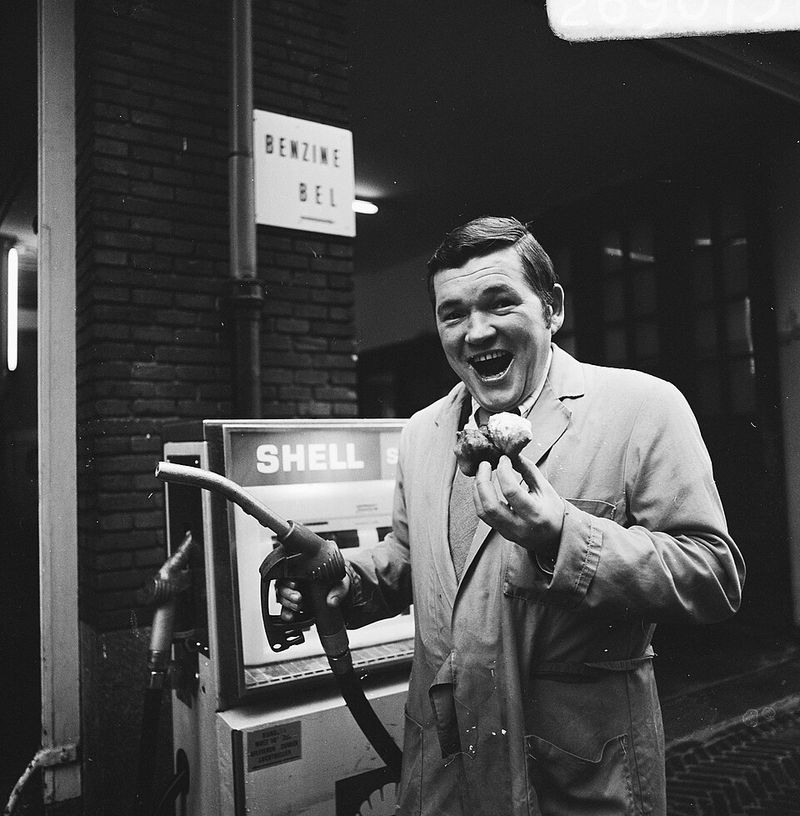
Drivers once barely moved a muscle at the pump. An attendant in a cap and uniform would hurry out before the engine even stopped.
Full service meant more than fuel. Attendants washed windshields, checked tire pressure, and popped the hood to look at the oil.
For teenagers, the gas station was a classic first job. It taught customer service, basic car care, and how to make change quickly.
Self-service began spreading in the 1970s. Rising labor costs and the fuel crises of 1973 and 1979 pushed station owners to cut expenses, and many drivers happily traded service for a cheaper gallon.
By the 1990s, pumping your own gas was the norm in most states.
New Jersey still bans self-service fueling, so attendants remain a daily sight there. Oregon held out for decades before loosening its rules in 2023.
Everywhere else, the friendly guy with the squeegee has become a museum piece.
11. Directory Assistance Operator
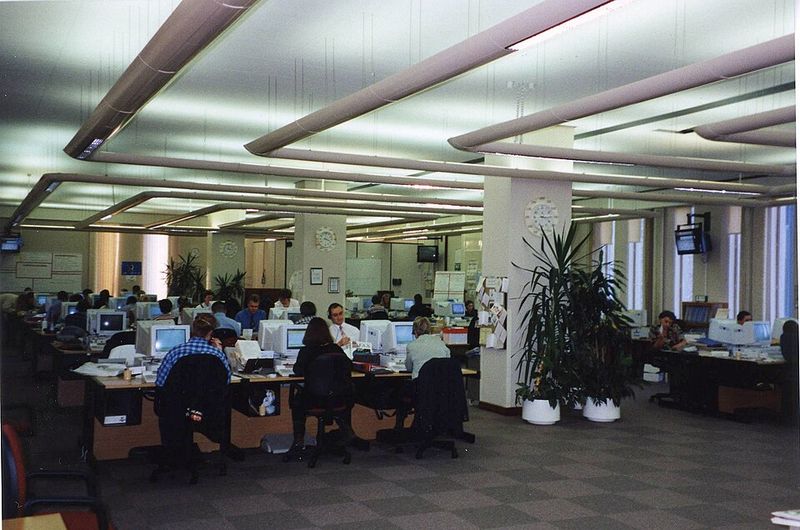
Need the number for a pizza place across town? Dialing 411 was the go-to move for millions of Americans.
Directory assistance operators answered those calls all day. Callers gave a name and city, and operators searched for the listing.
Early operators flipped through thick printed phone books. Later, they used microfilm readers and then computer databases that sped up the search.
The job rewarded quick thinking and clear speech. Operators handled thousands of calls a week, often with strict time goals per call.
For years, directory help was free in many areas. Phone companies began charging for it in the 1970s, which made some customers grumble.
Online search engines arrived in the 1990s. Smartphones with built-in contacts and maps followed in the late 2000s.
A few 411 services still operate, but call volumes have dropped sharply. A task that once needed a trained worker now takes a few taps on a screen.
12. Payroll Clerk
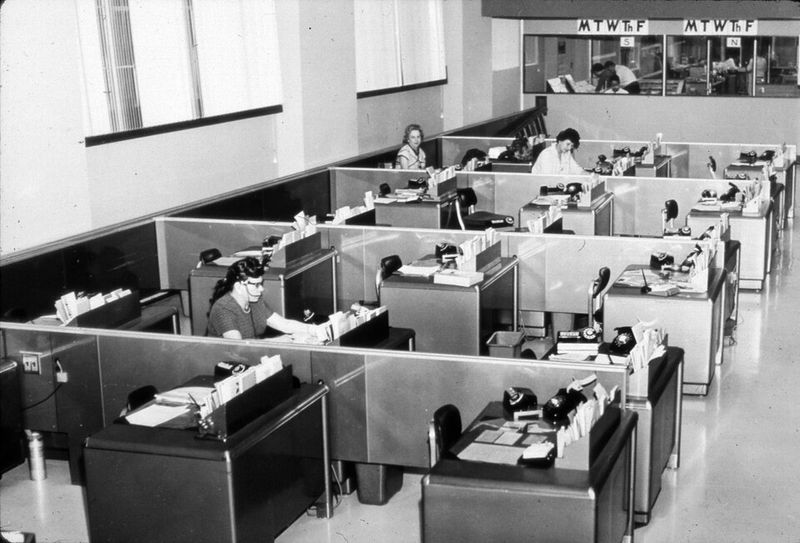
Payday in 1968 involved adding machines, ledgers, and sometimes envelopes stuffed with actual cash. Behind every check sat a payroll clerk.
Clerks tracked hours from time cards, figured wages, and subtracted taxes and other deductions. In large companies, whole departments handled the work.
Accuracy was essential. One wrong number could shortchange a worker or trigger a tax headache.
Computers began handling payroll in the 1950s and 1960s, at least in big firms. Even then, clerks still prepared data, checked results, and fixed errors by hand.
ADP, founded in 1949, grew by doing payroll for other businesses. It became one of the best-known names in the field.
Direct deposit spread during the 1970s and 1980s. Fewer paper checks needed printing or handing out.
Payroll specialists are still important because tax laws and benefits keep changing. The job did not vanish.
It simply shifted from pencils to software.
13. Elevator Operator
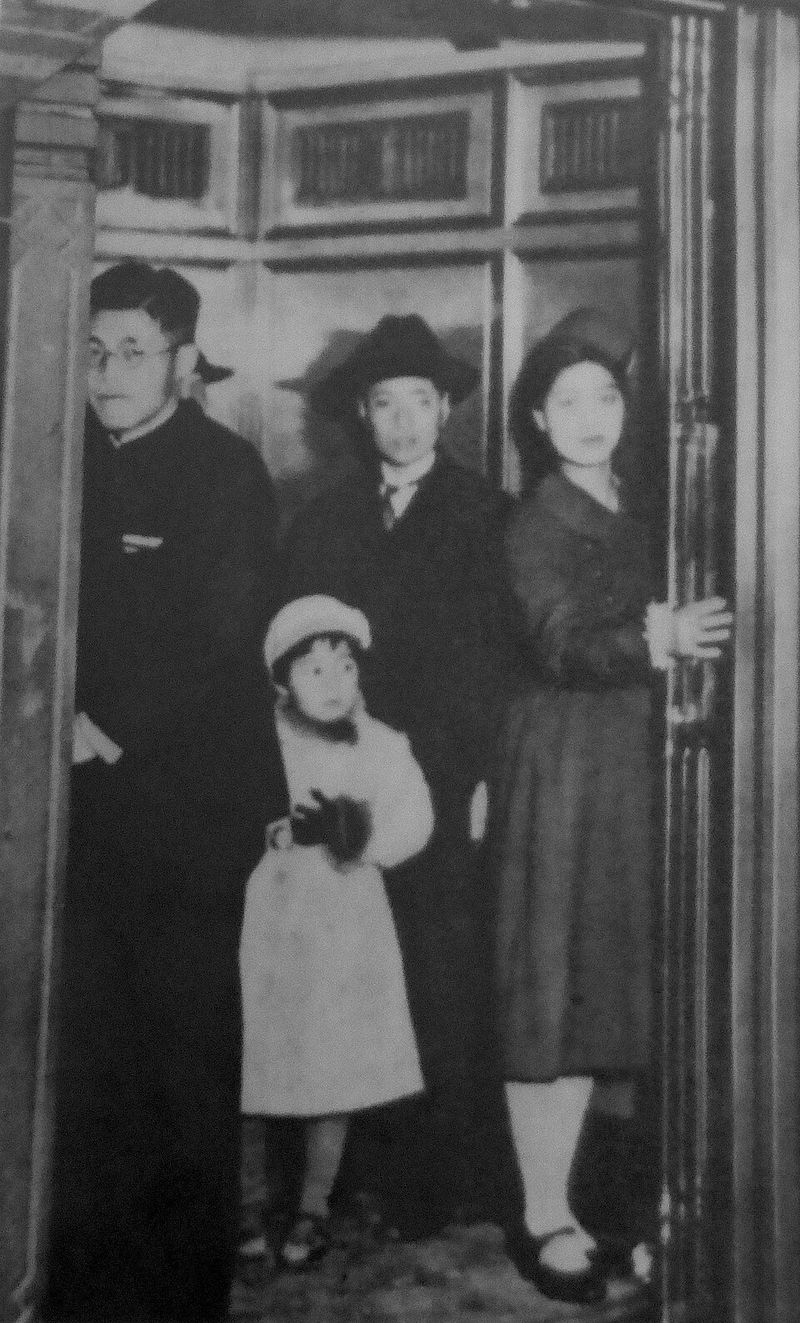
Pressing your own floor button would have seemed odd in plenty of 1950s department stores. An operator in a crisp uniform handled that for you.
Operators moved the car with a lever, lined it up with each floor, and opened the gates. Many also called out what each level sold, such as housewares or menswear.
Regular shoppers and office workers often knew their operator well.
Automatic elevators existed long before boomers went to work. A 1945 operators strike in New York City stranded office workers and helped push building owners toward automation.
Still, people did not trust driverless elevators at first. Companies added soothing recorded voices and emergency phones to calm nervous riders.
Manual cars hung on in some buildings through the 1960s. By the 1970s, most had been converted.
A handful of historic buildings still keep operators today, partly for old equipment and partly for style. For everyone else, the job belongs to a button.
14. Telephone Switchboard Operator
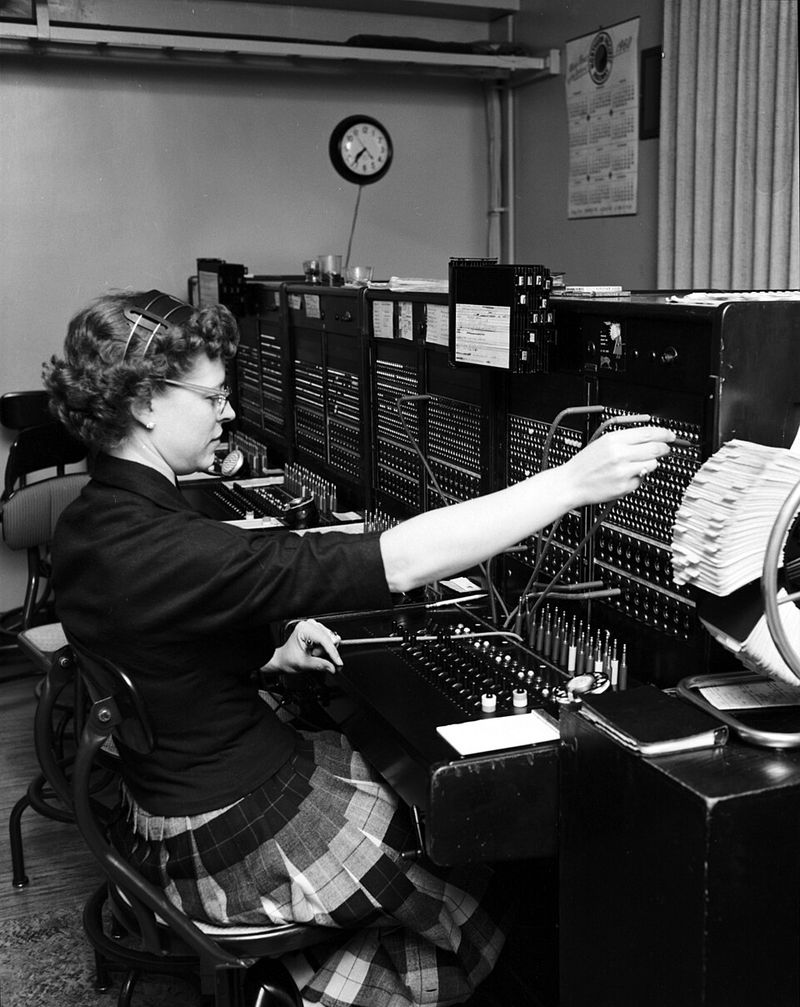
Calling a big company in 1965 rarely meant reaching your target on the first try. A human being stood in the middle, and she usually wore a headset.
Switchboard operators connected calls inside offices, hotels, hospitals, and phone companies. Older boards used cords and plugs pushed into sockets.
Later models swapped those for buttons and lights.
Juggling several callers at once took focus and a calm voice. The Bell System was one of the largest employers of women in the United States for decades.
For many young women in the 1960s and 1970s, operator work offered steady pay and a clear path into the workforce. Some operators also handled long-distance calls and customer questions.
Electronic switching systems spread through the 1970s and 1980s. Automated attendants then learned to say “Press one for sales.”
A few operators still work today, mostly in hospitals and hotels. The giant rooms full of them, however, are long gone.
Share this story