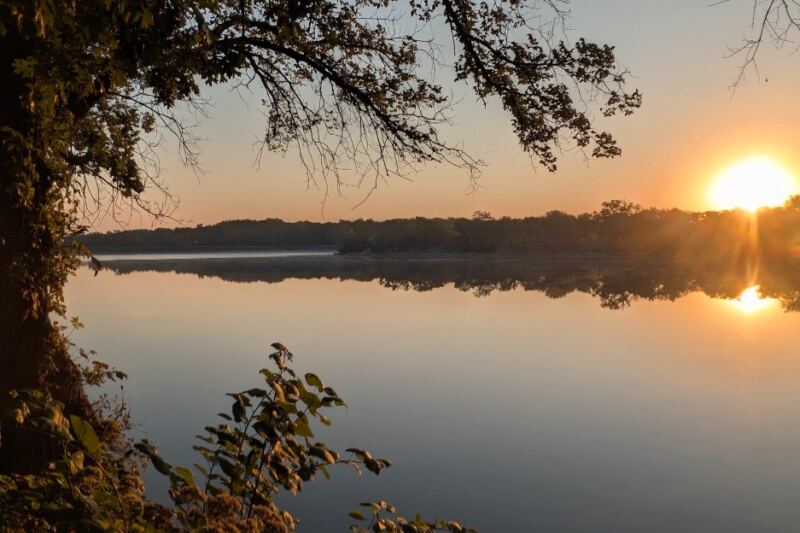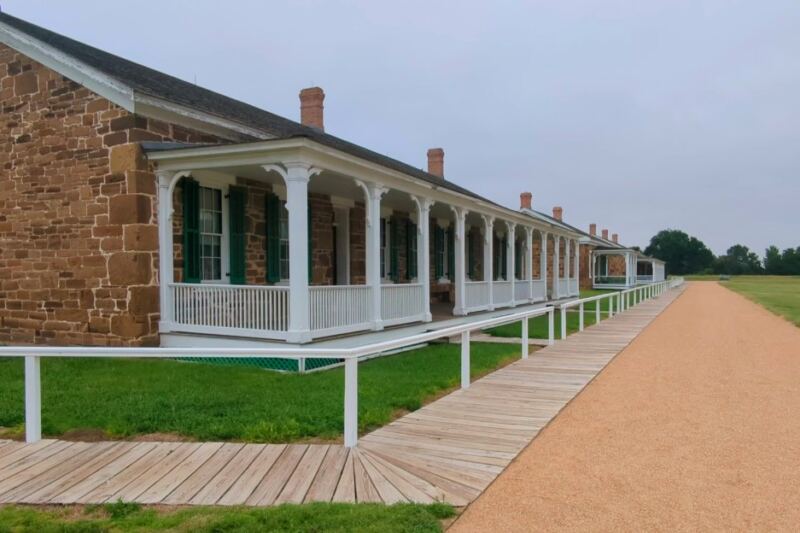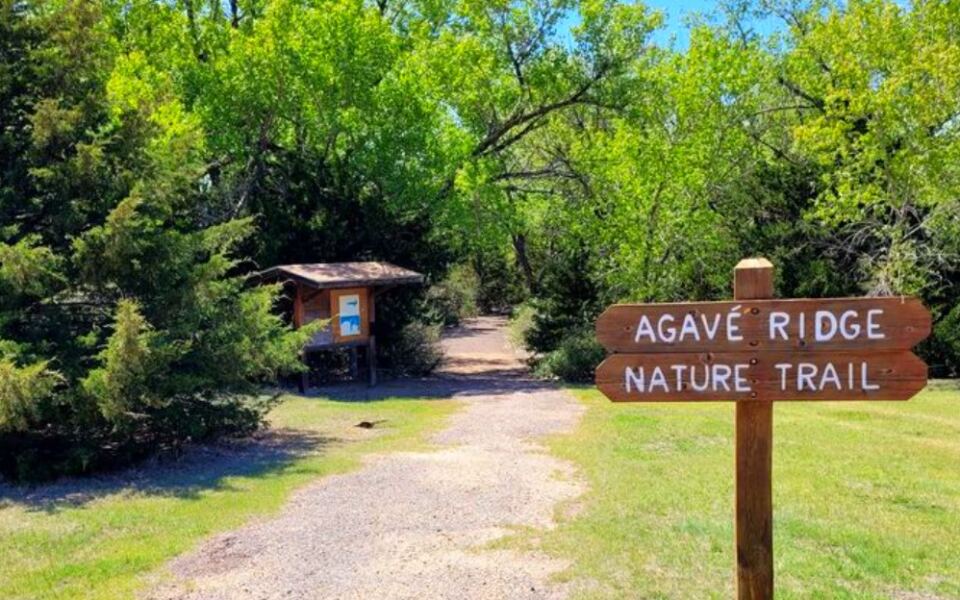
Kansas offers far more hiking variety than its flat reputation suggests. Sandstone canyons, chalk formations, tallgrass ridges, wooded lakeshores, and rolling hills create surprisingly dramatic scenery across the state.
These 14 Kansas hiking trails showcase some of the best views from the Smoky Hills to the greener landscapes of southeastern Kansas. Each offers a rewarding reason to lace up your boots and discover a wilder side of the Sunflower State.
1. Horsethief Canyon Trail, Marquette, Kansas
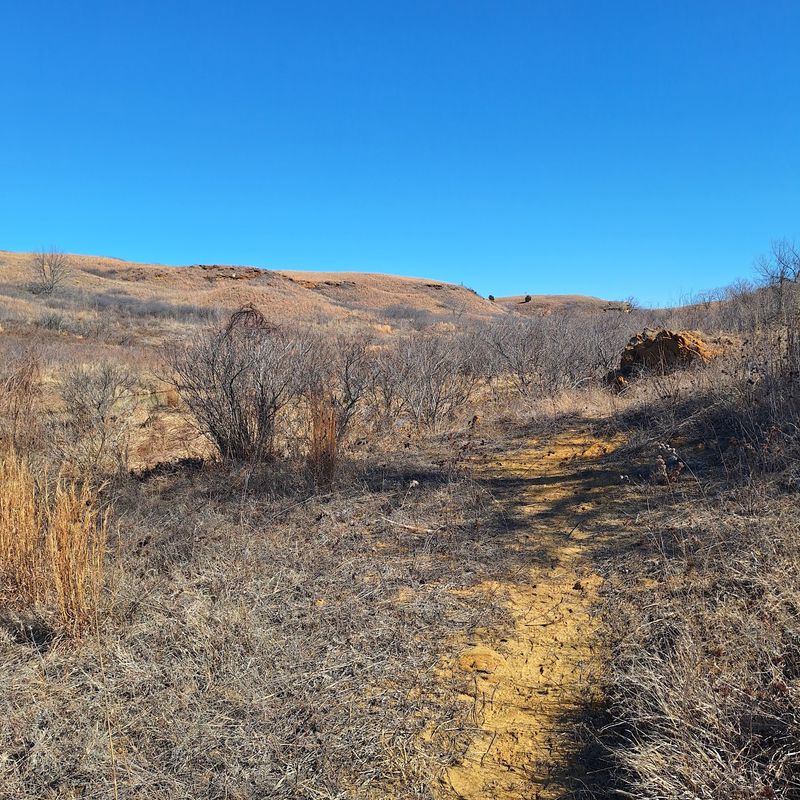
Kansas’s first state park is hiding one of its best-kept secrets, and Horsethief Canyon Trail at Kanopolis Lake State Park is the proof. The trail system covers roughly 5.5 to 7 miles depending on your route, and the terrain earns every step with narrow canyon passages, towering Dakota sandstone bluffs, and creek crossings that keep the hike interesting.
The popular Horsethief Canyon to Red Rock Canyon loop runs about six miles and passes striking red hoodoos that look more like Utah than central Kansas. Elevation gain sits around 500 to 600 feet, putting this in the intermediate to difficult range.
Creek crossings can get tricky after heavy rain, so waterproof footwear is a smart call. Wildflowers, wildlife, and even beaver activity near the water make this trail a genuinely rewarding outing for anyone willing to make the trip to Marquette.
2. Switchgrass Mountain Bike Trails, Sylvan Grove, Kansas
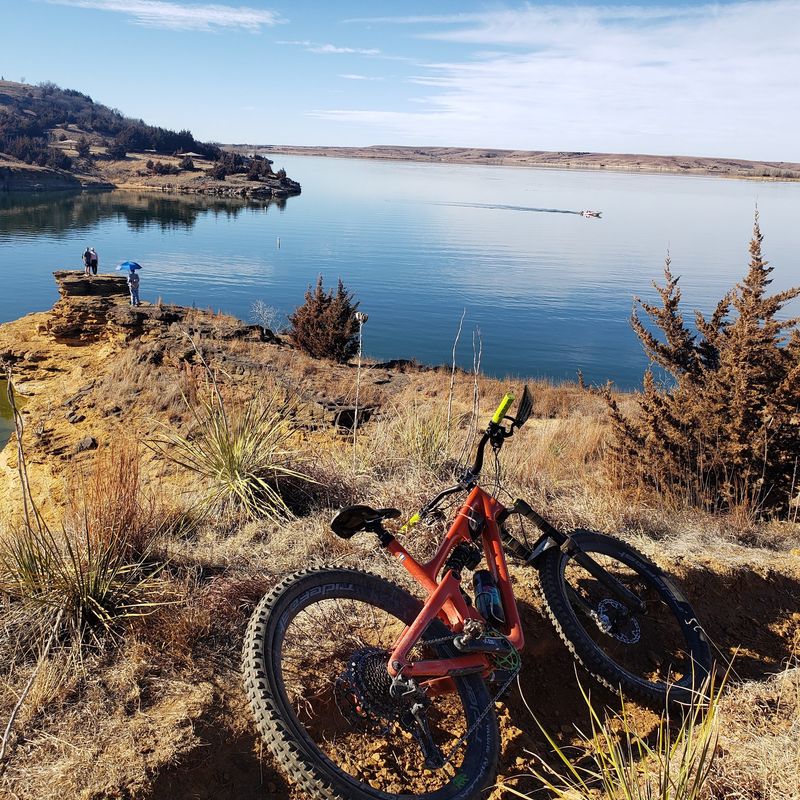
The name might make hikers feel like uninvited guests, but the Switchgrass Mountain Bike Trails at Wilson State Park welcome foot traffic just as warmly as two-wheeled visitors. The full system stretches an impressive 24.5 miles through the Smoky Hills near Wilson Reservoir, giving hikers plenty of options for shorter loops or longer explorations.
Rocky terrain, rolling prairie slopes, and broad water views make this one of the most photogenic trail networks in central Kansas. Wilson Reservoir is sometimes called the “Czech capital of Kansas” because of the area’s heritage, and the landscape around it has a rugged charm that surprises first-time visitors.
Hikers should be aware that bikers share the trail, so staying alert on blind corners is good practice. Pick a clear day and the reservoir views from the higher sections are genuinely hard to beat.
3. Agave Ridge Nature Trail, Ellis, Kansas
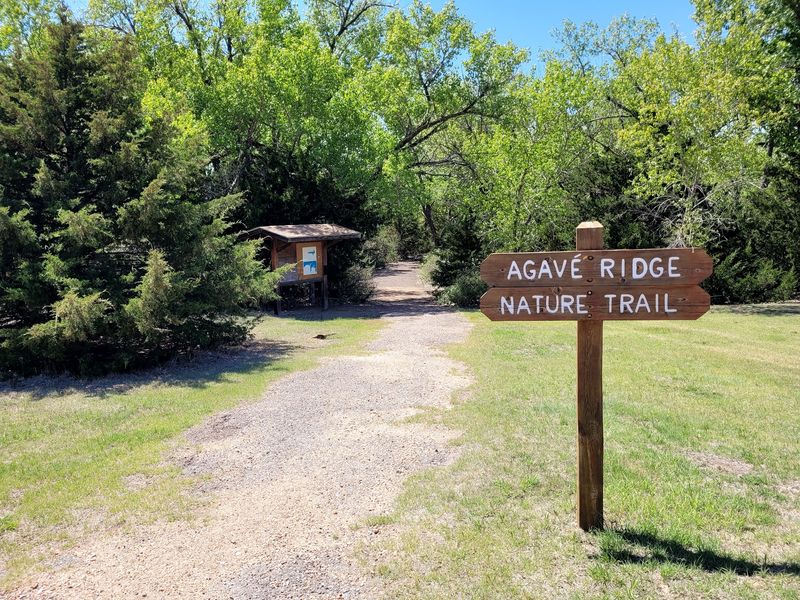
Cedar Bluff State Park sits in a part of western Kansas that most people drive past without stopping, and that is a genuine shame. The Agave Ridge Nature Trail offers roughly five miles of hiking through cedar-lined bluffs and open terrain dotted with Great Plains yucca, a plant that gives the landscape a distinctly western character.
Elevated sections of the trail open onto panoramic views of the surrounding reservoir country, where the flat horizon stretches far in every direction. The combination of rugged bluffs, native plants, and big skies creates a setting that feels closer to New Mexico than the Kansas most people picture.
The trailhead is straightforward to find at Cedar Bluff State Park near Ellis, and the trail is manageable for most fitness levels. Bring water, because shade is limited and the western Kansas sun is not shy about making its presence known.
4. Dune Trail, Hutchinson, Kansas
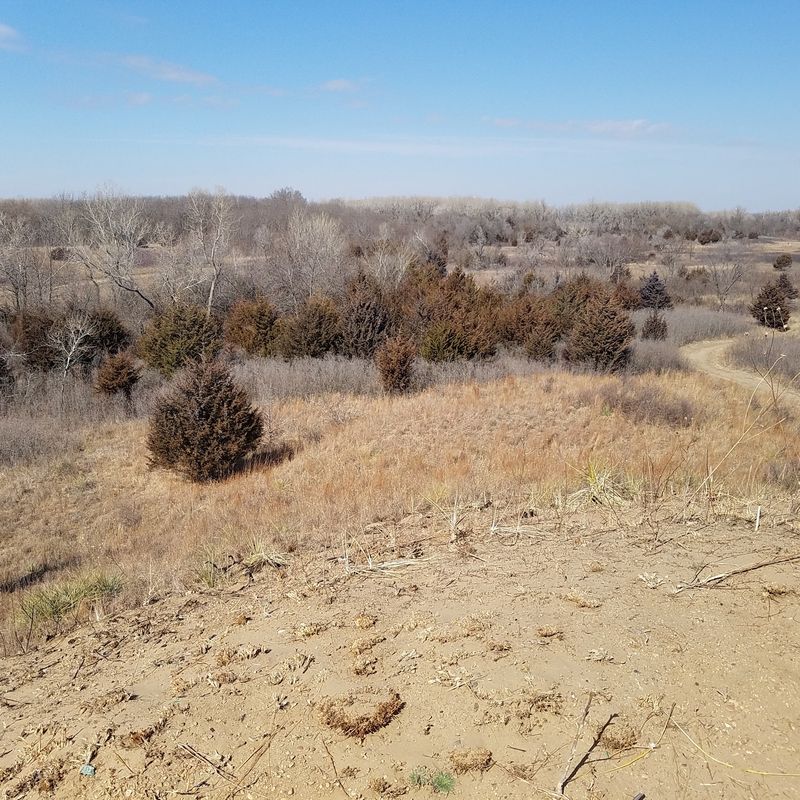
Most people associate Kansas with flat farmland, so finding actual sand dunes in the middle of the state is a pleasant curveball. The Dune Trail at Sand Hills State Park near Hutchinson explores a landscape shaped entirely by windblown sand, a rarity in the central Plains that gives the park a character all its own.
The route climbs a roughly 40-foot dune before descending toward wetland habitat, creating a compact but genuinely varied outing. That combination of sandy rises, open prairie, and low-lying areas makes for an interesting hike that covers more ground visually than the mileage suggests.
Sand Hills State Park is a day-use area, so there are no camping facilities, but the trail is accessible and family-friendly. Hikers interested in birdwatching will find the wetland sections particularly productive, especially during migration seasons in spring and fall.
5. Randolph Equestrian Trail, Randolph, Kansas
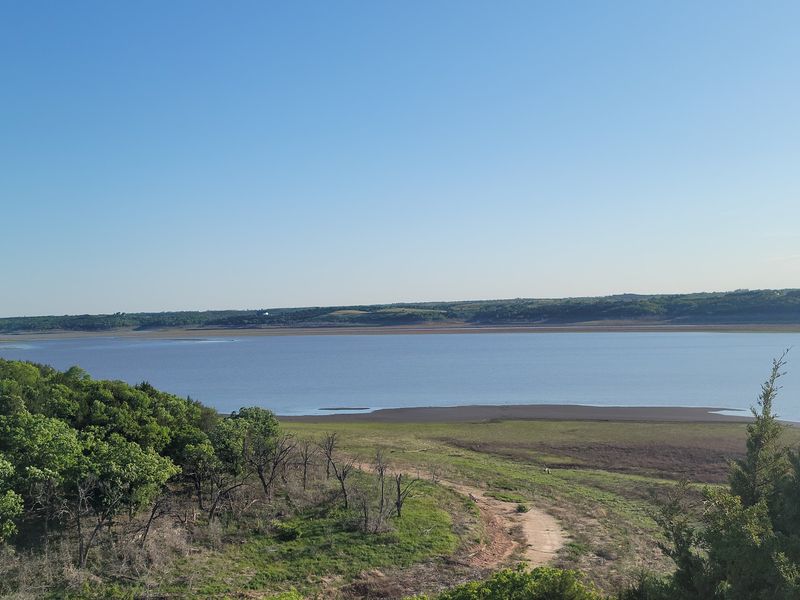
Shared trails sometimes get a bad reputation, but the Randolph Equestrian Trail at Tuttle Creek State Park gives hikers more than enough reason to share the route with the horses. The trail crosses a mix of open grassland and wooded terrain while delivering some of the best elevated views of Tuttle Creek Reservoir and the surrounding Flint Hills available on foot.
Tuttle Creek Reservoir is one of the largest bodies of water in Kansas, and from the higher stretches of this trail, the scale of the landscape becomes clear in a way that flat roadside views simply cannot match. The rolling hills of the Flint Hills add depth to the scenery, especially in late afternoon.
Hikers should wear appropriate footwear since the terrain can be uneven and trail surfaces vary. Checking in with the state park office about current trail conditions before heading out is always a good idea here.
6. Chautauqua Hills Trail, Toronto, Kansas
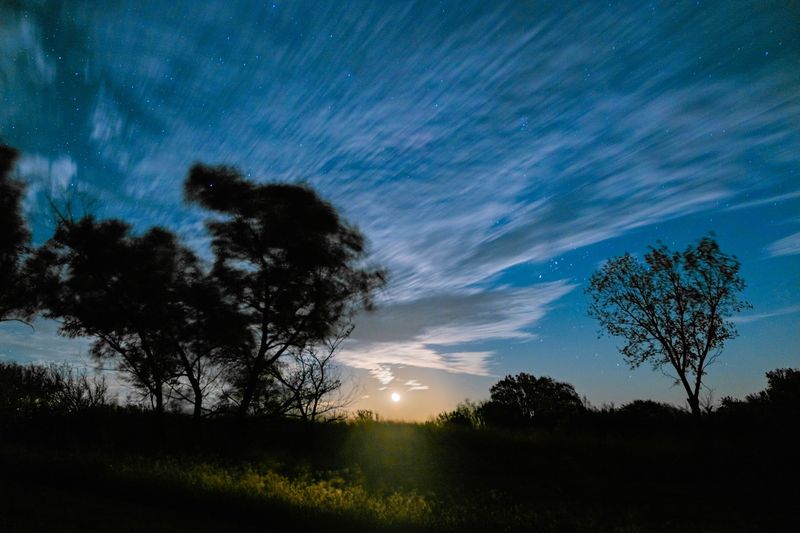
Southeastern Kansas operates by its own set of rules, and the Chautauqua Hills Trail in Cross Timbers State Park near Toronto is the clearest evidence of that. The 11-mile route travels through oak savanna, wooded hills, open prairie, rocky areas, and shoreline near Toronto Lake, creating a hiking experience that feels genuinely different from anything in the central or western part of the state.
Cross Timbers State Park sits in a transition zone between the Great Plains and the eastern woodlands, which explains why the landscape feels so layered and varied. The combination of tree cover, rocky terrain, and lake views makes this trail one of the more scenic options in eastern Kansas.
The full 11-mile route is best suited for hikers with some experience, but shorter out-and-back sections are accessible for those who want a taste of the Chautauqua Hills without committing to the entire loop.
7. North Shore Trail, Lawrence, Kansas
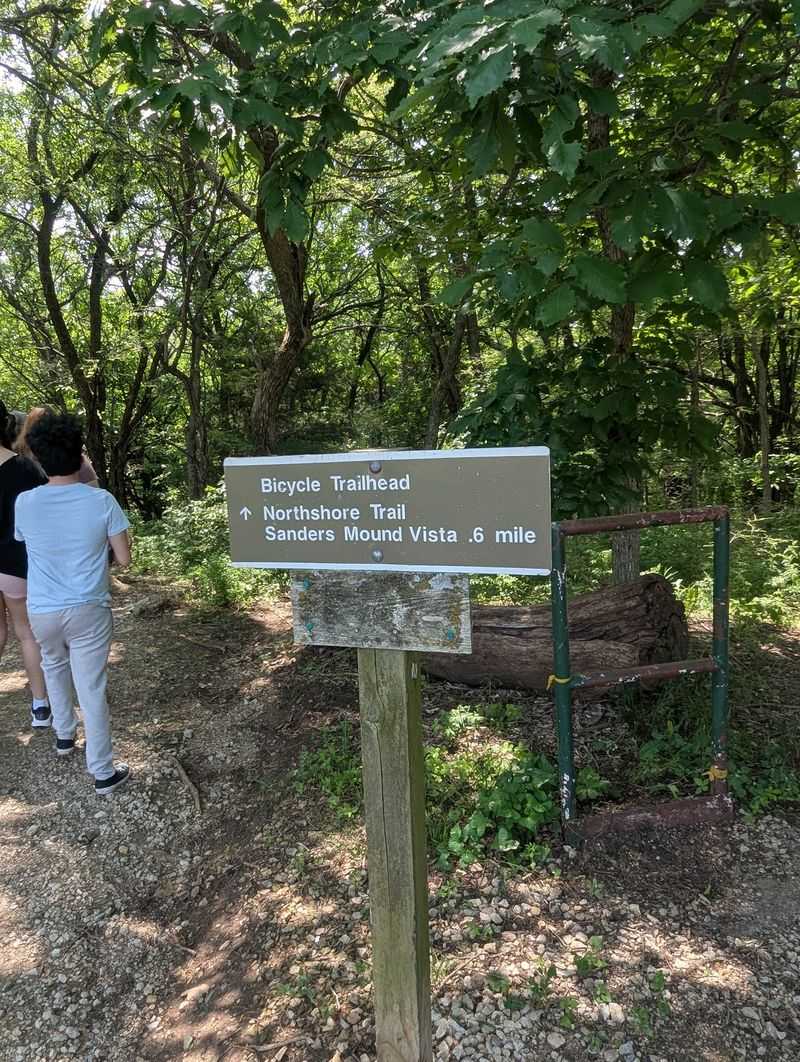
Twenty-five miles of natural-surface trail sitting just outside a college town is not something most people expect, but Clinton State Park near Lawrence delivers exactly that. The North Shore Trail runs along the reservoir landscape through forested sections and rolling terrain, making it one of the more substantial trail systems in northeastern Kansas.
Hikers do not need to tackle all 25 miles in one go. Shorter out-and-back sections give casual visitors a chance to enjoy the wooded paths and reservoir views without planning an all-day expedition.
The trail surface stays natural throughout, so conditions can vary after wet weather. Lawrence itself is worth exploring before or after the hike, and the proximity of the trail to town makes this an easy addition to any visit to the area.
Fall is a particularly good time to visit when the trees along the trail begin to turn.
8. Scenic Overlook Trail, Strong City, Kansas
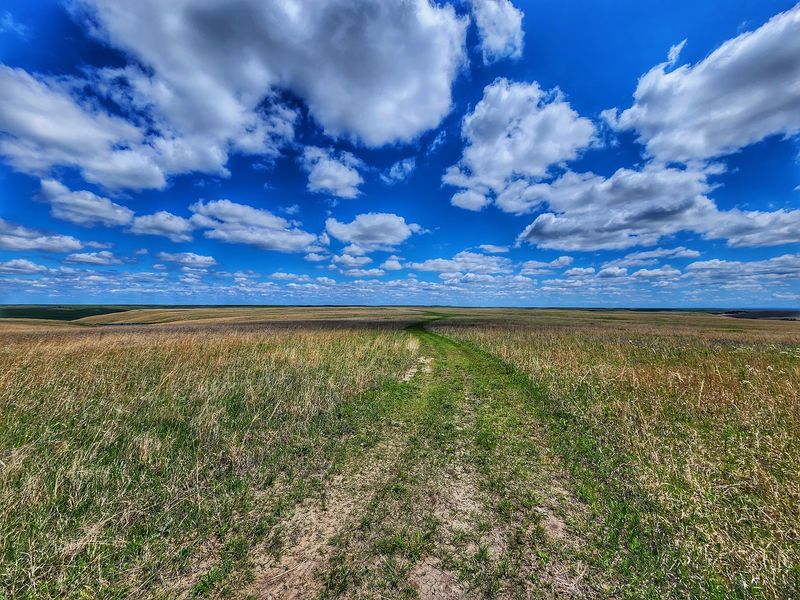
There is a particular moment on the Scenic Overlook Trail at Tallgrass Prairie National Preserve when the view opens up and the horizon seems to have no end. The trail climbs through protected Flint Hills tallgrass prairie to an overlook roughly 3.2 miles from the trailhead, making the full out-and-back a solid 6.4-mile hike with views that justify every step.
The preserve protects one of the largest remaining tracts of tallgrass prairie in North America, and the Scenic Overlook Trail puts hikers right in the middle of that landscape. On a clear day, the rolling grass-covered ridges stretch in every direction with almost no development visible.
The preserve’s bison herd sometimes appears within view from the trail, which adds an unexpected wildlife element to the experience. Hikers should stay on marked paths and keep a respectful distance from any bison encountered along the way.
9. Lehigh Portland Trails, Iola, Kansas
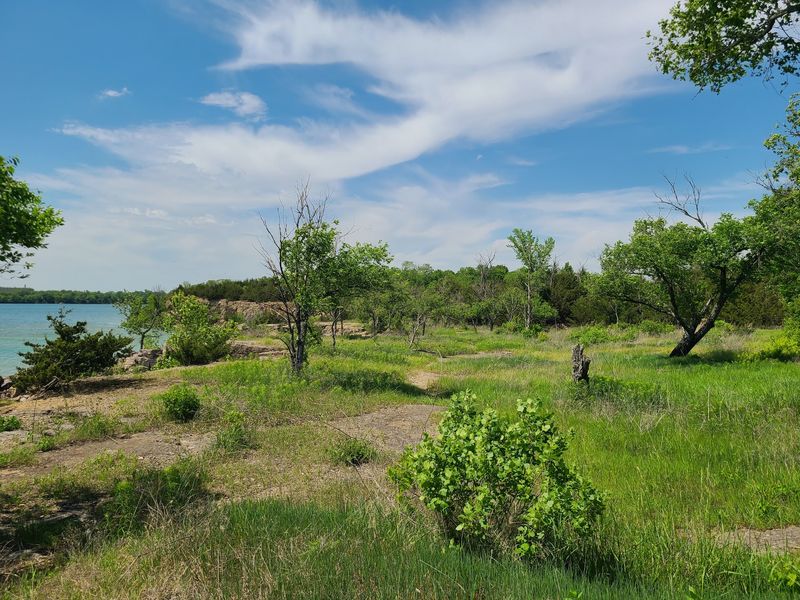
A former industrial site might not sound like prime hiking territory, but Lehigh-Portland State Park near Iola has turned its industrial past into one of the more unusual trail experiences in eastern Kansas. The park takes its name from a historic cement plant, and the quarry lake left behind from that era is now a scenic centerpiece of the trail network.
Routes run near the quarry lake and along Elm Creek, while side trails push through mature trees and into ravines that feel surprisingly remote for a site this close to town. The terrain gets steeper in places, giving the trails more character than a typical flatland park walk.
The combination of industrial history and natural recovery makes this a genuinely interesting place to explore on foot. Interpretive information about the site’s cement-production past adds context that makes the landscape feel layered with stories worth knowing.
10. Elk River Hiking Trail, Elk City, Kansas
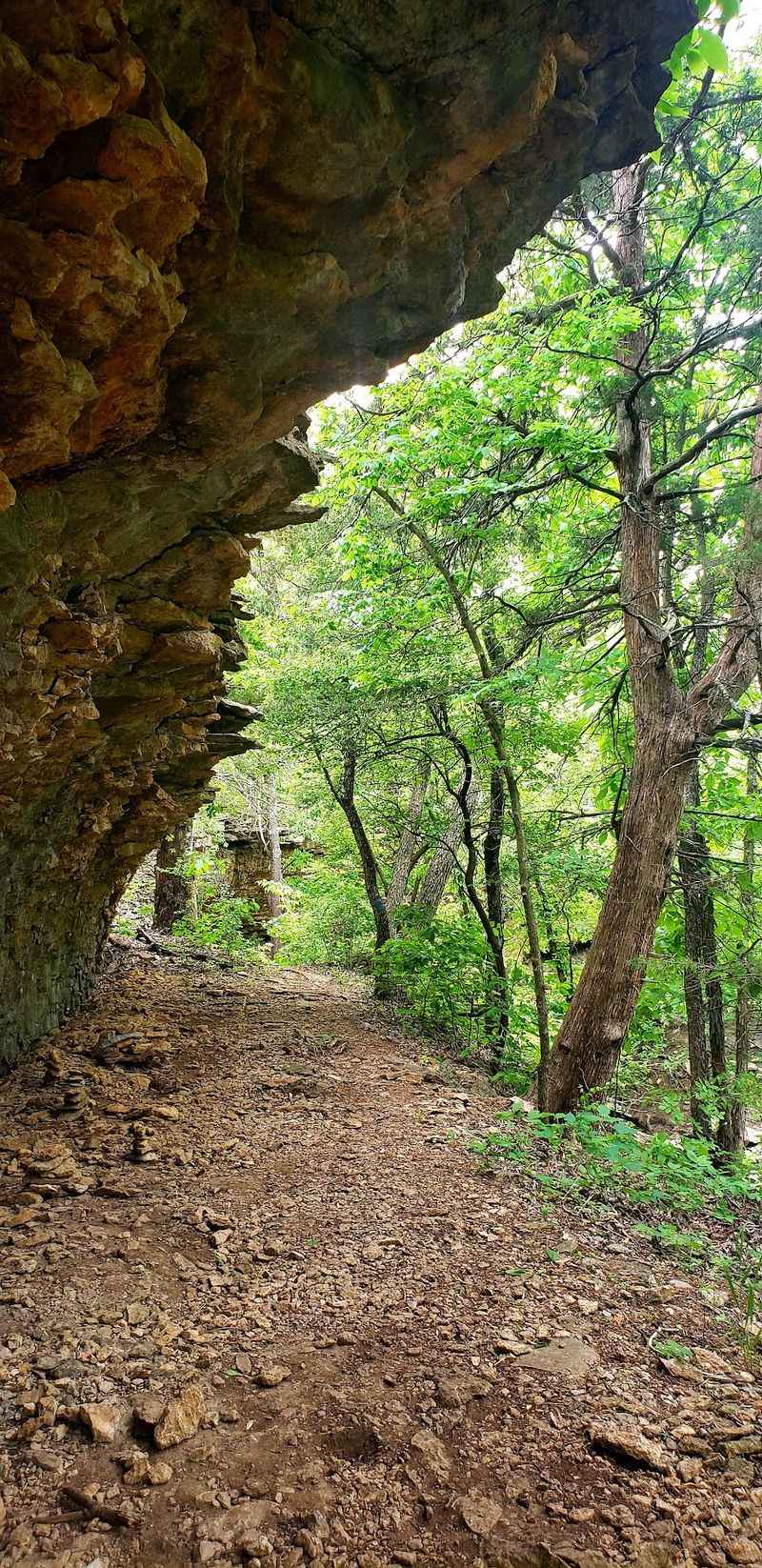
At roughly 15 miles one way, the Elk River Hiking Trail near Elk City Reservoir is one of the more demanding long-distance routes in the state, and it earns that reputation through terrain rather than just mileage. Limestone formations, rocky stretches, wooded sections, and elevated views over the reservoir give the trail a rugged character that stands out in southeastern Kansas.
The trail runs close enough to the water in several places that reservoir views become a regular feature rather than an occasional reward. Wooded corridors provide cover between open sections, and the changing terrain keeps the hike from feeling repetitive even over longer distances.
Most hikers tackle the trail as an out-and-back over multiple days or arrange a vehicle shuttle for a one-way traverse. Either way, this is a trail that rewards preparation, so bringing sufficient water, a map, and proper footwear is non-negotiable before heading out.
11. Overlook Trail, Oakley, Kansas
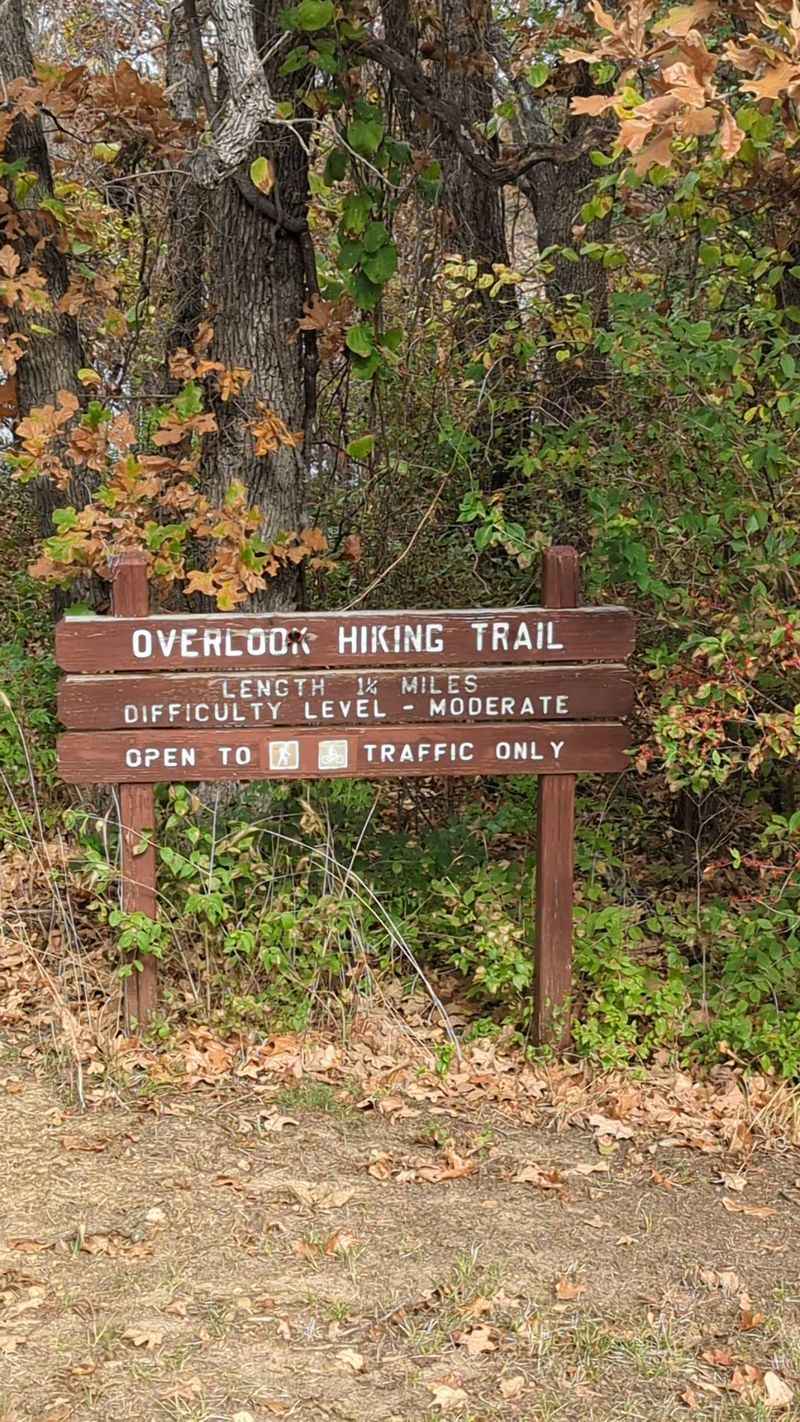
Nothing in the Kansas mental image prepares a first-time visitor for Little Jerusalem Badlands State Park. The chalk formations here rise into cliffs, columns, and spires created from sediment deposited when a vast inland sea covered this region roughly 80 million years ago, and the Overlook Trail puts hikers directly above this ancient landscape.
The park’s public trails are relatively short but deliver views that feel completely out of proportion to the effort required. From the overlook, the scale of the chalk formations becomes clear, and the surrounding western Kansas plains stretch flat in every direction, making the badlands stand out even more dramatically by contrast.
Little Jerusalem Badlands State Park opened in 2019, making it one of the newer additions to the Kansas state park system. Guided hikes are available through the Nature Conservancy, which manages the site alongside Kansas State Parks, and those tours add geological and ecological context that enriches the experience considerably.
12. Konza Prairie Nature Trail, Manhattan, Kansas
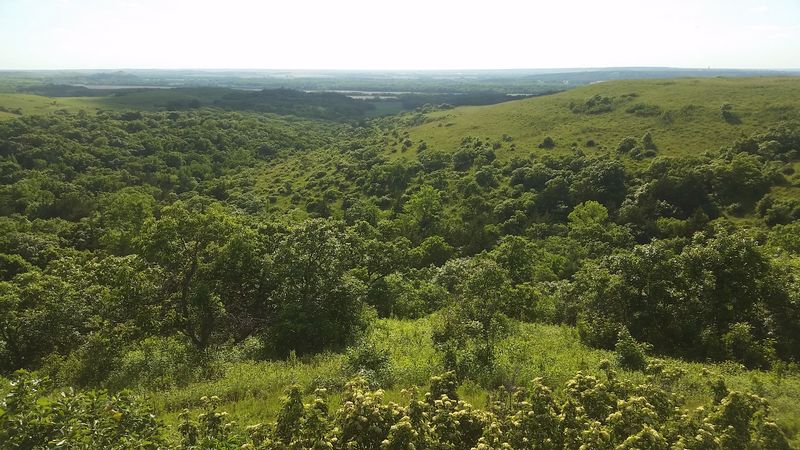
Just south of Manhattan, the Konza Prairie Biological Station protects one of the most intact stretches of tallgrass prairie remaining in the world, and the Nature Trail system gives the public direct access to that landscape. The walking-only trails climb through rolling Flint Hills ridges where sweeping views across grass-covered terrain unfold in every direction.
Three loop options are available, ranging from about 2.6 miles to 6.2 miles, so hikers can choose a distance that fits their schedule and fitness level. The longer loops reach higher ridges where the views are most expansive and the sense of open space is most pronounced.
Because Konza is an active research site, the trails are walking-only and pets are not permitted. Hikers should register at the trailhead before setting out.
Spring brings wildflowers across the prairie, and controlled burns in some areas create dramatic contrasts between blackened ground and new green growth.
13. Wyandotte County Lake Loop Trail, Kansas City, Kansas
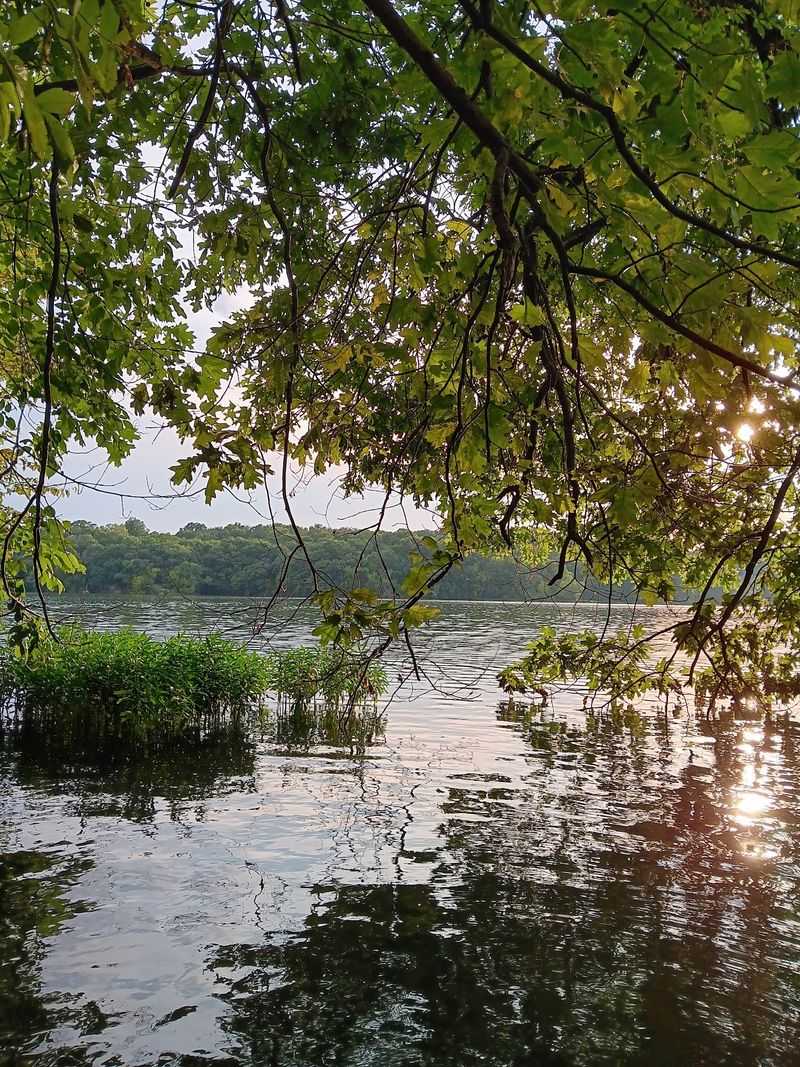
Urban hiking gets an unfair reputation for being uninspiring, and the Wyandotte County Lake Loop Trail is here to argue otherwise. The roughly nine-mile loop circles Wyandotte County Lake Park through a landscape that feels far more wooded and varied than most people expect to find within the Kansas City metro area.
The route combines open lake views with forested hillsides and changing terrain that keeps the loop interesting from start to finish. Autumn transforms the trail into something particularly worth the drive, when the trees surrounding the water shift through yellows, oranges, and reds over several weeks.
The park also offers fishing, picnic areas, and other amenities, making it easy to build a full day around the hike.
14. Lawrence Levee Trail, Lawrence, Kansas
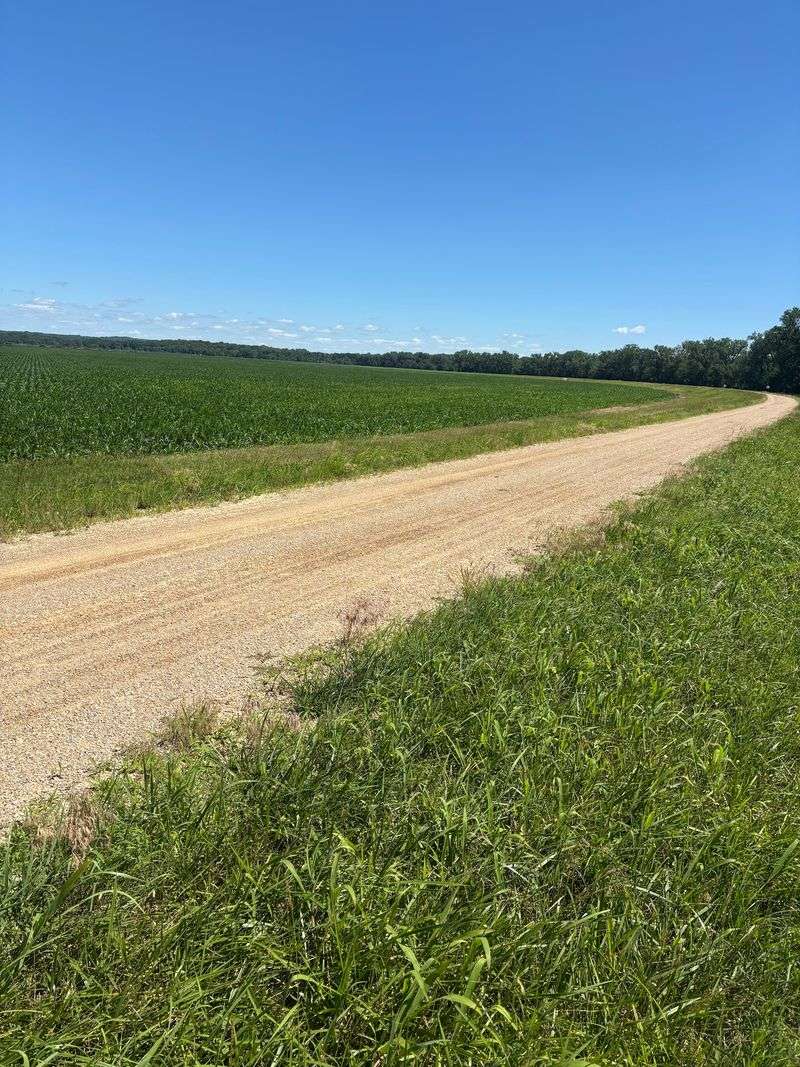
Not every great trail needs to climb a mountain to deliver a rewarding view, and the Lawrence Levee Trail makes that case convincingly along the Kansas River. The roughly 10-mile route follows the elevated levee on the north side of Lawrence, providing open sightlines toward the river, surrounding farmland, and the downtown skyline from an angle most visitors never see.
The elevated position of the levee means views are available for nearly the entire length of the trail rather than appearing only at designated overlook points. The flat, accessible surface makes this trail an excellent option for hikers who prefer a gentler grade without sacrificing scenery.
The trail connects to other Lawrence paths, so extending the outing is straightforward for those who want more mileage. Early morning visits offer calm conditions and the best light for photography, while the proximity to downtown makes it easy to finish the walk with a meal nearby.
Share this story