Some places in the UK look so charming that you may wonder if an illustrator drew them first. Thatch-like rooflines, cobbled lanes, painted harbors, and hillside cottages fill this list of towns and villages across England, Scotland, and Wales.
Each one has a real-life reason to visit, from film sets and famous legends to coastal paths and medieval streets. Some are quiet villages made for slow walks.
Others are busy harbor towns with shops, boats, and wildlife trips close by. If you are planning a trip, saving ideas for later, or just enjoying a little armchair travel, these fourteen spots give you plenty to think about.
Grab a map and pick a favorite, because the choices here are hard to narrow down.
Castle Combe, Wiltshire, England
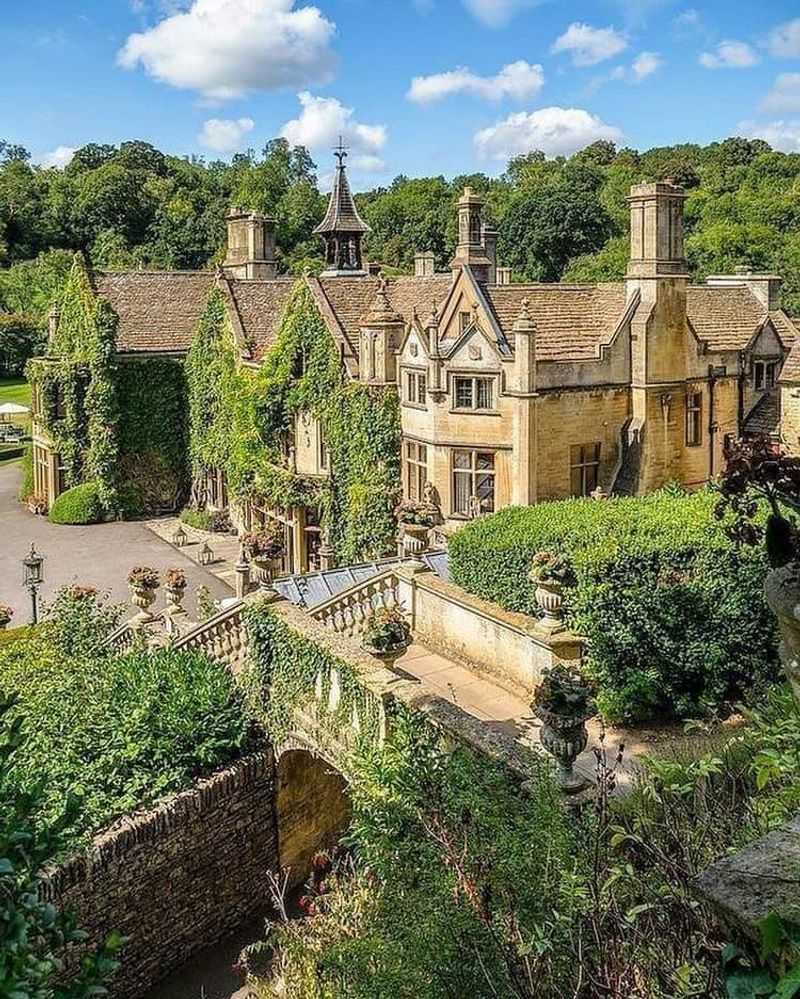
Film fans may spot Castle Combe before they even park, because the village has appeared in War Horse and Stardust. That screen time makes sense once you see the setting.
Honey-colored Cotswold stone cottages step down a wooded valley toward the By Brook. Narrow lanes, an old market cross, and a medieval church give the village a look that seems barely touched by modern life.
The village is small, so a visit works best as an unhurried wander rather than a packed itinerary. Start at the market cross, follow the lane downhill toward the brook, and then take your time looking at the stonework on the cottages.
Each building has its own slightly different roofline and window pattern, which makes photos easy and interesting.
Because the lanes are narrow, arriving early in the day is a smart idea. It gives you more room to stroll, pause at the church, and enjoy the valley views without crowds crowding every corner of the village.
Bibury, Gloucestershire, England
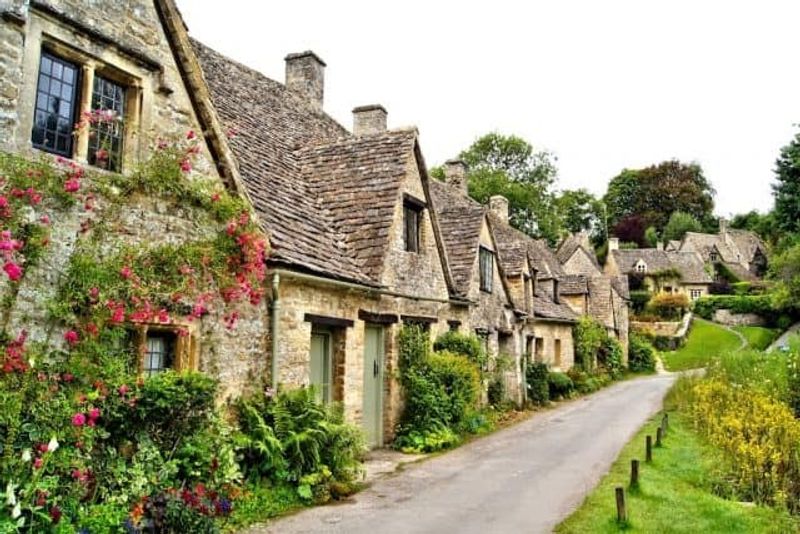
Few Cotswold scenes get photographed as often as Arlington Row in Bibury. The row of historic cottages sits beside the River Coln and shows off the honey-colored stone the region is known for.
The photo stop is only part of the story. Water meadows and gentle countryside surround the village, so it suits a slow afternoon walk better than a rushed look from the car window.
A good plan is to see the famous cottages first, then drift along the river and let the footpaths decide the rest. The setting is flat and easy to enjoy, which keeps the pace relaxed for walkers of different ages and abilities.
Since Bibury is so recognizable, it can draw plenty of visitors on busy days. Going earlier or later in the day gives you a better chance of enjoying the riverbank at a calmer pace, with space to look around and take pictures without hurrying.
Portree, Isle of Skye, Scotland
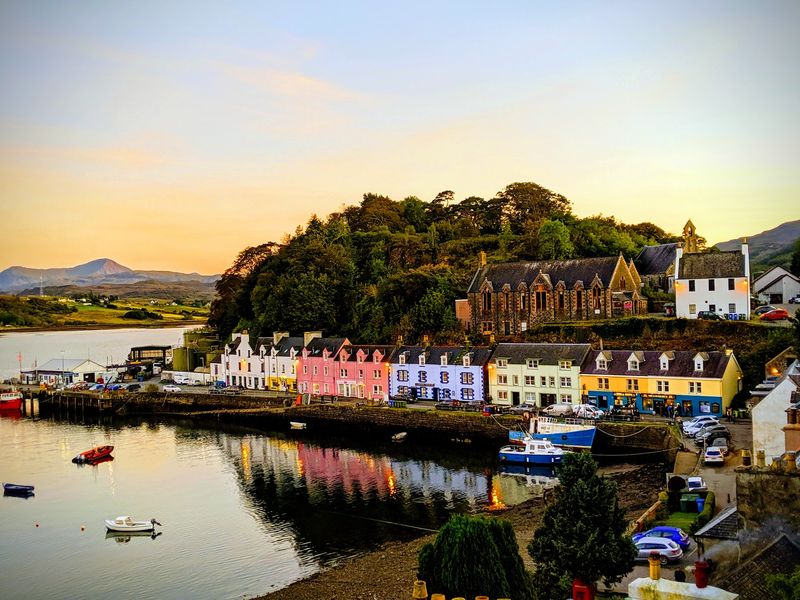
Bright paint is the first thing that grabs your eye in Portree. The buildings along the harbor sit around a sheltered bay on the Isle of Skye, and fishing boats add to the scene.
The town has more to offer than a pretty waterfront. Independent shops, seafood restaurants, and pubs keep the streets lively, so it works well as a base or a stop between island adventures.
One handy feature is how quickly the scenery changes. Dramatic island landscapes begin almost as soon as you leave the streets, which means you can browse the town in the morning and be out among Skye’s wilder views not long after.
I would save the harbor for a relaxed walk when you have time to watch the boats come and go. It gives the trip a calm pause before heading back out to explore more of the island by car or on foot.
Rye, East Sussex, England
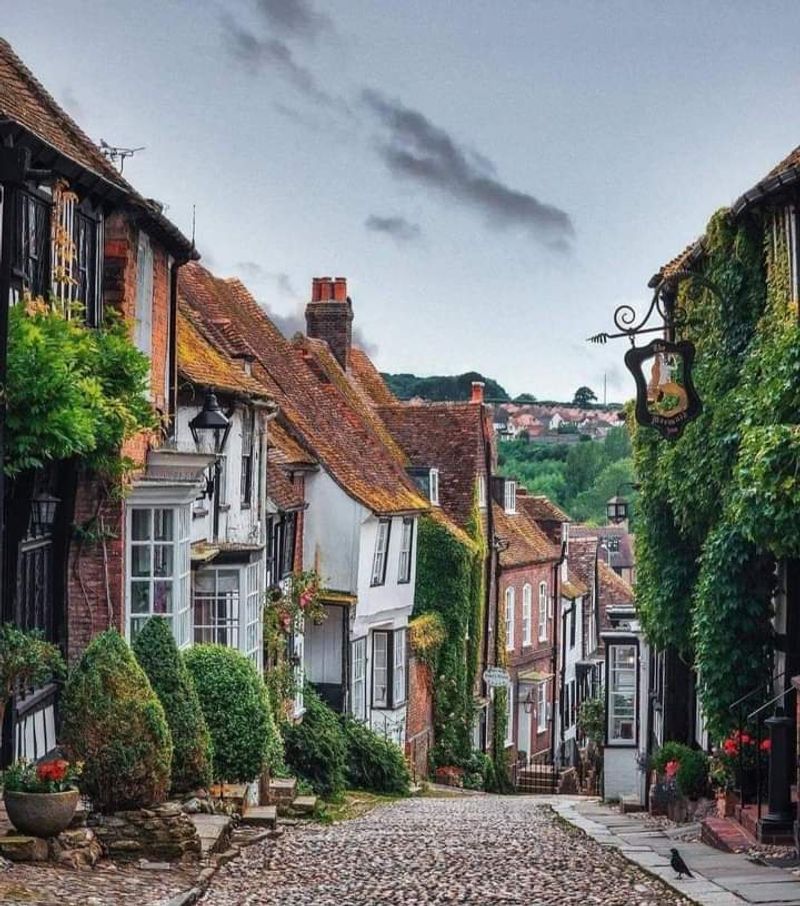
Mermaid Street is the postcard favorite in Rye, and its cobbles are the reason sturdy shoes are a good idea. The lane is one of the best-known sights in this preserved medieval town.
Ancient buildings, hidden passages, and old inns give the streets a historic character. Once you have seen the famous lane, there is plenty more to explore.
Independent shops and galleries are scattered around town, so browsing fills up an afternoon easily. The Norman-era St Mary’s Church adds another stop, and it gives you a sense of just how old this part of East Sussex really is.
Rye rewards wandering without a strict plan. Pick a side street, follow it for a few minutes, and see what turns up.
The compact layout makes it simple to loop back to the main sights whenever you want, which keeps the visit relaxed and flexible from start to finish.
Portmeirion, Gwynedd, Wales
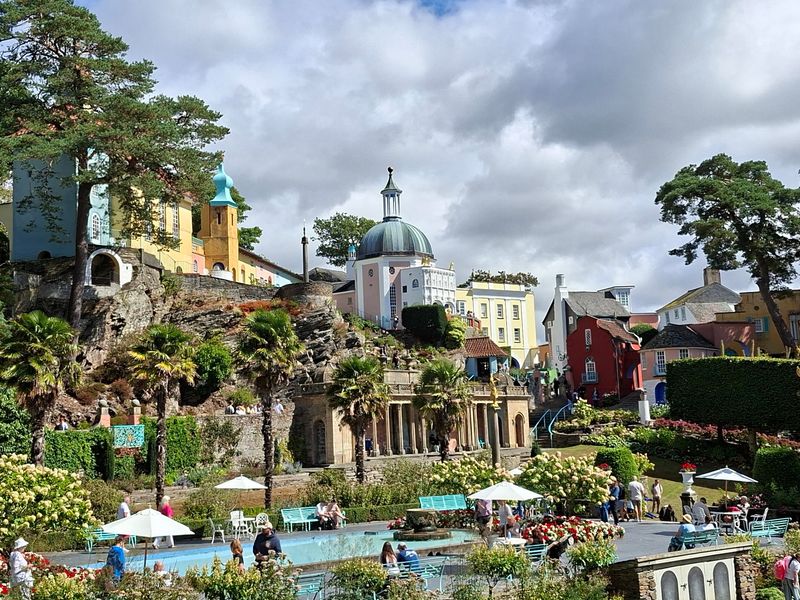
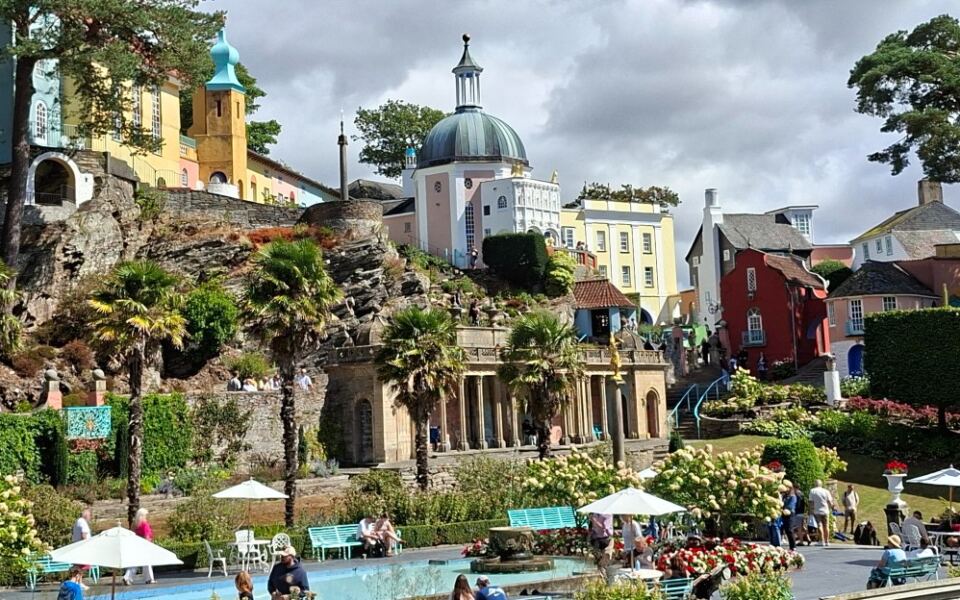
An Italian-style village on the Welsh coast sounds like a mistake, but Portmeirion is entirely on purpose. Architect Sir Clough Williams-Ellis created it as a fantasy village full of color.
Visitors find ornamental gardens, arches, a campanile, and plenty of waterfront views. The buildings are painted in lively shades, which gives every corner a different look for photos.
Planning is simple because Portmeirion stays open to day visitors seven days a week. Opening hours change with the season, so it is smart to check the official site at portmeirion.wales before you set out.
The village is designed for strolling, with paths that lead between buildings, gardens, and viewpoints. Give yourself enough time to wander slowly rather than ticking off a list.
The mix of Welsh scenery and Mediterranean style is what makes this one so different from every other stop on the list.
Clovelly, Devon, England
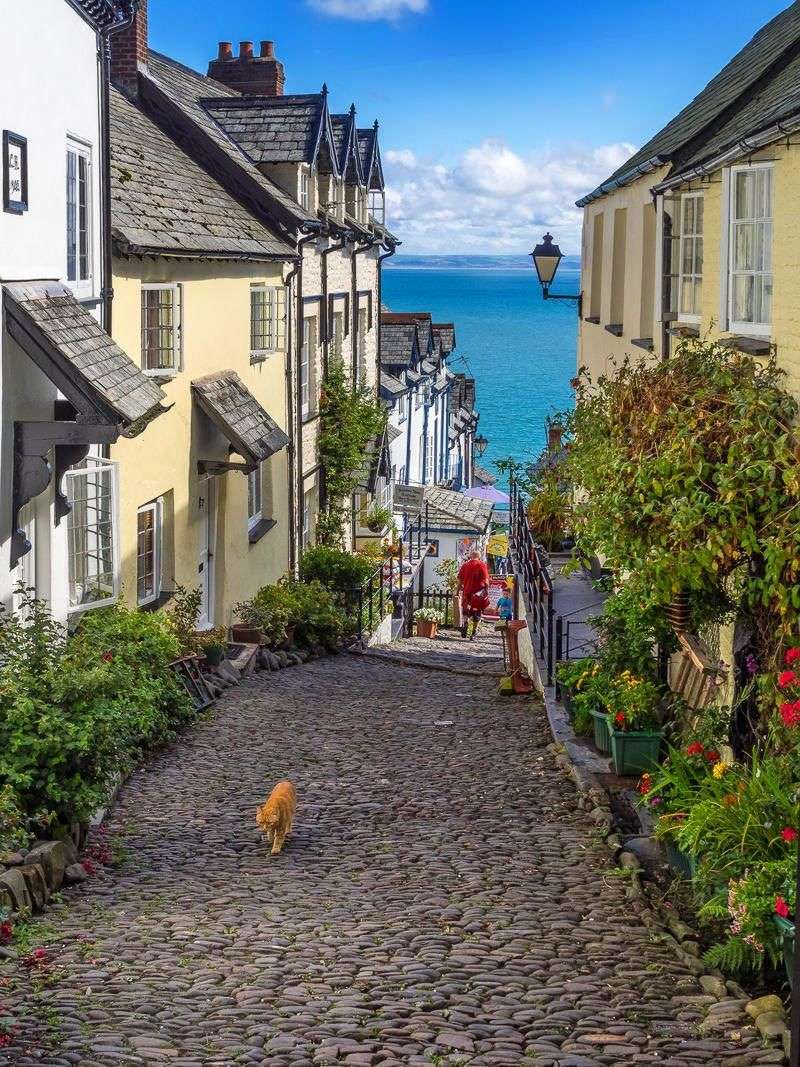
Cars simply do not belong in Clovelly, and that is a big part of its charm. The village tumbles down a steep hillside toward the Bristol Channel along a historic cobbled street.
Whitewashed cottages line the way, and the fishing heritage is still part of the village story. The absence of normal vehicle traffic helps keep an old-world feel that is rare to find.
Visitors pay an admission fee, which helps fund the upkeep of the village. It is currently open year-round except Christmas Day, so there are plenty of seasons to choose from.
Wear comfortable shoes, because the slope is steep and the cobbles can be uneven. The walk down is the easy part, and the climb back is where you will want to take your time.
Pausing to enjoy the harbor views along the way makes the return trip more pleasant.
Beddgelert, Gwynedd, Wales
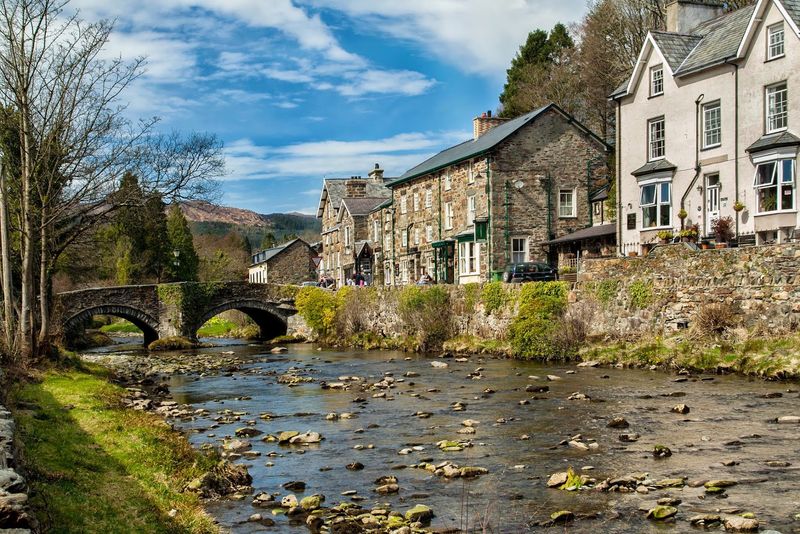
A faithful hound named Gelert gives this village its best-known story. Legend links the dog to the medieval Welsh prince Llywelyn the Great, and the tale is still told in Beddgelert today.
The setting does plenty of work on its own. Mountains and woodland rise around the village, and a river runs through it, making Beddgelert one of the best-known villages in Eryri National Park.
Walks through the surrounding landscape are the main draw, so pack proper footwear and check the weather before heading out. Routes start close to the village, which makes it easy to go for a short stroll or a longer hike.
As a base for exploring North Wales, it works nicely. You can spend the day outdoors, return to the village for a break, and enjoy the riverside scenery without driving far between each stop.
Tobermory, Isle of Mull, Scotland
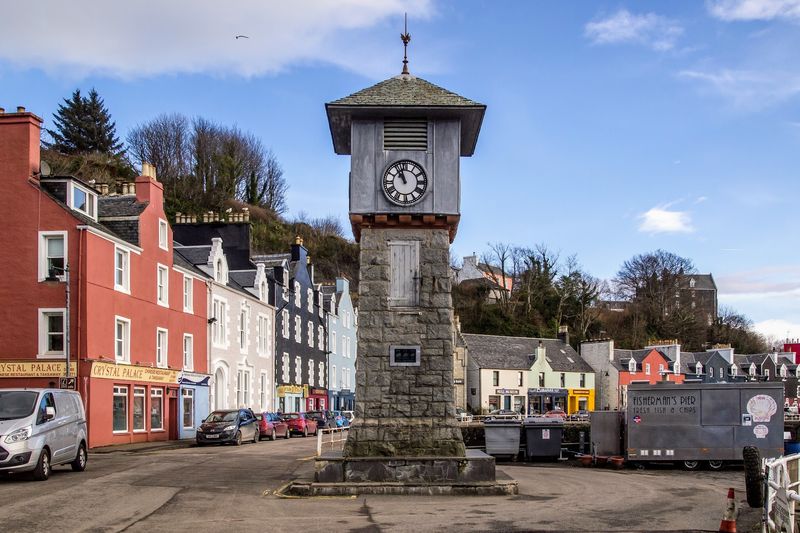
Count the colors along the waterfront and you will quickly run out of fingers. Tobermory’s curve of brightly painted buildings gives it one of Scotland’s most photogenic harbors.
On land, independent shops and galleries are easy to browse. You can also simply sit by the water and watch boats come and go, which makes for a laid-back stop.
Wildlife is another reason people come. Boat excursions head out in search of seals, dolphins, seabirds, and other marine life, though sightings can never be guaranteed.
If you have only a short time, I would pair a walk along the harbor with a boat trip, since the two show off both sides of the town. The compact waterfront keeps everything close together, so you can move easily from the shops to the quay without needing a car or a complicated plan.
Hawkshead, Cumbria, England
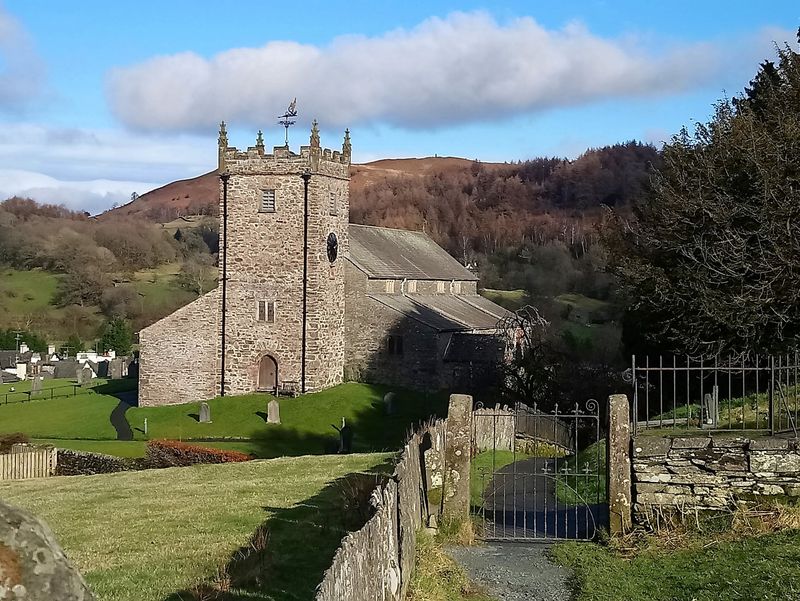
Poets and storytellers left their mark on Hawkshead. William Wordsworth attended school here, and Beatrix Potter later lived nearby at Hill Top, which strengthens the village’s literary links.
The streets look the part, too. Cobbled lanes, small squares, whitewashed cottages, and slate roofs sit beneath surrounding hills, making it a classic Lake District village.
Pubs add a place to rest between strolls. The layout is compact, so it is easy to explore on foot and to wander in whichever direction looks most interesting.
Book lovers may enjoy planning a trip around the literary connections. Seeing the village first and then thinking about the people who walked its lanes adds a layer of meaning to the visit.
It is a gentle, easygoing stop that fits well into a wider tour of Cumbria’s lakes and fells.
Robin Hood’s Bay, North Yorkshire, England
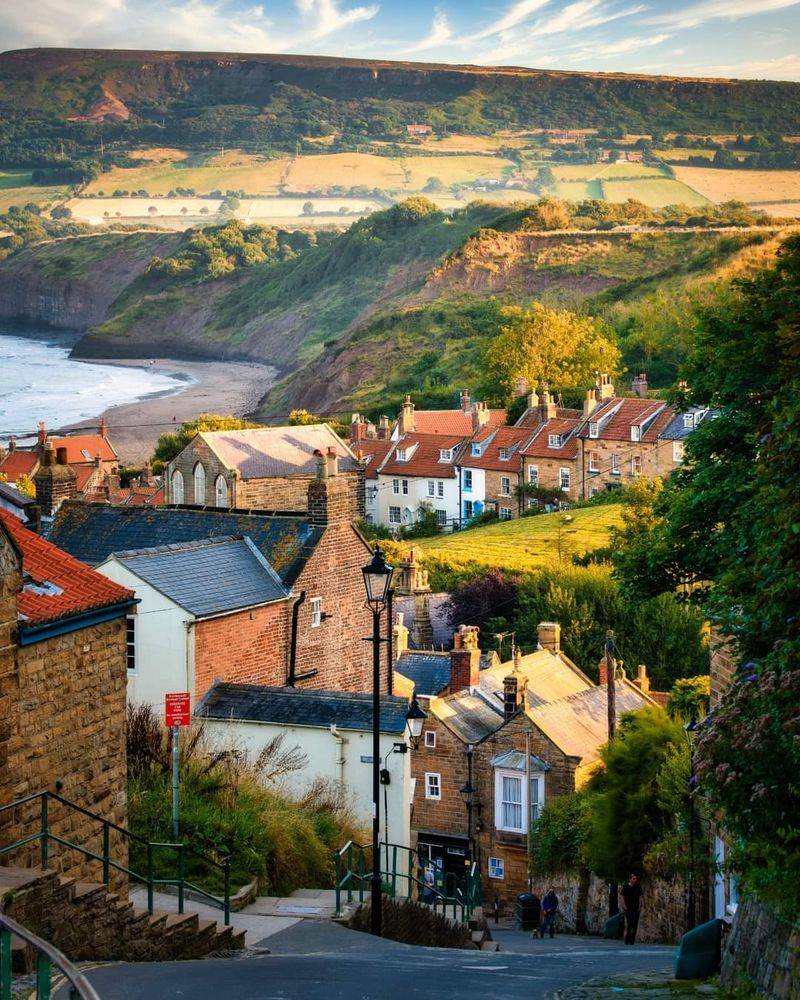
Smugglers once used the narrow passages here, and the maze of lanes still has a secretive look. Robin Hood’s Bay is a fishing village where steep cobbled streets twist between cottages on the way down to the sea.
Today the village has shops and cafés, so there is plenty to enjoy between walks. Coastal paths lead out in both directions, and major trails such as the Cleveland Way bring visitors throughout the year.
Remember that what goes down must come back up. The hill is steep, so comfortable shoes and a relaxed pace make the visit easier.
I would suggest exploring the lanes slowly, taking time to peek into passages and enjoy the views over the bay. Walkers can combine the village with a stretch of coastline, while others may prefer simply browsing the shops and watching the sea from the lower streets.
Lacock, Wiltshire, England
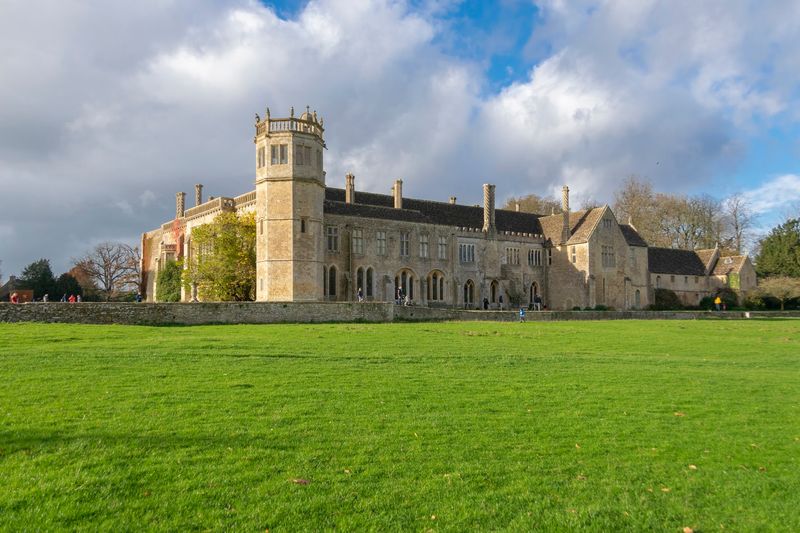
Film crews keep returning to Lacock for good reason. Its preserved streets and centuries-old buildings make it a natural choice for period film and television productions.
Nearby Lacock Abbey began as a 13th-century nunnery. It is also closely connected to William Henry Fox Talbot, an important pioneer of photography.
That photography link gives the visit an extra angle, especially for anyone who enjoys history and cameras. You can wander the village lanes and then turn your attention to the abbey and its story.
Both the abbey and the village continue to welcome visitors in 2026. Because details such as opening times can change, a quick check of the official information before you travel is a smart move.
Allow enough time to see both places properly, rather than treating one as an afterthought.
Lavenham, Suffolk, England
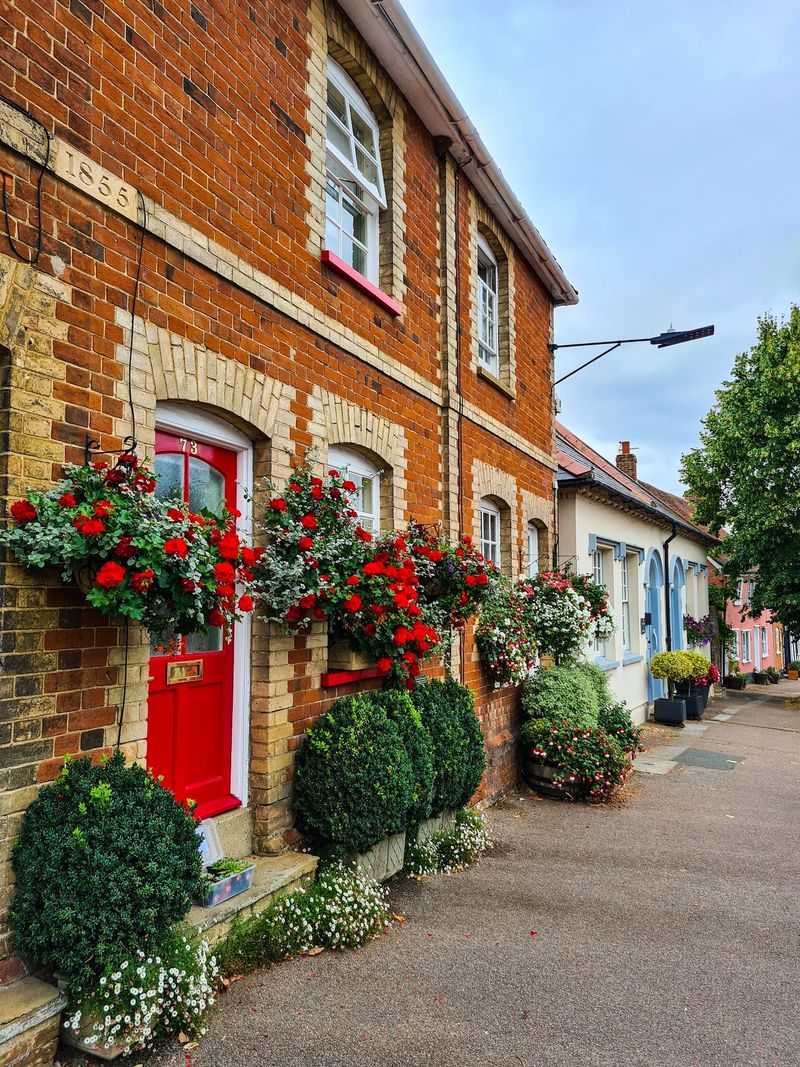
More than 300 listed buildings pack into Lavenham, and many of them lean in ways that catch the eye. Crooked timber-framed houses make the village look like it belongs in an illustrated history book.
Wool made the place rich in medieval England, and the buildings still reflect that prosperous past. Walking the streets feels like reading the story of the town one house at a time.
The Guildhall dates from around 1530. Today it operates as a museum, shop, and tearoom, so it works as both a history stop and a place to pause.
Look up as you walk, because the details in the timber frames and rooflines are easy to miss at street level. A slow loop around the village gives you time to spot the most tilted houses, and the Guildhall makes a handy anchor for the visit.
Grassington, North Yorkshire, England
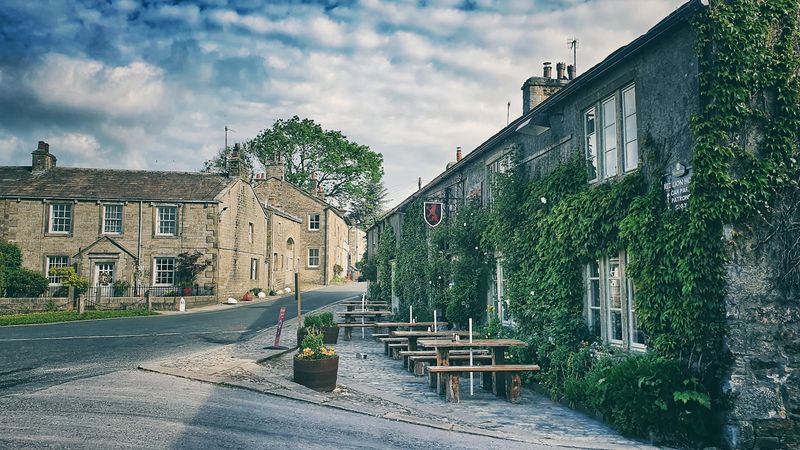
Fans of All Creatures Great and Small will recognize Grassington as the television setting for Darrowby. The cobbled village square is the heart of the scene.
Stone buildings, traditional pubs, galleries, and independent shops surround the square, so there is plenty to browse. The village sits above the River Wharfe in the Yorkshire Dales.
Outdoor time is a major draw here. Moorland and river walks begin close to the village, which makes it simple to mix shopping with fresh air.
If you enjoy the show, you can recognize the setting while strolling the square. If you have never watched it, the village still stands on its own as a friendly stop in the Dales.
A short wander followed by a riverside walk is an easy way to enjoy a half day here.
Betws-y-Coed, Conwy, Wales
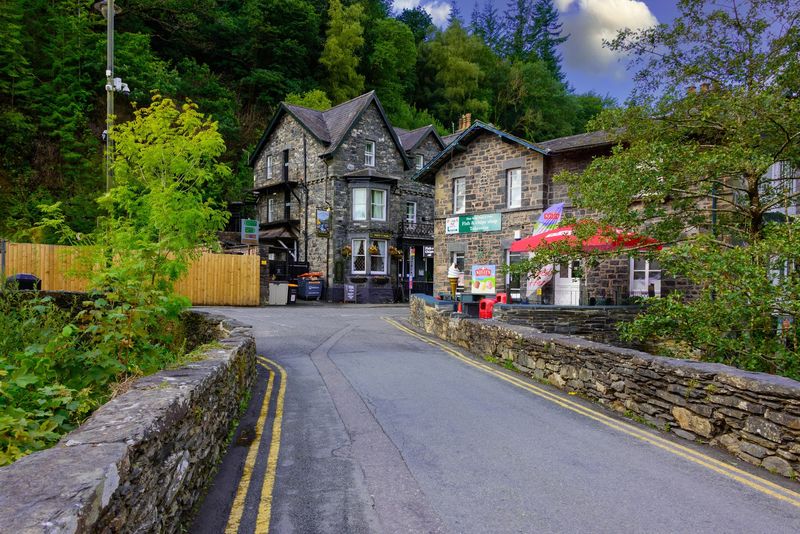
Climbers and walkers have used Betws-y-Coed as a base for a long time. Often described as a gateway to Eryri, it sits among forests, rivers, waterfalls, and mountain scenery.
That location makes planning easy. You can spend the day outdoors and come back to a village that has cafés, shops, and places to stay.
Travelers exploring North Wales will find it a practical choice as well as a pretty one. It suits visitors who want trails nearby without being too far from everyday comforts.
Bring waterproofs and sturdy shoes, since mountain weather can change quickly. A relaxed approach works well here: choose a short woodland or riverside walk, then reward yourself with a break in the village.
It rounds out the list as a gateway to some of Wales’ most striking scenery.
Share this story