White sand beaches look bright, soft, and calm, and they draw travelers from every corner of the globe. The color often comes from crushed coral, shells, or pure quartz, which stay cool underfoot.
Each spot on this list has its own style, from quiet island coves to long stretches of shoreline. Here are fourteen places worth knowing about before planning your next trip.
1. Whitehaven Beach, Whitsunday Island, Australia
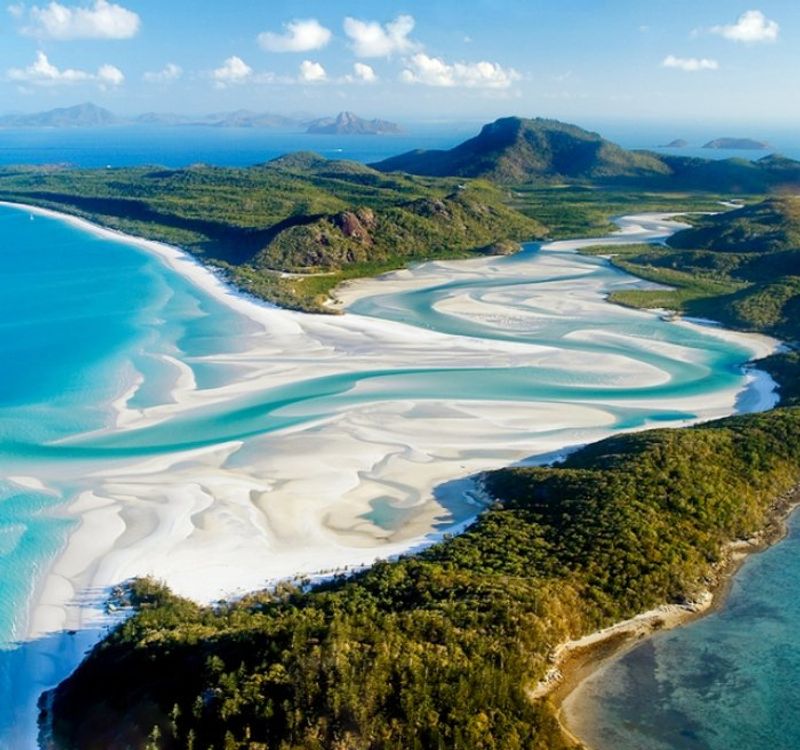
Few sights match the swirling blue and white patterns seen from above Whitehaven Beach. The sand here is almost pure silica, which gives it a bright, powdery look.
It stretches for about seven kilometers along Whitsunday Island.
The sand stays cool even on hot days because silica does not soak up much heat. That makes barefoot walks a real joy.
It also feels squeaky under your toes, which kids tend to find hilarious.
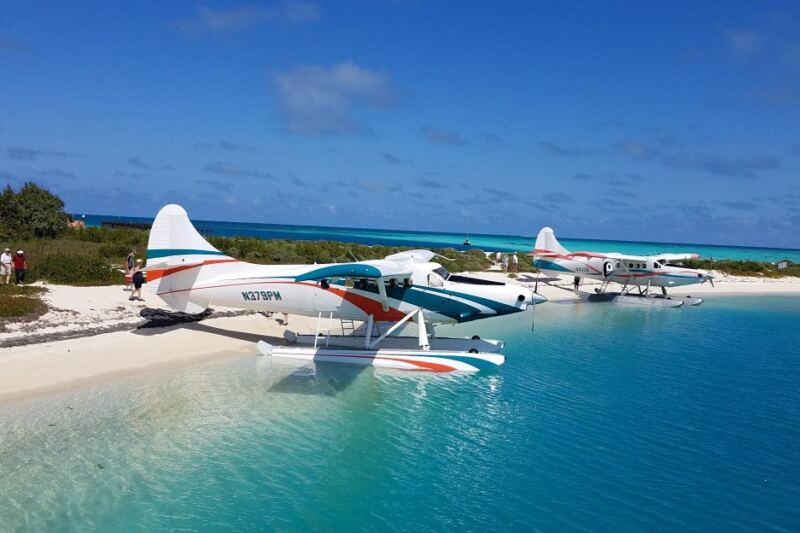
Many visitors reach the beach by boat or seaplane from Airlie Beach. The Hill Inlet lookout is a favorite stop for photos, especially at low tide when the colors shift.
Bring a hat and reef-safe sunscreen, since shade is limited.
Stinger suits are smart to pack during warmer months, when jellyfish can appear. Rangers manage the area carefully, so follow posted signs and take all trash with you.
2. Grace Bay Beach, Providenciales, Turks and Caicos
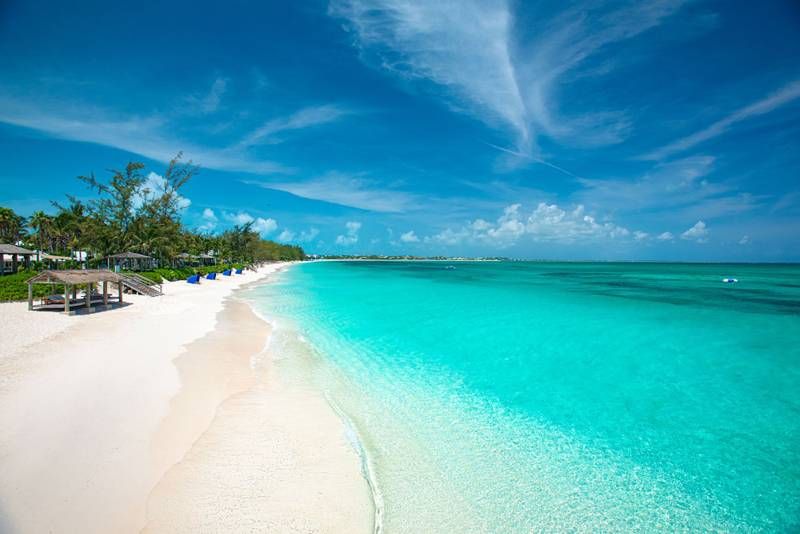
Picture water so calm it looks like a swimming pool stretching to the horizon. That is the everyday scene at Grace Bay Beach on Providenciales.
A barrier reef sits offshore and softens the waves, so swimming feels easy for most ages.
The beach runs about twelve miles, and the sand is fine and soft. Resorts line parts of it, yet public access points keep it open to everyone.
You can still find quieter patches if you walk a little farther.
Snorkelers will enjoy the reef close to shore, where colorful fish drift among the coral. Paddleboards and kayaks are easy to rent along the way.
Visit between December and April for dry, sunny weather. Prices rise in that season, so book early.
Part of the bay is protected as a marine park, so look but do not touch the coral.
3. Anse Source d’Argent, La Digue, Seychelles
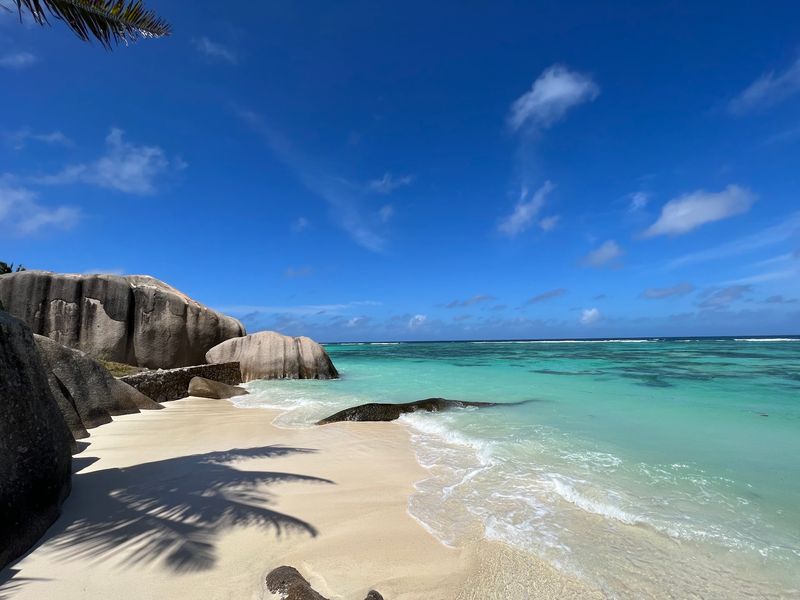
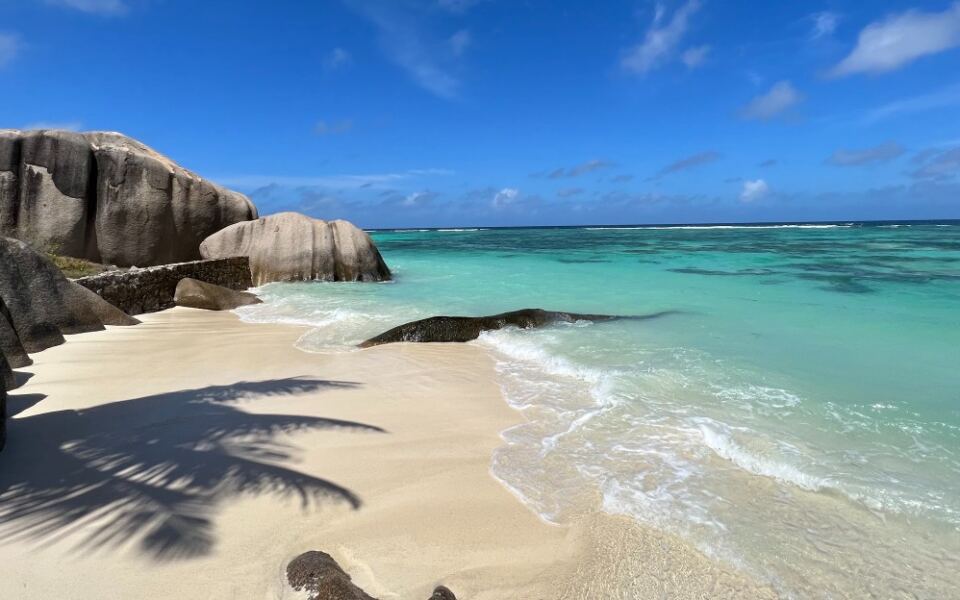
Giant granite boulders shaped by wind and water make this beach look like an art gallery. Anse Source d’Argent on La Digue is one of the most photographed shorelines on Earth.
Pale sand, palm trees, and smooth pink-gray rocks come together in every frame.
The water is shallow and warm, especially at low tide, when small pools form between the stones. Reaching the beach is part of the fun.
Most visitors rent a bicycle on La Digue, since cars are rare on the island.
The beach sits inside a park called L’Union Estate, which charges a small entry fee. Inside you can see giant tortoises and an old vanilla and copra plantation.
Go early in the morning for softer light and fewer people. Currents can be strong at high tide, so swim with care.
4. Matira Beach, Bora Bora, French Polynesia
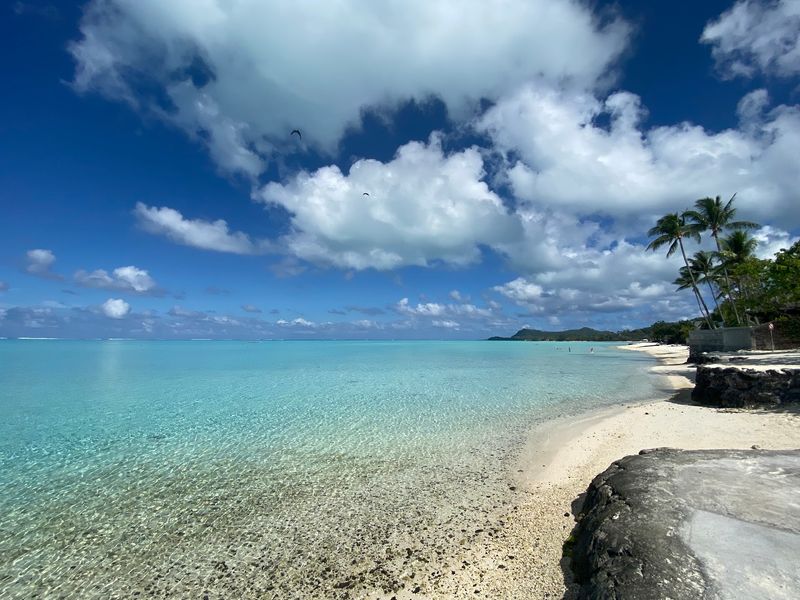
Bora Bora has plenty of overwater bungalows, but Matira Beach is where regular travelers can enjoy the lagoon without a luxury price tag. This public beach curves along the southern tip of the island.
Its sand is soft, pale, and framed by palm trees.
The lagoon here is shallow and clear, with shades of blue that change through the day. Swimming is easy, and the water stays warm all year.
Snorkeling near the edges often turns up small, colorful fish.
Small snack stands and local restaurants sit nearby, so you can grab a fresh fish lunch after your swim. Sunset is a popular time to visit, when Mount Otemanu glows in the distance.
The island is far from most places, so plan ahead for flights and lodging. Pack reef-safe sunscreen to help protect the lagoon.
5. Eagle Beach, Aruba
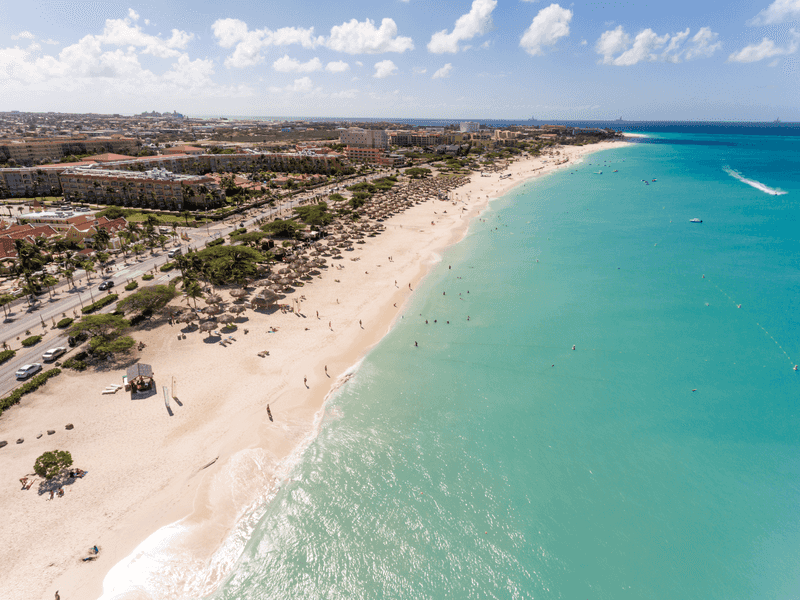
A lone, wind-bent fofoti tree has become the unofficial mascot of Eagle Beach. It leans over the sand like it is posing for pictures.
Behind it, the beach spreads wide and soft, with water in a bright Caribbean blue.
Eagle Beach has been ranked among the top beaches in the Caribbean by travel groups. Part of its charm is the open feel.
Hotels are set back, so the shoreline looks less crowded than many resort beaches.
Sea turtles also nest here from spring through autumn, and local groups protect the nests. If you visit at night, keep lights off and give any turtles plenty of room.
Aruba sits outside the main hurricane belt, which means weather is usually sunny and dry. Shade is limited, so bring an umbrella or rent one on site.
6. Seven Mile Beach, Grand Cayman, Cayman Islands
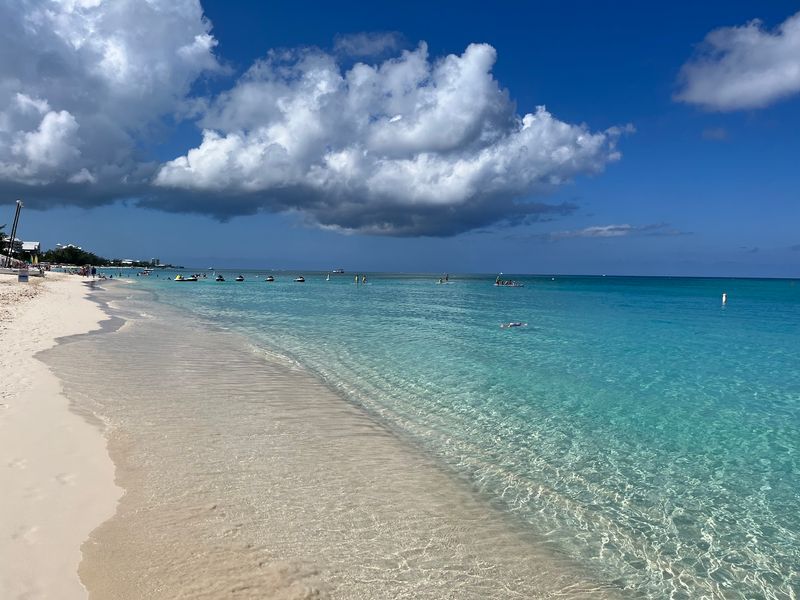
Despite the name, Seven Mile Beach is closer to five and a half miles long. Nobody seems to mind.
The sand is soft and pale, and the water looks clear enough to count the pebbles on the bottom.
All beaches in the Cayman Islands are public, so you can walk the full length without a hotel pass. Shops, cafes, and watersports stands sit close by when you need a break.
The north end tends to be calmer and quieter.
Snorkeling is easy from shore, and boat trips leave for nearby Stingray City, a sandbar where gentle rays glide around swimmers. Book those trips early in busy months.
Winter brings dry and breezy days. Summer is warmer and a bit cheaper.
Either way, bring a good hat, since the sun feels strong near the equator.
7. Navagio Beach, Zakynthos, Greece
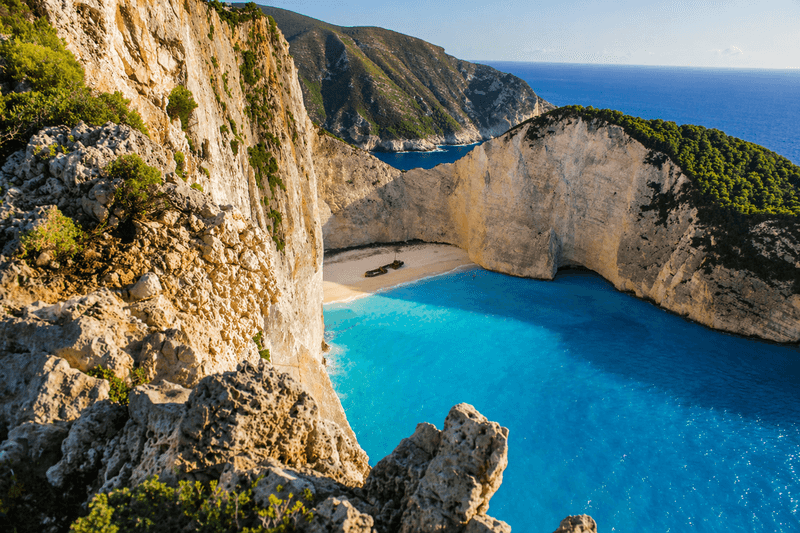
A rusty ship rests on the sand like a movie set. Navagio Beach, also called Shipwreck Beach, is a small cove on Zakynthos wrapped by tall limestone cliffs.
Pale sand and bright turquoise water make the scene even more dramatic.
The ship, known as the Panagiotis, ran aground in 1980. Local stories say it was used for smuggling, though details vary.
Today it is the star of countless postcards.
You cannot drive to the beach. Boats leave from Porto Vromi and Zakynthos town, and most tours include time to swim.
Cliff viewpoints above the cove give the famous bird’s-eye picture.
Falling rocks have led to restrictions in the past, so check current rules before you go. Visit early or late in the day to avoid the biggest boat crowds.
Sturdy water shoes help on the pebbly entry.
8. Nacpan Beach, Palawan, Philippines
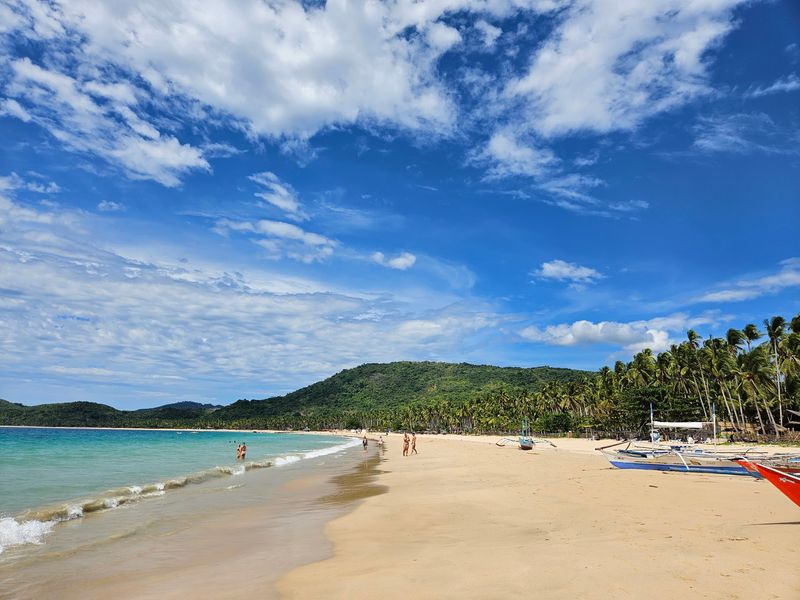
Stretch out your arms and you will still feel like there is room to spare. Nacpan Beach near El Nido runs for about four kilometers in a gentle curve.
The sand is pale and fine, backed by coconut palms and green hills.
It is joined to Calitang Beach by a sandbar, so you can walk almost forever without meeting a crowd. Waves are mild, which makes for easy swimming and lazy floating.
Most visitors rent a scooter or hire a tricycle from El Nido town. The ride takes about forty five minutes, and parts of the road can be bumpy.
Simple beach huts and small cafes offer grilled fish and fresh coconuts.
Sunsets are the highlight here, painting the sky orange and pink. Bring cash, since ATMs are scarce, and pack insect repellent for the evening hours.
9. Baía do Sancho, Fernando de Noronha, Brazil
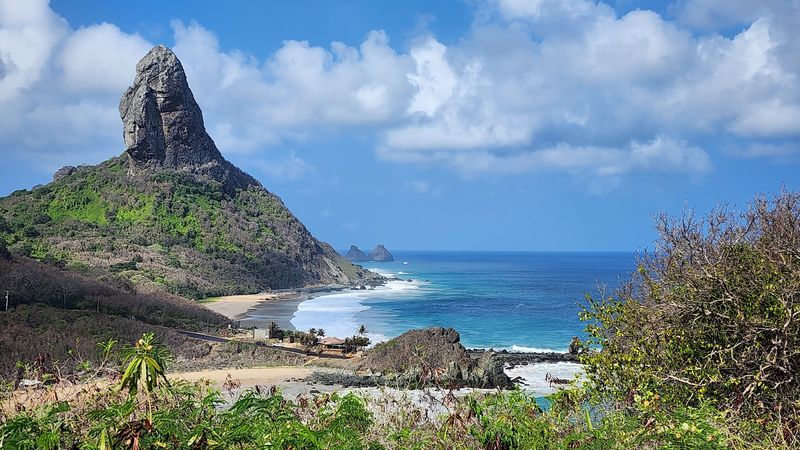
Reaching this beach takes a small adventure. Baía do Sancho sits at the base of a cliff on Fernando de Noronha, and visitors climb down a narrow staircase and a short ladder carved into the rock.
The effort pays off with a quiet cove of pale sand.
Green hills rise behind the beach, and the water is clear enough to spot fish from the shore. It has often appeared at the top of world beach rankings.
Snorkeling here is excellent, with turtles and reef fish common.
The island is a national marine park, so visitors pay an environmental fee and the number of tourists is limited. That helps keep the beach unspoiled.
Plan flights from Recife or Natal well ahead. Wear sturdy sandals for the climb, and bring water, since there are few services at the cove itself.
10. Playa Norte, Isla Mujeres, Mexico
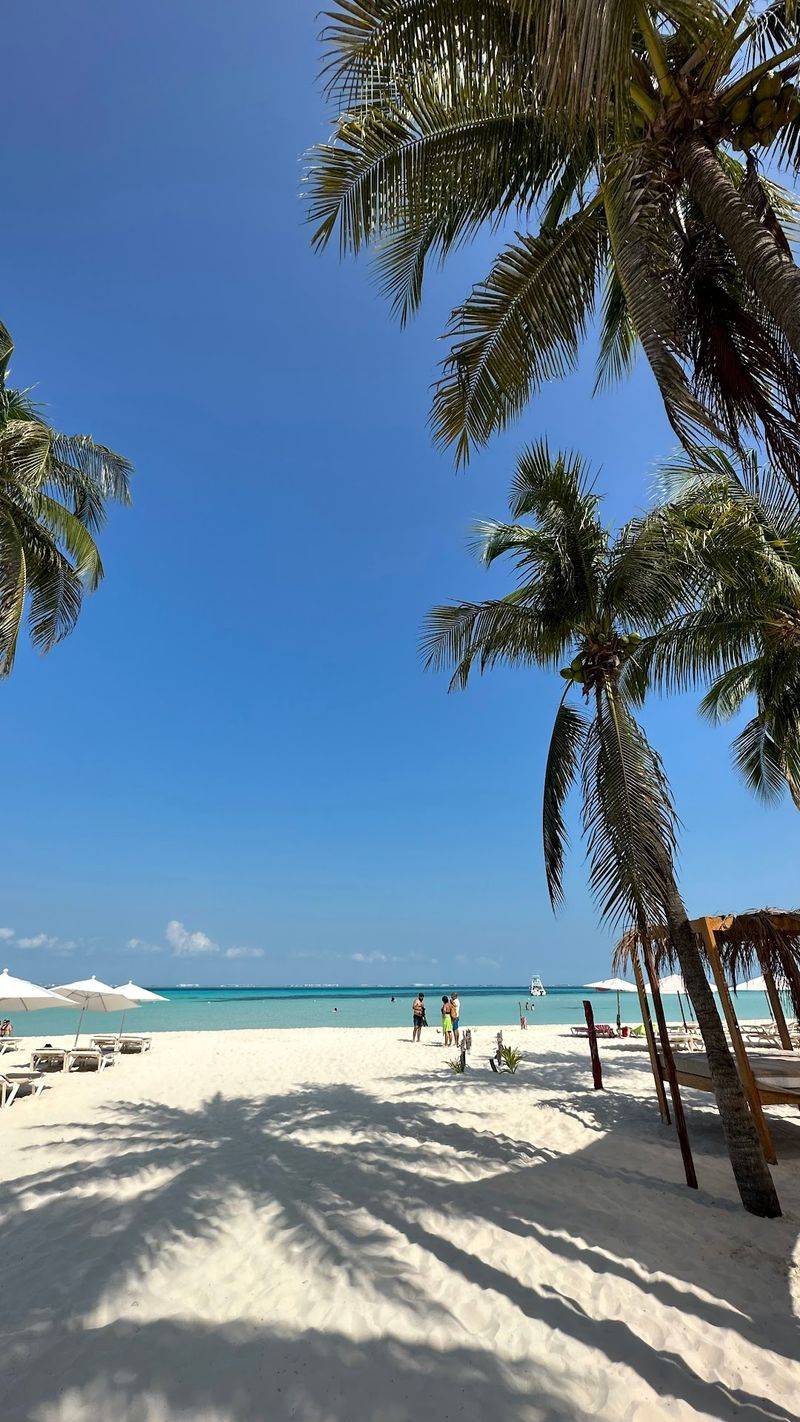
Where does the sea look like a giant swimming pool? Many travelers point to Playa Norte on Isla Mujeres.
The water is shallow for a long way out, warm, and almost wave-free, so even nervous swimmers feel at ease.
The sand is fine and soft, and it sits at the island’s northern tip. A short walk from the ferry dock brings you right to it.
Beach clubs rent chairs and umbrellas, and many serve fresh ceviche and tacos.
Isla Mujeres is a quick ferry ride from Cancun, usually around twenty minutes. That makes it an easy day trip, though staying overnight lets you enjoy the quiet evenings.
Late afternoon brings gold light and fewer visitors. Golf carts are the main way to explore the rest of the island, so rent one if you want to see more.
11. Radhanagar Beach, Havelock Island, India
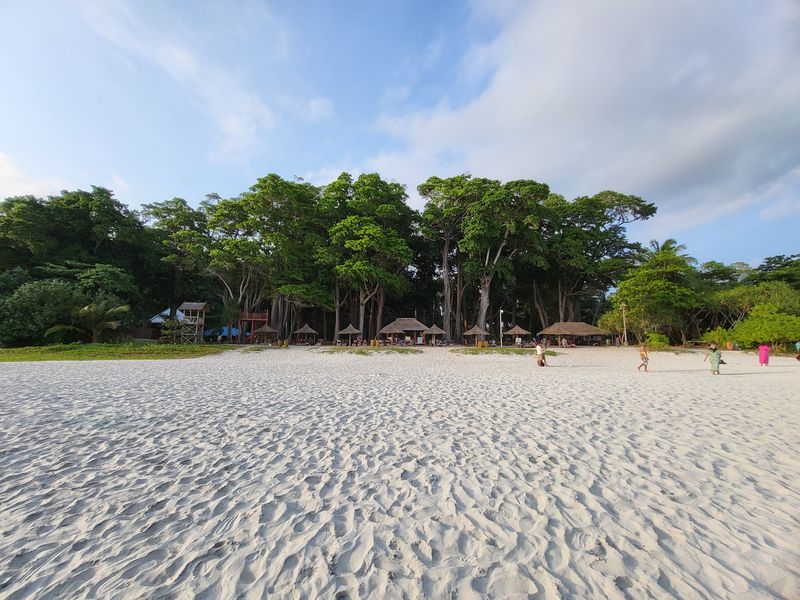
Thick green forest meets soft white sand at Radhanagar Beach, giving it a wild, untouched feel. Located on Havelock Island, now officially called Swaraj Dweep, this beach in the Andaman Islands once earned a spot on a popular magazine’s list of Asia’s best.
The shoreline stretches around two kilometers, with clear water that fades from green to deep blue. Sunsets here are a daily event, and locals and travelers gather to watch the sky change colors.
Waves can be stronger than at some other island beaches, so swim where lifeguards advise. Changing rooms and small food stalls sit near the entrance.
Reach Havelock by ferry from Port Blair, which takes around two hours. Visit between November and April for calmer seas and drier weather.
Foreign visitors may need a permit to enter the Andamans, so check requirements early.
12. Luskentyre Beach, Isle of Harris, Scotland
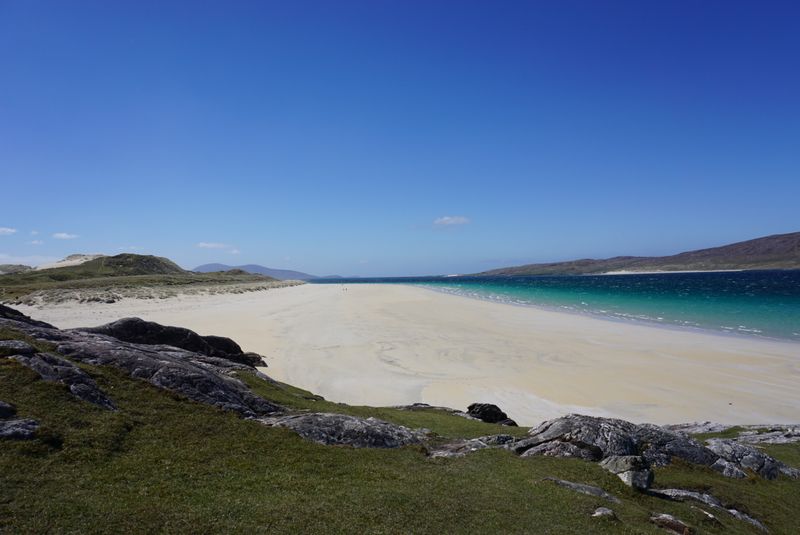
Tropical colors in Scotland? It sounds wrong, but Luskentyre proves it right.
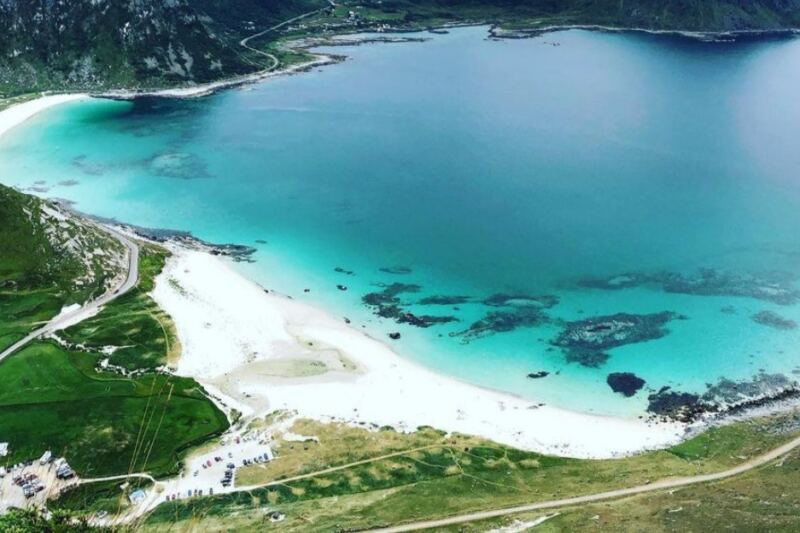
This wide beach on the Isle of Harris has pale sand and shallow water that glows turquoise when the sun breaks through the clouds.
The sand comes from crushed shells, which helps give it that bright shade. Rolling dunes and hills frame the view, while the Atlantic wind keeps things fresh.
You will likely meet more sheep than people.
The water is very cold, so most visitors come to walk, photograph, and breathe in the sea air. Brave swimmers should take care with tides, which move quickly across the flats.
Summer offers the longest days and the mildest weather, though rain can arrive at any time. Pack layers and waterproof gear.
The island is reached by ferry from Skye or Uig, and driving along single-track roads is part of the journey.
13. Flamenco Beach, Culebra, Puerto Rico
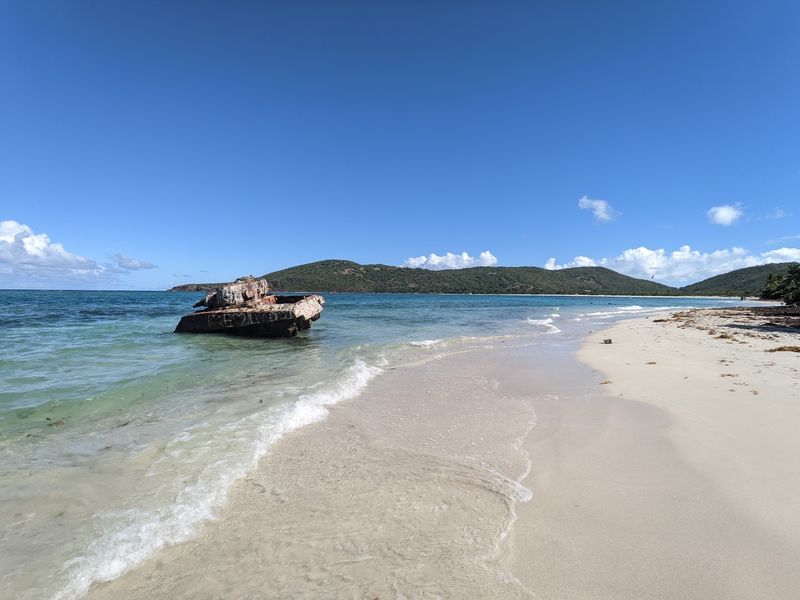
A rusty, graffiti-covered tank sits on the sand, left over from when the U.S. Navy used Culebra for training.
Today it adds an unusual touch to Flamenco Beach, one of the Caribbean’s favorite bays.
The beach curves like a horseshoe for about a mile. Its sand is soft and light, and the water is calm and clear.
Hills rise on both sides, giving the bay a sheltered feel.
Camping is allowed in a nearby area, which is rare for a beach this lovely. Kiosks serve snacks, and you can rent snorkel gear and chairs on site.
Reach Culebra by a short flight or ferry from Fajardo, though ferry tickets can sell out. Buy early and arrive ahead of schedule.
Parking fills quickly on weekends, so go on a weekday if you can.
14. Diani Beach, Kenya
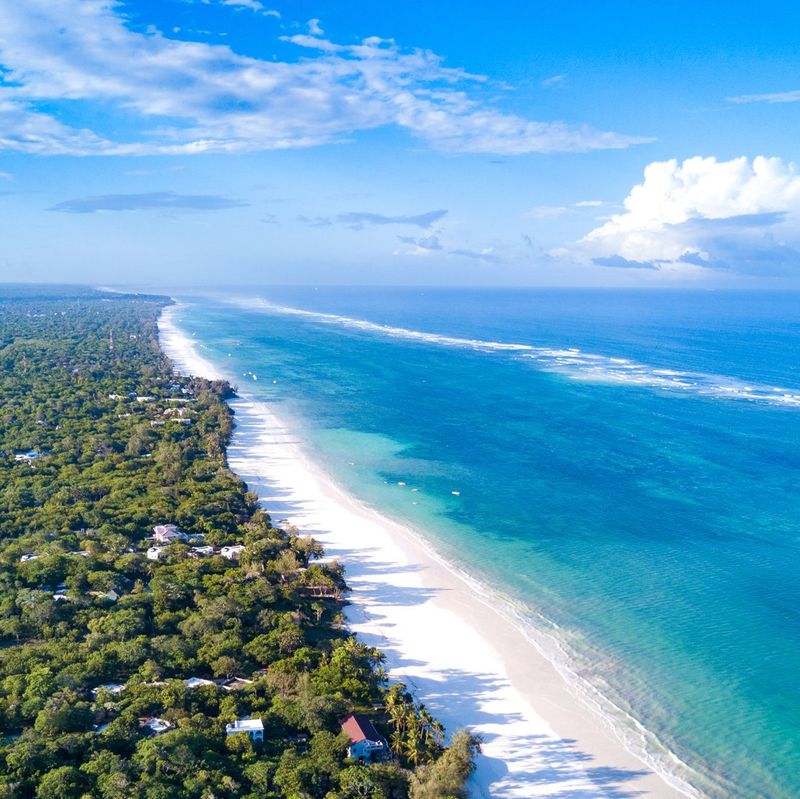
Monkeys swinging in the palms are a common sight along Diani Beach. Colobus monkeys live in the trees behind the shore, and sometimes they look right at you from a branch.
This Kenyan beach has been a favorite for decades.
The sand is white and powdery, and it runs for around seventeen kilometers along the Indian Ocean. Coral reefs sit offshore, so the water is calm near the beach at high tide.
Visitors can try kitesurfing, snorkeling, or a boat trip to see dolphins near Wasini Island. Local markets sell crafts and fresh mangoes when in season.
The tide changes a lot here. At low tide the water pulls far back, so check tide times before planning a swim.
The best weather often falls between December and March. Diani is about a thirty minute drive from Ukunda airstrip, which has flights from Nairobi and Mombasa.
Share this story