Islands have a way of making the rest of the world feel very far away. Whether you are looking for turquoise water and white sand, dramatic volcanic scenery, ancient temples, or wildlife you cannot find anywhere else, the right island can completely change how you think about travel.
This list was shaped by real travelers who voted in major surveys like Travel + Leisure and Conde Nast Traveler, so these are not just pretty pictures on a magazine cover. From Thailand to the Canadian coast, from the Indian Ocean to the Caribbean, these 21 islands represent the very best our planet has to offer right now.
Koh Samui, Thailand
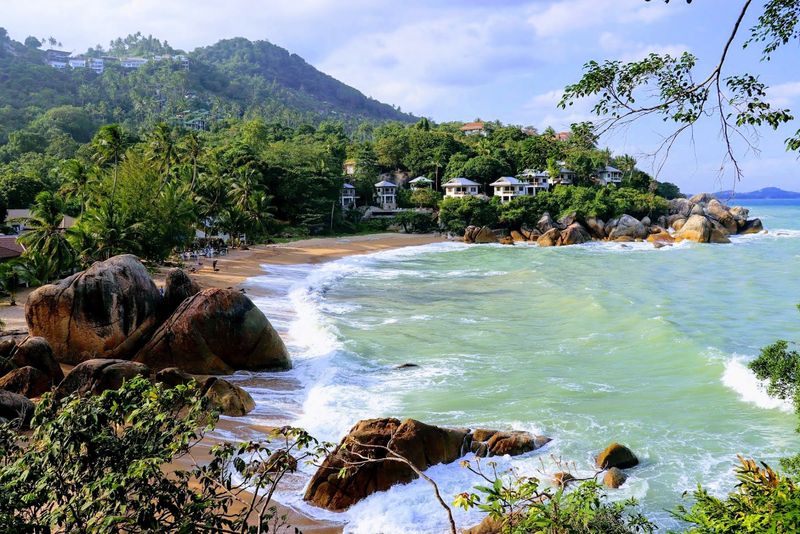
Travel + Leisure readers put Koh Samui at the very top of their 2026 global island rankings, and it is easy to understand why. This Thai island in the Gulf of Thailand packs an enormous variety of experiences into one destination.
Palm-lined beaches, jungle waterfalls, wellness retreats, and a strong local food scene all compete for your attention.
Chaweng Beach is the most well-known stretch of coastline, drawing visitors with clear water and a lively beachfront atmosphere. For something more cultural, Wat Phra Yai and its towering Big Buddha statue sit on a small rocky island connected by a causeway in the northeast.
The island also has a well-developed resort scene ranging from budget-friendly guesthouses to high-end spa properties. Getting there is straightforward, with Samui International Airport receiving direct flights from Bangkok and several regional hubs.
It is a complete island experience in one compact destination.
Maldives
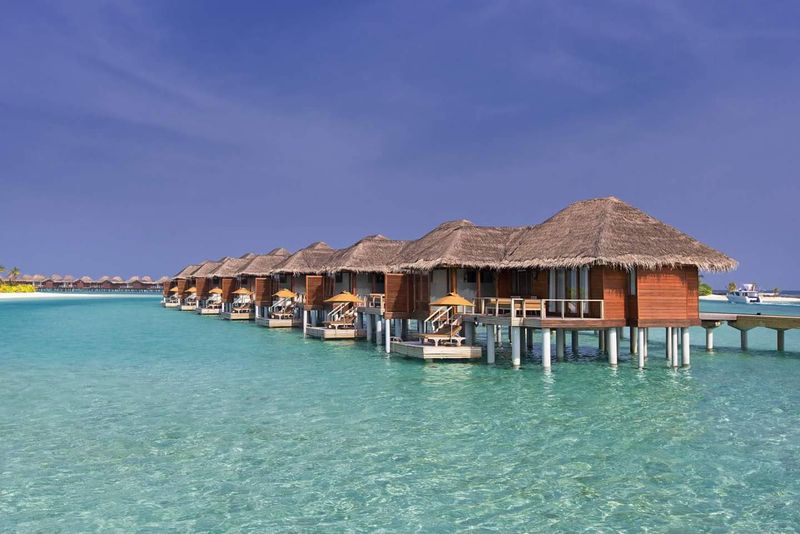
Almost 1,200 coral islands spread across 26 atolls make up the Maldives, a country that has become practically synonymous with overwater villas and impossibly clear lagoons. It finished second in Travel + Leisure’s 2026 global island reader rankings, confirming what travelers have known for years.
The appeal goes beyond the famous bungalows. Snorkeling and scuba diving here put you face-to-face with manta rays, whale sharks, reef fish, and some of the healthiest coral systems in the Indian Ocean.
Surfing breaks in the southern atolls attract wave riders from around the world.
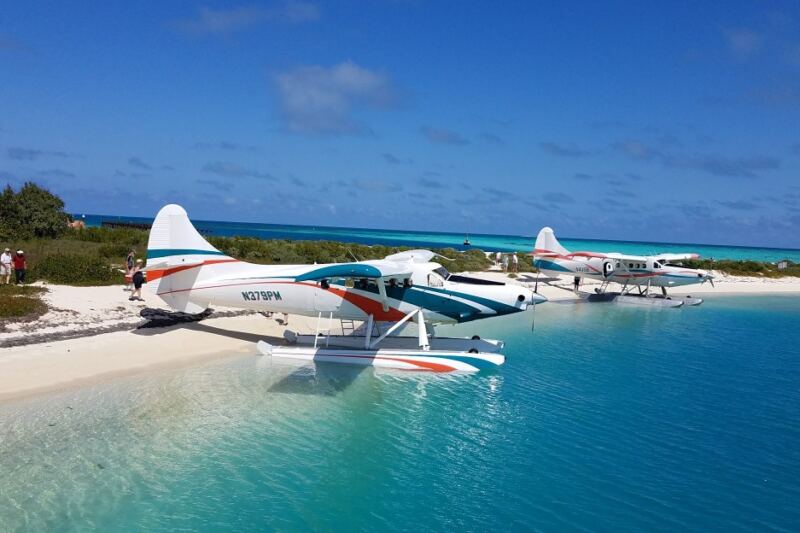
Resort islands are spread far apart, so the experience feels private even when tourism is at its peak. Seaplane transfers between Male and more remote atolls are part of the journey for many visitors.
The Maldives rewards travelers who plan carefully and choose the atoll that best matches their travel style and budget.
Galapagos Islands, Ecuador
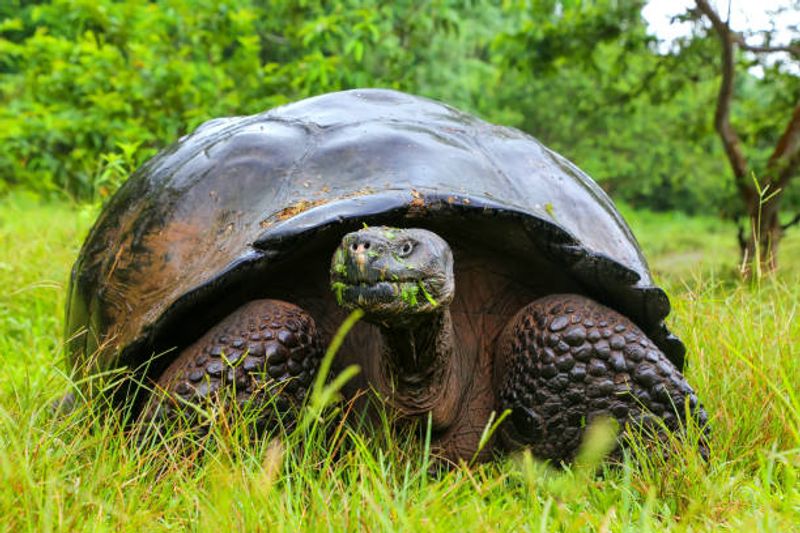
Nowhere else on Earth can you walk past a sea lion napping on a park bench or watch a marine iguana sneeze salt from its nostrils. The Galapagos Islands sit about 600 miles off the coast of Ecuador, and their geographic isolation created wildlife that simply does not exist anywhere else.
Giant tortoises, Galapagos penguins, blue-footed boobies, and frigatebirds are all part of a typical visit.
Much of the archipelago is protected under Galapagos National Park, which is also a UNESCO World Heritage Site. Travelers can explore by expedition cruise, which is the most efficient way to visit multiple islands, or base themselves on inhabited islands like Santa Cruz or Isabela.
Santa Cruz is home to the Charles Darwin Research Station, where conservation efforts for giant tortoises are ongoing. Visitor numbers are regulated to protect the ecosystem, so booking ahead is essential.
The Galapagos rewards patience and careful planning with experiences that are genuinely unlike anything else.
Bali, Indonesia
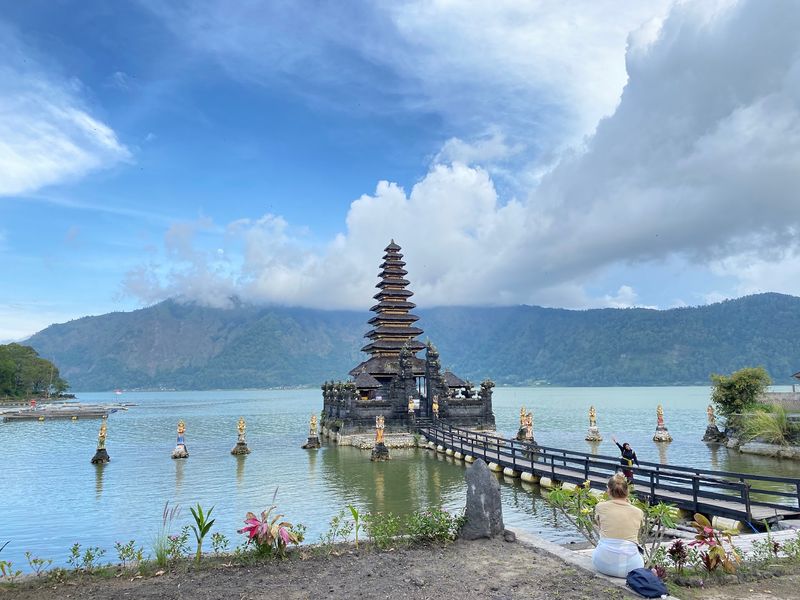
Bali has been a global travel favorite for decades, but it keeps drawing visitors back because the island offers so many completely different versions of itself. The southern beach resorts around Seminyak and Kuta attract surfers and sun-seekers, while the cultural heart of Ubud pulls in travelers interested in temples, traditional arts, and the surrounding rice terraces.
Head north toward Mount Batur and the landscape shifts entirely. Volcanic peaks, caldera lakes, and highland villages give Bali a dimension that beach-only islands simply cannot match.
Hindu temples are woven throughout the island’s geography, from the sea temple at Tanah Lot to the clifftop shrine at Uluwatu.
The local food scene has grown significantly, with both traditional warungs and internationally recognized restaurants operating across the island. Bali also has a well-established wellness industry built around yoga retreats, traditional spa treatments, and meditation centers.
It genuinely rewards slow travel over a rushed itinerary.
Phuket, Thailand
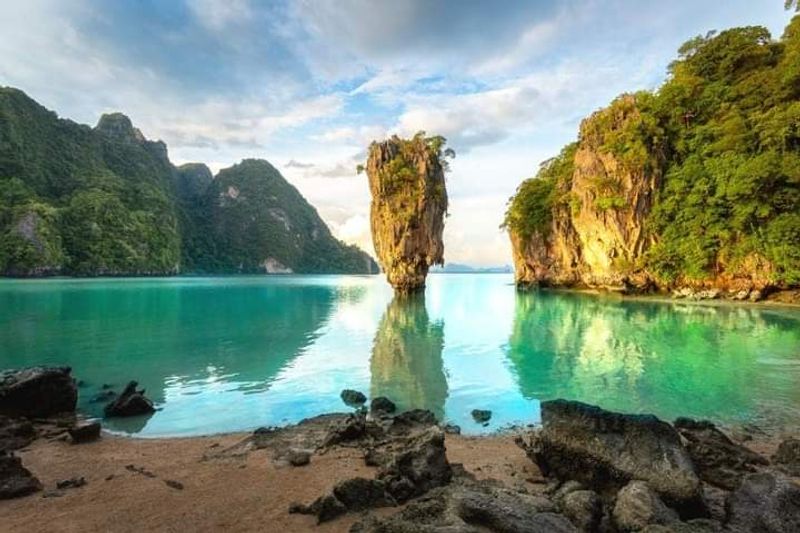
Thailand’s largest island is a destination that keeps expanding what travelers expect from a tropical getaway. Phuket earns its place in Travel + Leisure’s 2026 top island rankings by offering far more than beach resorts.
Patong, Kata, and Karon beaches draw the biggest crowds, but quieter coves on the western and southern coasts offer a noticeably different pace.
Old Phuket Town is one of the island’s most underappreciated areas, with Sino-Portuguese architecture lining the streets and a growing food and coffee scene that has nothing to do with beach tourism. Phuket also works well as a base for day trips to Phang Nga Bay, where dramatic limestone karsts rise from the water, and toward the Phi Phi Islands.
Diving and snorkeling conditions around the surrounding waters are strong during the dry season from November through April. The island has an international airport with direct connections from many Asian cities, making it accessible for a wide range of travel budgets and itineraries.
Seychelles
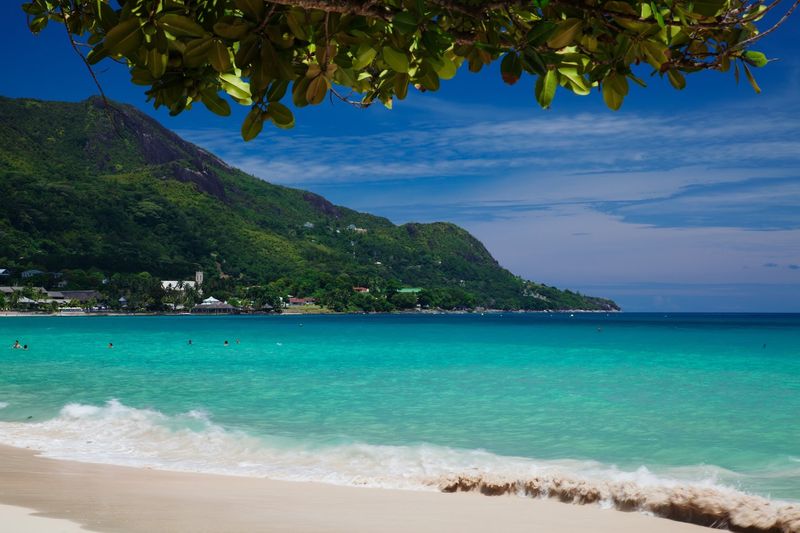
The Seychelles are 115 islands scattered across the Indian Ocean northeast of Madagascar, and they contain some of the most visually distinctive beaches on the planet. The granite boulders framing Anse Source d’Argent on La Digue have appeared in so many photographs that the image has become almost instantly recognizable worldwide.
Mahé is the largest island and home to the capital, Victoria, along with the main international airport. Praslin is known for the Vallee de Mai, a UNESCO World Heritage Site that protects the endemic coco de mer palm and several rare bird species.
La Digue is smaller and largely car-free, navigated mostly by bicycle.
Marine protected areas around the islands support healthy coral reefs, sea turtles, and diverse fish populations. The Seychelles also hosts the Aldabra Atoll, another UNESCO site and one of the world’s largest raised coral atolls.
Visitor numbers are relatively low compared to other Indian Ocean destinations, which helps preserve the natural environment.
Fiji
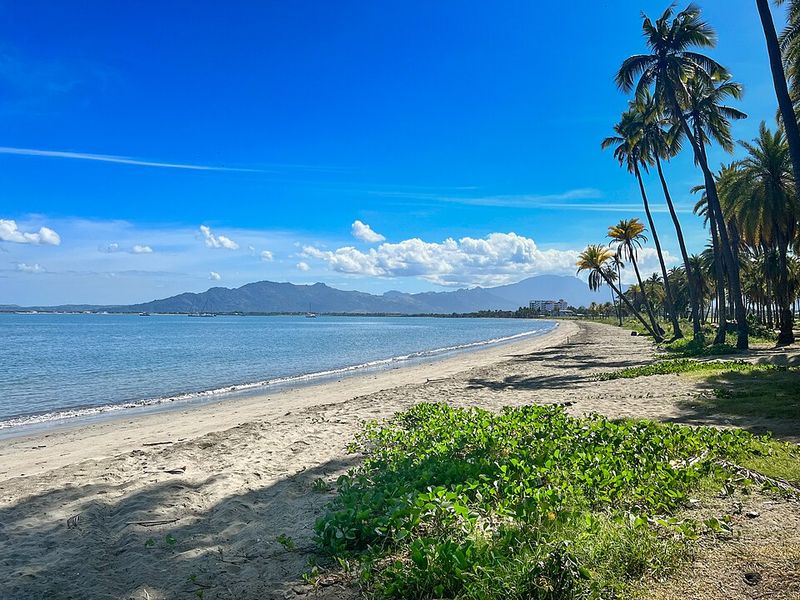
With more than 300 islands to choose from, Fiji gives travelers an almost overwhelming range of options. Viti Levu is the largest island and the main entry point through Nadi International Airport, but most visitors use it primarily as a transit hub before heading to smaller island groups.
The Mamanuca Islands sit just off the coast of Viti Levu and are popular for day trips and short resort stays. The Yasawa Islands stretch further north and offer a more remote experience, with small eco-lodges, traditional village visits, snorkeling, and kayaking.
Both groups appeared in Travel + Leisure’s 2026 global reader favorites.
Fiji’s coral reefs are among the most biodiverse in the Pacific, earning it a reputation as the soft coral capital of the world among divers. Surfing breaks near Cloudbreak attract experienced wave riders.
The local culture, including traditional kava ceremonies and village hospitality programs, gives the destination a warmth that goes well beyond the scenery.
Sri Lanka
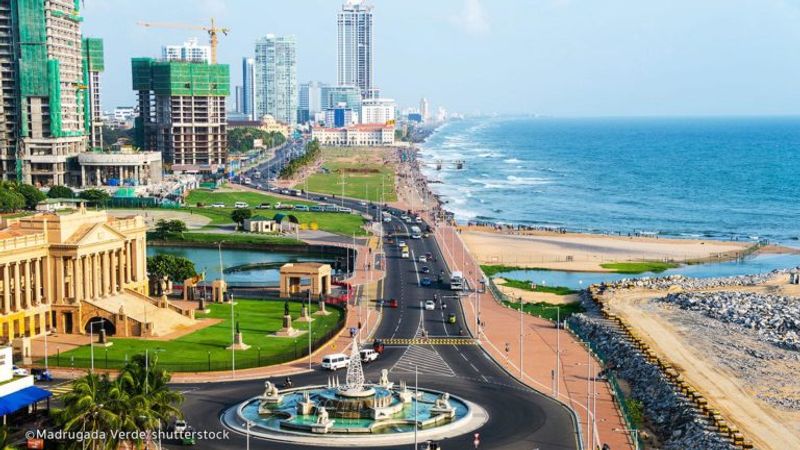
Sri Lanka is the kind of island that keeps surprising travelers who think they know what to expect. The tropical coastline along the southern and eastern shores offers excellent surfing and beach conditions, but the interior of the island holds ancient cities, highland tea plantations, and national parks with some of Asia’s most accessible elephant watching.
Minneriya National Park is famous for large elephant gatherings during the dry season, while Yala National Park supports leopards, sloth bears, and saltwater crocodiles. The ancient city of Anuradhapura, a UNESCO World Heritage Site, dates back more than two thousand years and remains one of the best-preserved ancient cities in Asia.
The island placed among Travel + Leisure readers’ ten global favorites in 2026. Colombo provides the main international gateway, and the rail network through the hill country offers some of the most scenic train journeys in Asia.
Sri Lanka rewards travelers who plan for at least ten days to cover its geographic range properly.
Zanzibar, Tanzania
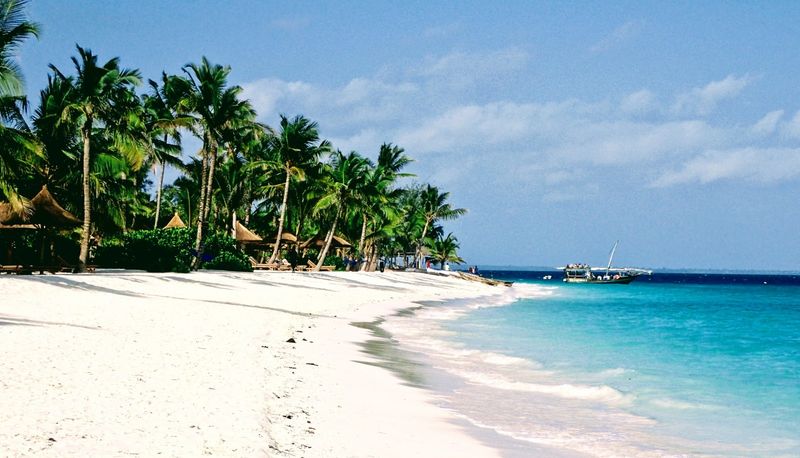
Zanzibar is the kind of destination that layers history directly on top of natural beauty, and the combination is striking. Stone Town, the historic center of Zanzibar City, is a UNESCO World Heritage Site where narrow stone lanes open unexpectedly onto carved wooden doorways, busy spice markets, and views across the Indian Ocean.
The island’s northern coast draws the biggest beach crowds, with Nungwi and Kendwa known for consistent white sand, clear water, and a lively atmosphere. The eastern coast offers a quieter alternative, with long stretches of beach and access to snorkeling reefs.
Excursions to Prison Island and Mnemba Atoll are popular add-ons for travelers based in the main resort areas.
Zanzibar’s spice trade history is still very much part of daily life, and spice farm tours give visitors a tangible connection to the island’s past. It is easily combined with a mainland Tanzania safari, making it one of the most practical pairings in all of African travel planning.
Crete, Greece
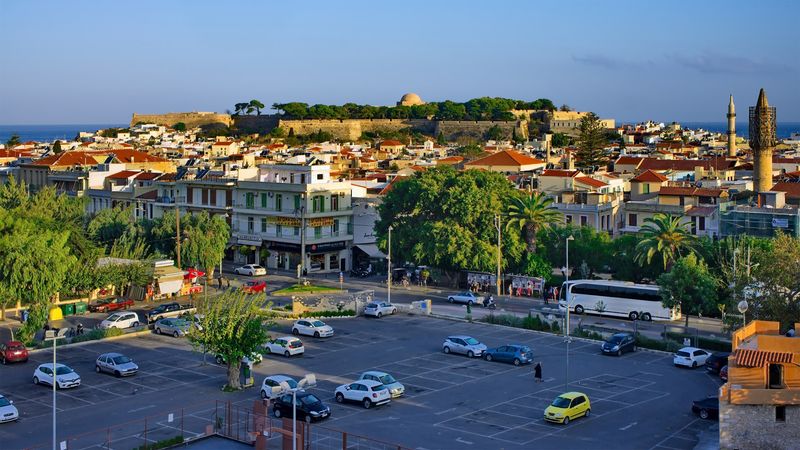
Conde Nast Traveler readers voted Crete the best island in Europe, and Greece’s largest island earns that recognition by offering more variety than almost any other Mediterranean destination. At roughly 160 miles long, Crete contains ancient Minoan palace sites, gorges, mountain villages, olive groves, and dozens of beaches ranging from busy resort strips to remote coves reachable only by boat.
Balos Lagoon in the northwest is one of the most photographed spots in Greece, with shallow turquoise water and a sandbar connecting the peninsula to a small island. Falassarna beach nearby is known for its width and clear water.
The Samaria Gorge, one of Europe’s longest, draws hikers from across the island each spring and summer.
The local food culture is a genuine draw, built around olive oil, cheese, fresh seafood, and dishes with roots in Minoan and Byzantine cooking traditions. Heraklion, Chania, and Rethymno all have international airports or ferry connections, making the island easy to reach from across Europe.
Cape Breton Island, Canada
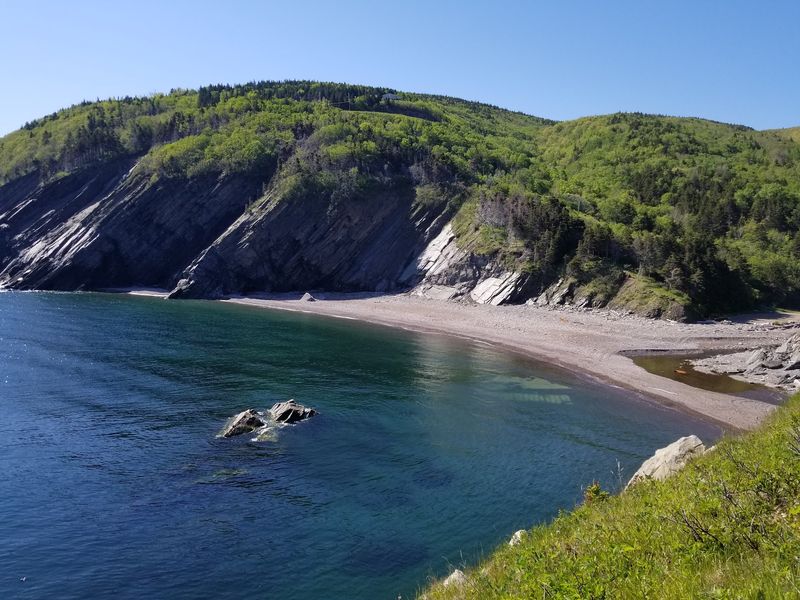
Cape Breton Island operates on a completely different frequency from tropical island travel. Located in northern Nova Scotia, it is the kind of place that rewards slow driving, long hikes, and a willingness to get comfortably lost on a winding coastal road.
The Cabot Trail is the island’s defining feature, a 185-mile loop through Cape Breton Highlands National Park with ocean views that rank among the most dramatic in eastern Canada.
Fall is particularly spectacular, when the highland forests turn deep red and orange against the grey Atlantic. Whale watching tours from Pleasant Bay bring travelers close to pilot whales, minke whales, and occasionally humpbacks.
The Cheticamp area preserves Acadian French culture, while Cape Breton’s Celtic heritage shows up in fiddle music and community events throughout the summer.
Fishing villages like Ingonish and Neil’s Harbour add an authentic working-coast dimension to the visit. Cape Breton is a road trip destination in the best sense, one where the route itself is the attraction.
Hilton Head Island, South Carolina
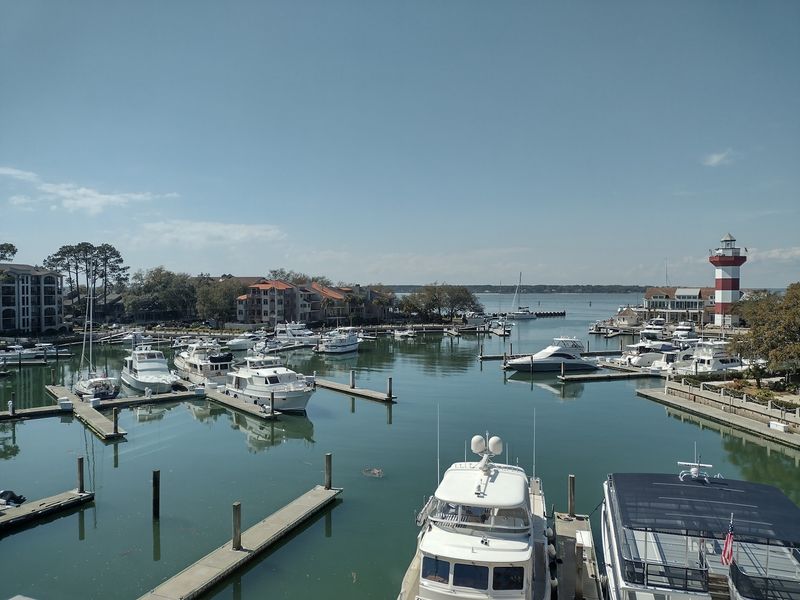
Hilton Head topped Conde Nast Traveler’s U.S. island rankings in 2025, and its appeal is easy to map. The island has about 12 miles of wide Atlantic coastline, a well-maintained network of bike paths, multiple nature preserves, and a low-rise built environment that keeps the scenery feeling open rather than overdeveloped.
Coligny Beach is the most accessible public beach area, with parking, restrooms, and nearby shops and restaurants. Sea Pines Resort contains Harbour Town, the island’s most photographed spot, with its red-and-white striped lighthouse overlooking a marina.
The resort also hosts the RBC Heritage golf tournament each April, one of the PGA Tour’s most popular stops.
Wildlife is a consistent feature of a Hilton Head visit. Loggerhead sea turtles nest along the beaches in summer, and the surrounding salt marshes support dolphins, egrets, herons, and alligators.
The island is just over an hour from Savannah, Georgia, making it an easy add-on for travelers already exploring the Georgia coast.
Bermuda
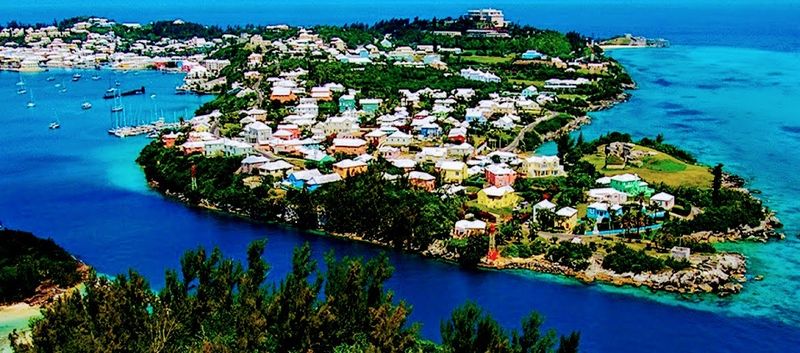
Bermuda sits in the North Atlantic about 650 miles east of Cape Hatteras, North Carolina, which makes it more accessible from the eastern United States than most Caribbean destinations. Conde Nast Traveler readers named it their top Caribbean and Atlantic island in a recent regional vote, recognizing a destination that consistently delivers on both natural beauty and visitor infrastructure.
The pink-sand beaches are real. The color comes from fragments of red coral, shells, and foraminifera mixed with the white sand, giving beaches like Elbow Beach and Horseshoe Bay their distinctive blush tone.
Crystal Caves and Fantasy Caves near Hamilton Parish offer a completely different kind of attraction, with stalactite formations and underground lakes.
Shipwreck diving is a major draw, with dozens of accessible wrecks in relatively shallow water around the island. Historic St. George’s is a UNESCO World Heritage Site and one of the oldest English-settled towns in the Western Hemisphere.
Ferry and cruise connections from New York, Boston, and Philadelphia make Bermuda a practical long-weekend destination.
Phu Quoc, Vietnam
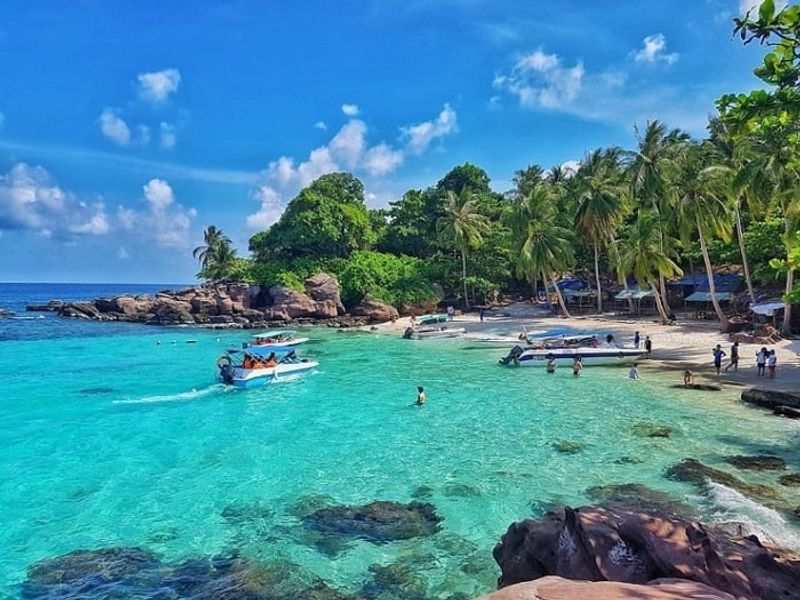
Phu Quoc sits in the Gulf of Thailand off the southwestern coast of Vietnam and has grown from a quiet fishing island into one of Southeast Asia’s more talked-about beach destinations. Conde Nast Traveler readers selected it as their favorite island in Asia, recognizing a place that still feels less crowded than Bali or Phuket despite its expanding resort scene.
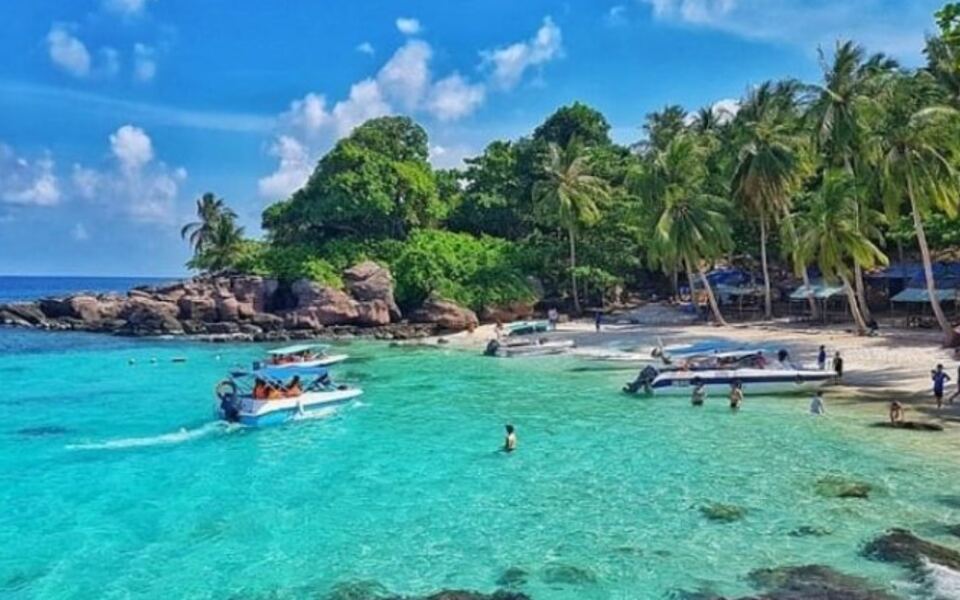
Long Beach on the western coast is the longest and most developed stretch, while the northern and eastern parts of the island remain quieter and more forested. Phu Quoc National Park covers more than half the island and protects tropical forests, mangroves, and coral reef systems in the surrounding waters.
The island is also known for its fish sauce production, a craft that has been practiced here for generations and is recognized with a geographical indication. Night markets in Duong Dong Town are the best place to sample local seafood.
Direct flights from Ho Chi Minh City take about an hour, making Phu Quoc an easy addition to any Vietnam itinerary.
Santa Catalina Island, California
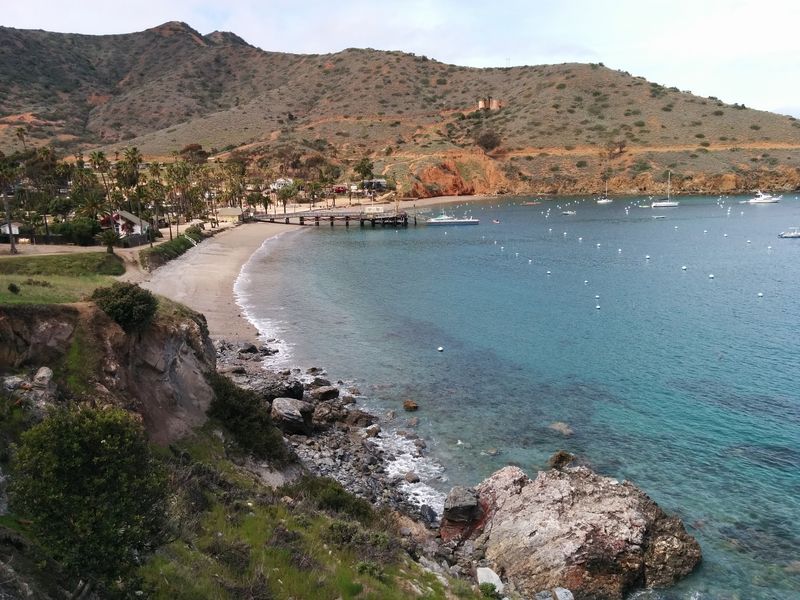
Just 22 miles off the Southern California coast, Catalina Island feels genuinely removed from the mainland in a way that surprises first-time visitors. The ferry crossing from San Pedro, Long Beach, Newport Beach, or Dana Point takes between 45 minutes and 90 minutes, and the island on the other side has a distinctly Mediterranean character that does not match the typical California beach town experience.
Avalon is the island’s only incorporated city and the main hub for visitors. The Catalina Casino, built in 1929 and perched on a rocky point above the harbor, is the island’s most recognizable landmark.
It still hosts concerts and film screenings but has never operated as a gambling establishment despite its name.
Snorkeling at Casino Point Marine Park puts swimmers among garibaldi fish, kelp forests, and occasional bat rays. Two Harbors on the western isthmus offers a quieter alternative for campers and kayakers.
The island’s interior is managed by the Catalina Island Conservancy, with bison herds and hiking trails through protected scrubland.
Andaman Islands, India
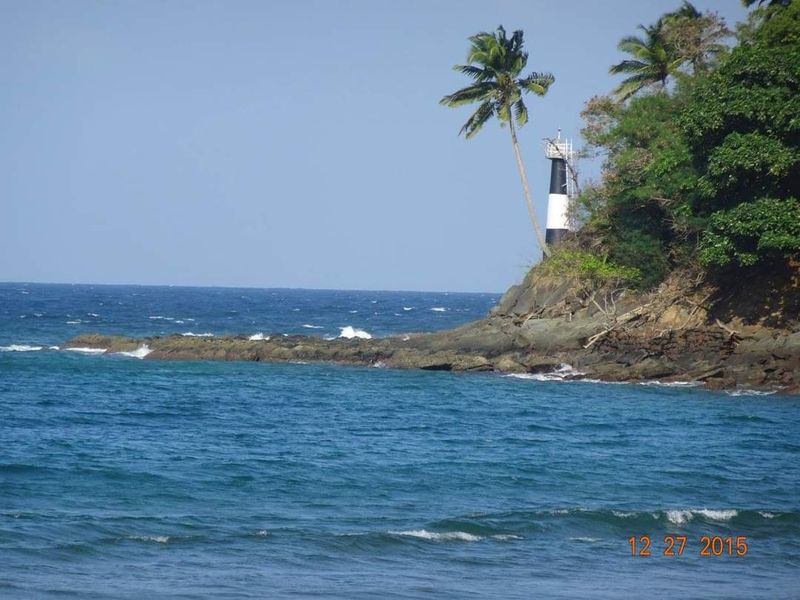
The Andaman Islands lie in the Bay of Bengal closer to Myanmar and Thailand than to the Indian mainland, and that geographic position contributes to the sense of remoteness that makes them appealing. The archipelago includes more than 500 islands, of which only a few dozen are open to visitors, and the restrictions help preserve some of the most intact tropical ecosystems in South Asia.
Havelock Island, officially renamed Swaraj Dweep, is the most visited island and the base for most beach and water activities. Radhanagar Beach on Havelock has been recognized as one of Asia’s best beaches on multiple occasions, with clear water, a wide sandy shore, and a forested backdrop.
Neil Island, now called Shaheed Dweep, is a quieter option nearby.
Scuba diving around the Andamans reveals healthy coral systems, sea turtles, reef sharks, and manta rays. Port Blair is the administrative capital and the entry point for flights from Chennai, Kolkata, and Delhi.
The journey itself is part of the experience for most travelers who make it this far.
Naxos, Greece
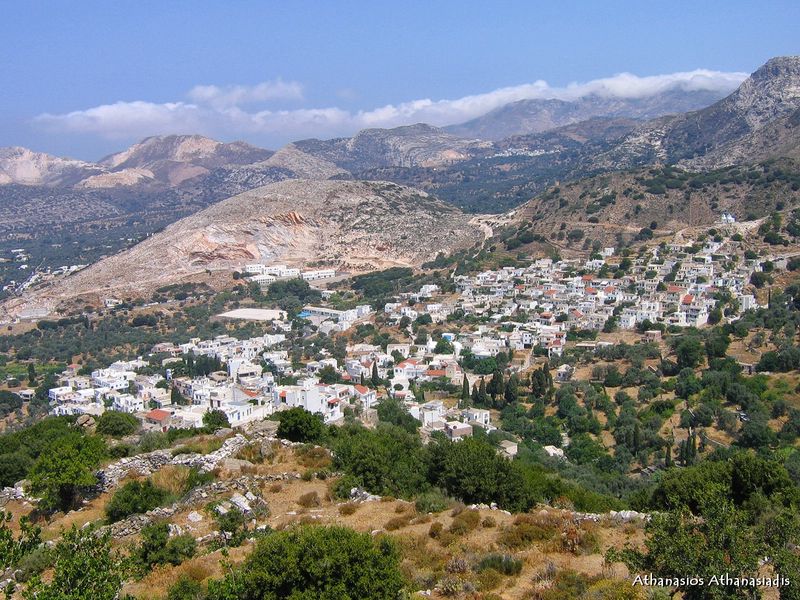
Naxos topped Conde Nast Traveller’s 2025 European island rankings with a reader score of 95.71, edging out more famous neighbors like Santorini and Mykonos. The Cycladic island has a different personality from those glitzy destinations, one that feels more grounded in actual Greek daily life.
The old town of Naxos, known as Hora, climbs a hillside above the harbor and contains a medieval Venetian castle at its center.
Beaches here are wide, sandy, and relatively uncrowded compared to other Greek island hotspots. Agios Prokopios and Plaka are among the most popular stretches, with shallow water suitable for families.
The island’s interior is equally rewarding, with mountain villages like Apeiranthos preserving traditional marble craftsmanship and a way of life that tourism has not significantly altered.
Naxos is also the largest of the Cyclades and the most agriculturally productive, known for its potatoes, cheese, and locally produced spirits. The Portara, an ancient marble gate from an unfinished temple dedicated to Apollo, frames the harbor entrance and is one of the Aegean’s most photographed landmarks at sunset.
Turks and Caicos
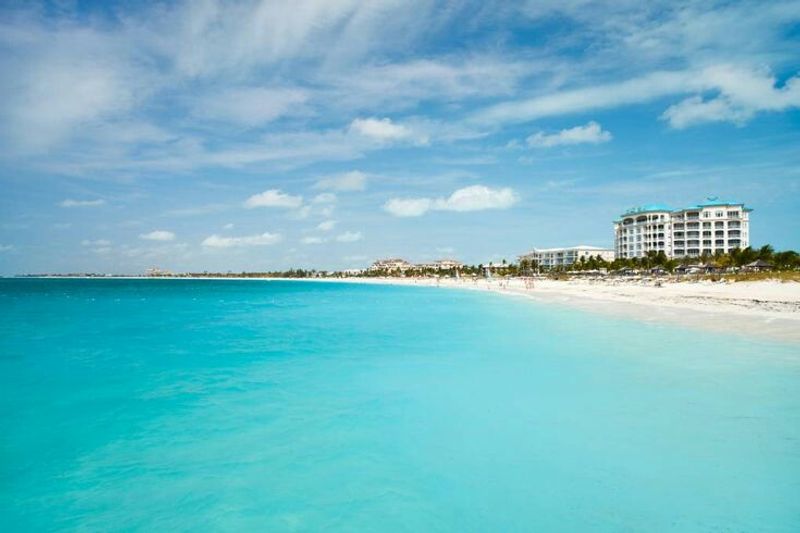
Grace Bay Beach on Providenciales has a reputation for turquoise water so vivid and consistent that it almost looks digitally enhanced in photographs. Turks and Caicos finished first in Conde Nast Traveller’s 2025 Caribbean and Atlantic island category, and Grace Bay is central to that recognition.
The beach stretches for about 12 miles with calm, shallow water and a consistent powder-soft shoreline.
Providenciales, commonly called Provo, is the main tourism hub and home to most of the archipelago’s resorts, restaurants, and water sports operators. The Turks and Caicos Islands have no income tax for residents, which has attracted a number of high-end resort developments, giving the destination a polished infrastructure that appeals to travelers who want comfort alongside natural beauty.
Snorkeling and diving on the barrier reef just offshore from Grace Bay are consistently ranked among the Caribbean’s best. The nearby Caicos Bank is one of the largest continuous coral reef systems in the Western Hemisphere.
For travelers who want crystalline water without the complexity of a long-haul flight, Turks and Caicos is a straightforward answer.
Fernando de Noronha, Brazil
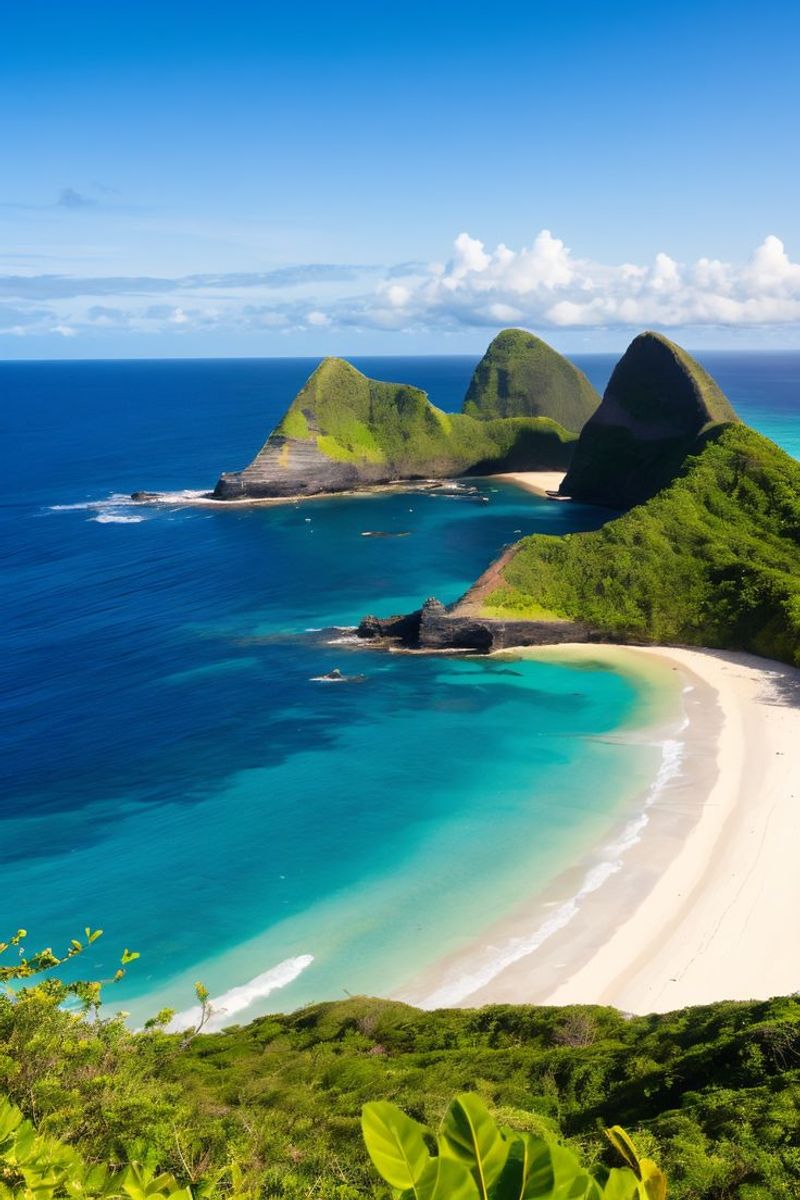
Fernando de Noronha topped Conde Nast Traveller’s Central and South America island ranking, and its protected status is a big part of what makes it worth the trip. This Brazilian archipelago sits about 220 miles off the northeastern coast and is managed as a national marine park, with strict visitor limits and an environmental preservation fee that increases daily the longer you stay.
The restrictions are intentional and effective. The water around the main island is exceptionally clear, the beaches are largely undeveloped, and spinner dolphins gather daily in Baia dos Golfinhos in numbers that are genuinely remarkable.
Praia do Sancho has repeatedly ranked among the best beaches in South America and the world.
Diving and snorkeling here access sea turtles, reef sharks, rays, and a fish population that thrives because commercial fishing is prohibited in the protected zone. Accommodation on the island is limited and books out well in advance, especially during the Brazilian summer.
Fernando de Noronha is not a casual trip, but for travelers who plan ahead, the payoff is significant.
Vancouver Island, Canada
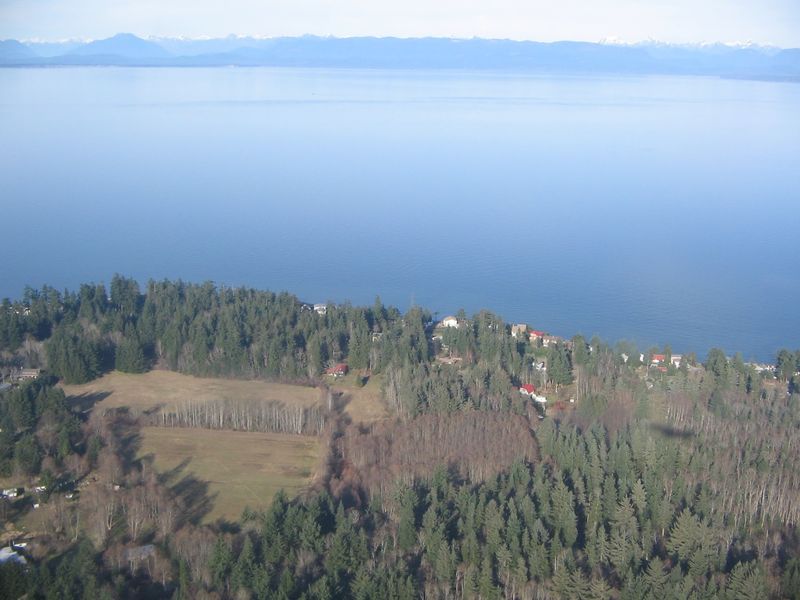
Vancouver Island was Conde Nast Traveller readers’ highest-rated North American island in the 2025 awards, and its scale alone sets it apart from most island destinations on this list. At nearly 300 miles long, it is large enough to support week-long road trips without retracing the same road twice.
Victoria at the southern tip has a well-preserved historic downtown, the famous Butchart Gardens, and ferry connections to the mainland and Seattle.
The Pacific Rim National Park Reserve on the west coast protects one of Canada’s most dramatic stretches of coastline, with old-growth rainforest, long surf beaches at Long Beach, and the famous West Coast Trail. Tofino has become a well-known surf and wilderness town, drawing visitors for whale watching, storm watching in winter, and kayaking through Clayoquot Sound.
Orca and humpback whale sightings are common in the waters around the island, particularly in Johnstone Strait to the north. Indigenous culture is a meaningful part of the island’s identity, with First Nations communities offering guided experiences and cultural programs in several locations.
Hvar, Croatia
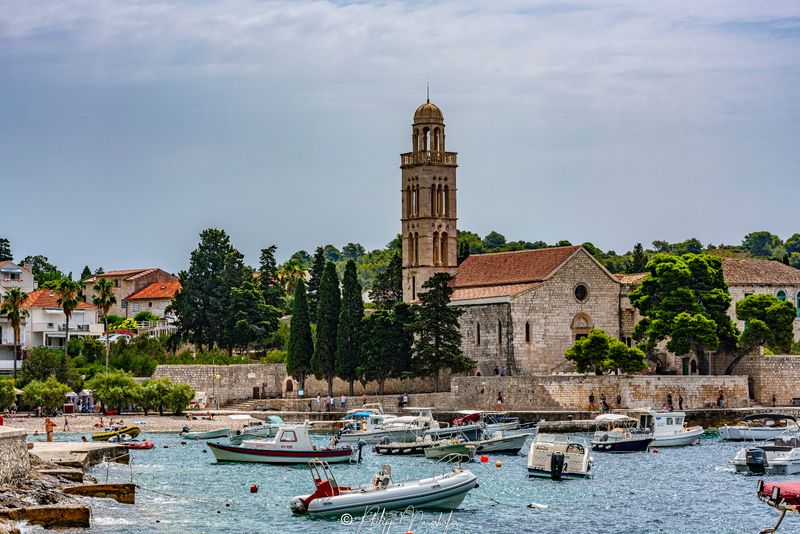
Hvar proves that a great island vacation does not require a long-haul flight or a tropical passport stamp. This Croatian island in the Adriatic Sea combines genuinely beautiful coastline with medieval history, agricultural landscapes, and one of the most lively summer social scenes in the Mediterranean.
It ranked fourth among European islands in Conde Nast Traveller’s 2025 Readers’ Choice Awards.
Hvar Town is the main hub, centered on a large stone piazza that dates back to the 13th century and overlooked by a Venetian-era fortress with panoramic views across the harbor and the Pakleni Islands. The town has a well-developed restaurant and bar scene that runs well into summer evenings.
Stone villages in the island’s interior, including Vrbanj and Vrisnik, offer a quieter side of Hvar away from the waterfront crowds.
Lavender fields in the island’s central valley bloom in June, giving Hvar a visual and aromatic character that sets it apart from other Adriatic destinations. Catamaran and ferry services from Split make the crossing straightforward, and day trips to the Pakleni Islands by water taxi or boat charter are easy to arrange from Hvar Town.
Share this story