Television in 1973 looked very different from what we watch today, with just a handful of channels and no streaming or on-demand entertainment. Yet the era produced groundbreaking sitcoms, gritty detective dramas, glamorous variety shows, and early reality television experiments that helped reshape American entertainment.
These vintage photos capture the stars and TV shows that defined 1973, from programs tackling controversial social issues to familiar game shows and changing morning news broadcasts. Some became lasting classics, while others faded into obscurity, offering a fascinating glimpse into television’s evolution.
1. Maude Brought Serious Social Issues Into American Living Rooms
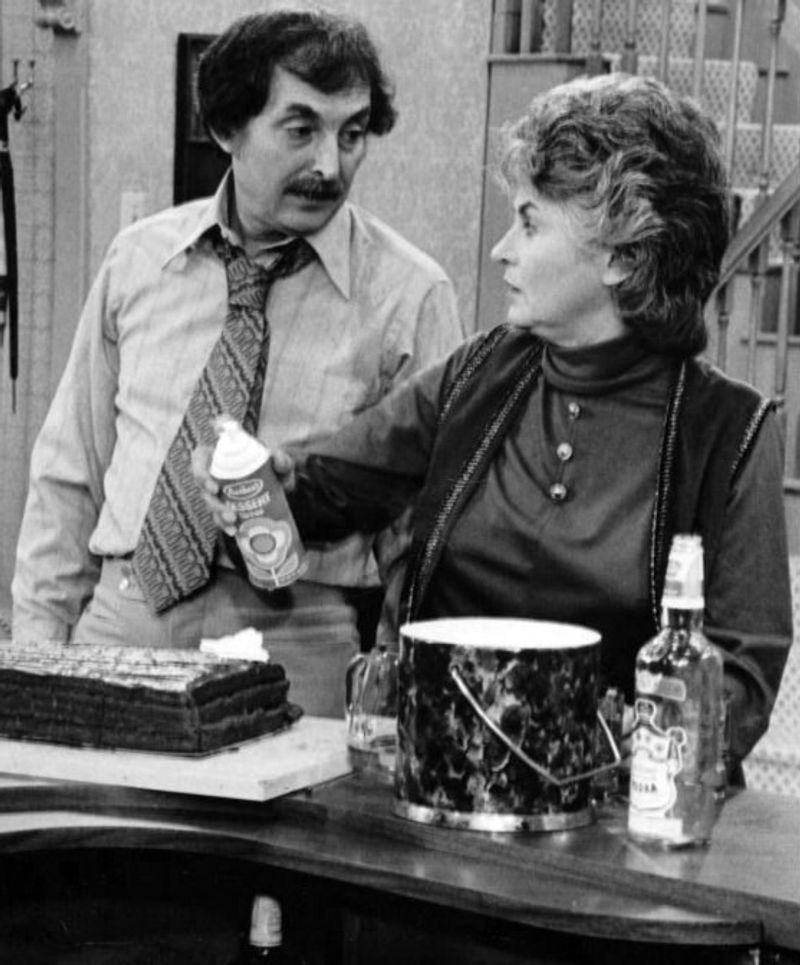
Earlier TV moms baked cookies and solved small problems before the credits rolled. Maude Findlay had other plans.
Bea Arthur played Maude, a loud, liberal, middle-aged woman living in suburban New York. The CBS sitcom started as a spin-off of All in the Family and premiered on September 12, 1972.
Maude quickly earned a reputation for tackling topics most comedies skipped. Feminism, addiction, and mental health all showed up in storylines.
Its most talked-about moment was the two-part episode “Maude’s Dilemma,” which aired in November 1972. In it, Maude considered ending an unexpected pregnancy, months before the Supreme Court’s Roe v.
Wade decision in January 1973.
Some local stations refused to air the episodes. Even so, the show stayed popular, proving that audiences would accept a comedy willing to tackle real debates.
2. All in the Family Changed What a Sitcom Could Say
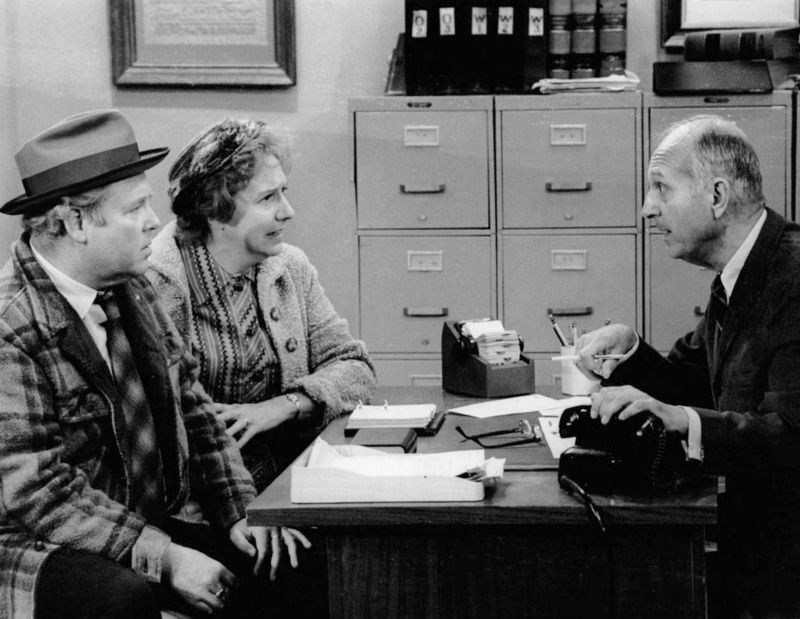
One armchair became the most famous piece of furniture on television. It belonged to Archie Bunker.
Carroll O’Connor played Archie, a stubborn working man from Queens with opinions on everything. All in the Family premiered on CBS in 1971 and openly argued about race, politics, and the changing roles of women.
Those arguments usually happened with his son-in-law, Mike, whom Archie nicknamed “Meathead.” Their debates mirrored real conversations happening in many American homes.
Viewers responded in huge numbers. The show ranked as the top-rated program on television for five straight seasons, including 1973.
Producer Norman Lear used the hit as a launching pad for other series, including Maude and The Jeffersons. Today, Archie’s chair sits in the Smithsonian’s National Museum of American History.
Not bad for a recliner.
3. Sonny and Cher Made Variety Television a Weekly Event
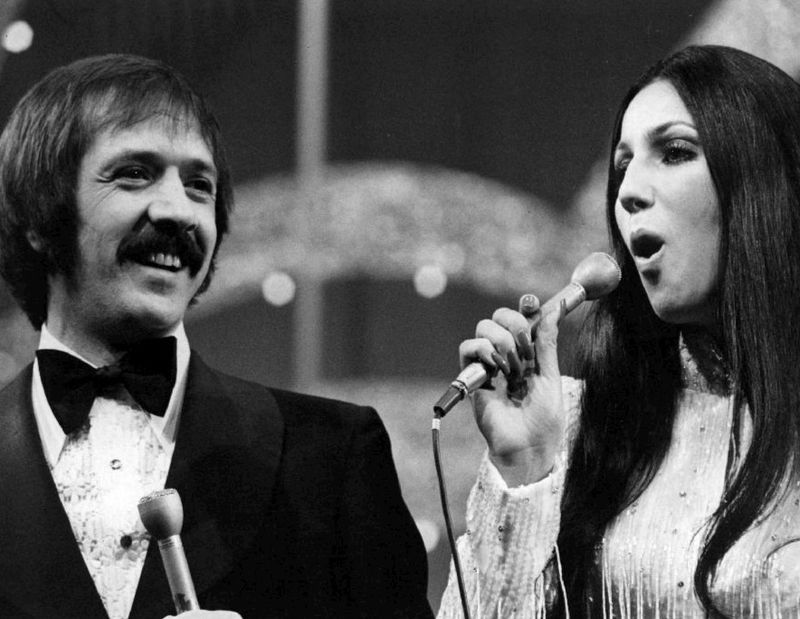
Costume changes counted as must-see TV in the early 1970s. Cher could make several of them in one hour.
The Sonny and Cher Comedy Hour mixed songs, comedy sketches, and celebrity guests. Sonny played the lovable target of jokes, while Cher fired back with deadpan put-downs.
Designer Bob Mackie created many of her famous outfits. People tuned in partly to see what she would wear next.
Variety shows were a staple of the era. Families could watch music, comedy, and famous visitors all in one sitting.
The show closed each episode with the couple singing “I Got You Babe,” often with their young daughter, Chastity, joining them. The format was so popular in 1973 that rival networks kept launching their own variety hours, hoping to copy the formula.
4. Kojak Introduced Television to a New Kind of Detective
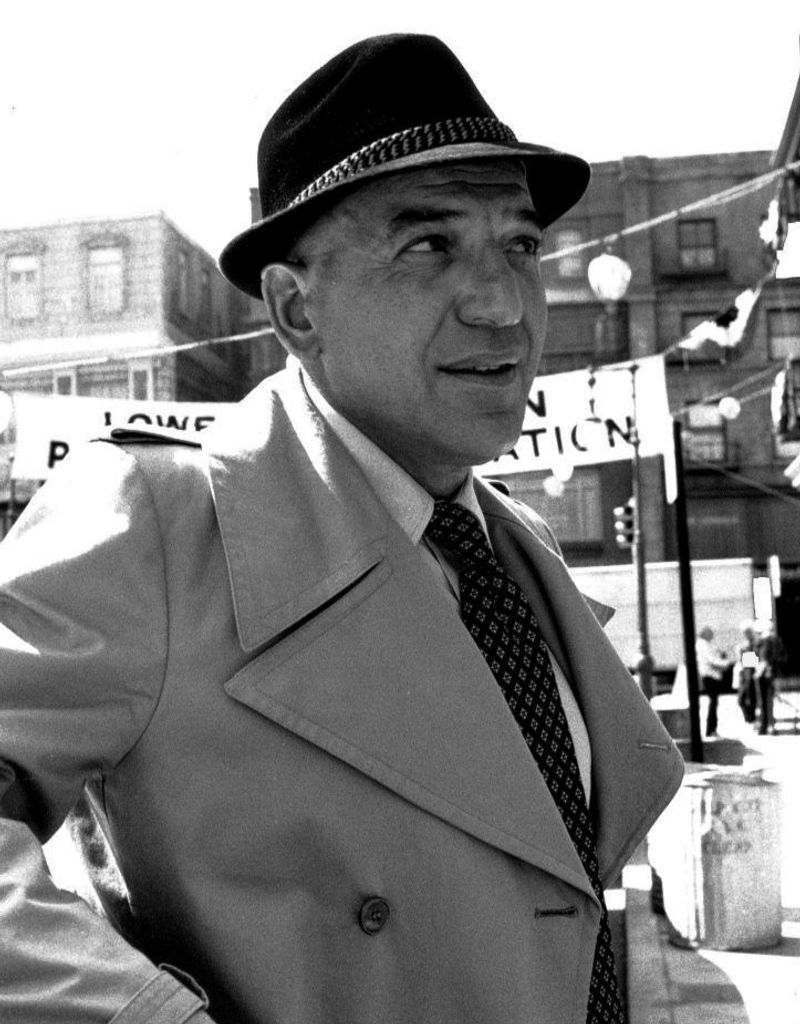
Few TV cops have been remembered for candy. Lieutenant Theo Kojak made a lollipop his trademark.
Telly Savalas first played the bald New York detective in the spring 1973 TV movie The Marcus-Nelson Murders. That film served as a pilot, and Kojak premiered as a weekly CBS series on October 24, 1973.
Kojak was sharp-tongued, street-smart, and willing to bend a rule if it meant solving a case. His catchphrase, “Who loves ya, baby?”, became a popular saying.
The lollipops had a practical origin. They were meant to show the character trying to quit smoking.
The series reflected a broader trend. Crime shows were moving toward city settings and tougher heroes that felt more realistic than earlier, squeaky-clean police dramas.
Savalas won an Emmy for the role in 1974.
5. The Odd Couple Turned Everyday Arguments Into Comedy Gold
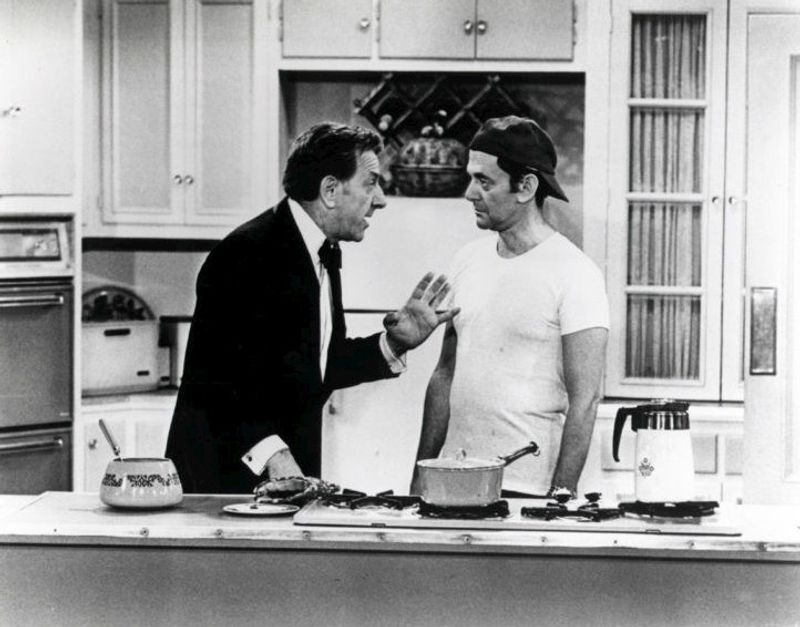
Picture a roommate who leaves pizza under the couch. Now picture one who irons his socks.
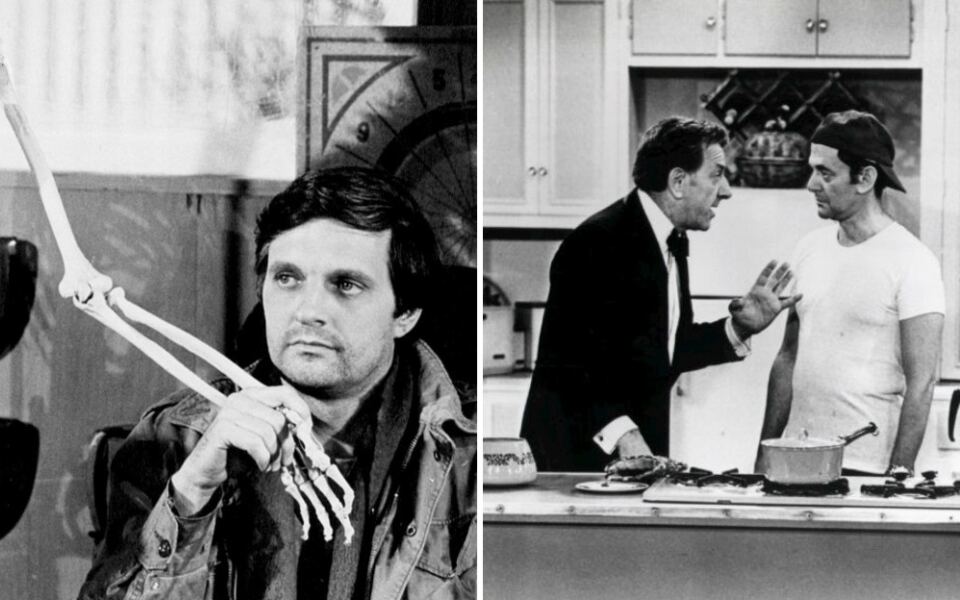
That clash powered The Odd Couple, starring Jack Klugman as messy sportswriter Oscar Madison and Tony Randall as tidy photographer Felix Unger. Both men were divorced and sharing a New York apartment.
The series was based on Neil Simon’s hit play and the 1968 movie. ABC brought it to television in 1970, and by 1973 it was in its fourth season.
What made it last was simple. Two skilled actors bounced off each other, and the writers trusted small, everyday fights to carry each episode.
Klugman and Randall became so linked to these roles that they reunited for a TV movie in 1993. Many viewers still call any mismatched pair of friends an “odd couple,” a phrase the show helped keep popular for decades.
6. Shaft Brought a Famous Movie Detective to the Small Screen
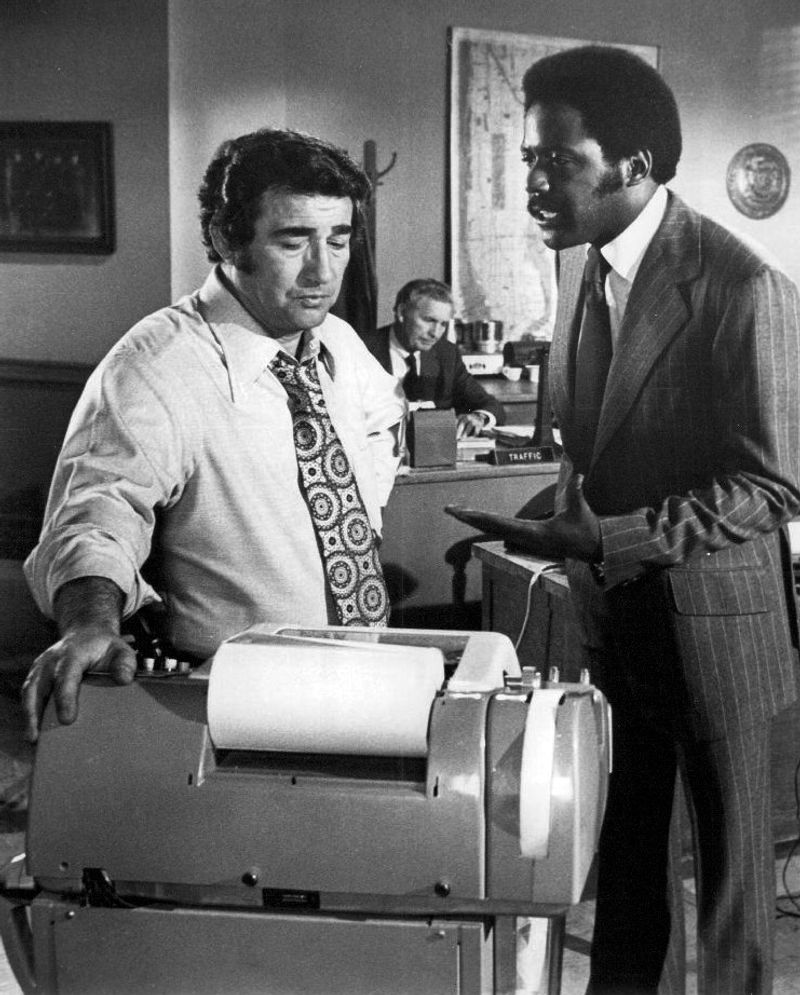
Hit movies did not always survive the trip to television. Shaft is a good example.
Richard Roundtree had become a star playing private detective John Shaft in the 1971 film and its sequels. In 1973, CBS brought him back for a TV version.
The series aired as part of The New CBS Tuesday Night Movies, rotating with other programs every third week. Eddie Barth co-starred as Lieutenant Al Rossi, a police officer who teamed up with Shaft.
Network rules forced big changes. The TV Shaft was much milder than the movie character and often worked with the police instead of against them.
Many fans felt that took away what made him special. Only seven episodes were made, but the experiment shows how studios tested movie characters on television long before today’s streaming spin-offs.
7. Diana Rigg Tried Something Different With Her Own Sitcom
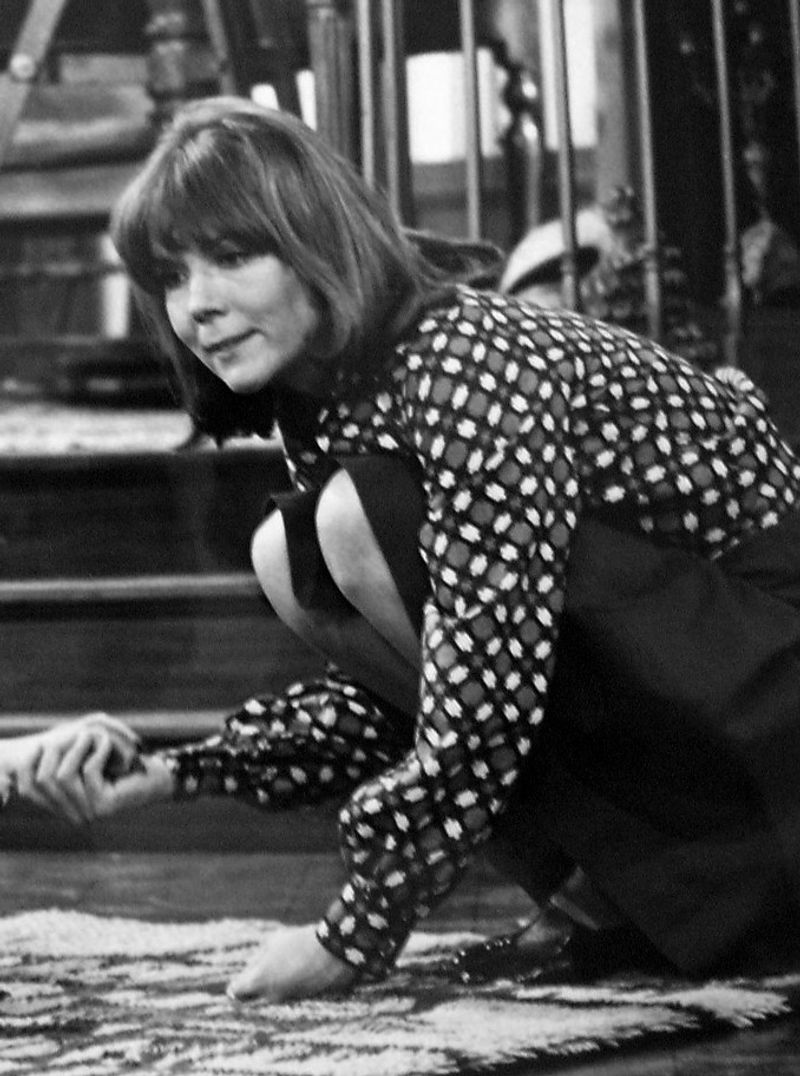
Spy fans knew her as Emma Peel, the karate-kicking agent from The Avengers. American viewers in 1973 got a very different Diana Rigg.
NBC cast her in the sitcom Diana, playing a divorced British fashion designer starting over in New York. The show leaned on fish-out-of-water humor and her natural charm.
Rigg also had serious stage credits and had appeared in the 1969 James Bond film On Her Majesty’s Secret Service. On paper, the series looked like a safe bet.
It was not. Diana lasted only 15 episodes before NBC pulled it.
The quick exit shows how crowded the three-network schedule was. A famous name could draw viewers for a week, but a show still needed strong scripts to survive.
Rigg later found huge success again, including a role in Game of Thrones.
8. Alan Alda Helped Make M*A*S*H* a Television Classic
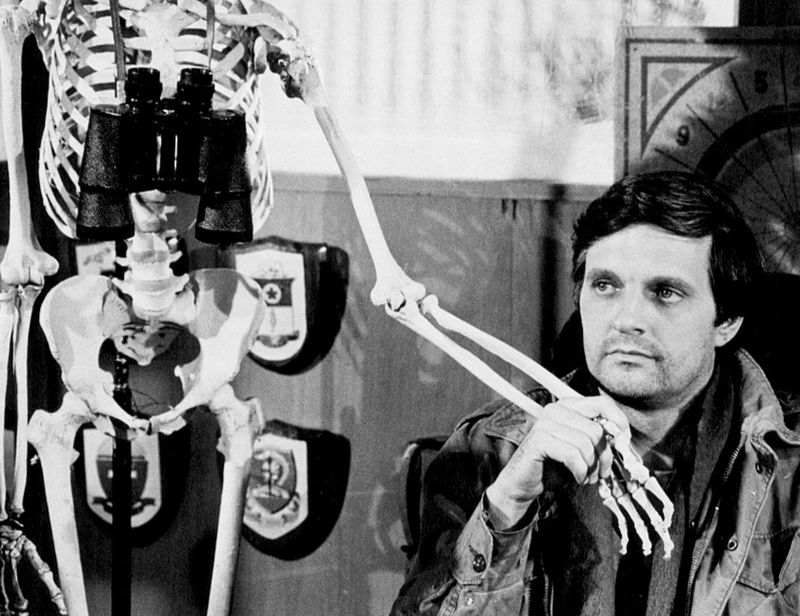
A comedy set in a war zone sounded like a risky bet in 1972. CBS took the chance anyway, and M*A*S*H premiered on September 17 of that year.
Alan Alda played Captain Benjamin Franklin “Hawkeye” Pierce, a talented surgeon with a quick joke for every situation. The show followed doctors at a mobile army hospital during the Korean War.
By its second season in 1973, the series had found its rhythm. Episodes could swing from silly pranks to serious moments about the cost of war, sometimes within a few minutes.
Alda’s range made that balance work. He could land a punchline and then shift into a quiet, thoughtful scene without missing a beat.
Fun fact: the show lasted 11 seasons, far longer than the actual Korean War. Its 1983 finale became one of the most-watched broadcasts in American history.
9. An American Family Offered an Early Glimpse of Reality Television
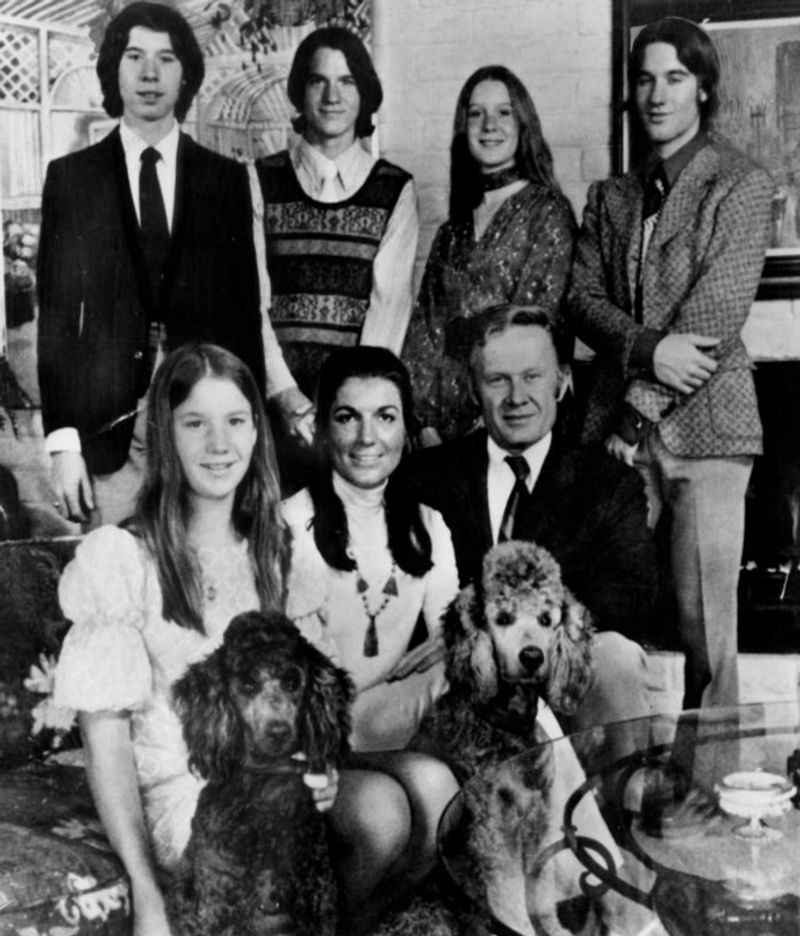
Twelve hours of television followed one ordinary family, and more than 10 million people watched each week.
An American Family aired on PBS from January 11 to March 29, 1973. Filmmakers had spent seven months recording the Loud family of Santa Barbara, California.
Parents Pat and Bill Loud lived with their five children: Lance, Kevin, Grant, Delilah, and Michele. Cameras captured daily life with very little narration.
Viewers saw real moments that TV families never showed. The parents’ marriage fell apart on screen, and eldest son Lance openly identified as gay, which was rare on 1970s television.
Critics argued about whether filming changed how the family behaved. That same question still follows reality shows today.
Many historians call the series the first American reality program, and it later inspired shows like MTV’s The Real World.
10. Barbara Walters Was Helping Redefine Morning Television
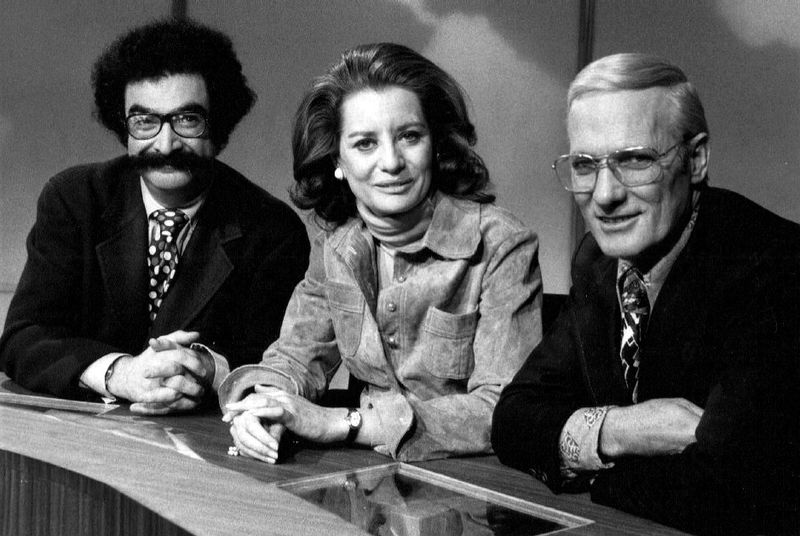
Here is a rule that sounds strange now. During joint interviews on Today, Barbara Walters was not allowed to ask a question until her male co-host had asked three.
That arrangement came from co-host Frank McGee. Walters responded by landing more interviews of her own outside the studio, where she could lead the conversation.
She had joined Today in the early 1960s as a writer and segment producer. Over time, she moved far beyond the light “Today Girl” role women usually filled.
By 1973, she was one of the program’s best-known faces. Her interview skills drew major guests and serious attention.
In 1974, she became the first woman officially named co-host of Today. Two years later, she became the first female co-anchor of a network evening newscast, opening doors for many journalists who followed.
11. Cass Elliot Showed How Music Stars Could Shine on Television
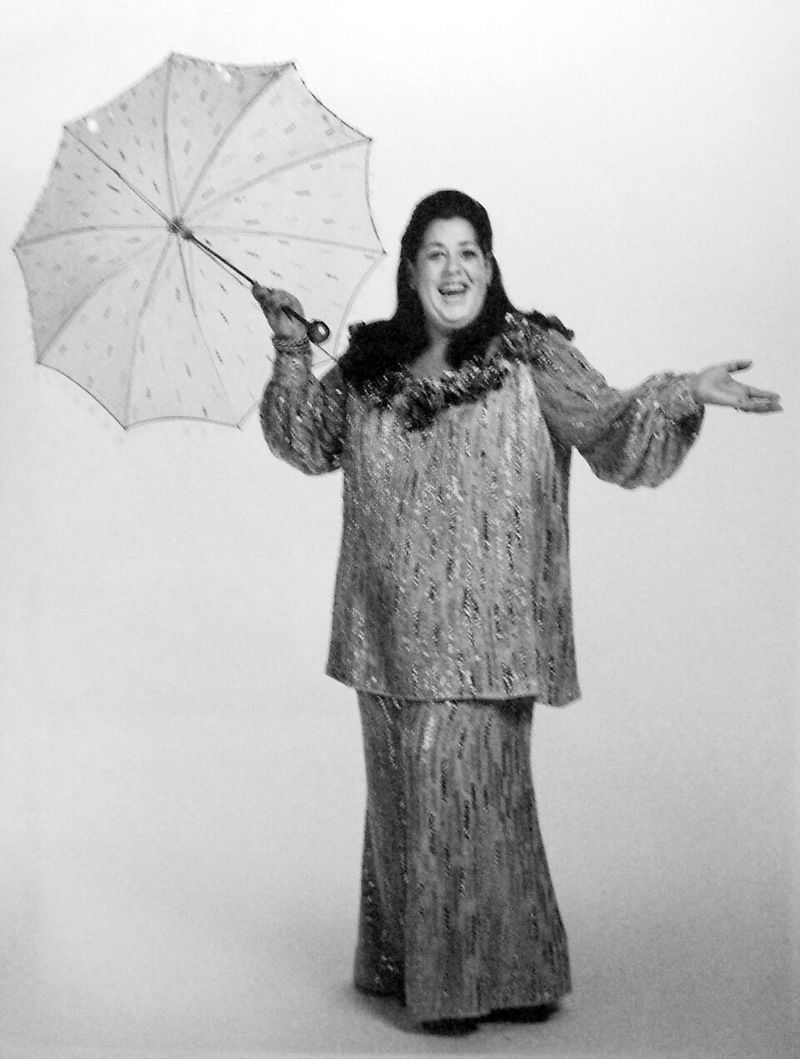
Long before music videos, singers needed television to reach fans across the country. Cass Elliot used it brilliantly.
Fans knew her as Mama Cass from the Mamas and the Papas, the group behind hits like “California Dreamin'” and “Monday, Monday.” After the group split, she launched a solo career.
Her strong voice and easy humor made her a favorite guest. She appeared on talk shows, variety hours, and her own TV specials.
She even guest-hosted The Tonight Show for Johnny Carson, something few women did at the time.
Variety programs in 1973 regularly mixed singers with comedians. For many viewers, these shows were the main way to see a favorite artist perform live.
Elliot’s comfort in front of the camera showed that a music star could also be a natural entertainer on screen.
12. Peggy Cass Was a Familiar Face on Television Game Shows
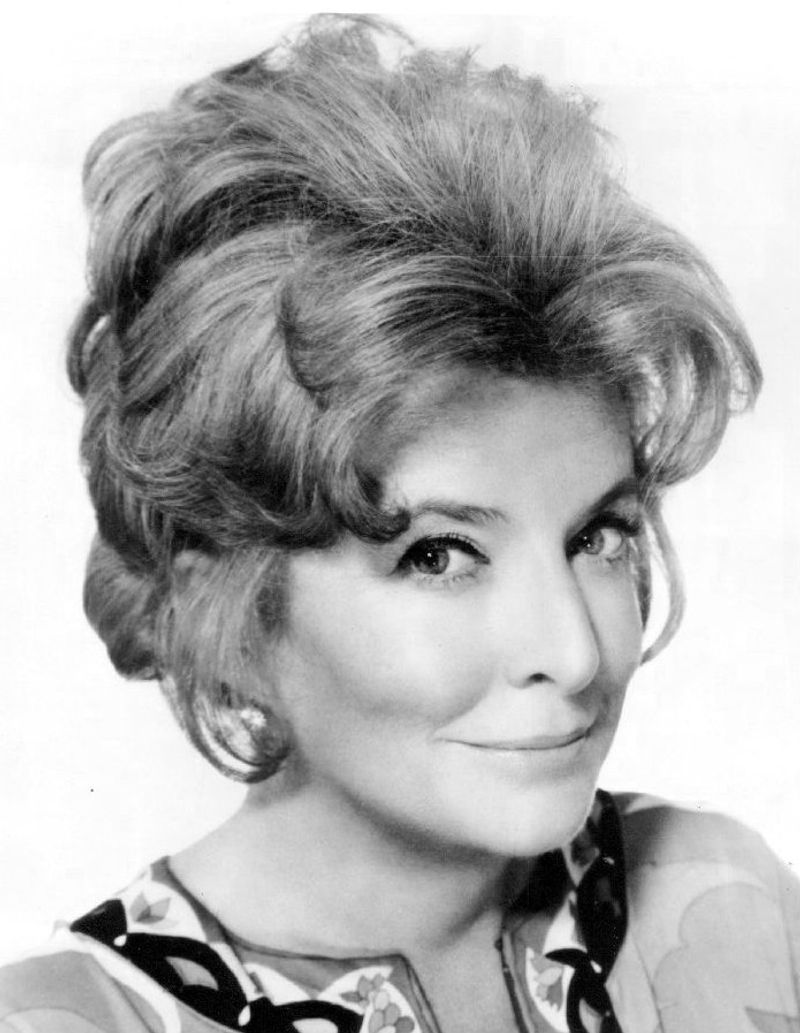
Three contestants all claim to be the same person. Only one is telling the truth, and a celebrity panel has to figure out who.
That was the simple setup of To Tell the Truth, and Peggy Cass was one of its most popular regulars. Her quick comebacks and funny questions kept viewers laughing.
Cass was a serious actress too. She earned an Academy Award nomination for the 1958 film Auntie Mame and won a Tony Award for the stage version.
Game shows filled large parts of the 1973 schedule. Many relied on chatty panelists rather than big prizes or flashy sets.
The appeal was easy to understand. Viewers at home could play along and guess before the panel did.
Cass stayed with the show for years, becoming one of the most recognizable panelists of the decade.
13. Columbo Proved That a Detective Didn’t Need to Look Impressive
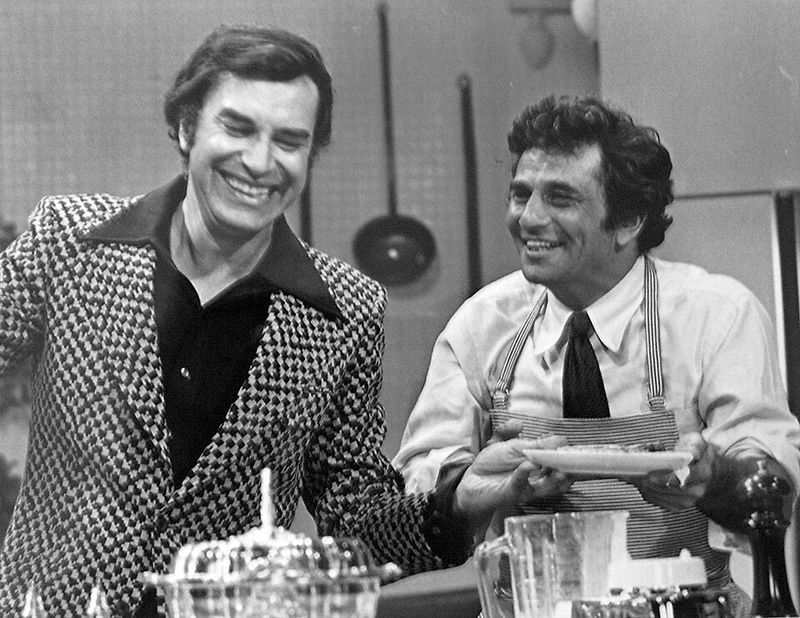
Most mysteries hide the culprit until the end. Columbo showed viewers the guilty party right at the start.
The fun came from watching Lieutenant Columbo of the Los Angeles Police Department slowly figure it out. Peter Falk played him in a wrinkled beige raincoat, often holding a cigar and looking a bit lost.
That confused act was a trick. Suspects relaxed, and Columbo kept returning with “just one more thing.”
Columbo ran as part of the NBC Mystery Movie, rotating with other detective shows. Big guest stars often played the villains.
In the 1973 episode “Double Shock,” Martin Landau played twin brothers, one a TV chef and the other a banker. Both had reasons to be suspects, giving Columbo double the work.
The episode remains a fan favorite for its clever casting.
14. Bea Arthur Became a Symbol of a Changing Television Era
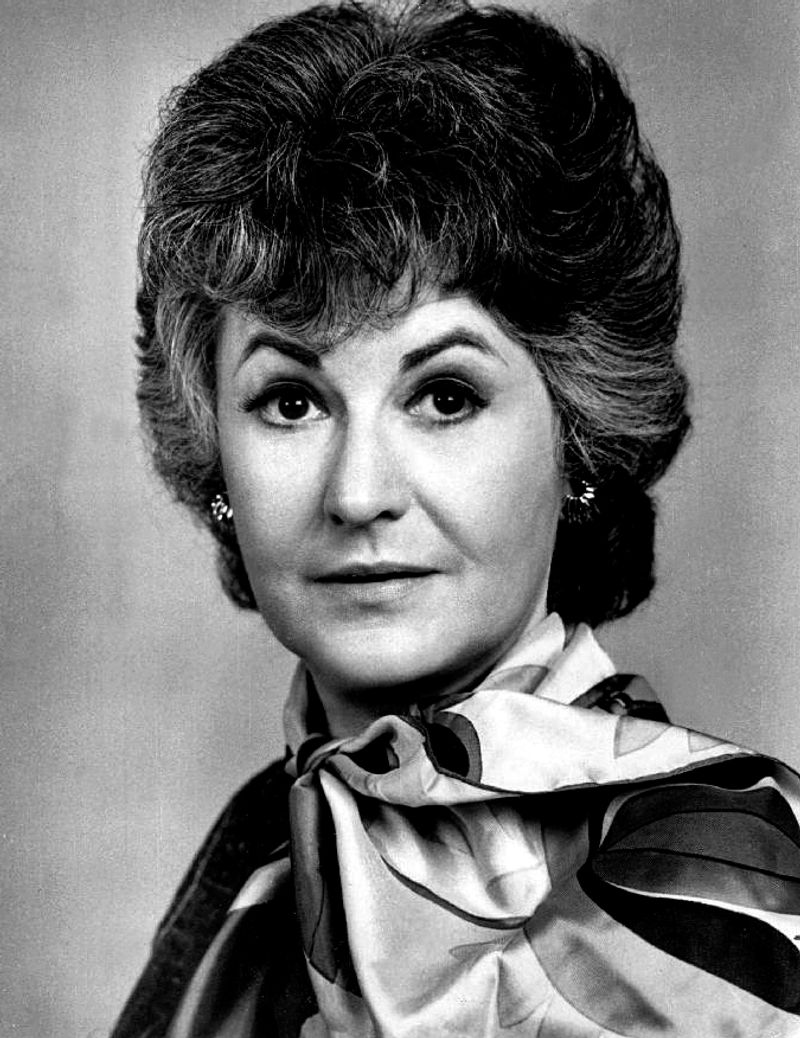
Standing nearly five feet ten with a deep, steady voice, Bea Arthur rarely blended into a scene. In 1973, she was at the center of one of TV’s boldest comedies.
Her role as Maude Findlay gave audiences a woman who argued, joked, and refused to back down. Earlier sitcom wives were often quiet supporters of their husbands.
Arthur’s dry timing turned simple lines into big laughs. A single raised eyebrow could do the job too.
Before television, she had built a strong stage career. She won a Tony Award in 1966 for the musical Mame.
Maude earned her an Emmy in 1977. Later, she found a new generation of fans on The Golden Girls.
Her career shows how the 1970s opened room on screen for women who were independent, outspoken, and unafraid of a debate.
Share this story