Living well in Europe doesn’t have to cost a fortune. While cities like Paris and London can drain your wallet fast, there are hidden gems across the continent where $1,000 a month can cover rent, food, fun, and more.
From Adriatic beach towns to Balkan mountain villages, these destinations offer real comfort without the big price tag. Whether you’re a retiree, a remote worker, or just someone craving a fresh start, these places are worth a serious look.
Durres, Albania
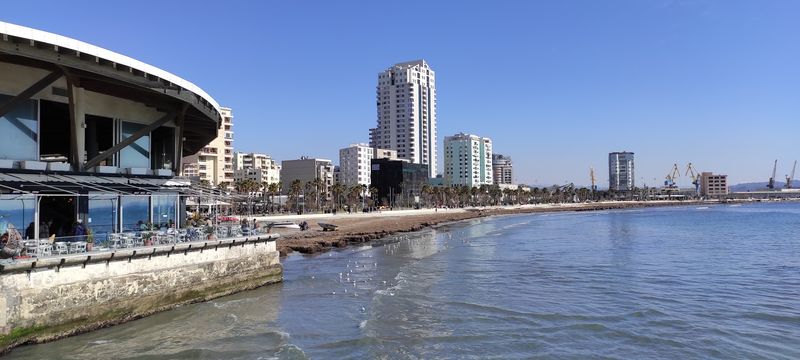
Forget everything you think you know about Albania, because Durres is quietly becoming one of Europe’s best-kept secrets for budget travelers and expats alike. This Adriatic port city sits just 33 kilometers from the capital, Tirana, yet feels like a world of its own.
Beaches, history, and fresh grilled seafood all come at prices that feel almost too good to be true.
Rent for a furnished one-bedroom apartment in Durres typically runs between $250 and $400 per month depending on the neighborhood. Groceries at local markets are incredibly cheap, and eating out at a restaurant rarely breaks $5 to $8 per meal.
Public transportation is reliable and costs almost nothing.
Durres also has a surprisingly lively social scene, with waterfront promenades, beach clubs, and Roman ruins right in the city. The local people are famously warm and welcoming toward foreigners.
Internet connectivity has improved dramatically in recent years, making it a workable base for remote workers. With smart budgeting, a comfortable monthly lifestyle here can land well under $800, leaving room to explore the rest of beautiful Albania on weekends.
Plovdiv, Bulgaria
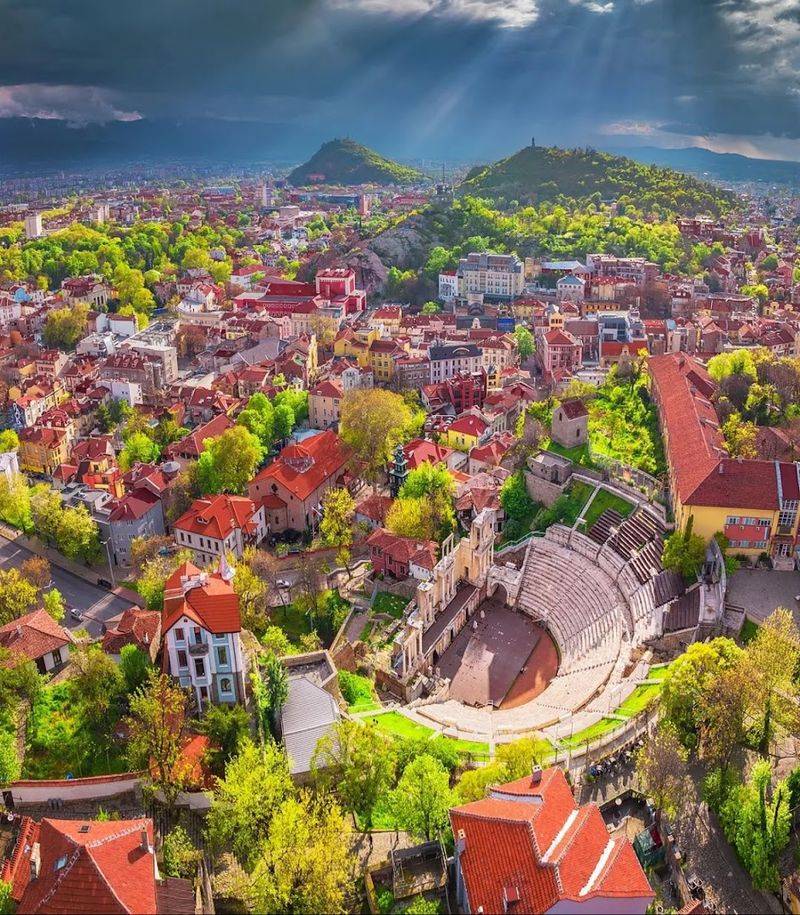
Walking through Plovdiv’s Old Town feels like stepping into a living museum, except the coffee is excellent and costs about $1.50. Officially recognized as one of Europe’s oldest continuously inhabited cities, Plovdiv carries thousands of years of history in its cobblestones.
Roman amphitheaters, Ottoman mosques, and pastel-colored Bulgarian Revival houses share the same hillside neighborhood without any fuss.
Bulgaria is one of the most affordable countries in the European Union, and Plovdiv is a fine example of that value. A one-bedroom apartment in a decent neighborhood typically costs between $300 and $450 per month.
Utilities, groceries, and local transport are all reasonably priced, leaving plenty of room in a $1,000 monthly budget for dining out and entertainment.
The city has a buzzing arts and café scene, especially around Kapana, the creative district full of galleries, craft beer bars, and street art. Plovdiv hosted the European Capital of Culture title in 2019 and hasn’t stopped celebrating since.
Healthcare is affordable, and the city has good transport links to Sofia and the coast. For anyone seeking a culturally rich European lifestyle without draining their savings, Plovdiv delivers on every front.
Iasi, Romania
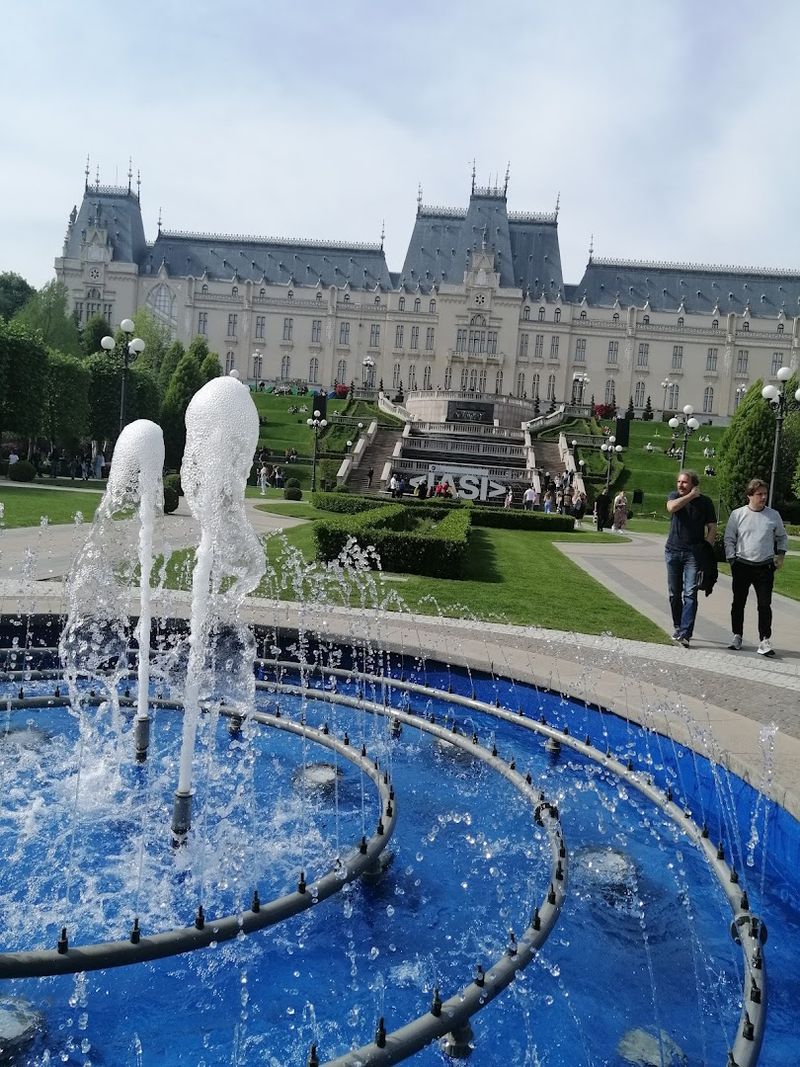
Romania’s intellectual capital, Iasi, is the kind of city that surprises people the moment they arrive. The grand boulevards, neo-Gothic palaces, and Orthodox churches give it a scale and elegance that feels far more expensive than it actually is.
With over five universities and a student population that keeps the city energetic year-round, there’s always something happening here.
Housing costs in Iasi remain very manageable. A furnished one-bedroom apartment close to the city center typically rents for between $280 and $420 per month.
Groceries are cheap, especially at the open-air markets where seasonal produce is both fresh and inexpensive. Eating a full hot meal at a local restaurant often costs less than $5.
Public transportation in Iasi is extensive and affordable, making a car completely unnecessary for most residents. The city also has solid healthcare facilities and a growing number of international residents who have discovered its charms.
Internet speeds are among the best in Europe, which is great news for remote workers. Romania as a whole consistently ranks among the continent’s best-value countries for long-term living, and Iasi offers a version of that deal with a generous side of architectural grandeur and cultural richness.
Nis, Serbia
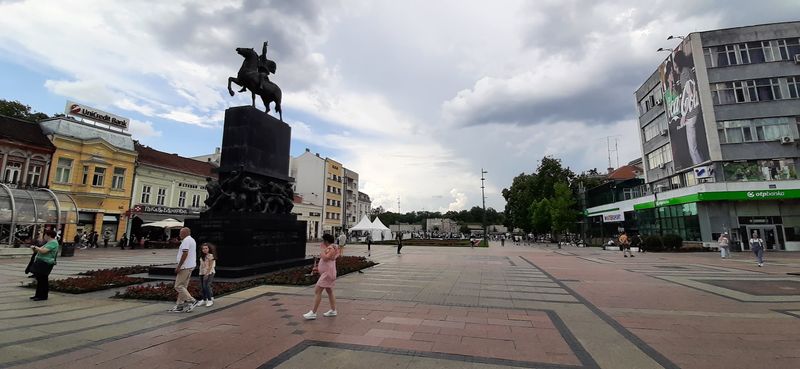
Serbia’s third-largest city has been around since before the Romans, and Nis has the ruins to prove it. Emperor Constantine the Great was born here, which is a fun fact to drop at dinner parties.
But beyond the ancient history, Nis is a modern, lively city with great food, friendly locals, and living costs that make most Western Europeans do a double take.
Monthly rent for a comfortable one-bedroom apartment in Nis ranges from about $200 to $350. Utilities are low, and the local food scene is hearty and affordable.
A proper sit-down meal at a local kafana, a traditional Serbian restaurant, typically costs between $4 and $7. Fresh produce, dairy, and meat at local markets are all very budget-friendly.
The city’s pedestrian zone, Obrenoviceva Street, is lined with cafes and shops and has a lively energy that rivals much larger European cities. Nis also has an international airport with budget airline connections across Europe, making it easy to travel without blowing the monthly budget.
Healthcare is accessible and reasonably priced. For expats who want a real European city experience with authentic culture and very low overhead, Nis is a genuinely excellent choice that rarely gets the recognition it deserves.
Sarajevo, Bosnia and Herzegovina
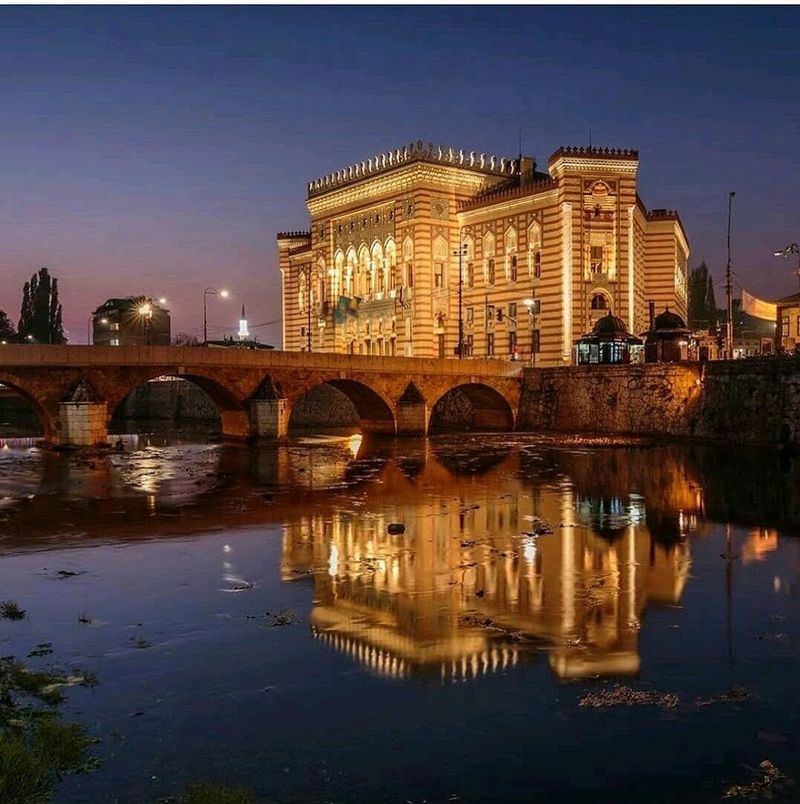
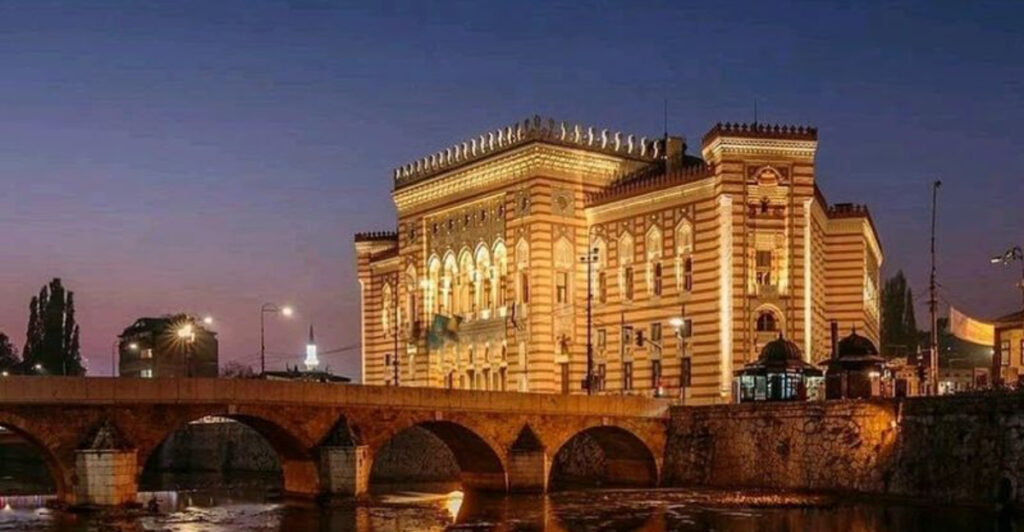
There are very few cities in the world where you can sip Turkish coffee next to a Ottoman-era fountain, then stroll past an Austro-Hungarian opera house two minutes later. Sarajevo is genuinely one of Europe’s most fascinating capitals, and it remains shockingly affordable for what it offers.
The mountain setting alone would justify the move for many people.
Rent in Sarajevo for a one-bedroom apartment is typically between $300 and $500 per month depending on the neighborhood. The Bascarsija old bazaar district is full of small restaurants and grills where a full meal rarely costs more than $5 to $8.
Local produce markets are well-stocked and inexpensive, and utilities tend to run low thanks to reasonable energy costs.
The city is surrounded by mountains that hosted the 1984 Winter Olympics, giving outdoor enthusiasts easy access to skiing, hiking, and nature without leaving the metro area. Internet infrastructure has improved significantly, and a growing community of expats and digital nomads has settled here in recent years.
Healthcare is accessible and affordable by European standards. Sarajevo rewards people who look past the typical tourist trail, offering a depth of culture, history, and genuine warmth that is hard to find anywhere else at this price point.
Skopje, North Macedonia
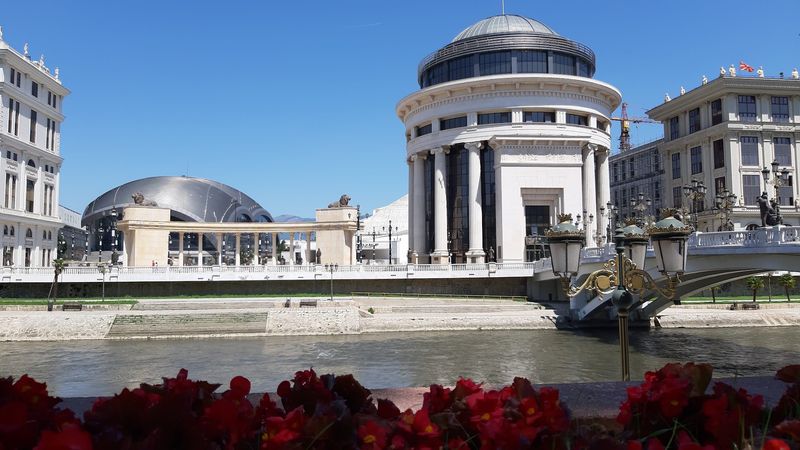
Skopje is perhaps the most theatrical capital city in the Balkans, with oversized statues, neoclassical fountains, and baroque-style government buildings that give the city center a slightly surreal but undeniably entertaining atmosphere. Love it or find it quirky, the city is hard to ignore.
And with some of the lowest living costs in Europe, it’s even harder to dismiss.
A one-bedroom apartment in Skopje typically rents for between $200 and $350 per month, making it one of the most affordable capital cities on the continent. Groceries are cheap, public transportation costs almost nothing, and dining at local restaurants rarely exceeds $5 to $6 per meal.
Internet is fast and widely available.
Beyond the city center spectacle, Skopje has a genuinely charming Old Bazaar district full of craftsmen’s shops, mosques, and traditional tea houses. The surrounding mountains are accessible within 30 minutes by car, offering hiking in summer and skiing in winter.
Healthcare costs are low, and the city has a growing expat community that keeps social life interesting. North Macedonia is not an EU member, which means fewer bureaucratic hurdles for some foreign residents.
For those who want to stretch every dollar as far as possible while living in a real European capital, Skopje delivers.
Ohrid, North Macedonia
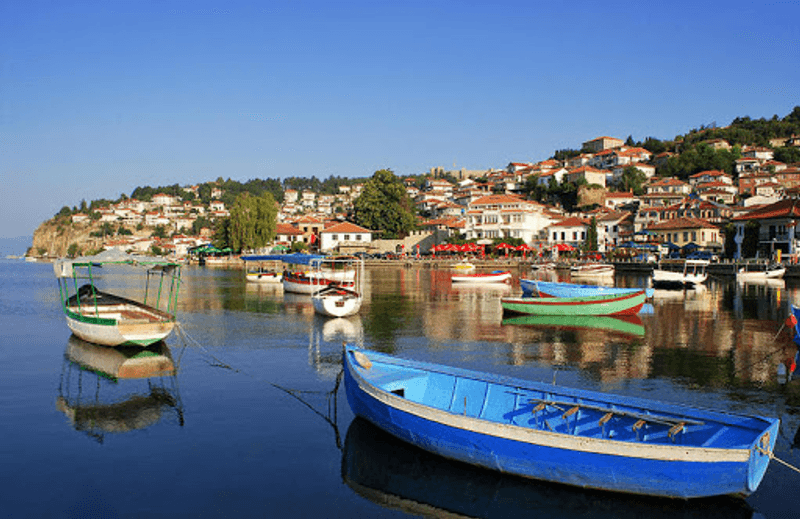
Imagine waking up every morning to a lake so clear you can see the bottom from 20 meters up. That’s daily life in Ohrid, a small historic town on the shores of one of Europe’s oldest and deepest lakes.
UNESCO has recognized both the lake and the town, meaning Ohrid carries a kind of cultural and natural prestige that its modest price tag simply does not reflect.
Housing here is very affordable. A furnished one-bedroom apartment typically costs between $180 and $300 per month, and many properties come with lake or mountain views at no extra charge.
Local restaurants serve fresh lake trout and traditional Macedonian dishes for just a few dollars per meal. Groceries from the weekly market are fresh and inexpensive.
Ohrid is a quieter lifestyle choice compared to a capital city, which suits retirees and remote workers perfectly. The town has reliable internet, and the slower pace of life is a genuine feature rather than a drawback.
Summers bring tourists and a lively festival atmosphere, while winters are calm and peaceful. The surrounding area offers hiking trails, ancient monasteries, and beaches along the lake shore.
For anyone dreaming of a slow, scenic European life on a tight budget, Ohrid is hard to beat.
Tbilisi, Georgia
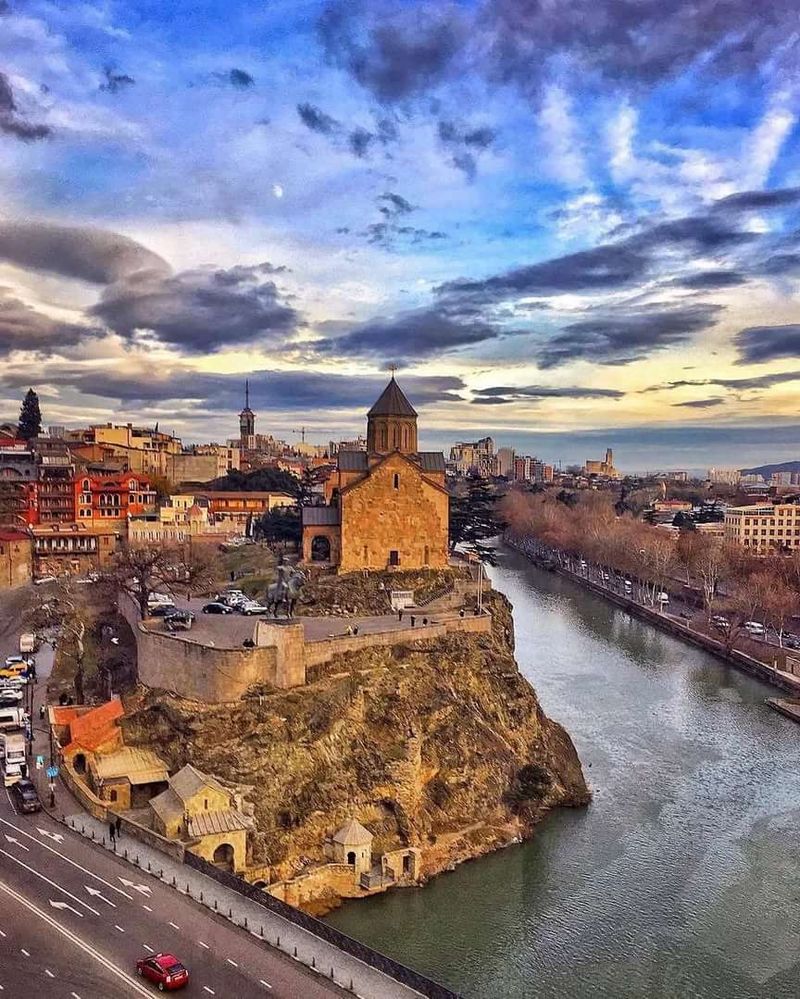
Tbilisi sits at the meeting point of Europe and Asia, and the city’s food, architecture, and culture reflect that glorious mashup in the most delicious ways possible. Georgian cuisine alone is worth relocating for, with dishes like khinkali dumplings and khachapuri cheese bread costing almost nothing at local spots.
The wine culture here is ancient, natural, and wonderfully affordable.
Monthly rent for a one-bedroom apartment in Tbilisi ranges from about $300 to $500 depending on the neighborhood and whether it’s in the trendy old town or a quieter residential area. Groceries and dining out are very budget-friendly, and a $1,000 monthly budget leaves room for comfortable living plus occasional travel.
Utilities are low, and the city has excellent mobile internet coverage.
Georgia introduced a very welcoming policy allowing many nationalities to stay for up to a year without a visa, which has made Tbilisi a magnet for remote workers and long-term travelers from around the world. The expat community is large, vibrant, and well-organized.
The city has a buzzing nightlife scene, fantastic hiking nearby in the Caucasus Mountains, and some of the most gorgeous medieval churches in the world. It’s not technically in the EU, but for many people, Tbilisi simply feels like one of Europe’s best cities.
Braila, Romania
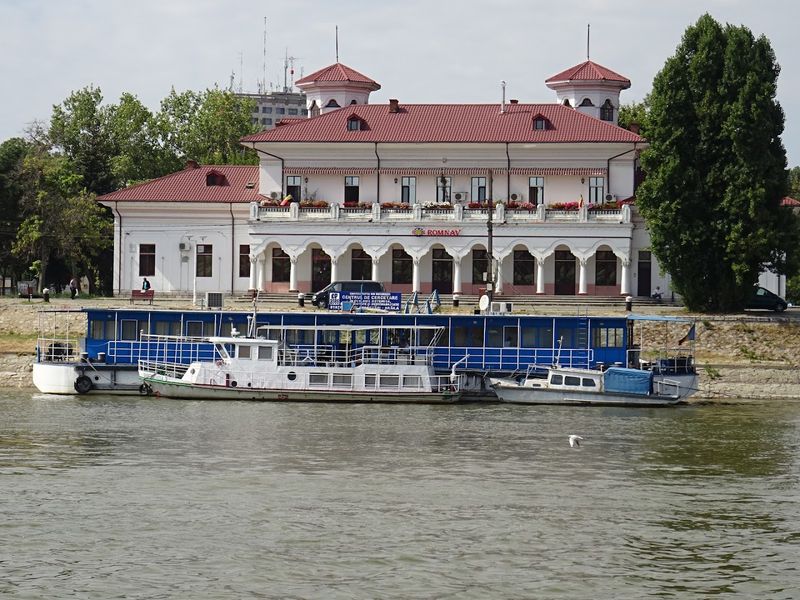
Not every affordable European gem needs to be a capital or a tourist hotspot. Braila proves that point quietly and confidently from its spot on the banks of the Danube.
This Romanian port city has elegant 19th-century architecture, wide tree-lined boulevards, and a relaxed rhythm of daily life that makes it genuinely appealing for retirees and anyone seeking calm over chaos.
Housing in Braila is among the most affordable in Romania. A one-bedroom apartment typically rents for between $150 and $280 per month, and utilities are low.
Groceries are inexpensive, especially at the local markets where seasonal vegetables, dairy, and meat are sold fresh at very reasonable prices. Full meals at local restaurants cost just a few dollars.
The city has a small but charming historic center with parks, cafes, and a riverside promenade that fills with locals on warm evenings. Healthcare facilities are available, and public transport covers the city well.
Braila is not far from the Danube Delta, one of Europe’s most spectacular natural reserves and a UNESCO World Heritage Site, making weekend adventures easy and rewarding. For remote workers or retirees who want extremely low costs combined with genuine Romanian culture and a peaceful quality of life, Braila is a wonderfully underrated option.
Murska Sobota, Slovenia
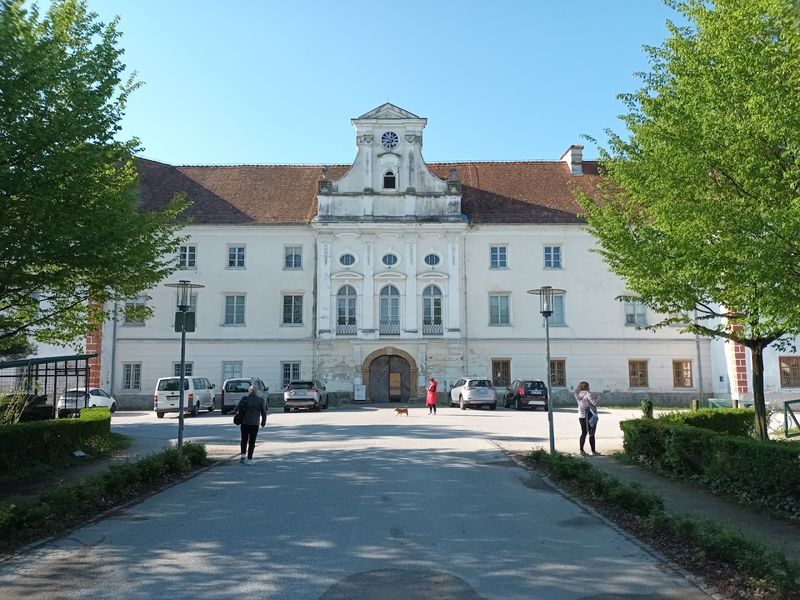
Slovenia tends to get overlooked in budget travel conversations because it sits beside Croatia and Austria, both of which attract more attention. But in the country’s northeastern corner, Murska Sobota quietly offers something the rest of Slovenia rarely does: genuinely affordable everyday living.
It’s the kind of town where neighbors still say hello and the pace of life feels genuinely human.
Rent for a one-bedroom apartment in Murska Sobota can be as low as $300 to $420 per month, which is quite remarkable for an EU country with Slovenia’s standard of infrastructure. Groceries are more expensive than in the Balkans but still reasonable, and the town has all the services and amenities needed for comfortable daily life.
Public transportation connects the town to larger cities.
The surrounding Prekmurje region is known for its thermal spas, cycling paths, and flat countryside that stretches toward Hungary and Austria. Cross-border shopping is easy and often cheaper, and the area has a distinct local culture with its own traditional food and dialect.
Healthcare meets EU standards, and the overall quality of infrastructure is high. For expats who want to live in a proper EU country with good services and low stress, but without the premium prices of Ljubljana or the coast, Murska Sobota is a practical and genuinely pleasant choice.
Burgas, Bulgaria
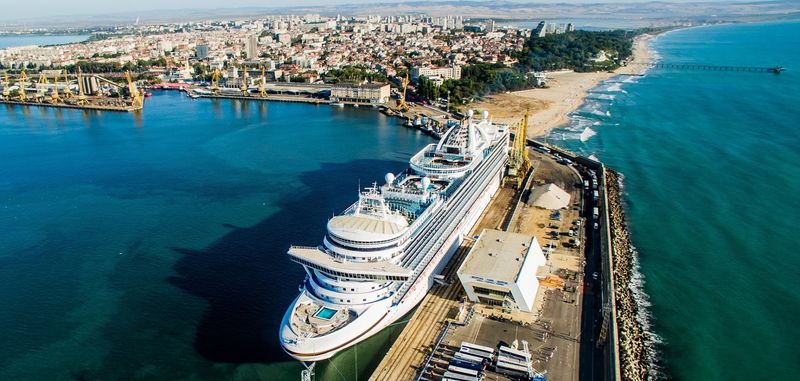
Beach life in an EU country for under $1,000 a month sounds like a fantasy, but Burgas makes it entirely possible. Bulgaria’s fourth-largest city sits right on the Black Sea coast, and its long sandy beaches, urban parks, and mild climate make it a genuinely enjoyable place to live rather than just visit.
The fact that it’s in the European Union adds a layer of stability and infrastructure that matters for long-term residents.
Rent in Burgas for a one-bedroom apartment typically ranges from $280 to $420 per month. Groceries are affordable, and eating out at local restaurants is very budget-friendly, with most meals costing between $4 and $8.
The city has reliable public transportation, and healthcare costs are low compared to most of Western Europe.
Burgas has a relaxed, unpretentious personality that sets it apart from Bulgaria’s more tourist-heavy Black Sea resorts. The Sea Garden park is one of the most pleasant urban green spaces in the country, stretching along the entire waterfront.
The city also has an active cultural calendar, with music festivals and events running throughout the summer. For remote workers who want fast internet, warm summers, sandy beaches, and EU residency benefits without paying Western European prices, Burgas is a very smart place to land.
Bansko, Bulgaria
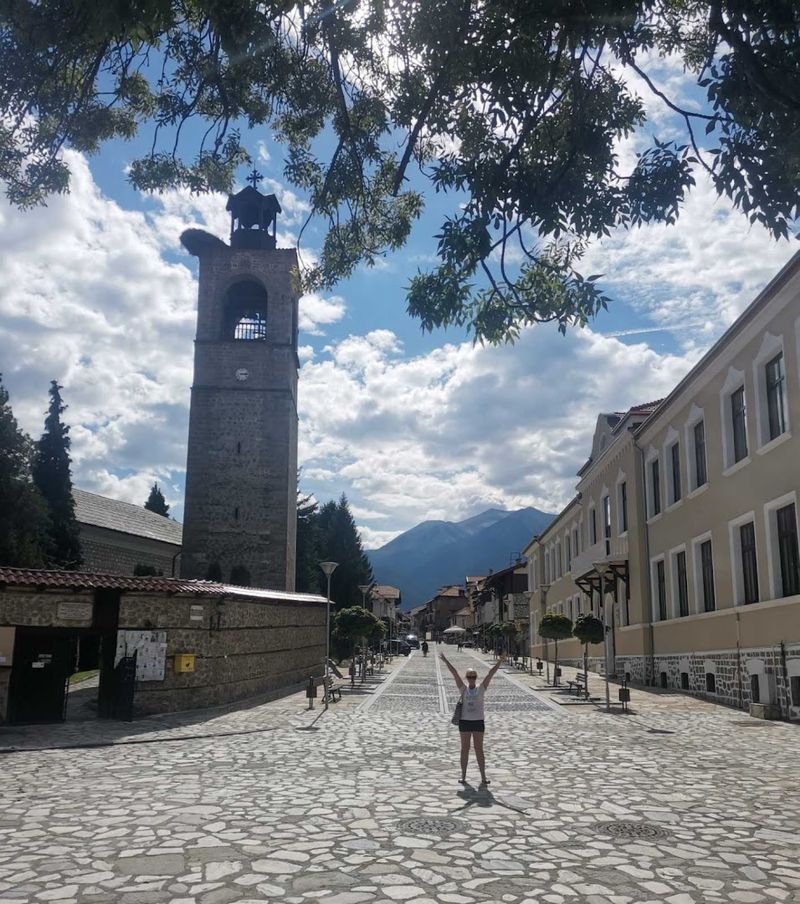
Bansko has two very distinct personalities: a ski resort town in winter and a digital nomad hub practically year-round. The mountain air is crisp, the scenery is spectacular, and the monthly cost of living is low enough that many remote workers have made it their semi-permanent base.
The town was one of the first in Eastern Europe to develop a real coworking culture, and that community has only grown stronger since.
Rent for a one-bedroom apartment in Bansko typically runs between $250 and $400 per month, and many apartments include modern furnishings and fast internet connections already set up. Groceries are affordable, and the town has a good mix of traditional Bulgarian restaurants and international cafes catering to the expat crowd.
Ski passes during the winter season are reasonably priced compared to Alpine resorts.
Outside ski season, Bansko transforms into a hiking and mountain biking destination with trails leading through Pirin National Park, a UNESCO World Heritage Site. The town has a charming old quarter with stone-cobbled streets and traditional mehana taverns serving hearty Bulgarian food.
Healthcare is accessible in nearby Blagoevgrad. For anyone who wants mountain living, a social expat community, outdoor adventure, and a reliable budget under $1,000 per month, Bansko ticks every box with impressive consistency.
Pecs, Hungary
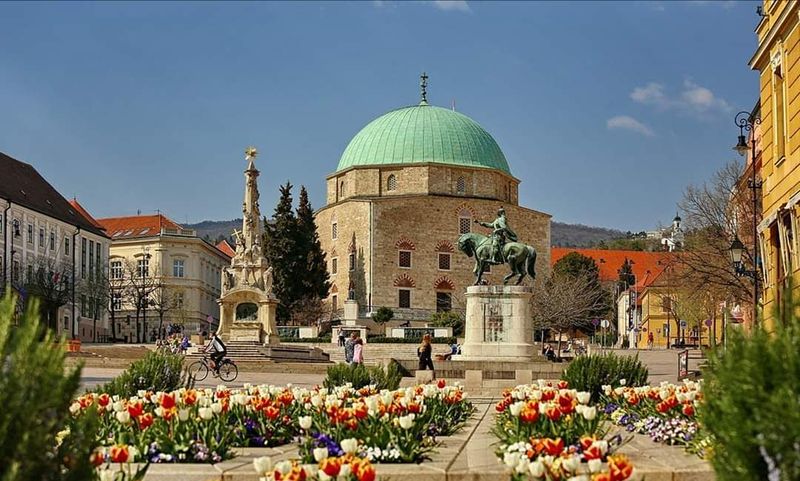
Pecs has a secret that Budapest residents would rather keep to themselves: it offers much of what makes Hungary special at a fraction of the capital’s cost. Situated in southern Hungary near the Croatian border, Pecs enjoys more sunshine hours than almost anywhere else in the country, which gives it a Mediterranean mood that feels a little unexpected this far north.
The city is genuinely pretty and packed with history.
Monthly rent for a one-bedroom apartment in Pecs typically falls between $280 and $420. Groceries and utilities are affordable, and the city’s university population keeps the restaurant and cafe scene lively and competitively priced.
A full sit-down meal at a local restaurant often costs between $5 and $9. Public transportation is reliable and inexpensive.
Pecs has Roman catacombs, an early Christian UNESCO World Heritage Site, Ottoman mosques repurposed as churches, and a lively arts scene centered around its universities and cultural institutions. The compact city center is very walkable, and everything from museums to markets is close at hand.
Hungary uses the forint rather than the euro, which can work in a resident’s favor depending on exchange rates. For budget-conscious expats who want a real Hungarian city with personality, culture, and affordability, Pecs is a thoroughly satisfying alternative to Budapest.
Coimbra, Portugal
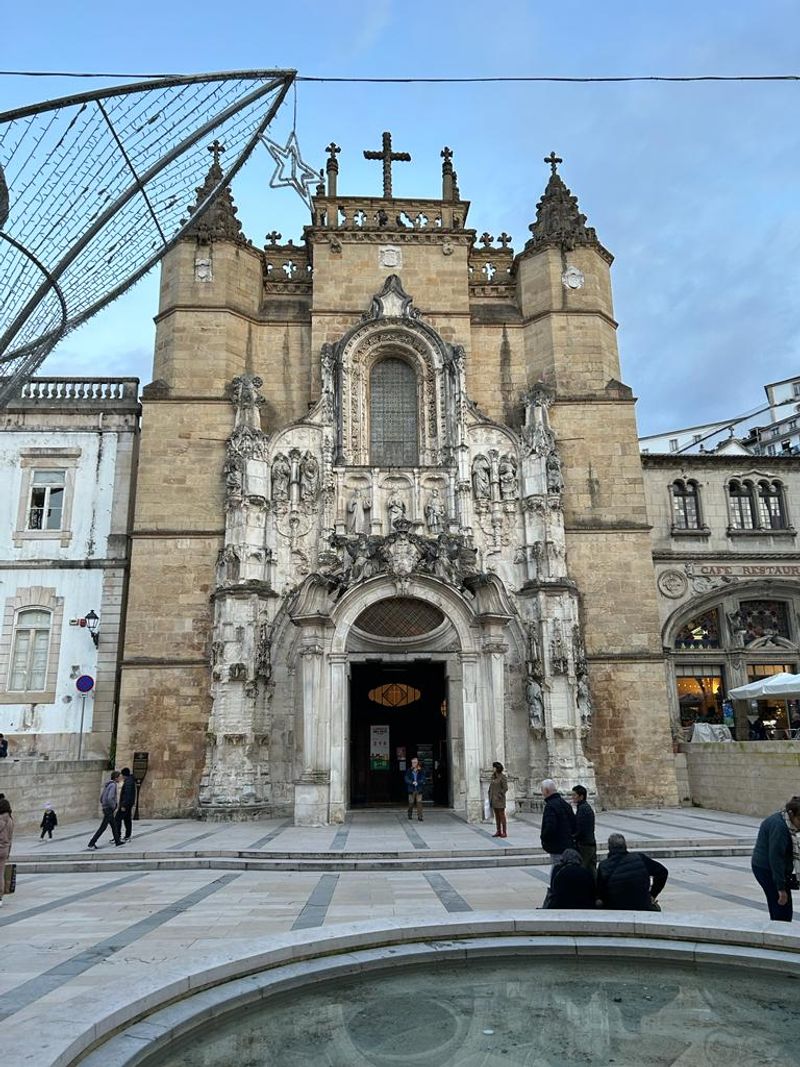
Portugal is not the cheapest country in Europe, but Coimbra is the kind of city that rewards people willing to live like a local rather than a tourist. Home to one of the oldest universities in the world, founded in 1290, Coimbra has an academic energy that keeps the streets lively, the cafes buzzing, and the cultural scene far more active than a mid-sized city would normally sustain.
Reaching $1,000 per month in Coimbra requires discipline, especially with Portugal’s rising rents in recent years. A one-bedroom apartment outside the city center typically rents for between $500 and $650.
Groceries at local markets and discount supermarkets like Lidl and Aldi help keep food costs manageable, and cooking at home is essential for staying on budget. Eating out occasionally at student-oriented restaurants is still affordable.
Coimbra’s historic upper town, home to the university library considered one of the most beautiful in the world, is a joy to explore. The city sits along the Mondego River and has good train connections to Lisbon and Porto without the price tags those cities now carry.
Fado music, specifically a melancholic Coimbra style distinct from Lisbon’s, fills the old town on warm evenings. For those committed to making Portugal work on a tight budget, Coimbra remains one of the most realistic and rewarding options available.
Share this story