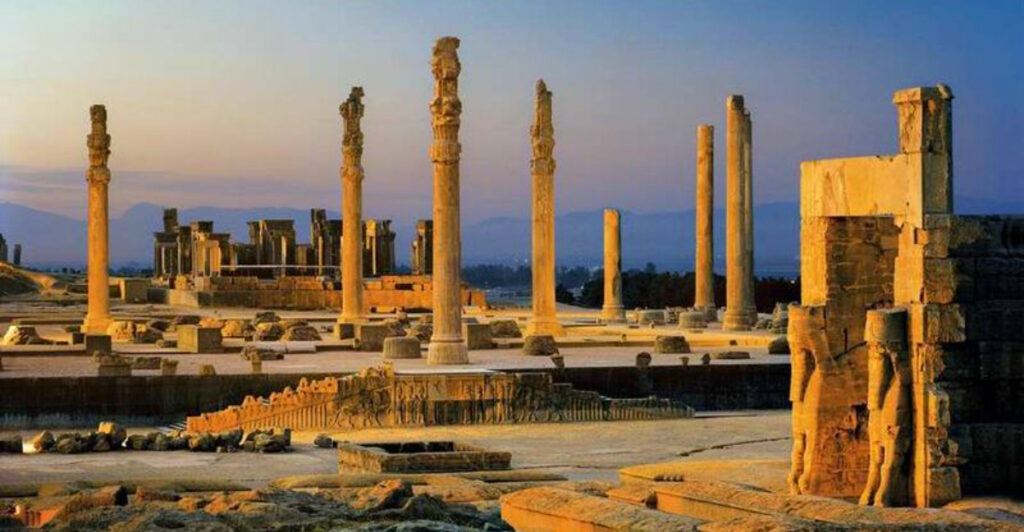
Some of the world’s most remote and quiet places were once home to thousands of people living full, complex lives. Ancient cities rose up, thrived for centuries, and then faded away, leaving behind incredible ruins that still stand today.
From dense jungles to desert cliffs, these locations tell stories of human ambition, creativity, and resilience. Exploring them gives us a window into civilizations that shaped the world long before modern history began.
1. Machu Picchu, Peru
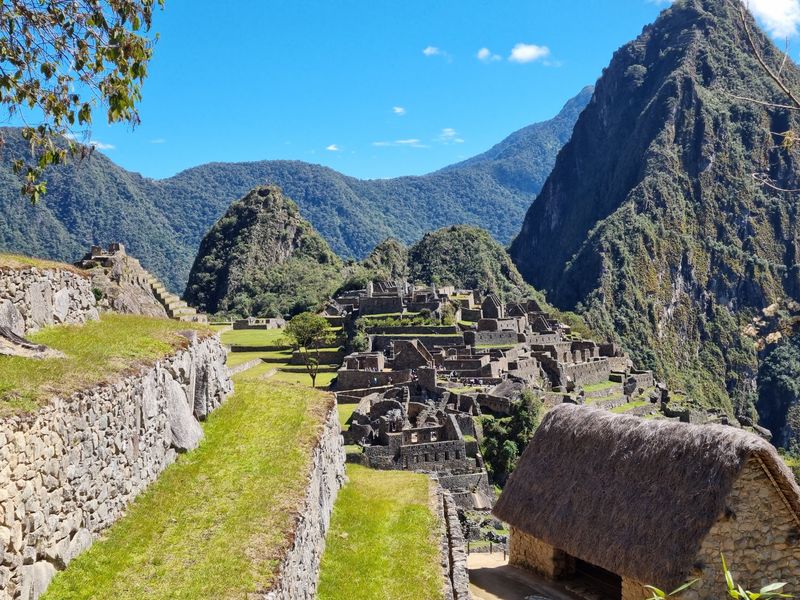
Perched more than 7,900 feet above sea level in the Andes Mountains, Machu Picchu is one of the most breathtaking archaeological sites on Earth. Built by the Inca civilization around 1450 AD, this mountain citadel housed temples, terraces, and homes for hundreds of people.
It was abandoned just over a century later, likely due to the Spanish conquest.
Rediscovered by American historian Hiram Bingham in 1911, Machu Picchu quickly became a symbol of Incan engineering brilliance. The stone structures were built without mortar yet have survived earthquakes for over 500 years.
Researchers believe it served as a royal estate or religious retreat for Incan emperors.
Today, it is a UNESCO World Heritage Site and one of the Seven Wonders of the Modern World. Visitors travel from every corner of the globe to walk its ancient terraces and marvel at what human hands once built.
2. Petra, Jordan
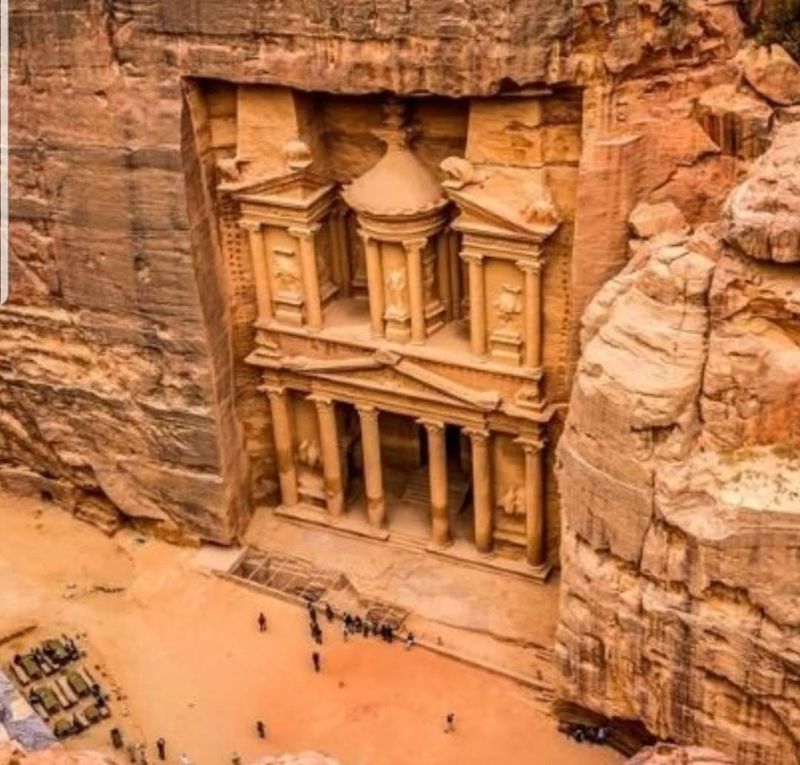
Carved directly into rose-red sandstone cliffs in southern Jordan, Petra was once the thriving capital of the Nabataean Kingdom. At its peak around 100 AD, the city was home to roughly 20,000 people and served as a major trading hub connecting Arabia, Egypt, and the Mediterranean world.
Merchants carrying spices, silk, and incense passed through its narrow canyon entrance every day.
The most iconic structure is Al-Khazneh, known as the Treasury, a towering facade chiseled into solid rock with stunning detail. Beyond it lies an entire city of tombs, temples, and colonnaded streets hidden within the cliffs.
The Nabataeans were also brilliant engineers who built an advanced water management system to survive in the desert.
Petra was largely forgotten by the Western world until Swiss explorer Johann Ludwig Burckhardt rediscovered it in 1812. Today it draws over a million visitors annually and remains Jordan’s most visited archaeological treasure.
3. Angkor, Cambodia
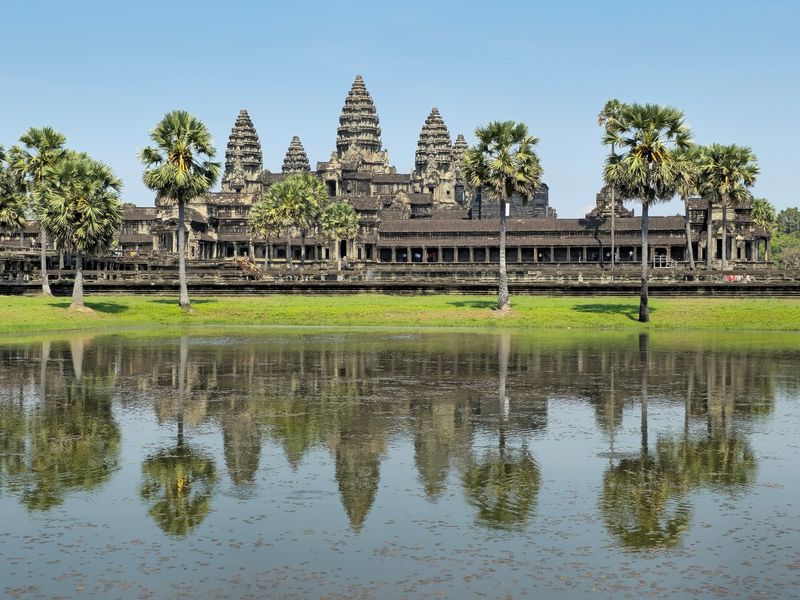
At its height in the 12th century, Angkor was one of the largest pre-industrial cities in the world, home to nearly one million people. The Khmer Empire built this extraordinary capital in what is now northwestern Cambodia, filling it with elaborate temples, reservoirs, and roads stretching across hundreds of square miles.
Angkor Wat, the centerpiece, remains the largest religious monument ever constructed.
The city was built to honor the Hindu god Vishnu, though it later became a Buddhist site. Its massive stone carvings depict mythological scenes, royal ceremonies, and everyday life with remarkable detail.
Researchers have used satellite imaging to uncover just how vast and complex the urban network truly was.
By the 15th century, Angkor had been largely abandoned, possibly due to drought, warfare, and the rise of new trade routes. The jungle slowly swallowed much of it, but what remains is absolutely extraordinary and deeply humbling to stand before.
4. Tikal, Guatemala
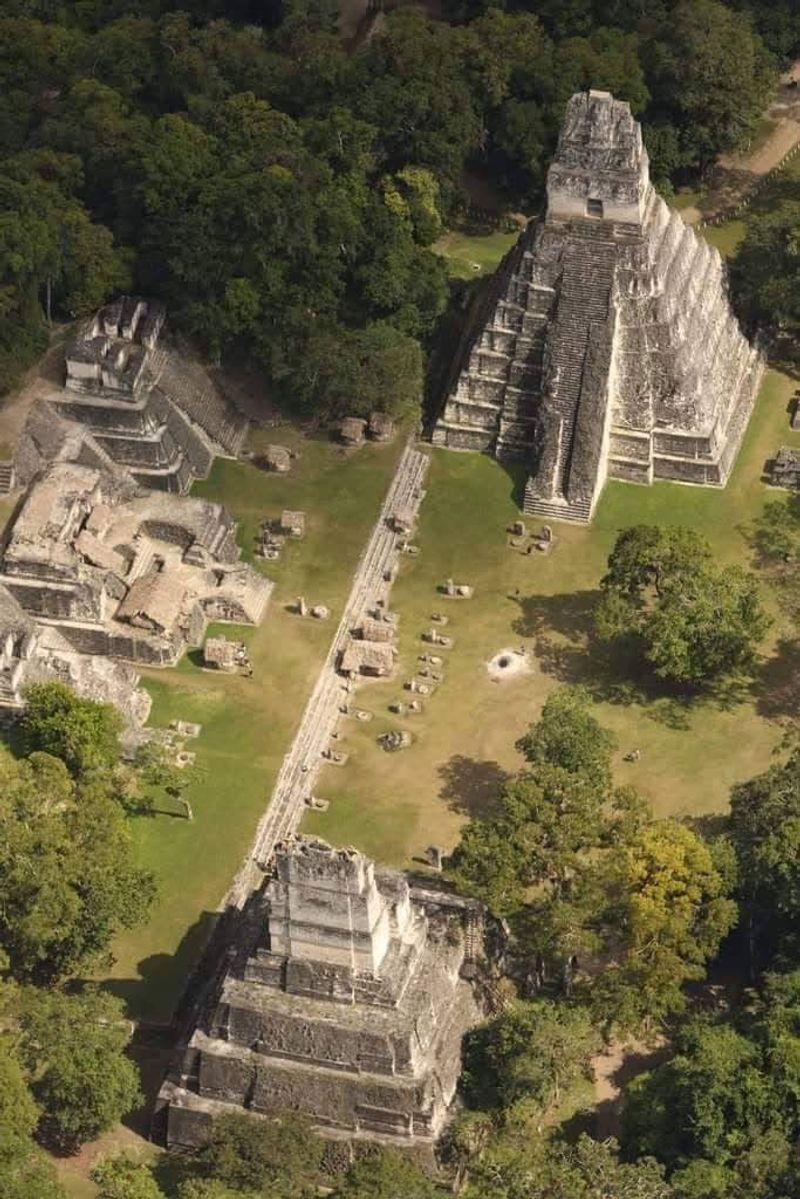
Deep in the Guatemalan rainforest, Tikal stands as one of the most powerful cities of the ancient Maya world. At its peak between 200 and 900 AD, the city was home to roughly 100,000 people and featured massive stone pyramids, royal palaces, and sprawling plazas.
Temple IV, the tallest structure, rises over 230 feet above the jungle floor.
Tikal was a political and military powerhouse, competing fiercely with other Maya city-states like Calakmul. Its rulers commissioned grand monuments and elaborate hieroglyphic inscriptions to celebrate their victories and divine authority.
Thousands of structures have been found here, though many remain buried under centuries of jungle growth.
Mysteriously, Tikal was largely abandoned by around 900 AD, part of the broader Classic Maya Collapse. Scholars still debate the exact causes, pointing to drought, warfare, and political breakdown.
Today it is a UNESCO World Heritage Site and one of Central America’s most visited archaeological wonders.
5. Great Zimbabwe, Zimbabwe
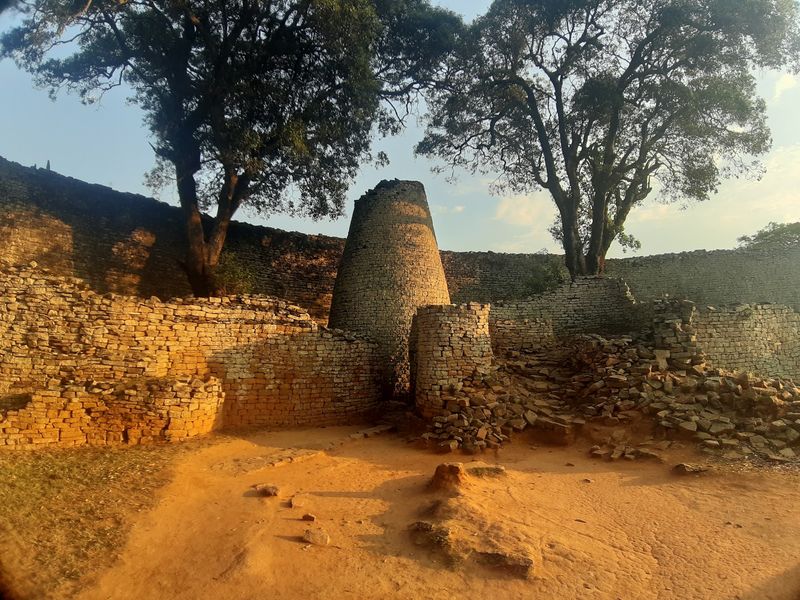
Great Zimbabwe is the largest ancient stone structure in sub-Saharan Africa, and it tells a story that many people in the Western world are only beginning to learn. Built between the 11th and 15th centuries by the ancestors of the Shona people, this city once housed up to 18,000 residents at its peak.
Its name literally means “great stone houses” in the Shona language.
The site is made up of three main areas: the Hill Complex, the Great Enclosure, and the Valley Ruins. The Great Enclosure features walls up to 36 feet tall, built without a single drop of mortar.
The precision and scale of the construction reflect advanced planning and skilled craftsmanship that rivaled anything happening in Europe at the time.
Great Zimbabwe was the capital of a wealthy kingdom that traded gold and ivory with merchants from as far away as China and Persia. Its decline around 1450 AD is linked to environmental strain and shifting trade routes.
6. Chichen Itza, Mexico
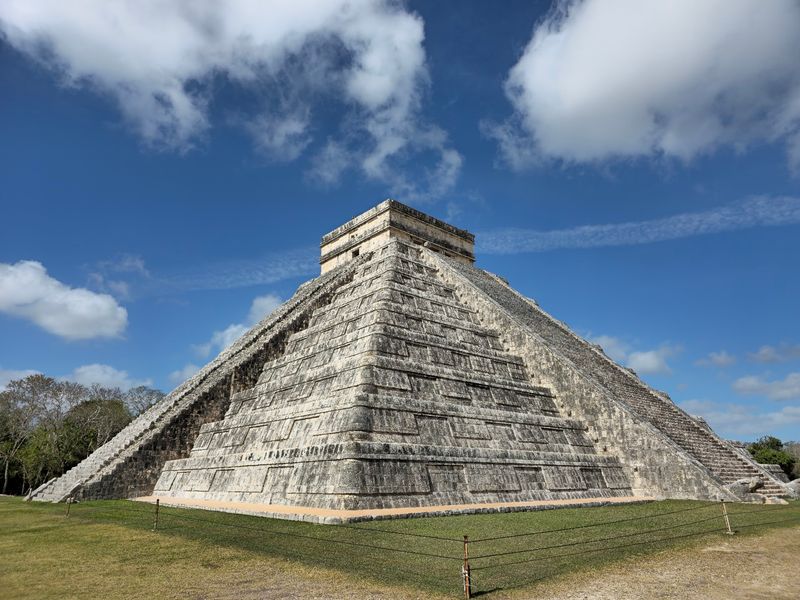
Few ancient sites in the Americas carry the same dramatic presence as Chichen Itza. Located on the Yucatan Peninsula in Mexico, this Maya city thrived between roughly 600 and 1200 AD and served as one of the most powerful urban centers in all of Mesoamerica.
At its height, tens of thousands of people called it home.
The city’s most famous structure is El Castillo, a stepped pyramid also known as the Temple of Kukulcan. Twice a year, during the spring and autumn equinoxes, sunlight creates a shadow that looks like a feathered serpent slithering down the staircase.
This was no accident. The Maya were gifted astronomers who built their architecture around celestial events.
Chichen Itza also features a large ball court, an observatory, and a sacred cenote where offerings were made to the gods. Declared a UNESCO World Heritage Site in 1988, it now attracts more than two million visitors each year, making it Mexico’s most visited archaeological zone.
7. Mesa Verde, United States
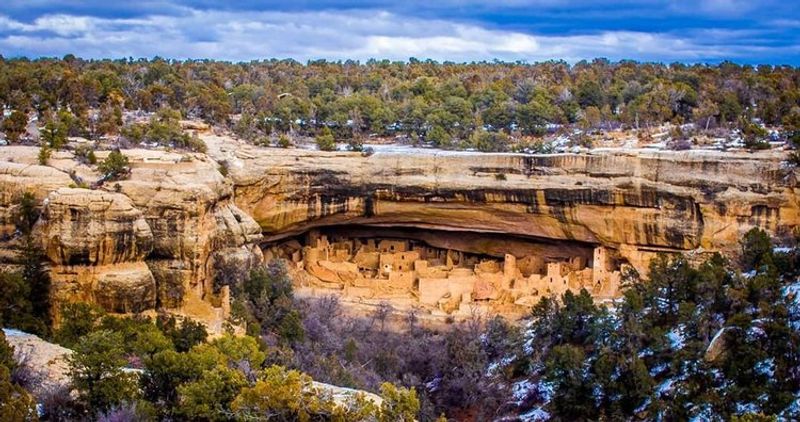
Tucked into the sandstone cliffs of southwestern Colorado, Mesa Verde is one of North America’s most remarkable archaeological sites. The Ancestral Puebloans, sometimes called the Anasazi, began building their famous cliff dwellings here around 1190 AD.
Within just a few generations, they constructed over 600 cliff dwellings, including the breathtaking Cliff Palace, which contains 150 rooms and 23 underground ceremonial chambers called kivas.
Why did they build into the cliffs? Researchers believe the location offered protection from enemies and harsh weather.
The overhanging rock sheltered the structures from rain and snow, and the high position gave residents a strategic view of the surrounding landscape. Life here was highly organized, with shared spaces for cooking, storage, and community gatherings.
By around 1300 AD, the entire population had left, possibly driven out by a severe drought. Mesa Verde became a national park in 1906, making it the first U.S. park created specifically to protect ancient human works.
8. Hampi, India
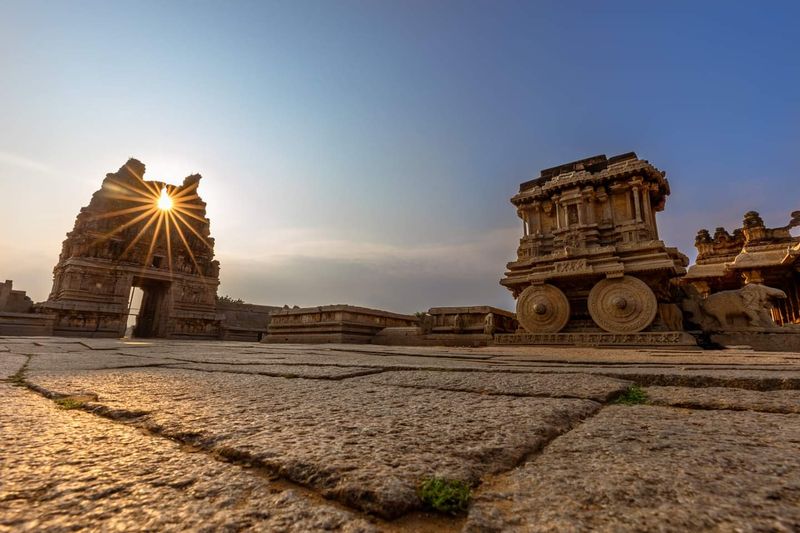
Scattered across a surreal landscape of giant boulders and banana plantations in southern India, Hampi was once one of the richest cities in the world. From the 14th to the 16th century, it served as the capital of the Vijayanagara Empire, which at its peak was home to half a million people, making it the second largest city on Earth at the time.
Travelers who visited Hampi during its golden age described streets lined with jewels, silk merchants, and spice traders from across Asia and Europe. The city’s rulers were great patrons of art, literature, and temple architecture.
The Virupaksha Temple, still active today, has been a place of worship for over 1,300 years.
In 1565, a coalition of neighboring sultanates defeated the Vijayanagara army and razed the city. What had taken centuries to build was destroyed in just six months.
Today, Hampi’s ruins stretch across 26 square miles and are recognized as a UNESCO World Heritage Site.
9. Ani, Turkey
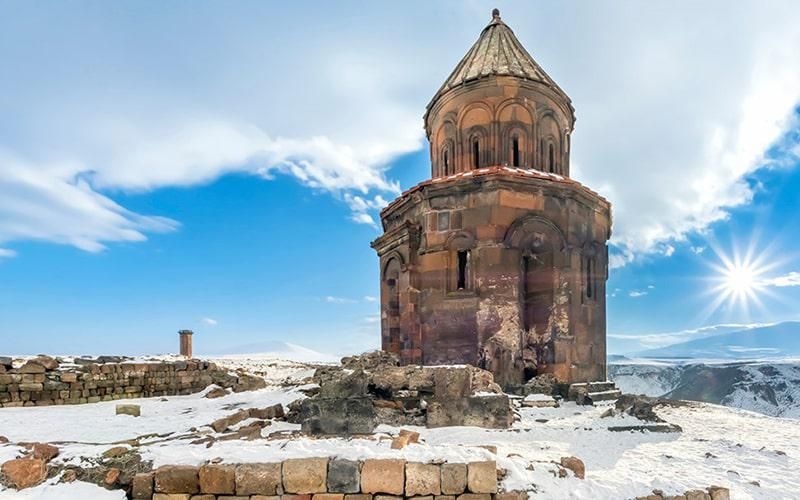
Standing on a windswept plateau near the Turkish-Armenian border, Ani is a ghost city that once rivaled Constantinople in size and splendor. During the 10th and 11th centuries, it served as the capital of the Bagratid Armenian Kingdom and was home to around 100,000 people.
Its skyline was once filled with grand churches, mosques, palaces, and a cathedral that still partially stands today.
Ani sat at the crossroads of major trade routes, attracting merchants, scholars, and craftspeople from across the medieval world. The city’s architecture blended Armenian, Byzantine, and Islamic styles in ways that were genuinely ahead of their time.
Its famous double city walls were considered nearly impenetrable.
A series of earthquakes, Mongol invasions, and shifting trade routes gradually emptied the city by the 14th century. Today the ruins sit largely undisturbed on the plateau, slowly crumbling but still hauntingly beautiful.
Ani became a UNESCO World Heritage Site in 2016.
10. Palmyra, Syria
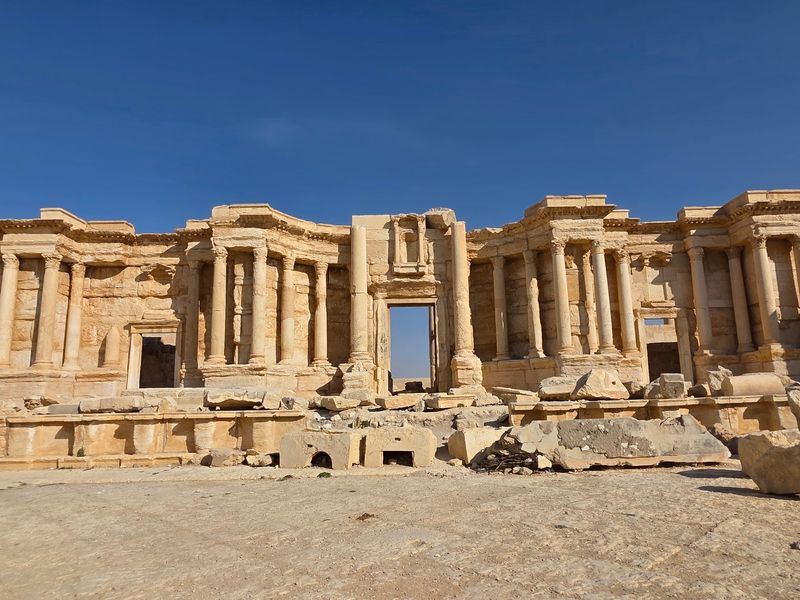
Rising out of the Syrian desert like a mirage, Palmyra was one of the ancient world’s most important trading cities. Known as the “Bride of the Desert,” it flourished from the 1st to the 3rd century AD as a vital stop on the Silk Road connecting Rome with Persia and China.
At its height, it was home to roughly 200,000 people from dozens of different cultures and backgrounds.
The city’s most famous ruler was Queen Zenobia, who in the 3rd century AD boldly challenged Roman authority and briefly carved out her own empire across much of the Middle East and Egypt. Rome eventually crushed her rebellion, but her story remains one of history’s most remarkable tales of ambition and courage.
Palmyra’s grand temples, colonnaded streets, and elaborate tombs made it a jewel of the ancient world. Sadly, the site suffered severe damage during the Syrian conflict in 2015 and 2016.
Restoration efforts are ongoing, though the losses were devastating and irreplaceable.
11. Leptis Magna, Libya
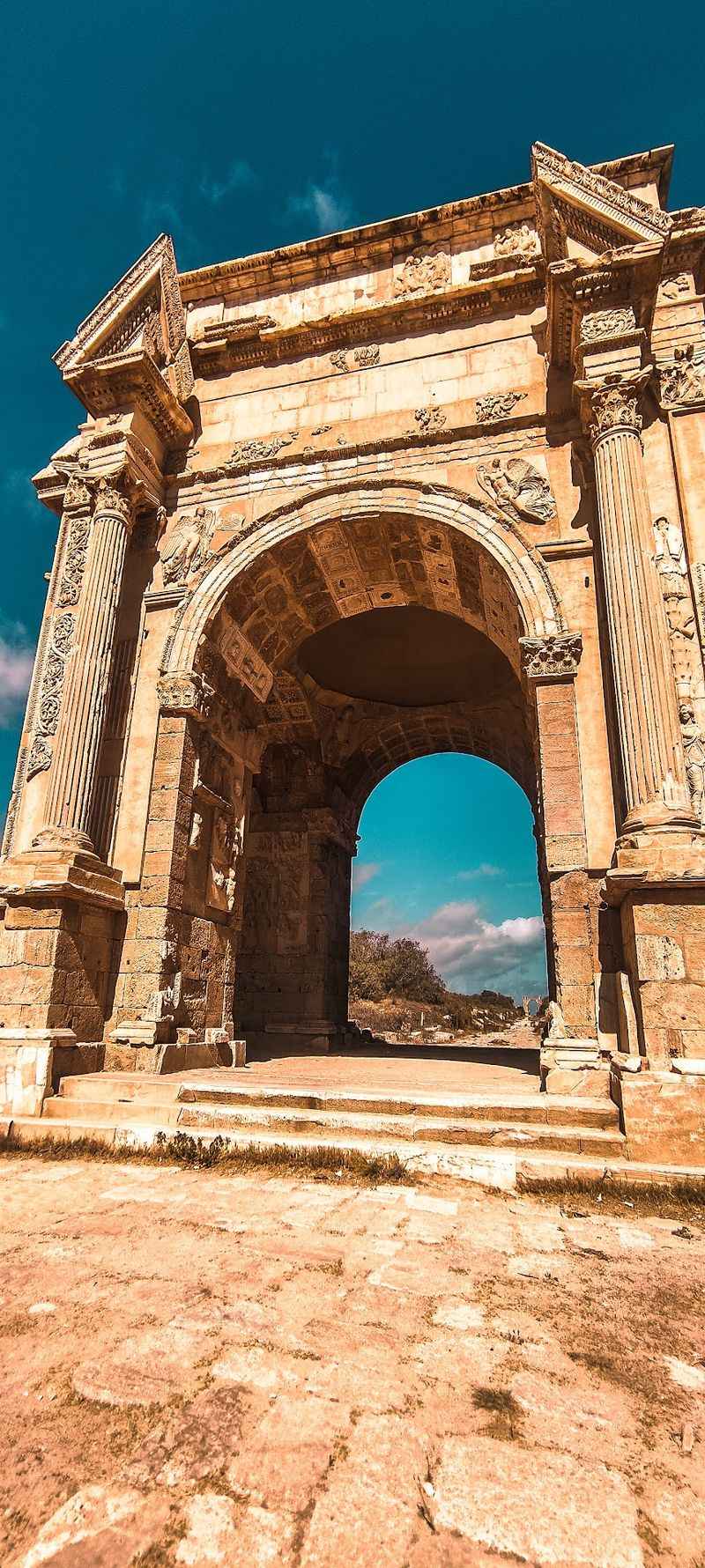
Along the Mediterranean coast of modern-day Libya lie the remarkably well-preserved ruins of Leptis Magna, once one of the most magnificent cities in the entire Roman Empire. Founded by the Phoenicians and later absorbed into Rome, the city reached its golden age in the 2nd and 3rd centuries AD under Emperor Septimius Severus, who was born there.
Severus poured enormous resources into beautifying his hometown, commissioning grand arches, a new harbor, sprawling baths, and a massive forum lined with marble columns. At its peak, Leptis Magna was home to around 80,000 people and rivaled Carthage and Alexandria as a center of North African culture and commerce.
After the fall of the Roman Empire, the city declined rapidly and was eventually buried under desert sand, which ironically helped preserve many of its structures. Rediscovered in the 20th century, Leptis Magna is now a UNESCO World Heritage Site and considered one of the best-preserved Roman cities anywhere in the world.
12. Carthage, Tunisia
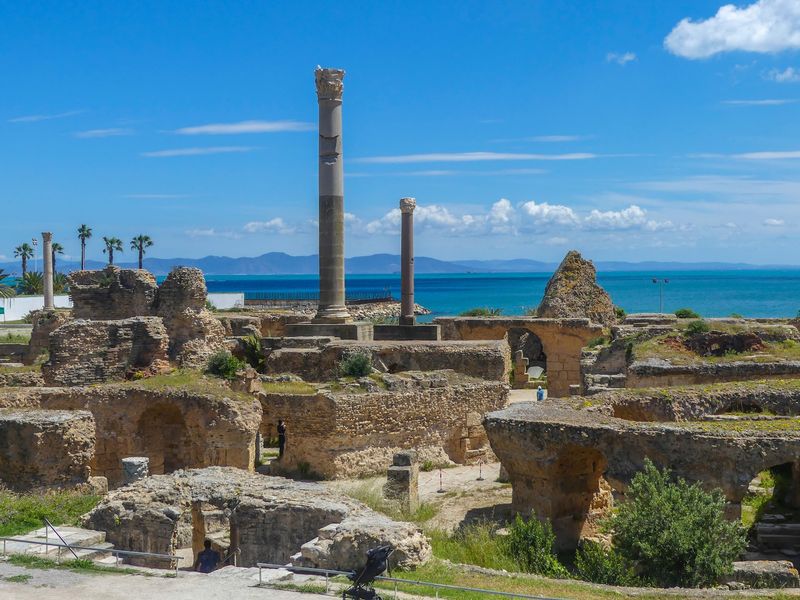
Founded by Phoenician settlers around 814 BC on the northern coast of what is now Tunisia, Carthage grew into one of the ancient world’s greatest powers. At its height, the city controlled a vast maritime empire spanning the western Mediterranean, with a population estimated at over 700,000 people.
Its navy dominated the seas, and its merchants built trade networks that stretched from West Africa to the British Isles.
Carthage is perhaps best remembered for its fierce rivalry with Rome, a conflict that produced three brutal wars known as the Punic Wars. General Hannibal Barca, one of history’s most celebrated military strategists, famously crossed the Alps with war elephants to attack Rome from the north during the Second Punic War.
Rome eventually destroyed Carthage in 146 BC, salting the earth according to legend, though historians debate how literally that story should be taken. The Romans later rebuilt on the same site.
Today, the ruins of both Phoenician and Roman Carthage sit just outside the modern city of Tunis.
13. Persepolis, Iran
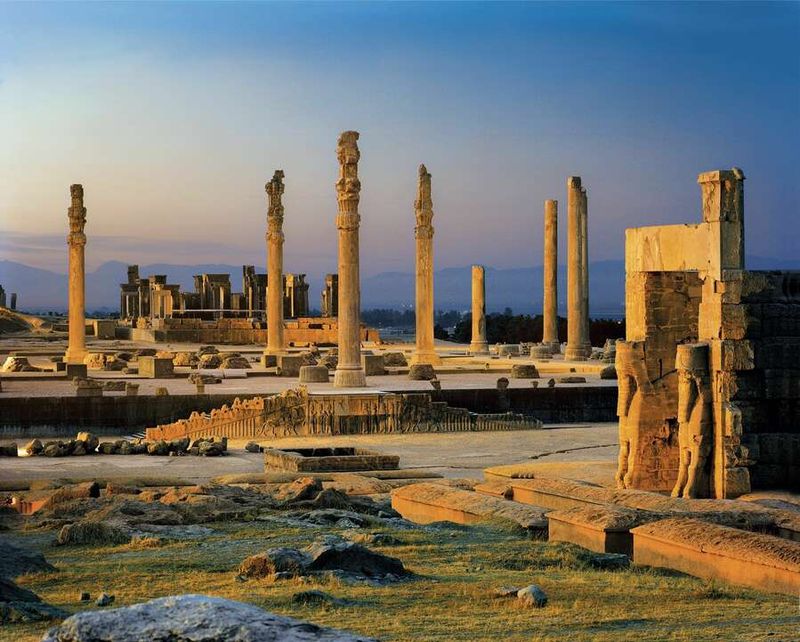
Built on a raised stone platform in the heart of ancient Persia, Persepolis was designed to dazzle. Founded by Darius the Great around 518 BC, the city served as the ceremonial capital of the Achaemenid Empire, one of the largest empires the world had ever seen.
Delegations from across Asia, Africa, and Europe traveled here to pay tribute to the Persian king.
The architecture of Persepolis was deliberately grand and symbolic. The Apadana Palace featured enormous columns nearly 65 feet tall, and its staircases were decorated with carvings showing representatives of 23 subject nations bringing gifts.
Every detail was meant to communicate the empire’s power and reach to anyone who entered.
Alexander the Great burned Persepolis to the ground in 330 BC, reportedly in revenge for the Persian burning of Athens. Whether it was a calculated political act or a drunken mistake is still debated.
What remains today is still awe-inspiring, a testament to Persian artistry and ambition.
14. Nan Madol, Micronesia
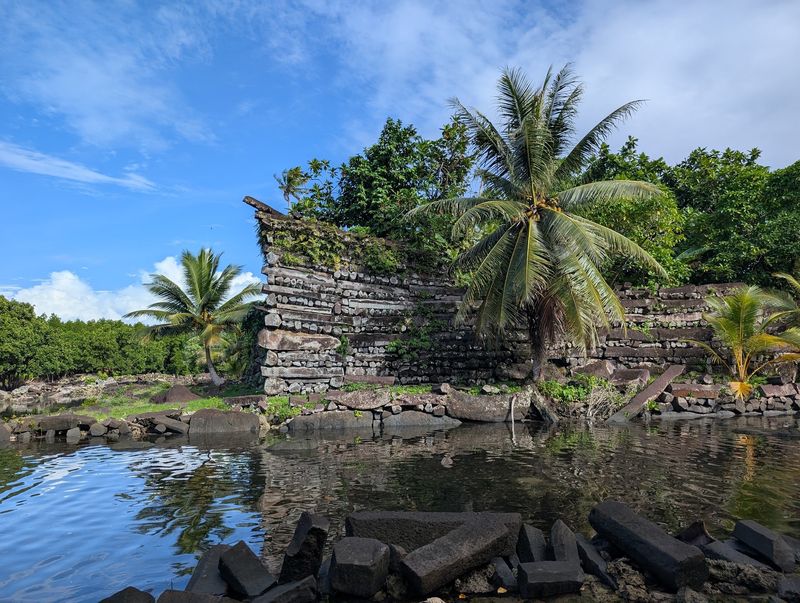
Off the eastern coast of Pohnpei island in the Pacific Ocean lies one of the most mysterious ancient cities ever discovered. Nan Madol was built on a series of artificial islands in a tidal lagoon, constructed from massive interlocking basalt logs that were somehow transported from quarries miles away.
Nobody knows exactly how the builders moved stones weighing up to 50 tons without modern equipment.
At its peak between 1200 and 1500 AD, Nan Madol served as the political and religious capital of the Saudeleur Dynasty. The complex included over 90 artificial islets connected by canals, functioning somewhat like a Pacific version of Venice.
Priests, royalty, and craftspeople lived and worked here, separated from the general population on the main island.
The city was abandoned after the Saudeleur Dynasty fell around 1628. Dense vegetation now covers much of it, making exploration difficult.
Nan Madol was designated a UNESCO World Heritage Site in 2016 and remains one of archaeology’s most fascinating unsolved puzzles.
Share this story