Some songs carry the 1970s around with them so convincingly that even dedicated music fans get their release dates wrong. Maybe it is the guitar tone, the layered harmonies, or simply decades of classic-rock radio placing certain records beside Fleetwood Mac, Boston, and the Eagles.
Whatever the reason, a handful of songs have become so tightly linked to the ’70s that their actual release years can be genuinely hard to pin down. Several arrived just before the decade began, while others appeared after the calendar had already flipped to the 1980s but still sounded like the previous era had not quite ended.
Musical decades rarely begin and end as neatly as the dates suggest, and these 14 songs are living proof of that. Each entry offers a specific release date, chart context, and cultural backstory that explains exactly how the confusion happened in the first place.
1. Crimson and Clover by Tommy James and the Shondells, 1968
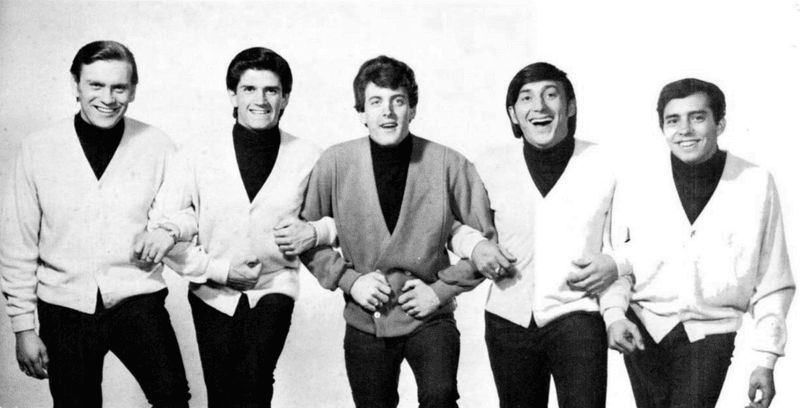
Tommy James produced this track himself, pushing well beyond the bubblegum pop the band had previously released. The distinctive tremolo effect on the vocals was initially an accidental result of tape manipulation but was deliberately kept, becoming the song’s most recognizable sonic signature.
“Crimson and Clover” was released as a single in November 1968 and reached number 1 in the United States by February 1969. The song ultimately sold five million copies, making it one of the biggest commercial achievements of the era.
Its atmospheric quality and minimalist lyrics pointed toward sounds that pop and rock would explore throughout the following decade.
Joan Jett and the Blackhearts covered the song in 1981, introducing it to a new generation and further blurring its chronological identity. Most listeners who know both versions tend to associate the original with the early ’70s, even though it arrived a full year before 1969 had even begun.
2. Gimme Shelter by The Rolling Stones, 1969
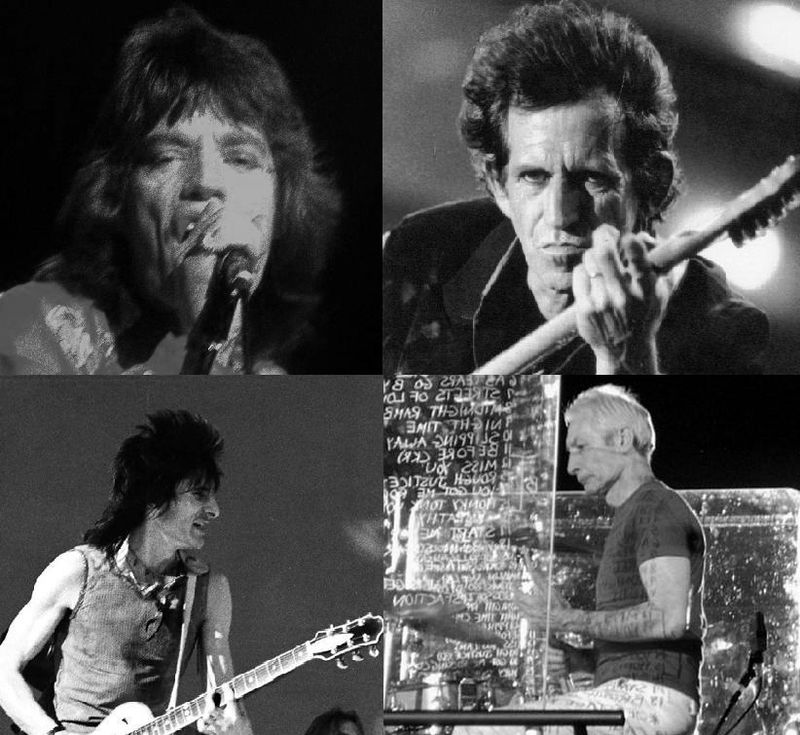
Released on “Let It Bleed” in December 1969, this recording arrived with only weeks remaining in the decade, yet its mood so perfectly anticipated what came next that placing it in the 1970s feels almost automatic.
Keith Richards’ opening guitar riff, Mick Jagger’s coiled vocal, and Merry Clayton’s extraordinary guest performance created a tension that matched the cultural atmosphere of the following years. The Vietnam War continued, optimism from the ’60s counterculture was fading fast, and rock music was growing heavier.
Classic-rock radio spent decades placing it beside Rolling Stones albums from “Sticky Fingers” and “Exile on Main St.,” which only deepened the association. Merry Clayton earned a Grammy nomination for her contribution, and the song has since appeared in over a dozen major films.
Technically, though, it belongs to 1969.
3. Born to Be Wild by Steppenwolf, 1968
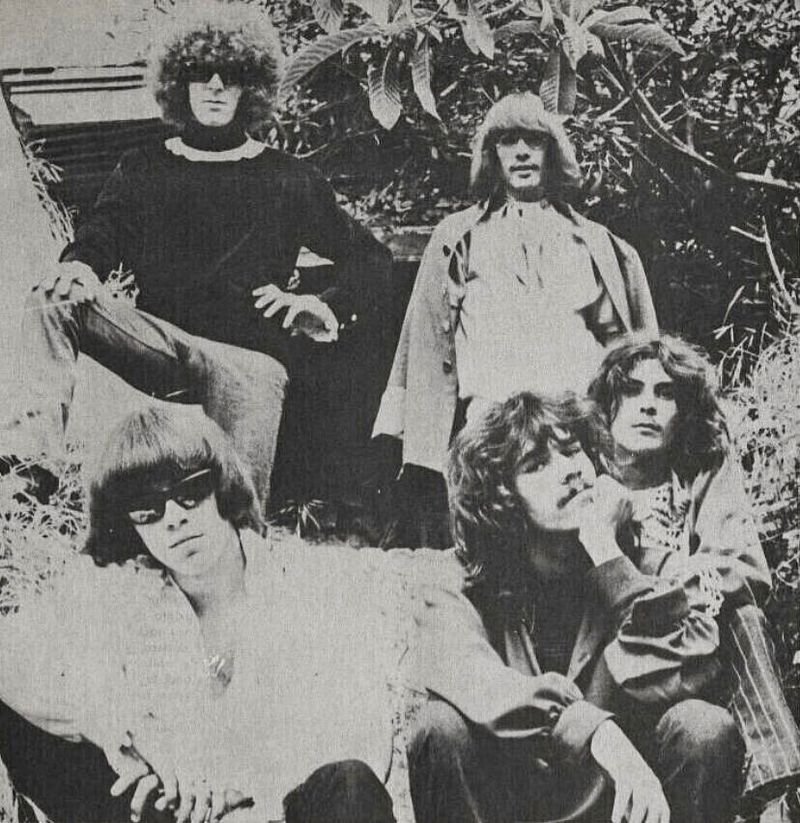
Steppenwolf released this track as a single on May 27, 1968, and it peaked at number 2 on the Billboard Hot 100. Its driving rhythm and powerful lyrics, which included the phrase “heavy metal thunder” referring to a motorcycle engine, laid down a blueprint for hard rock before the genre had fully taken shape.
Its cultural footprint expanded enormously when Dennis Hopper used it in the 1969 film “Easy Rider,” cementing the song as a symbol of counterculture independence and open-road freedom. That film became a generational touchstone, and the song traveled with it into the following decade’s popular imagination.
The phrase “heavy metal thunder” also serendipitously gave early critics a ready-made label for a burgeoning musical genre. Most listeners recall “Born to Be Wild” as a quintessential ’70s anthem, but it predates the decade it came to represent by a full two years.
4. Whole Lotta Love by Led Zeppelin, 1969
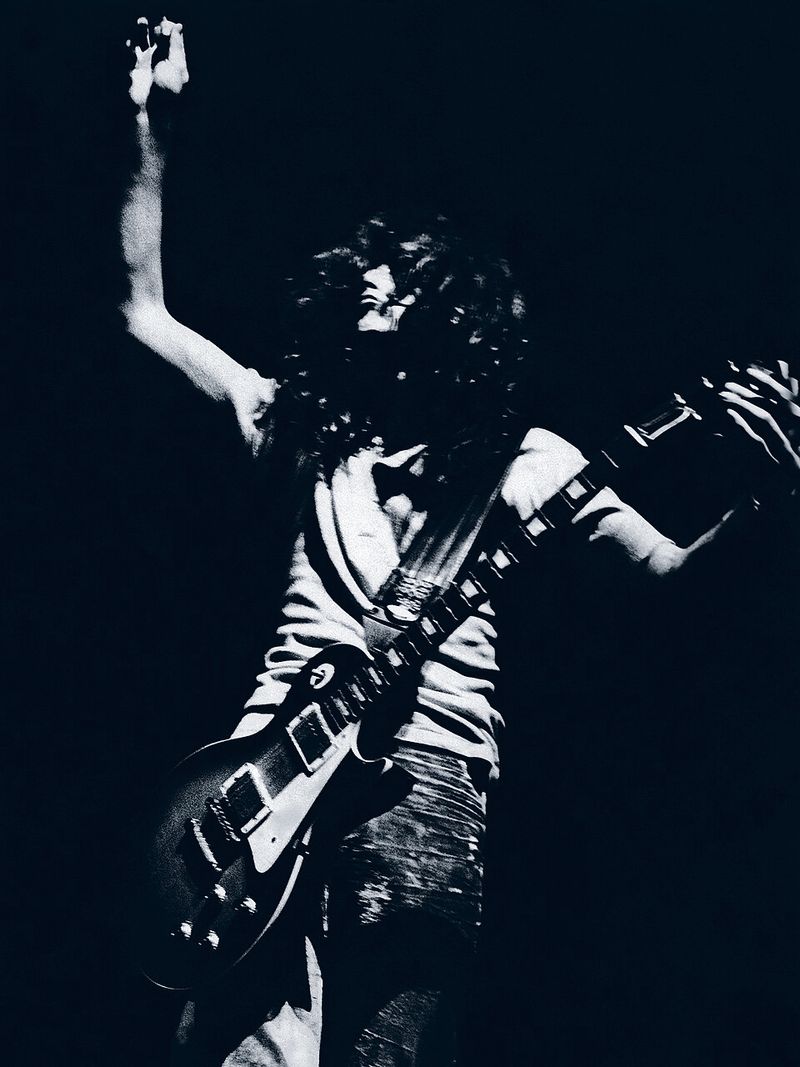
“Led Zeppelin II” landed in October 1969, with this track opening the album at full force. Jimmy Page’s enormous riff, Robert Plant’s vocal range, John Bonham’s drumming, and John Paul Jones’s bass work together created a template that hard rock would follow for the entire next decade.
The U.S. single release came in November 1969, and the song peaked at number 4 on the Billboard Hot 100 in January 1970. That chart timing, straddling the turn of the decade, is one clear reason the confusion persists.
Led Zeppelin became one of the defining acts of the 1970s, filling arenas and releasing landmark albums like “Led Zeppelin IV” and “Physical Graffiti.” When this song appears beside “Stairway to Heaven” and “Kashmir” on playlists, the 1969 origin date becomes very easy to overlook.
5. Come and Get It by Badfinger, 1969
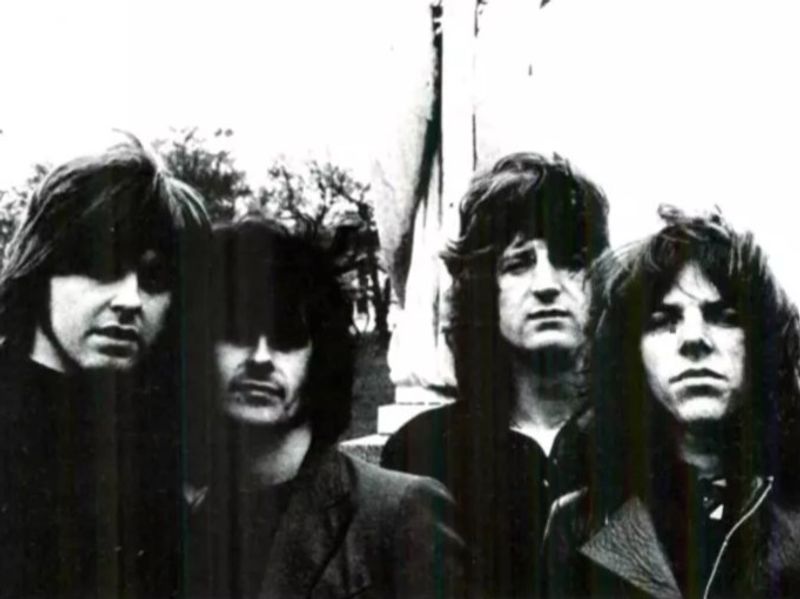
Paul McCartney wrote this song, recorded a detailed demo showing Badfinger exactly how he wanted it performed, and handed it to the band that had become the first act signed to the Beatles’ Apple Records label. That backstory alone connects it firmly to the late ’60s.
The UK single release came on December 5, 1969, but the U.S. release followed on January 12, 1970, and American listeners largely encountered it as a legitimate 1970 hit. It peaked at number 7 on the Billboard Hot 100 that year.
Badfinger then spent the early ’70s scoring additional hits with “No Matter What,” “Day After Day,” and “Baby Blue,” which pulled all of their music forward in popular memory. The staggered release timeline makes “Come and Get It” one of the clearest cases of a song existing on both sides of a decade’s edge.
6. Fortunate Son by Creedence Clearwater Revival, 1969
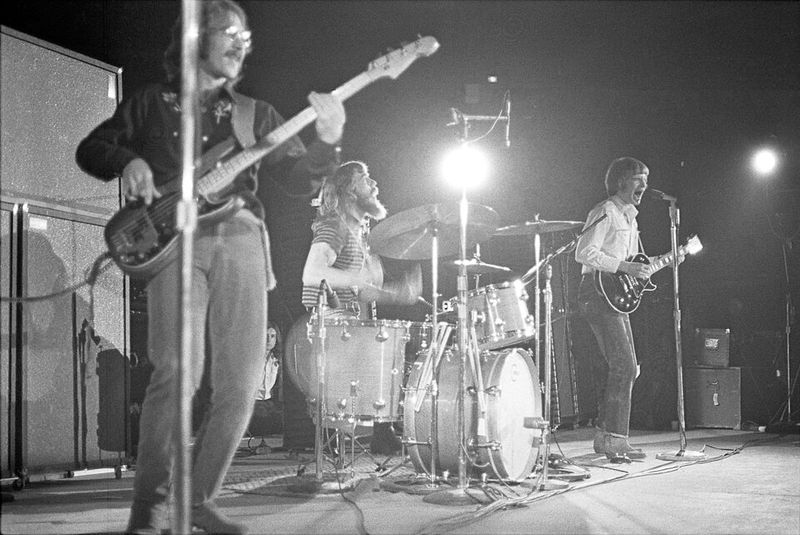
John Fogerty’s furious vocal and churning guitar on this track have made it a permanent fixture in Vietnam War documentaries, war films, and classic-rock radio sets from the early 1970s onward. That relentless cultural placement leads most listeners to mentally file it around 1970 or 1971.
Creedence Clearwater Revival actually released it as a double single alongside “Down on the Corner” in September 1969, with both tracks appearing on “Willy and the Poor Boys” that October. The combined single peaked at number 3 on the Billboard Hot 100 in December 1969.
Fogerty wrote the song after the December 1968 wedding of David Eisenhower and Julie Nixon, angered by draft inequalities that favored wealthy families. Its pointed critique of privilege kept it relevant throughout the early ’70s, long after the calendar had moved on.
7. Venus by Shocking Blue, 1969
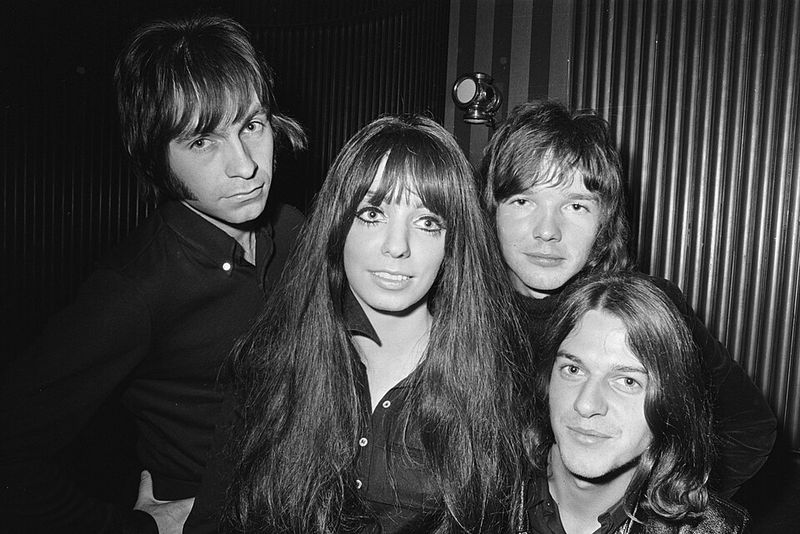
Dutch band Shocking Blue released “Venus” in their home country during the summer of 1969, but the song did not reach American listeners until it topped the Billboard Hot 100 for the week of February 7, 1970. That transatlantic delay is precisely the kind of detail that scrambles musical memory.
The record itself bridges two eras convincingly. Its psychedelic edge points back toward the late ’60s, while its punchy guitar riff and tight production sit comfortably beside early-’70s radio.
That blend of styles made it accessible to a wide audience across changing trends.
A second generation discovered the song when Bananarama took their own version to number 1 in 1986, further complicating its timeline in popular culture. For American listeners, “Venus” registers as an early-’70s smash, but the original pressing was already in stores before 1970 officially began.
8. Spirit in the Sky by Norman Greenbaum, 1969
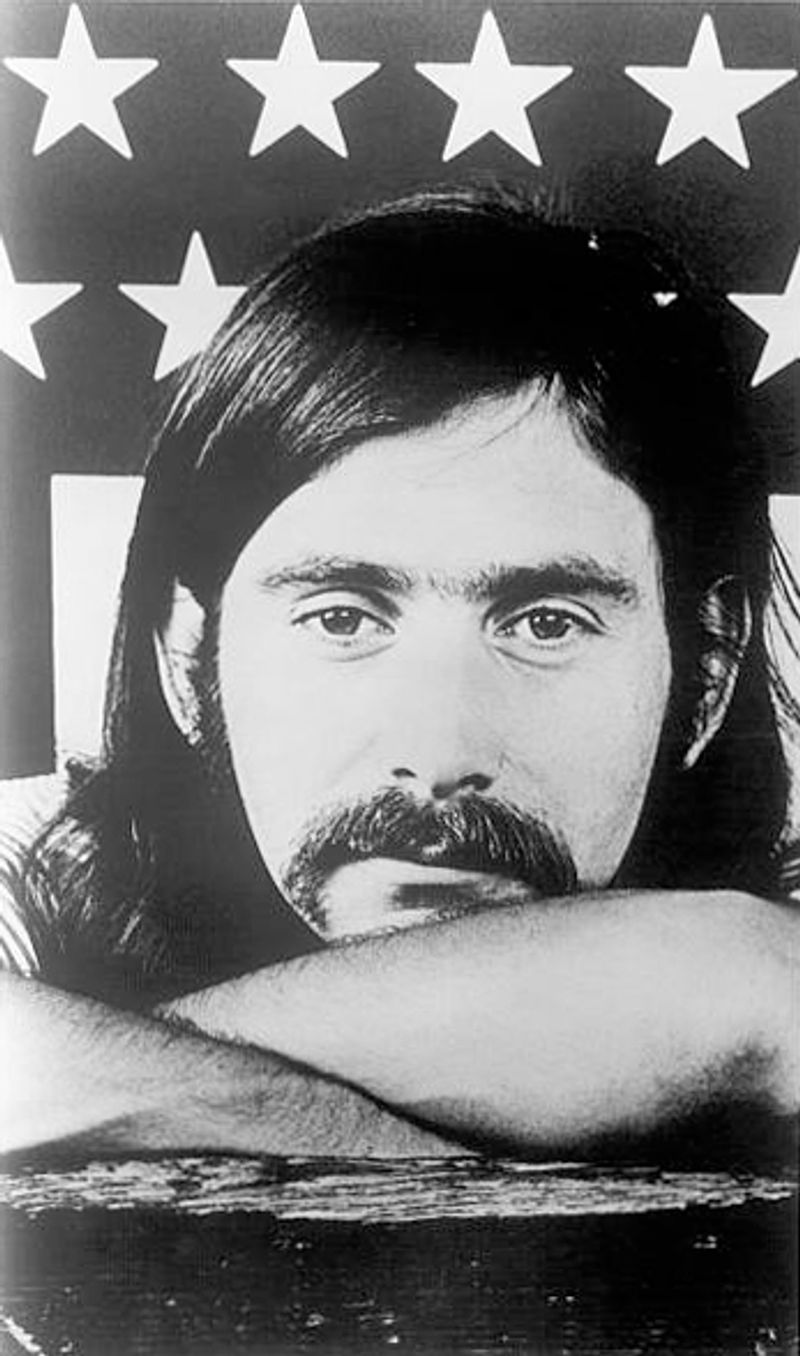
Norman Greenbaum’s single first appeared in late 1969, but its major commercial moment arrived in 1970, when it climbed to number 3 on the Billboard Hot 100. That gap between release and chart success explains why virtually every listener places it firmly in the new decade.
The track’s gospel-influenced lyrics, prominent handclaps, and distinctively fuzzy guitar created a sound that stood apart from almost everything else on radio at the time. “Rolling Stone” magazine later ranked it number 333 on its list of the 500 Greatest Songs of All Time.
Film soundtracks gave the song repeated second lives, placing it in “Apollo 13,” “Wayne’s World 2,” and “Guardians of the Galaxy.” Each appearance reinforced its association with the early-’70s atmosphere, even though its official release date places it on the other side of the decade’s threshold.
9. Thank You (Falettinme Be Mice Elf Agin) by Sly and the Family Stone, 1969
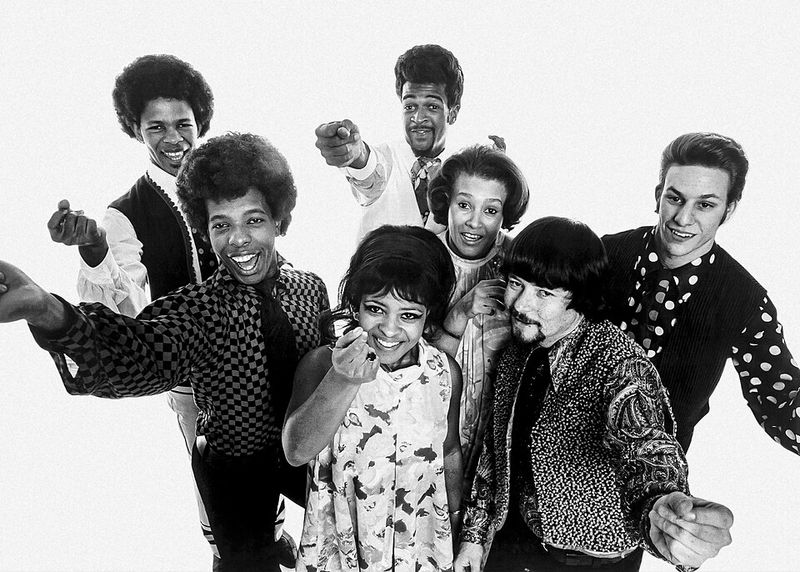
Larry Graham’s percussive slap-and-pop bass technique on this recording helped establish a vocabulary that funk bassists would build on throughout the entire following decade. The groove sounds so forward-looking that placing it beside 1970s funk feels completely natural.
Sly and the Family Stone released the track in December 1969, and it reached number 1 on both the Billboard Hot 100 and the R&B singles chart in early 1970. That dual chart timing, right at the decade’s edge, places it directly on the border between two eras.
The title’s intentional phonetic spelling translates to “thank you for letting me be myself again,” a sentiment that reflected the band’s broader message of individuality and unity. For listeners who connect funk with the defining sounds of the 1970s, discovering this landmark arrived in 1969 remains a genuine surprise.
10. Suite: Judy Blue Eyes by Crosby, Stills and Nash, 1969
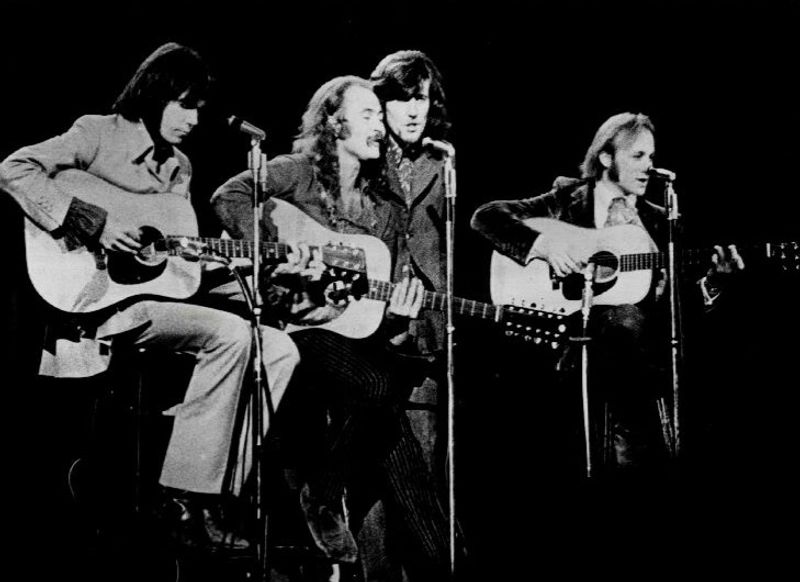
Stephen Stills wrote this multipart song about his relationship with folk singer Judy Collins, and the group’s debut album carried it to number 21 on the Billboard Hot 100. Its intricate vocal harmonies, acoustic guitar, and shifting structural sections immediately marked it as a defining document of the emerging singer-songwriter movement.
The trio performed at Woodstock in August 1969, and Neil Young joined the lineup shortly after. Their 1970 album “Deja Vu” became one of the decade’s most celebrated records, pulling all of their earlier music forward in popular memory.
That subsequent history creates the illusion that “Suite: Judy Blue Eyes” belongs to the ’70s, when it actually helped build the bridge toward that decade rather than emerging from it. The song was already complete and on shelves before the 1960s officially ended, making it a foundational piece that arrived slightly ahead of its cultural moment.
11. Any Way You Want It by Journey, 1980
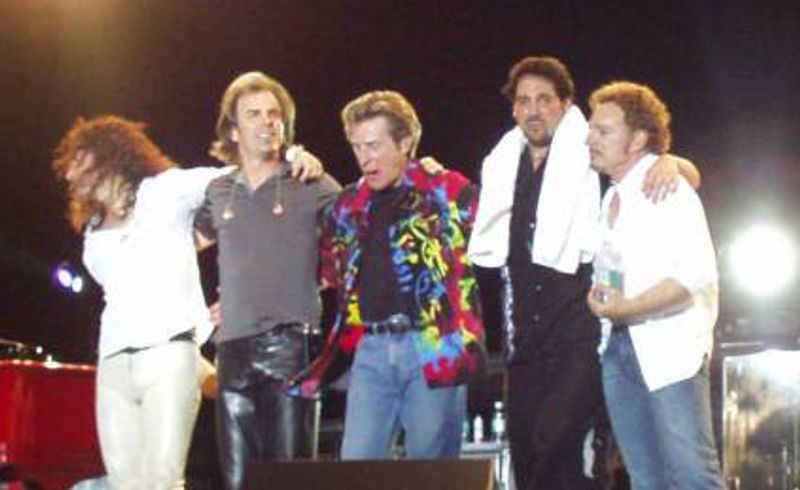
Journey spent the latter half of the 1970s building toward the polished arena-rock sound that would bring them enormous commercial success. Steve Perry’s addition before 1978’s “Infinity” was the turning point, and songs like “Wheel in the Sky” and “Lights” established the new lineup’s signature style.
This track appeared on “Departure” in March 1980, with the single released in February, barely six weeks after the 1970s had officially concluded. It peaked at number 23 on the Billboard Hot 100 and was prominently featured in the 1980 comedy film “Caddyshack,” which helped cement its cultural placement in that specific moment.
Musically, there was no reason for the band to reinvent itself simply because the calendar had changed. Classic-rock radio has since placed this track beside Journey’s ’70s catalog without pause, creating the impression that it belongs to the same continuous era.
The release date tells a different story.
12. Call Me by Blondie, 1980
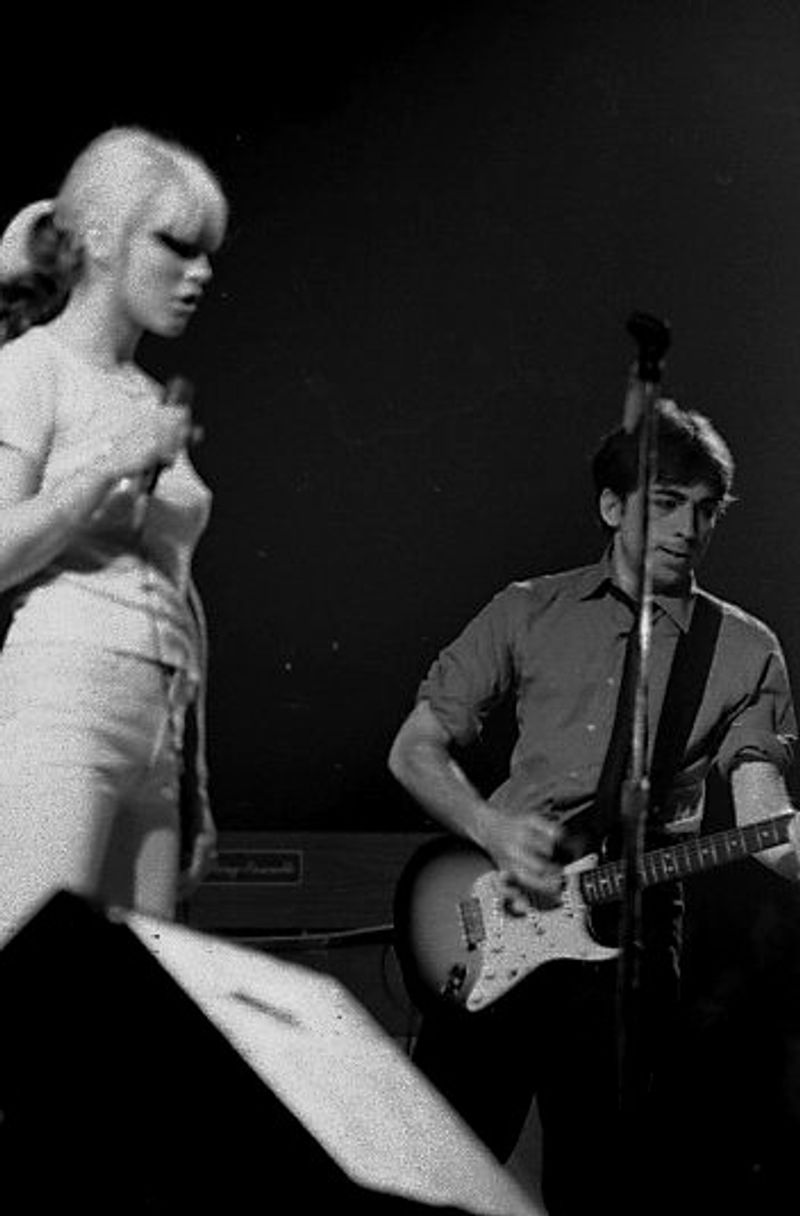
Italian producer Giorgio Moroder composed this track as the theme for the 1980 film “American Gigolo.” He originally approached Stevie Nicks to write and perform the vocals, but scheduling conflicts redirected him to Debbie Harry, who co-wrote the lyrics with bandmate Chris Stein. The result was a commercial juggernaut.
“Call Me” topped the charts in both the United States and the United Kingdom, becoming one of Blondie’s biggest international hits. Its release came in February 1980, just weeks into the new decade, yet its polished disco-influenced production and new wave energy feel like a direct continuation of late-’70s pop.
Blondie had spent the late 1970s bridging punk, pop, and disco, and this song carried that hybrid approach forward without interruption. Most listeners who remember it from radio or film associate it instinctively with the late ’70s scene, making its 1980 release date one of the more underappreciated surprises in pop history.
13. Don’t Stop Believin’ by Journey, 1981
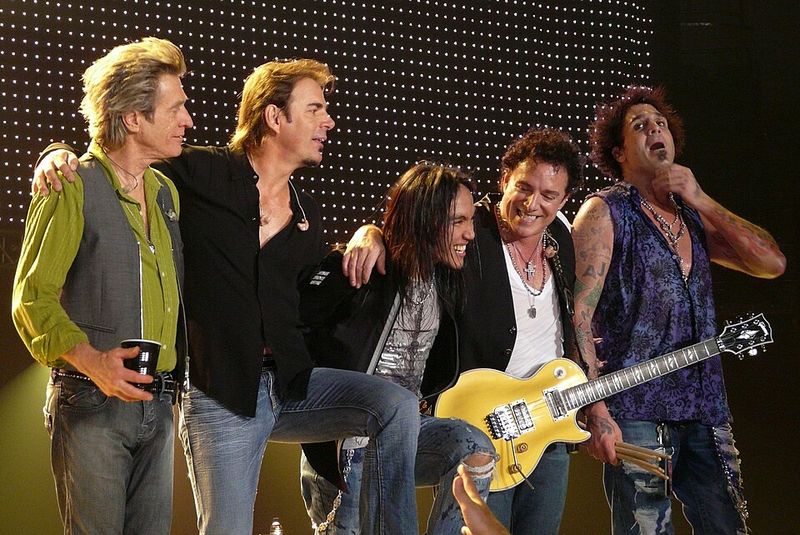
Released in October 1981 as a single from the album “Escape,” this track peaked at number 9 on the Billboard Hot 100. At the time, it was a solid but not record-breaking hit.
Its transformation into a genuine cultural phenomenon came much later, driven by television placements that introduced it to entirely new audiences.
The “Sopranos” series finale used it as its closing song in 2007, and “Glee” featured it repeatedly from 2009 onward. Those placements propelled it back onto the charts and turned it into a stadium singalong staple at sporting events worldwide.
By the time most casual listeners encountered it, the song had already been grouped with Journey’s late-’70s catalog through years of classic-rock radio rotation. Its arena-rock construction and Steve Perry’s vocal style were so consistent with the band’s 1970s work that the 1981 release date rarely registers as a surprise unless someone specifically looks it up.
14. Another One Bites the Dust by Queen, 1980
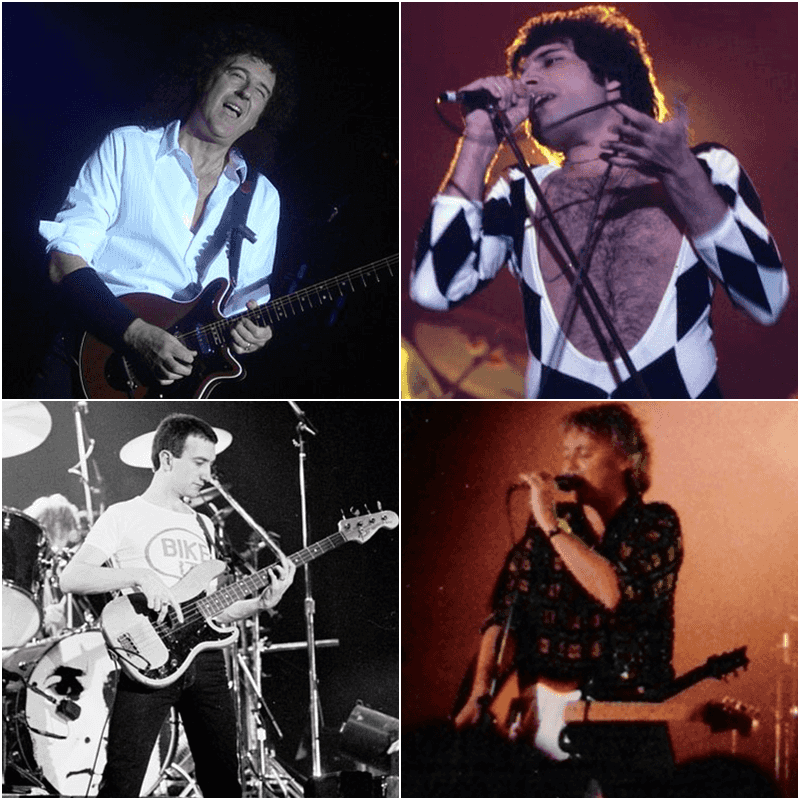
John Deacon wrote this track and created its pulsating bass line after drawing inspiration from Chic’s 1979 hit “Good Times.” That R&B and funk influence marked a noticeable shift from the layered hard rock and glam theatrics Queen had built throughout the previous decade.
The song appeared on “The Game” in 1980 and topped the Billboard Hot 100 for three weeks. It reached number 7 on the UK Singles Chart and became Queen’s best-selling single, with worldwide sales exceeding seven million copies.
Michael Jackson reportedly encouraged Deacon to release it as a single after hearing it at a party.
Classic-rock radio has spent decades placing it seamlessly beside “Bohemian Rhapsody,” “We Will Rock You,” and “Somebody to Love,” creating the impression of one unbroken era. Queen’s deep association with 1970s rock is precisely why this 1980 release date continues to catch listeners off guard.
Share this story