Some countries are so small that you can walk across them in a day. That makes them perfect for a quick trip when time is short.
From mountain hideaways to island getaways, each place on this list packs history, food, and views into a small space. Here is what to see and do in each one.
1. Vatican City
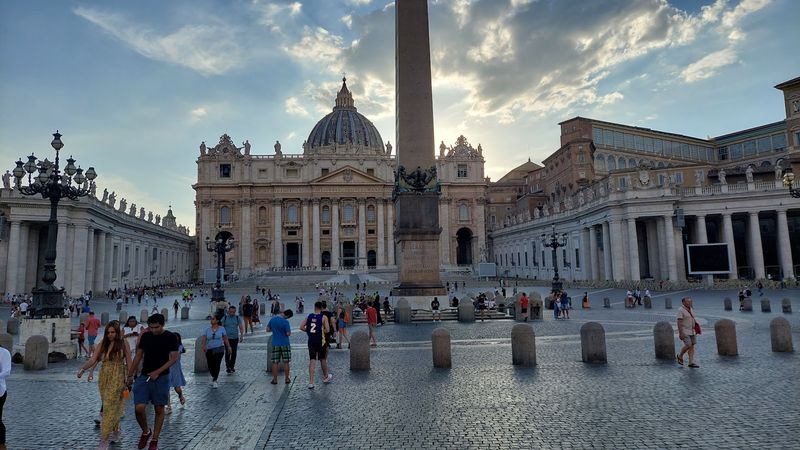
The smallest country in the world covers only about 0.17 square miles, yet it holds some of the most famous art on Earth. You can walk from one end to the other in about ten minutes.
The Vatican Museums are the main draw, ending with the Sistine Chapel and its painted ceiling by Michelangelo. Tickets often sell out, so booking online ahead of time saves hours in line.
Dress rules apply, which means covered shoulders and knees for both men and women.
St. Peter’s Basilica is free to enter, although security lines can be long in the morning. Climbing the dome costs a small fee and rewards you with a wide view of Rome.
Many visitors also come on Wednesday mornings to see the Pope greet crowds, when his schedule allows.
Since Vatican City sits inside Rome, you can sleep in the city and visit for a day. Pair it with an evening stroll across the Tiber.
2. Monaco
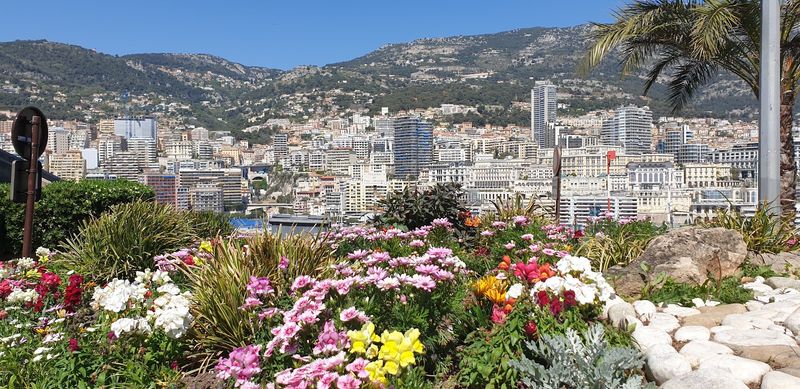
Picture a harbor filled with white yachts, steep hills, and a palace perched on a rock. That is Monaco, a country of about 0.8 square miles on the French Riviera.
Start in Monaco-Ville, the old town, where the Prince’s Palace stands. The changing of the guard happens daily around noon and is free to watch.
Nearby, the Oceanographic Museum hangs over the sea and has a large aquarium.
In Monte Carlo, the famous casino is worth a look for its grand building, even if you do not gamble. Entry to the gaming rooms requires ID and proper dress.
The Exotic Garden shows off cactus plants with views of the water.
Monaco is easy to reach by train from Nice in about 25 minutes. Public elevators and escalators help with the hills, and the whole country is walkable.
3. San Marino
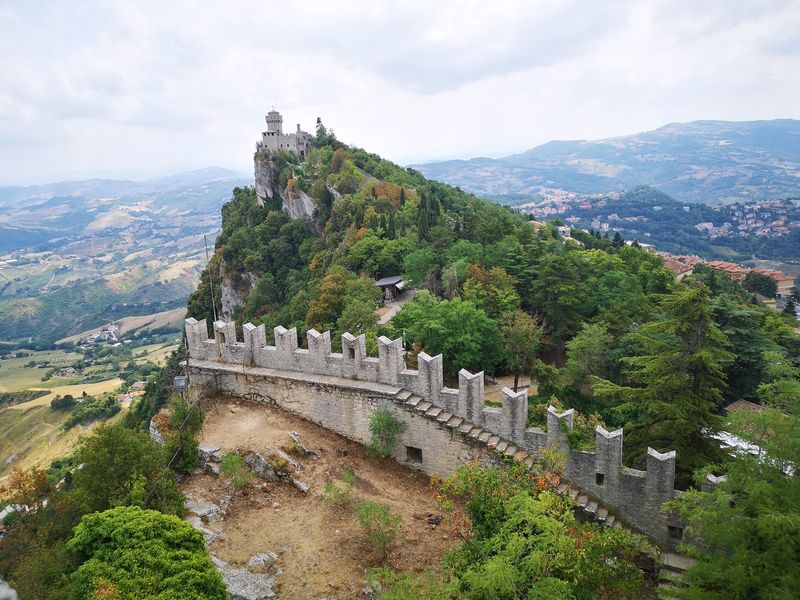
Legend says a stonecutter founded San Marino in the year 301, which would make it one of the oldest republics still standing. It sits on Mount Titano, surrounded by Italy, and covers about 24 square miles.
The historic center is a UNESCO World Heritage site. Three medieval towers crown the ridge, and a walking path links them with sweeping views toward the Adriatic Sea.
Wear comfortable shoes, because the lanes are steep and paved with stone.
A cable car runs from the lower town of Borgo Maggiore up to the old city, saving your legs. Shops sell ceramics, local wine, and coins, and visitors can get a passport stamp for a small fee.
Many travelers arrive from Rimini, about 40 minutes away by bus. Stay overnight if you can, since the town grows quiet and lovely after the day crowds leave.
4. Liechtenstein
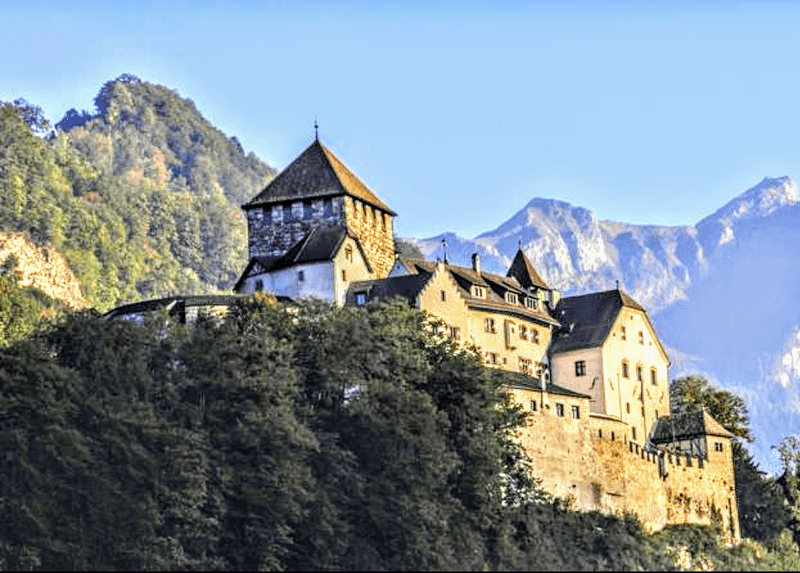
Here is a fun fact: Liechtenstein is one of only two doubly landlocked countries in the world. Tucked between Switzerland and Austria, it measures about 62 square miles and is crossed by the Rhine valley.
The capital, Vaduz, is small and tidy. Vaduz Castle overlooks it, though it is the prince’s home and closed to tourists.
A short uphill walk gives you a fine photo spot.
For nature lovers, the Alps offer hiking trails for all levels. The Fürstensteig path has dramatic ridge views, while winter brings skiing at Malbun.
The Liechtenstein Trail covers the whole country in a few days, but a section or two fits a weekend.
Buses connect most villages, and the national museum explains local history clearly. Try hearty cheese dishes and local wines at a village inn before heading home.
5. Malta
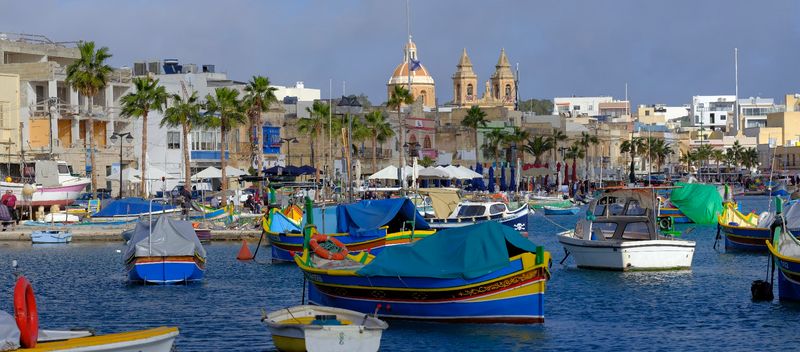
Malta is a small island nation in the Mediterranean with a big past. Knights, sailors, and empires all left their mark here, and the country spans just 122 square miles.
Begin in Valletta, a walled capital built from golden limestone. St. John’s Co-Cathedral has a floor of carved tombstones and a famous painting by Caravaggio.
Upper Barrakka Gardens gives a classic view across the Grand Harbour.
Next, take a bus to Mdina, the quiet old capital known as the Silent City. Then ride a ferry to Gozo for cliffs, small beaches, and ancient temples older than Stonehenge.
English is widely spoken, which makes travel simple. Buses are cheap, though they can be slow, so plan extra time.
Pastizzi, small flaky pastries filled with ricotta or peas, make an easy snack on the go.
6. Luxembourg
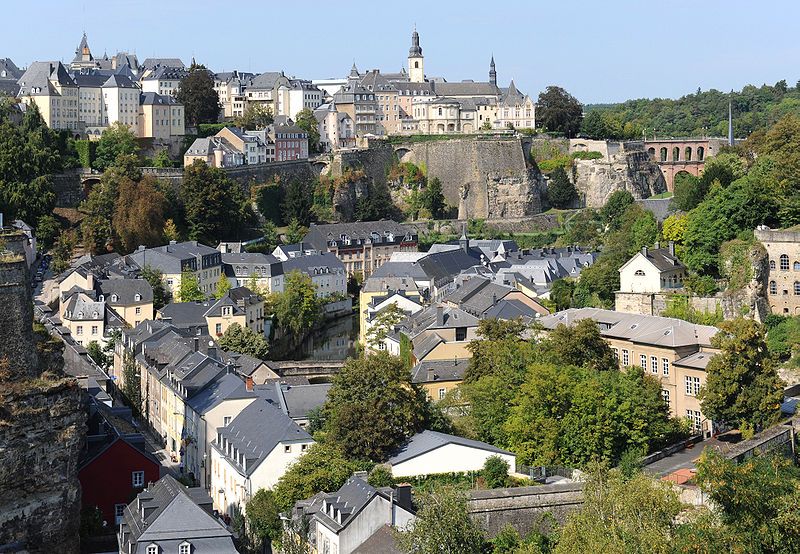
Deep gorges, old fortresses, and a modern city center meet in Luxembourg, a country of about 998 square miles. Its capital, Luxembourg City, sits on cliffs above a river valley.
Walk the Corniche, often called the most beautiful balcony in Europe, for views of the Grund district below. Then explore the Bock Casemates, a network of underground tunnels carved into rock.
Both are easy to reach on foot from the old town.
A big bonus is the transport system. Trams, trains, and buses are free across the whole country, so you can roam without buying tickets.
Day trips to Vianden Castle or the Moselle wine villages are simple.
Food leans toward hearty traditions, such as Judd mat Gaardebounen, smoked pork with broad beans. Finish with a pastry at a local cafe.
7. Andorra
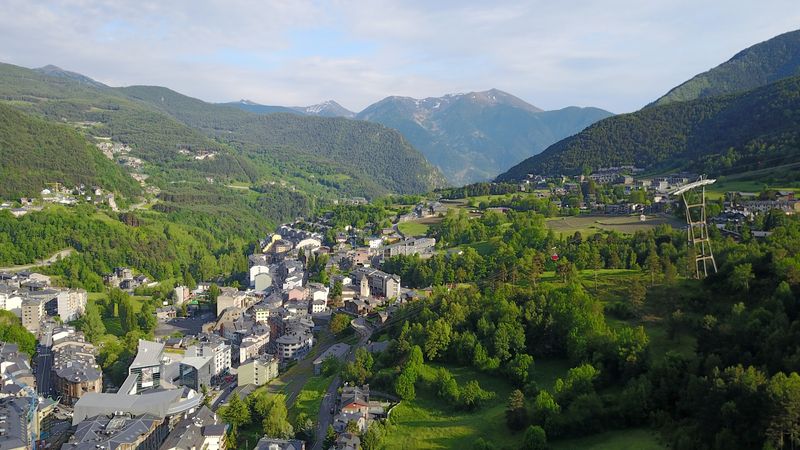
Between France and Spain, high in the Pyrenees, lies Andorra. It covers only 180 square miles, yet its valleys are packed with activities in every season.
In winter, ski resorts such as Grandvalira draw crowds for wide slopes and sunny days. Summer swaps snow for hiking, mountain biking, and clear lakes.
The Madriu-Perafita-Claror valley is a UNESCO site with trails past stone huts and streams.
Andorra la Vella, the capital, is known for duty-free shopping. The old quarter has a small Romanesque church and narrow lanes.
Caldea, a large spa, offers hot lagoons with mountain views for a restful evening.
No train reaches Andorra, so most visitors take a bus from Barcelona or Toulouse, which takes about three hours. Roads wind through the mountains, so pack motion sickness tablets if you need them.
8. Singapore
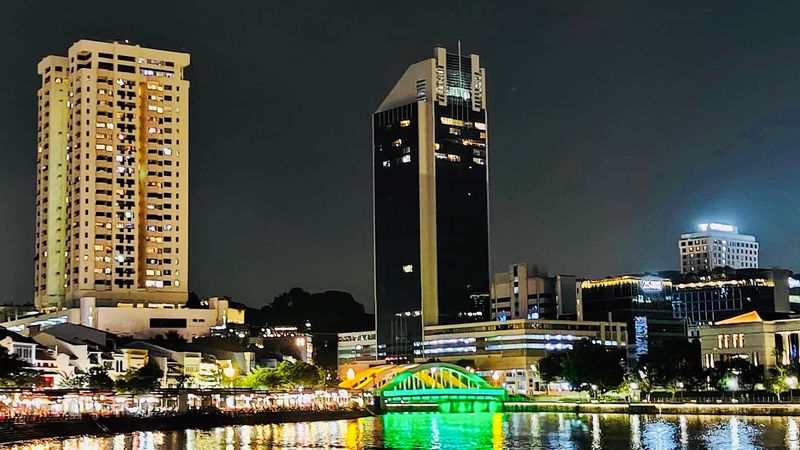
Hungry travelers will love Singapore. This island city-state is about 280 square miles, and hawker centers serve some of the best street food in Asia for just a few dollars.
Start at Gardens by the Bay, where giant tree-shaped towers light up after dark. Cloud Forest, a glass dome inside, features a misty indoor waterfall.
A short walk away, Marina Bay offers skyline views at sunset.
Visit Chinatown, Little India, and Kampong Glam to see how different cultures share the city. Each area has its own temples, shops, and flavors.
Try chicken rice, laksa, and kaya toast.
The MRT subway is clean, fast, and simple to use, so skip the rental car. Changi Airport is also a highlight, with a waterfall and garden inside.
Bring a light jacket for strong air conditioning indoors.
9. Bahrain
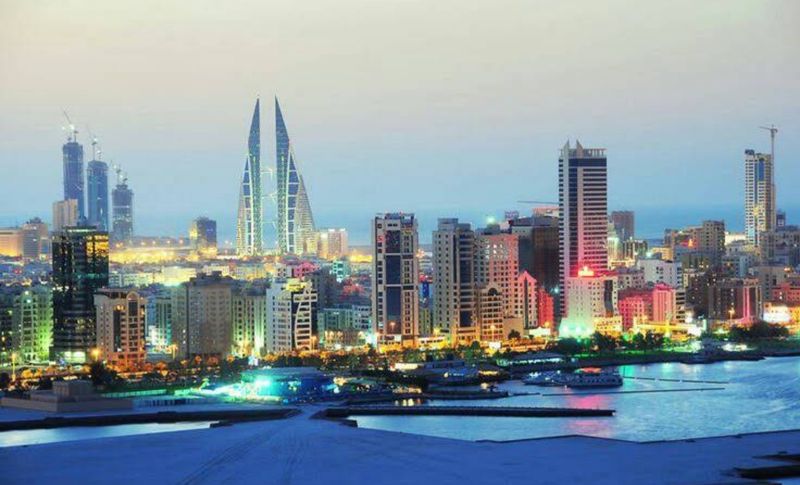
Pearls once made Bahrain rich, long before oil. This island kingdom in the Persian Gulf covers about 300 square miles and mixes old traditions with modern towers.
Bahrain Fort, a UNESCO site, sits by the sea and shows layers of history going back thousands of years. The Pearling Path in Muharraq follows old merchant houses and shops.
It is a gentle walk, ideal in the cooler months from November to March.
The Al-Fateh Grand Mosque welcomes visitors with free guided tours outside prayer times. Dress modestly.
Then wander Manama Souq for spices, gold, and textiles, and bargain politely.
For food, try machboos, a spiced rice dish, and sip karak tea. A causeway links Bahrain to Saudi Arabia, but most visitors arrive by air, and the airport is close to downtown.
10. Brunei
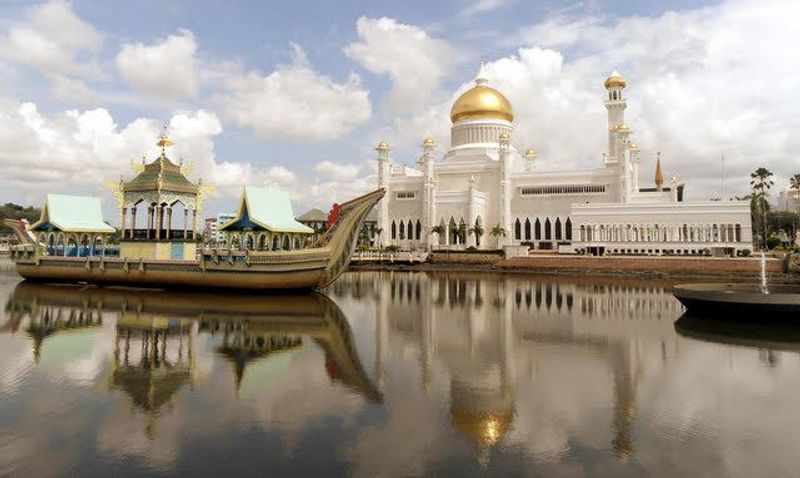
Gold domes shine above lagoons in Brunei, a small nation on the island of Borneo. It covers about 2,200 square miles, and much of it is green rainforest.
In the capital, Bandar Seri Begawan, the Omar Ali Saifuddien Mosque is the star. Its reflection in the water makes a classic photo.
Visitors can enter at set times with modest clothing, and robes are often provided.
Kampong Ayer, a large water village built on stilts, is home to thousands of people. A short boat ride takes you through its walkways and houses.
Local guides can arrange a visit to a family home.
For a nature break, head to Ulu Temburong National Park. A canopy walkway lifts you above the trees.
Note that Brunei does not sell alcohol in shops, and the pace of life is calm and polite.
11. Barbados
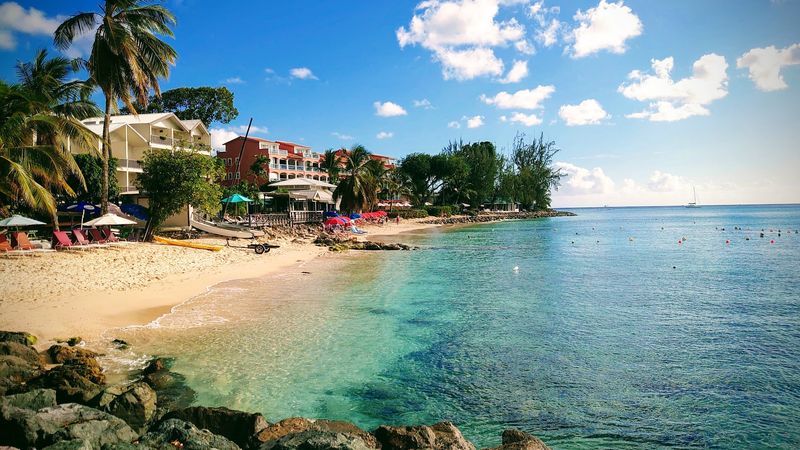
Warm water, friendly locals, and rum punch by the beach: Barbados keeps things relaxed. The island measures roughly 166 square miles and is easy to cross by bus or car in under an hour.
The west coast has calm, clear water that is ideal for swimming and snorkeling with sea turtles. The east coast is wilder, with big waves and rocky shores at Bathsheba.
Both are worth seeing in a single weekend.
Food fans should try fried flying fish with cou-cou, the national dish. On Friday nights, Oistins Fish Fry offers grilled seafood, music, and dancing.
Tours at Mount Gay or St. Nicholas Abbey explain how rum is made.
History lovers can visit Bridgetown and its Garrison, a UNESCO site. English is spoken everywhere.
Reggae-style buses called ZRs are cheap and fun to ride.
12. Grenada
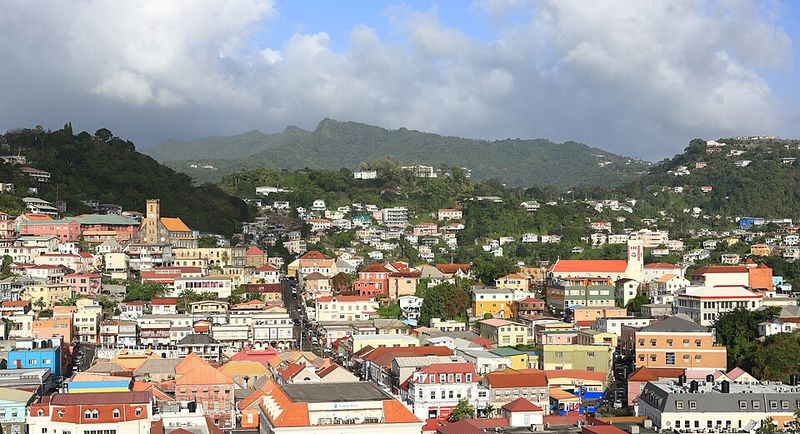
Nutmeg grows so well here that Grenada is nicknamed the Spice Isle. The island is about 133 square miles, and the scent of cinnamon, cloves, and cocoa hangs in the air.
St. George’s, the capital, wraps around a horseshoe harbor with pastel buildings and a hilltop fort. Walk up to Fort George at sunset for a lovely view.
Then browse the market for spices and homemade chocolate.
Grand Anse Beach stretches for two miles of soft sand. Nearby, the Underwater Sculpture Park places art on the seafloor, and you can see it by snorkeling or glass-bottom boat.
Inland, Grand Etang Lake sits in a rainforest crater.
Visit a nutmeg processing station or a chocolate factory for tastes and tours. Local oil down, a stew of breadfruit and meat, is the national dish and worth trying.
13. Saint Kitts and Nevis
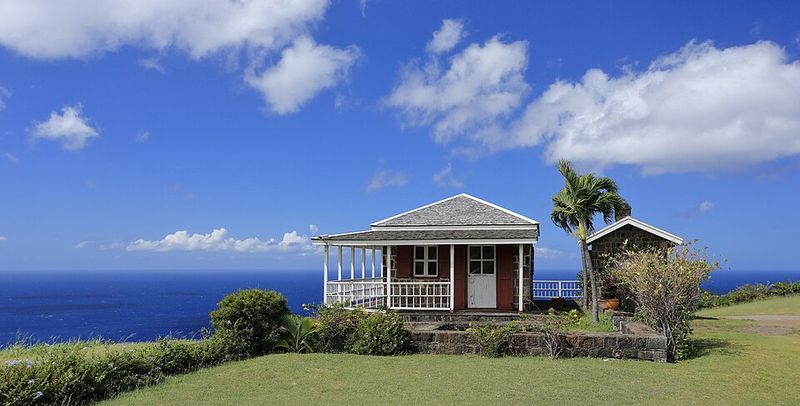
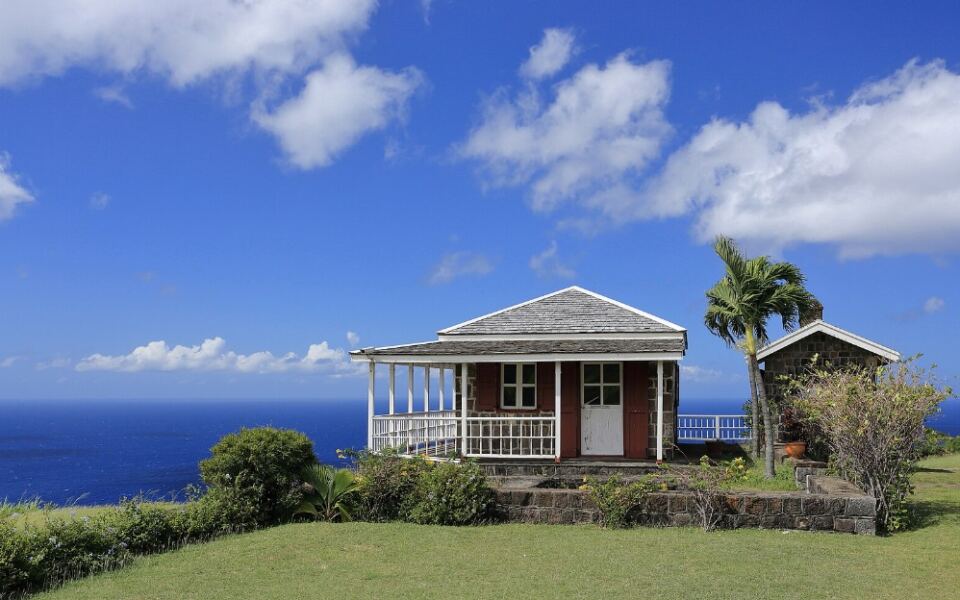
Two islands, one country, and a ferry ride between them: Saint Kitts and Nevis is the smallest nation in the Americas by both area and population. Together the islands cover about 104 square miles.
On Saint Kitts, Brimstone Hill Fortress sits high above the sea and is a UNESCO World Heritage site. Cannons still point toward the water.
The scenic railway runs through old sugar cane fields and gives a relaxed look at island life.
Nevis is quieter. Its cone-shaped peak is often wrapped in cloud, and hot springs and old plantation inns dot the hillsides.
Pinney’s Beach offers calm water and beach bars for a lazy afternoon.
Ferries cross between the islands in about 45 minutes. Alexander Hamilton was born in Charlestown on Nevis, and a small museum tells his story.
Try fresh grilled lobster at a seaside shack.
14. Antigua and Barbuda
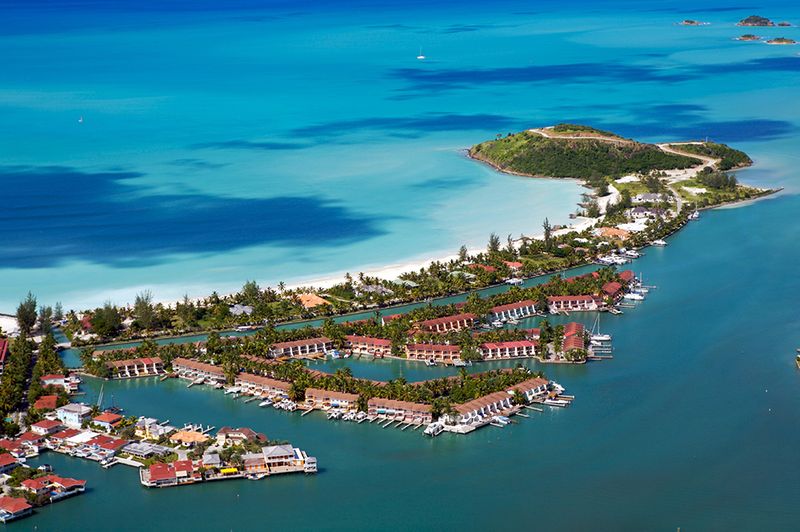
Legend says Antigua has a beach for every day of the year, 365 in all. Together with Barbuda, the country spans about 170 square miles and offers plenty of sand and sea.
On Antigua, Nelson’s Dockyard in English Harbour is a UNESCO site filled with restored Georgian buildings. Sailboats fill the harbor, and hiking trails lead to Shirley Heights.
On Sunday evenings, a lookout party there features steel drum music and barbecue.
Barbuda is much quieter. Its long pink sand beaches stretch for miles with almost no crowds.
The Frigate Bird Sanctuary hosts thousands of birds, and you can reach it by boat from Codrington.
Short flights or a ferry link the two islands. Rent a car on Antigua to see beaches such as Half Moon Bay and Dickenson Bay.
Pack reef-safe sunscreen, and enjoy the island’s famous black pineapple.
Share this story