Some of the best trips start in a small town with big surroundings. Across the United States, there are places where you can park your bags, step outside, and immediately have access to trails, rivers, mountains, and wild landscapes that most people only see in photos.
Whether you prefer pedaling through red rock canyons, paddling across quiet lakes, or hiking to alpine summits, the right base town makes all the difference. This list covers 14 real towns across the country where outdoor adventures are not just nearby, they are the whole point of showing up.
Mountain Biking, Moab, Utah
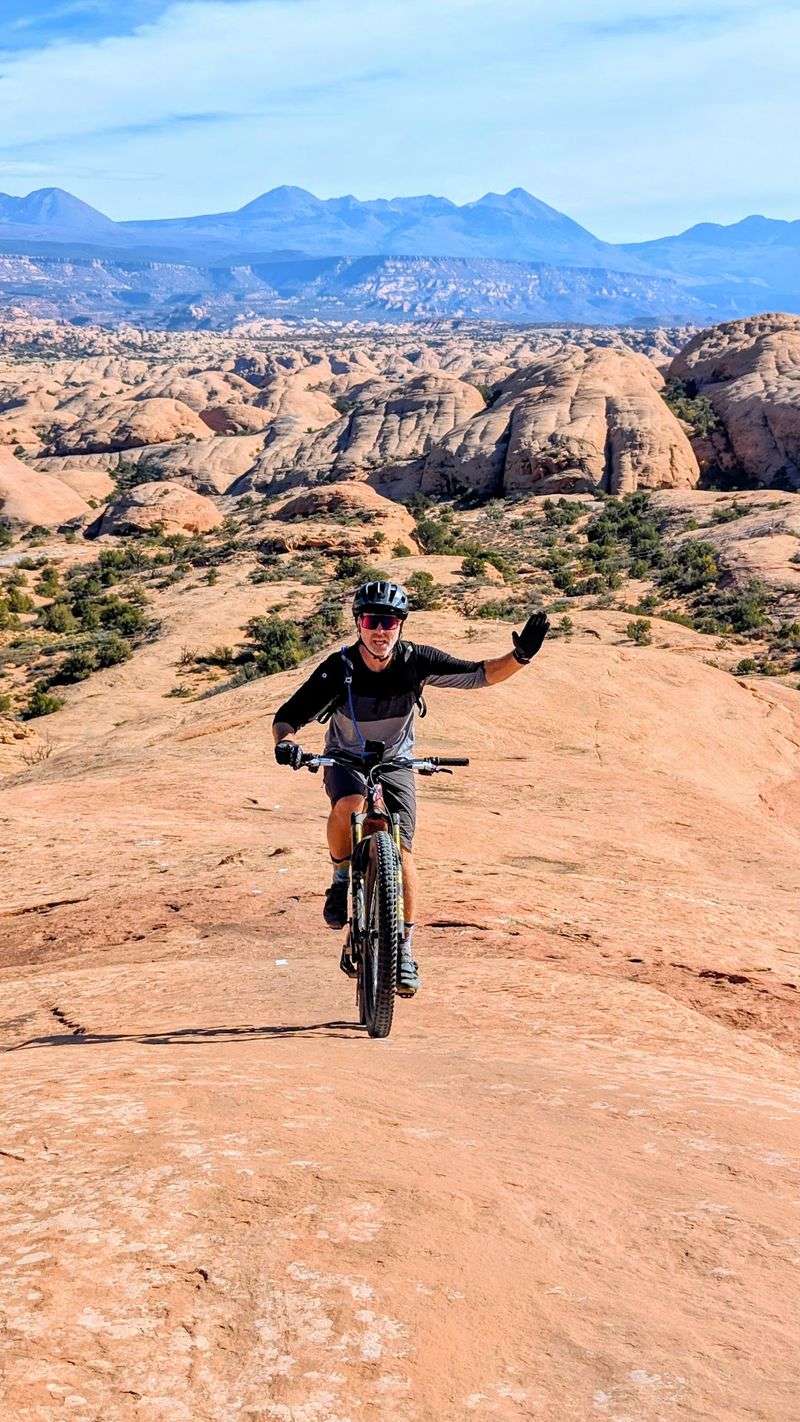
Moab has earned its reputation one trail at a time, and mountain biking is still the experience that puts it on most riders’ maps. The Slickrock Trail is the most famous, sending cyclists across rolling sandstone with views that stretch toward distant mesas and canyon rims.
It is demanding, technical, and unlike almost anything else in the country.
Beginners are not left behind here. Guided trips and easier routes are available throughout town, making Moab accessible to riders of different skill levels.
The surrounding area adds even more reasons to stay longer.
Arches and Canyonlands national parks are both within reach, offering hiking, off-roading, whitewater rafting on the Colorado River, and some of the darkest night skies in the Southwest. Moab works well as a multi-day base because there is genuinely enough variety to fill a week without repeating yourself.
Porcupine Rim and other technical trails keep experienced riders coming back.
Mountain Biking, Bend, Oregon
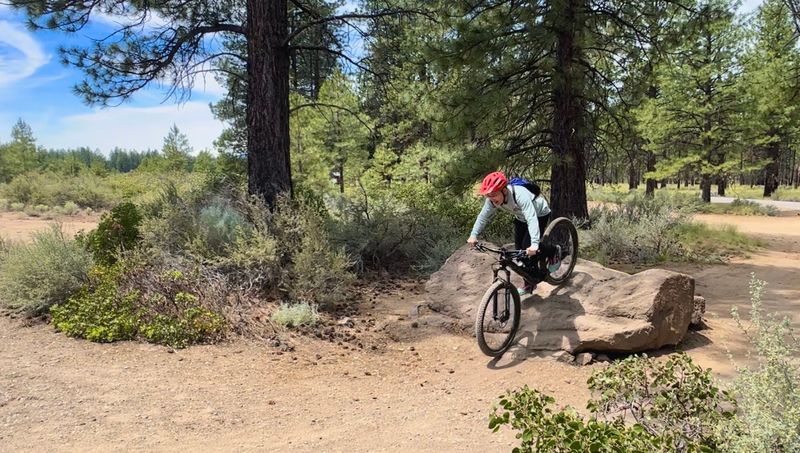
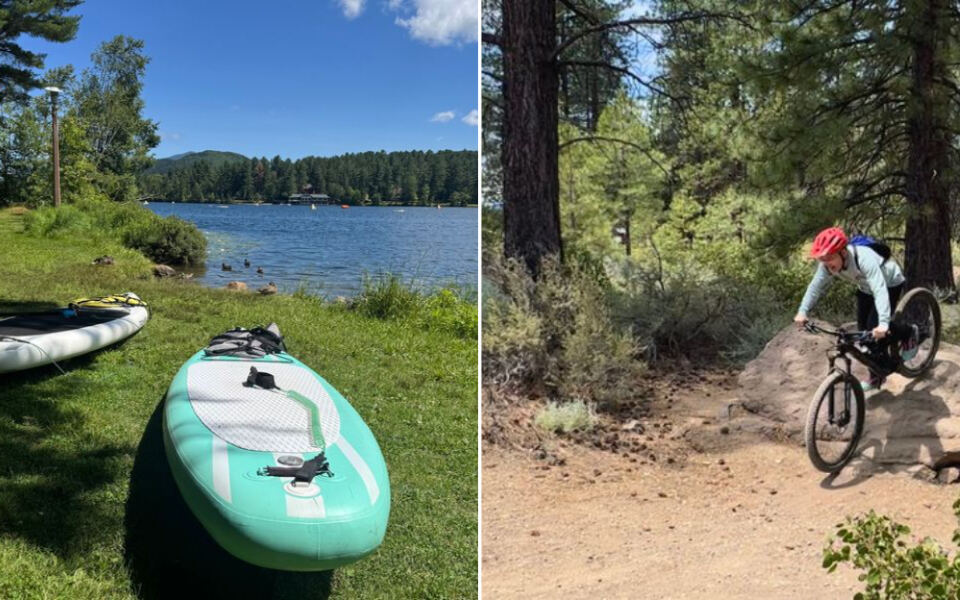
Central Oregon has quietly built one of the most impressive trail networks in the Pacific Northwest, and Bend sits right at the center of it. More than 600 miles of maintained singletrack surround the city, covering terrain that ranges from wide, smooth beginner paths to fast and technical routes through pine forests and high desert.
Riders can spend multiple days exploring completely different trail systems without ever moving their home base. That kind of variety is rare, and it is one of the main reasons Bend attracts serious cyclists from across the region.
When the bike stays in the rack, the Deschutes River runs directly through the city and opens up kayaking, paddleboarding, and tubing. The combination of Cascade scenery, forest trails, and urban river access gives Bend a well-rounded appeal that goes beyond any single activity.
Groups with mixed interests tend to find something useful here regardless of what kind of outdoor day they are planning.
Hiking, Jackson, Wyoming
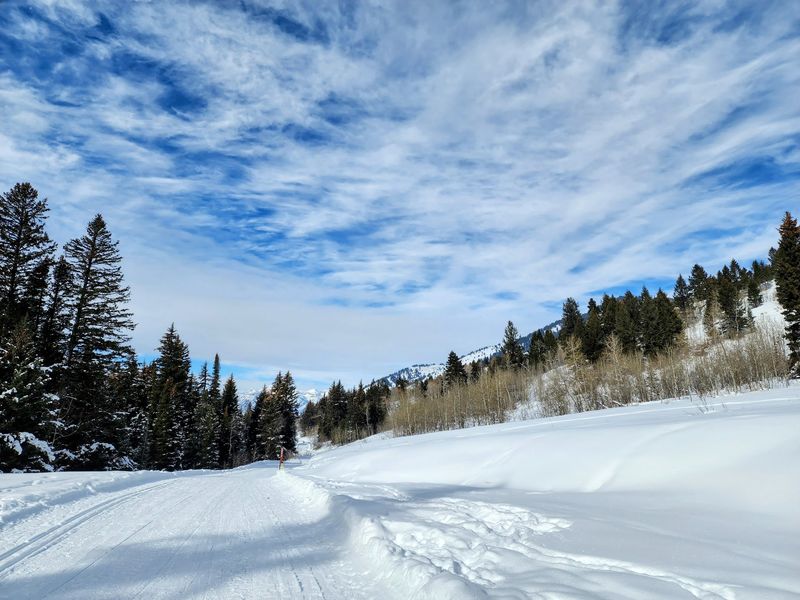
Jackson is one of those towns where the scenery hits you before you even unpack. Grand Teton National Park begins practically at the edge of town, and its more than 250 miles of hiking trails give visitors a wide range of options depending on fitness level and available time.
Jenny Lake, alpine canyons, wildlife-rich valleys, and high-country viewpoints are all accessible from well-marked trailheads. Shorter walks along the lake shoreline work well for casual visitors, while demanding backcountry routes beneath the Teton Range attract experienced hikers looking for serious elevation.
Grand Teton remains open to visitors in 2026, though the National Park Service advises checking current conditions because construction-related closures can affect certain areas. Beyond hiking, Jackson provides access to water activities, wildlife watching, mountaineering, and scenic drives through the valley.
Travelers planning several active days in northwest Wyoming will find Jackson a genuinely practical and scenically rewarding place to set up camp.
Coastal Hiking, Bar Harbor, Maine
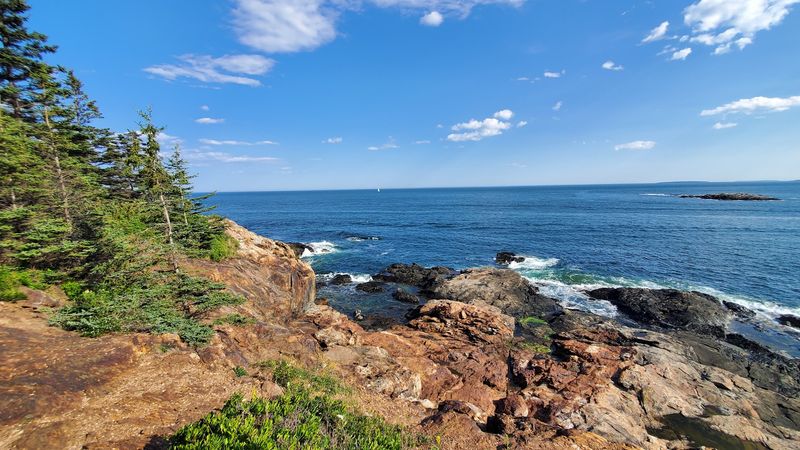
Bar Harbor is a small coastal town with a surprisingly big outdoor footprint. Acadia National Park wraps around much of the surrounding area, combining granite mountains, forest trails, freshwater lakes, and Atlantic shoreline in a compact and highly accessible package.
One of the more unusual hikes actually starts in town. At low tide, visitors can walk across the exposed gravel bar to Bar Island and follow a forested trail with views overlooking Frenchman Bay.
It is a short adventure, but it is the kind of thing that sticks with you.
Acadia also maintains a wide range of coastal, summit, and lake routes throughout the park, giving hikers plenty of variety across multiple days. The National Park Service welcomed visitors for the 2026 season, though checking current trail conditions before heading out is always a good idea since individual paths can close temporarily for construction or wildlife protection.
Bar Harbor itself has lodging, restaurants, and gear shops within easy walking distance of the waterfront.
Pisgah National Forest Hiking, Asheville, North Carolina
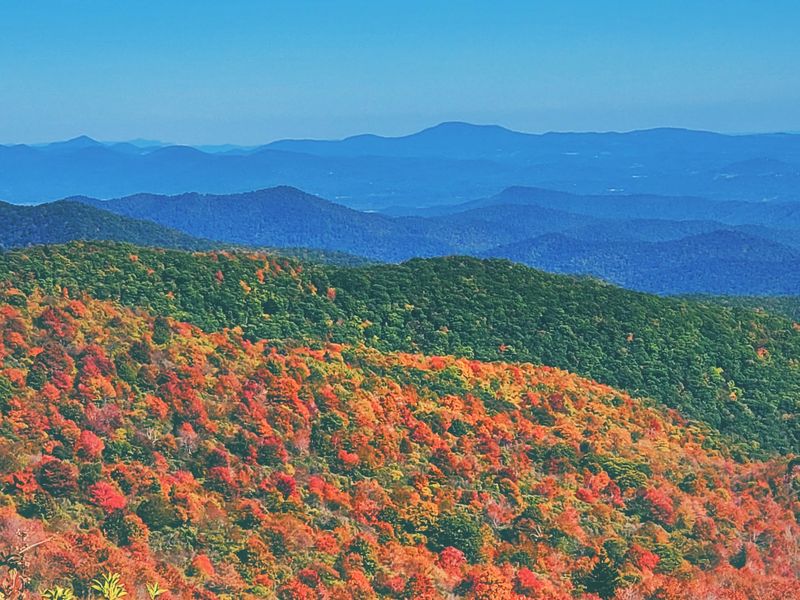
Asheville gets a lot of attention for its food scene and arts district, but the mountains surrounding the city are just as much a reason to visit. Pisgah National Forest covers more than 500,000 acres and contains waterfalls, mile-high peaks, whitewater rivers, and hundreds of miles of hiking trails spread across the western North Carolina highlands.
Access to parts of the forest starts less than 10 minutes from downtown, which makes it easy to be on a trail early and back in town for dinner. Popular destinations include Mount Pisgah, Looking Glass Rock, Catawba Falls, and the open ridges along the Blue Ridge Parkway.
As of July 2026, many Parkway hiking access points near Asheville remain open, though road conditions continue to be updated as repairs related to Hurricane Helene progress. Travelers should check current conditions before planning Parkway-specific outings.
The combination of city comfort and genuine mountain wilderness is what makes Asheville stand out as a base for multi-day hiking trips in the Southeast.
Adirondack Paddling, Lake Placid, New York
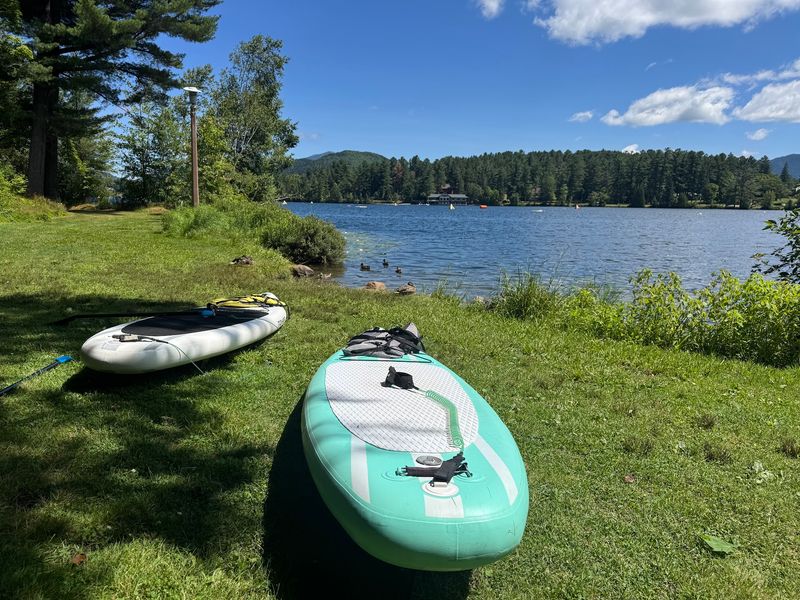
Lake Placid is best known for its Olympic legacy, but the surrounding Adirondack region is what makes it genuinely useful as an outdoor base. The area is filled with lakes, ponds, rivers, and streams that support canoeing, kayaking, stand-up paddleboarding, and whitewater rafting across a range of difficulty levels.
Mirror Lake sits right in the village and provides an easy starting point for paddlers who want calm water close to town. From there, nearby waterways allow more adventurous visitors to push farther into the Adirondack backcountry at their own pace.
Local outfitters offer guided trips and equipment rentals for those without their own gear.
Hiking in the High Peaks region makes it simple to alternate water days with mountain days, which keeps a multi-day trip from feeling repetitive. The combination of accessible paddling, mountain trails, and a well-equipped village gives Lake Placid a practical versatility that not many small towns in the Northeast can match.
It is a strong base for both beginners and experienced paddlers.
Rocky Mountain Hiking, Estes Park, Colorado
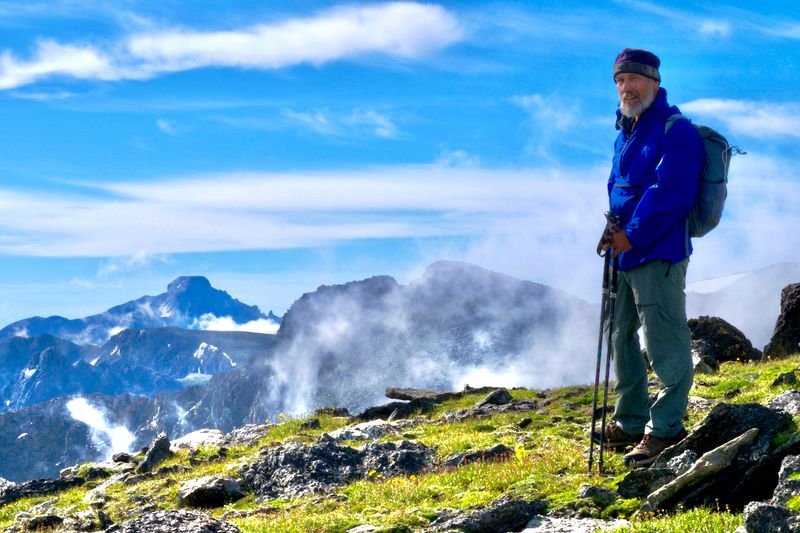
Estes Park openly calls itself the base camp for Rocky Mountain National Park, and the geography backs that up completely. The park contains more than 350 miles of hiking trails, ranging from easy walks around scenic lakes to demanding climbs into high alpine terrain above the tree line.
Bear Lake, Sprague Lake, alpine valleys, and high-country viewpoints give hikers plenty of variety without requiring the same level of fitness for every outing. Wildlife sightings, including elk, moose, and bighorn sheep, are common along many of the park’s most popular corridors.
Estes Park also provides access to national forest lands and additional trails outside the main park boundary, which adds more options for visitors staying several days. Hiking remains widely available in 2026, though conditions at higher elevations can shift quickly with afternoon storms, so checking current park information before setting out is a smart habit.
The town itself has gear shops, restaurants, and lodging options to support a comfortable multi-day stay.
Red Rock Mountain Biking, Sedona, Arizona
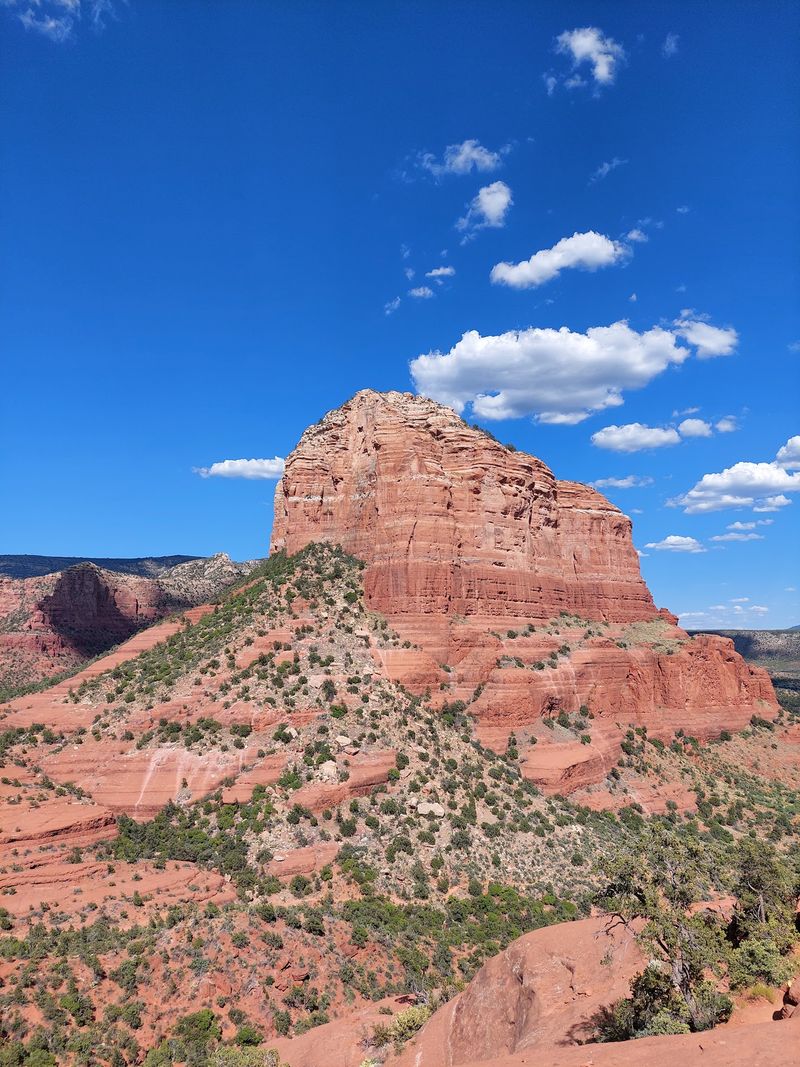
Sedona might be the most visually dramatic mountain biking destination in the country. Hundreds of miles of interconnected trails wind through a landscape of sandstone towers, mesas, and red rock formations that glow in shades of orange and crimson depending on the time of day.
Bell Rock Pathway offers a manageable introduction for riders who are newer to technical desert terrain. More experienced cyclists can challenge themselves on routes like Mescal, Slim Shady, and Hangover, which add exposure, elevation changes, and technical features to the mix.
The trail network also works well for hikers, which makes Sedona a practical base for groups where not everyone is on a bike. Current tourism information confirms that Sedona remains a major mountain biking destination with terrain spanning the full range from beginner to expert difficulty.
The town has a solid selection of bike shops, guided tour operators, and accommodations, making it easy to arrive without bringing every piece of gear from home.
Whitewater Rafting, Fayetteville, West Virginia
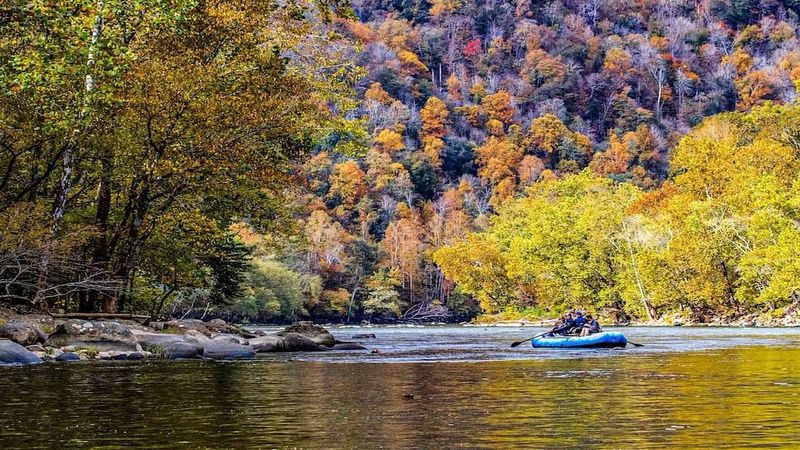
Fayetteville is a small town with a very large river running beside it. New River Gorge National Park and Preserve sits right next door, and the Lower Gorge section of the New River is widely recognized as one of the premier whitewater destinations in the eastern United States.
Class III to Class V rapids draw rafters from across the country, and licensed outfitters based in and around Fayetteville provide guided trips that cover equipment, instruction, and logistics. Visitors who prefer to stay dry have serious alternatives available.
New River Gorge contains more than 1,400 established rock climbs on hard sandstone cliffs, making it one of the most concentrated climbing areas on the East Coast. Trails to Long Point and along the Endless Wall provide dramatic gorge views without requiring technical gear.
That combination of rafting, climbing, and hiking gives Fayetteville a concentration of adventure options that is genuinely unusual for a town its size.
San Juan Mountain Biking, Durango, Colorado

Durango sits at the intersection of several distinct landscapes, and that variety is exactly what makes it work so well as an adventure base. High desert, ponderosa pine forests, alpine terrain, and the San Juan Mountains all come together within reach of the city, giving mountain bikers an unusually broad range of riding environments.
Nearly 300 miles of trails are accessible from Durango, including routes that begin just minutes from downtown and higher-elevation rides that push into true mountain terrain. The Colorado Trail reaches Durango and can be explored in sections by experienced cyclists looking for something more sustained.
Mountain biking is far from the only reason to come here. Hiking, rafting on the Animas River, fishing, climbing, and horseback riding all contribute to Durango’s standing as a four-season outdoor destination.
The town has a well-established outdoor recreation culture, with gear shops, experienced outfitters, and restaurants that cater to people who spend their days outside and need a good meal at the end of them.
Glacier Adventures, Anchorage, Alaska
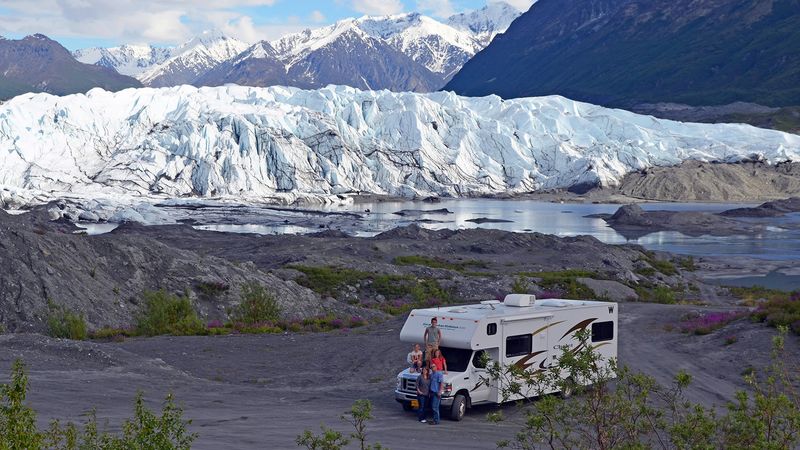
Anchorage offers something genuinely rare: the infrastructure of a major city combined with immediate access to some of the most dramatic wilderness on the continent. Approximately 60 glaciers lie within 50 miles of the city, creating opportunities for glacier cruises, guided ice adventures, flightseeing tours, and hiking routes through ice-carved valleys.
Portage Valley is one of the most accessible glacier areas, with trails and boat cruises offering close-up views of surrounding ice and steep mountain walls. It is reachable as a day trip from the city without requiring any specialized backcountry experience.
Anchorage also has hundreds of miles of local trails, and Chugach State Park provides mountain routes ranging from short hikes to demanding backcountry trips for those who want more elevation. For travelers who want a real taste of Alaska’s wilderness without relocating to a remote lodge every night, Anchorage functions as an excellent and practical base that does not force you to choose between comfort and adventure.
Eastern Sierra Hiking, Mammoth Lakes, California
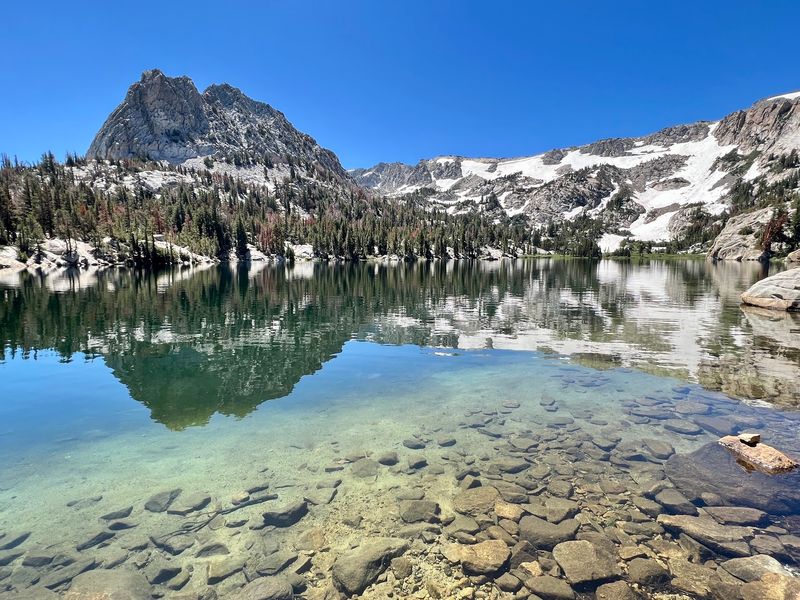
Mammoth Lakes sits at high elevation in the Eastern Sierra and has access to a scale of wilderness that catches first-time visitors off guard. The surrounding Inyo National Forest covers roughly two million acres, and the Mammoth Lakes Basin alone connects to more than 100 miles of designated routes leading toward alpine lakes and backcountry wilderness areas.
Hikers can choose from relaxed lakeside walks, moderate canyon routes, or full-day trips into rugged mountain terrain depending on how much they want to push. The variety within a short drive of town is one of the area’s strongest practical advantages.
Mammoth Lakes also works as a jumping-off point for trails near June Lake, Rock Creek Canyon, and portions of the broader Yosemite region. Current 2026 information confirms hiking trails are open subject to weather and individual access conditions, with biking, fishing, and other summer activities available across the area.
The town has reliable lodging, gear shops, and dining to support multi-day stays.
High Country Hiking, Flagstaff, Arizona
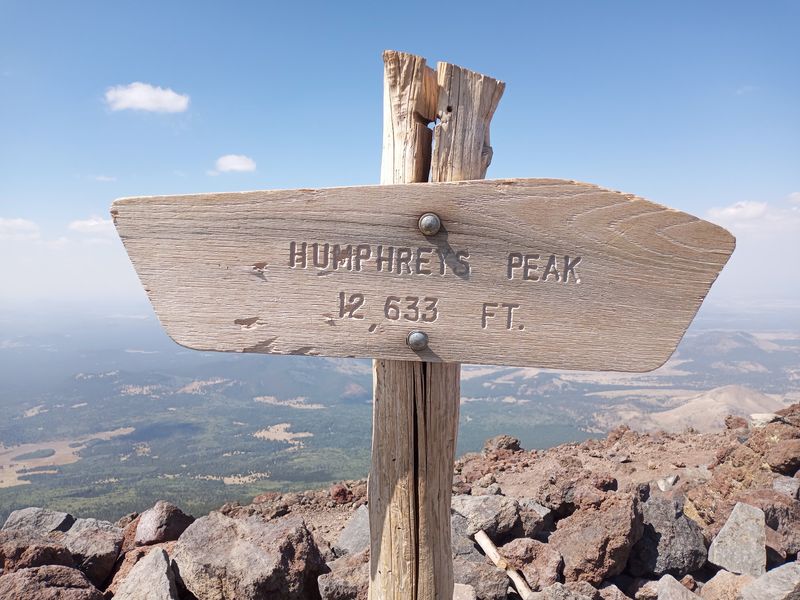
Flagstaff gives visitors an Arizona experience that looks nothing like the desert postcards. Sitting at an elevation of nearly 7,000 feet, the city is surrounded by ponderosa pine forests and volcanic mountain terrain that supports hiking, trail running, mountain biking, and climbing across multiple seasons.
The San Francisco Peaks, home to Arizona’s highest point, rise just north of the city and offer trails that climb well above the tree line into open alpine terrain. Those higher routes provide a genuinely different perspective on a state most people associate with heat and cactus.
Grand Canyon National Park is close enough from Flagstaff for a practical day trip, which means visitors can combine local forest and mountain adventures with one of the most famous landscapes in North America. The range of elevations and terrain types in the surrounding area gives outdoor travelers strong flexibility, whether they want a straightforward forest walk one morning or a more demanding high-country push the next day.
Chugach Mountain Hiking, Anchorage, Alaska
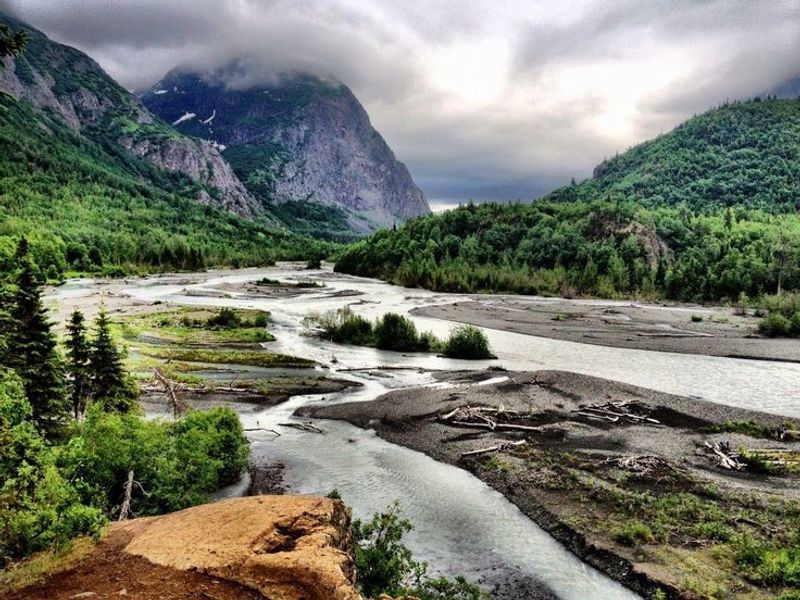
While glacier adventures draw many visitors to Anchorage, the city’s hiking credentials stand strongly on their own. Chugach State Park covers roughly 495,000 acres of mountain wilderness and begins practically at the edge of the city, making it one of the most accessible large wilderness parks in the United States.
Popular trailheads near Glen Alps, Eklutna Lake, and Eagle and Symphony Lakes provide a range of starting points for different ability levels. Flattop Mountain is one of the region’s most well-known day hikes and offers panoramic views of Anchorage, Cook Inlet, and the surrounding range without requiring remote backcountry travel.
The Crow Pass route adds a more demanding option for experienced hikers looking for a longer and more committing outing. The range across Chugach State Park means visitors can choose easier valley walks one day and considerably more demanding mountain terrain the next, keeping a multi-day itinerary fresh without ever leaving the greater Anchorage area.
It is a hiking base that genuinely rewards staying longer.
Share this story