A potter’s wheel can outlast a dynasty. A sheet of paper can stay strong for a thousand years.
In the villages on this list, ordinary materials like clay, thread, wood, and plant fibers have been turned into art by families who learned the work from their parents and grandparents. These are not museum displays behind glass.
The workshops are open, the tools are still in use, and visitors can often watch a piece take shape or try the craft themselves. Along the way, you will meet a lace tradition honored by UNESCO, a paper said to be the strongest in its country, a town with about 200 woodcarvers, and a toy village that owes its start to a sultan.
Each stop has its own story, its own techniques, and its own souvenirs worth carrying home. Ready to see who still keeps these old skills alive?
The first stop is a Cypriot village where a famous painter is said to have gone shopping.
1. Pano Lefkara, Larnaca District, Cyprus
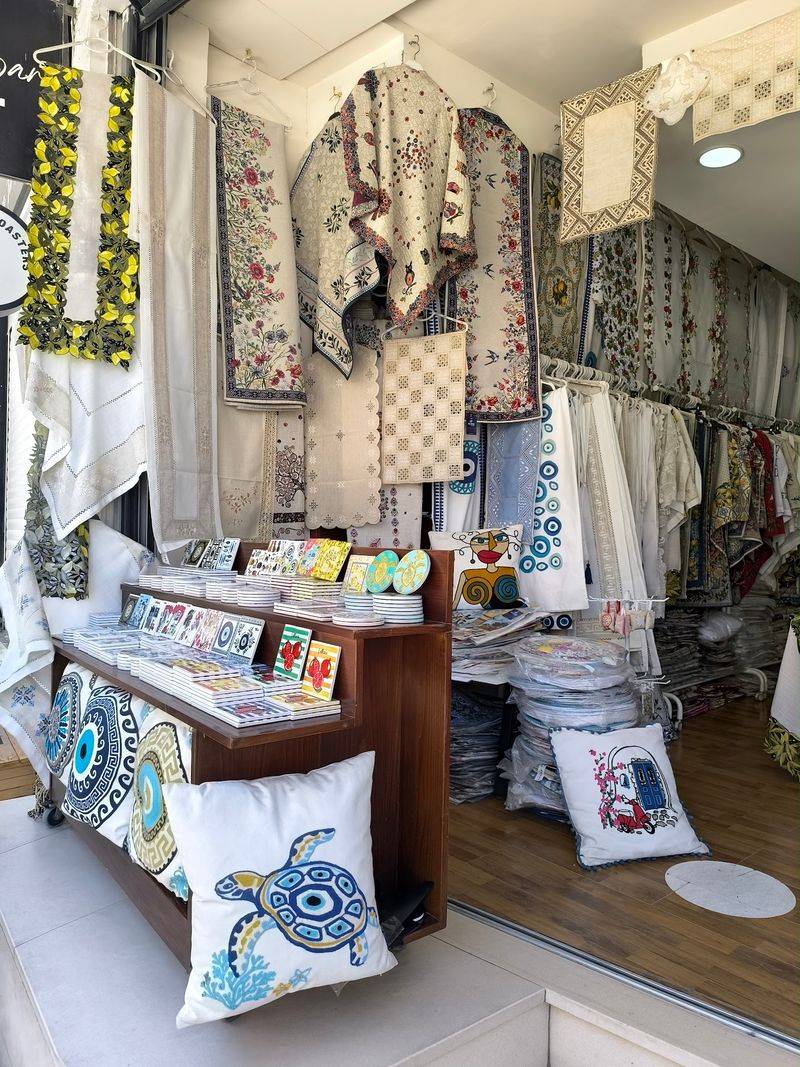
Legend says Leonardo da Vinci visited Cyprus in 1481 and bought a lace cloth for the altar of Milan Cathedral. Whether or not the tale is true, Lefkara lace has earned real fame over at least six centuries.
Known as Lefkaritika, it uses hemstitch, cutwork, and satin-stitch fillings arranged in reversible geometric patterns. There are more than 650 motifs, including the zig-zag river pattern called potamoi.
Lace was once a key part of a bride’s dowry, so skills passed from mother to daughter. Men known as kentitarides carried the finished pieces across Europe to sell them.
UNESCO added the craft to its heritage list in 2009. Today you can visit the Lefkara Handicraft Centre, see women stitching along the lanes, and join a workshop to learn a few stitches yourself.
2. Bát Tràng, Hanoi, Vietnam
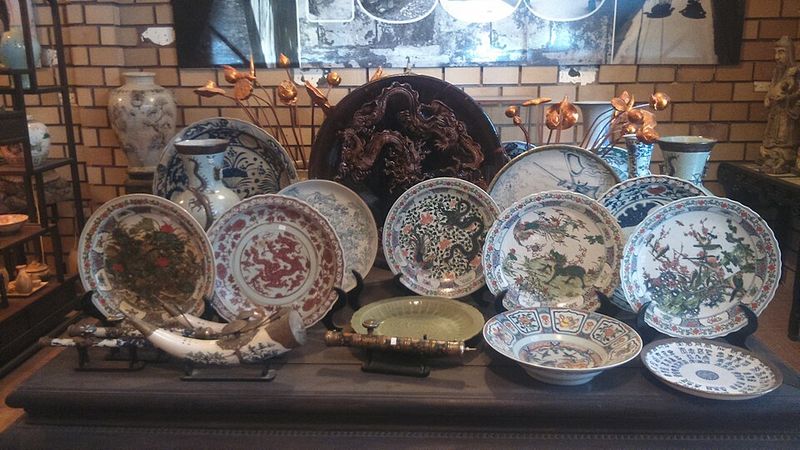
Some of the bowls in IKEA and Target may share a birthplace with royal temple ceramics. Bát Tràng has shaped clay for more than seven centuries, and its wares once traveled trade routes to China, Japan, and even Europe.
The village is known for celadon and crackle glazes, plus bowls, vases, and ceremonial pieces. Designs often show dragons, phoenixes, and flowers.
More than a thousand households work here, and each may use slightly different methods. Many kilns now burn gas, which cuts down on pollution.
Visitors can join a workshop, shape their own piece, and have it fired for pickup. Do not miss the last gourd-shaped kiln, the six-floor pottery museum, and the 200-year-old Van Van Ancient House.
3. Kurotani, Ayabe, Kyoto Prefecture, Japan
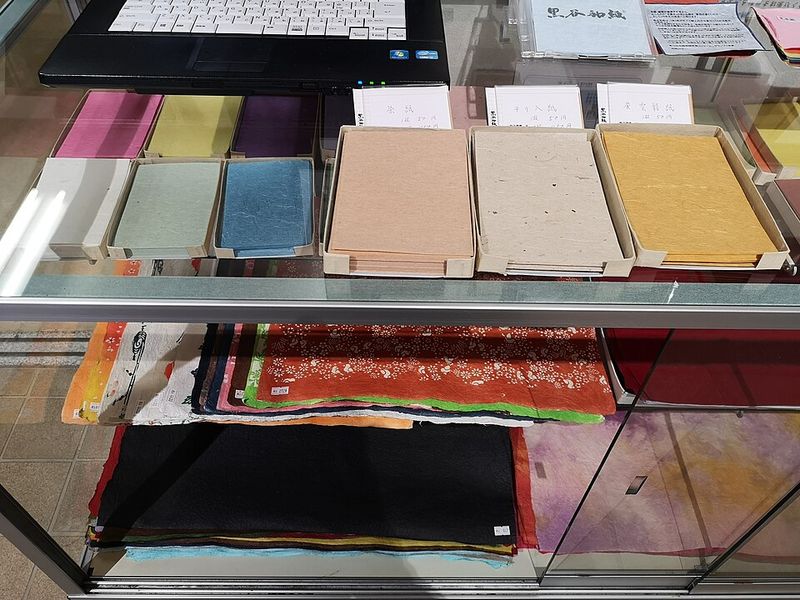
Legend credits the craft to defeated Heike warriors who hid in this mountain valley around 800 years ago. Farming was hard there, so they made paper to earn a living through the long winters.
In 1917, the government called Kurotani washi the strongest paper in Japan. It is made from kozo and mitsumata fibers and cold mountain water, in a process with up to 16 steps.
Old uses included sliding doors, lanterns, umbrellas, and wrapping for silkworm cocoons. Today it shows up in scarves and in the repair of important artworks.
Visitors can tour a small museum with a kimono made of paper. Workshops last about two hours, need advance booking, and end with your eight postcard-sized sheets mailed to your home.
4. San Bartolo Coyotepec, Oaxaca, Mexico
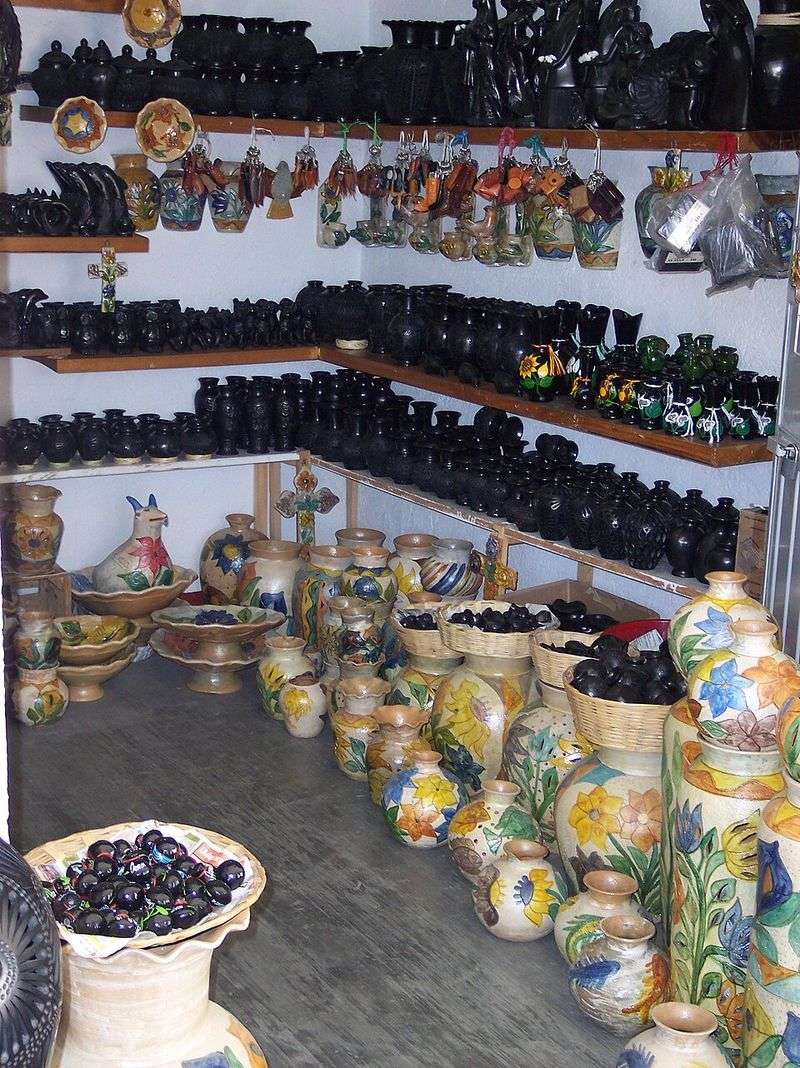
The shiny black pots seen across Oaxaca have a surprisingly young look for such an old craft. Pottery here goes back thousands of years, but the mirror-like finish was developed in the 1950s by Doña Rosa Real Mateo de Nieto.
Her trick was polishing nearly dry clay with quartz stones before firing. The pieces then bake in sealed kilns with little oxygen, which turns the gray clay black without any paint or glaze.
Hundreds of families still make barro negro today. Their work includes jars, bowls, animal figures, whistles, bells, masks, and lamps.
Many workshops open their courtyards so you can watch each step, and some offer hands-on classes. The MEAPO folk art museum in town explains how the style developed.
5. Inami, Nanto, Toyama Prefecture, Japan
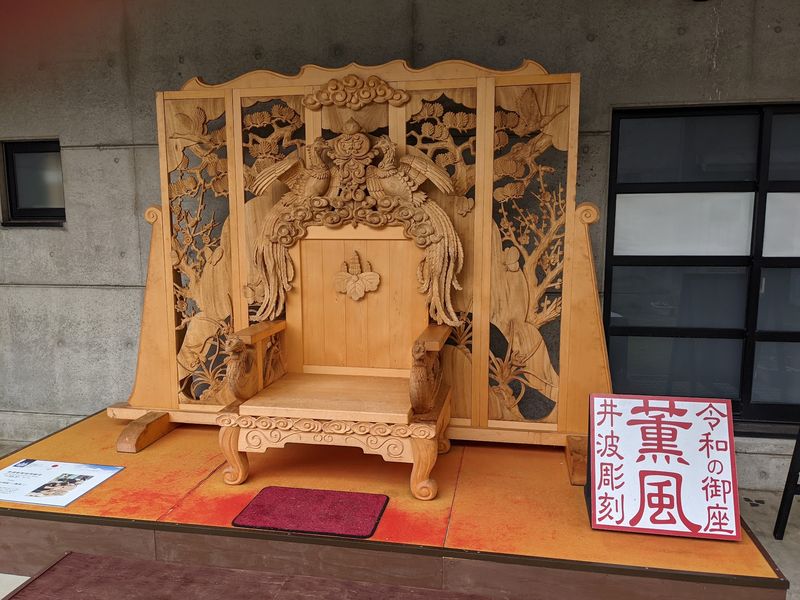
Some 200 woodcarvers share this one small town, which makes it Japan’s top woodcarving hub. The craft began around 250 years ago, after Zuisenji Temple needed rebuilding and a master sculptor from Kyoto taught the local carpenters.
Carvers here use more than 200 kinds of chisels and skip sandpaper entirely. A signature product is the ranma, an openwork panel that sits above doorways and looks good from both sides.
Most studios handle every step themselves, from buying wood to shipping, so each piece reflects one artist’s taste.
Stroll Yokamachi Street, visit Zuisenji Temple, and hunt for the tiny carved cats hidden on shopfronts. You can also carve a small plate or cup in a short workshop, or stay at Bed and Craft.
6. Margarites, Crete, Greece
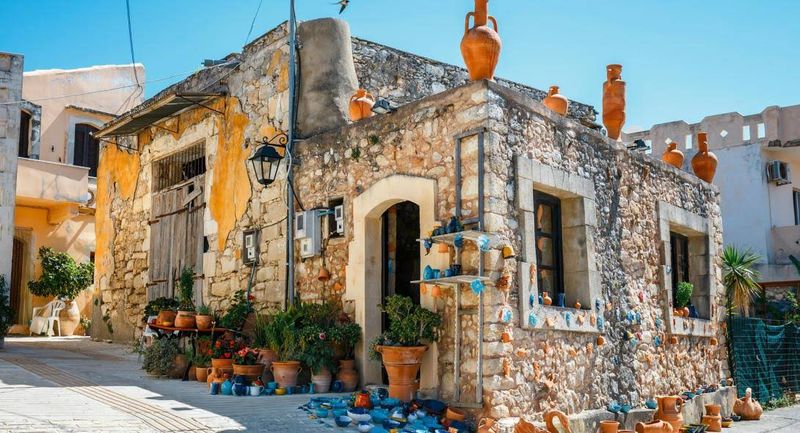
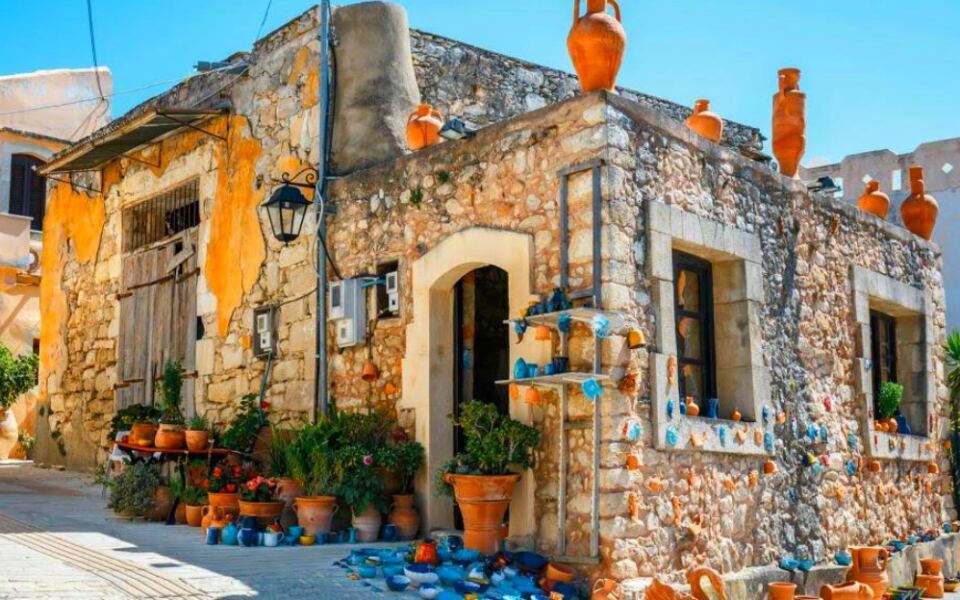
Margarites is a village where a wander down the street can turn into a shopping trip. More than 16 workshops, called tsikalaria, line the lanes, and each has its own style.
The pottery tradition reaches back to Byzantine times and possibly the Minoans. Local clay is rich in minerals, and potters still dig and clean it by hand.
Markos Dandolos, a fourth-generation potter, still makes big three-handled pithoi for storage. Other local methods include burnishing pieces with a smooth pebble and firing them in wood kilns.
Many studios let visitors watch demonstrations or try the wheel. A small pottery collection explains the process, and cafes nearby serve homemade Cretan dishes.
7. Avanos, Nevşehir Province, Türkiye
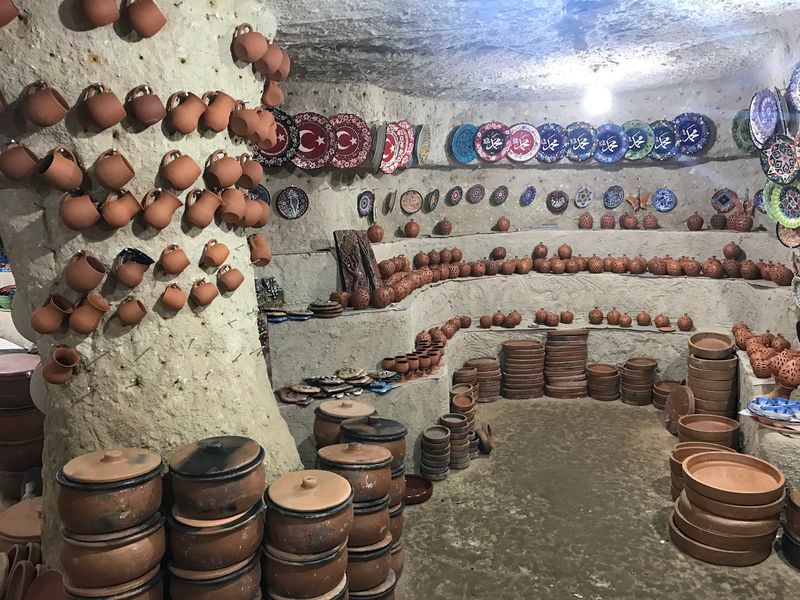
A potter in Avanos needs both feet and both hands. One foot spins the kick wheel while the hands shape the clay, and that skill has passed down through generations.
The town sits beside the Kızılırmak, or Red River, and its clay comes from the red silt along the banks. Pottery here goes back to the Hittites, and later Romans, Byzantines, Seljuks, and Ottomans all kept it going.
Workshops make cooking pots, water jugs, vases, plates, and bowls. Older designs use geometric shapes and animal figures, while newer ones mix in modern looks.
Many studios invite visitors to try the wheel. For museums, try the Güray Ceramic Museum, one of the largest underground ceramic museums in the world, or the quirky Chez Galip Hair Museum.
8. Koniaków, Silesian Voivodeship, Poland
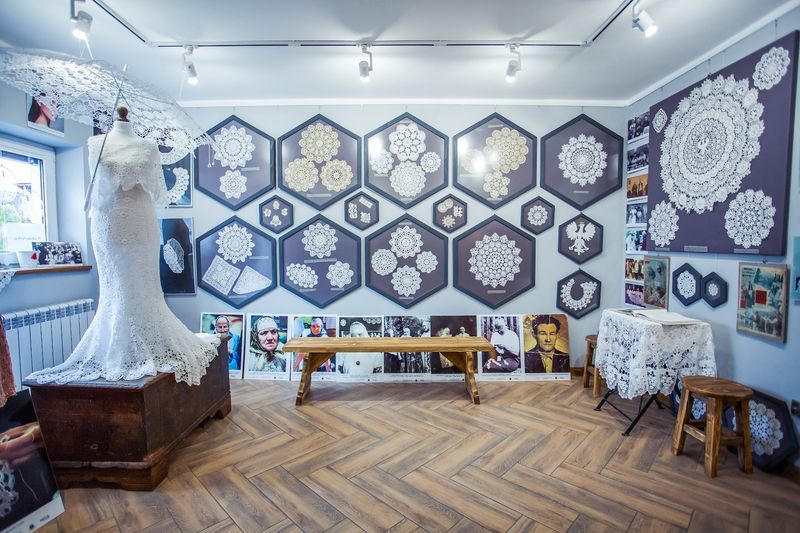
A single tablecloth can take a lacemaker several months, or even a full year. That is how much patience goes into Koniaków lace.
The craft began in the early 1800s, when local women wanted to add to the household income. They crochet tiny flowers, leaves, and geometric shapes from fine cotton thread, then join them into larger pieces.
The lace has no background mesh, which sets it apart from many other lace styles. Products include curtains, doilies, blouses, dresses, and even Christmas ornaments.
Skills pass from mothers and grandmothers to daughters and granddaughters. Visitors can browse lace shops, watch lacemakers at work, and visit the Koniaków Lace Museum.
The lace festival is usually held in August.
9. Onta, Hita, Oita Prefecture, Japan
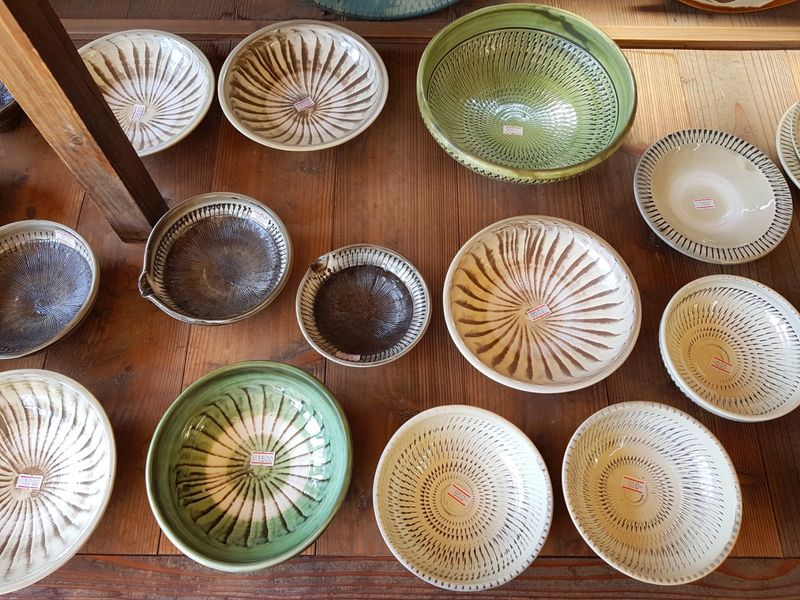
Only ten families keep the pottery of Onta alive, and the craft goes to sons or adopted sons. That closed system has helped the village avoid mass production for more than 300 years.
Ontayaki began around 1705 to 1720, when a potter from nearby Koishiwara brought his methods here. The ware is made for daily use, with rhythmic patterns from techniques like tobikanna, hakeme, and uchikake.
Water-powered wooden mortars called karausu pound the local clay. Their sound made Japan’s list of 100 Soundscapes.
The pottery became a National Intangible Cultural Property in 1970. Hands-on classes are not usually offered, but visitors can watch potters work and see more pieces at the Onta Pottery Museum.
10. Van Phuc, Hanoi, Vietnam
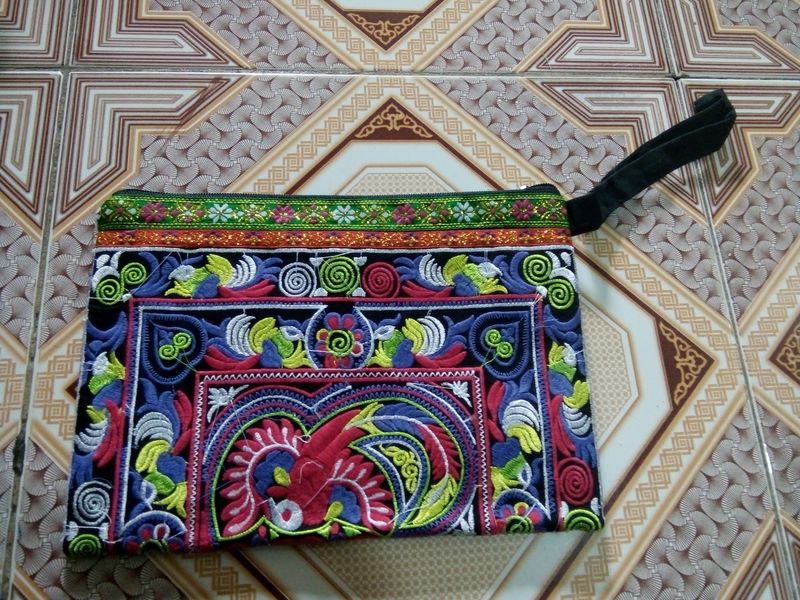
Silk from this village once went to royal courts and was given to foreign visitors as gifts. Weaving in Van Phuc goes back to at least the 11th century, during the Ly Dynasty.
The fabric is soft, light, and durable, and patterns often show dragons, phoenixes, clouds, and flowers. Artisans use traditional handlooms, though some workshops now add machines for speed.
Products include scarves, ties, clothing, and the traditional Vietnamese dress called the ao dai. Specialties include Lanh Van silk and double-layered silk with patterns on both sides.
Visitors can watch looms in action and shop for gifts along the narrow lanes. Old communal buildings, ancient wells, and mature trees give the village history beyond the shops.
11. Pomaire, Melipilla Province, Chile
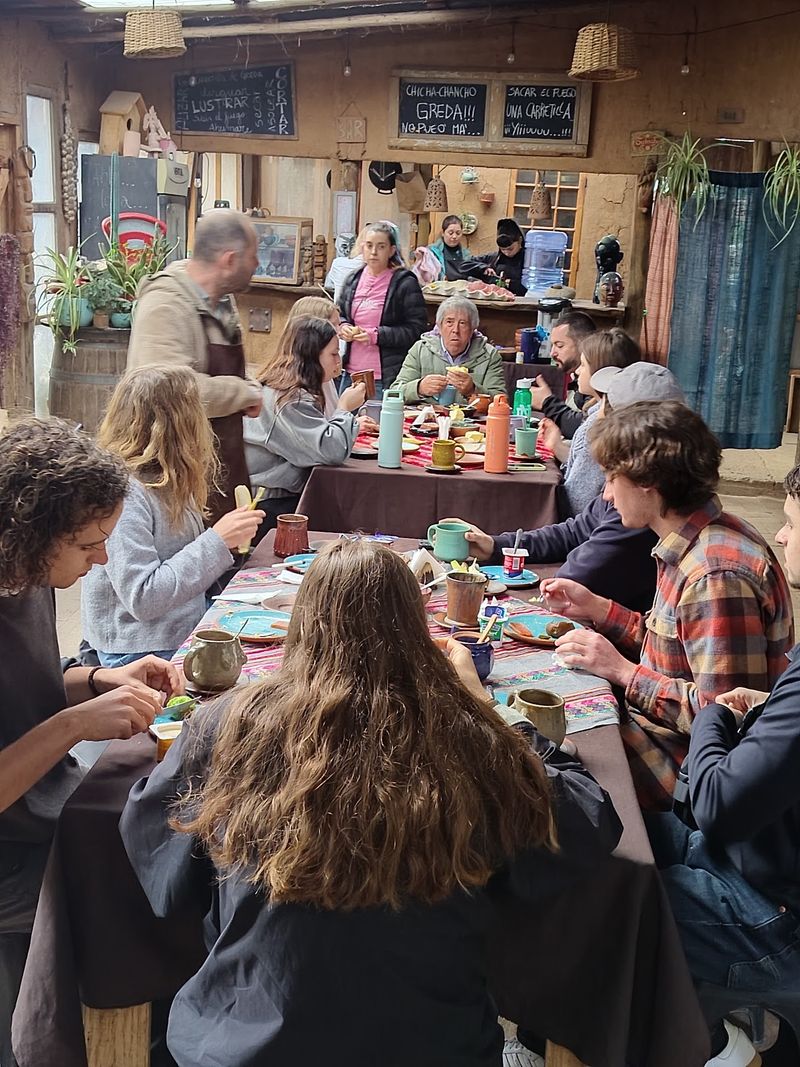
Chile’s lucky charm is a small clay pig. The chanchitos de Pomaire come in many sizes and expressions, and people buy them as symbols of prosperity.
Pomaire sits a short trip from Santiago and is one of the country’s best-known pottery centers. The tradition reaches back to pre-Columbian times, and family workshops keep it going.
Potters shape brown clay by hand or on simple kick wheels, then fire it in ovens often built into the ground. Pieces are usually unglazed.
Products include cooking pots like the olla de greda, jugs, small ovens, miniature houses, and nativity scenes for Christmas. Streets are lined with shops, workshops, and restaurants, so you can watch a demonstration and then eat lunch served in local clay pots.
12. Channapatna, Karnataka, India
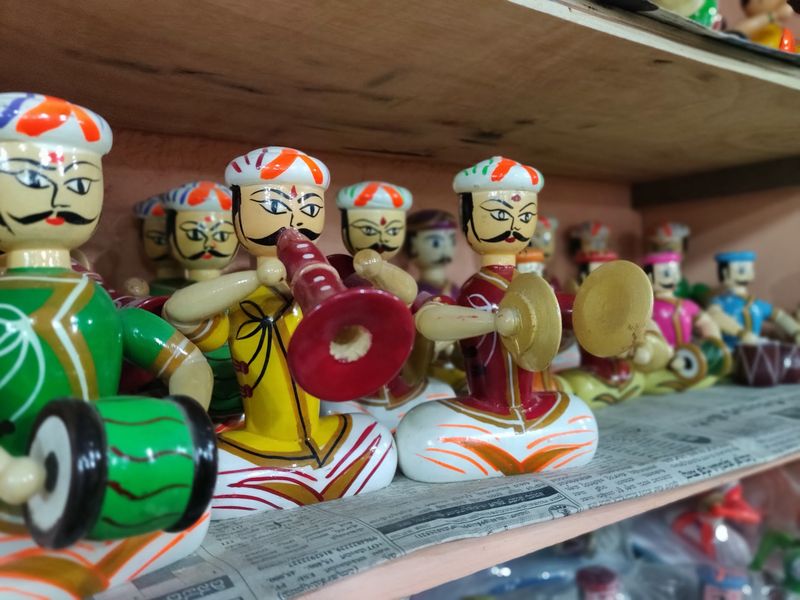
A sultan with a taste for Persian lacquerware is behind this town’s nickname, Toy Town. Tipu Sultan of Mysore invited Persian artisans in the late 1700s to train local craftsmen, and the skill stuck.
Workers shape wood such as rubber wood and sandalwood on a lathe. They then press colored lacquer onto the spinning piece, which leaves a smooth, glossy coat.
The dyes come from vegetables, so the toys are safe for children.
Tools are simple, including a bow-lathe, chisels, and hand drills. Products include dolls, animals, spinning tops, stacking toys, puzzles, bangles, and coasters.
Plastic toys once threatened the trade, but government help and new designs have kept it going. Workshops and shops around town welcome visitors to watch and shop.
13. Raghurajpur, Odisha, India
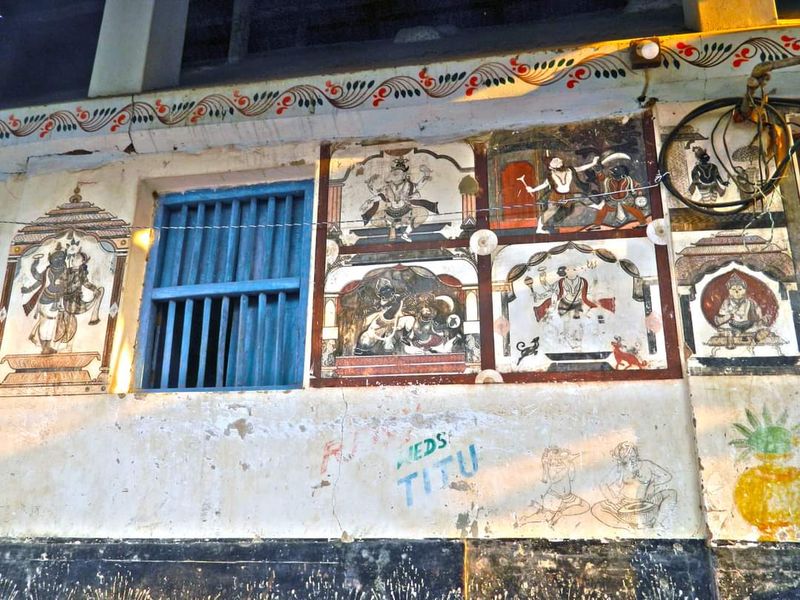
About 120 homes make up this small village, and art happens in many of them. Front rooms often double as studios and galleries, so visitors can watch painters at work.
The village is best known for Pattachitra, a painting style on cloth that shows religious and mythological stories. Common subjects include Lord Jagannath, Krishna, and scenes from the Ramayana and Mahabharata.
Artists prepare the cloth with tamarind seed paste and chalk, then paint with natural mineral and vegetable colors made in the village. A lacquer coat protects the finished work.
Palm-leaf engraving, mask making, wooden toys, papier-mache, and Ganjifa card painting also thrive here. Many artists happily explain their methods, and you can buy directly from the makers.
14. Deruta, Umbria, Italy
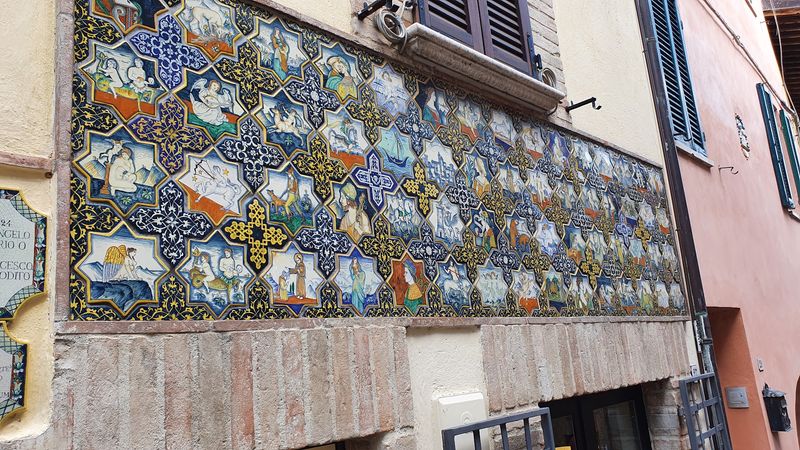
Few Italian towns are as closely tied to one craft as Deruta. Kiln sites here date back to the 12th and 13th centuries, and maiolica production grew famous during the Renaissance.
Maiolica is tin-glazed earthenware. Potters shape local red clay, cover it in white glaze, and hand-paint designs in blues, greens, yellows, and oranges.
A second firing at high heat fixes the colors permanently.
Historic designs included coats of arms, mythological scenes, portraits, and flowers. Modern artists still update the classic patterns.
Many workshops are family-run and keep their methods within the family. Shops and studios fill the main street, Via Tiberina, and the medieval lanes.
The Regional Museum of Ceramics traces the story from early pieces to today, and some studios offer painting classes.
Share this story