America’s Wild West era left behind more than legends and tall tales. Across the country, you can still walk, drive, or ride along the same paths that pioneers, traders, and explorers used hundreds of years ago.
These trails connect us to a time when crossing the continent was one of the greatest adventures a person could attempt. From the windswept plains of Kansas to the rugged mountains of Wyoming, these 14 historic trails are waiting to be explored.
1. Oregon National Historic Trail
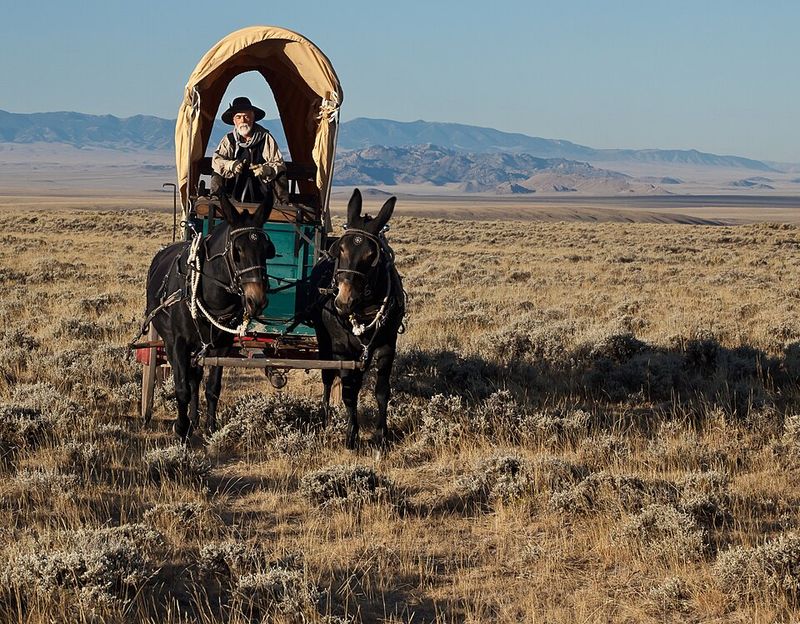
Few journeys in American history were as bold as the one taken by pioneers heading west on the Oregon Trail. Starting in Missouri and stretching over 2,000 miles through Kansas, Nebraska, Wyoming, Idaho, and finally Oregon, this trail carried roughly 400,000 settlers between the 1840s and 1860s.
Today, you can still spot the actual wagon wheel ruts pressed into the earth in places like Guernsey, Wyoming. The National Park Service manages several sites along the route, making it easy to visit and learn about life on the trail.
Families can stop at interpretive centers, hike short trail segments, and even camp near historic landmarks. The Oregon Trail is not just a path through history.
It is a reminder of how ordinary people accomplished something truly extraordinary with little more than courage and a covered wagon.
2. California National Historic Trail
Gold fever changed America forever, and the California National Historic Trail tells that story mile by mile. This massive route spans nearly 5,500 miles across Missouri, Kansas, Nebraska, Colorado, Wyoming, Idaho, Utah, Nevada, and California, making it one of the longest historic trails in the country.
During the Gold Rush of 1849, thousands of fortune seekers flooded westward, enduring scorching deserts and steep mountain passes. Many of the original trail segments are still accessible today through national parks, state historic sites, and open public lands.
Visitors can follow mapped auto tour routes, explore preserved campsites, and visit museums that bring the gold rush era to life. Landmarks like Chimney Rock in Nebraska and the Sierra Nevada crossings in California are especially memorable stops.
Whether you are a history fan or an outdoor adventurer, this trail has something remarkable around every bend.
3. Santa Fe National Historic Trail
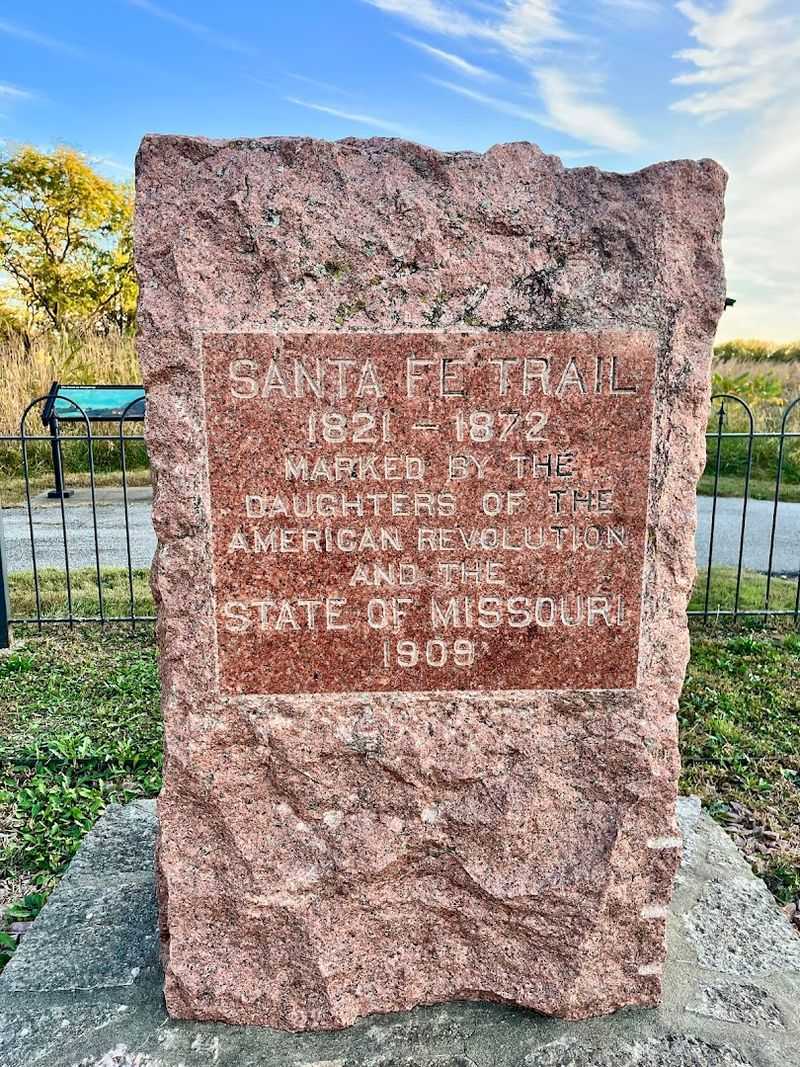
Long before the Wild West became the stuff of movies, traders were hauling goods along the Santa Fe Trail. Established in 1821, this commercial highway connected Franklin, Missouri, to Santa Fe, New Mexico, passing through Kansas, Colorado, and Oklahoma along the way.
Merchants loaded wagons with textiles, hardware, and other goods to trade in the Southwest, often traveling in large caravans for safety. The trail was used heavily for over 50 years and played a huge role in shaping the culture and economy of the American Southwest.
Today, many sections of the original trail are preserved and marked with brown highway signs. Bent’s Old Fort in Colorado and the Wagon Mound landmark in New Mexico are popular stops.
Walking parts of this trail feels like stepping back into a time when every mile westward was both a business venture and a survival challenge.
4. Pony Express National Historic Trail
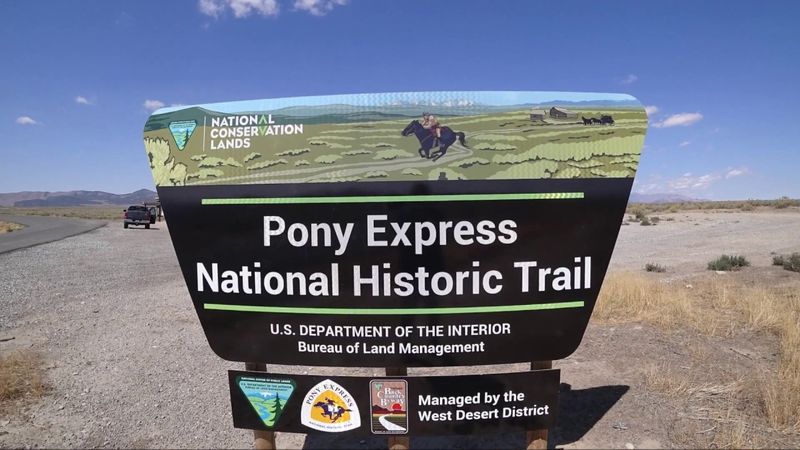
Speed was everything in 1860, and the Pony Express delivered. Young riders on fast horses raced mail from St. Joseph, Missouri, all the way to Sacramento, California, covering nearly 2,000 miles in about 10 days.
That was remarkable for its time.
The route crossed Kansas, Nebraska, Colorado, Wyoming, Utah, Nevada, and California, with relay stations every 10 to 15 miles where riders swapped horses and kept moving. The service only lasted 19 months before the telegraph made it obsolete, but the legend never faded.
Today, the Pony Express National Historic Trail follows the same general path, and dozens of original or rebuilt stations still stand. The St. Joseph Museum in Missouri is a great starting point for learning the full story.
Driving or cycling sections of this trail gives you a real sense of just how wild and wide open the American West truly was.
5. Old Spanish National Historic Trail
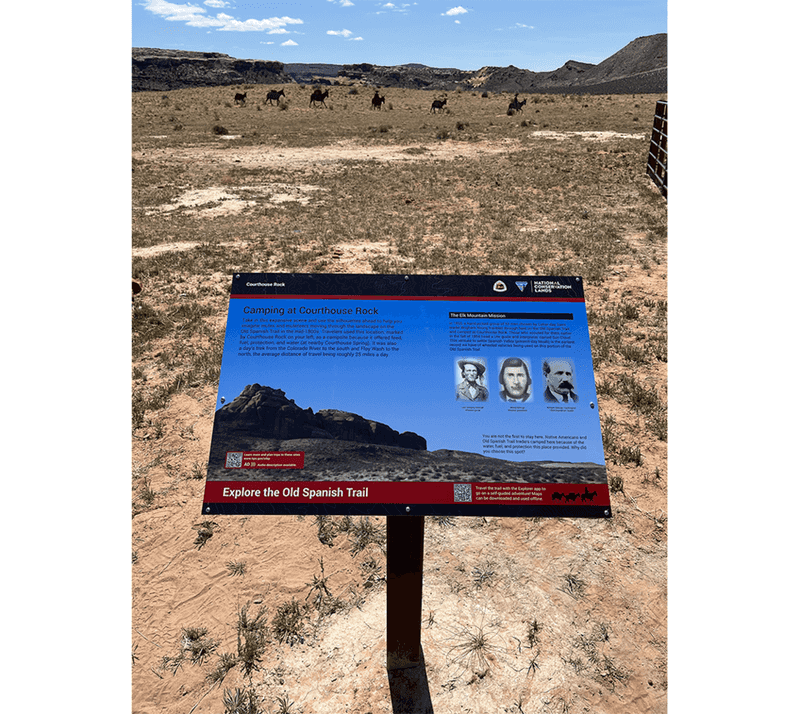
Stretching nearly 2,700 miles through some of the most dramatic scenery in the American Southwest, the Old Spanish National Historic Trail connected Santa Fe, New Mexico, to Los Angeles, California. Traders used this route from 1829 to the 1850s, moving horses, mules, and textiles between the two regions.
The trail winds through New Mexico, Colorado, Utah, Arizona, Nevada, and California, crossing deserts, mountain ranges, and river valleys that challenged even the most experienced travelers. Unlike wagon roads, this trail was designed for pack mule caravans that could navigate the rough terrain.
Today, the trail is managed by the National Park Service and Bureau of Land Management. Visitors can explore preserved sections in places like Canyonlands National Park in Utah and the Mojave Desert in California.
The scenery alone makes this trail worth following, with landscapes so striking they almost seem unreal even today.
6. Mormon Pioneer National Historic Trail
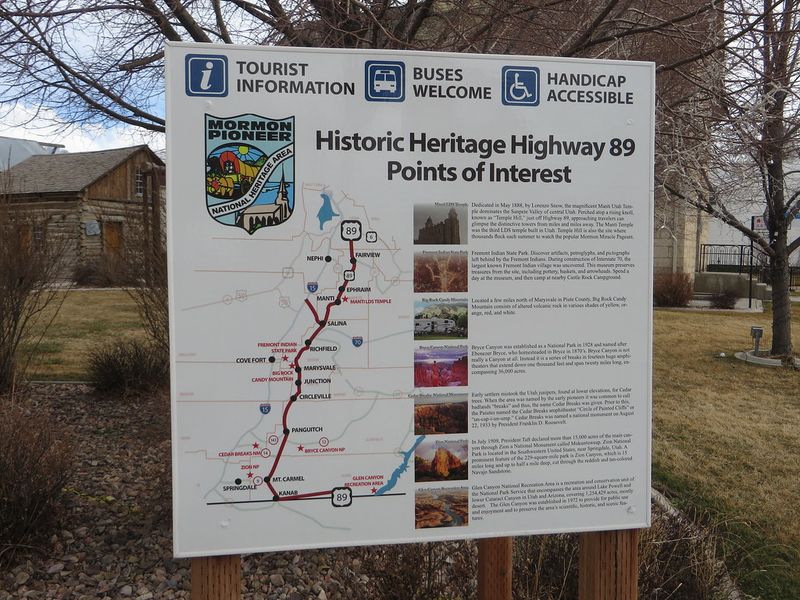
In 1847, Brigham Young led a group of about 150 Mormon pioneers westward in search of religious freedom and a new home. That first wagon train traveled from Nauvoo, Illinois, through Iowa, Nebraska, and Wyoming before arriving in the Salt Lake Valley in Utah, a journey of nearly 1,300 miles.
Over the following two decades, more than 70,000 pioneers followed the same route, some pulling handcarts when they could not afford wagons. The trail passes through some of the most beautiful and challenging terrain in the American heartland and West.
Today, the Mormon Pioneer National Historic Trail is marked and accessible through multiple states. Visitors can stop at historic sites like Winter Quarters in Nebraska and Martin’s Cove in Wyoming, both deeply moving places that tell stories of sacrifice and determination.
Walking even a short stretch of this trail gives you a quiet respect for those who came before.
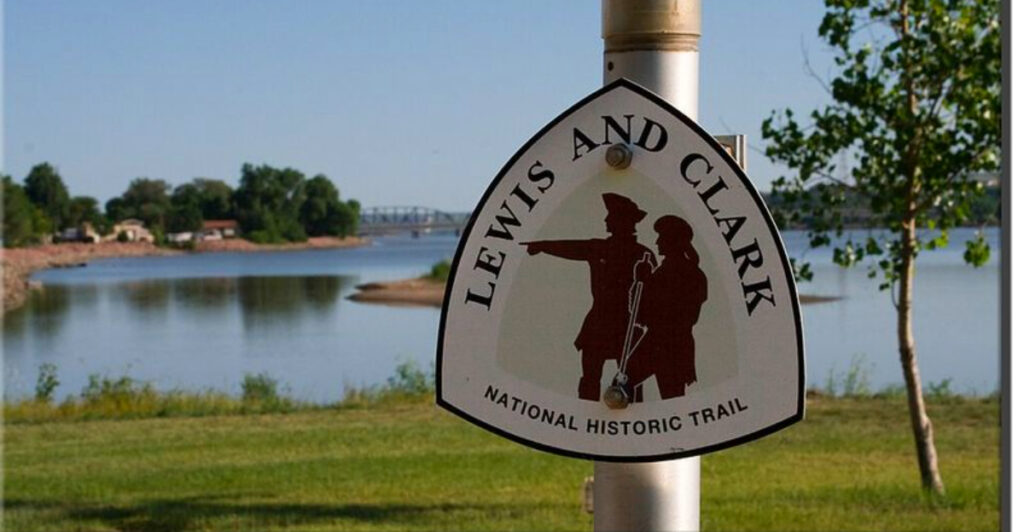
7. Lewis and Clark National Historic Trail
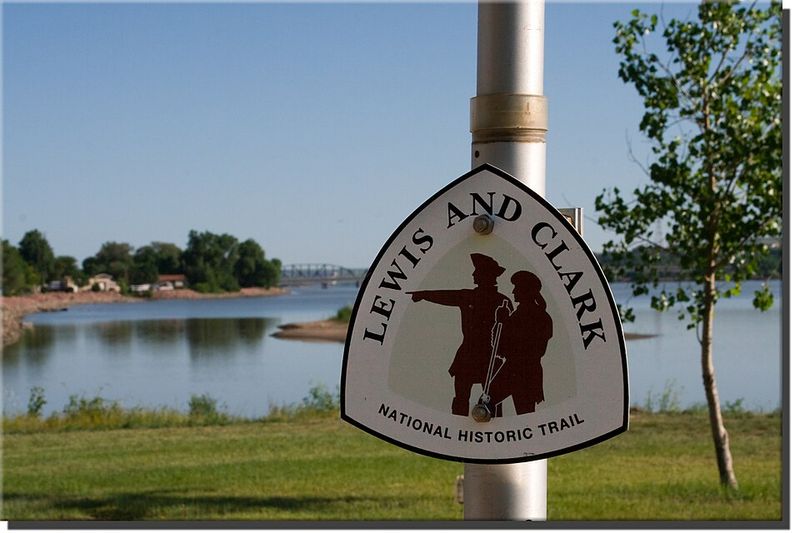
When President Thomas Jefferson sent Meriwether Lewis and William Clark westward in 1804, he asked them to map a path to the Pacific Ocean. What followed was one of the greatest exploration journeys in American history, covering nearly 4,900 miles across 16 states.
The trail stretches from Pennsylvania and Ohio all the way through Missouri, the Great Plains, Montana, Idaho, Washington, and finally Oregon. Lewis and Clark documented hundreds of plants and animals never before recorded by Western science, and they built relationships with dozens of Native American nations along the way.
Today, the Lewis and Clark National Historic Trail is the longest in the entire national trail system. Dozens of visitor centers, overlooks, and campgrounds line the route.
Whether you follow the Missouri River through the Dakotas or trace the Columbia River Gorge in Oregon, every section of this trail offers breathtaking scenery and deep historical meaning.
8. Butterfield Overland National Historic Trail
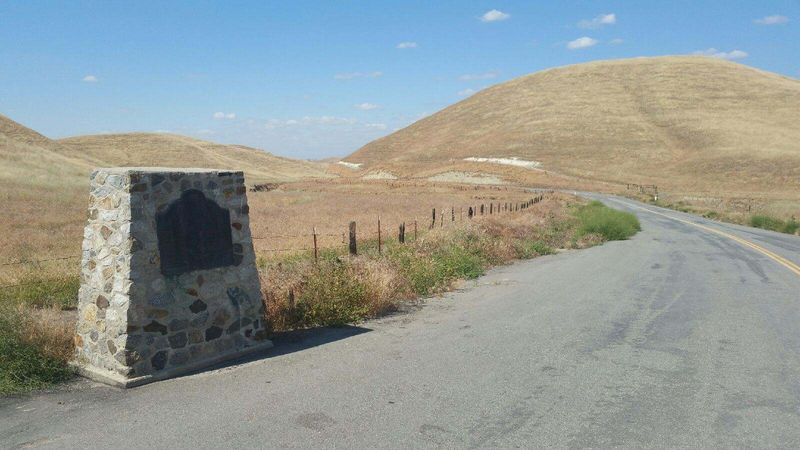
Starting in 1858, the Butterfield Overland Mail Company operated one of the most ambitious stagecoach routes in American history. The line ran from Tipton, Missouri, all the way to San Francisco, California, passing through Arkansas, Oklahoma, Texas, New Mexico, and Arizona in a sweeping southern arc.
Passengers and mail rode in cramped stagecoaches for up to 25 days straight, bouncing across desert roads and river crossings. The southern route was chosen to avoid winter mountain snows, making it a year-round mail service before the Civil War disrupted operations in 1861.
Designated as a National Historic Trail in 2023, the Butterfield Overland route is one of the newest additions to the national trail system. Historic stage stations and landmarks can still be found across Texas and Arizona.
Road trippers following this route today will experience a dramatic cross-section of American landscapes, from Ozark forests to Sonoran Desert horizons.
9. Juan Bautista de Anza National Historic Trail
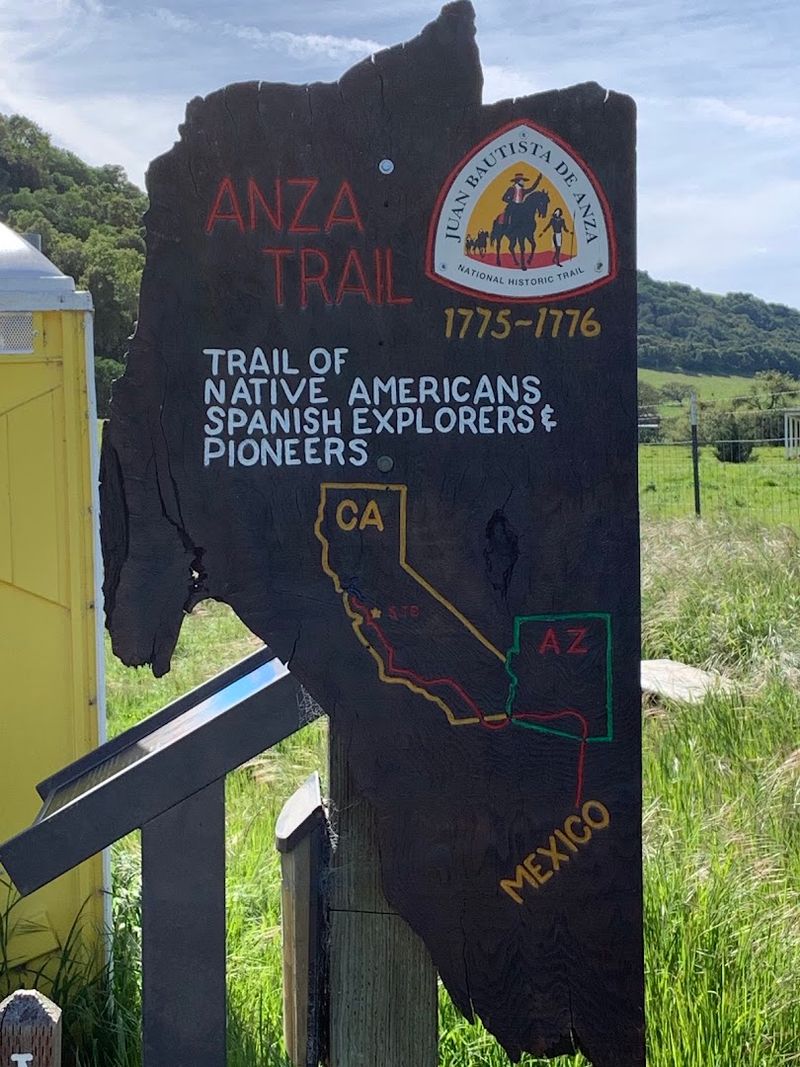
In 1775 and 1776, Spanish commander Juan Bautista de Anza led a group of 240 colonists on a remarkable overland journey from Sonora, Mexico, to establish a settlement at San Francisco Bay. The American portion of that route now forms the Juan Bautista de Anza National Historic Trail.
Stretching about 1,200 miles through Arizona and California, the trail follows Anza’s original path through desert valleys, mountain passes, and coastal grasslands. The expedition was one of the first major overland treks through what is now the American Southwest.
Hikers, cyclists, and equestrians can all use sections of the trail today. The trail passes through the Sonoran Desert in Arizona, crosses into California near Yuma, and winds up through the San Joaquin Valley to the San Francisco Bay Area.
Interpretive signs along the way help visitors understand the cultural and historical significance of this lesser-known but fascinating journey.
10. El Camino Real de Tierra Adentro National Historic Trail
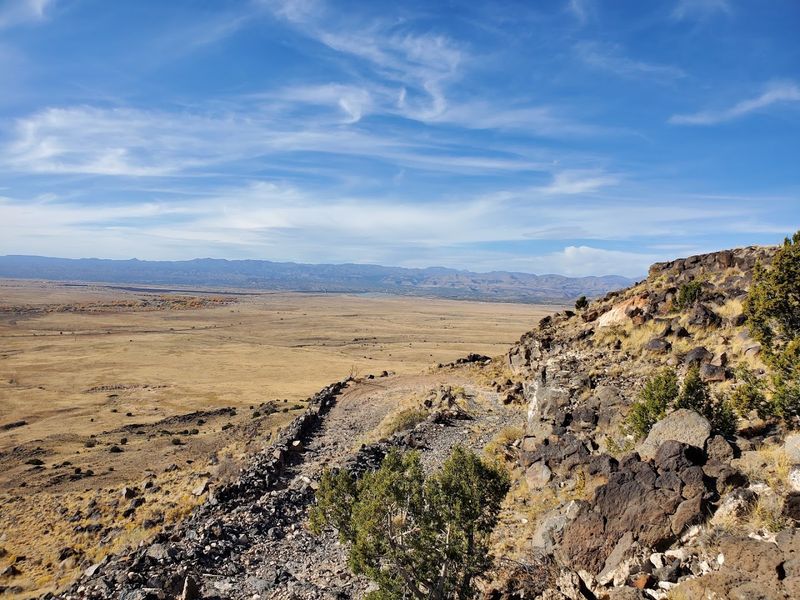
El Camino Real de Tierra Adentro, which translates to “The Royal Road of the Interior,” is one of the oldest roads in North America. Spanish colonizers used this route as early as 1598 to travel between Mexico City and the northern frontier settlements in what is now New Mexico and Texas.
The American section of the trail runs about 404 miles through Texas and New Mexico, following the Rio Grande through dramatic desert landscapes. For over 300 years, soldiers, missionaries, traders, and settlers traveled this road, making it a true lifeline for Spanish colonial expansion in the Southwest.
Today, visitors can explore the trail through national historic sites, state monuments, and marked driving routes. Stops like the Bosque del Apache National Wildlife Refuge and the historic town of Socorro, New Mexico, add richness to the journey.
This trail quietly carries centuries of culture, faith, and commerce in every dusty mile.
11. Trail of Tears National Historic Trail

Not all historic trails carry stories of adventure and discovery. The Trail of Tears represents one of the darkest chapters in American history.
Between 1830 and 1850, the U.S. government forcibly removed thousands of Native Americans from their ancestral homelands in the Southeast and marched them westward to Indian Territory in present-day Oklahoma.
The trail passes through Alabama, Arkansas, Georgia, Illinois, Kentucky, Missouri, North Carolina, Oklahoma, Tennessee, and Virginia. Thousands of Cherokee, Creek, Choctaw, Chickasaw, and Seminole people died from cold, disease, and starvation during these forced marches.
Today, the Trail of Tears National Historic Trail is a place of remembrance and education. Visitors are encouraged to approach it with respect and reflection.
Sites like the Cherokee National Capitol in Tahlequah, Oklahoma, and the New Echota Historic Site in Georgia help tell the full story of this painful journey and the resilience of Native American communities.
12. Nez Perce (Nee-Me-Poo) National Historic Trail
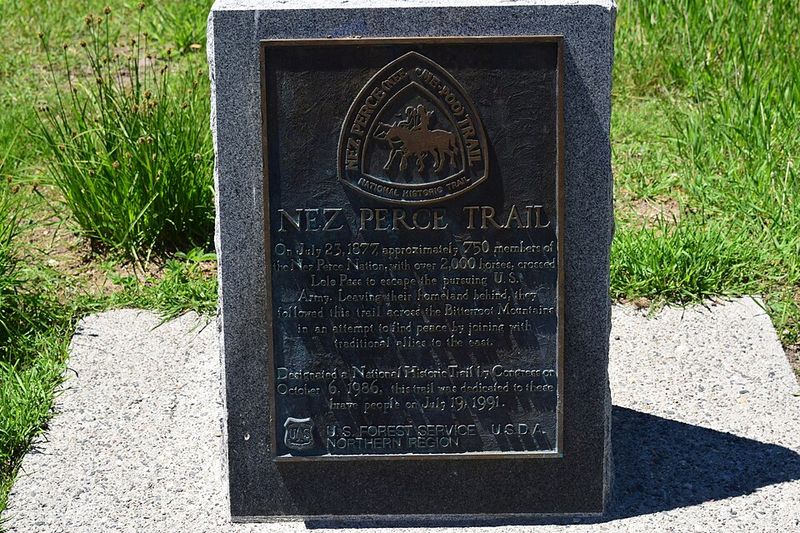
In 1877, the Nez Perce people, led by Chief Joseph and other leaders, fled U.S. Army forces in one of the most remarkable retreats in American military history.
Over about four months, roughly 800 Nez Perce men, women, and children traveled nearly 1,170 miles through Idaho, Montana, Oregon, Washington, and Wyoming, trying to reach safety in Canada.
They outmaneuvered the Army repeatedly, crossing some of the most rugged terrain in the American West. The journey ended just 40 miles from the Canadian border when Chief Joseph delivered his famous surrender speech.
Today, the Nez Perce National Historic Trail commemorates this incredible journey. The route passes through stunning wilderness areas, including Hells Canyon and the Bitterroot Mountains.
Visitors can explore museums, cultural sites, and scenic overlooks that honor the Nez Perce people and their legacy. This trail is as humbling as it is breathtaking, offering perspective that few other historic routes can match.
13. Iditarod National Historic Trail
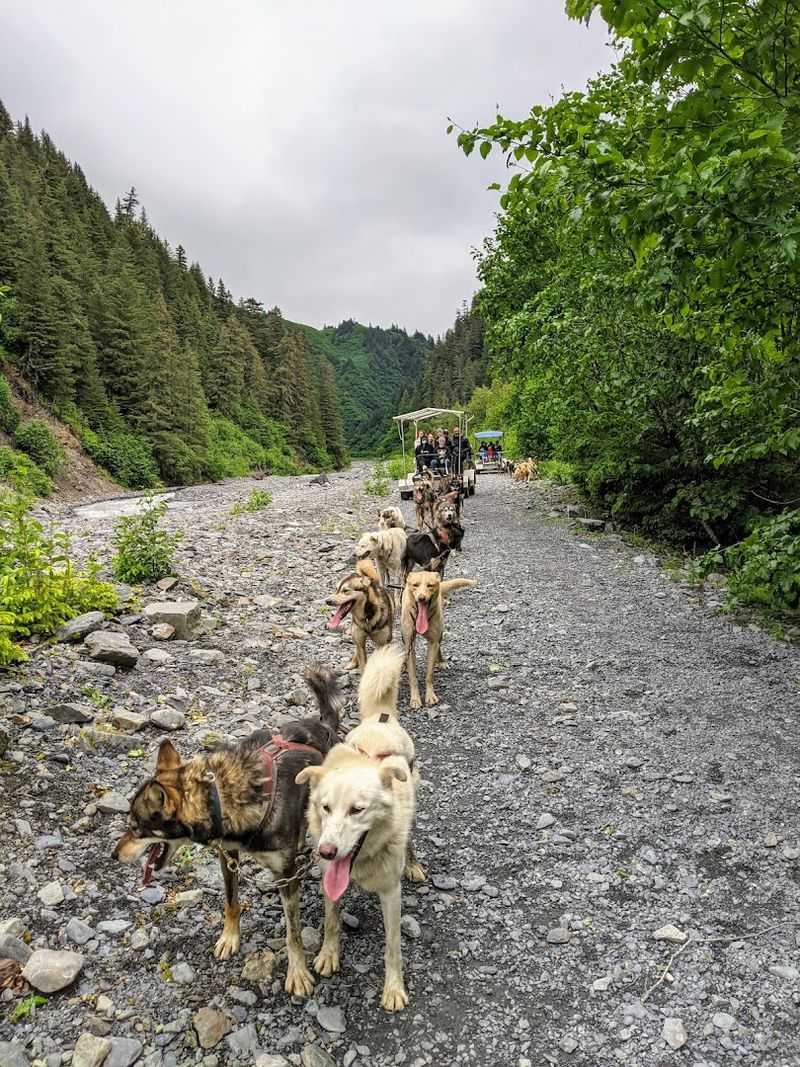
Alaska has its own version of the Wild West, and the Iditarod National Historic Trail is proof. Originally used by Alaska Native peoples for centuries, this trail became a vital supply route during the gold rush era of the early 1900s.
Dog sleds carried mail, medicine, and mining equipment across nearly 2,300 miles of frozen wilderness.
The trail gained worldwide fame in 1925 when a relay of dog sled teams raced diphtheria antitoxin to Nome during a deadly epidemic. That mission is now celebrated every year through the famous Iditarod Sled Dog Race.
Today, the trail stretches from Seward to Nome, passing through remote Alaskan wilderness that few people ever see up close. Sections of the trail are accessible by snowmobile, dog sled, ski, or foot depending on the season.
For those who crave real adventure far off the beaten path, the Iditarod Trail is in a category all its own.
14. Natchez Trace National Scenic Trail
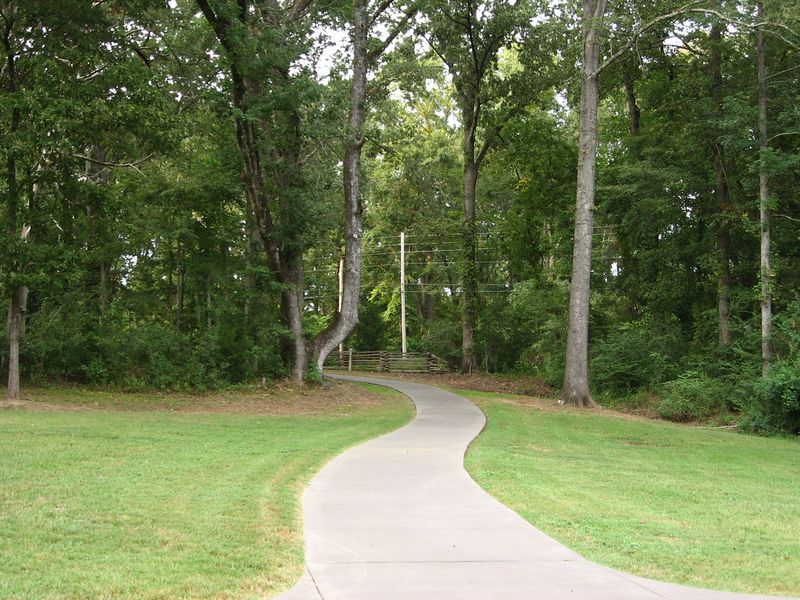
Before there were highways, there was the Natchez Trace. This ancient path stretches about 444 miles from Natchez, Mississippi, through Alabama and into Nashville, Tennessee, following a route that Native Americans, buffalo herds, and early American settlers all used over thousands of years.
In the late 1700s and early 1800s, boatmen who floated goods down the Mississippi River would sell their flatboats in Natchez and walk home along the Trace. Inns called stands popped up along the way to serve travelers, and the road became one of the busiest in the early American frontier.
Today, the Natchez Trace Parkway is one of the most scenic drives in the entire country, managed by the National Park Service. Five sections of the trail are open for hiking, offering quiet walks through old-growth forest and past ancient Native American mounds.
It is the kind of trail that slows you down in the best possible way.
Share this story