Some cities are known for music, but a handful of American places take it further. Music there isn’t something you plan around or buy tickets for in advance.
It’s the background noise of a Tuesday afternoon, the reason a street corner draws a crowd, and the thread that ties neighborhoods together. From small Blue Ridge towns to sprawling Texas cities, these 15 destinations have made live music a natural part of daily life, not just a weekend attraction.
Whether you love blues, country, jazz, conjunto, or sounds that don’t fit any label, this list covers places where the music never really stops.
Nashville, Tennessee
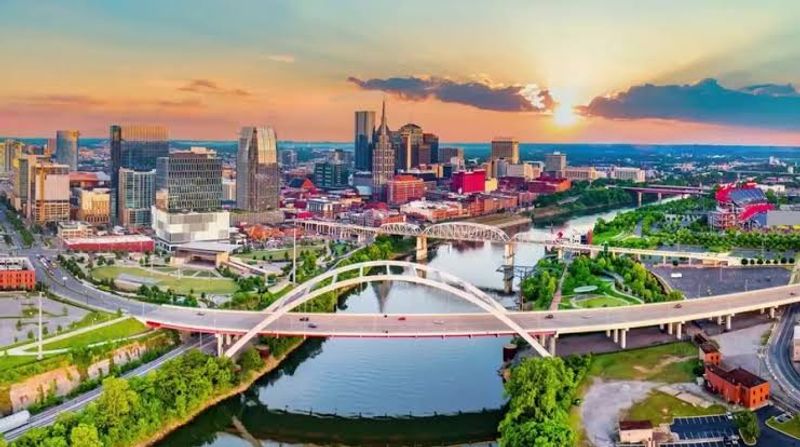
Walk down Lower Broadway in Nashville and the music finds you before you even decide where to stop. One honky-tonk ends and another begins, with live performances starting as early as 10 a.m. and running through the early morning hours, 365 days a year according to the city’s official tourism organization.
Venues like Rippy’s Honky Tonk operate multiple stages with daily performances, and the lineup goes far beyond country. Rock, Americana, blues, bluegrass, pop, gospel, jazz, and solo singer-songwriters all show up regularly across the city.
What makes Nashville genuinely different is that you don’t need a ticket or a plan. You just walk until a band catches your ear and you follow it through the door.
That kind of casual, daily access to live music is rarer than most people realize, even in cities that consider themselves music towns.
New Orleans, Louisiana
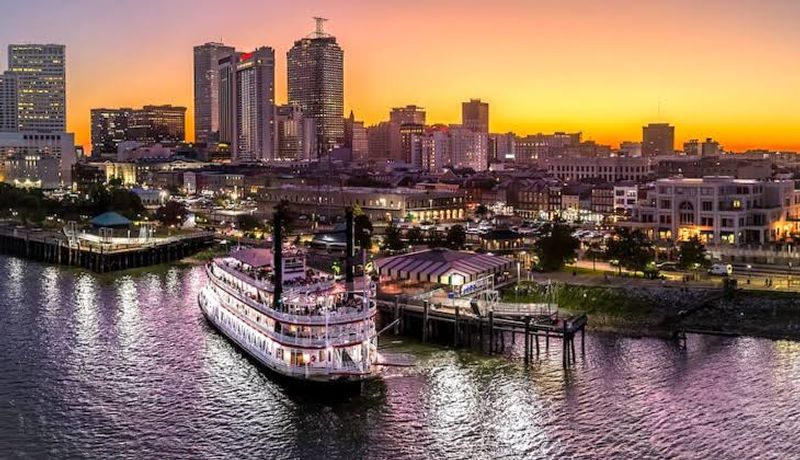
New Orleans doesn’t save music for special occasions. The city treats it like a public utility, something that should simply be available when you need it.
Frenchmen Street is one of the most concentrated examples of that philosophy. The city’s official tourism organization describes it as a destination packed with jazz clubs and live-music spots, including The Spotted Cat, which currently offers live music seven nights a week.
Uptown, Tipitina’s and the Maple Leaf Bar keep the tradition going on their own schedules.
Jazz is the genre most associated with New Orleans internationally, but any given night can bring brass bands, funk, blues, soul, R&B, reggae, and sounds specific to Louisiana that don’t map neatly onto other traditions. The boundary between everyday life and live performance feels remarkably thin here.
Few cities anywhere make music feel this woven into the texture of ordinary neighborhoods.
Austin, Texas
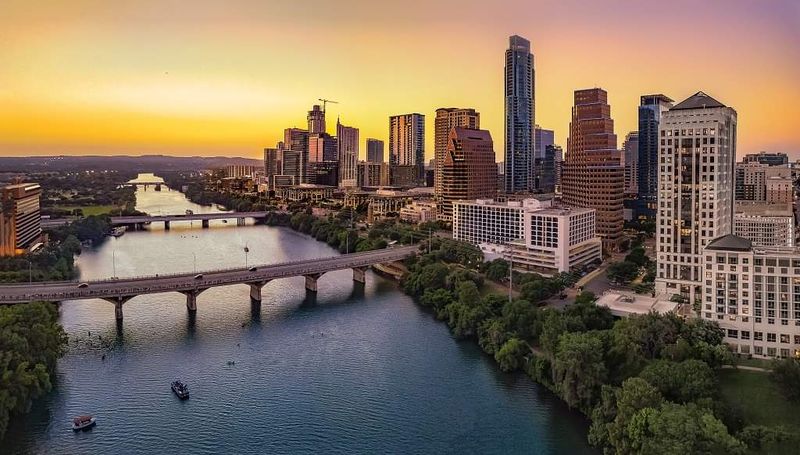
Austin built its musical reputation without committing to a single genre, and that flexibility is a big part of what keeps the scene so alive. Country, blues, indie rock, punk, Latin music, hip-hop, folk, and electronic music all share the city, sometimes on the same block.
Visit Austin currently lists hundreds of live-music locations and notes that performances happen throughout the city every night of the week. Even Austin-Bergstrom International Airport regularly features live performers, meaning the city’s musical culture greets visitors almost immediately after they land.
The scene is clearly active in 2026. Austin’s official tourism calendar listed numerous live performances across the city during a single August weekend alone.
Going out for tacos or dinner in Austin has a way of turning into an unplanned live show, which is less a happy accident and more just how the city tends to work.
Memphis, Tennessee
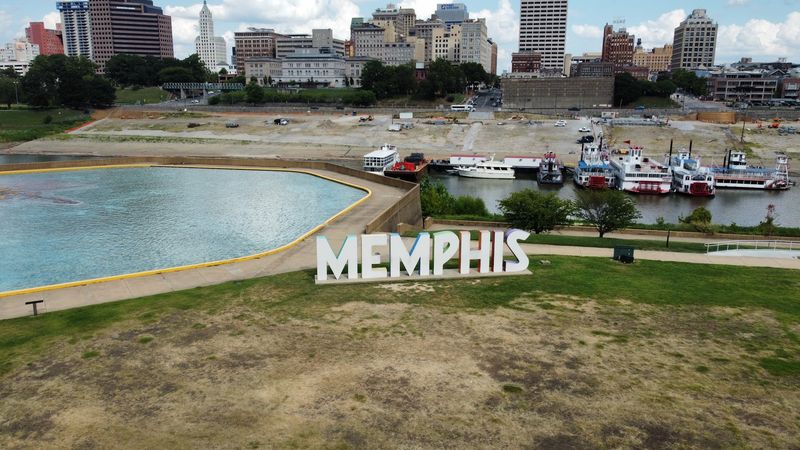
Memphis shaped blues, soul, gospel, and early rock and roll, but the city hasn’t turned that history into a museum exhibit with a gift shop attached. The music is still happening.
Beale Street remains an active entertainment district where live music runs every day and night, according to Memphis Tourism. The city’s contemporary scene also extends into neighborhoods like South Main, Overton Square, and Cooper-Young, where current 2026 event listings continue to feature concerts across multiple genres.
Neo-soul, hip-hop, and modern R&B share space with old-school blues throughout the city’s venue calendar. Memphis rewards travelers who explore beyond the famous street.
The history here is genuinely significant, but so are the musicians currently adding new chapters to a city that has never stopped producing original sound. Both the legacy and the present-tense creativity are worth seeking out when you visit.
Lafayette, Louisiana
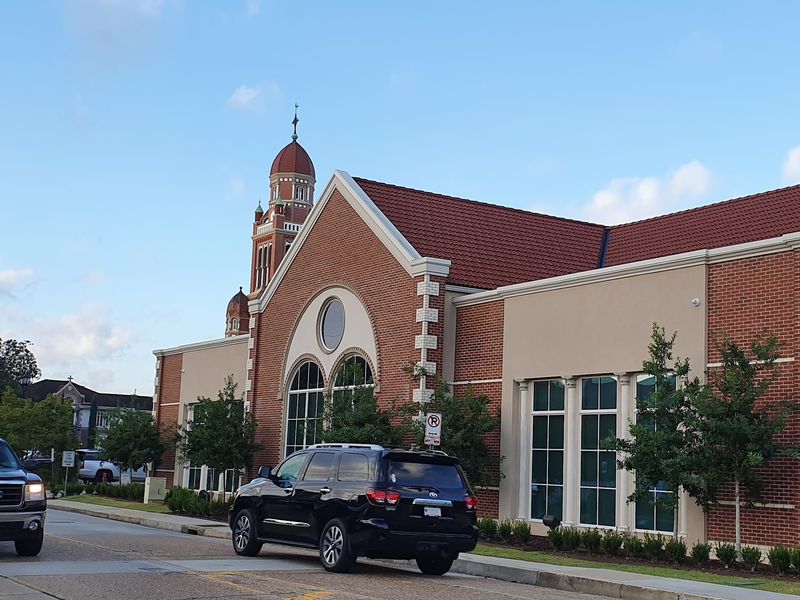
Cajun and zydeco music are living traditions in Lafayette, not preserved artifacts. Local bands continue musical practices that stretch back through multiple generations, and Lafayette Travel describes Cajun music as an important marker of cultural identity in southwestern Louisiana.
Live music is easy to find on virtually any night of the week, often paired with Cajun and Creole food and open-floor dancing. The city’s weekly music updates highlight local Cajun, zydeco, soul, country, and rock performers at venues throughout the Acadiana region, while free concert series add more opportunities during spring and fall.
What sets Lafayette apart from larger music cities is the way performances feel like community events rather than ticketed entertainment. Regulars show up to dance with neighbors, not just to watch.
If you’ve never experienced a room full of people two-stepping to a live accordion band on a Wednesday night, Lafayette is the place to change that.
Chicago, Illinois
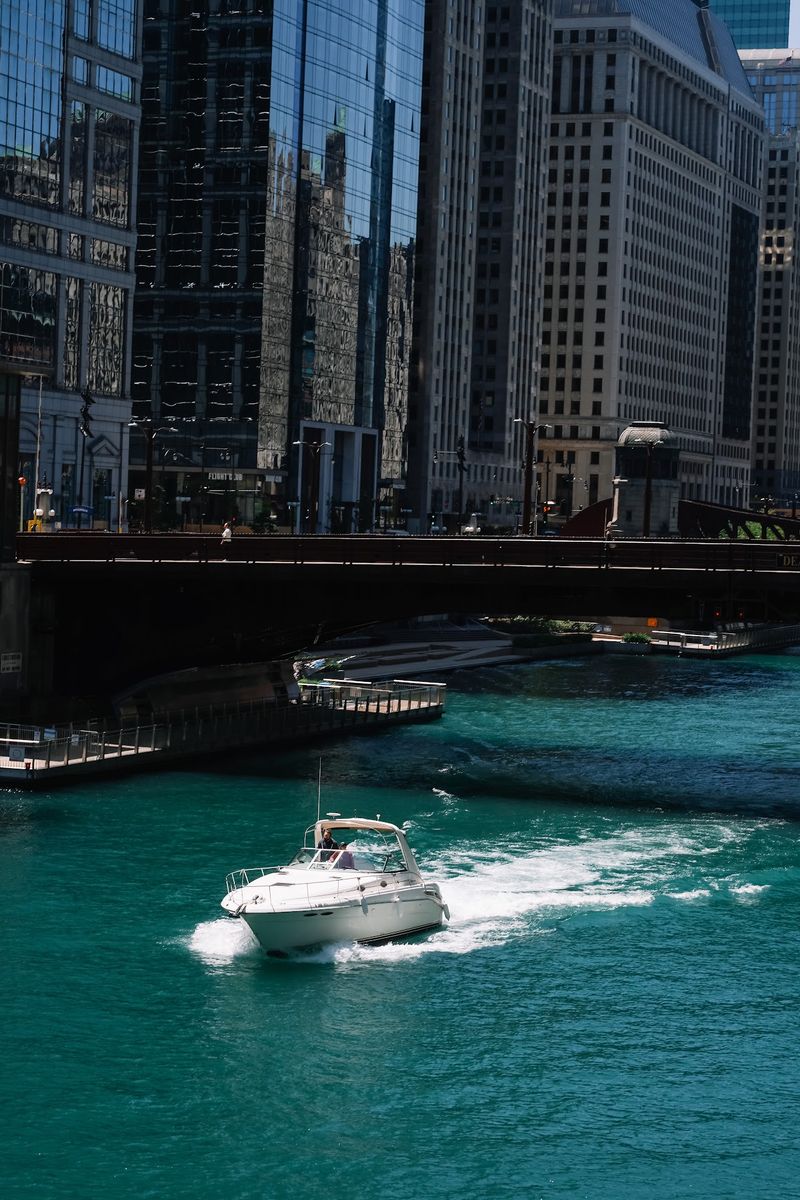
Chicago blues is not a historical footnote. It’s still something you can experience on a late weeknight in a neighborhood club, played by musicians who take the tradition seriously.
Choose Chicago promotes an active network of blues venues across the city. Blue Chicago currently operates five nights a week, while Kingston Mines remains one of the city’s longest-running blues institutions.
The broader Chicago music scene extends well beyond blues, with dozens of venues devoted to jazz, rock, indie music, hip-hop, and experimental sounds.
The blues also spills into public spaces through Chicago’s annual Blues Festival, a major free celebration held in Millennium Park and surrounding neighborhoods. Chicago’s musical heritage is internationally recognized, but recognition alone doesn’t keep a scene alive.
What keeps Chicago on this list is that you can still walk into a club on any given night and hear the real thing being played by people who mean it.
Kansas City, Missouri
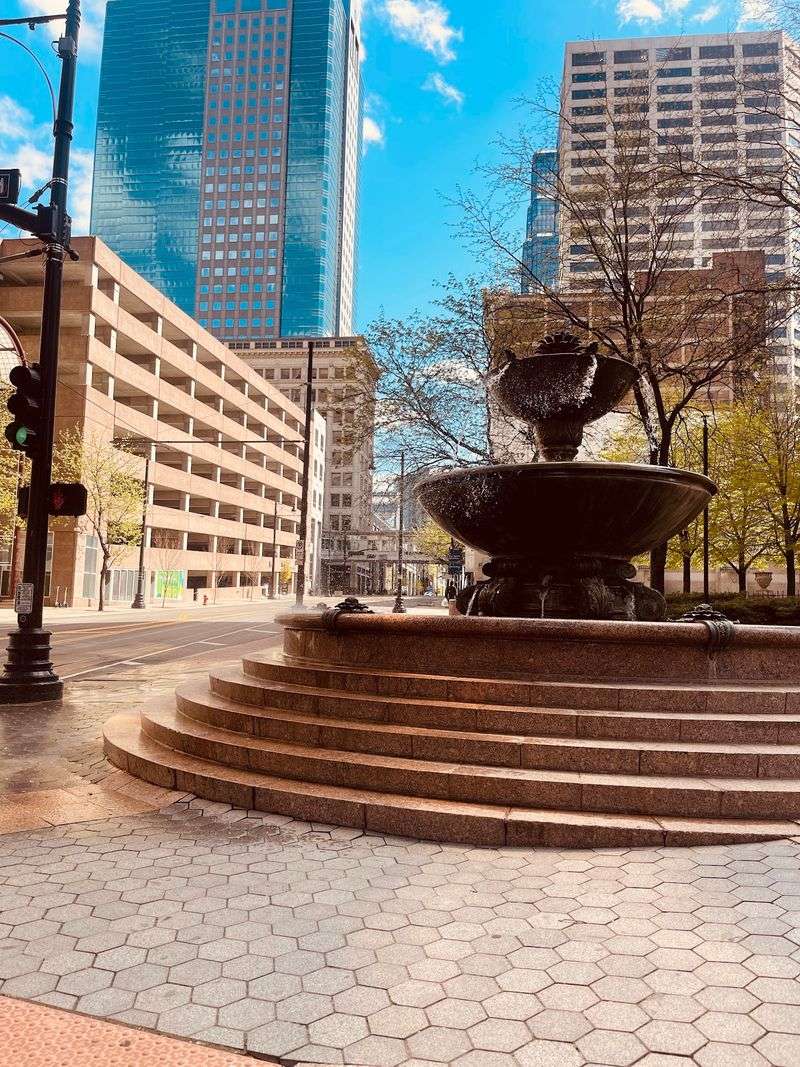
Kansas City’s relationship with jazz runs deeper than a historic district marker. The 18th & Vine neighborhood remains the symbolic and practical heart of the city’s jazz culture, where visitors can explore the American Jazz Museum during the day and then find live performances and late-night jam sessions nearby in the evening.
Visit KC maintains a current calendar specifically devoted to live jazz events, showing that the genre still has a genuine, active presence throughout the city rather than existing purely as nostalgia.
Modern Kansas City also supports rock, blues, hip-hop, country, indie, and electronic scenes, but jazz offers the strongest visible thread connecting the city’s past to its present. Spend an evening around 18th & Vine and the music feels like it belongs to the neighborhood itself, not to a textbook.
That sense of place and sound being genuinely connected is something Kansas City does particularly well.
Clarksdale, Mississippi
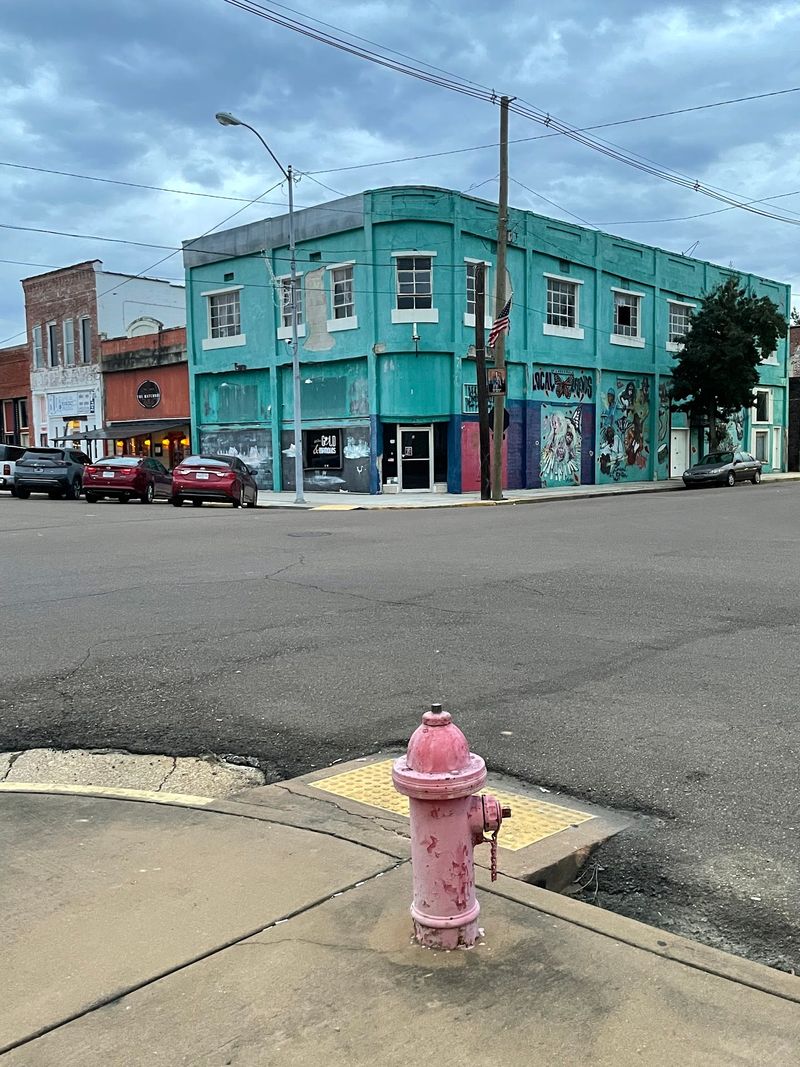
Clarksdale is a small town by most measures, but few places in America carry a stronger connection between geography and a specific sound. This is Mississippi Delta blues country, and the music here didn’t just pass through.
It was built here.
Ground Zero Blues Club remains open in downtown Clarksdale, with Visit Mississippi listing regular operating hours Wednesday through Saturday and live blues performances throughout those nights. Red’s Blues Club and Levon’s also continue to feature live acts during the week, according to the same tourism source.
For a town of Clarksdale’s size, that concentration of live music on any given week is genuinely remarkable. The blues in Clarksdale isn’t something visitors only read about on interpretive signs.
It is something you can walk into and hear on a Friday night in a room that feels like it has always been exactly that kind of room.
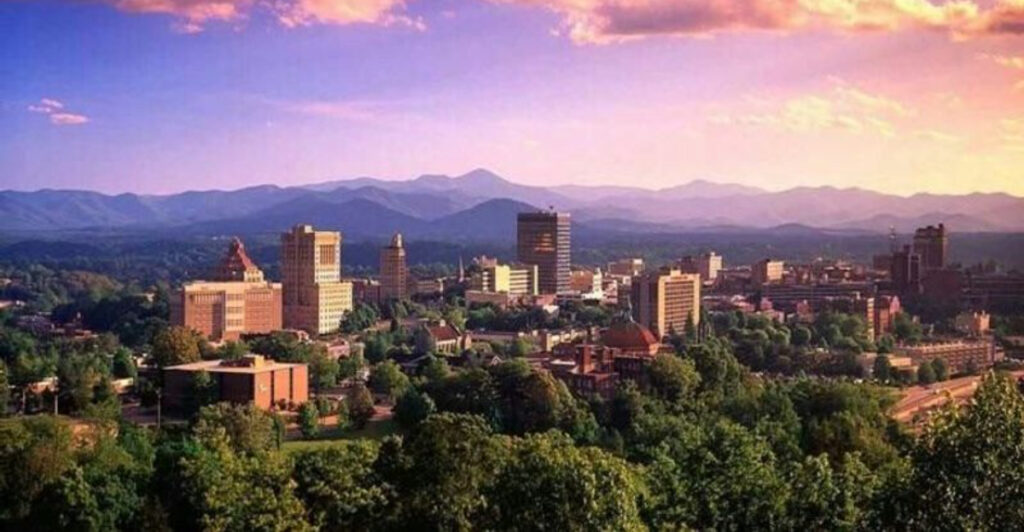
Asheville, North Carolina
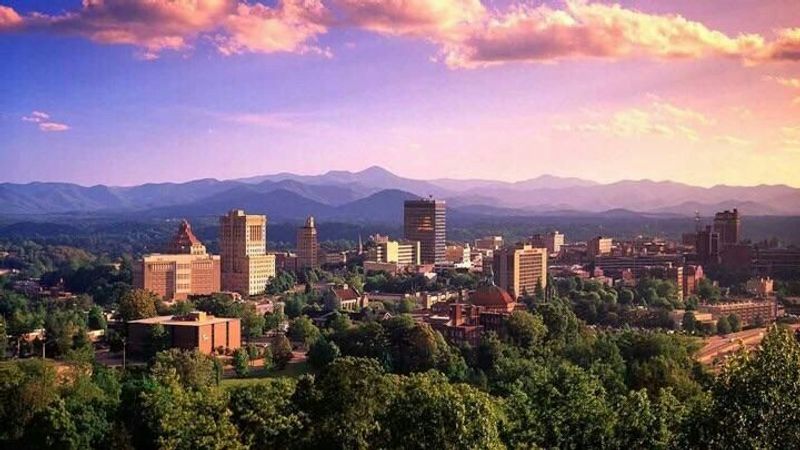
Asheville gets plenty of attention for its mountain scenery and arts community, but music is one of its most consistent cultural currents. Bluegrass and old-time traditions remain important here, yet the current scene reaches into Americana, jazz, blues, indie rock, folk, and electronic music, along with plenty of sounds that don’t settle into any single category.
Explore Asheville describes live music appearing across intimate halls, brewery stages, outdoor spaces, and downtown streets. Informal music-making is also part of the local rhythm, with regular fiddle and old-time jam sessions continuing around the area.
The 2026 calendar makes the scene’s vitality clear. The August AVL Sounds Fest alone is using more than 15 venues across the city for a citywide lineup.
Mountain tradition and modern creative energy regularly occupy the same block in Asheville, which is part of what makes the city feel like a genuinely distinct music destination rather than a regional curiosity.
Detroit, Michigan
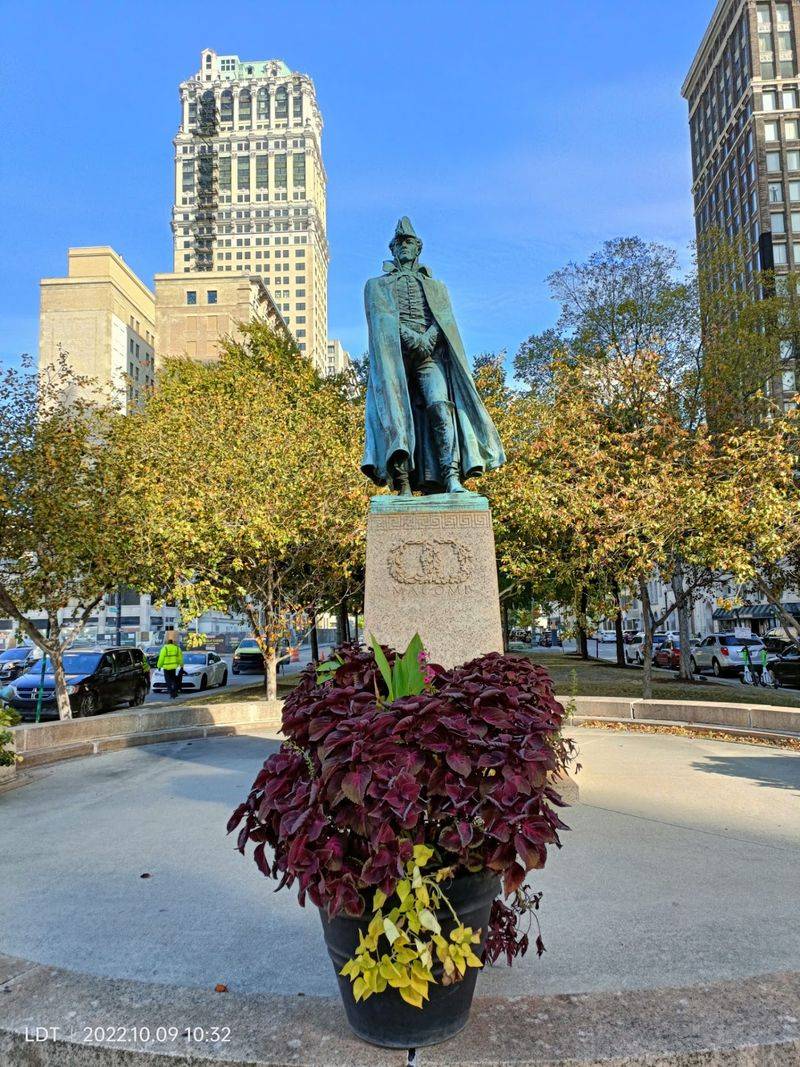
Motown changed popular music globally, but Detroit’s musical identity has never belonged to just one era or sound. Jazz, gospel, techno, hip-hop, R&B, rock, punk, and electronic music have all found significant artists and audiences in this city across different generations.
Visit Detroit’s current live-music guides highlight active venues including Saint Andrew’s Hall, the Fillmore, Aretha’s Jazz Cafe, and a range of neighborhood clubs. The city’s nightlife guide emphasizes Detroit’s mix of Motown, jazz, hip-hop, R&B, and other styles, reflecting just how varied the local scene remains today.
Detroit rewards travelers who move past the obvious landmarks. The Motown story is important and worth understanding, but so is the band, DJ, rapper, or jazz ensemble taking a stage somewhere in the city on any given night.
The past and present coexist here in a way that feels active rather than ceremonial, which keeps Detroit relevant on any serious music city list.
Seattle, Washington

Seattle’s grunge history draws music fans from around the world, but the city’s current scene extends well beyond memories of the early 1990s. Visit Seattle says live music can be found every night of the week, spanning rock, hip-hop, jazz, classical, and other genres across more than 80 clubs and venues.
The Crocodile, one of the clubs most associated with Seattle’s grunge era, moved into a larger location in 2021 and continues operating as a working part of the city’s modern music landscape. Current August 2026 event listings show concerts spread across venues throughout the city.
Seattle may celebrate its musical past more visibly than most cities, but it hasn’t treated that past as a stopping point. New artists and new sounds continue to develop here, and the infrastructure supporting live music, from small clubs to mid-size rooms, remains genuinely active.
The city earns its place on this list through current output, not just legacy.
Athens, Georgia
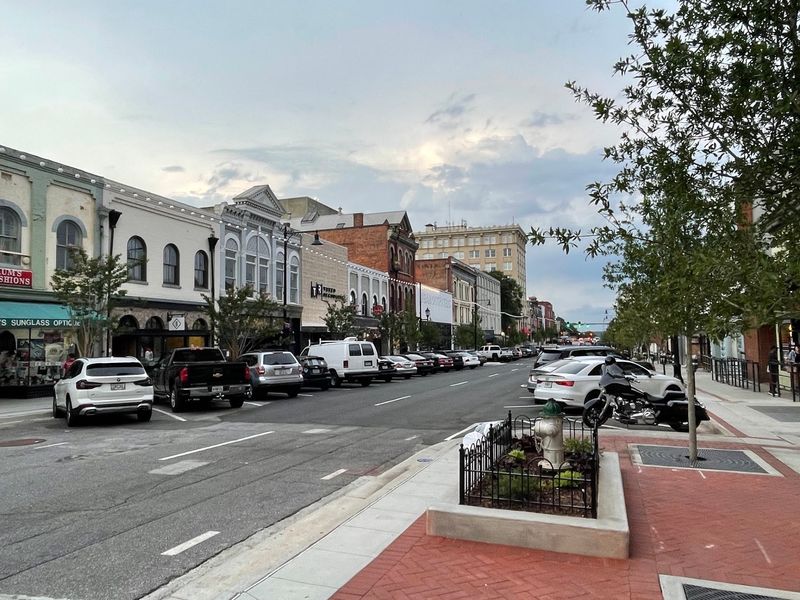
For a relatively small Southern city, Athens has shaped American alternative music in ways that far outpace its population size. R.E.M., The B-52s, and Widespread Panic all have deep roots here, but the city is not coasting on those connections.
Hundreds of bands still call the Athens area home, and Visit Athens says live music takes place almost every night of the week. The 40 Watt Club remains active, as does the Georgia Theatre, while smaller stages, songwriter nights, and unconventional performance spaces keep the ecosystem genuinely diverse.
Rock and indie music stay prominent, but today’s scene also includes hip-hop, Americana, electronic music, and classical performances. Athens is a useful reminder that a city doesn’t need to be large to carry serious musical weight.
The combination of a major university, a long independent music tradition, and an affordable creative environment keeps producing new artists and keeping existing ones around.
Bristol, Tennessee-Virginia
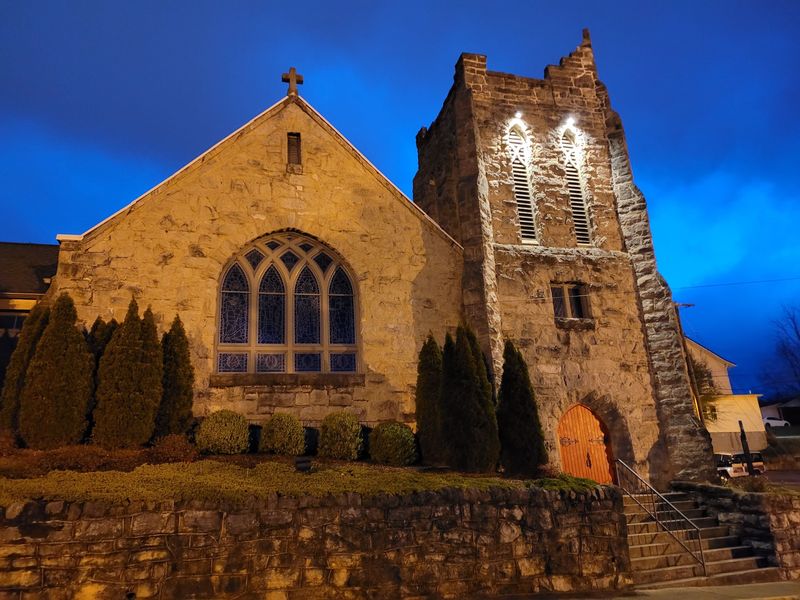
Bristol is one of the few cities in America that literally straddles a state line, and music is central to the identity of both sides. The famous 1927 Bristol Sessions helped launch the careers of the Carter Family and Jimmie Rodgers, eventually earning Bristol official recognition as the Birthplace of Country Music.
But 1927 is not where the story ends. The Birthplace of Country Music organization continues to present musicians performing country, bluegrass, Americana, folk, rock, and Appalachian-rooted music throughout the year.
The annual Bristol Rhythm and Roots Reunion fills downtown streets with performers across multiple stages.
Bristol’s current tourism presence continues to promote the twin-city destination around both its historic musical significance and its active live-music culture. Old recordings and present-day performers feel genuinely connected here by the same streets and the same community.
Few places in America carry that kind of specific, verifiable origin story and still back it up with ongoing musical activity.
Floyd, Virginia
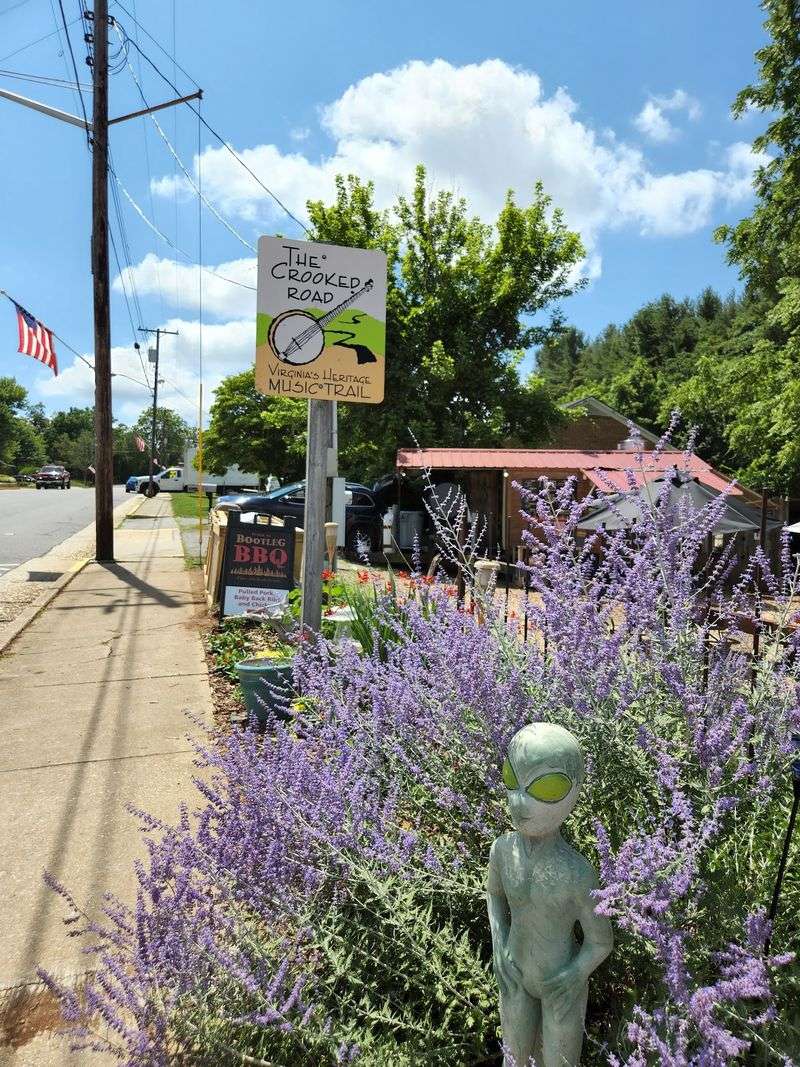
Floyd proves that music can define a community without any major entertainment district, arena, or tourism campaign behind it. This small Blue Ridge town is most recognized for the Friday Night Jamboree at the Floyd Country Store, a weekly gathering where musicians, dancers, neighbors, and visitors come together for traditional Appalachian music.
The Jamboree remains active every Friday night, with Floyd’s 2026 calendar showing events scheduled week after week throughout the year. The gathering blends bluegrass, old-time string-band music, gospel, and flatfoot dancing in a setting that feels more like a community ritual than a performance.
Regulars show up to see friends as much as to hear the music, which is exactly the kind of detail that separates Floyd from a tourist attraction. The music here functions as social infrastructure, a reason for people to gather, reconnect, and participate.
That quality is harder to manufacture than any venue or festival lineup, and Floyd has it organically.
San Antonio, Texas
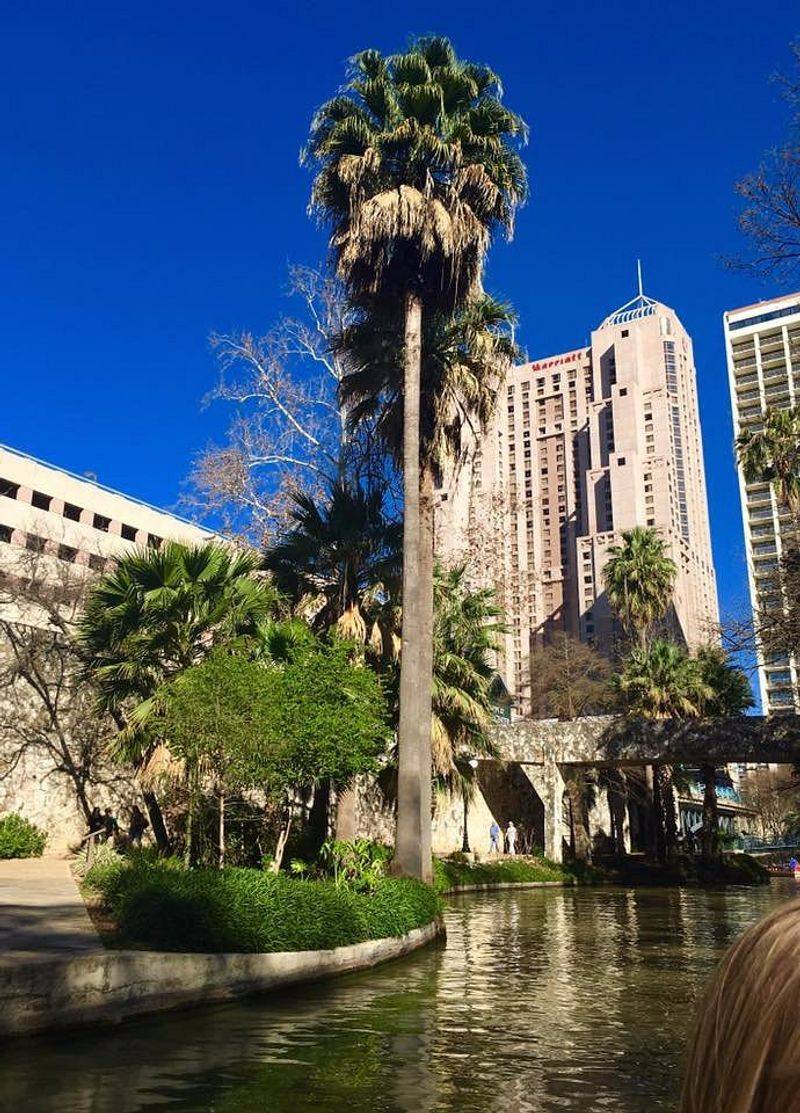
San Antonio’s musical identity is inseparable from its Mexican American heritage, and one of its most distinctive contributions is conjunto, an accordion-driven Texas-Mexican tradition built around the accordion and bajo sexto. The style developed here and continues to thrive here in ways that feel organic rather than preserved.
San Antonio hosted the 44th Tejano Conjunto Festival in 2026, continuing what organizers describe as the country’s first and longest-running conjunto festival. But the music extends far beyond a single annual event.
Dance halls, neighborhood venues, community celebrations, flea markets, and family gatherings have long served as spaces where conjunto, Tejano, norteño, huapango, and cumbia survive and evolve.
Contemporary reporting from San Antonio continues to document people dancing to these sounds at local flea markets on ordinary weekends. That image, neighbors and families dancing together outside on a Saturday afternoon, captures exactly what this list is about.
San Antonio offers a regional American music culture unlike anything else on this list.
Share this story