Monks in Georgia have been crafting stained glass for decades, and in Alabama a monk spent years building tiny replicas of famous landmarks out of stones, shells, and discarded objects. That second detail caught my attention right away.
America’s monasteries hold more surprises than most people expect. One sits at the end of a long dirt road in New Mexico canyon country.
Another keeps a library designed by a famous Finnish architect.
You don’t have to be religious to enjoy these places. Many welcome visitors to quiet churches, walking trails, gardens, and gift shops stocked with goods the monks make themselves.
Some even offer overnight retreats for people who want a real break from screens and schedules.
The daily rhythm inside these walls hasn’t changed much in centuries. So what happens when you trade traffic noise for prayer bells and forest paths for a day or two?
1. Abbey of Gethsemani, Trappist, Kentucky
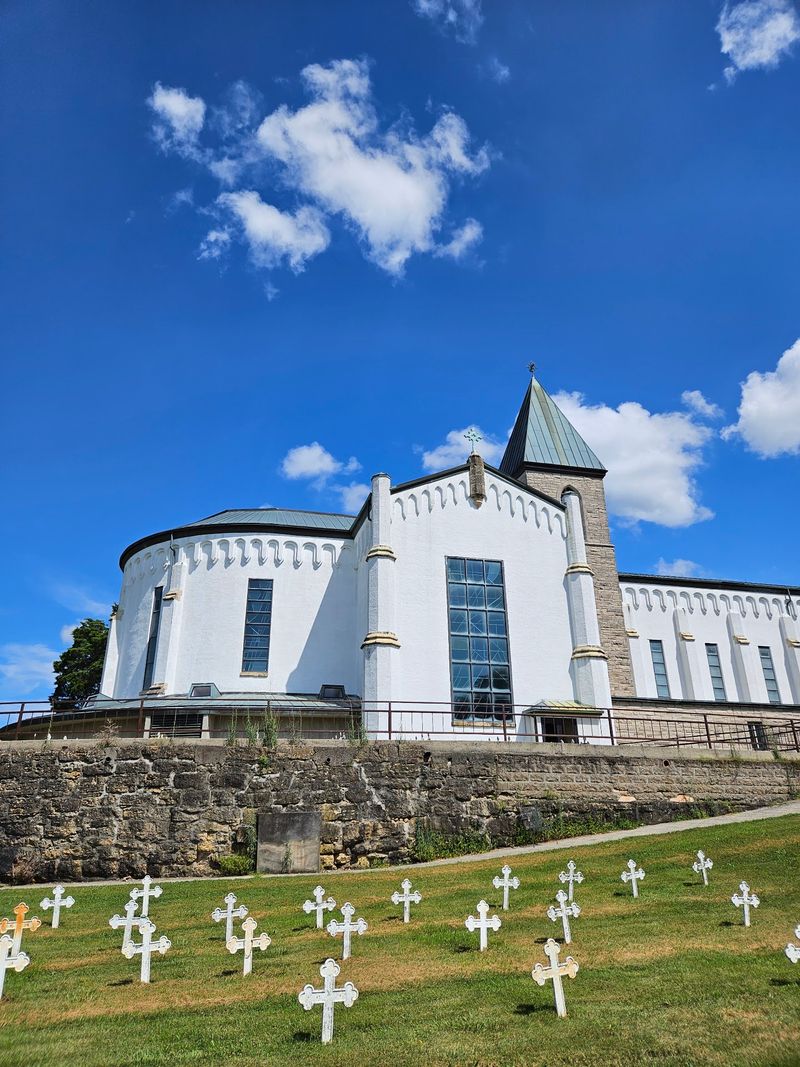
Who knew a tiny Kentucky community would share its name with the monks living there? Trappist, Kentucky, is home to an abbey founded in 1848, making it one of the oldest operating Trappist monasteries in the country.
Writer Thomas Merton lived here as a monk for 27 years. His book The Seven Storey Mountain brought worldwide attention to this quiet corner of Nelson County.
Today you can visit the church, browse the welcome center, and attend prayer services with the monks. Across the road, wooded trails wind through the hills, including a path leading to statues honoring Merton’s era.
The monks support themselves partly by making fudge and fruitcake. Pick some up at the gift shop, since buying them directly helps keep the community going.
Address: 3642 Monks Road, Trappist, KY 40051
2. Mount Angel Abbey, Saint Benedict, Oregon
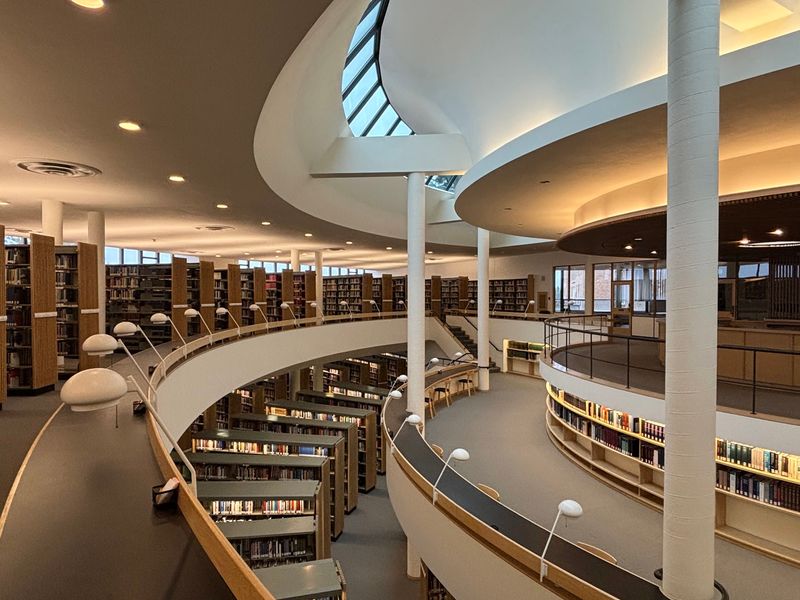
Finnish architect Alvar Aalto designed only two buildings in the United States, and one of them is a library on an Oregon hilltop. Mount Angel Abbey’s library opened in 1970 and still welcomes visitors.
Benedictine monks from Switzerland founded the community in 1882. Their abbey church and seminary buildings sit roughly 300 feet above the Willamette Valley.
Walk the hilltop and you’ll see farmland stretching for miles below. On clear days, Mount Hood and other Cascade peaks appear on the horizon.
The abbey also runs a museum with an unusual collection, including a giant hog hairball. Yes, really, and it’s one of the oddest exhibits you’ll find at any monastery.
Address: 1 Abbey Drive, Saint Benedict, OR 97373
3. Mepkin Abbey, Moncks Corner, South Carolina
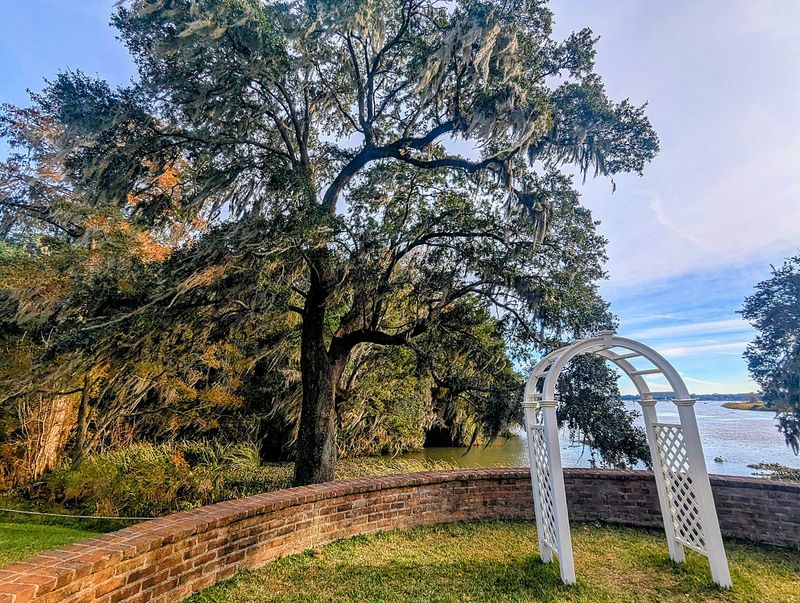
Spanish moss hangs from enormous live oaks along the Cooper River at this Trappist monastery. Monks from Kentucky’s Gethsemani founded the community in 1949.
The land has a long history before that. It was once a plantation, and later belonged to publisher Henry Luce and his wife, Clare Boothe Luce, who donated it to the monks.
Today, the grounds include landscaped gardens that slope toward the river. You can walk designated areas, visit the church, and stop by the gift shop for goods made by monks around the world.
Mepkin has also explored the property’s past openly, including the lives of enslaved people who once worked this land. That honest approach adds real depth to a visit here.
Address: 1098 Mepkin Abbey Road, Moncks Corner, SC 29461
4. Saint Meinrad Archabbey, Saint Meinrad, Indiana
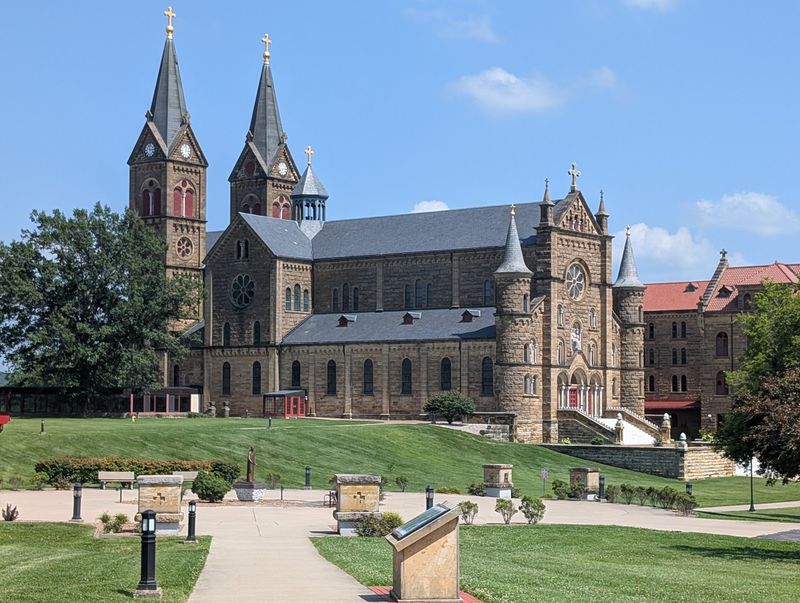
Sandstone quarried by the monks themselves went into the twin-spired church at this southern Indiana archabbey. The building was finished in 1907 and still dominates the hilltop.
Monks from Einsiedeln Abbey in Switzerland founded Saint Meinrad in 1854. It’s one of only two archabbeys in the United States, a title given to certain especially important monasteries.
You can attend prayer with the monks several times a day. Visitors are also welcome to explore the church, the grounds, and the gift shop.
Want more than an afternoon? The guest house offers overnight stays and organized retreats, giving you time to settle into the monastic schedule.
Address: 200 Hill Drive, Saint Meinrad, IN 47577
5. Holy Trinity Monastery, Jordanville, New York
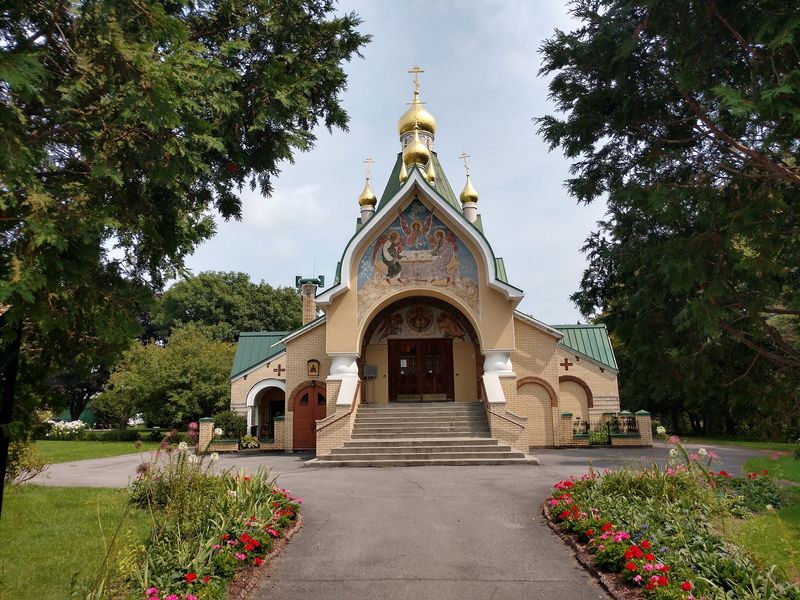
Gold onion domes rising over dairy farmland make this upstate New York monastery a surprising sight. The Russian Orthodox community dates to 1930.
Its main cathedral was completed in 1950. Inside, painted icons cover the walls in the traditional Orthodox style.
Holy Trinity also runs a seminary that trains Orthodox clergy. The monastery’s printing operation has published religious books for decades, continuing work that monks once did in Europe.
Visitors may attend services and visit the bookstore. Modest dress is expected, so plan on long pants, and women traditionally cover their heads in church.
The cemetery holds graves of notable Russian emigres who settled in America. It’s a quiet reminder of how far this community traveled to build a home here.
Address: 1407 Robinson Road, Jordanville, NY 13361
6. Monastery of Christ in the Desert, Abiquiu, New Mexico
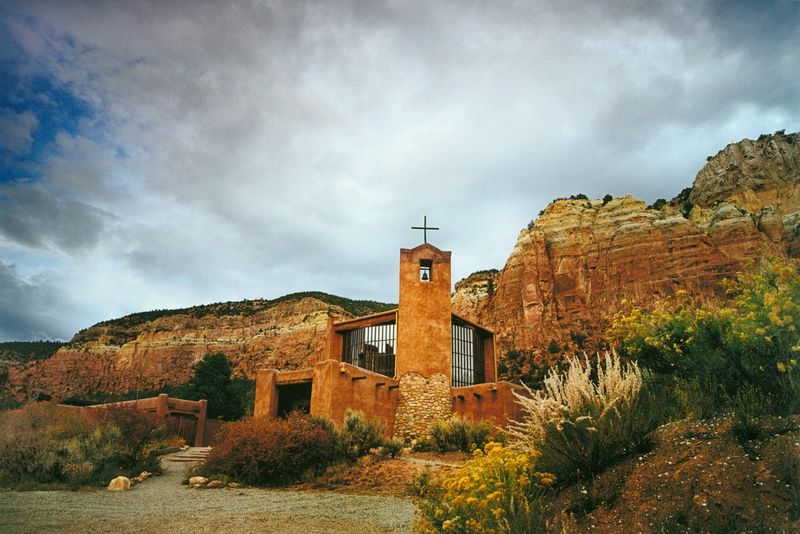
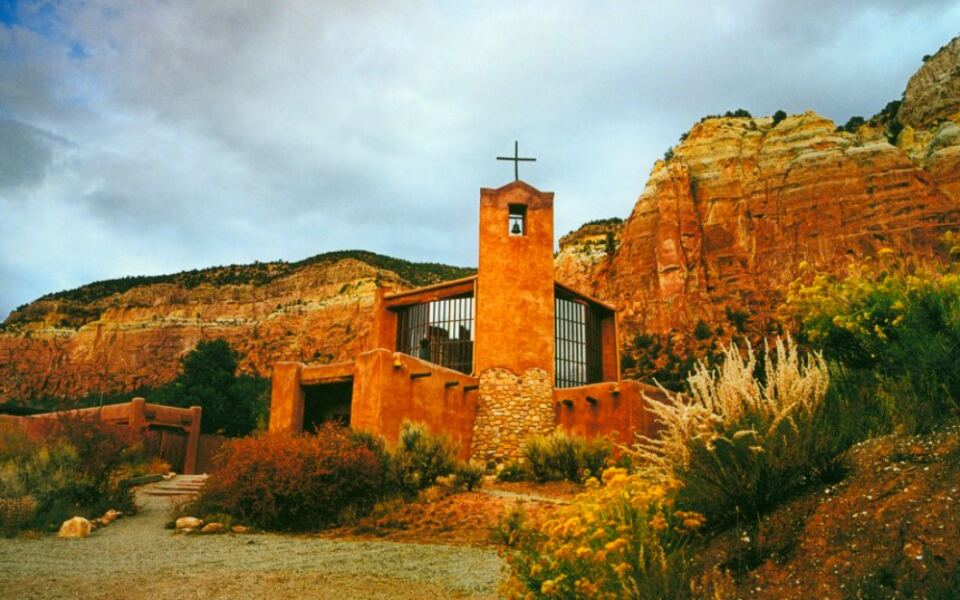
Thirteen miles of dirt road separate this Benedictine monastery from the nearest highway. That drive through Chama River canyon is part of the experience, so check road conditions after rain or snow.
Monks founded the community in 1964, and its church was designed by Japanese American architect George Nakashima. The building’s tall windows frame the surrounding red cliffs, which rise sharply on nearly every side.
You can join the monks for daily prayer services in the church. Designated areas of the grounds are open for quiet walking, and the gift shop carries items made by monasteries.
Cell service is limited out here, which honestly might be the point. Bring water, fill your gas tank in Abiquiu, and plan to stay a while once you arrive.
Address: 1305 Forest Service Road 151, Abiquiu, NM 87510
7. Saint Bernard Abbey, Cullman, Alabama
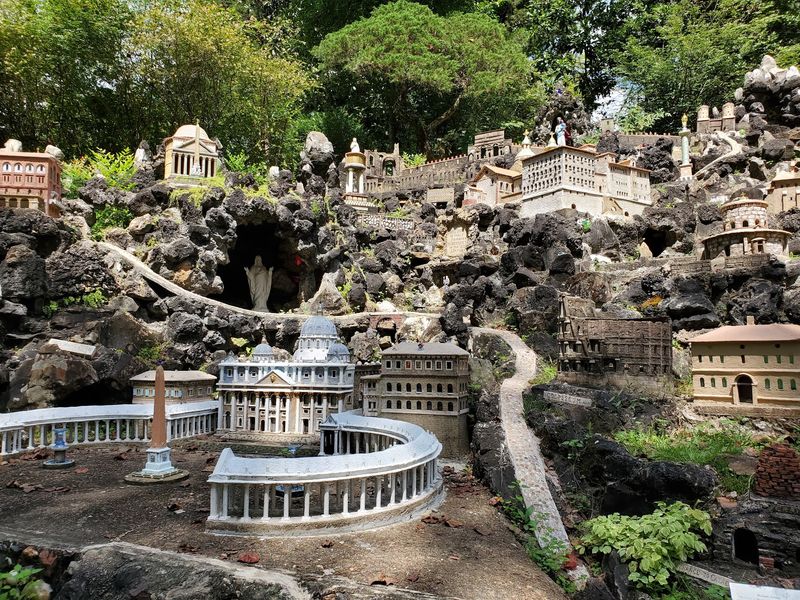
Brother Joseph Zoettl built about 125 tiny landmarks over nearly five decades. His work, called the Ave Maria Grotto, fills a wooded hillside at this Alabama monastery.
He used whatever he could find, including stones, marbles, shells, and cold cream jars. The results include miniature versions of St. Peter’s Basilica, Jerusalem scenes, and other famous buildings.
The grotto opened to the public in 1934. It’s now listed on the National Register of Historic Places.
Saint Bernard Abbey itself was founded by Benedictine monks in 1891. You can visit the abbey church and also arrange a stay at its retreat center.
A walk through the grotto takes about an hour. Bring a camera, because the detail on these small buildings rewards a close look.
Address: 1600 St. Bernard Drive SE, Cullman, AL 35055
8. Holy Cross Abbey, Berryville, Virginia
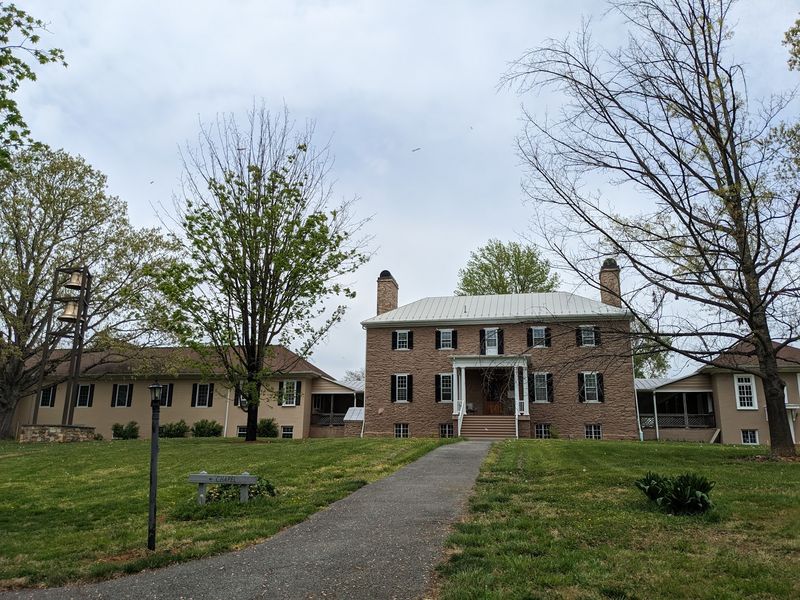
Fruitcake gets teased a lot, but the monks of Holy Cross Abbey take it seriously. Their bakery sells it along with creamed honey and other monastery goods.
Trappist monks settled this property in 1950. It sits beside the Shenandoah River, with the Blue Ridge Mountains rising nearby.
The grounds include a historic manor house called Cool Spring, which dates back to the 1700s. The area also saw fighting during the Civil War.
Guests can book retreats at the abbey’s retreat house for a few quiet days. Prayer services in the church are open to visitors who want to join.
The location is just over an hour from Washington, D.C. That’s a short drive for a big change of pace.
Address: 901 Cool Spring Lane, Berryville, VA 22611
9. Holy Cross Monastery, West Park, New York
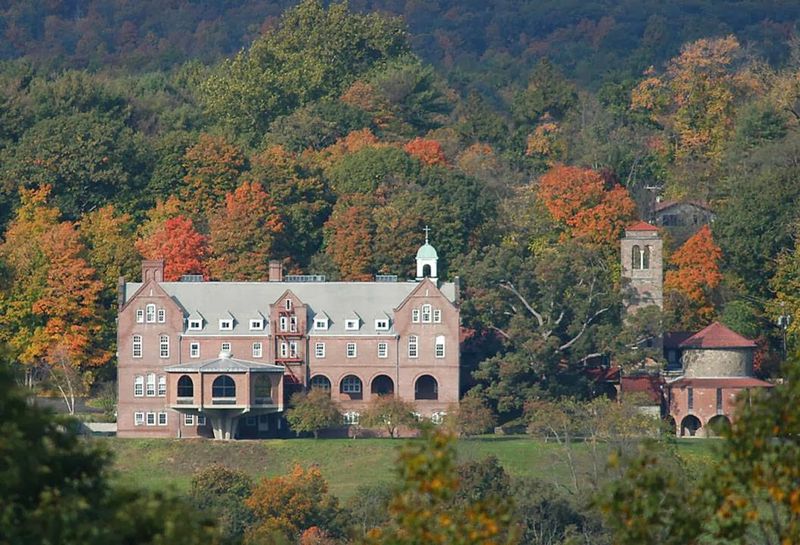
Episcopal monks living by the Rule of St. Benedict? Yes, and they’ve been doing it along the Hudson River since 1904.
The Order of the Holy Cross was founded in 1884 by Father James Huntington. It’s one of the oldest Anglican religious orders for men in America.
The monastery’s guesthouse welcomes people of any faith or none. Stays include meals, quiet hours, and the chance to join the monks at prayer.
Wooded grounds slope down toward the river, giving you plenty of room to walk and think. The Hudson Valley views are a big part of the appeal.
New York City is about two hours south. Many guests come for a weekend and leave feeling surprisingly rested.
Address: 1615 Route 9W, West Park, NY 12493
10. Saint Andrew’s Abbey, Valyermo, California
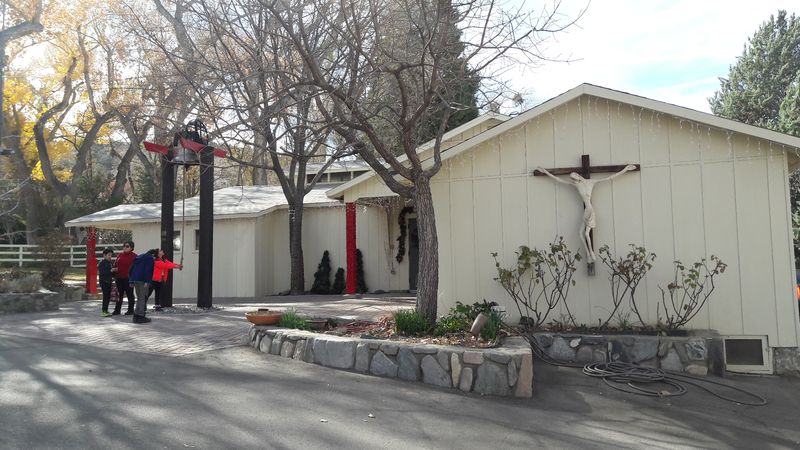
Monks who once served in China founded this abbey after being expelled in the early 1950s. They settled in the high desert near the San Gabriel Mountains in 1955.
The property was formerly a ranch. Today it includes ponds, shade trees, and plenty of open desert space.
Saint Andrew’s is known for its ceramics studio. The colorful tiles and plaques, many showing saints and angels, began with designs by Father Maur van Doorslaer.
You can attend prayer services or book a stay at the retreat house. The abbey’s fall festival has drawn visitors for decades.
Summer gets hot out here, so spring and fall are easier times to walk the grounds. Pack a hat either way.
Address: 31001 North Valyermo Road, Valyermo, CA 93563
11. Prince of Peace Abbey, Oceanside, California
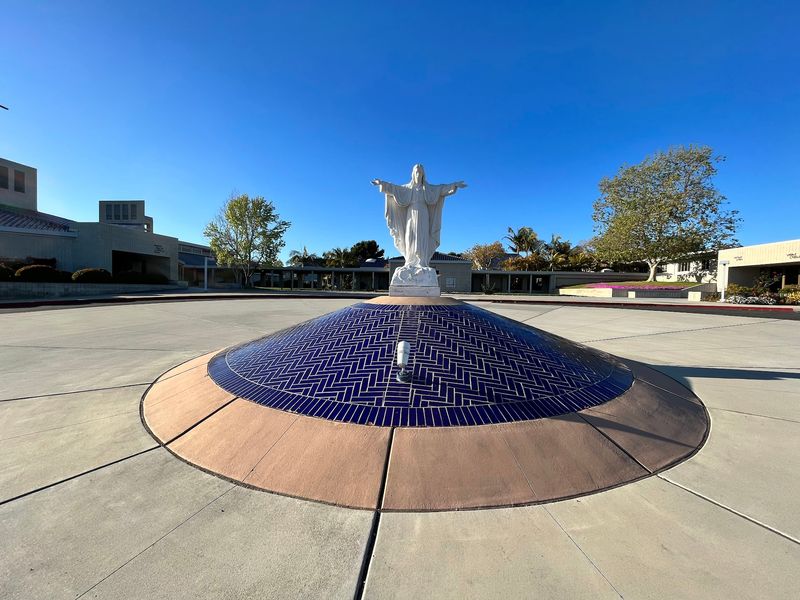
Surfers and beach crowds sit just a few miles from this quiet Benedictine hilltop. Prince of Peace Abbey overlooks Oceanside and the San Luis Rey River valley.
Monks from Saint Meinrad Archabbey in Indiana founded the community in 1958. It became an independent abbey in 1983.
The grounds include a church, gardens, and outdoor shrines. One area features a large collection of statues and memorials placed around the hillside.
You can attend Mass or join the monks for prayer. The retreat house offers private stays for anyone needing a few calm days.
Historic Mission San Luis Rey is a short drive away. Pairing the two makes for a full day of California history.
Address: 650 Benet Hill Road, Oceanside, CA 92058
12. Our Lady of Guadalupe Trappist Abbey, Carlton, Oregon
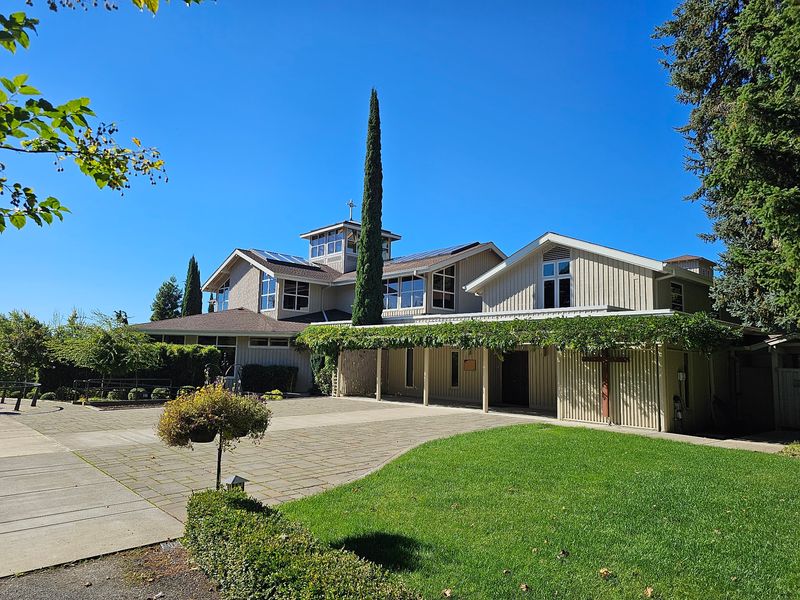
About 1,300 acres of forest and farmland surround the monks at this Oregon abbey. The community moved here in 1955 after earlier homes in Rhode Island and New Mexico.
Trappist life centers on prayer and manual work. Over the years, these monks have run a bookbindery and a fruitcake bakery, among other businesses.
Walking trails climb into the wooded hills behind the abbey. Pick up a map and stay on the paths open to guests.
The guesthouse welcomes retreatants for quiet stays. You can also join the monks in the church for daily prayer.
Yamhill County is better known for farms and tasting rooms. Here, the main attraction is simply quiet forest and time to think.
Address: 9200 NE Abbey Road, Carlton, OR 97111
13. Monastery of the Holy Cross, Chicago, Illinois
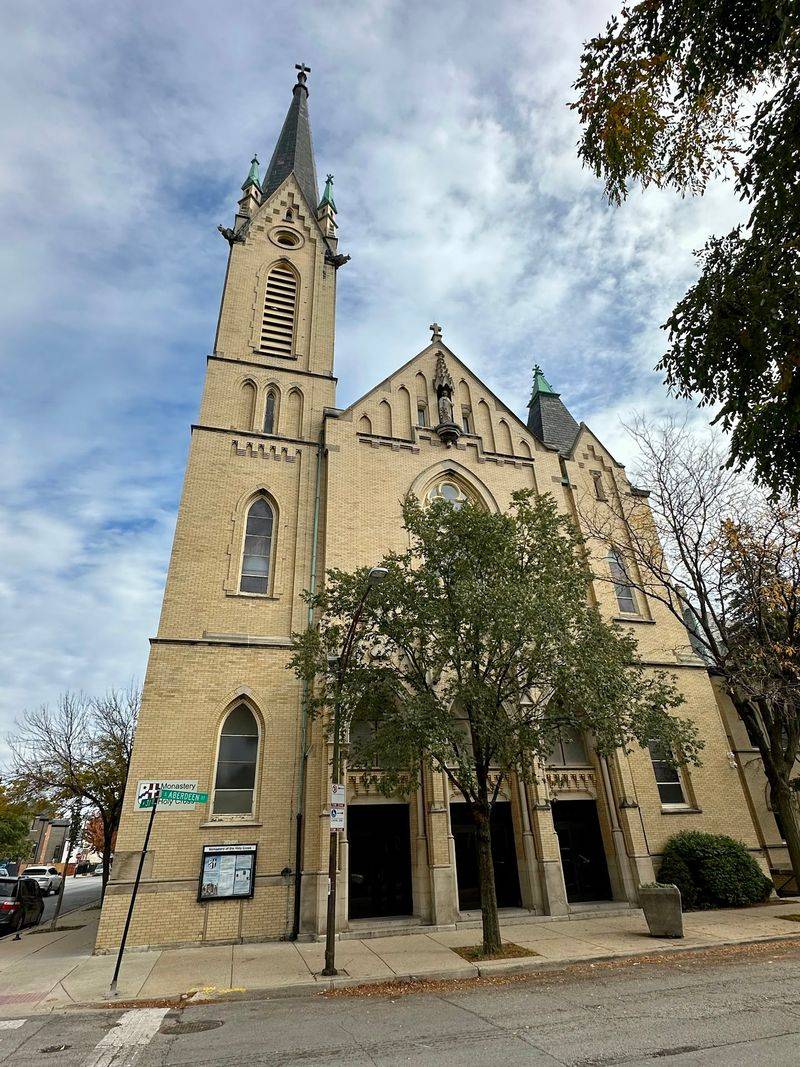
Gregorian chant in Chicago’s Bridgeport neighborhood might sound unlikely. Yet a small Benedictine community has prayed here since 1991.
The monks live in a former parish church built in the early 1900s. They restored the building and adapted it for monastic life.
You can join them for prayer services, much of which is sung in chant. The schedule follows the traditional rhythm of the monastic day.
The monastery also runs a bed and breakfast for guests. It’s an unusual way to stay in Chicago without the hotel scene.
Neighborhood restaurants and the city’s South Side sites are close by. You get quiet and convenience in the same trip.
Address: 3111 South Aberdeen Street, Chicago, IL 60608
14. Monastery of the Holy Spirit, Conyers, Georgia
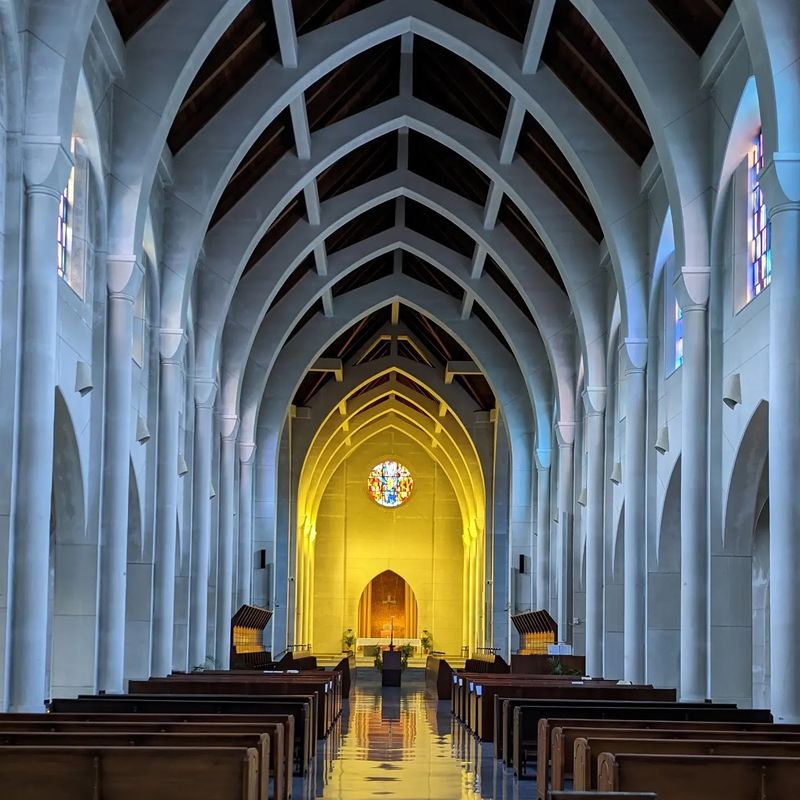
Twenty monks arrived from Kentucky in 1944 and started out living in a barn. Today their Georgia monastery covers more than 2,000 acres.
The monks built the abbey church themselves, finishing in 1959. Its stained glass windows were also crafted by members of the community.
Stained glass is still part of the monastery’s work. The gift shop sells it alongside bonsai trees, baked goods, and other monk-made products.
The Monastic Heritage Center explains how the monks live and pray. Exhibits make it easy to understand a life that looks very different from ours.
Trails, a lake, and gardens round out a visit. It’s a quick drive from Atlanta, but feels much farther.
Address: 2625 Highway 212 SW, Conyers, GA 30094
15. St. Benedict’s Abbey, Atchison, Kansas
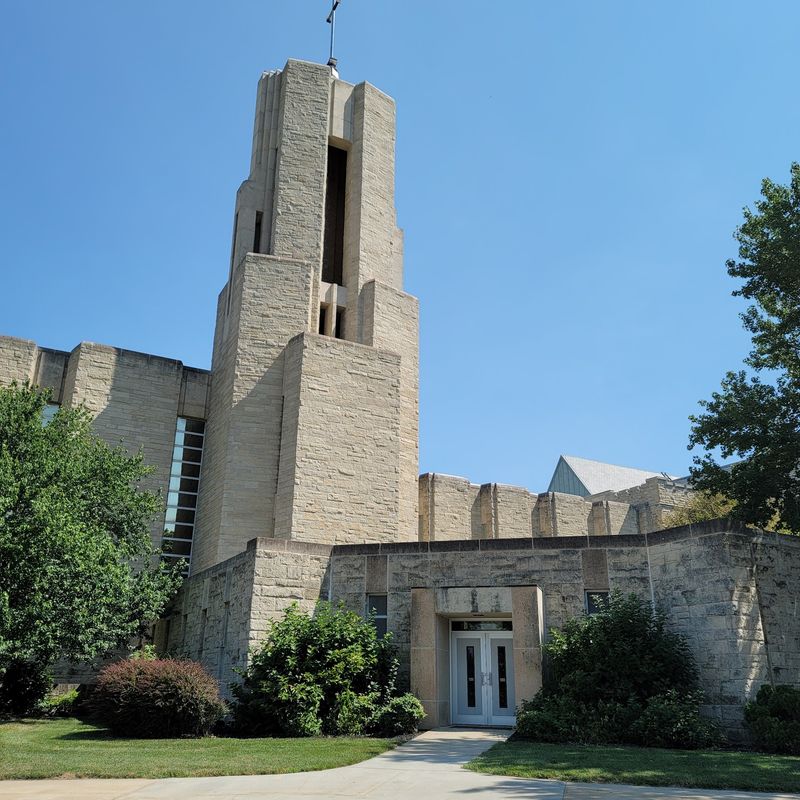
Limestone quarried on site forms the modern abbey church at St. Benedict’s. It was completed in 1957, exactly a century after the community began.
Monks arrived in Atchison in 1857, when Kansas was still a territory. They soon started a school that grew into today’s Benedictine College.
The abbey sits on a bluff above the Missouri River. From the grounds, you can look out across the valley toward Missouri.
Inside the church, the crypt chapel holds a series of saint carvings worth seeing. Visitors can also join the monks for daily prayer.
Atchison is also the hometown of aviator Amelia Earhart. Her birthplace museum makes an easy second stop.
Address: 1020 North Second Street, Atchison, KS 66002
Share this story