You don’t have to venture deep into the wilderness to see grizzly bears, gray wolves, moose, and bison. Across America, wildlife parks offer opportunities to watch these animals from walking trails, guided tours, and even your own car.
At Bearizona in Arizona, black bears and wolves roam through drive-through habitats. Alaska Wildlife Conservation Center cares for injured and orphaned animals, while Montana’s Bison Range protects hundreds of bison across thousands of acres.
Other destinations offer close-up views of bald eagles, mountain lions, and river otters. Some focus on rescue and rehabilitation, while others protect native wildlife in large natural habitats.
These 15 destinations offer different ways to experience America’s wildlife, including a few encounters you might not expect.
1. Northwest Trek Wildlife Park, Eatonville, Washington
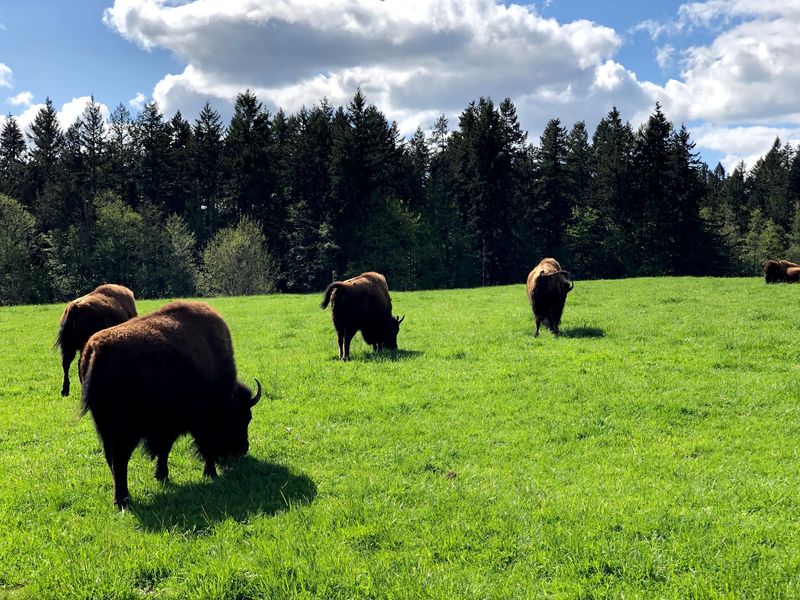
Moose, mountain goats, and bighorn sheep share 435 acres of free-roaming space at this park near Mount Rainier. Herds of bison and elk wander here too, and guided tram tours roll right through their home.
For a closer look, the 90-minute Keeper Adventure Tour heads into the habitat by Jeep. You learn straight from an animal keeper while moose and bison go about their day.
Walking trails lead to grizzly bears, black bears, gray wolves, cougars, and lynx. Wolverines dart across logs, and river otters show off in the wetlands area.
Fun fact: the park helps raise critically endangered red wolf pups and northern leopard frogs. It also runs a wildlife rehabilitation center.
Families with little ones should save time for the Kids’ Trek Playground. Keeper Chats are a great way to learn how the animals are cared for.
2. Alaska Wildlife Conservation Center, Girdwood, Alaska
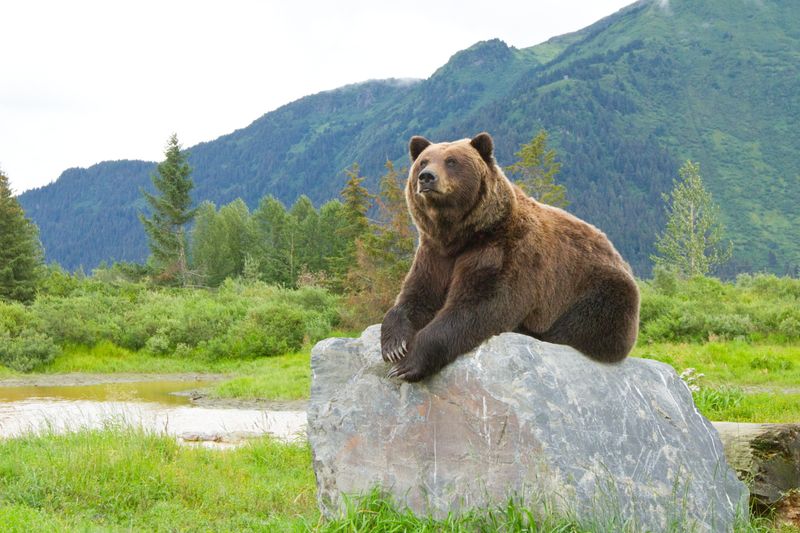
Brown bears that swim, muskoxen that play, and porcupines that climb trees are all part of a normal day here. The nonprofit center opened in 1993 to rescue orphaned and injured Alaskan animals.
Over 200 acres sit inside Portage Valley, framed by the Chugach Mountains and Turnagain Arm. A 1.5-mile loop winds past the habitats.
You can explore the loop by car, bike, or on foot. Signs and audio guides share each animal’s personal story.
Seventeen Alaskan species live at the center, including moose, wood bison, caribou, reindeer, wolves, foxes, and lynx. That is a lot of Alaska in one stop.
Want more? Paid Animal Encounters, like the Bear Encounter or Moose Encounter, include a personal guide and sometimes feeding time.
Every ticket helps pay for the animals’ care and the center’s conservation research.
3. Bearizona Wildlife Park, Williams, Arizona
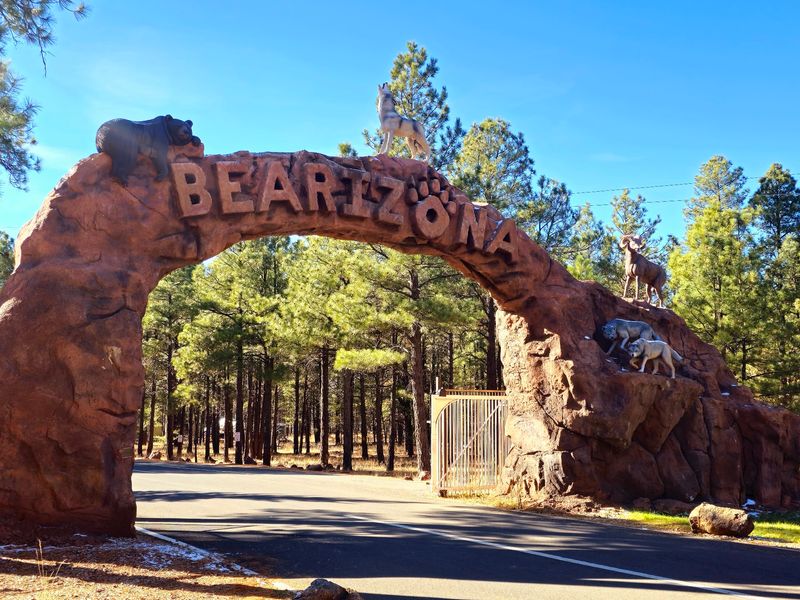
Traffic jams are usually annoying, but here they are caused by wolves and bears. Bearizona sits just off historic Route 66, inside a forest of ponderosa pines.
The main event is a three-mile drive. Black bears, wolves, bison, Rocky Mountain goats, and deer live along the route, and windows stay up for safety.
Keep an eye on the treetops. Bears like to nap up high or use trunks as back-scratchers.
Once the drive ends, park the car and walk through Fort Bearizona. This 20-acre area features river otters, bobcats, foxes, porcupines, and raccoons.
The Mine Shaft Experience holds nocturnal animals and creepy crawlers. Daily keeper talks and a seasonal raptor free-flight show add even more to see.
Tip: the VIP add-on includes a Wild Ride bus tour and a chance to watch wolf training. The park stays open year-round.
4. Grizzly & Wolf Discovery Center, West Yellowstone, Montana
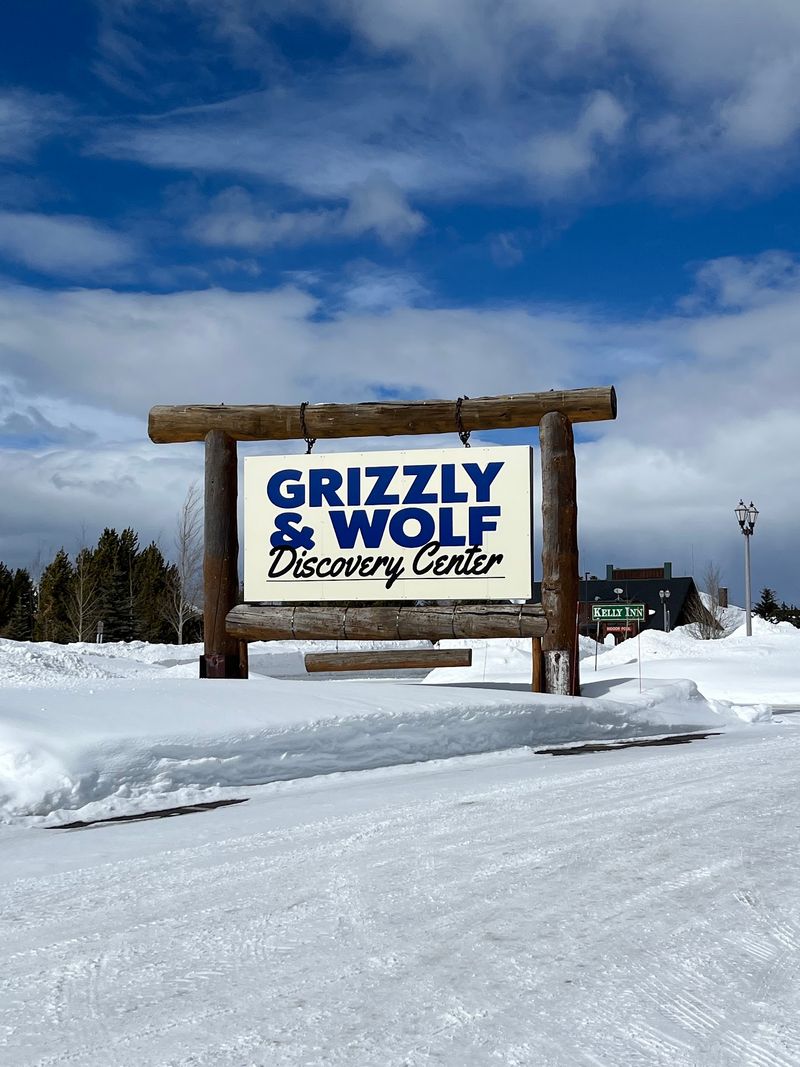
Yellowstone visitors often leave without seeing a single grizzly. A few steps from the park’s west entrance, this nonprofit center fixes that problem.
Grizzly bears forage, play in ponds, and wrestle in outdoor habitats. None of them can survive in the wild, so they work as ambassadors for their wild cousins.
Gray wolves live here too. Large windows in the Naturalist Cabin give a clear look at how a pack behaves.
Kids can join the Keeper Kids program and help hide food for the bears. Everyone can learn bear country safety tips that come in handy on the trail.
River otters and birds of prey round out the cast. Ranger talks and films fill the daily schedule.
Here is a bonus: the center is open 365 days a year because these bears do not hibernate. Tickets are good for two days in a row.
5. Wildlife Prairie Park, Hanna City, Illinois
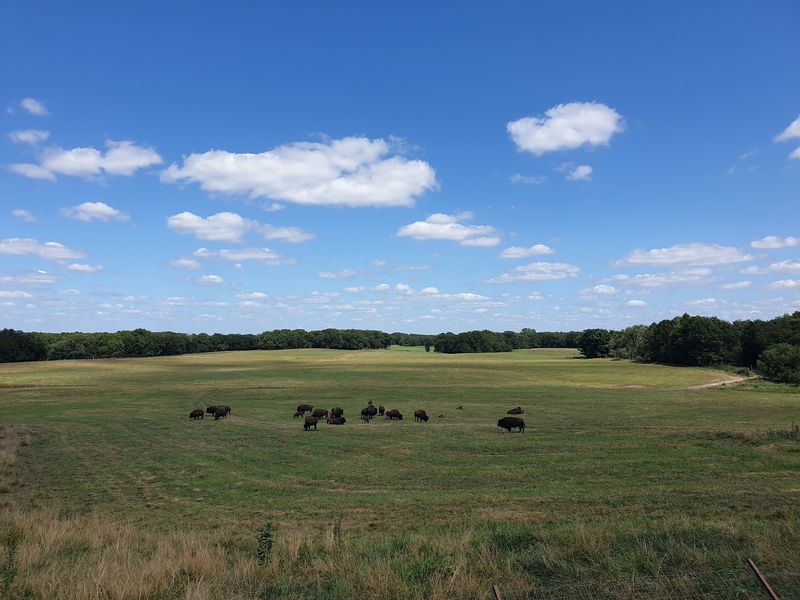
Illinois has a safari, and it is only a short drive west of Peoria. Wildlife Prairie Park covers 1,800 acres of prairie, woods, and lakes.
More than 60 Midwest species live here, from bison and elk to black bears, cougars, and wolves. Look closely at the bison herd for a rare white bison.
A woodland trail leads past roomy, natural habitats. The Prairie Zephyr train offers a relaxing ride for tired legs.
For extra thrills, the Adventure Trek bus heads straight into the bison and elk pasture. Private feeding sessions bring you near wolves and bears.
The fun keeps going outside the animal areas. Guests enjoy 24 miles of trails, six stocked fishing lakes, disc golf, and kayak rentals.
Overnight stays are a highlight. You can sleep in a cabin, a converted caboose, or even a grain bin.
6. Maine Wildlife Park, Gray, Maine
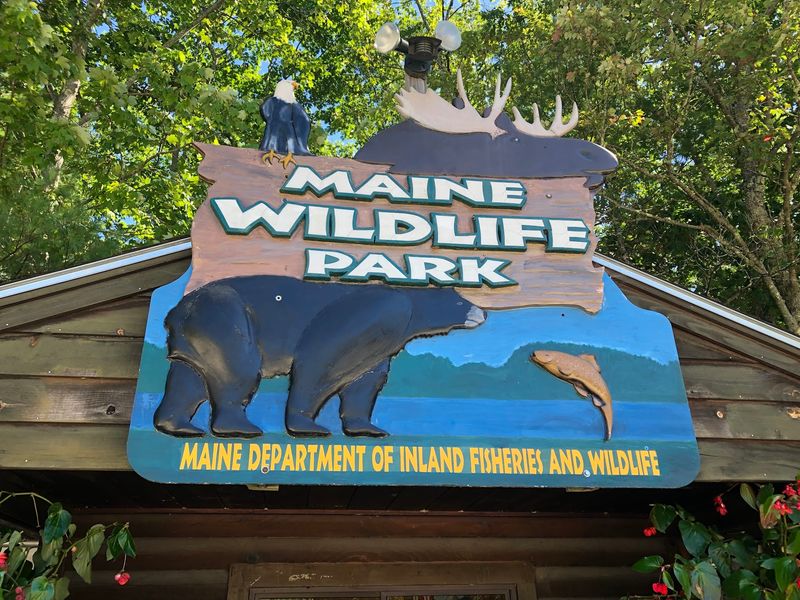
Plenty of travelers drive all over Maine hoping to spot a moose and go home empty-handed. At Maine Wildlife Park, the moose sighting comes with your ticket.
The state’s Department of Inland Fisheries and Wildlife runs the park. It gives a lifelong home to animals that were hurt, orphaned, or too used to people to live in the wild.
Over 30 native species live along shaded paths. Expect black bears, Canada lynx, white-tailed deer, bald eagles, mountain lions, porcupines, and owls.
Each animal has its own story, shared on signs throughout the grounds. You will also find a gamekeeper museum, a fish rearing tank, and a nature shop.
Pack a lunch, since picnic tables sit under tall pines. About 120,000 people visit each year.
Plan ahead, because the park is open from mid-April through mid-November.
7. International Wolf Center, Ely, Minnesota
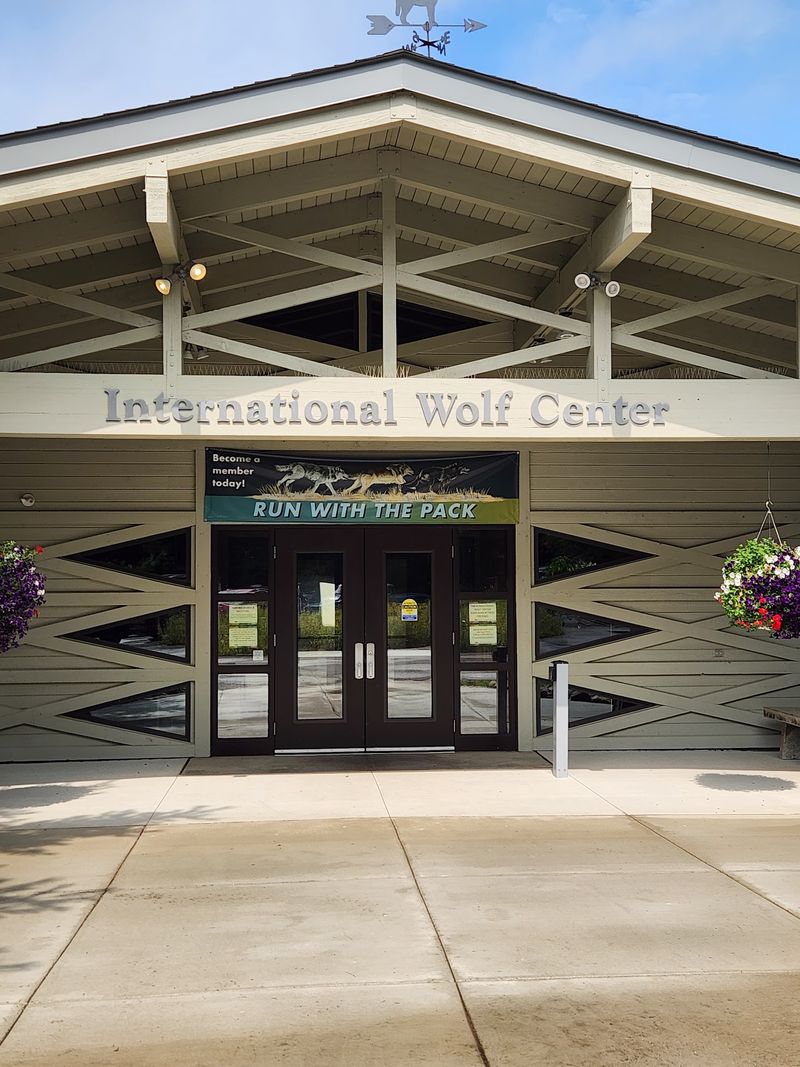
Here is a twist: this center does not argue for or against wolves. Its goal is simply to teach people the facts.
An ambassador wolf pack lives in a 1.25-acre wooded habitat in northern Minnesota. Big glass windows let you watch them play, eat, nap, and sometimes squabble.
Staff naturalists lead daily programs about each wolf’s history. You learn how wolves talk to each other, hunt, and keep order in the pack.
The Discover Wolves exhibit is very hands-on. Visitors can pretend to track a pack with radio signals from a replica airplane cockpit.
Seasonal Behind-the-Scenes programs bring guests closer to the fence. Wolf care staff answer questions on the spot.
Feeling bold? Field trips head into wild wolf country, where groups try howling to real packs.
The nearby Boundary Waters make Ely a great base for nature lovers.
8. Arizona-Sonora Desert Museum, Tucson, Arizona
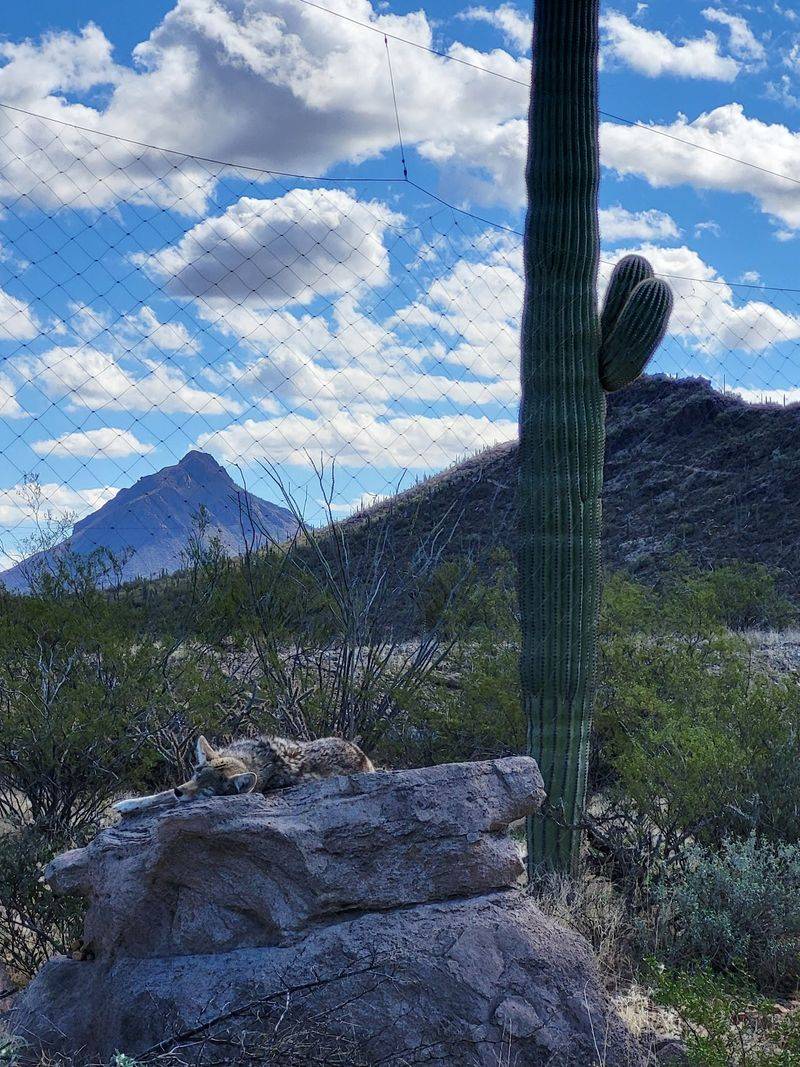
Calling this place a museum is like calling a cactus a plant. Technically true, but it leaves out a lot.
The Arizona-Sonora Desert Museum mixes a zoo, a botanical garden, and a natural history museum. Only plants and animals from the Sonoran Desert region are shown.
Nearly two miles of paths wind across 21 acres. Mountain lions, coyotes, and javelinas live in habitats built right into the hillside.
The gardens are packed with saguaros, mesquite, and palo verde trees. Wild birds love them, so bring binoculars.
Kids can dig for fossils, crawl through a replica limestone cave, or cool off in the indoor Packrat Playhouse. The seasonal Raptor Free Flight lets hawks fly over the crowd with no tethers.
Summer gets very hot in Tucson. Arrive early in the day, carry water, and wear a hat.
9. Wolf Park, Battle Ground, Indiana
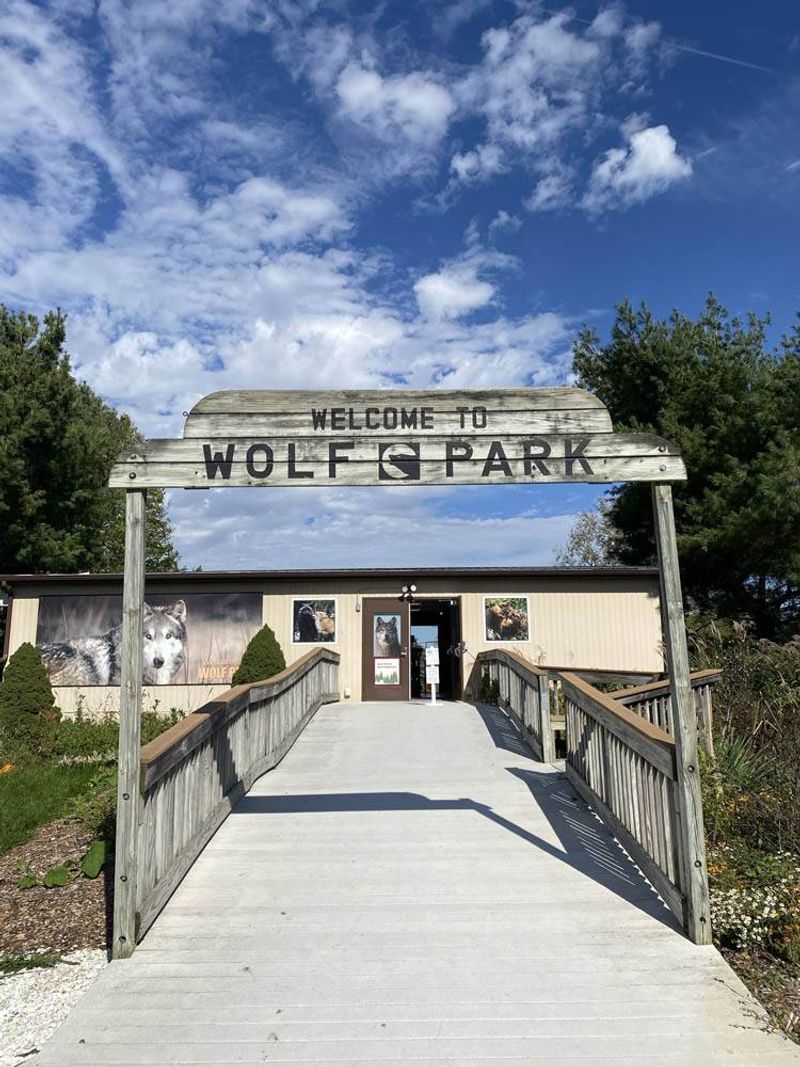
Sing along with a wolf pack on a Saturday night? At Wolf Park, that is the whole point of Howl Nights.
Purdue professor Dr. Erich Klinghammer founded this nonprofit in 1972. Ever since, it has focused on studying how wolves behave and communicate.
The park covers 78 acres of rolling Indiana prairie. Guided visits introduce wolves, red foxes, and a small bison herd.
Animal comfort comes first here. If wolves want shade on a hot day, they get it, even if guests have to wait for a better view.
Turtle Lake is the largest habitat at seven acres. It shows what the land looked like before farming changed it.
Seasonal events include Picnic with the Pack and Holiday Howl Nights. Photographers can also book special sessions for clear shots of the animals.
10. CSKT Bison Range, Charlo, Montana
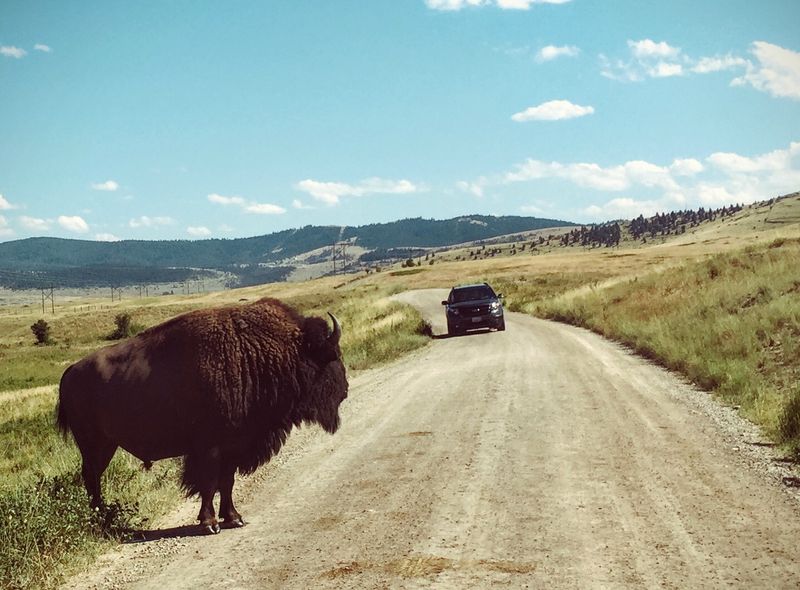
Back in the late 1800s, bison nearly vanished from the continent. Tribal members of the Confederated Salish and Kootenai Tribes helped save them by starting their own herd.
Today the tribes fully manage this range, which returned to them in 2020. It covers roughly 18,000 acres on the Flathead Indian Reservation.
About 350 bison roam the grasslands. Elk, deer, pronghorn, and bears share the space.
Visitors explore by car on two routes. Red Sleep Mountain Drive is a 19-mile loop, usually open from May to October.
The 14-mile Prairie Drive is open year-round. It is often the best bet for spotting bison and pronghorn.
Start at the Visitor Center for maps, videos, and friendly staff. Signs along the drives share the Seli’š, Qlispé, and Ksanka peoples’ deep bond with this land.
11. Wildlife Images Rehabilitation & Education Center, Grants Pass, Oregon
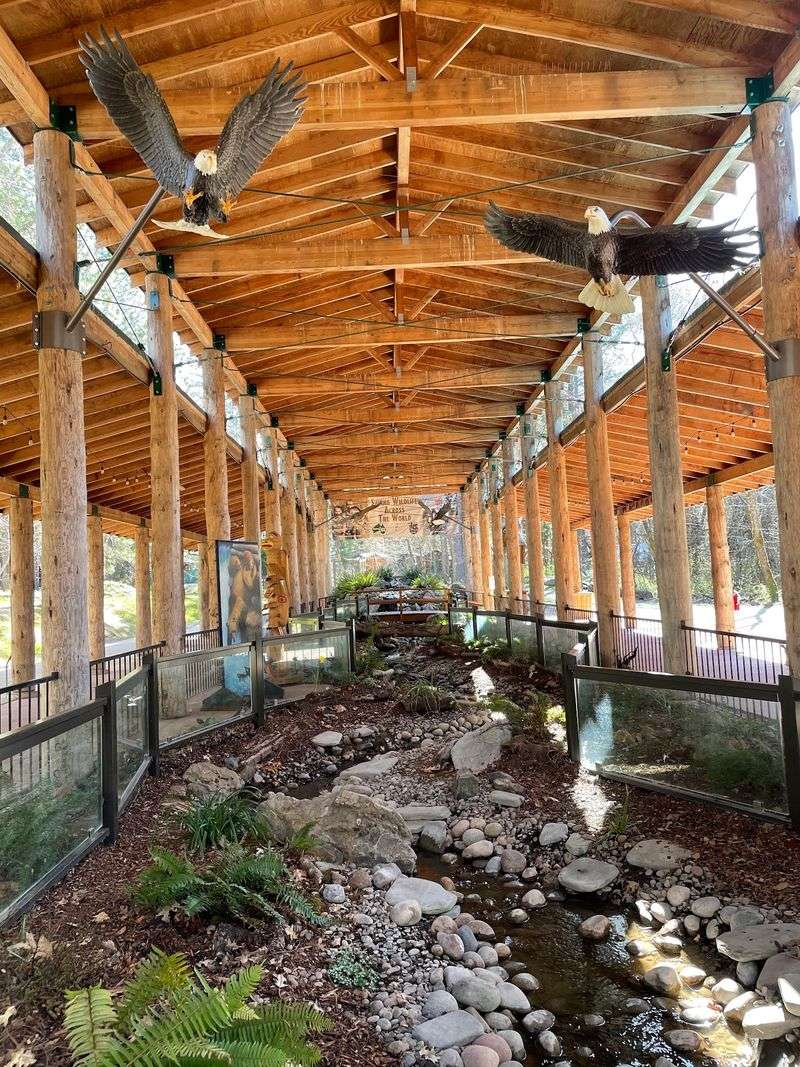
Rescue, rehabilitate, educate. Those three words have guided this Oregon nonprofit since 1981.
Wildlife Images sits along the Rogue River and works as a real wildlife hospital. Hundreds of animals arrive each year, from tiny songbirds to grizzly bears.
Many patients heal and return to the wild. Some cannot, so they stay on as Animal Ambassadors.
Those ambassadors include grizzly bears, wolves, bobcats, and bald eagles. Each one has a story about why it lives here.
Guided tours last about 1.5 hours. Guides explain the problems wild animals face and how people can help.
Summer brings Camp EEK, a popular camp that turns kids into budding scientists. School field trips are offered too.
Good to know: every ticket, gift shop purchase, and donation pays for rescue work and animal care.
12. Bear Country USA, Rapid City, South Dakota
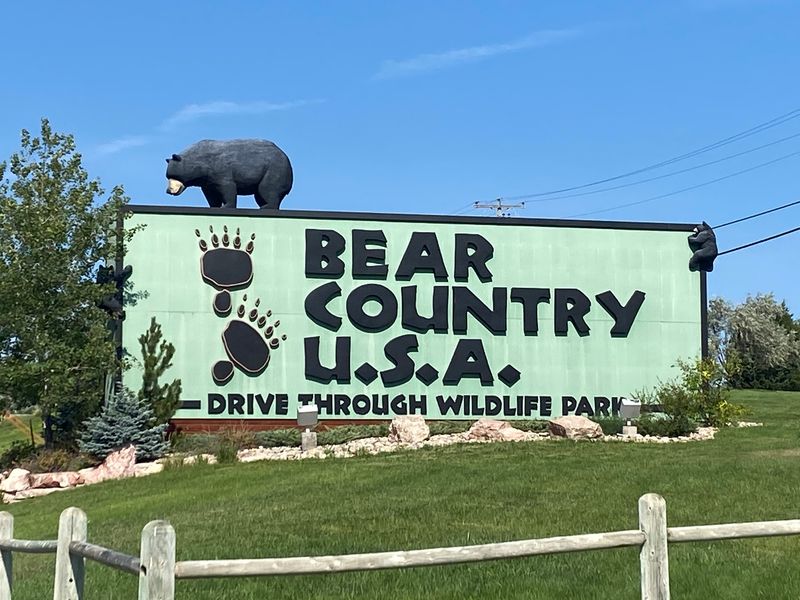
Eight miles south of Rapid City, black bears treat the road like their personal sidewalk. Visitors just roll along and try to keep their cameras steady.
Bear Country USA covers more than 200 acres of Black Hills pine forest and meadow. The three-mile drive is the star attraction.
Black bears climb trees, splash in pools, and stroll past car windows. Timber wolves, elk, mountain lions, bighorn sheep, bison, and pronghorn appear along the route too.
Windows and doors stay closed during the drive. That rule keeps both people and bears safe.
Afterward, park and stroll the quarter-mile Wildlife Walkway, nicknamed Babyland. Badgers, martens, bobcats, otters, and prairie dogs live there.
The park opens in spring and runs through late November. Late-season weather can cause closures, so check before you go.
13. National Eagle Center, Wabasha, Minnesota
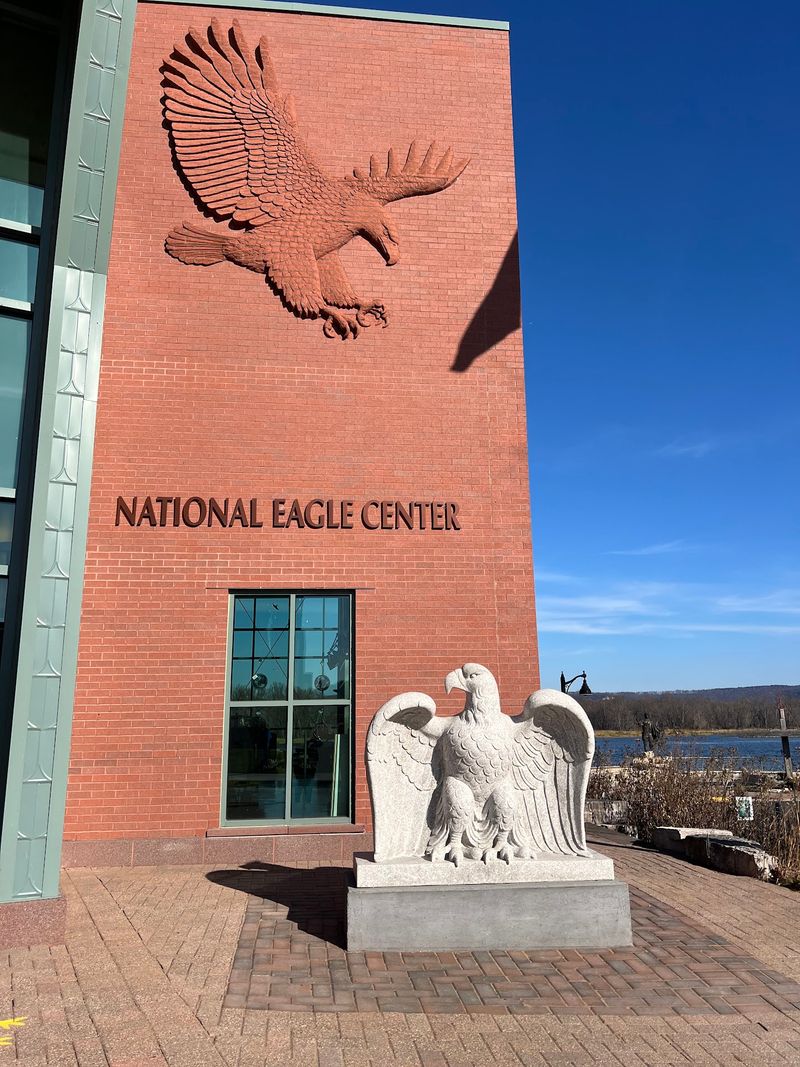
America’s national bird gets the VIP treatment in this small Mississippi River town. Live eagle ambassadors sit just a few feet from guests.
Ambassador Avenue is where most people stop first. Educators stand by to answer questions about the resident bald eagles.
Two floors of exhibits tell the bigger story. The Preston Cook American Eagle Collection shows how the bald eagle appears in art, government, and pop culture.
A replica nest is modeled after a world-record nest. It is huge, and it overlooks the river.
Winter is a smart time to visit. Hundreds of wild eagles gather along the Upper Mississippi then.
Guided Eagle Habitat Tours lead to wild nest sites. River cruises on the Cal Fremling boat offer views from the water, which photographers love.
14. Montana Grizzly Encounter, Bozeman, Montana
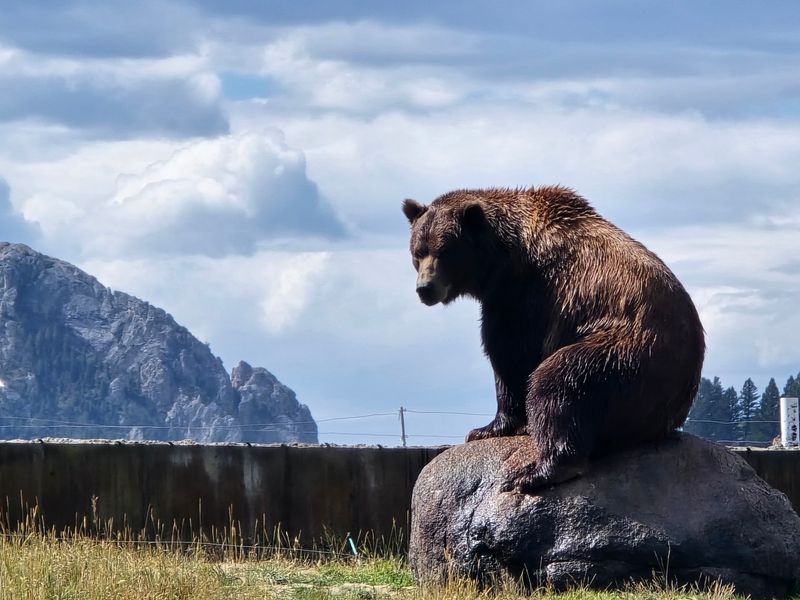
Some grizzlies get a second chance, and this sanctuary near Bozeman is where they spend it. Founded in 2004, it focuses only on bear rescue and education.
The resident bears came from tough starts. Some were orphaned cubs, while others were kept in poor conditions or grew too comfortable around people.
Release is not an option for them. Instead, they help teach visitors about their wild relatives.
Bears rotate into the viewing area one at a time. They often play with logs or swim in their pond.
Presentations cover bear behavior and safety in bear country. The lesson is simple: respect beats fear.
School groups visit free of charge. Tickets for everyone else are valid for two days in a row, so a second look is easy.
15. Custer State Park, Custer, South Dakota
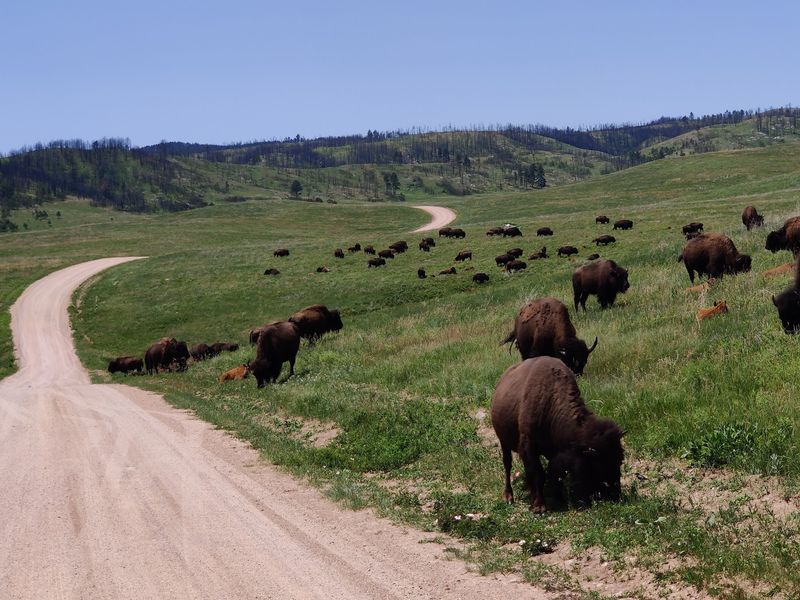
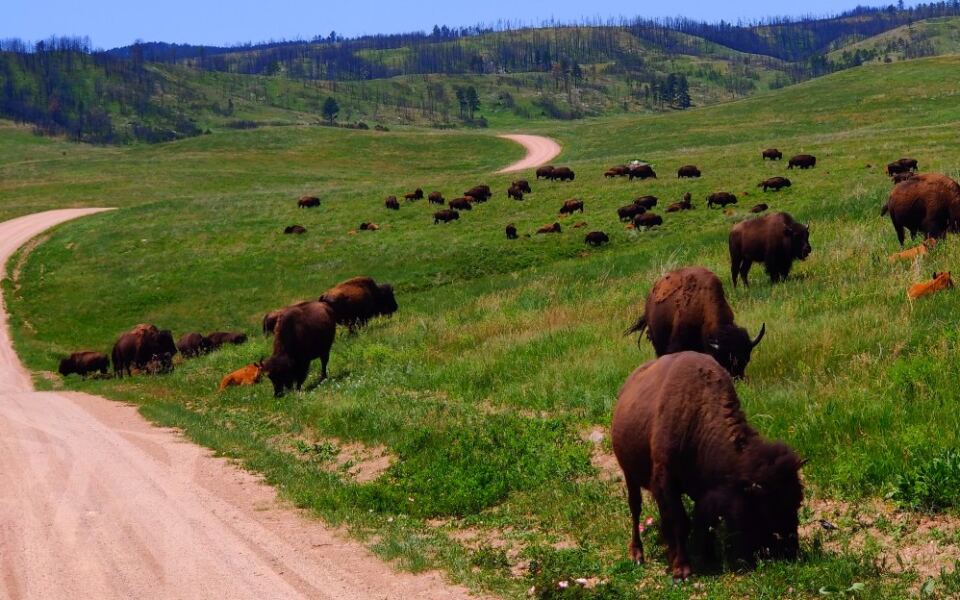
Between 1,300 and 1,500 bison roam this park, one of the largest public herds in the world. Saving the biggest for last felt right.
Custer State Park covers 71,000 acres in South Dakota’s Black Hills. The 18-mile Wildlife Loop Road is the best place to start.
Bison often stop traffic when they cross. Stay patient and keep at least 100 yards away, since they can run up to 35 miles per hour.
Pronghorn, elk, mule deer, coyotes, and prairie dogs also live along the loop. The famous wild burros like to walk right up to cars, but feeding them is not allowed.
Buffalo Safari Jeep Tours reach private roads for closer views. The Bison Center shares tips on where the herd has been spotted.
Sunrise and sunset usually bring the most animal activity. Plan your drive around those hours.
Share this story