Baby names go in and out of style just like fashion, music, and hairstyles. The 1970s had a very distinct set of names that filled classrooms, playgrounds, and family photo albums across the country.
Names like Debbie, Randy, and Tammy were everywhere back then, but today you would be hard-pressed to find a kindergartner answering to any of them. If you grew up in the 70s or know someone who did, this list is going to feel like a fun trip down memory lane.
These names tell a story about a generation and the culture that shaped it.
Debbie/Debra
Few names captured the friendly, girl-next-door energy of the 1970s quite like Debbie. Short for Debra, this name was a top-10 pick for much of the 60s and 70s, appearing on everything from school rosters to pop music charts.
Debbie Harry of Blondie and Debbie Reynolds both kept the name in the spotlight.
At its peak, Debra ranked in the top five most popular girls names in the United States. Today, it barely registers in the top 1,000.
Parents have moved toward names like Delilah or Daisy, leaving Debbie as a relic of a warmer, simpler era.
The nickname Debbie carries a nostalgic sweetness that many people still associate with reliability and friendliness. It is the kind of name that makes older generations smile and younger ones scratch their heads in curiosity.
A true time capsule name if there ever was one.
Tammy
Tammy was practically the soundtrack of a generation. The name exploded in popularity partly thanks to the 1957 film “Tammy and the Bachelor” and the hit song that followed, and it rode that cultural wave all the way through the 1970s.
By the middle of that decade, Tammy was one of the most recognized names in the country.
Country music helped keep it alive too. Tammy Wynette, one of the most celebrated voices in country history, gave the name a warm, Southern authenticity that parents clearly responded to.
It felt approachable, spirited, and real.
These days, the name Tammy is almost nowhere to be found in birth records. It peaked in 1970 and has been sliding steadily ever since.
Parents today tend to favor names with a more modern rhythm, but Tammy still holds a certain charm that fans of 70s culture genuinely appreciate.
Sherri/Sherry
Sherry hit its stride in the early 1960s thanks largely to the Four Seasons song “Sherry,” which reached number one in 1962. The name carried that musical momentum through the following decade, becoming a staple of 1970s classrooms across the United States.
Both spellings, Sherri and Sherry, were widely used during that time.
The name has a breezy, melodic quality that felt right at home in an era known for soft rock and laid-back suburban life. It was feminine without being overly formal, and casual without feeling incomplete.
Parents loved how easy it was to say and spell.
Today, Sherry and Sherri combined barely make a dent in national naming statistics. The name feels firmly planted in its era, which is part of what makes it so interesting from a cultural standpoint.
Anyone named Sherry today is almost certainly carrying a piece of 1970s history with them.
Dawn
Dawn has a poetic quality that made it an easy favorite for parents in the 1970s. The name evokes new beginnings, morning light, and optimism, all things that resonated with families during a decade that had its share of social change and cultural reinvention.
It felt hopeful without trying too hard.
The name also got a major boost from the pop group Dawn, led by Tony Orlando, whose hits like “Knock Three Times” and “Tie a Yellow Ribbon” dominated radio in the early 70s. That kind of mainstream exposure pushed the name even further into households across the country.
By the 1980s, Dawn was already beginning its slow retreat from the top of the charts. Today it is rarely chosen for newborns, though it occasionally appears as a middle name.
The name still carries a certain quiet elegance that makes it feel timeless even if it is no longer trendy.
Candy
Candy was never the most formal name in the book, and that was exactly the point. In the 1970s, parents were increasingly drawn to names that felt playful and free-spirited, and Candy fit that mood perfectly.
It was the kind of name that showed up in sitcoms, variety shows, and cheerleading squads across the country.
The name functioned as a nickname for Candace or Candice, though many parents simply put Candy right on the birth certificate without a longer version attached. It had energy, personality, and a lighthearted charm that matched the decade’s cultural vibe.
Candy has virtually disappeared from modern baby name lists. Today’s parents tend to prefer names that carry more formality or classic roots.
Still, the name has a retro warmth that makes it instantly recognizable to anyone who grew up in that era. It belongs entirely to the 70s, and that is not necessarily a bad thing.
Bambi
Bambi is one of those names that raised eyebrows even when it was being used regularly. Inspired by the beloved 1942 Disney film, the name carried a soft, whimsical quality that appealed to a certain type of parent in the 1960s and 1970s.
It was rare but not unheard of, and it definitely turned heads on a classroom roll call.
The name is almost exclusively feminine in American usage, though the original literary character from the 1923 Austrian novel was male. That cultural shift happened early and stuck.
In the U.S., Bambi became associated with delicacy and a free, nature-loving spirit that matched 70s sensibilities.
Today, Bambi is genuinely one of the rarest names you can find in birth records. Most parents today would hesitate to use it, partly because of its strong association with the cartoon deer.
For those who carried it through the 70s, it remains a truly one-of-a-kind identity marker.
Tiffany
Tiffany had a very specific moment in naming history. It surged in popularity during the late 1970s and absolutely dominated the 1980s, making it one of the most recognizable names of that era.
But its roots in the 70s are clear, and many of the first wave of Tiffanys were born right in that decade.
The name carries associations with luxury and elegance, largely due to Tiffany and Co., the famous jewelry brand founded in 1837. Parents who chose it were often reaching for something that felt polished and aspirational without being stiff or overly traditional.
By the 2000s, Tiffany had already started fading from top baby name lists. Today it sits well outside the top 200, which is a dramatic fall from its peak.
The name now reads as distinctly generational, a marker of the late 70s and 80s that younger parents rarely revisit when choosing names for their own children.
Kimberly
Kimberly was a powerhouse name for several decades, but the 1970s represent its true golden age. It ranked among the top five most popular girls names for much of that decade, meaning nearly every classroom had at least one Kim or Kimberly in it.
The name felt modern and approachable without sacrificing any femininity.
Its origins trace back to a town in South Africa called Kimberley, which became famous during the diamond rush of the late 1800s. That exotic geographic root eventually made its way into the American naming pool, where it found enormous success in the mid-20th century.
Kimberly has not vanished entirely, but it is nowhere near its former dominance. It still appears in birth records, but far less frequently than it once did.
Parents today often prefer shorter names or names with a more vintage feel, which means Kimberly now occupies a curious middle ground between classic and outdated.
Tracey/Tracy

Tracy was one of those names that worked for both boys and girls in the 1970s, though it leaned heavily feminine by mid-decade. The spelling varied widely, with Tracey being common in the UK and Tracy dominating in the United States.
Either way, the name showed up constantly in that era’s classrooms and neighborhoods.
Part of its appeal was its unisex flexibility at a time when parents were beginning to experiment more with gender-neutral names. It felt contemporary without being unusual, and it had a natural ease to it that made it simple to say and remember.
Today, Tracy and Tracey are genuinely rare choices for newborns. The name peaked in the early 1970s and has been declining ever since.
It is now strongly associated with a specific generation, which is both its limitation and its charm. People named Tracy today are almost always carrying a firmly 70s identity.
Melanie
Melanie has a romantic, slightly literary quality that made it a popular choice in the 1970s. It had been climbing steadily since the 1940s and hit a strong peak during the 70s, when its soft sound and three-syllable rhythm felt just right for the era.
Many parents were drawn to its European elegance without it feeling stuffy.
The name has roots in Greek, derived from a word meaning dark or black, often associated with dark beauty. It appeared in literature and film long before it became a naming trend, including in “Gone with the Wind,” where Melanie Wilkes is one of the central characters.
Unlike some names on this list, Melanie has not completely disappeared. It still ranks in the top 200 in some years, making it one of the more durable names from its era.
That said, it is far less common than it once was, and it carries a distinctly retro warmth that feels connected to its 70s peak.
Randy
Randy was one of the most common boys names of the 1970s, and it carried a certain easygoing, all-American energy that fit the decade well. Short for Randall or Randolph, it was the kind of name that showed up in Little League lineups, shop class rosters, and neighborhood block parties from coast to coast.
The name peaked in the 1960s and remained extremely popular through the 70s before beginning a gradual decline. It was simple, strong, and unpretentious, qualities that resonated with parents who wanted something solid without being old-fashioned.
Today, Randy is almost never chosen for newborns in the United States. Part of its decline is cultural, as the word “randy” carries a very different meaning in British English, which has made some American parents more hesitant over time.
Still, for anyone who grew up in the 70s, the name Randy is deeply familiar and carries a genuine sense of that decade’s spirit.
Gary
Gary was a giant in the mid-20th century naming world. It ranked in the top 10 most popular boys names for much of the 1950s and 1960s, and while it had started to cool slightly by the 70s, it was still incredibly common throughout that decade.
Millions of American men named Gary were born between 1950 and 1975.
The name is believed to have been popularized largely by actor Gary Cooper, whose rugged, reliable screen presence made the name feel both masculine and approachable. That combination proved irresistible to parents for several decades.
Today, Gary is a genuine rarity in nurseries. It fell sharply after the 1980s and now ranks well outside the top 300.
The name has become so associated with a specific generation that it almost functions as a cultural timestamp. Younger people often find it surprising to meet a Gary under the age of 40, which tells you everything about how quickly naming trends can shift.
Dwayne
Dwayne had a strong run through the 1960s and 1970s, particularly in African American communities where it was embraced as a name with real character and presence. The phonetic spelling set it apart from the more traditional “Duane,” giving it a slightly more modern look while keeping the same sound.
The name has an energetic, confident feel that matched the athletic and musical culture of the era. It appeared frequently in sports rosters and music credits throughout the 70s, which only added to its appeal among parents looking for something with personality.
Today, Dwayne is most recognizable thanks to actor and wrestler Dwayne “The Rock” Johnson, who has kept the name in public awareness even as it fades from birth records. New parents rarely choose it today, and it sits well outside the top 500 in most recent naming data.
It remains a name that carries genuine strength and a clear generational identity.
Todd
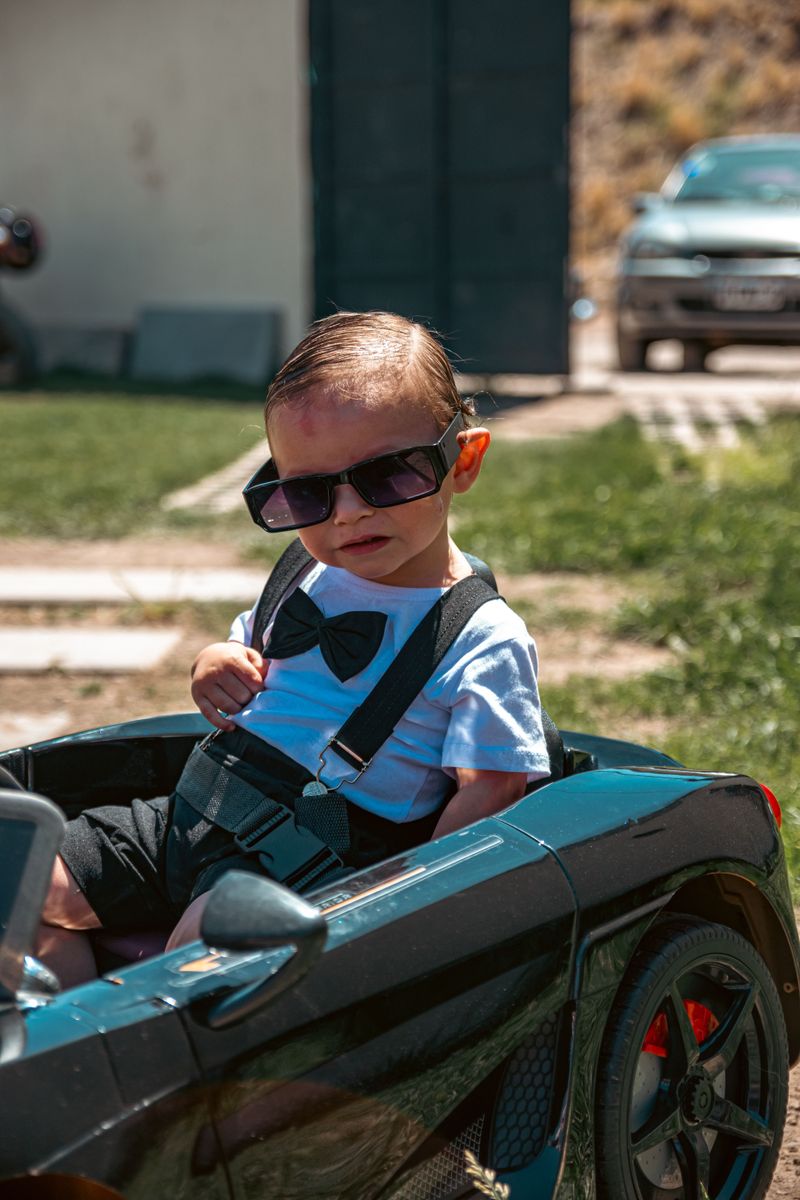
Todd was absolutely everywhere in the 1970s. It had a sharp, punchy sound that felt modern for its time, and it ranked consistently in the top 50 boys names throughout the decade.
Walk into any elementary school in 1975 and you were almost guaranteed to find at least one Todd in the building.
The name has Old English and Norse roots, originally referring to a fox. That clever little origin detail feels fitting for a name that seemed to pop up everywhere without making a big fuss about it.
It was simply present, reliable, and easy to like.
By the 1990s, Todd had begun a noticeable slide, and today it barely appears in modern birth records. It is one of those names that feels so tied to a specific era that using it now almost reads as a retro statement.
Some parents are starting to revisit names like Todd as vintage options, but it remains genuinely uncommon for children born today.
Chad
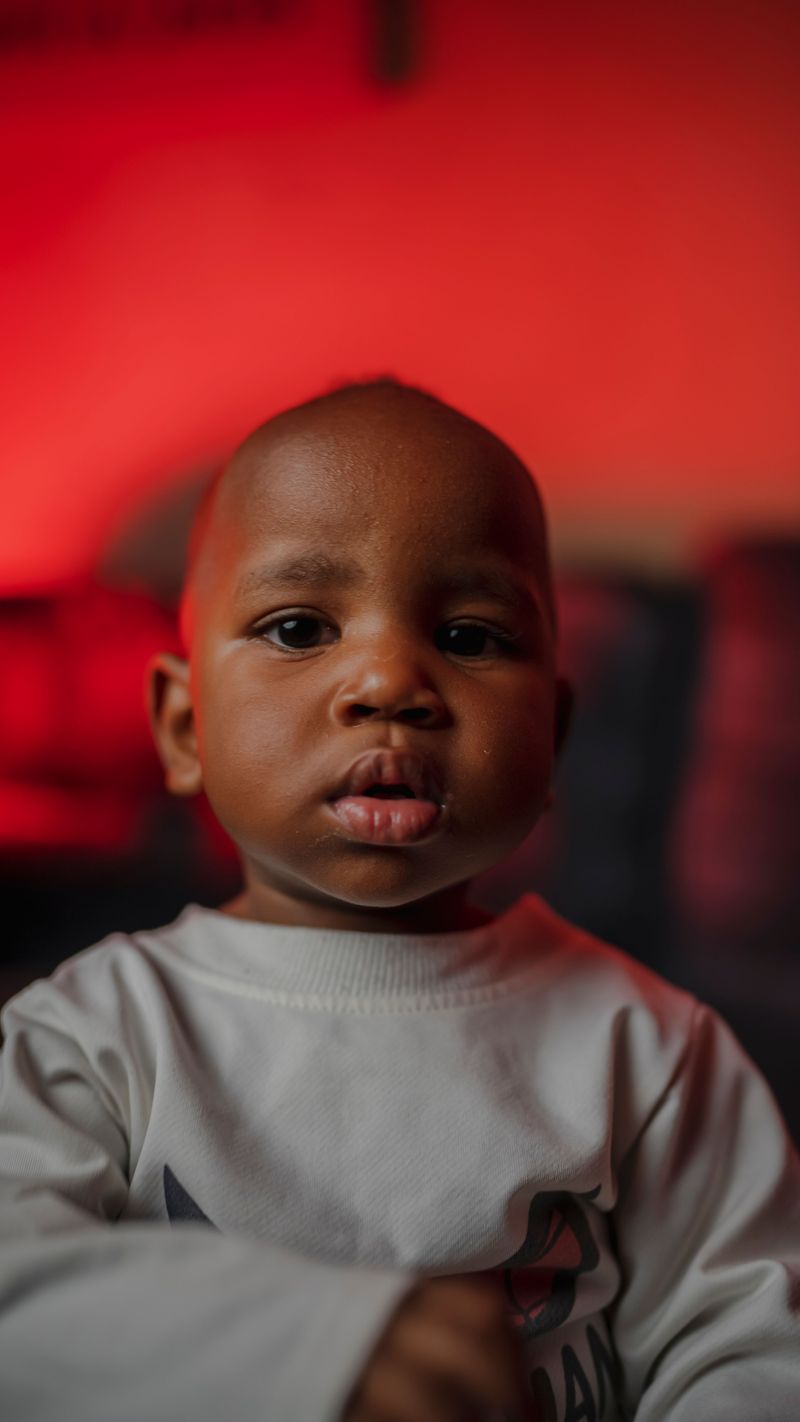
Chad had a very specific cultural image attached to it even back in the 1970s. It was the name of the popular kid, the varsity athlete, the guy who seemed to have everything figured out.
That perception was not entirely fair, but it stuck, and it actually helped drive the name’s popularity during the decade.
The name is believed to have Old English roots, connected to words meaning warrior or battle. It entered the American naming mainstream in the 1960s and hit its stride in the 70s and early 80s, when it ranked solidly in the top 100 for boys.
Today, Chad carries some complicated cultural baggage thanks to internet meme culture, which has turned it into a character type rather than just a name. That shift has made modern parents understandably hesitant to put it on a birth certificate.
New Chads are genuinely rare today, which makes the name a fascinating example of how pop culture can reshape the fate of a perfectly ordinary name.
Share this story