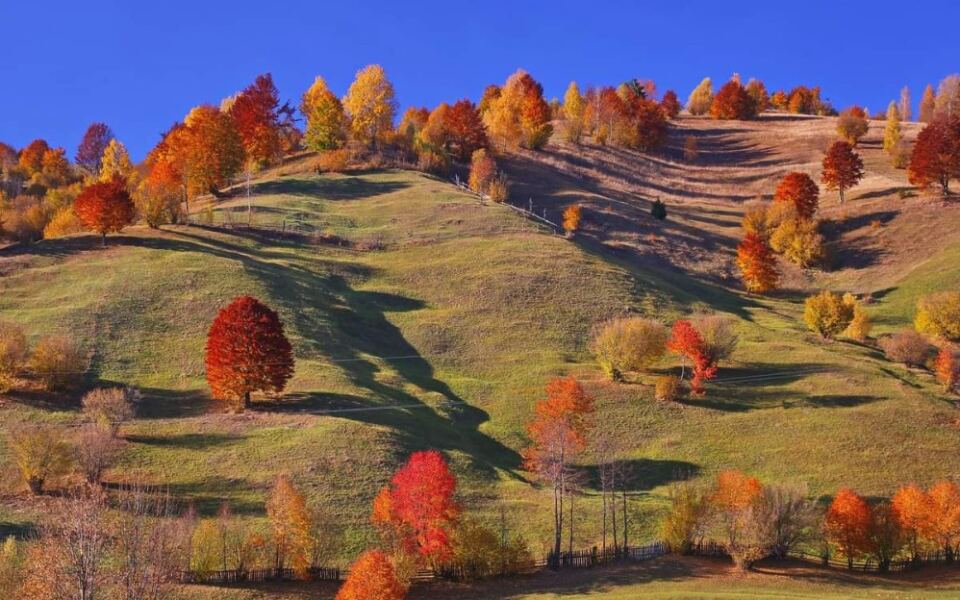
Autumn changes the world in quiet and colorful ways. Leaves turn red and gold, harvest festivals begin, and the air feels crisp and fresh.
Many countries look their best during these months, and crowds are often smaller than in summer. Here are fifteen places worth considering for a fall trip.
1. Japan: Kyoto, Nikko, and Hokkaido
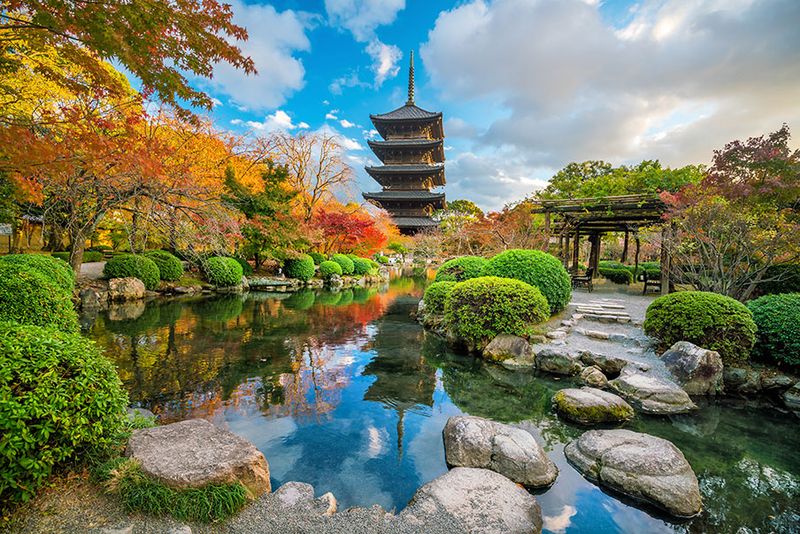
Every November, Japan seems to glow. Maple trees turn deep crimson, and people travel across the country to enjoy a tradition called momijigari, or autumn leaf viewing.
Kyoto is the best known stop. Temples such as Kiyomizu-dera and Tofuku-ji are surrounded by bright foliage, and evening light-ups add a special feel.
Mornings are quieter, so an early start helps you enjoy the scenery without large crowds.
Nikko, north of Tokyo, offers shrines tucked among mountains and waterfalls. Its colors usually peak in October.
Hokkaido turns color even earlier, often by late September, making it a good choice for travelers who want an early fall trip.
Trains are reliable and easy to use, so moving between regions is simple. Book hotels well in advance, because peak foliage weeks fill up quickly.
Pack layers, since temperatures can drop fast after sunset.
2. Canada: Quebec, Ontario, and the Rockies
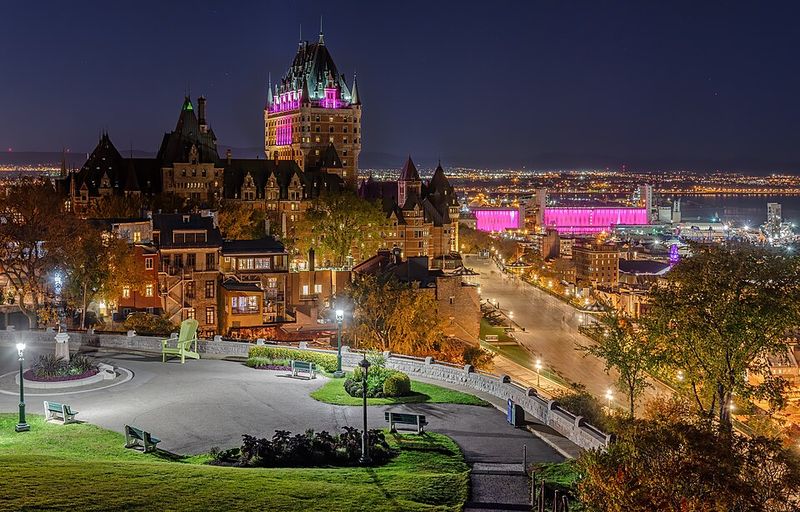
Few sights match a Canadian maple forest in early October. Hills in Quebec and Ontario light up in orange, red, and yellow, and the sugar maple is the star of the show.
Quebec’s Laurentian Mountains are only a short drive from Montreal. Algonquin Provincial Park in Ontario is another favorite, with lakes that reflect the colors back at you.
Canoeing there on a calm morning is a memorable experience.
Out west, the Rocky Mountains show a different kind of beauty. Golden larch trees glow against gray peaks near Banff and Lake Louise, usually in late September.
Wildlife is also active, so keep your camera ready.
Renting a car gives you the most freedom for scenic drives. Check local foliage reports before you book, since timing changes from year to year.
Warm layers and a rain jacket are smart additions to your bag.
3. Switzerland: Alpine Villages and Larch Forests
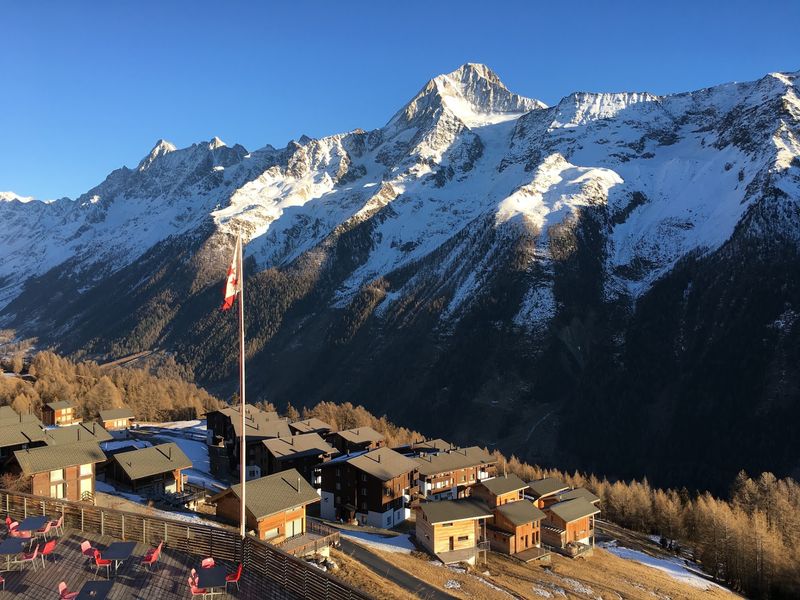
Picture a red train sliding past golden trees with snowy peaks above. That is Switzerland in October, and it looks just as good as it sounds.
Larch trees are unusual because they are evergreens that lose their needles. Before they drop, the needles turn bright gold, painting entire valleys.
The Engadin region and areas near Zermatt are well known for this display.
The Swiss rail network makes it easy to explore without a car. Scenic routes such as the Glacier Express and the Bernina Express pass through dramatic landscapes.
Seats with large windows give wonderful views.
Fall is also a time for cheese festivals and cattle parades, when farmers bring their cows down from summer pastures. Prices are often lower than in peak summer.
Bring warm clothes, because mountain mornings can be chilly.
4. Germany: Bavaria, the Black Forest, and Oktoberfest
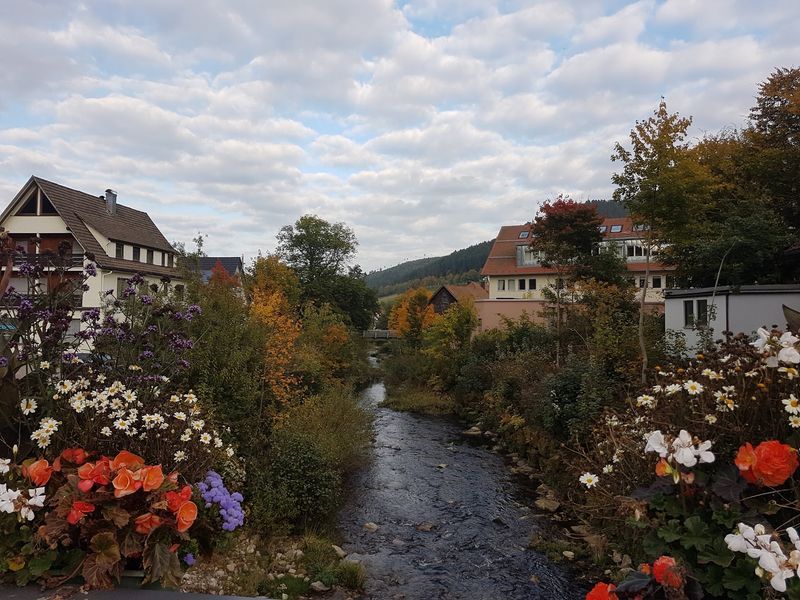
Prost! Germany’s fall season starts with the world’s most famous beer festival, Oktoberfest, held in Munich from late September into early October.
The celebration includes parades, music, and hearty food such as pretzels and roast chicken. Families can enjoy daytime hours, when the mood is more relaxed.
Reserving a table ahead of time makes the visit much easier.
Beyond Munich, Bavaria offers castles and lakes framed by colorful trees. Neuschwanstein looks especially striking surrounded by orange forest.
The Black Forest brings winding trails, cuckoo clocks, and small villages with cozy cafes.
Hiking is comfortable in the cooler air, and wine harvest events appear along the Rhine and Moselle rivers. Trains connect most major towns.
Bring sturdy shoes, since many of the best views come after a short walk.
5. South Korea: Seoul and Seoraksan National Park
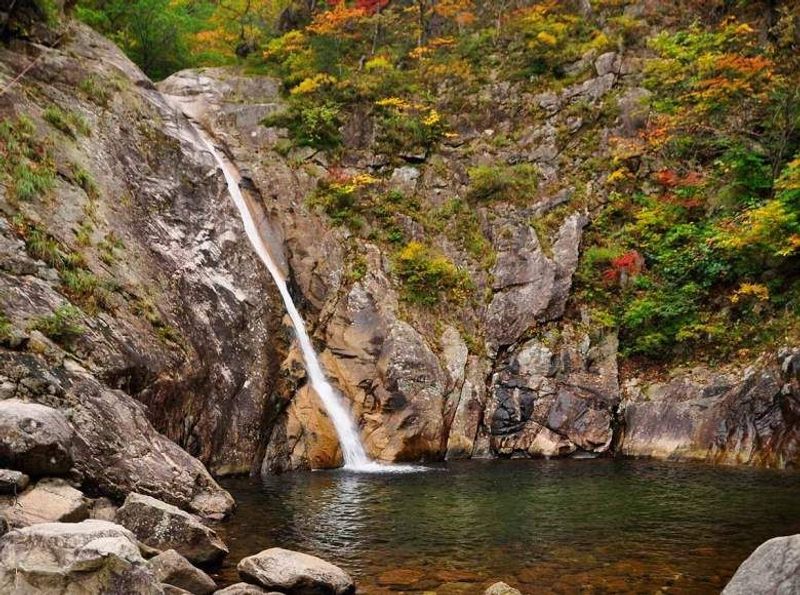
In South Korea, fall is a national event. News channels even publish maps showing when the leaves will change in each region.
Seoraksan National Park, on the east coast, is the headliner. Its jagged granite peaks are covered in red and gold, usually peaking in mid to late October.
A cable car to Gwongeumseong Fortress offers wide views without a long climb.
Seoul has its own charm. Palaces such as Gyeongbokgung and Changdeokgung glow with ginkgo and maple trees, and the ginkgo-lined streets turn bright yellow in November.
Walking through Namsan Park is another easy way to enjoy the scenery.
The weather is dry and mild, which suits sightseeing. Try seasonal foods like roasted chestnuts and sweet potatoes from street vendors.
The subway system is clean and simple to navigate.
6. United States: New England, Colorado, and the Smokies
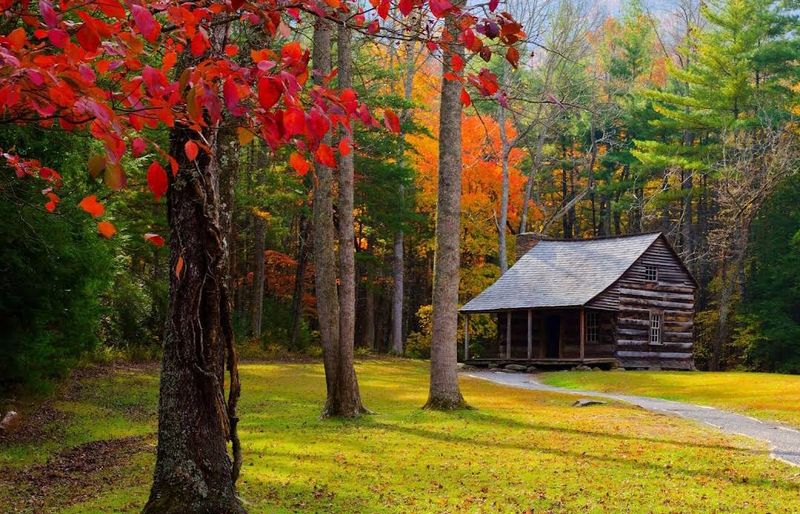
New England practically invented the leaf-peeping road trip. From late September through mid October, Vermont, New Hampshire, and Maine turn into a patchwork of fiery color.
Small towns add to the appeal. White church steeples, covered bridges, and farm stands selling apple cider make the drive feel like a postcard.
Vermont’s Route 100 is a popular choice for a slow, scenic journey.
Colorado offers a different view, with aspen trees turning bright yellow in the mountains around Aspen and Kebler Pass, often in late September. In the South, the Great Smoky Mountains show their colors in October, with color arriving at high elevations first.
Plan weekday visits when possible, because weekends can be busy. Book lodging early in popular regions.
A flexible schedule helps you chase the best colors.
7. Italy: Tuscany, the Dolomites, and Food Festivals
Italians take their food seriously, and fall is when the table gets really exciting. Truffles, chestnuts, mushrooms, and new wine all arrive at once.
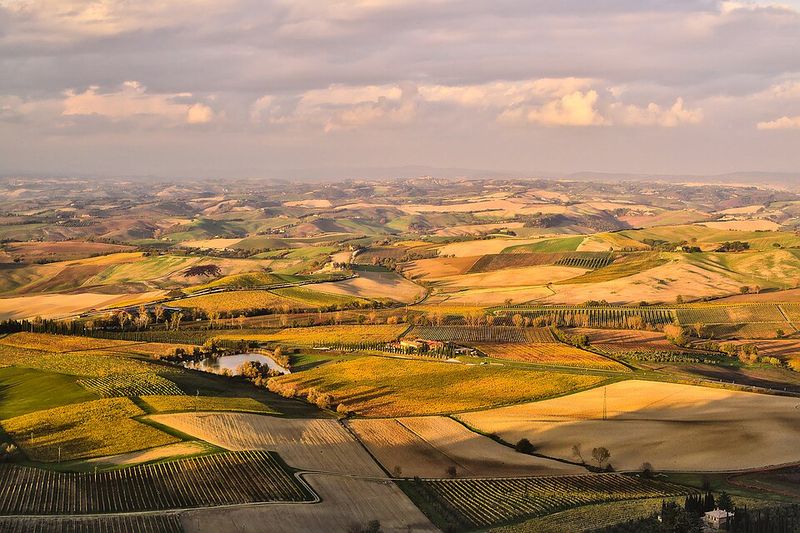
In Tuscany, grape harvest, called la vendemmia, fills vineyards with activity. Leaves on the vines turn gold and rust, adding color to the rolling hills.
Many wineries welcome visitors for tastings and sometimes let guests help pick grapes.
Towns such as San Miniato and Alba host truffle fairs where you can sample local dishes. Further north, the Dolomites glow with golden larches under jagged rock towers.
Hiking trails remain open into October, though some mountain huts close.
Crowds thin out after summer, and temperatures are comfortable for walking through cities like Florence and Siena. Reserve restaurants for weekends, since popular spots fill quickly during festival season.
8. Scotland: Highlands and Historic Castles
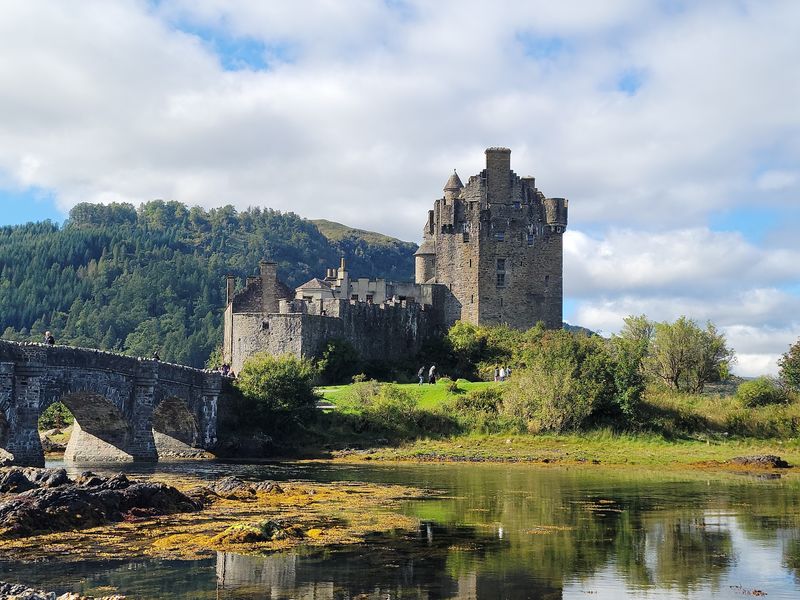
Mist drifting over a loch, a castle on the shore, and birch trees glowing gold. Scotland in October feels like a scene from an old story.
The Highlands are the main draw. Glencoe and the Cairngorms National Park show bronze bracken, golden birches, and purple hills.
The Perthshire area is often called Big Tree Country, and its woodlands put on a lovely display.
Castles add a sense of history. Eilean Donan, Urquhart, and Blair Castle all look dramatic against fall colors.
Many remain open through October with fewer visitors than in summer.
Fall is also red deer rutting season, and the sound of stags calling echoes across the glens. Weather can change quickly, so waterproof clothing is essential.
Local distilleries and cozy pubs offer a warm place to rest after a day outdoors.
9. Austria: Salzburg, Hallstatt, and the Alps
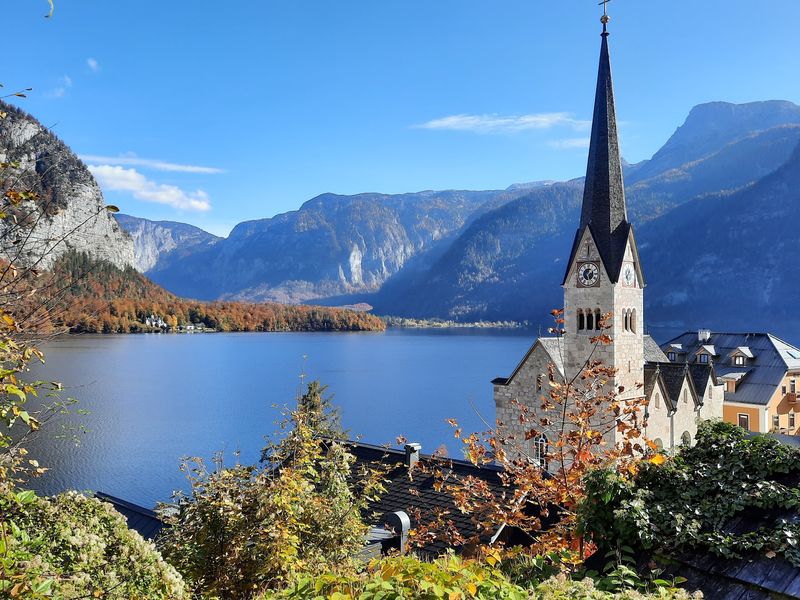
Hallstatt looks almost too perfect to be real. In fall, the lakeside village is wrapped in golden trees and soft morning fog.
This small town in the Salzkammergut region is a UNESCO World Heritage site. It can get busy by midday, so arriving early or staying overnight gives you a calmer experience.
A walk up to the Skywalk viewing platform rewards you with wide lake views.
Salzburg offers a city option. Its old town, fortress, and gardens look lovely in autumn, and the city is famous for its link to Mozart and The Sound of Music.
Nearby, the Austrian Alps have hiking trails and cable cars that reach sweeping viewpoints.
Look for traditional fall treats such as pumpkin seed oil, apple strudel, and roasted chestnuts. Cooler weather also makes cafe stops especially enjoyable.
10. Slovenia: Lake Bled and Triglav National Park
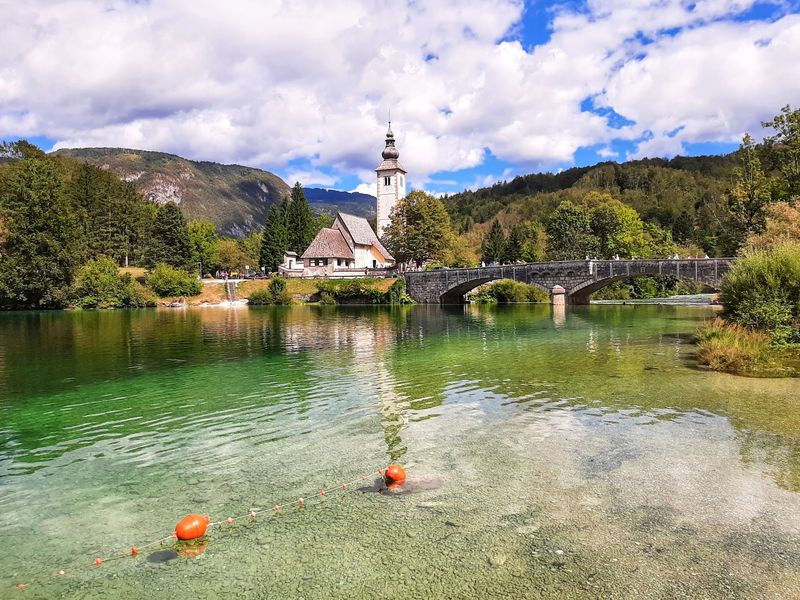
Slovenia is small, which makes it easy to see a lot in a short time. In fall, that advantage becomes even better because the colors are everywhere.
Lake Bled is the best known stop. A tiny island church sits in the middle of the water, with a cliffside castle above.
Walking the path around the lake takes about two hours and offers changing views.
Triglav National Park covers much of the Julian Alps. Valleys such as Vintgar Gorge and Soca Valley glow in orange and yellow.
The turquoise Soca River looks even brighter beside autumn leaves.
Try kremsnita, a creamy custard cake, at a lakeside cafe. Roads are well kept, and distances are short, so a rental car works nicely.
Early mornings often bring still water that mirrors the scenery.
11. France: Alsace, Burgundy, and the Loire Valley
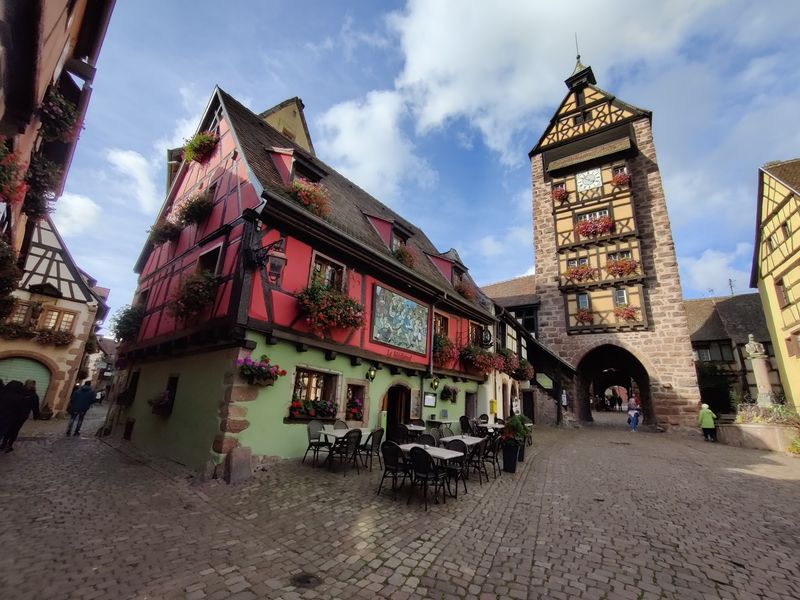
Harvest season in France brings a gentle rhythm to the countryside. Vineyards turn gold, cellars bustle, and village markets overflow with fresh produce.
Alsace has storybook towns like Colmar and Riquewihr, with colorful half-timbered houses along the Wine Route. Burgundy is known for its prestigious wines, and rows of vines glow in amber tones around Beaune.
Many producers offer tastings by appointment.
The Loire Valley adds castles to the mix. Chambord and Chenonceau look elegant with autumn colors around their grounds.
Cycling between sites is a pleasant way to enjoy cooler weather.
Fall also brings mushrooms, game dishes, and new wine festivals. Book tastings and restaurants ahead, particularly on weekends.
Since some smaller shops close early in the season, check opening hours before you set out.
12. Norway: Fjords and Early Northern Lights
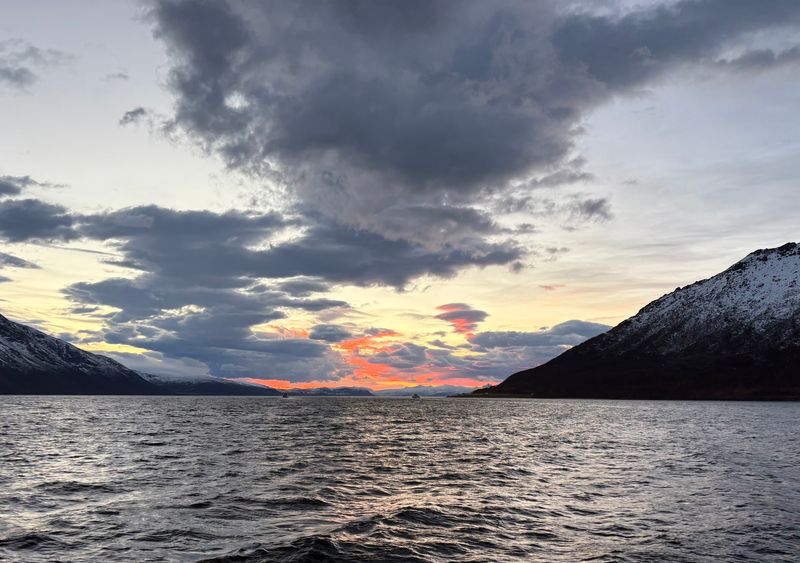
Norway rewards travelers who arrive after the summer crowds leave. Fjords stay dramatic, and the surrounding hills turn orange and yellow.
Areas like Geirangerfjord and Nærøyfjord are especially beautiful in September and early October. Cruises and ferries run on reduced schedules, but they are quieter and often cheaper.
Hiking trails near Flåm and Lofoten offer fine views of colorful slopes.
Fall is also the start of northern lights season in the north. From September, dark skies return, and places like Tromsø can offer good viewing on clear nights.
You do not need to wait for deep winter to have a chance.
Norway can be expensive, so consider self-catering or picnic lunches. Pack waterproof layers, because rain is common.
Daylight shrinks quickly, so plan outdoor activities early in the day.
13. Czech Republic: Prague and Český Krumlov
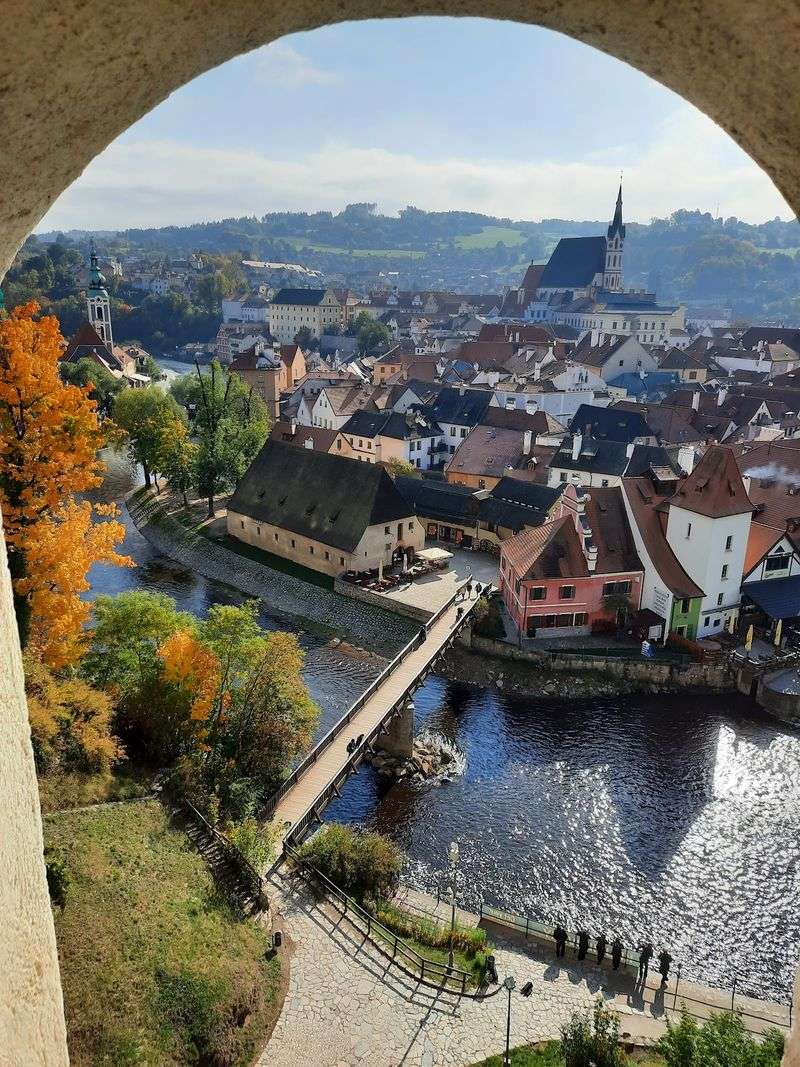
Prague’s red rooftops look even warmer when autumn leaves frame them. The city’s mix of Gothic and Baroque buildings pairs well with soft, golden light.
Walking across Charles Bridge early in the morning gives you quiet views of the Vltava River. Petrin Hill and Letna Park are good spots for panoramic photos with fall colors.
Cooler weather also makes museum and cafe stops more appealing.
About three hours south, Český Krumlov sits in a bend of the river. Its castle tower, narrow lanes, and medieval center feel like a living museum.
The surrounding hills show bright color in October.
Try hearty Czech dishes such as goulash with dumplings, and pair them with local beer. Buses and trains connect the two destinations easily.
Hotels are usually easier to book than in summer.
14. Romania: Transylvania and the Carpathians
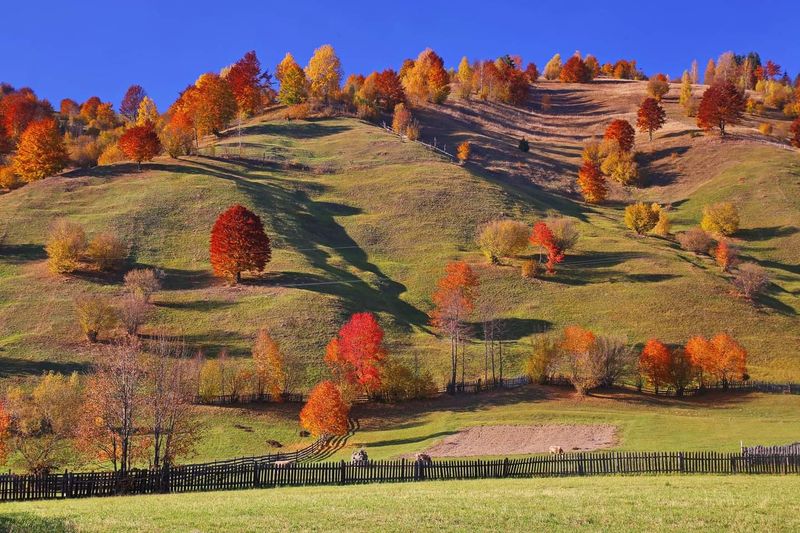
Romania’s autumn has a storybook mood. Mist settles over hills, and medieval towns look timeless under golden trees.
Transylvania is the heart of the experience. Brasov, Sibiu, and Sighisoara have cobblestone streets, colorful buildings, and fortified churches.
Bran Castle, linked to the Dracula legend, looks atmospheric among fall foliage.
The Carpathian Mountains cover large areas with beech and oak forests that turn copper and yellow. The Transfagarasan Highway is one of Europe’s most dramatic roads, though it usually closes by late October because of snow.
Check opening dates before planning a drive.
Village markets sell pumpkins, apples, and homemade jams. Costs are lower than in much of Western Europe, which helps stretch a travel budget.
Bring layers, as temperatures can swing between warm afternoons and cold nights.
15. New Zealand: Spring Beauty During Northern Fall
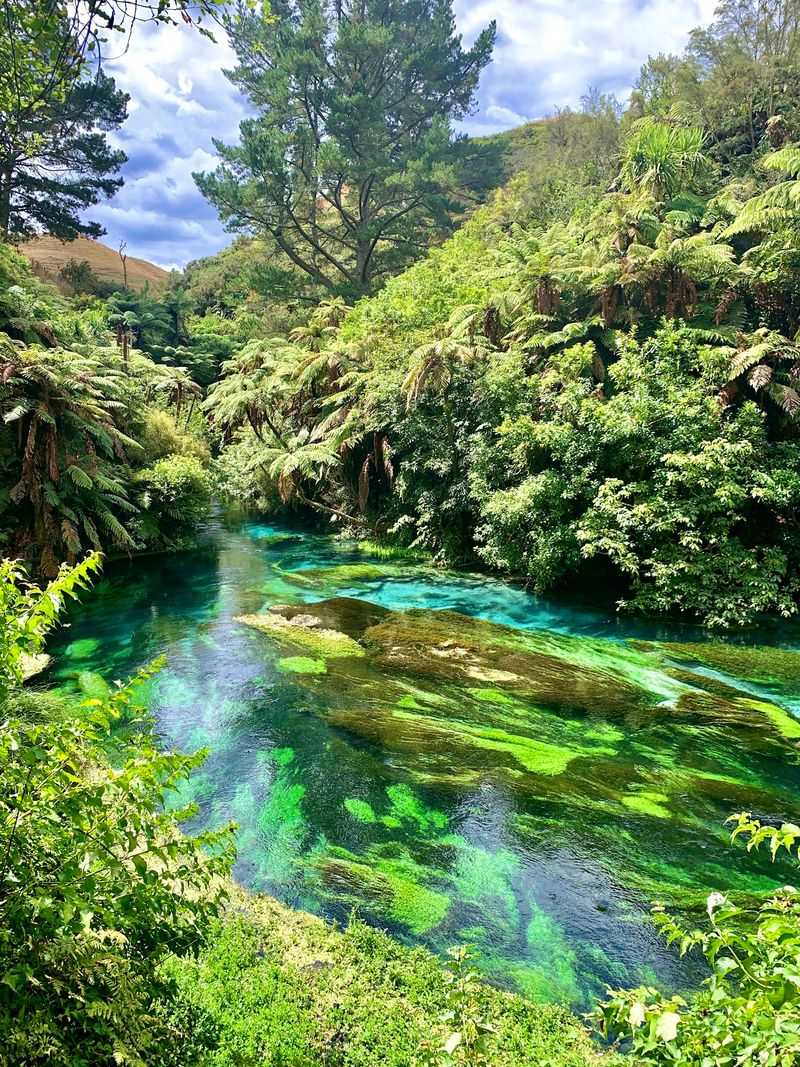
Here is a twist for fall travelers. When the Northern Hemisphere cools down, New Zealand is entering spring.
From September to November, lambs appear in green fields, and wildflowers bloom across the countryside. Lupins color the shores near Lake Tekapo, though they peak a bit later, in late spring.
Snow still caps the Southern Alps, creating a striking contrast with fresh greenery.
Waterfalls run strong from snowmelt, and Fiordland’s Milford Sound looks especially dramatic. Hiking is pleasant, with milder temperatures than summer and fewer visitors.
Cherry blossoms also appear in places like Queenstown and Wanaka.
Weather can change in a single afternoon, so bring layers and a rain jacket. Book campervans and popular tours early.
For travelers who love the idea of a fresh season, this is a great way to enjoy a different kind of beauty.
Share this story