Some train stations are so grand that people visit them without ever planning a trip. Across Europe, old terminals boast towering domes, glowing tiles and fancy restaurants.
Others show off bold modern designs that look like art. Here are 15 stations that make perfect stops for curious wanderers.
Antwerpen-Centraal, Antwerp, Belgium
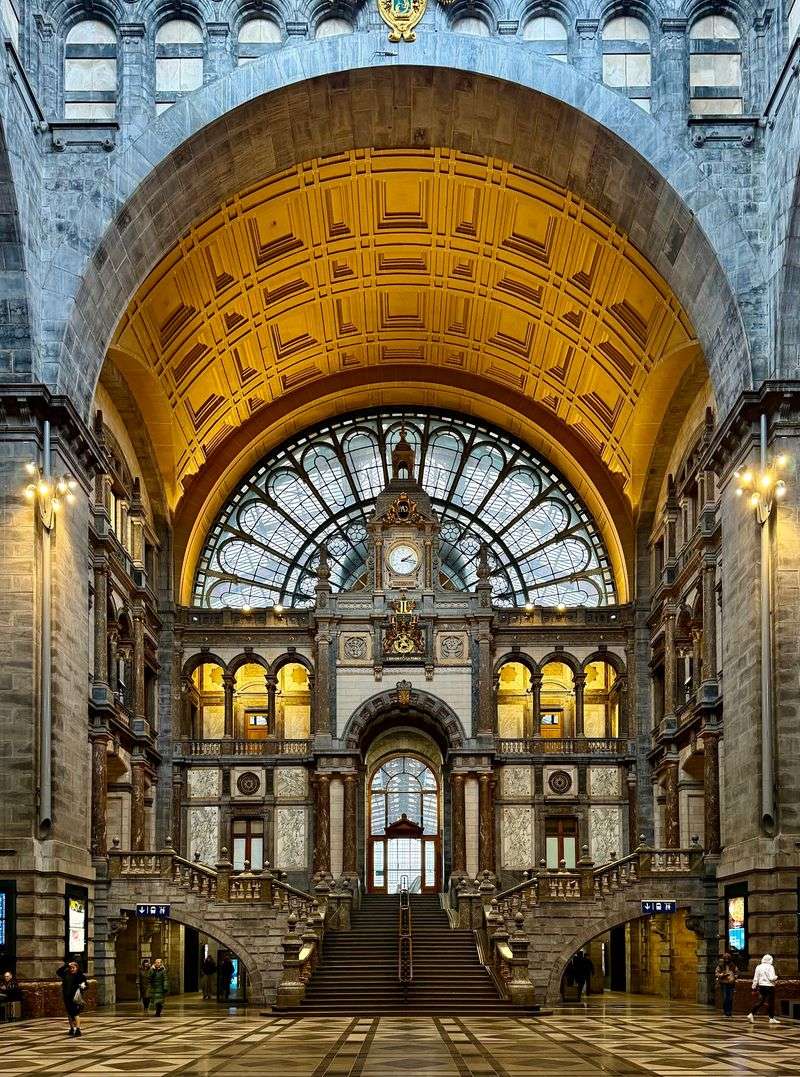
Locals call it the Railway Cathedral, and one look at the entrance hall explains why. Opened in 1905, the station has a stone dome that rises 75 meters above the ground.
Tilt your head back and you may forget about timetables.
The hall is packed with carved columns, grand staircases and patterned floors. Each level gives you a new angle, so wander up and down for different photos.
Modern engineers added underground tracks, yet the historic charm stayed untouched.
Out back, a huge steel-and-glass shed covers the platforms. Its sleek lines make a bold match with the fancy stone hall.
Walking between the two feels like stepping through two different centuries.
The station sits right beside Antwerp’s diamond district, so sparkle is never far away. After your look around, stroll out and browse the nearby streets.
Bring a camera, wear comfy shoes and allow at least an hour for gazing upward.
São Bento Railway Station, Porto, Portugal
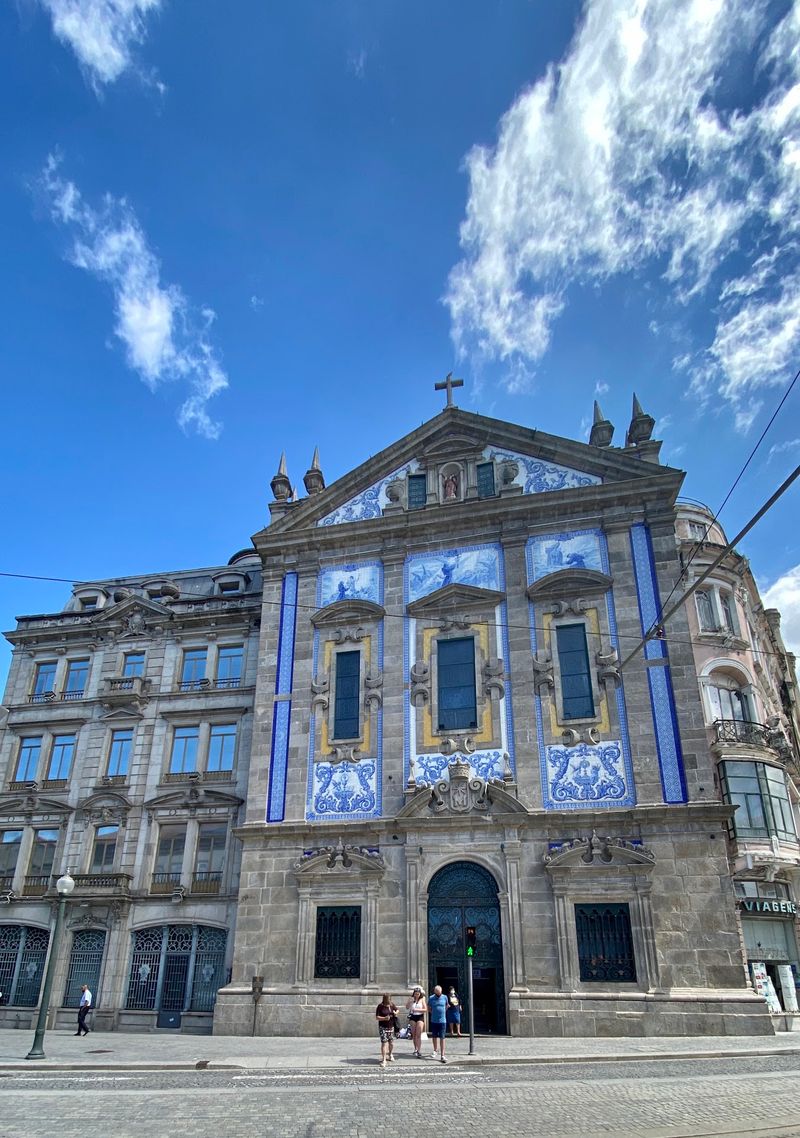
Picture a giant storybook, then paint it blue and white and hang it on station walls. That is São Bento.
About 20,000 tiles cover the entrance hall, all made by artist Jorge Colaço.
The station opened in 1916 on the site of an old monastery. Look closely and you will spot battles, royal events, farm work and village parties.
Every panel tells a small piece of Portuguese history.
Many visitors walk in just to snap photos and never touch a train. That is totally fine here.
Nobody will ask for your ticket while you admire the artwork.
Go early in the morning if you want fewer crowds and softer light. The station is right in the middle of Porto’s old town.
From there, the cathedral and winding medieval lanes are only a short walk away. Pack your curiosity and keep your neck ready for lots of looking up.
St. Pancras International, London, England
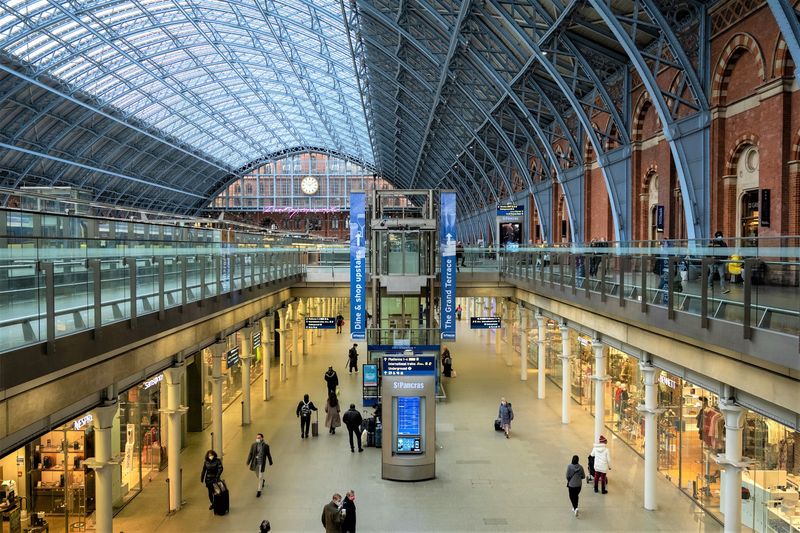
Red bricks, pointy arches and a clock tower make St. Pancras look like a fairy-tale castle that took a wrong turn. The station opened in 1868 and remains one of Britain’s finest Victorian buildings.
Even rushed commuters sometimes stop to stare.
Behind the front sits a giant iron-and-glass shed designed by engineer William Henry Barlow. Walk beneath it and notice how light pours in across the platforms.
It feels airy, bright and surprisingly calm.
Art fans will love Paul Day’s large sculpture, The Meeting Place. Nearby, a statue honors poet John Betjeman, who helped stop the building from being torn down.
Without him, this beauty might be gone.
Shops and restaurants fill the concourse, so snack breaks are easy. The historic hotel next door adds even more grandeur to the scene.
Give yourself time to wander slowly and read the details carved into the stone.
Milano Centrale, Milan, Italy
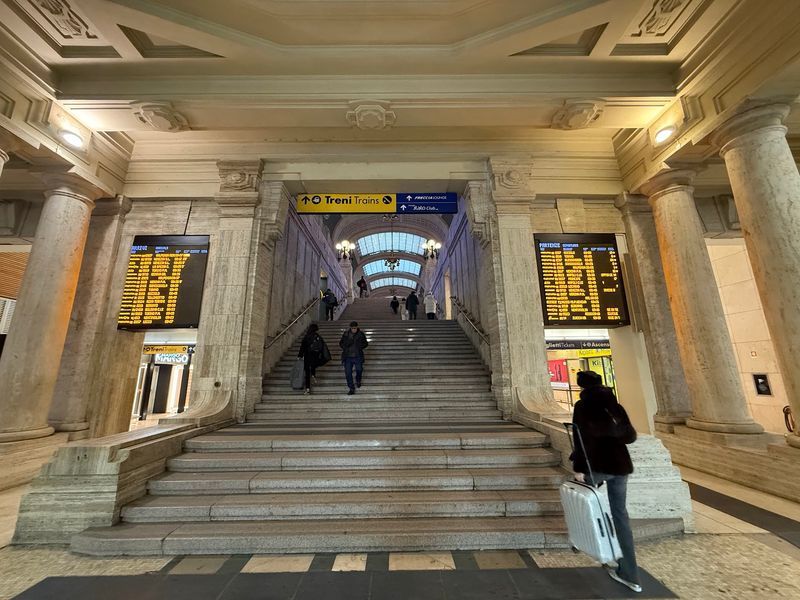
Big does not even begin to describe Milano Centrale. Opened in 1931, it towers over travelers with stone columns, carved figures and sweeping staircases.
You will feel small in the best possible way.
The style mixes Art Deco with classical touches. It also reflects the big political dreams Italy had during the Fascist era, which adds a serious history lesson to the sightseeing.
Reading about it makes the walls feel more meaningful.
Inside, cafes, shops and restaurants welcome anyone, ticket or not. Grab an espresso and people-watch while rolling suitcases zip by.
It is a lively show all day long.
Step outside to find Michelangelo Pistoletto’s giant apple sculpture. Its modern look makes a funny contrast with the heavy old stone behind it.
Snap a photo of both together for a fun shot of old meets new.
Madrid Atocha, Madrid, Spain
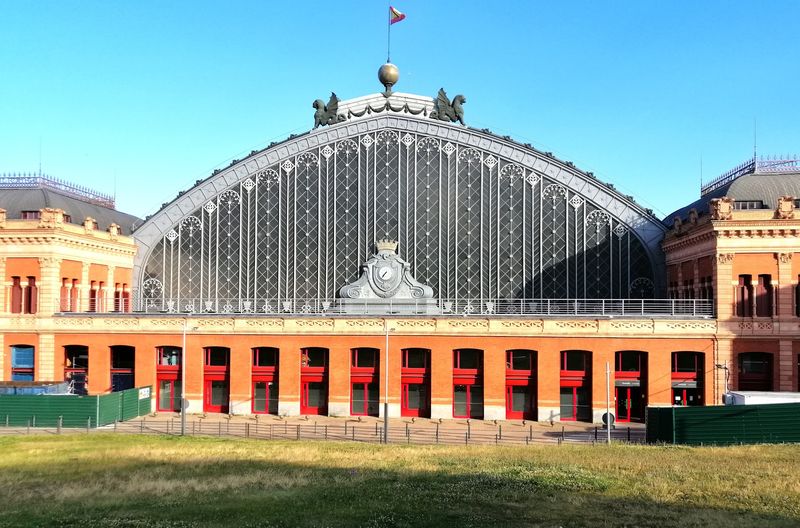
Palm trees inside a train station sound like a travel-poster joke, yet Madrid Atocha makes it real. The old iron-and-glass hall dates to 1892.
In 1992, it was reborn with a tropical garden covering about 4,000 square meters.
Under the tall roof, exotic plants once gave busy Madrid a green escape. Travelers could sit in humid warmth and forget the city traffic outside.
It remains one of Europe’s quirkiest station features.
Right now, the garden is closed for renovation, so check updates before you go. The station still runs as usual, and the building itself is worth a peek.
Once reopened, the greenery should be a major highlight again.
Even without the plants, the historic exterior is impressive. It shows off the bold industrial style of the 19th century.
Plan a quick visit, take a few photos and see how a train hub can double as a garden.
Liège-Guillemins, Liège, Belgium
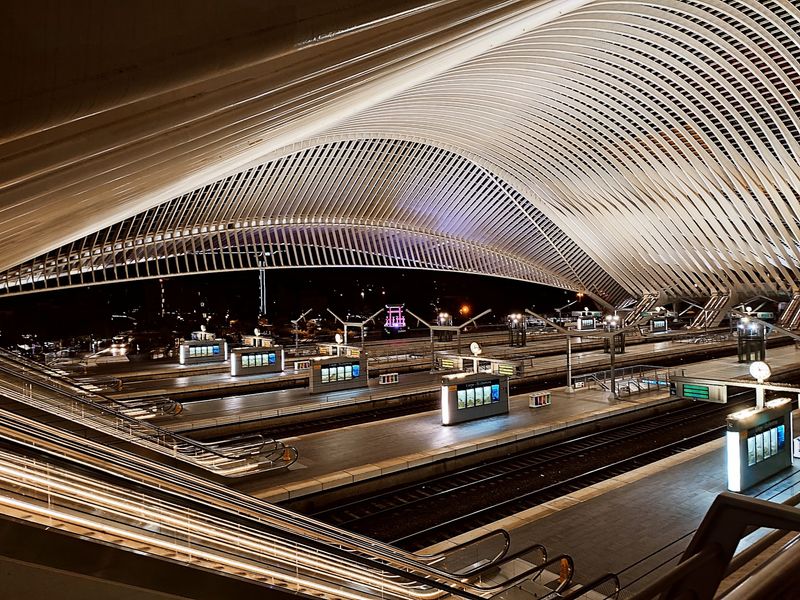
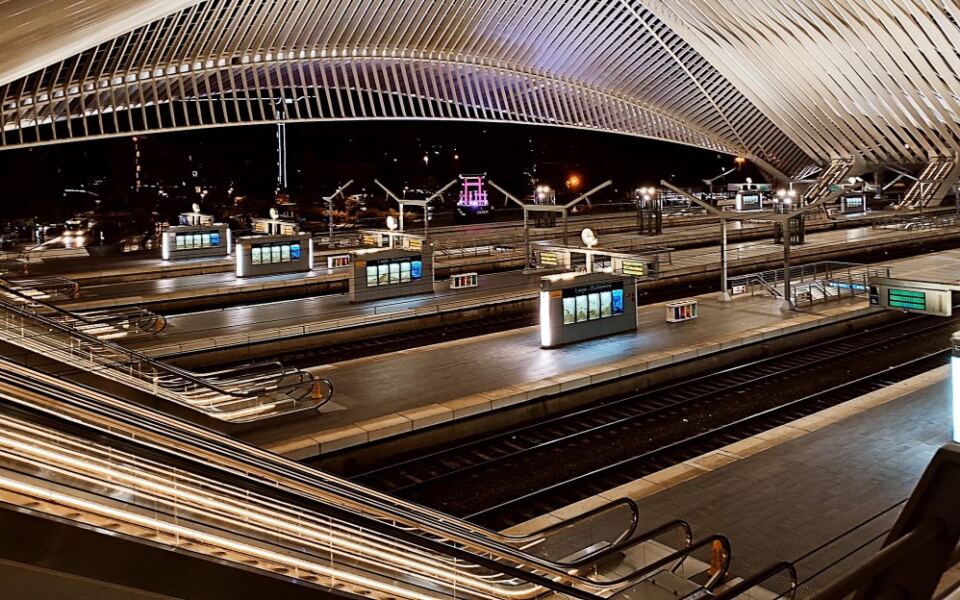
White steel arches sweep over the tracks like a giant ribcage made of light. Liège-Guillemins opened in 2009, designed by Spanish architect Santiago Calatrava.
Few modern stations are this eye-catching.
The glass roof lets daylight flood the platforms. Instead of a heavy stone front, the building shows off openness and movement.
Everything feels bright and almost weightless.
Photographers adore the repeating curves. Try shooting from low angles, then from the ends of the platforms for a long view.
Sunny days and cloudy skies both give very different moods.
You can enjoy the exterior and public areas without a ticket. It is a smart stop for anyone curious about modern engineering.
Plan on a short visit, then head into town knowing you have seen a future-minded masterpiece.
Helsinki Central Railway Station, Helsinki, Finland
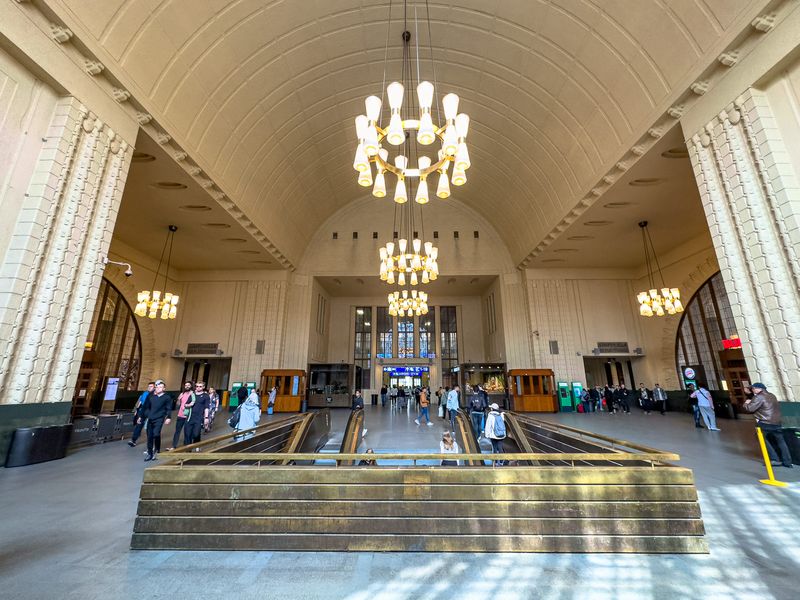
Four stone giants stand guard at the door, each holding a glowing ball. They are the Torch Bearers, carved by sculptor Emil Wikström.
Few station greeters are this serious.
Architect Eliel Saarinen designed the building, which opened in 1919. It blends National Romantic style with early modern ideas.
The tall clock tower makes it easy to spot from far down the street.
Step inside to find restaurants and shops tucked into the historic spaces. The mood is calm, a bit like Finland itself.
Grab a warm drink on chilly days and watch travelers pass.
Location is a big bonus here. The Ateneum Art Museum and other landmarks are an easy walk away.
Take a photo with the statues, but resist the urge to copy their stern faces.
Prague Main Railway Station, Prague, Czechia
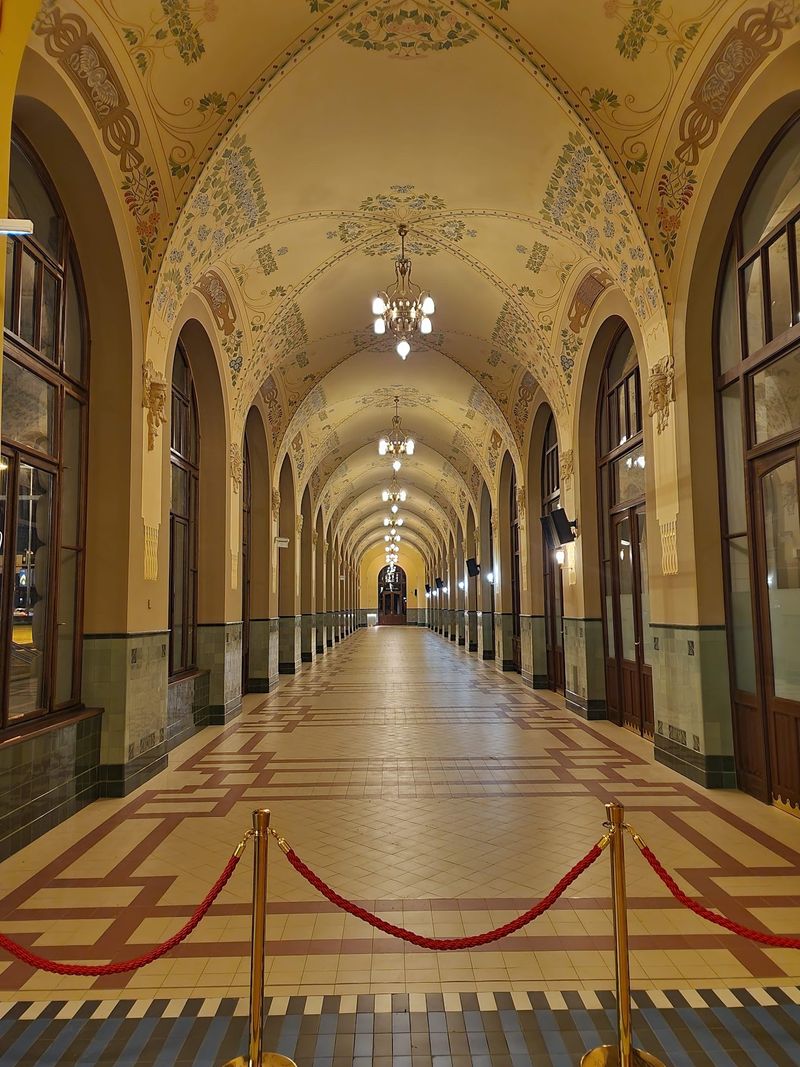
Here is a secret many rushing travelers miss: the best part of Prague’s station is up above the modern hall. Follow the signs and you will find a beautiful Art Nouveau building.
It feels like a hidden bonus level.
Architect Josef Fanta built it between 1901 and 1909. The domed entrance hall is full of curving decoration and delicate details.
Sculptures of Czech cities line the upper walls.
The old departure hall is now Fanta’s Cafe. Order a coffee, sit back and enjoy the restored design around you.
It is a cozy way to spend a rainy afternoon.
Wenceslas Square is close by, so adding the station to your city walk is simple. Look up while you stroll, because the good stuff is overhead.
A short stop here gives you a taste of Prague’s early 1900s style.
Amsterdam Centraal, Amsterdam, Netherlands
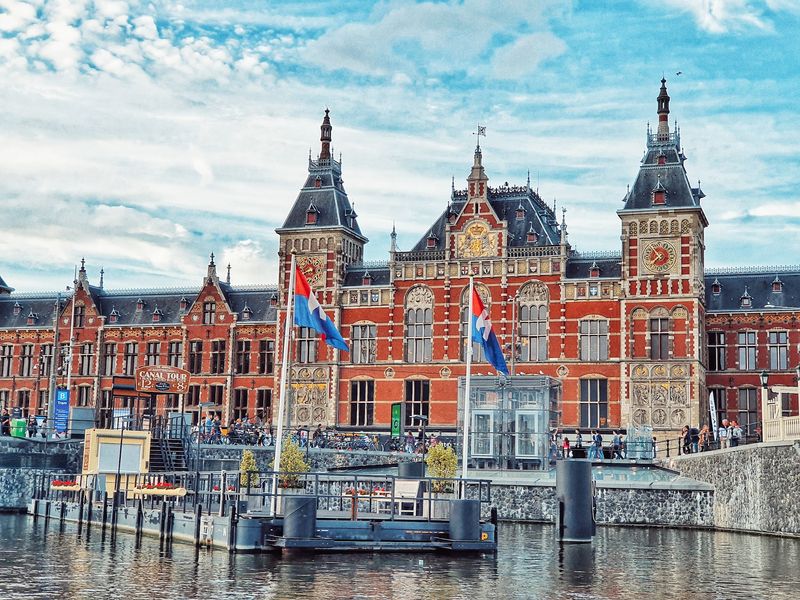
Arrive in Amsterdam by train and the welcome party is a red-brick palace with towers. Amsterdam Centraal opened in 1889.
Pierre Cuypers, who also designed the Rijksmuseum, planned it.
Gothic and Renaissance Revival details decorate the front. Sculptures and stonework show the pride of the Netherlands in the late 1800s.
Spend a few minutes just reading the facade.
Here is a fun find: Cuyperspassage, a tunnel for walkers and cyclists. About 80,000 blue-and-white tiles cover its walls.
It makes a quick commute feel like an art gallery visit.
The station stands between the old center and the IJ waterfront. That makes it a handy launch point for canal strolls and harbor views.
Watch out for bikes while you take photos, because locals move fast.
Gare de Lyon, Paris, France
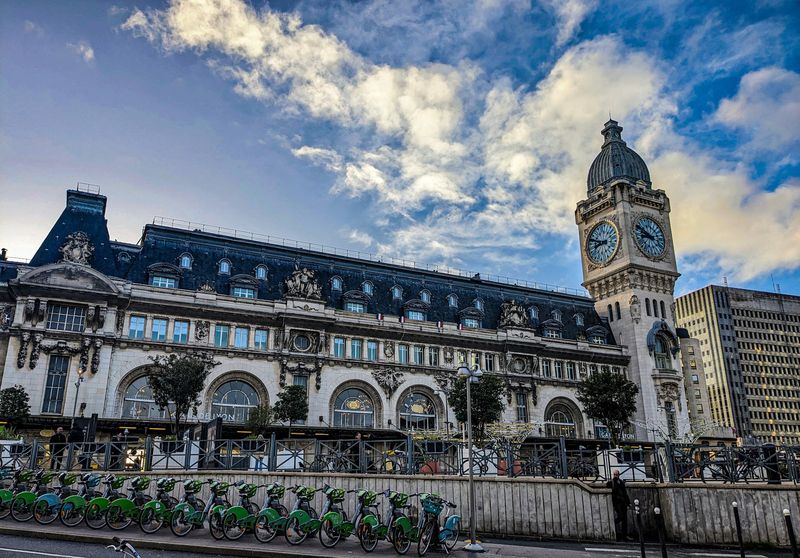
Gold ceilings, glittering chandeliers and painted scenes of faraway places wait inside Le Train Bleu. This restaurant opened for the 1900 Paris Exposition.
It still looks like a party for a very fancy train.
Paintings on the walls show destinations once served by the railway. Sitting among them, you can imagine dining before a grand journey.
Booking a table lets you enjoy it without catching any train.
Outside, the 67-meter clock tower rules the neighborhood skyline. Look up and you can check the time like a Parisian.
The tower makes a great photo backdrop.
Some railway areas need tickets, but public spaces are open to all. Wander the halls and notice the Belle Epoque touches.
Plan ahead, because the restaurant often fills up fast.
Budapest Keleti Railway Station, Budapest, Hungary
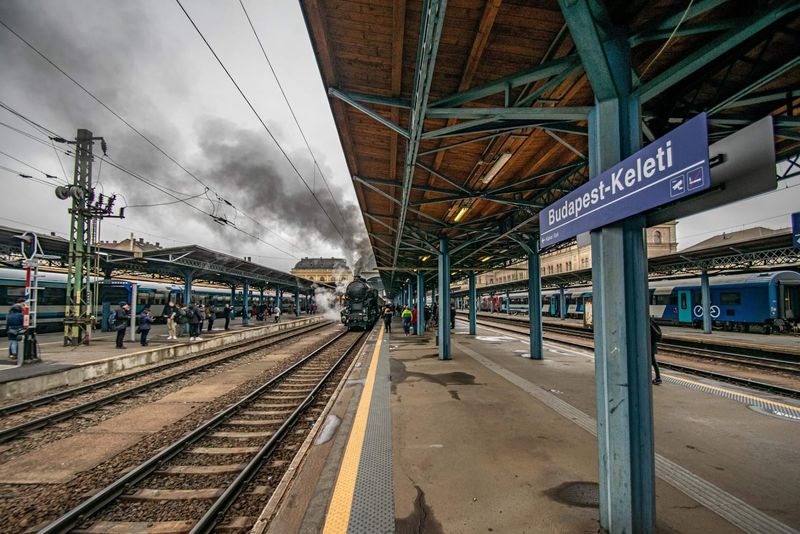
Two famous engineers stand outside Budapest Keleti, and they are made of stone. They are James Watt and George Stephenson, heroes of steam power.
The station honors them for good reason.
Keleti opened in 1884, when Budapest was growing fast within the Austro-Hungarian Empire. A huge arched entrance dominates its Neo-Renaissance front.
The building shows how confident the city felt back then.
Inside, iron and glass shape a roomy railway hall. The restored Lotz Hall holds murals tied to Hungarian art traditions.
Slow down and study the painted details.
History lovers will enjoy seeing art and engineering side by side. The station is a lesson in how big rail dreams were built.
Pop in for photos, then explore the busy streets around it.
Rossio Railway Station, Lisbon, Portugal
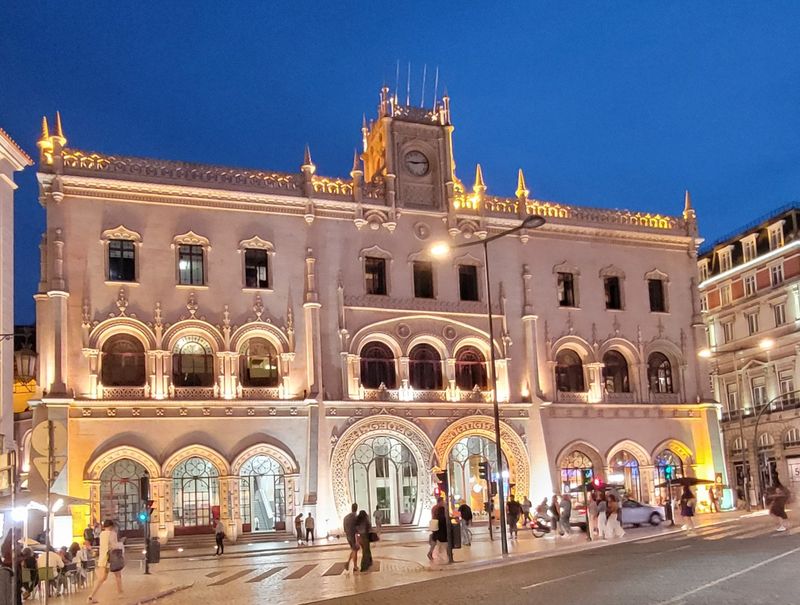
Many first-time visitors ask if Rossio is a palace. It certainly looks like one.
The Neo-Manueline front has two horseshoe-shaped doorways and lots of stone carving.
Architect José Luís Monteiro designed it in the late 1800s. His decoration draws on Portugal’s Manueline style from the age of explorers.
Look closely for the tiny details.
The inside has been modernized quite a lot. Still, the outside remains one of Lisbon’s most famous sights.
Photographers love its unusual shape.
The station faces Rossio Square, surrounded by old cafes, shops and elegant buildings. Grab a pastry and sit outside to enjoy the view.
It is an easy, fun stop in the middle of the city.
Limoges-Bénédictins, Limoges, France
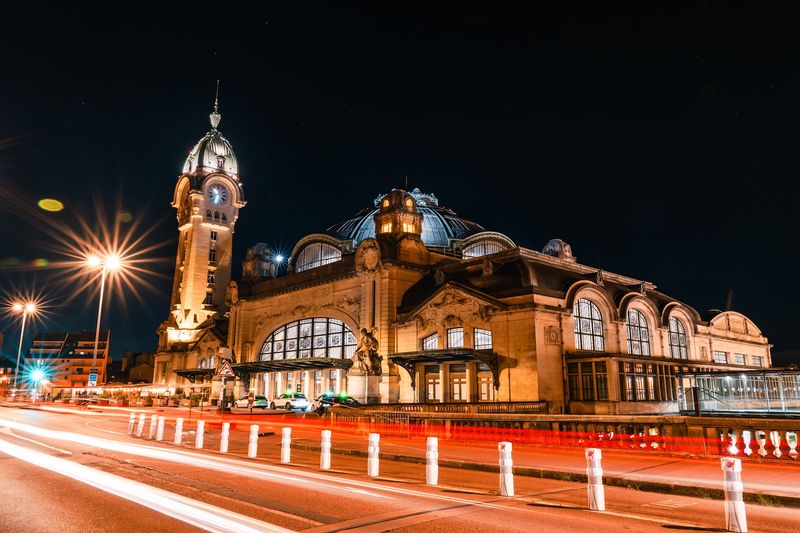
A shiny copper dome crowns this station, and you can spot it from across town. Limoges-Bénédictins opened in 1929.
Its 61-meter clock tower adds an extra landmark.
Architect Roger Gonthier mixed Art Deco, Art Nouveau and classical ideas. The result looks unlike most French stations.
Even the layout is unusual, because the main building sits above the tracks.
Step inside to see stained-glass windows by Francis Chigot. Sculptures celebrate local crafts, including the city’s famous porcelain.
Every corner seems to share a bit of regional pride.
The tourism office runs guided architectural tours. Joining one helps you notice details you might miss alone.
Bring your camera and enjoy a surprise gem in the French countryside.
Zürich Hauptbahnhof, Zurich, Switzerland
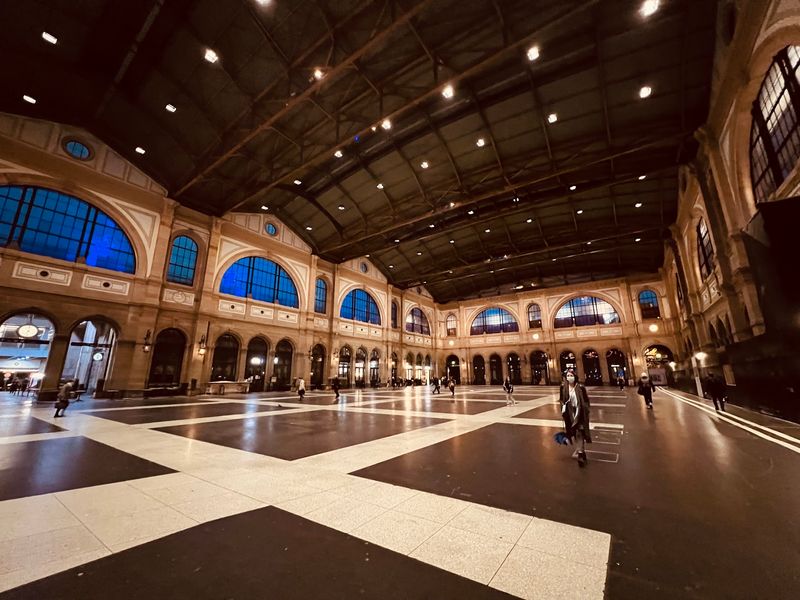
A bright guardian angel floats above the crowd in Zurich’s main hall. She is L’ange protecteur, made by artist Niki de Saint Phalle.
Look up and she seems to wave hello.
The station first opened in 1847, and the grand entrance building dates to 1871. Its huge concourse hosts exhibitions, seasonal markets and special events.
You never know what you will find on a visit.
Below ground, the ShopVille area packs in stores, restaurants and cafes. It is handy for a quick lunch or a rainy day browse.
More artworks are tucked around the complex.
Come in December for the large indoor Christmas market. Twinkling stalls turn the station into a festive wonderland.
Bring some spending money and a good appetite.
Strasbourg Railway Station, Strasbourg, France
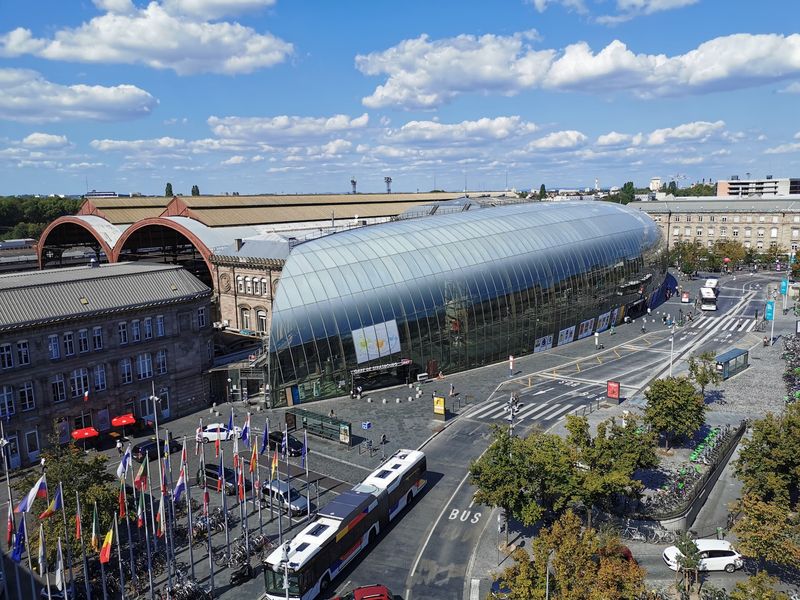
Imagine an old stone building wearing a giant glass bubble. That is Strasbourg’s station.
The curved enclosure was added in 2007 to wrap the historic front.
The original Neo-Renaissance building was designed by Johann Eduard Jacobsthal. It opened in 1883, when Alsace was under German rule.
That backstory makes the architecture a history lesson too.
Stand inside the entrance area and look at both styles together. Detailed 19th-century stonework sits behind sleek modern glass.
Few European stations mix old and new so boldly.
The city center is within walking distance. Starting your visit here gives a neat peek into Strasbourg’s French and German roots.
Take a few photos, then stroll toward the cathedral and canals.
Share this story