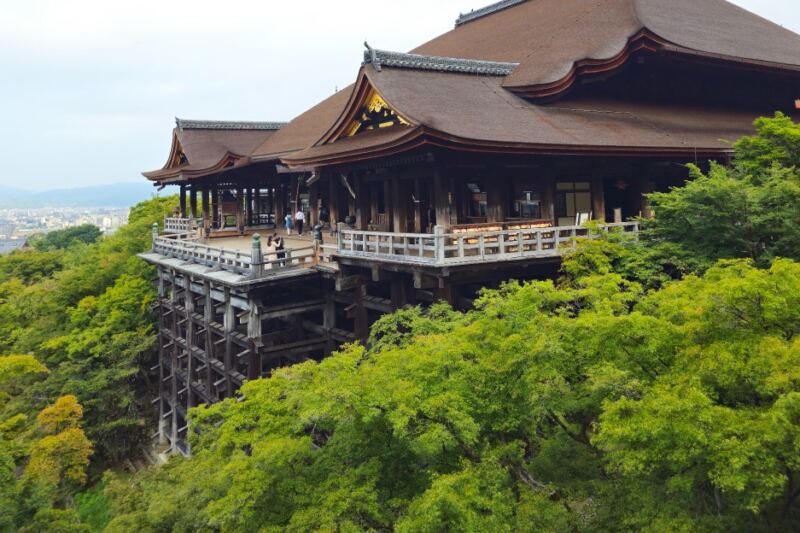
Europe is home to some of the world’s most inspiring science museums and learning centers. Families, students, and curious travelers can touch, test, and explore real science in hands-on ways.
A good visit can turn a rainy afternoon into a lesson you remember for years. Here are fifteen places that make learning fun for visitors of every age.
1. CERN Science Gateway – Meyrin, Switzerland
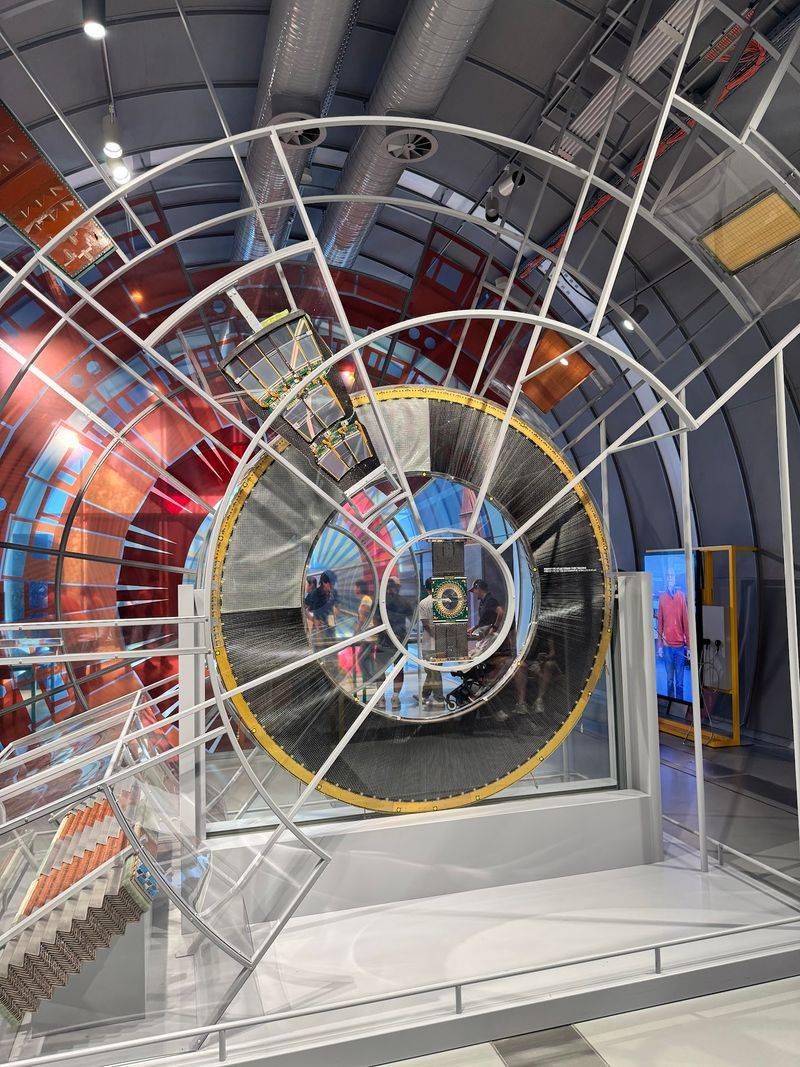
Few places let you peek at the smallest building blocks of the universe, but this one does. Designed by architect Renzo Piano, the Gateway opened in 2023 near the famous particle physics laboratory outside Geneva.
Inside, exhibitions explain particles, forces, and the giant machines scientists use to study them. Hands-on displays make big ideas feel less scary, and guides often share stories about real experiments.
Workshops and live shows give students a chance to ask questions. Many activities are suited to children, though some topics suit teens and adults best.
Before you go, check the website for free entry details and timed tickets for special exhibits. Booking early is smart, since popular sessions can fill quickly.
Plan about half a day to see the highlights without rushing, and bring a curious mind.
2. Deutsches Museum – Munich, Germany
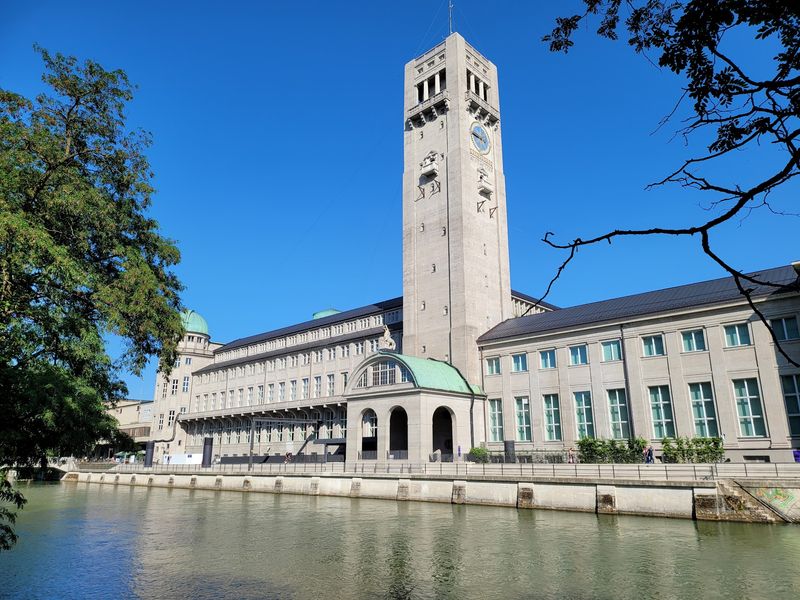
Sitting on an island in the Isar River, this giant museum has been teaching visitors since 1903. It is one of the largest science and technology museums in the world, so wear comfortable shoes.
Halls cover topics like aviation, mining, musical instruments, energy, and space. You can walk through a replica mine, stand beside historic aircraft, and watch glassblowing demonstrations.
Younger children love the dedicated Kids’ Kingdom, which is built for little hands and big questions.
With so much to see, it helps to pick three or four favorite halls before arriving. Trying to cover everything in one day is tough.
Many locals return several times, picking a new theme each visit. Check opening hours and any renovation notes online, since some sections rotate closures.
3. Science Museum – London, England
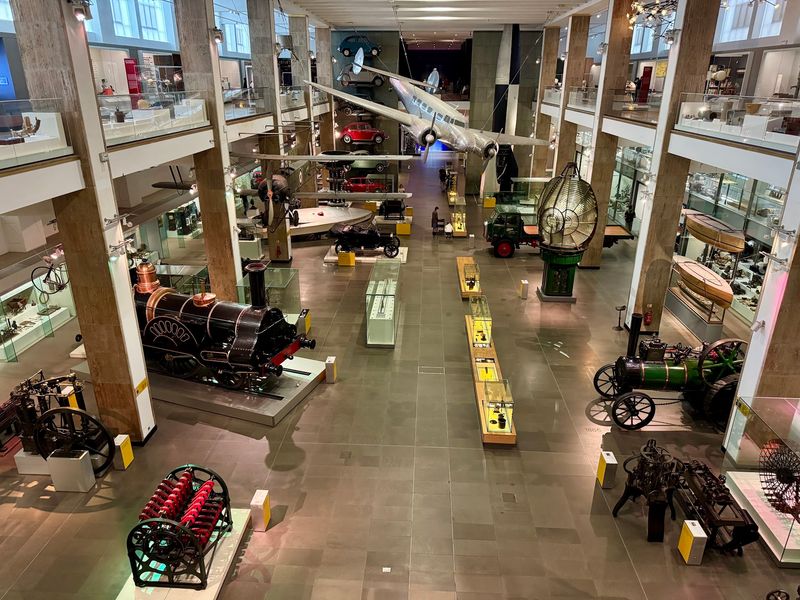
Right in the heart of South Kensington, this museum has welcomed curious minds for more than a century. Best of all, general entry is free, which makes it an easy choice for families on a budget.
Highlights include the Apollo 10 command module, early steam engines, and the Wonderlab gallery, where visitors test ideas through experiments. Wonderlab does require a paid ticket, so plan ahead.
The Information Age gallery tells the story of communication, from telegraphs to smartphones.
Fun fact: the collection holds around300,000 objects, though only a portion is on display. Arrive early on weekends, because lines form quickly.
The museum sits near the Natural History Museum and the V&A, so you can build a full day of learning in one neighborhood.
4. Cité des Sciences et de l’Industrie – Paris, France
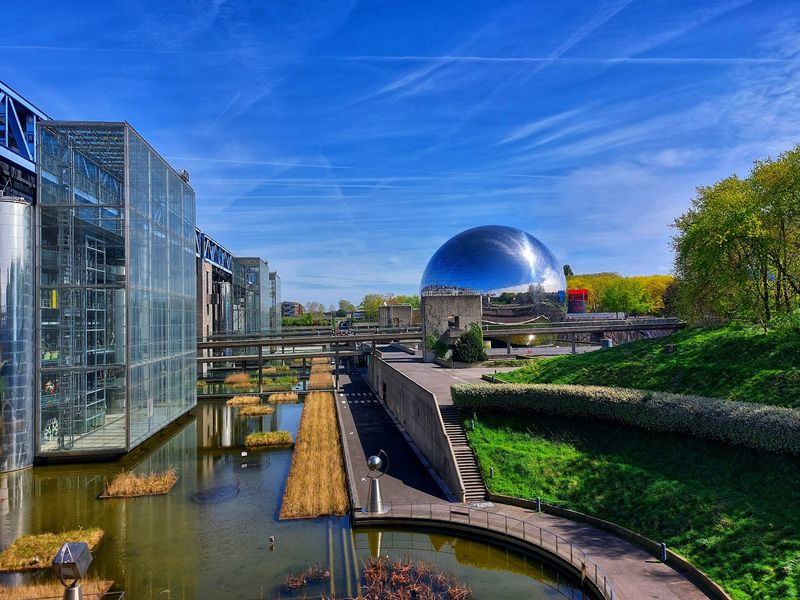
Look for the shiny silver sphere called the Géode, and you have found one of Paris’s best learning spots. The center sits inside Parc de la Villette and is the largest science museum in Europe.
Permanent exhibitions explore math, light, the human body, and the environment. A special area for children aged two to seven and another for ages five to twelve let younger guests learn by playing.
There is also a planetarium, a submarine you can tour, and a movie theater inside the Géode.
Tip: much of the content is in French, but many displays offer English guidance or audio options. Pair the visit with a stroll through the surrounding park, which has playgrounds and gardens.
Weekdays tend to be calmer than school holidays.
5. NEMO Science Museum – Amsterdam, Netherlands
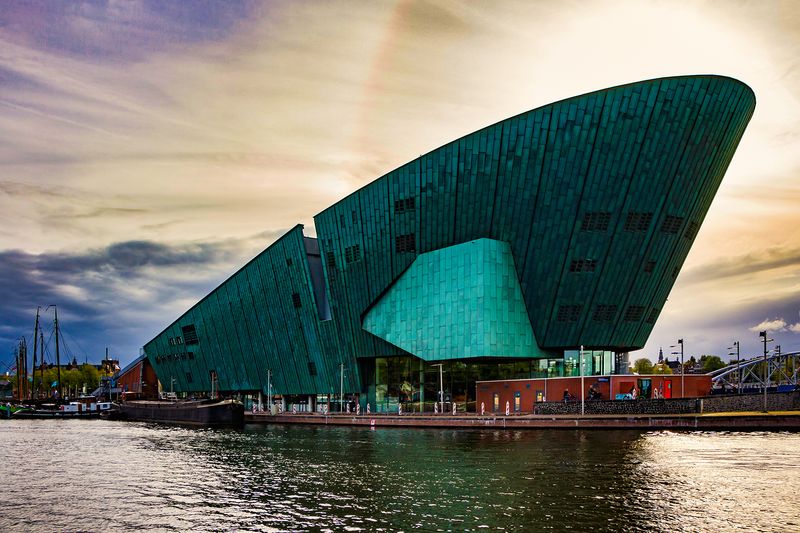
Shaped like the bow of a giant green ship, this building is hard to miss on Amsterdam’s waterfront. Italian architect Renzo Piano designed it, and the sloping roof doubles as a public square with harbor views.
Inside, five floors invite visitors to push, pull, and tinker. You can build chain reactions, explore how the brain works, and watch live chemistry shows.
The motto here is simple: look, touch, and try. Even adults end up playing along with the exhibits.
The museum is aimed mainly at children aged six and up, though toddlers have a small area of their own. In warm weather, the rooftop terrace is a pleasant place to rest between floors.
Buy tickets online to skip some of the waiting at busy times.
6. Copernicus Science Centre – Warsaw, Poland
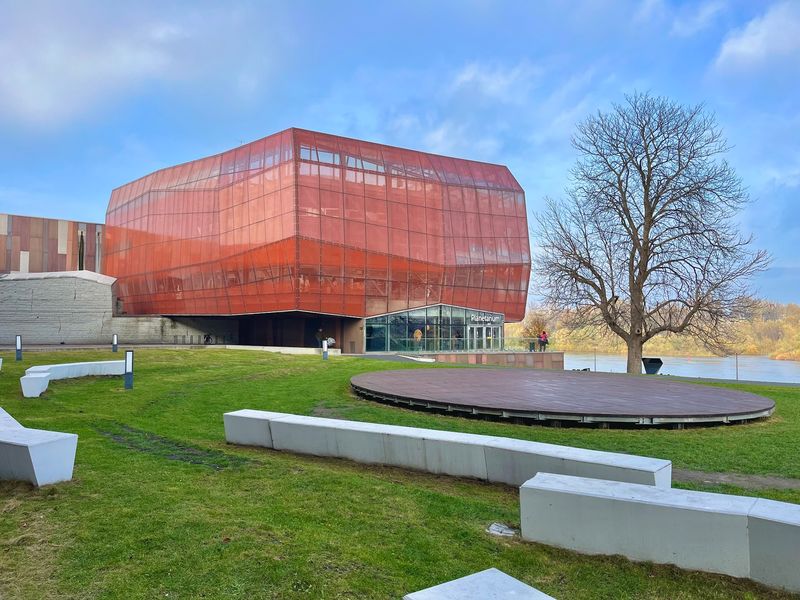
Named after the astronomer who placed the Sun at the center of our solar system, this Warsaw favorite sits beside the Vistula River. It opened in 2010 and has become a national treasure for curious families.
More than 450 exhibits let visitors experiment with energy, light, and the human body. The Discovery Park gallery is a good starting point.
A planetarium called the Heavens of Copernicus shows the night sky in rich detail, and a rooftop garden teaches about plants and weather.
Many exhibits come with English instructions, so international guests can join in easily. The center also hosts science shows and lab sessions throughout the day.
Give yourself at least three hours, and look at the daily schedule right after you arrive so you do not miss a live demonstration.
7. Swiss Science Center Technorama – Winterthur, Switzerland

Hands-on learning is the whole point at this Swiss favorite. Technorama has more than 500 experiments that invite you to turn, spin, and test the laws of nature yourself.
Stand inside a swirling tornado of mist, watch lightning flash during the electricity show, or explore illusions that trick the eyes. Each station comes with simple instructions, so you can learn at your own speed.
The outdoor science park adds water play and other activities when the weather is good.
It is located near Winterthur, and a short train and bus ride from Zurich gets you there. Families often find that children stay busy for hours.
Pack a light jacket and wear shoes you can walk in. A packed lunch is welcome, but a cafeteria is available too.
8. Experimentarium – Hellerup, Denmark
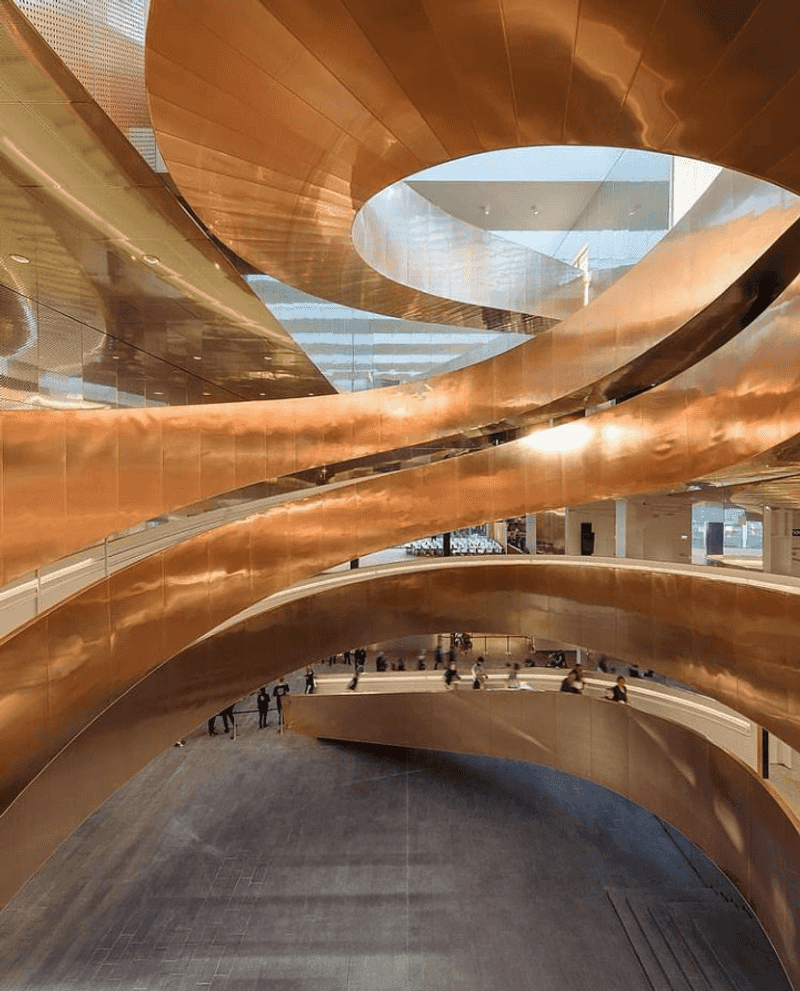
“Please touch” might as well be the slogan here. Located just north of Copenhagen, Experimentarium is built around the idea that people learn best by doing.
The building was once a bottling hall for a famous brewery, and it now houses hundreds of interactive exhibits. You can test your reflexes, explore the human body, and try out simple engineering challenges.
Special exhibitions change regularly, so repeat visitors often find something new.
The center also runs workshops for school groups, which shows how seriously Denmark takes science education. Younger children enjoy a dedicated area where they can build and play safely.
Public transport from central Copenhagen is easy, and the ride takes less than half an hour. Plan on spending a full morning or afternoon exploring.
9. Heureka Finnish Science Centre – Vantaa, Finland
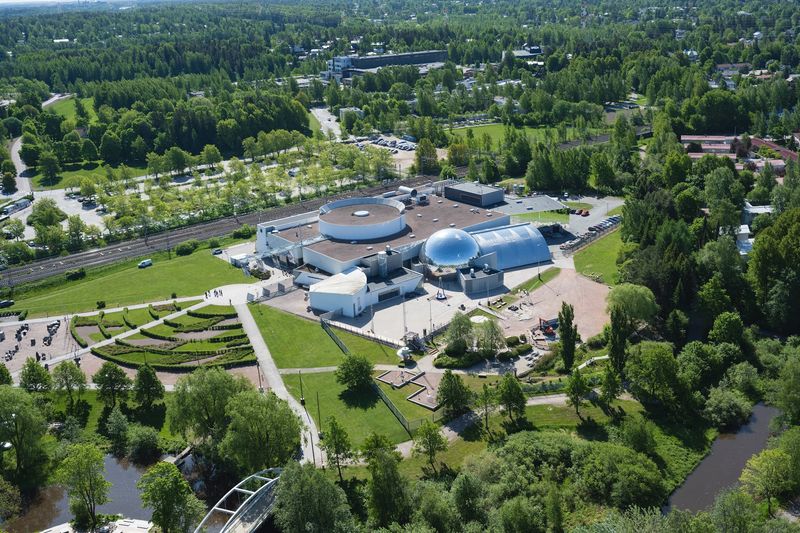
The name comes from the Greek word for “I found it,” and discovery is exactly what Heureka delivers. Found in Vantaa, close to Helsinki, it has been a Finnish favorite since 1989.
Exhibitions cover everything from math puzzles to the science of sports. The outdoor Science Park lets visitors play with simple machines and test how objects move.
A planetarium called the Verne Theatre shows films about space and nature on a large dome.
Many displays are in Finnish, Swedish, and English, which helps travelers. A train from Helsinki reaches the nearby station in about twenty minutes.
Winter visitors will like that most exhibits are indoors, while summer guests can enjoy the park. Keep a little time free for the gift shop, which stocks clever science toys.
10. Museu de les Ciències Príncipe Felipe – Valencia, Spain
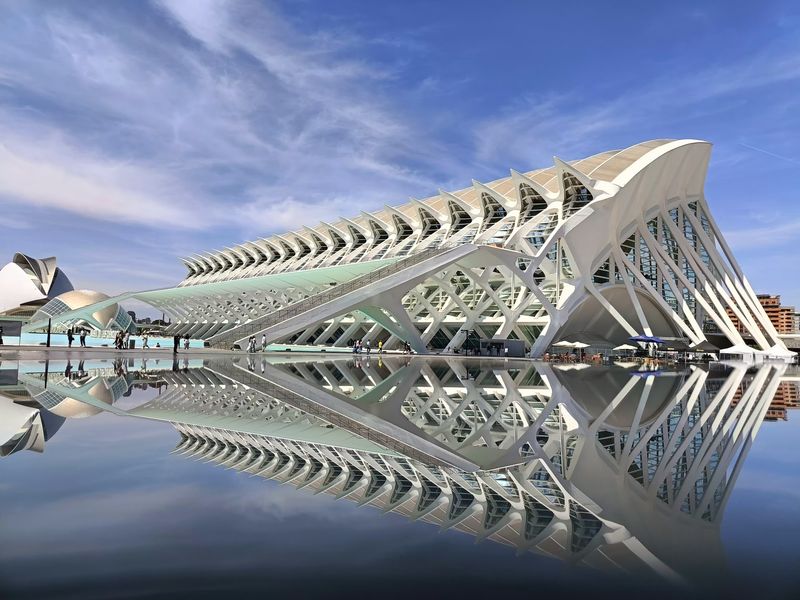
Its white, rib-like frame looks a bit like the skeleton of a whale, and the design is part of the fun. Spanish architect Santiago Calatrava created the building as part of Valencia’s City of Arts and Sciences.
Inside, the museum’s motto says to “forbid not touching,” so every exhibit is meant to be handled. Themes include genetics, space, and the science of sound.
A popular area honors Marvel superheroes through the lens of science, adding a playful twist to learning.
Nearby you will also find an aquarium, an opera house, and a planetarium-style cinema. Combo tickets can save money if you plan to visit more than one attraction.
Mornings are quieter, and the nearby gardens are a nice place for a snack break after exploring the exhibits.
11. Tekniska Museet – Stockholm, Sweden
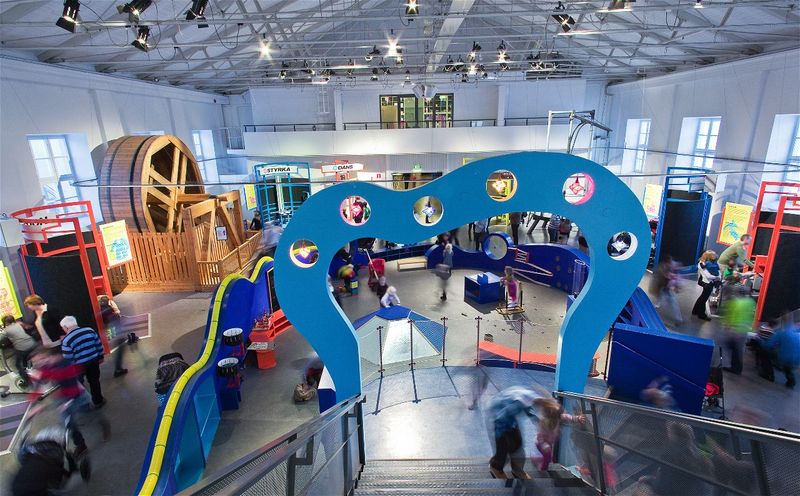
Swedish ingenuity takes center stage at the National Museum of Science and Technology. Set on the green island of Djurgården, it tells the story of how inventions have shaped daily life.
Old machines, early computers, and vehicles fill the main halls. In the Mine, visitors walk through a tunnel that recreates the feeling of underground work.
The Teknorama area features hands-on tests for all ages, and a digital lab lets visitors try out coding and sound.
The museum sits close to other well-known attractions, such as the Vasa Museum and Skansen, so you can plan a full day outside. Tickets for children are often cheaper, and some days offer special pricing.
Finish your visit with a walk along the waterfront, where the views across the bay are lovely.
12. Technisches Museum Wien – Vienna, Austria
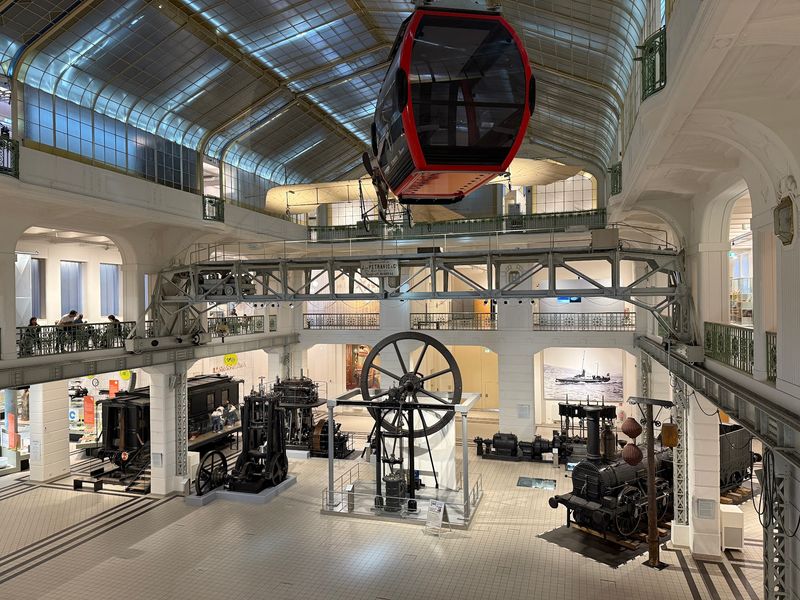
Imagine walking into a grand hall and spotting a real steam locomotive. That is the kind of surprise waiting at Vienna’s technical museum, which opened in 1918.
Collections explore energy, transport, and the history of everyday objects. Visitors can also learn how musical instruments produce sound and how factories changed daily life.
The museum has a lively children’s section called the mini, designed for ages one to six, with soft play and simple experiments.
Located near Schönbrunn Palace, it makes a nice partner to a day of sightseeing. A recent renovation brought brighter displays and new interactive stations.
Audio guides and signs in English help international guests. If you enjoy engineering stories, give yourself at least three hours to explore the main floors at a relaxed pace.
13. MUSE Science Museum – Trento, Italy
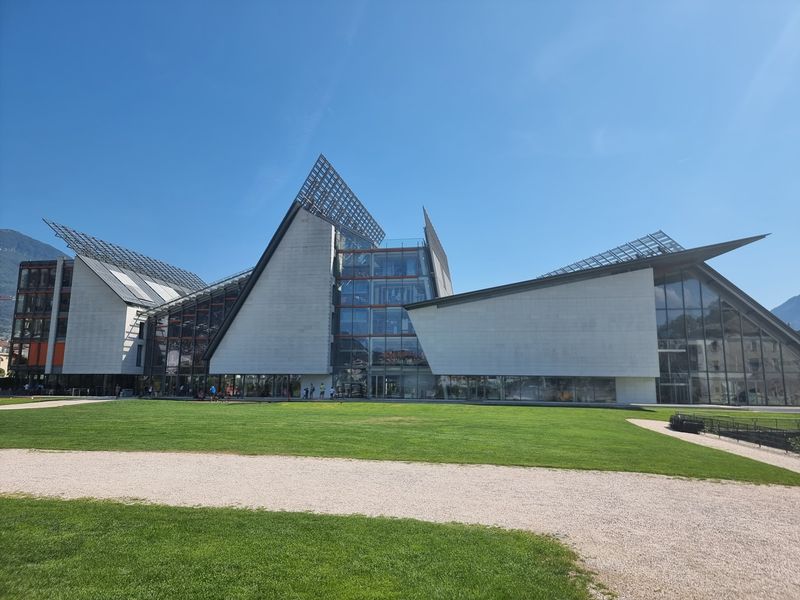
Mountains, wildlife, and climate all share the spotlight at this Alpine museum. Renzo Piano designed the building, whose sharp roofline echoes the peaks that rise behind the city.
Exhibits begin on the top floor with glaciers and move down through different habitats to a greenhouse that mimics tropical forests. A large hall holds skeletons and animal displays that stretch toward the ceiling.
Interactive stations invite children to test sounds, touch materials, and follow animal tracks.
The museum focuses on sustainability, so the building itself uses clean energy. Trento’s old town is a short walk away, which makes it easy to combine culture and learning.
Visit on a weekday morning for smaller crowds, and ask at the desk about family workshops that run on weekends.
14. Glasgow Science Centre – Glasgow, Scotland
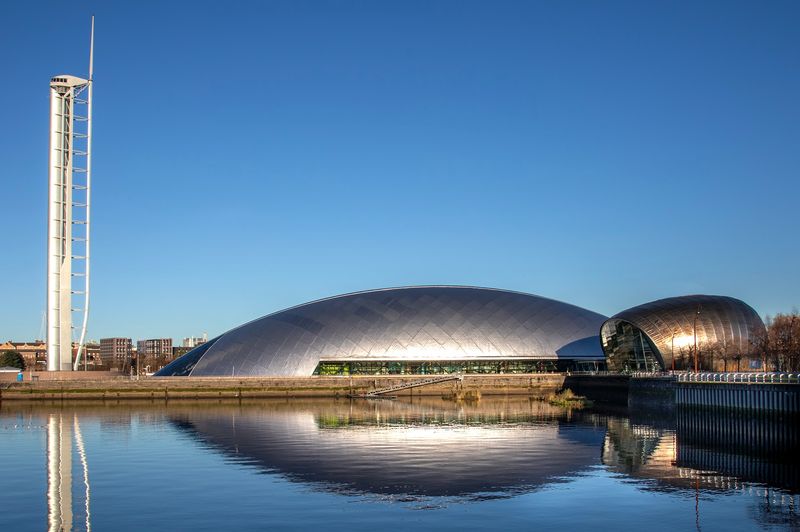
Along the banks of the River Clyde, a shimmering titanium building catches the eye. Glasgow Science Centre opened in 2001 and has become a hub for curious families across Scotland.
Three floors hold more than 250 exhibits about the human body, engineering, and the planet. Visitors can also watch films on a large IMAX screen and explore the night sky in a planetarium.
Nearby stands the Glasgow Tower, a tall structure that rotates to face the wind.
Staff often run lively science shows that mix experiments with humor, which keeps younger audiences engaged. Rainy days are common in Scotland, so having an indoor option is handy.
Reaching the center is simple by subway or bus. Take time to enjoy a riverside walk after your visit to clear your head.
15. Technopolis – Mechelen, Belgium
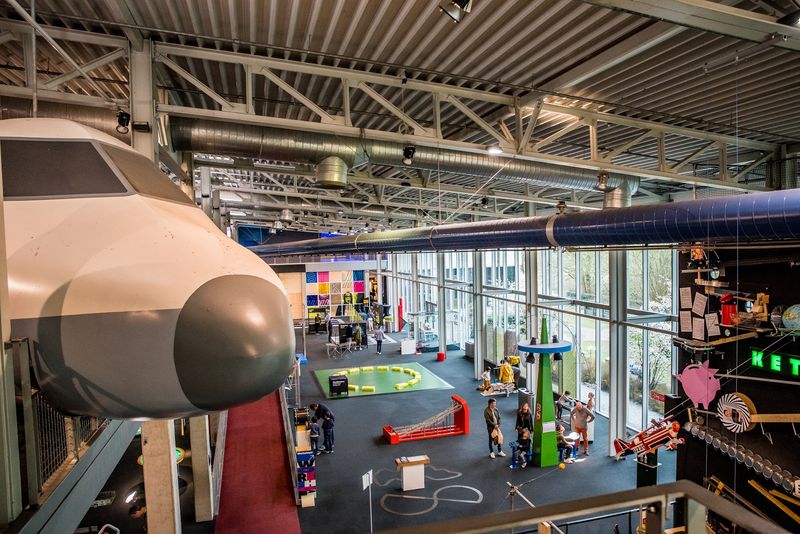
Between Brussels and Antwerp, a big hall packed with experiments waits for visitors. Technopolis calls itself a science playground, and it earns the title with more than 350 hands-on activities.
Guests can lift themselves with pulleys, test the speed of their reflexes, and explore how water, air, and sound behave. Each station comes with clear instructions that children can follow on their own.
Special workshops and shows add variety, and some focus on topics such as robotics and the human body.
The center is especially popular with school groups, so weekends and holidays can feel busy. Visiting on a weekday afternoon is a good way to avoid the rush.
The train station in Mechelen is close, and a short bus ride brings you to the entrance. Bring a water bottle, since all that activity builds up thirst.
Share this story