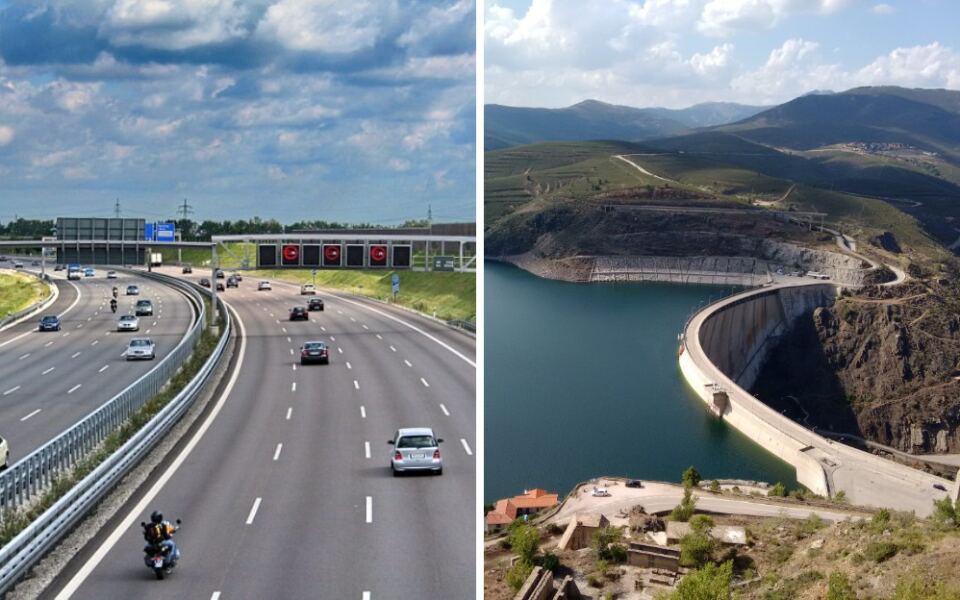
Driving abroad can feel exciting, but local road laws are not always the same as the ones back home. Some rules seem strange at first, yet each one is tied to safety, privacy, or traffic flow.
A small mistake, like wearing the wrong shoes or running low on fuel, can lead to a fine. Knowing these rules before you travel can save money and stress.
1. Germany: Running Out of Fuel on the Autobahn
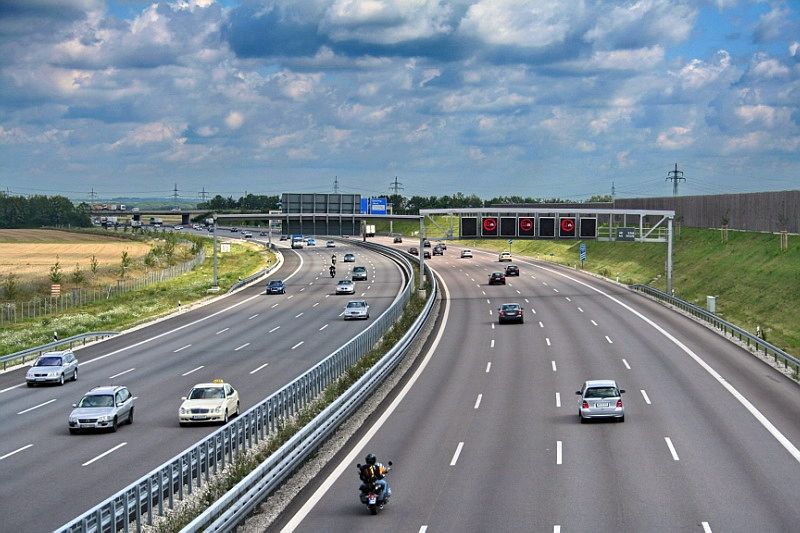
Running out of fuel is stressful anywhere, but on Germany’s Autobahn, it can also become a legal problem. Stopping on the Autobahn is prohibited when it could have been avoided, and an empty tank counts as avoidable.
Police may issue a fine, and the cost of a tow can add up fast. Even a short stop on the hard shoulder can put you and other drivers at risk because traffic moves at high speeds.
The fix is simple. Fill the tank before entering the highway, and treat the fuel gauge as a serious warning.
Service areas appear regularly, so planning a stop at one is easy.
Renting a car? Check the fuel level at pickup and top it off early.
A few minutes at a pump is far cheaper than a fine and a roadside rescue.
2. Cyprus: Snacking Behind the Wheel

A quick sandwich on a sunny island drive sounds harmless. In Cyprus, though, eating or drinking while driving can be treated as a driving offense.
The idea is that food and drinks take your hands and attention away from the road.
Police can decide that a driver is not in full control of the vehicle. That can lead to a fine, even if nothing went wrong.
Tourists often pick up snacks from roadside bakeries and cafes, so this rule is easy to forget. The best habit is to finish your meal before you start the engine, or pull over in a safe place.
Travel tip: pack water bottles with secure lids and keep them out of reach until you park. A short break also gives you time to enjoy the view, which beats juggling a pastry at a roundabout.
3. France: No Headphones Allowed
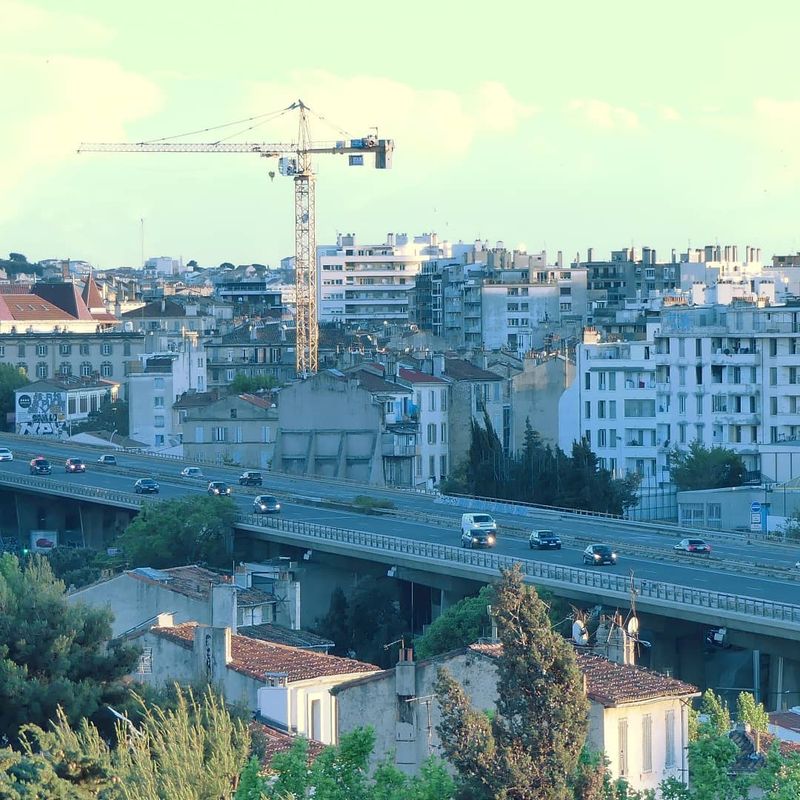
Music, podcasts, and phone calls make long drives feel shorter. In France, however, wearing headphones or earphones while driving is not allowed.
Sound is a key safety tool on the road, helping you hear sirens, horns, and other warnings.
The rule covers both ears and most types of personal audio devices. Drivers caught using them can face a fine and penalty points on a license.
Visitors sometimes assume a single earbud is fine, but it is safest to avoid them completely. Use the car speakers instead, and keep the volume at a reasonable level.
If you rely on navigation voice prompts, set up your route before leaving. Mount your phone in a holder or use the car system.
That way you stay legal, stay alert, and still get to enjoy your favorite songs on the way to Lyon or Nice.
4. Sweden: Headlights On in Broad Daylight
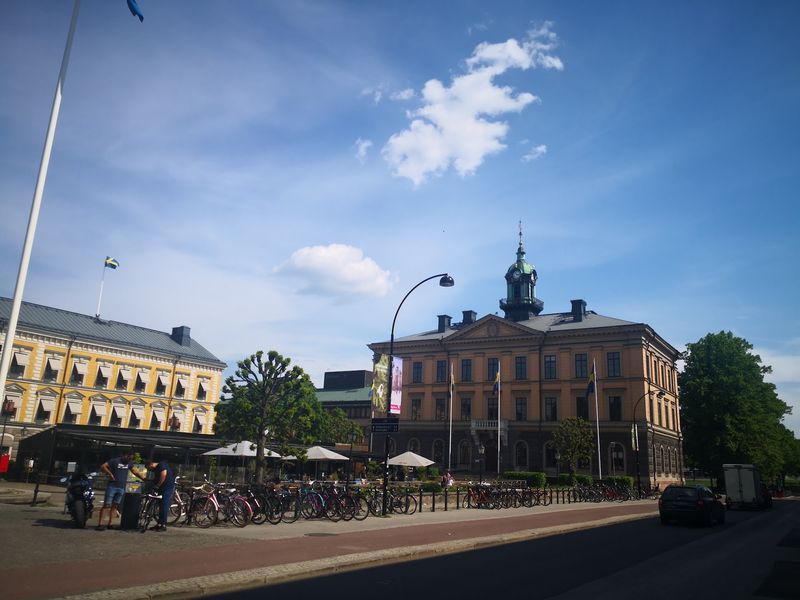
Bright sun, clear sky, and yet the headlights must stay on. That is the everyday reality in Sweden, where lights are required while driving even during the day.
The goal is to make vehicles easier to spot, especially on long roads with shifting light through the trees.
Many modern cars switch on daytime running lights automatically. Older rentals might not, so a quick check is wise.
Sweden is a country of forests, lakes, and low winter sun, which makes visibility tricky. A car with lights on stands out sooner, and that gives other drivers more time to react.
Before you leave the rental lot, find the light switch and learn how it works. It takes less than a minute, and it keeps you on the right side of the law while you explore Stockholm or the northern countryside.
5. Switzerland: Dashcam Limits
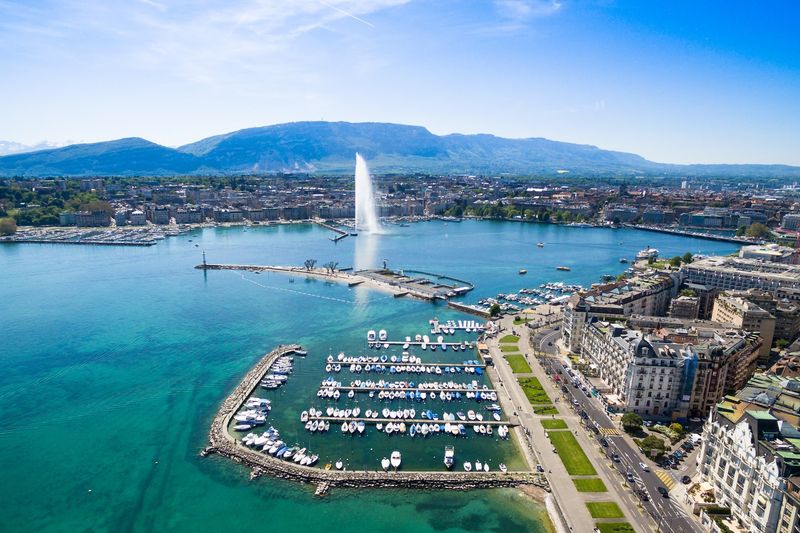
Many travelers love recording scenic drives, and a dashcam seems like a smart safety tool. In Switzerland, the picture is more complicated.
Privacy and data-protection rules strongly limit how these cameras can be used.
Filming people and cars without their knowledge can raise legal issues, especially if the footage is shared online. Authorities may also question whether constant recording of public roads is allowed at all.
Automobile clubs such as ADAC have pointed out that dashcam use in several countries is constrained by these rules. Swiss law is among the stricter examples.
If you usually drive with a camera, check the current rules before crossing the border. Consider turning the device off or leaving it at home.
Your mountain views will still look wonderful through the windshield, and you will avoid any trouble over privacy.
6. Portugal: Dashcams and Privacy Trouble

Portugal is famous for winding coastal roads and colorful cities, so recording a trip is tempting. Yet dashcams can cause serious legal and privacy problems there.
Travel and motoring groups, including ADAC, generally advise against using them.
The concern is about filming people without consent. Data-protection rules treat images of faces and license plates as personal information, and handling them incorrectly can be costly.
Some drivers hope footage will help in case of an accident. In practice, the recording itself might create more trouble than it solves.
A safer choice is to rely on photos taken after an incident, plus contact details and insurance papers. Keep your camera for scenic stops instead.
That way, your memories of Lisbon and the Algarve stay happy and free from legal worries.
7. Romania: Lights On for National Roads
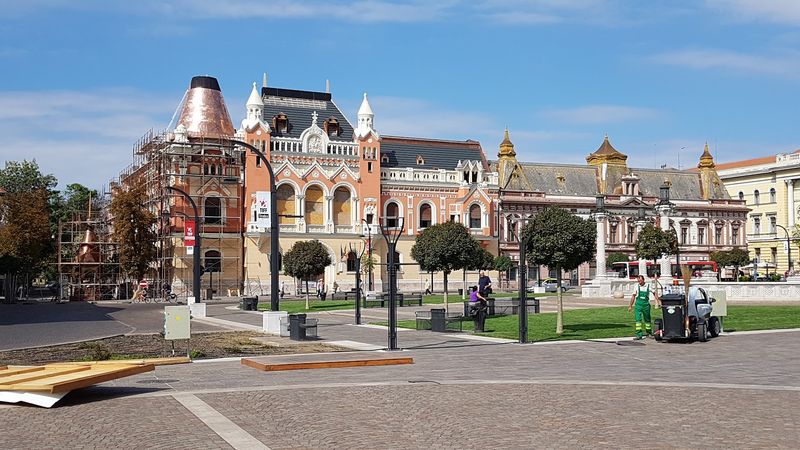
Romania has roads that range from modern motorways to winding mountain passes. On national roads, motorways, and expressways, daytime running lights are compulsory.
That means lights should be on even when the weather looks perfect.
The rule is part of a wider effort to reduce crashes by making vehicles more visible. Traffic can include trucks, farm vehicles, and sudden curves, so being seen early matters.
Many newer cars turn on daytime lights automatically when started. If your rental is older, you may need to switch them on yourself.
A smart routine is to check the dashboard symbol as soon as you begin driving. Then you can focus on the scenery, from the Carpathian Mountains to old Transylvanian towns, without worrying about a roadside stop and a fine.
8. Spain: The Flip-Flop Problem
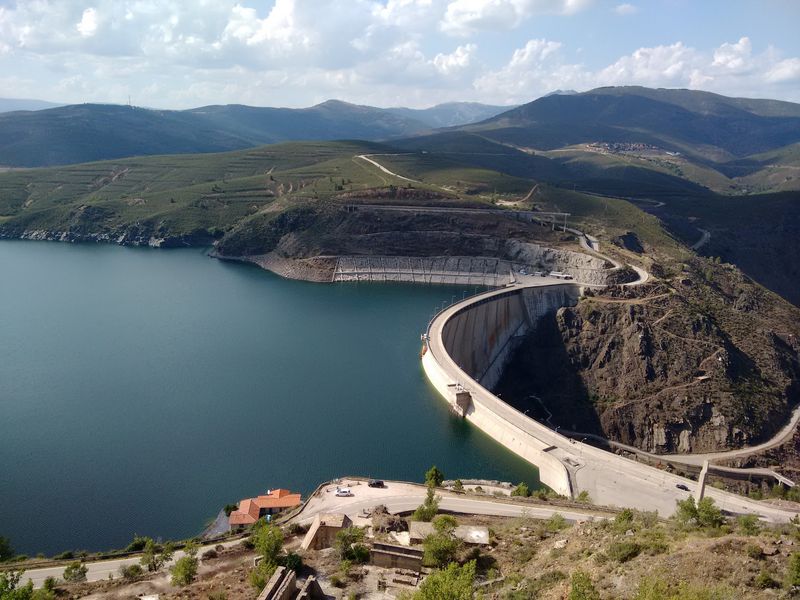
Beach day in Spain, sandals on your feet, car keys in hand. Before you start the engine, think about your footwear.
Shoes that interfere with safe control of the vehicle can lead to penalties, which makes flip-flops a risky choice for drivers.
The logic is easy to see. A loose sandal can slip off or get stuck under a pedal, and that can turn a normal stop into an emergency.
Spanish rules focus on whether you can operate the car safely, so the exact footwear matters less than how well it stays on your foot. Closed shoes with a firm grip are the safest bet.
A simple trick is to keep a pair of sneakers in the car. Swap them in for the drive and switch back to sandals once you park near the sand.
9. France: Speed-Camera Warning Devices

Many drivers use apps or gadgets that alert them to speed cameras. France takes a strict approach here, and devices that warn about camera locations are subject to heavy restrictions.
The rules aim to stop people from avoiding enforcement only when they know a camera is near.
Navigation systems in France often switch to general warnings about danger zones instead of showing exact camera spots. That is perfectly legal and meant to encourage steady, safe speeds everywhere.
Tourists can get caught when they bring a device or app set up for another country. Fines and equipment seizure are possible.
Before your trip, check the settings on your navigation tools and turn off any feature that marks camera locations. Watching the speed limit signs is the best habit anyway, and it keeps your vacation budget intact.
10. Italy: Parking Facing Traffic
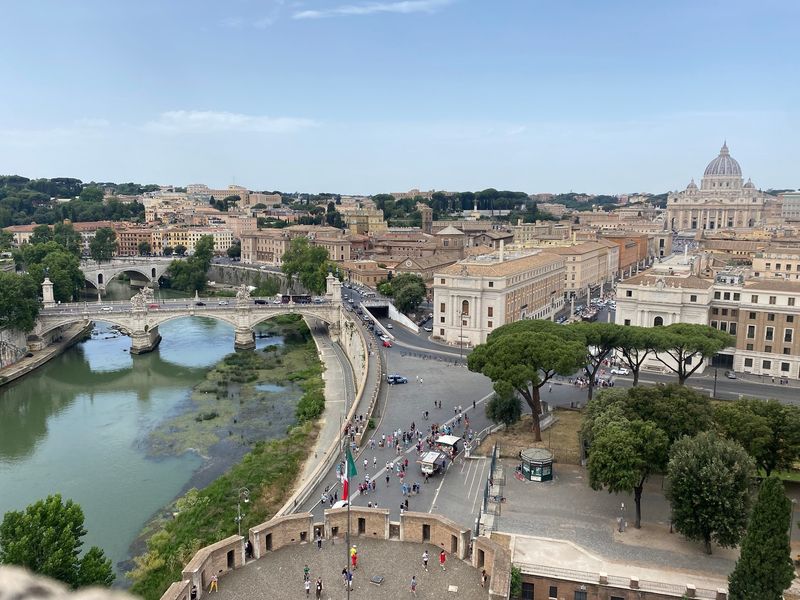
Italian streets are narrow, lively, and full of clever parking. Behind the charm sits a rule that can surprise visitors: parking can require vehicles to face the direction of traffic.
Leaving your car pointed the wrong way may earn a ticket.
The reason is practical. Facing the flow helps other drivers see your lights and reflectors, and it keeps traffic moving in a predictable pattern on tight roads.
Signs and painted lines matter too. Blue lines often mean paid parking, white lines are usually free, and yellow spaces are reserved.
When you park, take a moment to look at nearby cars and street markings. If in doubt, choose a marked lot.
A few extra steps on foot are better than returning to a ticket under your windshield wiper.
11. Estonia: Gear to Stop a Rolling Car
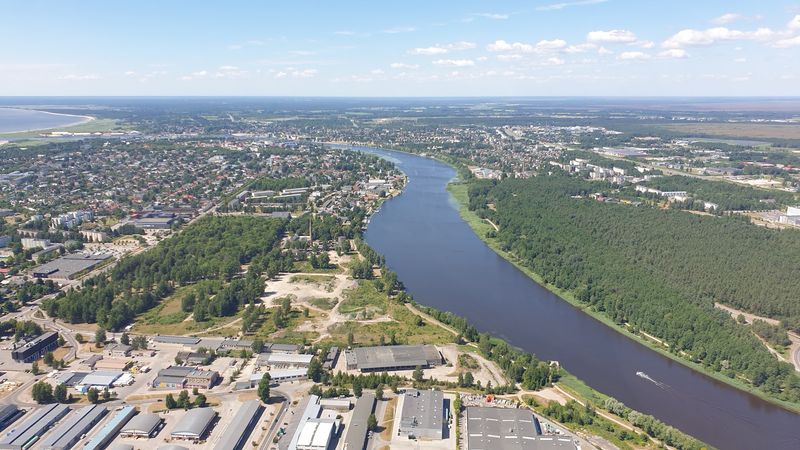
Estonia has gentle hills and old towns where cars sometimes park on a slope. Drivers may be required to carry equipment that stops a parked vehicle from rolling.
A wheel chock, a small wedge placed against a tire, is the typical example.
The rule focuses on safety. A car that slips away can cause damage or hurt someone, even at low speed.
Travel groups such as Euronews have listed this among the lesser-known equipment rules in Europe. Rental companies may or may not include the item, so it is worth asking at pickup.
Also remember basic habits: use the handbrake, turn the wheels toward the curb on a hill, and leave the car in gear. These small steps are simple, and they protect both your trip and the people around you.
12. Luxembourg: Dashcam Restrictions

Luxembourg is small, but its rules about privacy carry real weight. Dashcam use is highly restricted, according to guidance from ADAC.
Recording public roads can collide with data-protection law, particularly when faces and license plates are visible.
Tourists often pass through on the way to Germany, France, or Belgium, and they may not realize the camera on their windshield could be a problem. A short drive is enough to create legal risk.
Unlike some countries where footage is widely accepted, Luxembourg treats recordings carefully. Sharing clips online adds even more risk.
If you need proof after an accident, focus on photos, witness details, and official reports. Switch off or remove the camera while in the country.
It is a small change that helps you stay respectful of local privacy standards.
13. Denmark: Lights Even When It Is Clear
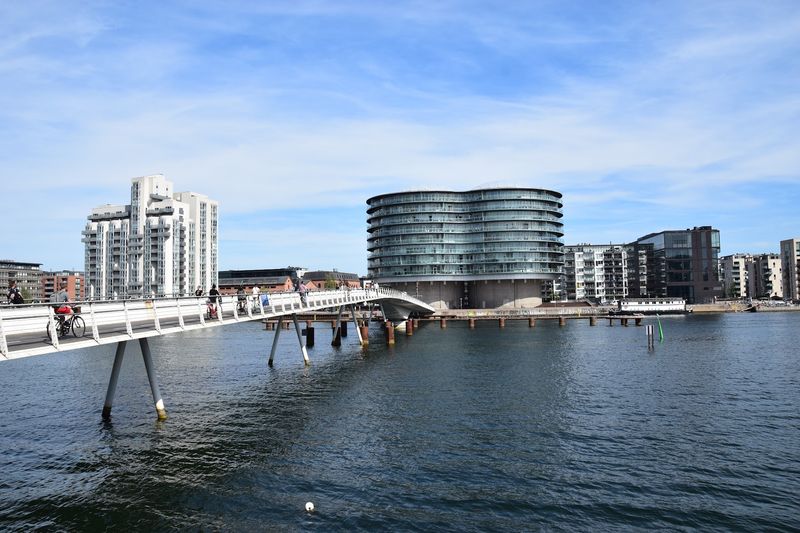
Danish roads can look calm and sunny, yet drivers are still expected to have their lights on. Daytime lights are required, even when visibility is good.
The reasoning is simple: a car with lights on is easier to notice from far away.
Denmark has many cyclists, and they share the road closely with cars. Being visible early helps everyone react in time.
Most modern vehicles turn on daytime running lights automatically. Rental cars from other regions may work differently, so a quick check is smart.
Try this habit: each time you start the car, glance at the dashboard for the light symbol. If it is missing, switch on the low beams.
You will blend in with local driving style and avoid a needless fine while cruising toward Copenhagen.
14. Norway: Strict Winter Equipment

Winter in Norway is beautiful and demanding. Vehicle equipment requirements become particularly strict under winter conditions, and drivers are expected to be ready for snow and ice.
That often means proper winter tires with enough tread.
Road conditions can change quickly, especially in mountain areas and along the coast. Slippery surfaces and short daylight hours raise the stakes.
Rental companies in Norway usually equip cars for the season, but it is smart to ask about tires, scrapers, and chains. Knowing how to fit chains before you need them saves a cold, frustrating roadside struggle.
Check local road reports before each drive and allow extra time. Pack warm clothes, water, and a charged phone.
With a little preparation, a winter road trip can be a highlight instead of a hassle.
15. Germany: No Stopping Without a Real Reason
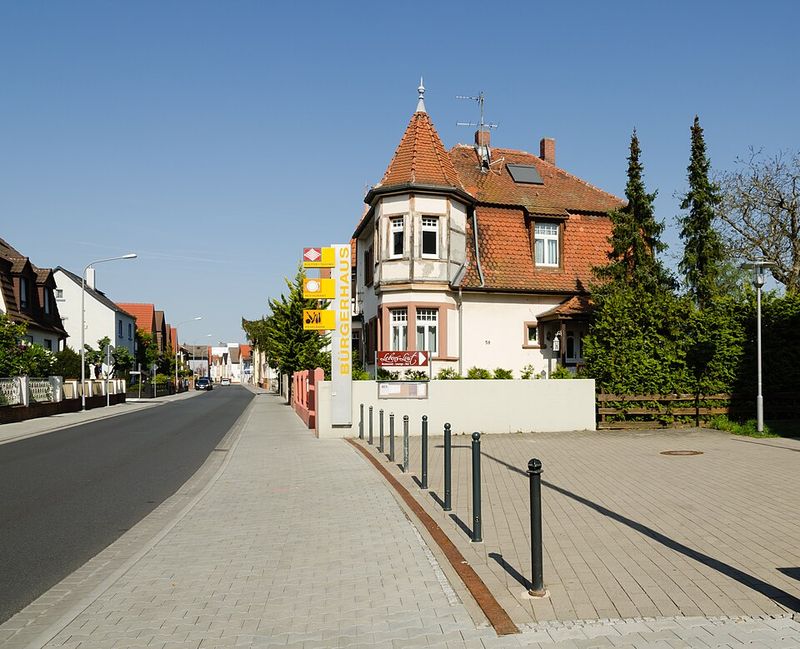
Here is a rule that surprises many visitors: on the German Autobahn, stopping without a genuine reason is prohibited. Taking photos, checking a map, or pausing for a stretch may all count as unnecessary stops.
Fast traffic is the main reason. Some sections have no speed limit, so a stationary car can become a serious danger within seconds.
Real emergencies, such as a breakdown or a medical problem, are treated differently. In that case, move to the shoulder, turn on hazard lights, wear a high-visibility vest, and place a warning triangle at a safe distance.
For everything else, use the next rest area. They are frequent and well marked, with parking, toilets, and food.
Planning your breaks this way keeps you legal and keeps everyone safer.
Share this story