Some bridges are just a way to get from one side of the water to the other. These fifteen are different.
They carry travelers over rivers, gorges, and valleys in places like Lisbon, Paris, Prague, and Mostar, and each one has a story worth knowing. Some are ancient, some are brand new by comparison, and a few are so tall they look like they float above the clouds.
The list builds from lovely to truly unforgettable, so the best is saved for last. Grab a snack, settle in, and start planning which ones you want to cross first.
25 de Abril Bridge, Lisbon, Portugal
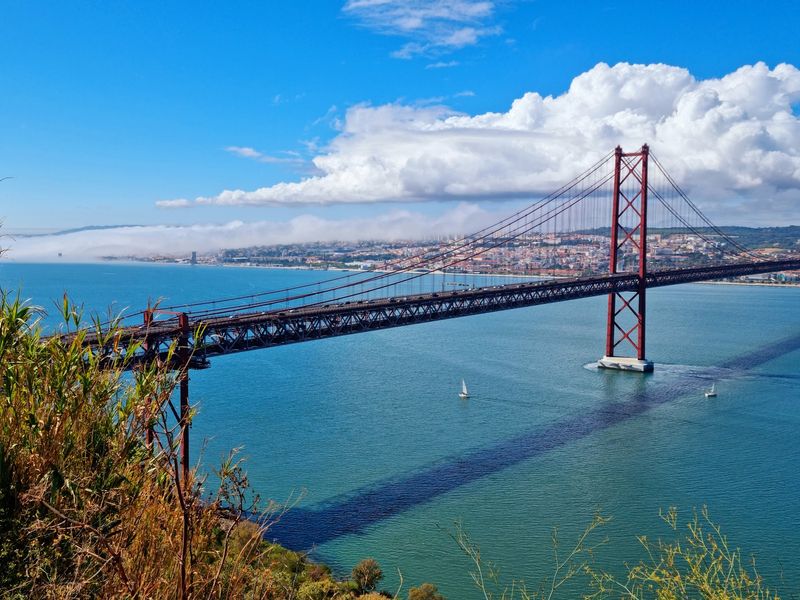
Red steel against a pastel sky is the look that gives Lisbon one of its most photographed views. The 25 de Abril Bridge crosses the Tagus River and opened in 1966.
It links Lisbon with Almada and carries both road traffic and trains. That mix makes it a busy workhorse as well as a landmark, and the towers and sweeping cables stand out from far away.
Many people say it looks a lot like the Golden Gate Bridge in San Francisco. The resemblance is real, though each bridge has its own engineering history, so it is fun to compare them if you know both.
For the best photo, pick a spot along the riverside around sunset. The red structure pops against the changing colors of the sky, and the water adds extra color.
Walk the waterfront slowly, since each viewpoint gives the bridge a slightly different shape and angle.
Pont Alexandre III, Paris, France
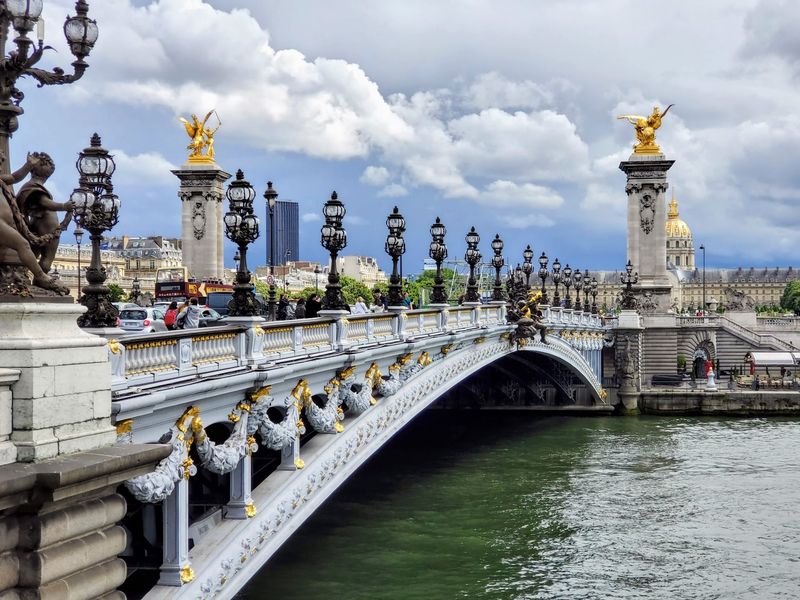
Gold winged horses sit on tall pillars at each end of this bridge, and they are hard to miss. Pont Alexandre III was built for the 1900 Universal Exhibition in Paris.
It crosses the Seine and connects the Invalides area with the neighborhoods around the Grand Palais and Petit Palais. Decorated lampposts and carved stone details turn a simple walk across the river into a small sightseeing trip.
Photographers tend to love this spot, and the reason is easy to see. The bridge offers wide river views, and the Eiffel Tower shows up in the distance, which makes for a classic Paris picture.
Bring a camera and take your time on the sidewalk, since sculptures and ornate lamps appear every few steps. Evening visits are popular because the city lights start to come on and the gilded details stand out even more against the darker sky.
Forth Bridge, Scotland, United Kingdom
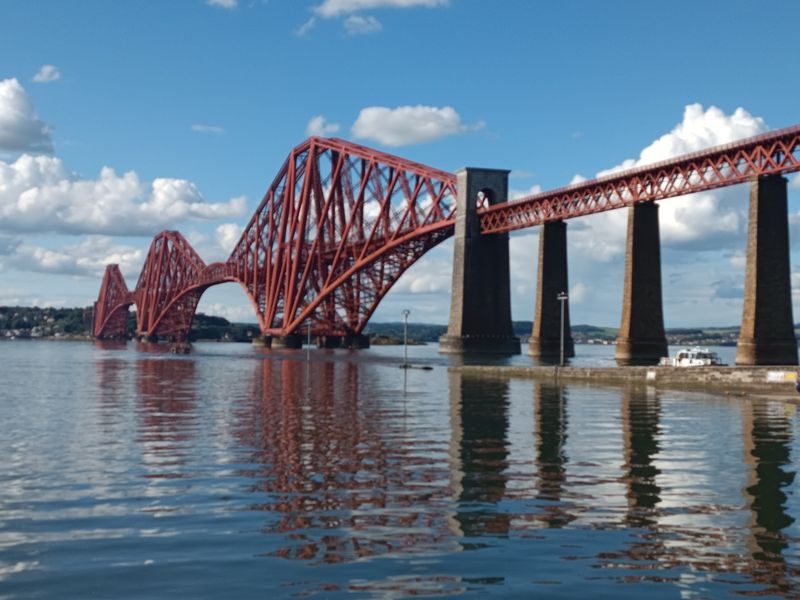
Here is a bridge where the steel skeleton is the whole show. The Forth Bridge was completed in 1890 and carries trains over the Firth of Forth between the Edinburgh area and Fife.
Its red cantilever spans repeat in huge geometric shapes, and they look like nothing else in Europe. Clear days are best, because the entire structure shows up against the water.
The bridge is still a working railway crossing, and it is recognized as a UNESCO World Heritage Site. That status says a lot about how important its design is in the history of engineering.
Walking across is not allowed, so plan to admire it from the side. South Queensferry has nearby viewpoints that make the scale easy to appreciate, and a short stroll along the shore gives you several angles.
Pack a jacket, because the waterfront can be breezy.
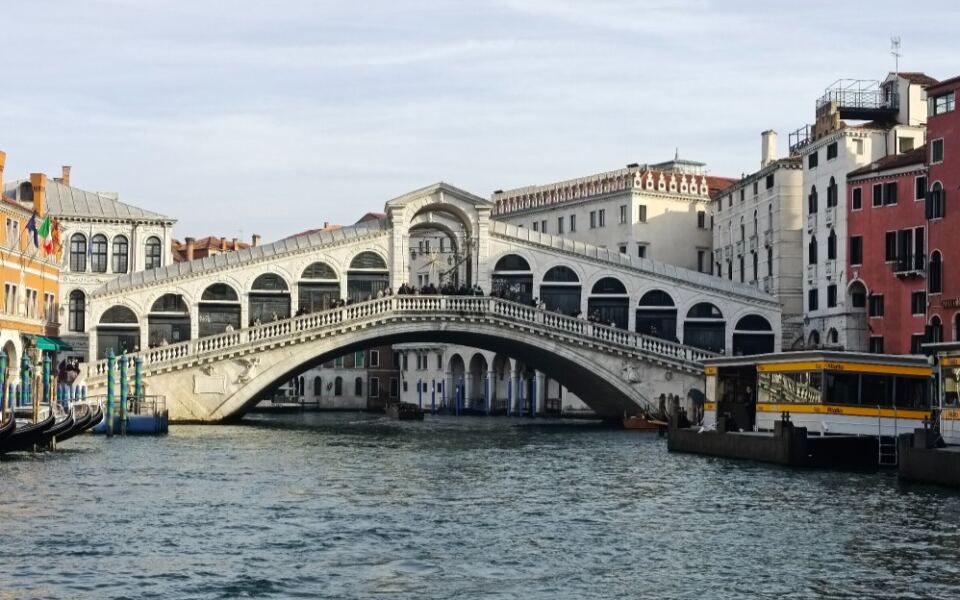
Rialto Bridge, Venice, Italy
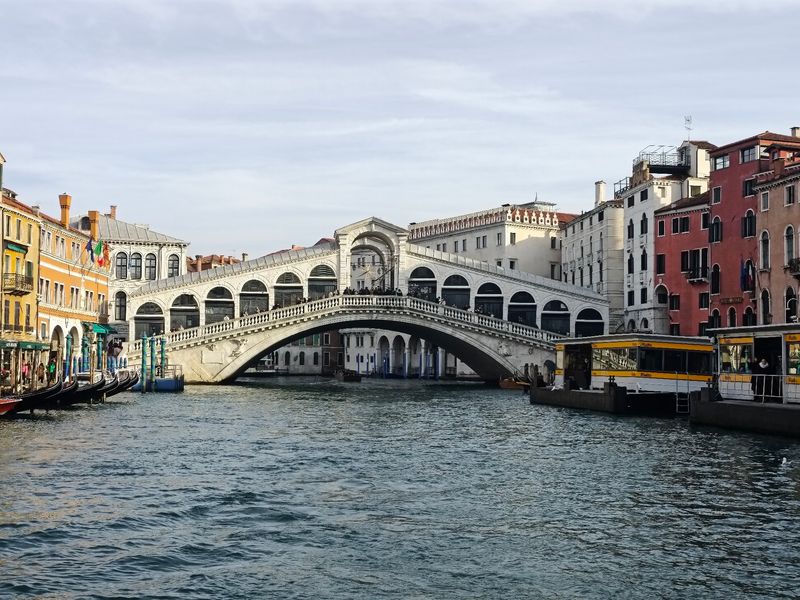
Shopping on a bridge sounds odd until you see Rialto. Finished in 1591, this stone crossing spans the Grand Canal with one wide arch and keeps the area’s long trading history alive.
Small shops line the bridge, and covered walkways run along its broad steps. Centuries-old Venetian buildings surround it, so the whole area feels like an architectural centerpiece for the city.
When you cross, stop for views of the Grand Canal. Boats and gondolas move between historic palaces, and the scene changes every minute as new traffic glides past.
For a different angle, look at the bridge from the waterfront or from a boat passing underneath. Seeing the arch from below makes its size and shape easier to appreciate.
Mornings are often calmer, so an early start can make for easier photos and a more relaxed walk.
Chapel Bridge, Lucerne, Switzerland
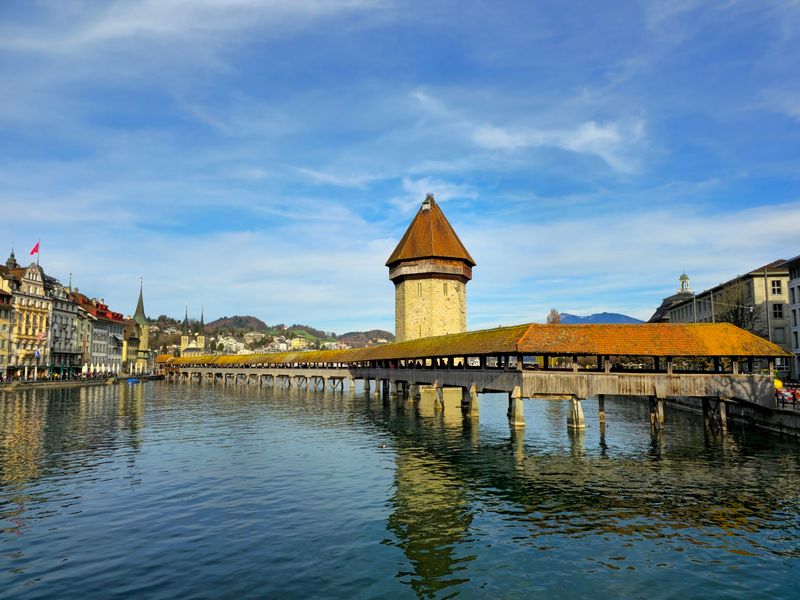
Walking through a wooden tunnel over a river is not something you do every day. Lucerne’s Chapel Bridge, called Kapellbrücke in German, crosses the Reuss River under a distinctive roof and is decorated with colorful flowers.
The octagonal Water Tower stands right beside it, and together they make one of Switzerland’s most photographed scenes. Inside the bridge, historic painted panels add a bit of art to the walk.
A fire damaged the structure in 1993, but it was restored and remains a symbol of the city. That rebuilding story gives the crossing extra meaning for locals and visitors alike.
Crossing costs nothing, which makes it an easy stop. Afterward, wander along the waterfront for views of the bridge, the old town, and the mountains beyond.
Flowers are at their fullest in the warmer months, so plan photos accordingly.
Dom Luís I Bridge, Porto, Portugal
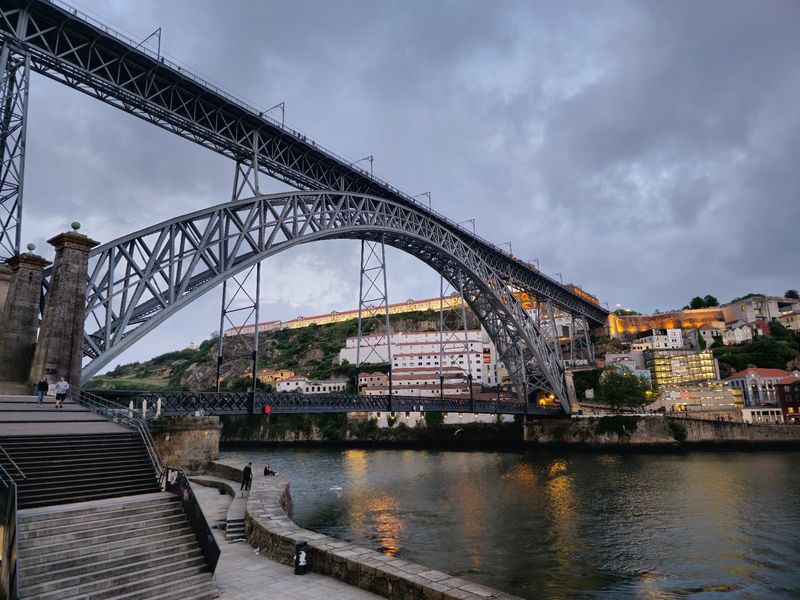
Two levels, one giant arch, and a river view that makes people stop mid-step. Dom Luís I Bridge was completed in the late nineteenth century and links Porto with Vila Nova de Gaia across the Douro River.
Théophile Seyrig, who once worked with Gustave Eiffel, designed it. His double-deck metal arch is the star here, and the iron lattice looks impressive from every angle.
Pedestrians can walk the upper deck for sweeping views. Down below, colorful riverside buildings and traditional boats fill the scene, giving photographers plenty to work with.
Sunset is a favorite time to visit. The iron structure, warm rooftops, and reflective water come together in a lovely way.
Both decks can be walked, so you can try the lower level too and look up at the arch from beneath. Wear comfortable shoes, since the nearby streets are hilly.
Pont du Gard, Vers-Pont-du-Gard, France
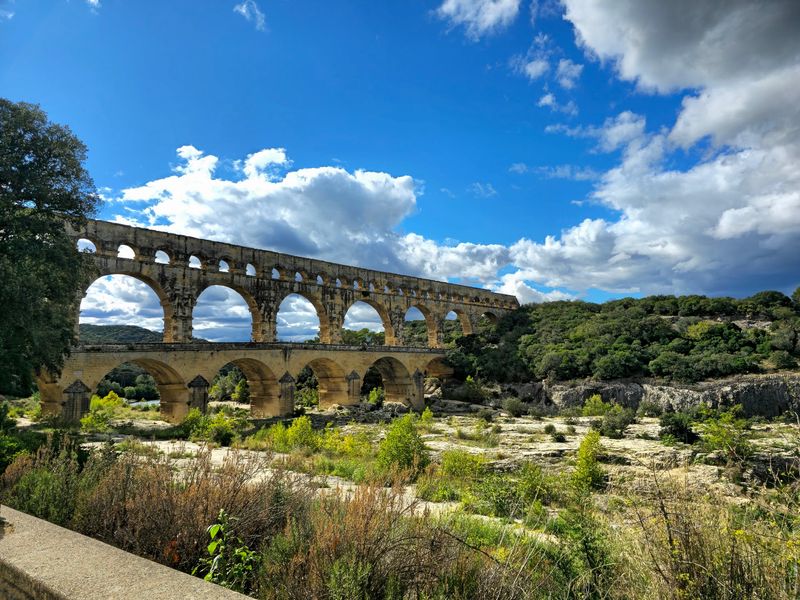
Roman builders made this structure in the first century AD, and it is still standing. Pont du Gard rises above the Gardon River in southern France and once carried water toward the city of Nîmes.
Three levels of stone arches climb nearly 49 meters above the landscape. The proportions are balanced and graceful, which shows how precise Roman engineering could be.
The natural setting adds a lot. Riverside paths and designated viewpoints let you see the pale stone reflected in the water, and the surrounding landscape keeps the scene calm and open.
This is a UNESCO-listed monument, and it has drawn travelers for generations. Give yourself time to look at it from more than one place, because the arches look different from the riverbank than from the higher viewpoints.
Bring water and a hat in summer, since shade can be limited.
Bastei Bridge, Saxon Switzerland, Germany
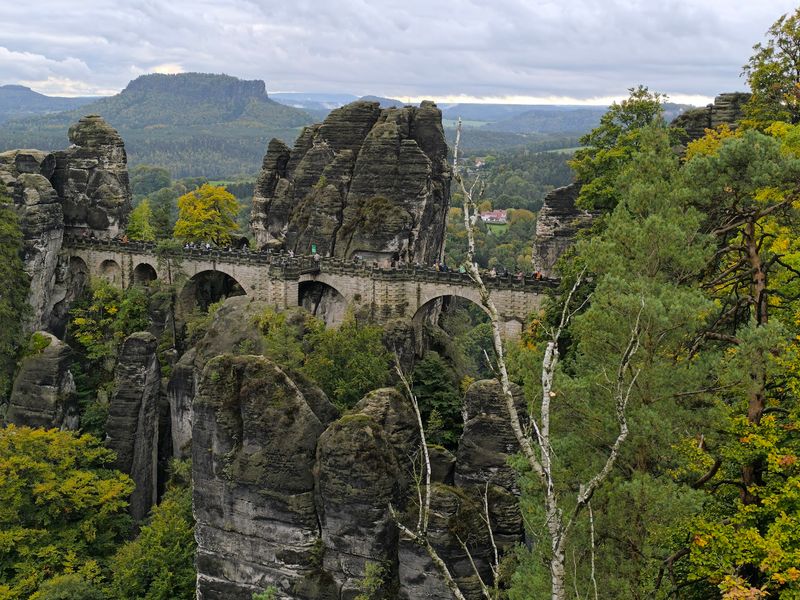
Stone arches stretch between rock towers high above a river valley here. Bastei Bridge sits in Saxon Switzerland National Park and links jagged sandstone formations above the Elbe Valley.
Seven stone arches carry the bridge across a deep gorge, and it was completed in 1851. Walking paths and scenic viewpoints surround it, and the forested valleys below make the setting look almost unreal.
Visitors can explore the bridge and nearby viewpoints without paying an admission fee. That makes it a budget-friendly stop on a Germany trip, especially for anyone who enjoys outdoor scenery.
Check conditions before you go, since some hiking routes can be affected by weather or maintenance. Sturdy shoes are a smart idea because the paths include steps and uneven stone.
Go early if you can, since popular viewpoints tend to fill up as the day goes on.
Széchenyi Chain Bridge, Budapest, Hungary
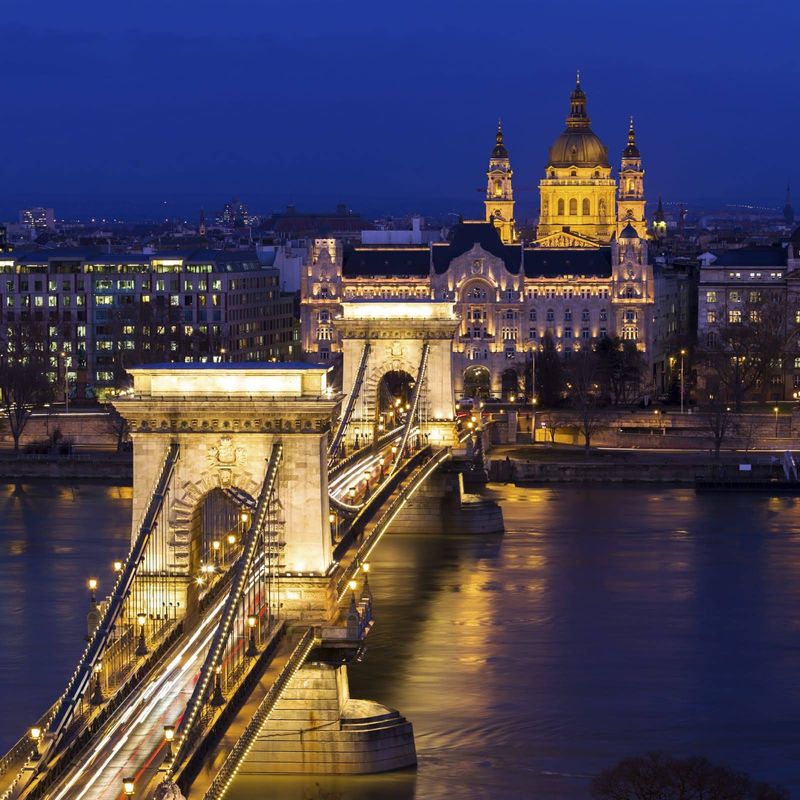
Budapest has many bridges, but this was the first permanent one to connect Buda and Pest. The Chain Bridge opened in 1849 and crosses the Danube River.
Massive stone towers, iron chains, and lion sculptures give it a look all its own. By day, the bridge offers pleasant views of the river and surrounding buildings.
After dark, carefully placed lighting turns it into one of the city’s most photographed landmarks. The glow along the chains makes it easy to spot from across the water.
A major renovation changed how people use it. Today the bridge accommodates pedestrians, cyclists, buses, and taxis rather than general private-car traffic, which makes walking across it much more relaxed.
Take a stroll at dusk if you want both daylight and evening views in a single visit.
Millau Viaduct, Millau, France
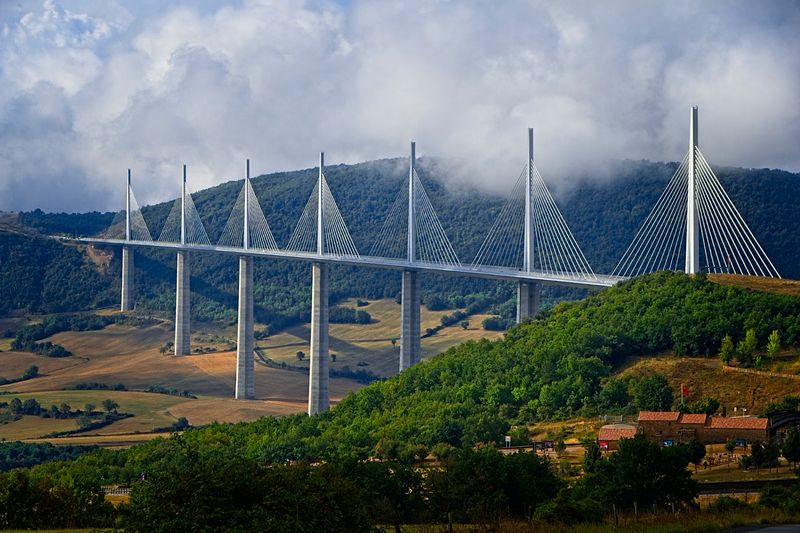
At 343 meters, the tallest mast on the Millau Viaduct is a number that sounds made up. This cable-stayed bridge rises above the Tarn Valley in southern France and stretches about 2.5 kilometers.
Architect Norman Foster and engineer Michel Virlogeux designed it. Slender pillars and a gracefully suspended roadway give it a surprisingly light appearance despite the huge scale.
On misty mornings, the roadway can appear to float above the clouds. That scene is a favorite for photographers who like early starts.
Travelers can drive across it, or they can stop at dedicated visitor areas and viewpoints to take in the full design. Seeing it from the valley floor gives the best sense of just how high the pillars climb.
Plan some extra time, because the viewpoints deserve more than a quick glance.
Tower Bridge, London, England
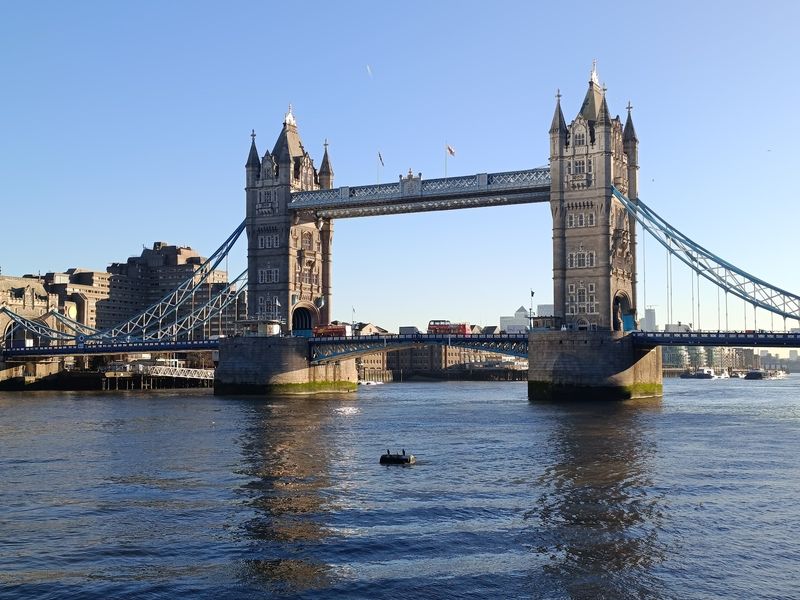
Lifting a roadway for passing ships is still part of daily life for Tower Bridge. Completed in 1894, this Victorian landmark mixes Gothic-inspired architecture with a movable center section.
Twin stone towers, blue suspension elements, and elevated walkways make it easy to recognize. When the central sections rise to let tall vessels pass along the River Thames, it becomes quite a show.
Walking across the road-level crossing is free. If you want more, you can buy admission to the high-level walkways and the historic engineering displays.
The nearby Tower of London and riverside paths add plenty of photo opportunities. Many visitors combine the two sights in one outing, since they sit so close together.
Look up the lift schedule before your trip if you hope to see the bridge open, because it does not happen at random.
Puente Nuevo, Ronda, Spain
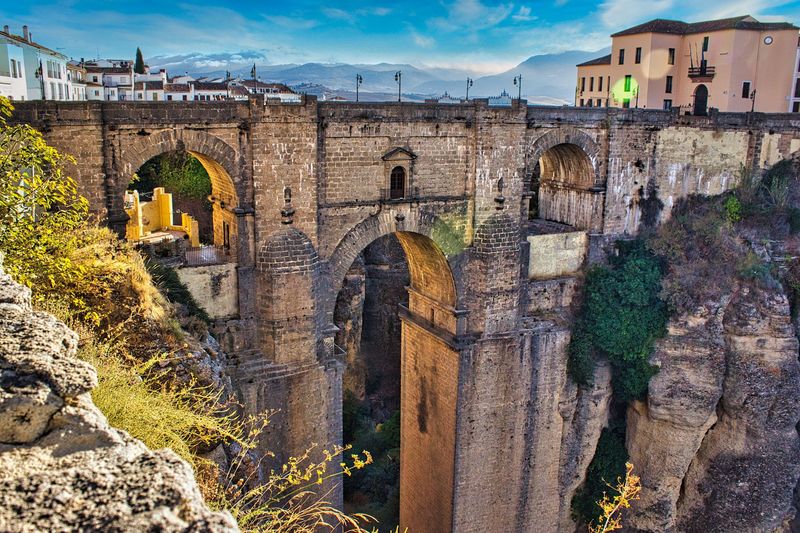
Most bridges cross water, but this one crosses a canyon. Puente Nuevo spans the deep El Tajo gorge that divides the Andalusian town of Ronda.
It links two sections of the town high above a rocky ravine. The enormous central arch rises between steep cliff faces, so the stonework seems to grow out of the landscape.
Whitewashed buildings, rugged cliffs, and mountain scenery make the setting especially photogenic. Every direction offers something to frame in a picture.
Some of the best views come from viewpoints below and around the gorge. From there, the structure’s height becomes much easier to appreciate.
Walking down takes some effort, so wear good shoes and bring water. Plan to climb back up at a relaxed pace, because the return trip is steeper than it looks.
Ponte Vecchio, Florence, Italy
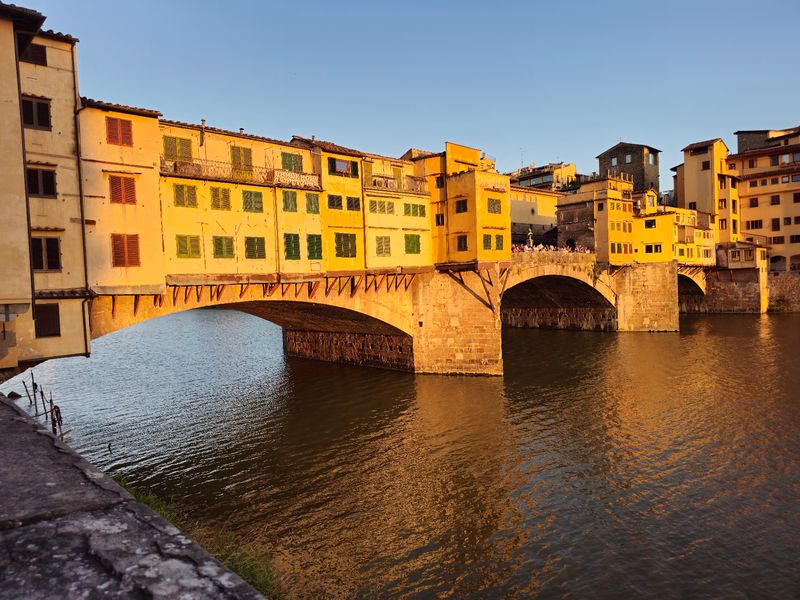
Jewelry shops sit right on the bridge, and that has been true for centuries. Ponte Vecchio was built in 1345 and crosses the Arno River in Florence.
Merchants of various kinds first occupied the little buildings. By the late sixteenth century, the bridge became linked with goldsmiths and jewelers, and that tradition continues today.
Above the shops runs the Vasari Corridor, which was created to connect important Medici residences. It adds a fascinating layer of history to the bridge.
For a good look at the whole scene, stand on a neighboring bridge or along the riverside. From there, the colorful buildings and arches come together as one of Florence’s most recognizable views.
Walk across during the day to see the shops open, then return for a second look from the water’s edge.
Charles Bridge, Prague, Czech Republic
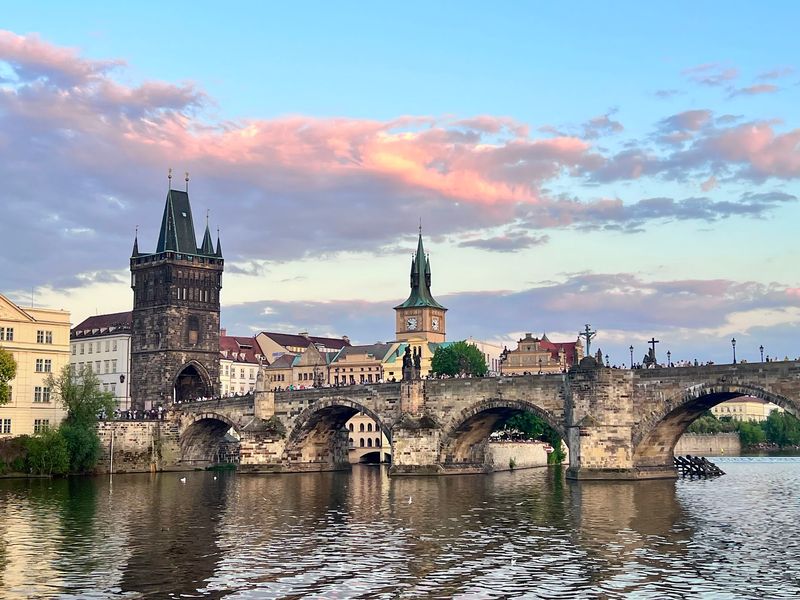
Thirty statues and sculptural groups watch over everyone who crosses this bridge. Construction of Charles Bridge began in 1357 under King Charles IV, and it became one of Prague’s key landmarks.
It spans the Vltava River and connects the Old Town with the Malá Strana district. Gothic towers frame each end, giving the crossing a grand feeling from the first step.
Early mornings are especially good for photos. Softer light falls on the stonework, and Prague Castle rises above the rooftops in the background.
In the evening, warm lighting gives the bridge a completely different look. Visiting at two different times of day lets you compare both versions.
If you prefer fewer people around you, arriving early is the simplest way to enjoy more space on the stone surface.
Stari Most, Mostar, Bosnia and Herzegovina
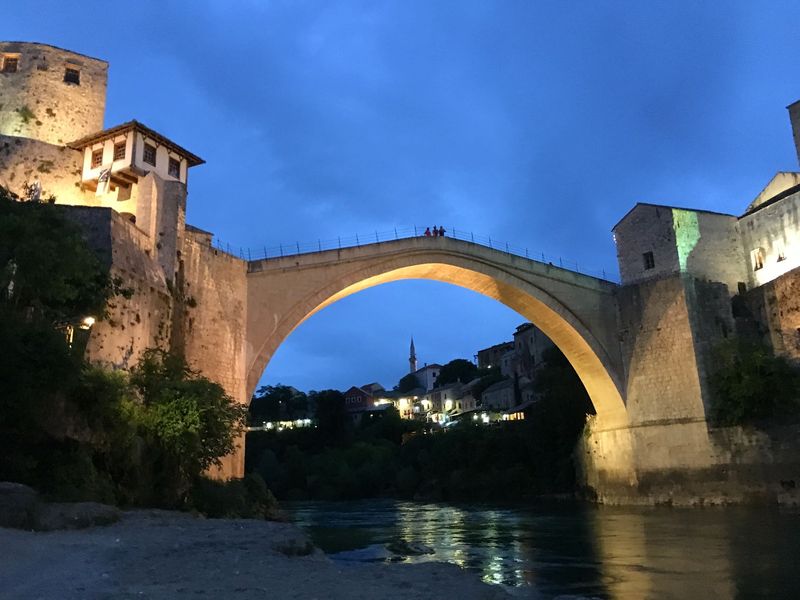
Few bridges have a story as moving as this one. Stari Most was built in 1566 and rises as a graceful stone arch above the emerald-green Neretva River in Mostar.
It stood for more than four centuries before being destroyed in 1993 during the Bosnian War. An international reconstruction effort brought it back, and it reopened in 2004.
A year later, it became a UNESCO World Heritage Site.
Today, visitors can walk across the distinctive stone surface and explore the narrow streets of the Old Town. Riverside terraces and viewpoints give wonderful places to look back at the arch.
Historic Ottoman-era buildings and steep hillsides frame the scene. That blend of beauty and history makes Stari Most a fitting first-place choice for this ranking.
The stone can be slippery, so wear shoes with good grip.
Share this story