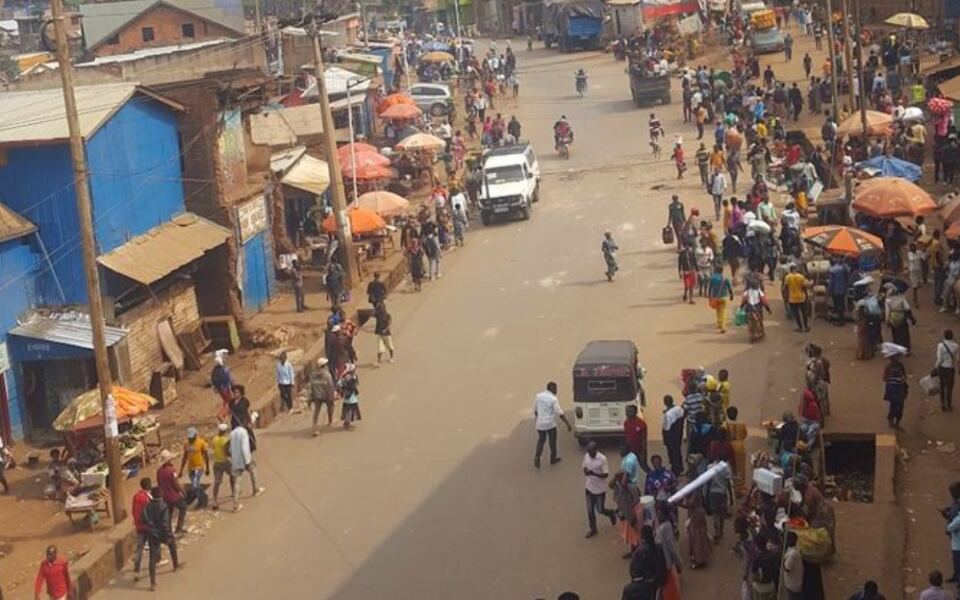
The world’s population is constantly changing, and by 2050, some countries will look very different than they do today. Population growth is shaped by birth rates, healthcare improvements, and economic development.
Understanding which countries are growing the fastest helps us think about future challenges like food, water, and jobs. Here are the 15 countries expected to have the largest populations by 2050.
1. India

India has already surpassed China as the world’s most populous country, and by 2050, it is expected to reach around 1.67 billion people. That is a staggering number that puts enormous pressure on housing, education, and employment.
India’s young population is one of its greatest strengths. A large share of its people are under 30, meaning the workforce is growing rapidly.
This could drive major economic growth over the coming decades.
However, managing resources for so many people remains a serious challenge. Cities like Mumbai and Delhi are already among the most crowded in the world.
Urban planning and infrastructure investment will be critical to keeping pace with population demand.
2. China
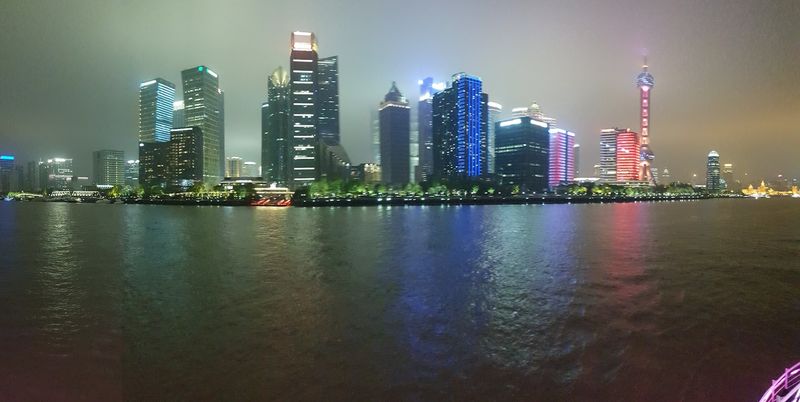
For decades, China held the title of the world’s most populous nation, but that era has ended. By 2050, China’s population is projected to decline to around 1.3 billion due to its aging population and low birth rate.
China’s one-child policy, which ran from 1980 to 2015, significantly reduced birth rates. Now the country is dealing with an older population and fewer young workers entering the economy.
The government has encouraged families to have more children, but results have been slow.
Even with a shrinking population, China will still rank among the top two most populated countries globally. Managing healthcare and retirement costs for a large elderly population will be one of China’s biggest challenges heading into the second half of the century.
3. Pakistan
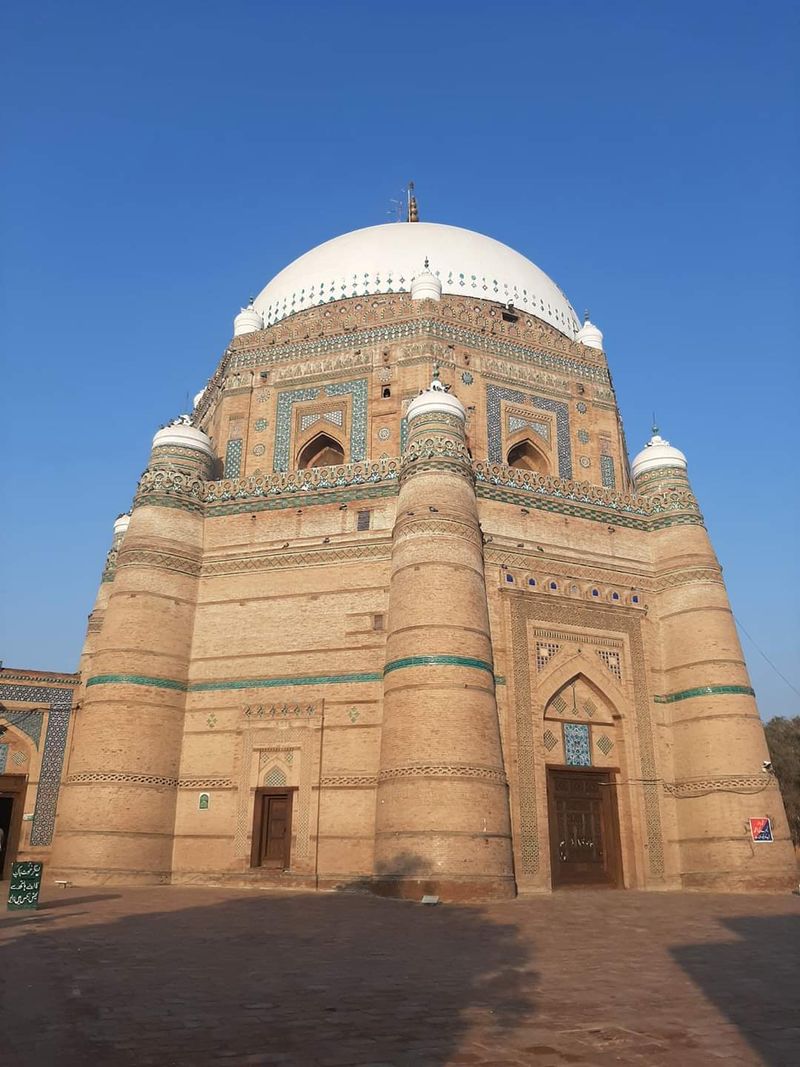
Pakistan’s population growth rate is one of the fastest among large nations. By 2050, the country is expected to be home to around 400 million people, making it one of the most populous nations on Earth.
Currently sitting at over 230 million, Pakistan has a very young population with a median age around 20 years. That youth bulge brings enormous potential but also significant pressure on schools, hospitals, and job markets.
Water scarcity is a growing concern in Pakistan, and feeding a population of 400 million will require major agricultural advances. Urban areas like Karachi and Lahore are already stretched thin.
Policymakers are working to address these challenges, but the pace of change will need to accelerate significantly to keep up with population growth.
4. United States

The United States is projected to have a population of around 375 to 400 million by 2050. Unlike many other wealthy nations, the U.S. continues to grow steadily, largely thanks to immigration and a relatively stable birth rate.
Immigration plays a huge role in keeping America’s population growing. Millions of people move to the U.S. each year seeking better opportunities, and they contribute greatly to the workforce and cultural fabric of the country.
An aging baby boomer generation will put pressure on Social Security and healthcare systems in the coming decades. At the same time, a younger, more diverse generation is stepping up to fill key roles in the economy.
The United States remains one of the few developed nations expected to see meaningful population growth through 2050.
5. Nigeria
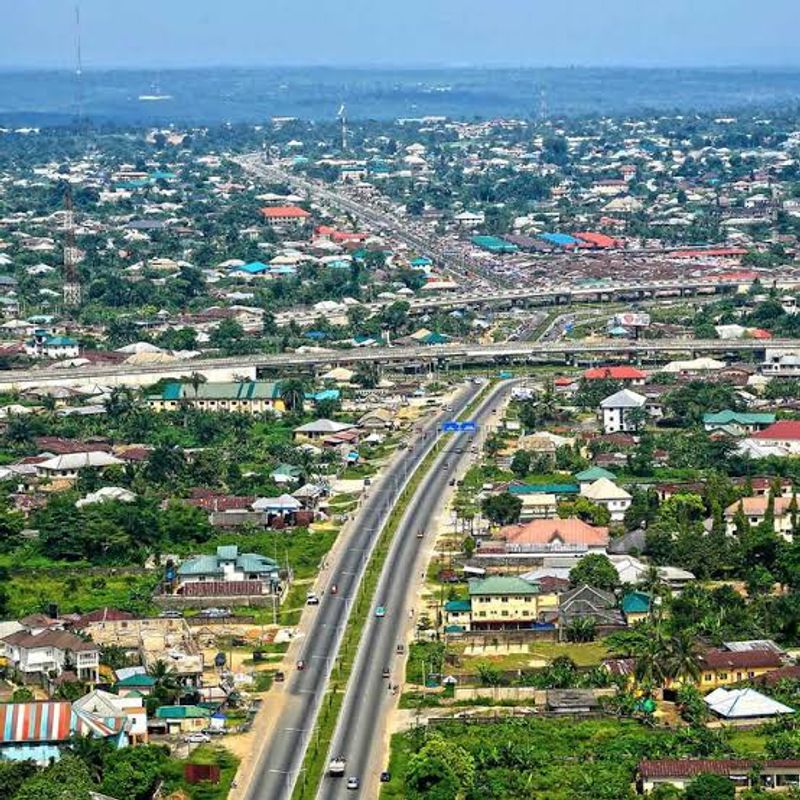
Nigeria’s population growth is extraordinary. Currently home to around 220 million people, Nigeria is projected to surpass the United States and become the third most populous country in the world by 2050, with an estimated 400 million or more residents.
Africa’s most populous nation has an incredibly young population, with more than 40 percent of its people under the age of 15. This youth wave could transform Nigeria into an economic powerhouse if the right investments are made in education and infrastructure.
However, rapid population growth also brings serious challenges. Nigeria faces issues with food security, unemployment, and inadequate public services.
Lagos is already one of the fastest-growing cities on the planet. How Nigeria manages its resources and urban expansion over the next few decades will shape the future of the entire African continent.
6. Indonesia
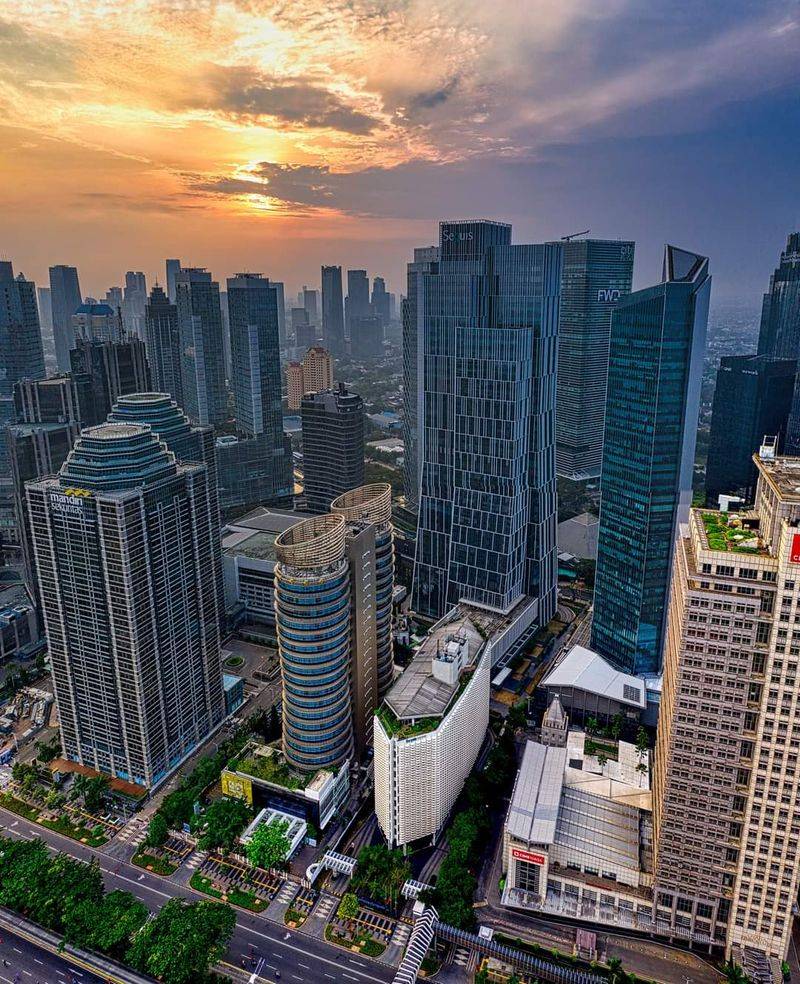
Spread across more than 17,000 islands, Indonesia is already the fourth most populous country in the world. By 2050, its population is expected to reach around 320 to 340 million people, cementing its place among the global giants.
Indonesia has made impressive strides in reducing poverty and improving healthcare over recent decades. Life expectancy has risen, and more children are surviving into adulthood, both of which contribute to population growth.
The country’s growing middle class is also reshaping demand for goods and services.
Managing population growth across such a geographically scattered nation is uniquely challenging. Jakarta, the current capital, is sinking due to overpopulation and excessive groundwater use.
The government has already announced plans to move the capital to a new city called Nusantara, partly to relieve the pressure on Java’s overcrowded coast.
7. Ethiopia
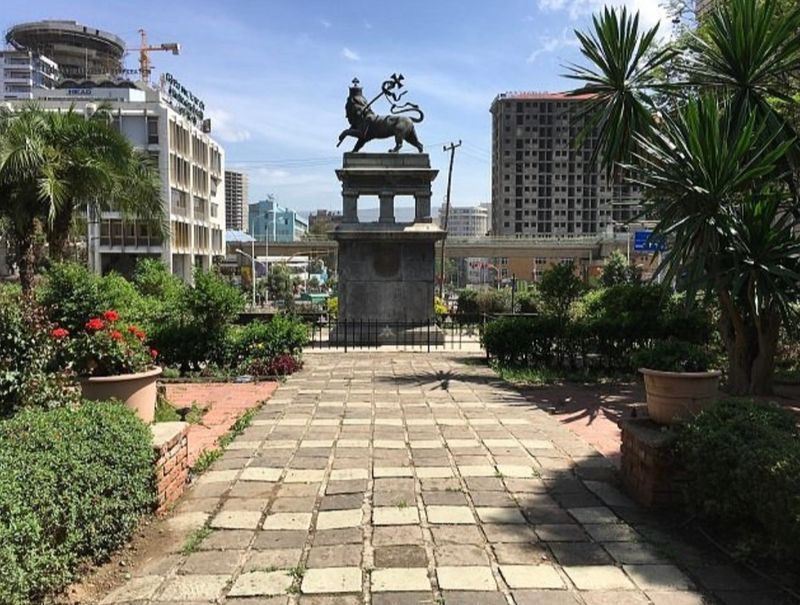
Ethiopia is one of the fastest-growing populations in the world. From around 125 million today, the country is projected to grow to over 220 million by 2050, which would make it one of Africa’s largest nations by population.
Located in the Horn of Africa, Ethiopia has historically faced serious challenges including drought, famine, and conflict. Yet the country has shown remarkable resilience and economic growth over the past two decades.
Infrastructure projects and agricultural improvements have helped lift millions out of poverty.
Still, a rapidly growing population puts pressure on land, water, and food supplies in a country where many people depend on small-scale farming. Climate change poses an additional threat to agricultural productivity.
Ethiopia’s ability to harness its young workforce while managing environmental stress will define its path forward in the coming decades.
8. Democratic Republic of the Congo
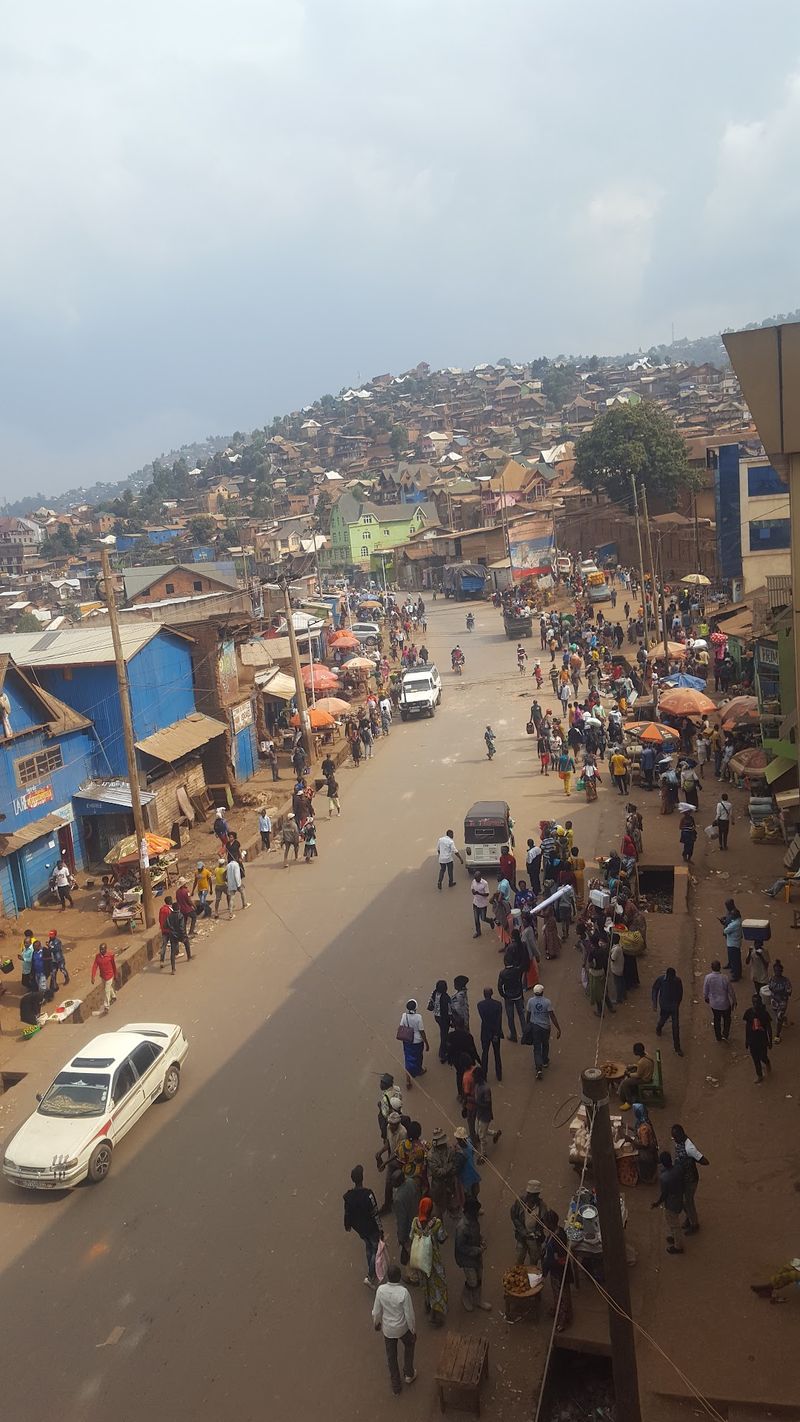
Few countries in the world are growing as fast as the Democratic Republic of the Congo. Currently home to around 100 million people, the DRC is projected to reach nearly 250 million by 2050, making it one of the most dramatic population surges on the planet.
The DRC has one of the world’s highest birth rates. Families are large, and access to family planning services remains limited in many rural areas.
Combined with improving child survival rates, this means the population is expanding at a rapid pace.
The country is rich in natural resources, including vast deposits of cobalt, coltan, and diamonds. But decades of conflict and political instability have prevented these riches from benefiting most citizens.
If the DRC can achieve peace and good governance, its enormous population could become a powerful economic force in central Africa.
9. Bangladesh
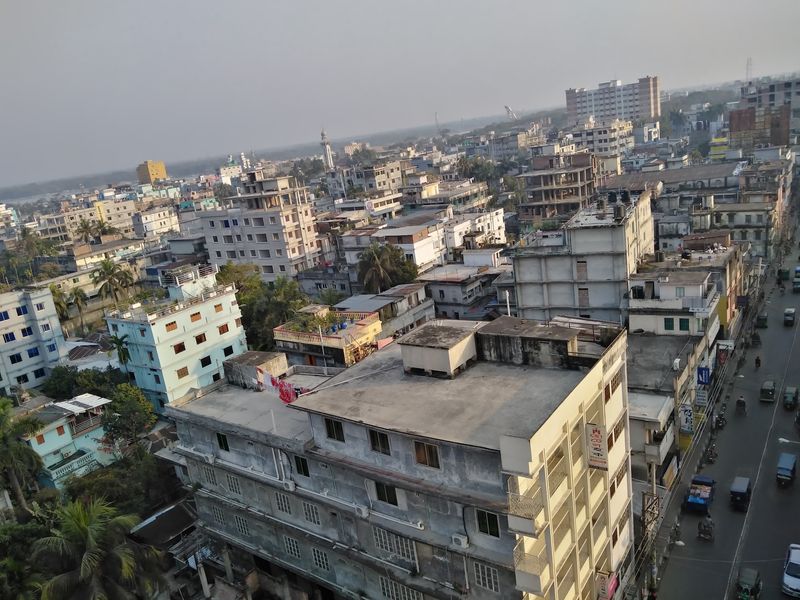
Bangladesh is one of the most densely populated countries in the world. Despite being roughly the size of the U.S. state of Iowa, it is home to over 170 million people.
By 2050, that number is expected to climb to around 200 million.
What makes Bangladesh remarkable is how much it has achieved despite its challenges. Poverty rates have dropped significantly, and the country’s garment industry has become a global powerhouse.
Women’s empowerment and access to education have also helped slow the birth rate compared to previous decades.
Climate change is a major threat to Bangladesh’s future. Much of the country sits at or near sea level, and rising oceans could displace tens of millions of people.
Managing population growth while adapting to environmental risks makes Bangladesh one of the most complex development stories of the 21st century.
10. Brazil
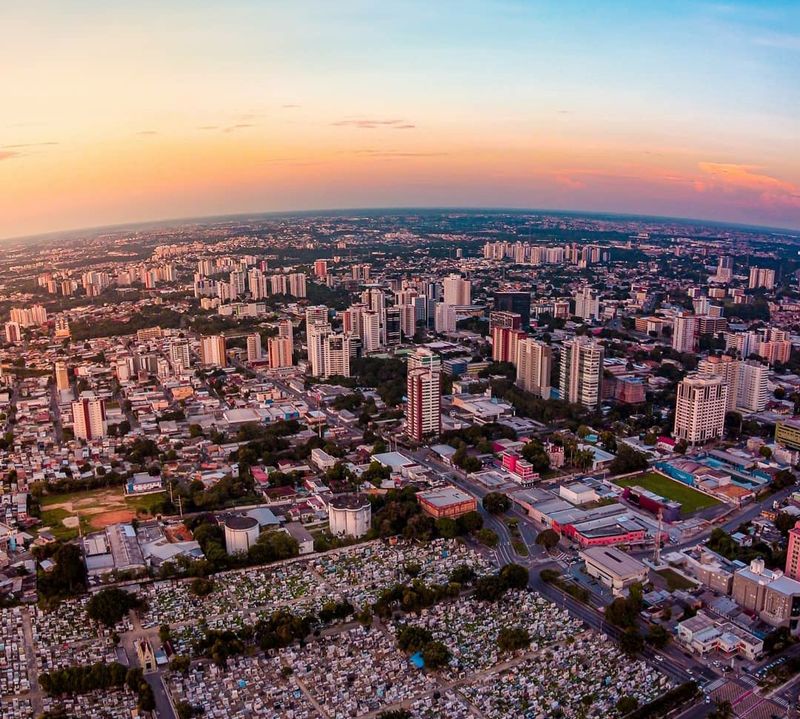
Brazil is South America’s largest country by both size and population. Currently home to around 215 million people, Brazil’s population is expected to peak near 230 million around 2050 before beginning a slow decline.
Unlike many countries on this list, Brazil’s birth rate has dropped significantly in recent decades. Women are having fewer children on average, and the population is aging.
This shift brings Brazil closer in pattern to European nations than to its fast-growing African counterparts.
Brazil’s diverse population is one of its defining features, shaped by Indigenous, African, European, and Asian heritage. Economic inequality remains a major challenge, with a wide gap between wealthy urban centers and poorer rural regions.
How Brazil manages its resources, reduces inequality, and supports an aging population will be central to its story through 2050 and beyond.
11. Egypt
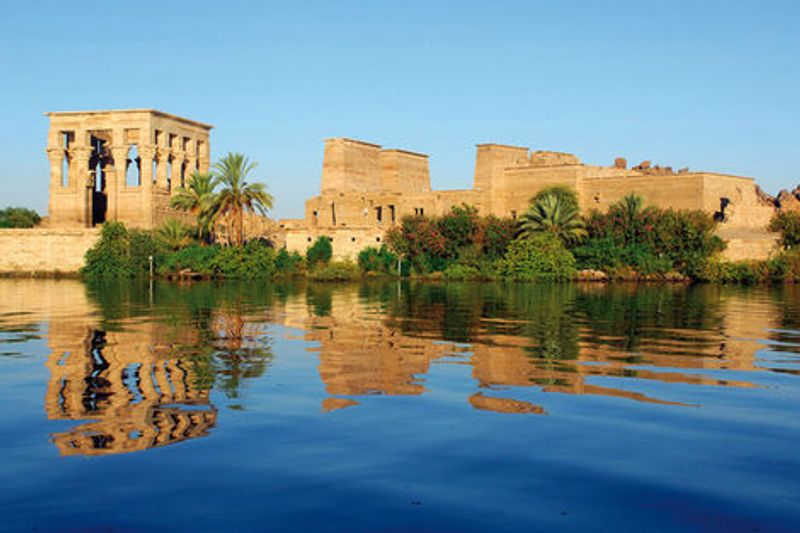
Egypt is the most populous country in the Arab world and one of the fastest-growing in the Middle East and North Africa region. Its population is expected to reach around 160 million by 2050, up from approximately 105 million today.
Most of Egypt’s people live in a narrow strip of land along the Nile River, making it one of the most densely settled areas on Earth. Cairo is already one of the most crowded cities in the world, and the pressure on housing, water, and food is intense.
The Egyptian government has been actively encouraging people to move to new cities being built in the desert to relieve congestion. Water from the Nile is another critical issue, especially with upstream countries like Ethiopia building large dams.
Egypt’s population future is closely tied to how well it manages its scarce natural resources.
12. Mexico
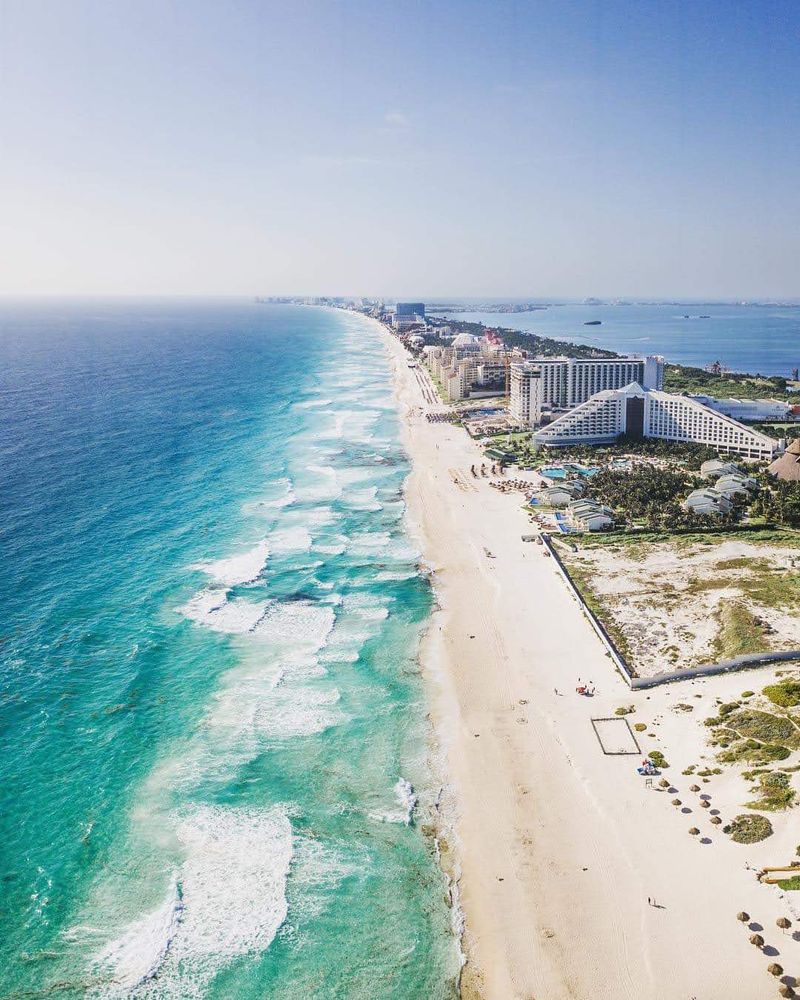
Mexico currently has a population of around 130 million, and by 2050 that number is projected to grow to approximately 155 to 160 million. While growth is slower than in African or South Asian nations, Mexico still ranks among the world’s most populous countries.
Mexico’s birth rate has declined steadily over the past few decades as more women enter the workforce and gain access to education. The population is gradually aging, which will create new demands for pension systems and elder care services.
Mexico City remains one of the largest metropolitan areas in the world, home to over 20 million people in its greater urban area. Economic ties with the United States, particularly through trade agreements like the USMCA, play a major role in shaping Mexico’s economic growth and its ability to support a larger population through 2050.
13. Russia
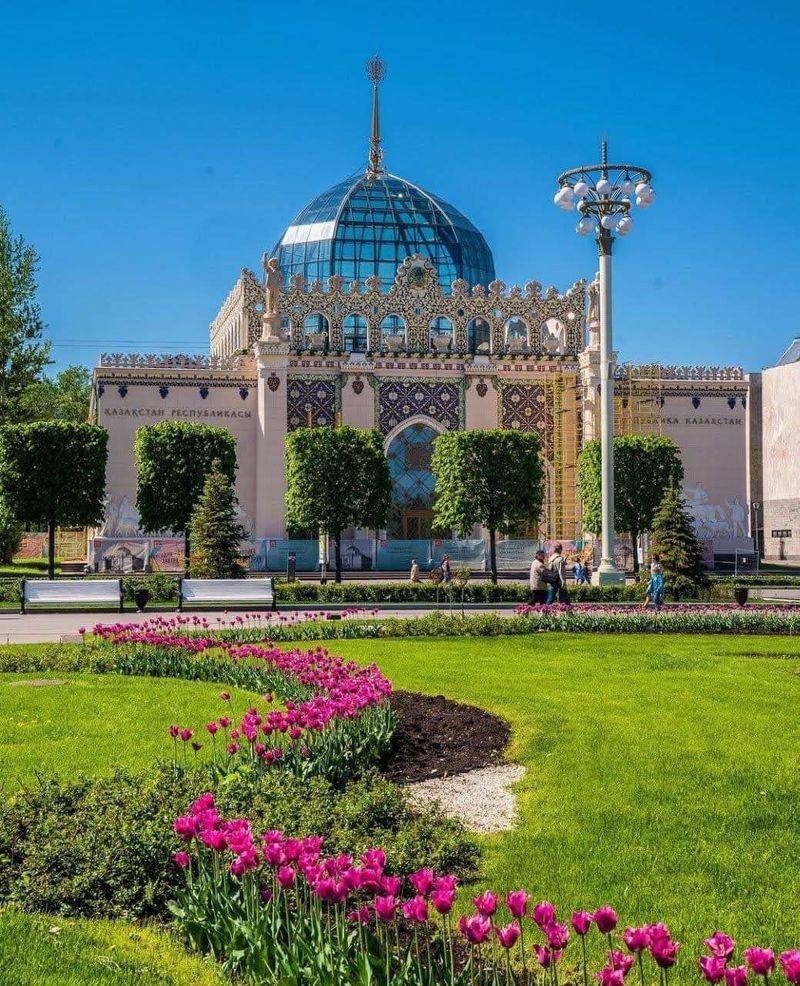
Russia is a unique case on this list. Currently the ninth most populous country in the world with around 145 million people, Russia’s population is actually expected to decline slightly by 2050.
Yet it still ranks among the world’s largest populations in absolute terms.
Russia has one of the lowest birth rates in the world and a high mortality rate among working-age men, partly due to alcohol-related illness. These trends have made population growth nearly impossible without significant immigration, which remains politically controversial.
The country spans 11 time zones and has vast natural resources, but its shrinking and aging workforce is a growing economic concern. The Russian government has tried various incentives to encourage larger families, with limited success.
Russia’s demographic trajectory stands in sharp contrast to the rapid growth seen in African and South Asian nations on this list.
14. Philippines
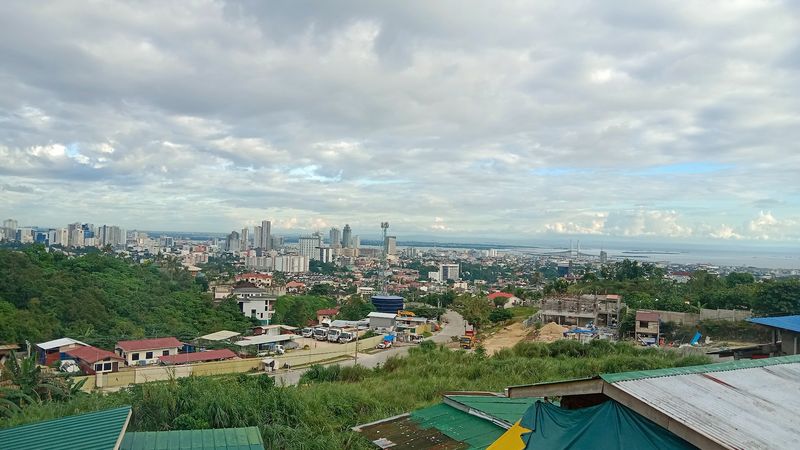
The Philippines is a Southeast Asian archipelago nation that punches well above its weight in population terms. Currently home to around 115 million people, the country is projected to grow to about 150 million by 2050.
The Philippines has one of the highest birth rates in the region, driven in part by cultural and religious factors that favor large families. The Catholic Church has historically played a strong role in shaping attitudes toward family planning, though younger generations are increasingly open to smaller families.
Manila is one of the most densely populated cities in the world, and urban crowding is a serious daily reality for millions of Filipinos. Despite this, the country has a vibrant economy and a highly educated, English-speaking workforce.
Filipino workers are found in countries around the globe, and remittances from abroad make up a significant part of the national economy.
15. Tanzania
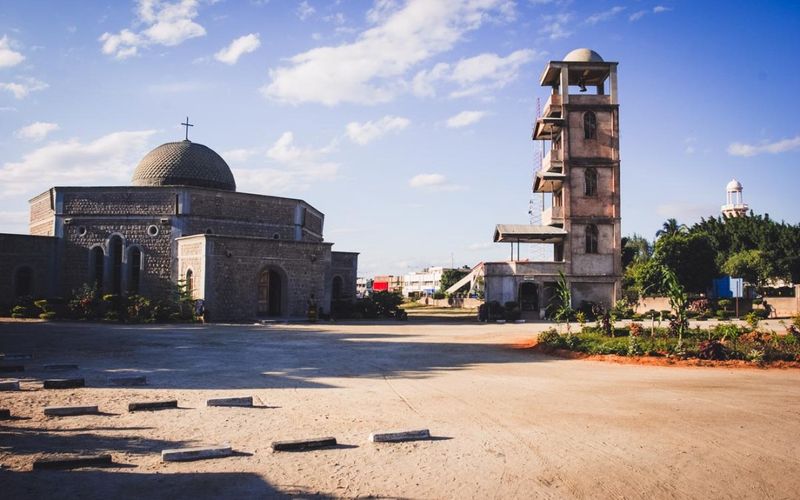
Tanzania may surprise many people by appearing on this list, but the numbers are striking. From around 65 million today, Tanzania’s population is projected to soar to over 150 million by 2050, making it one of the fastest-growing nations on the planet.
Tanzania has one of the highest fertility rates in the world, with women averaging around five children each. Combined with improving child survival rates and longer life expectancy, this creates a powerful engine of population growth that is reshaping the country’s future.
Located in East Africa, Tanzania is home to iconic landmarks like Mount Kilimanjaro and the Serengeti. But behind the natural beauty lies a country racing to build schools, hospitals, and infrastructure for a rapidly expanding population.
If Tanzania can invest wisely in education and economic opportunity, its young population could become one of Africa’s greatest assets by mid-century.
Share this story