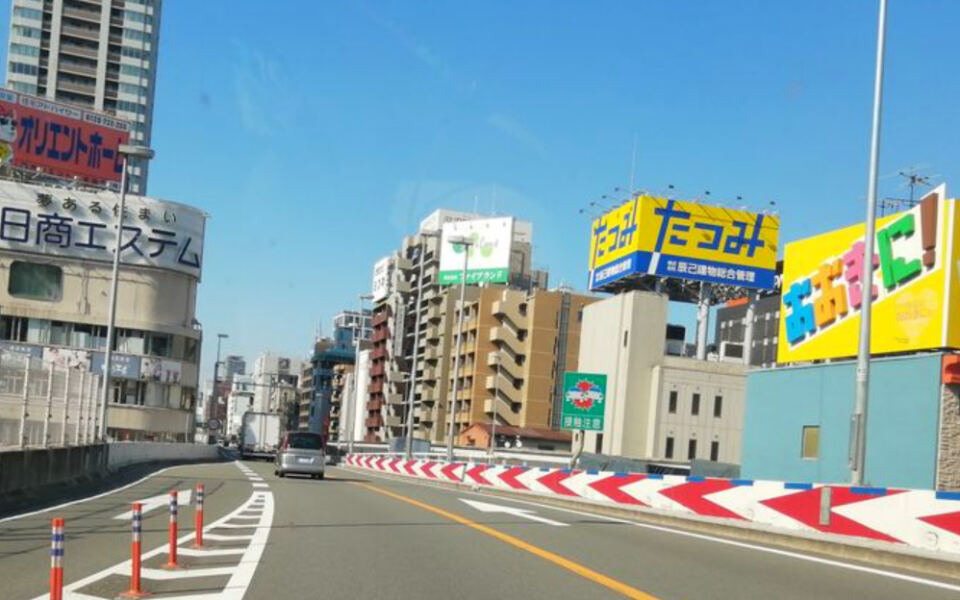
Getting a driver’s license might seem like a simple rite of passage, but in some countries, it is anything but easy. From months of mandatory training to multi-stage exams that test everything from hazard perception to first aid, the process can be long, expensive, and demanding.
Understanding how different countries approach road safety through their licensing systems can be eye-opening. Here is a look at 15 countries where earning the right to drive takes serious effort.
1. Singapore

Singapore takes road safety seriously, and its licensing process reflects that commitment fully. Aspiring drivers must enroll in a government-approved driving center or hire a private instructor, both of which come with significant costs.
The total expense can easily exceed $2,000 Singapore dollars.
The process includes a Basic Theory Test, a Final Theory Test, and a practical driving test. Each stage must be passed before moving to the next, and there are no shortcuts available.
The practical test is graded on a demerit-point system, meaning even small errors can result in a fail.
Singapore also has strict rules about the minimum number of lessons required before taking the practical exam. Because the city-state has limited road space and dense traffic, driving standards are kept extremely high.
Many candidates need multiple attempts before successfully clearing the final driving assessment.
2. Finland
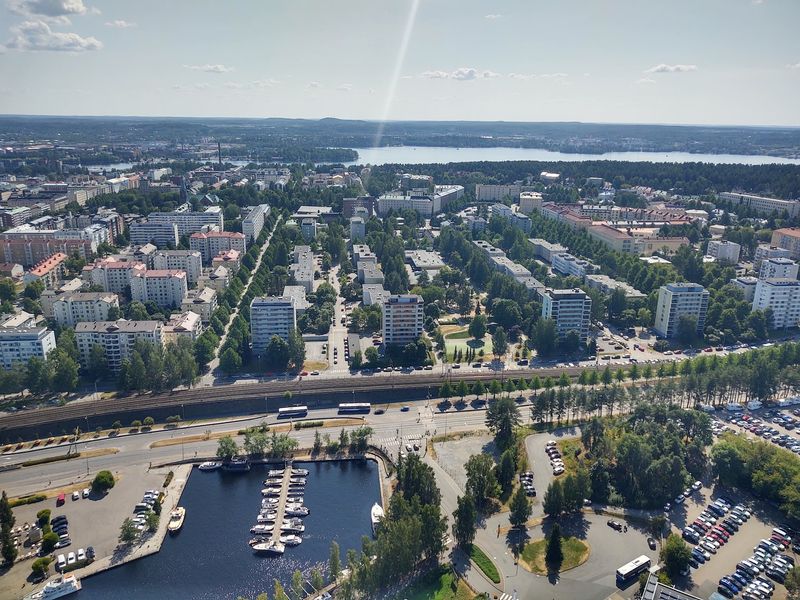
Finland’s licensing system is widely regarded as one of the most thorough in Europe. The process is split into multiple phases spread over several years, designed to expose new drivers to a variety of real-world conditions.
Learner drivers must complete training in normal conditions, slippery conditions, and even darkness.
Phase one involves basic driving skills and theory, while phase two, completed after holding a provisional license for at least nine months, includes advanced training on skid tracks. This hands-on experience in icy and slippery conditions is a standout feature of the Finnish system.
The cost of completing all phases can reach several thousand euros. Finland’s approach is built around the idea that safe driving requires experience across different seasons and road conditions.
The structured, phased system means new drivers gradually earn more independence rather than jumping straight into full privileges.
3. Japan
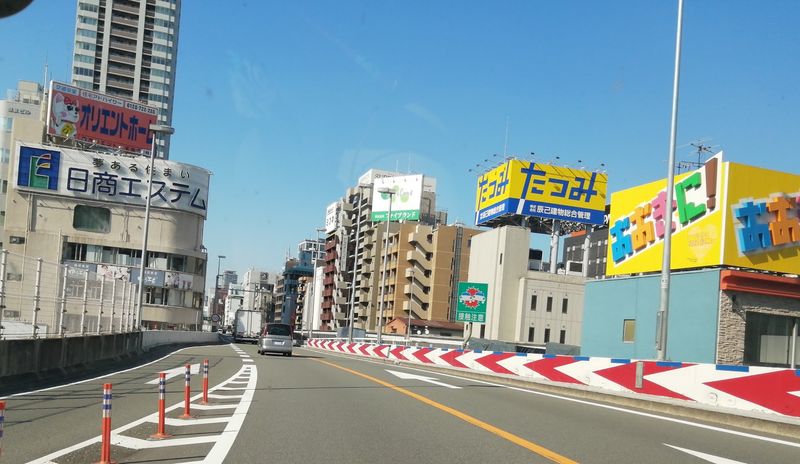
Japan’s licensing process is considered one of the most rigorous in the world. Most applicants attend a licensed driving school, where they spend weeks practicing on closed courses before ever touching a public road.
The schools are expensive, often costing between $2,000 and $3,500.
After completing school, candidates must pass a written knowledge test, a skills exam, and a vision check. Foreign license holders from many countries cannot simply exchange their licenses and must start the process from scratch.
The written test alone has a reputation for tricky wording that trips up even careful readers. Japan’s approach reflects its strong commitment to road safety and orderly traffic culture.
Failing once is common, and some people attempt the test multiple times before passing. The whole process can take several months to complete from start to finish.
4. Germany
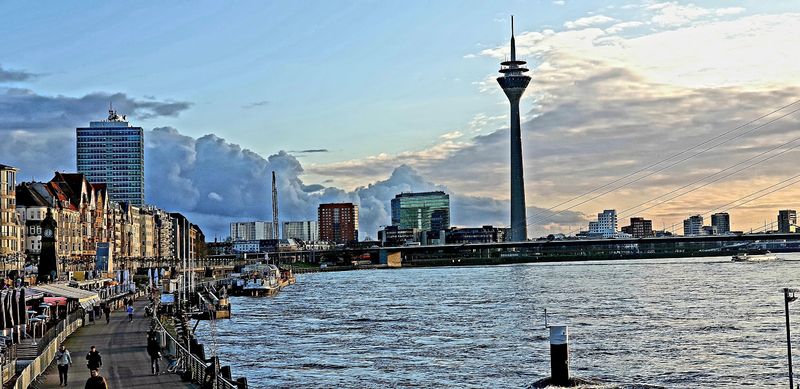
Germany’s Fahrschule system is famous for being both thorough and expensive. Before sitting behind the wheel, students must complete a set number of theory lessons and pass a written exam that covers traffic laws, road signs, and first aid basics.
The theory test alone contains 1,000 possible questions.
Practical training includes mandatory lessons on the Autobahn, in darkness, and on rural roads. This ensures new drivers are prepared for the wide variety of driving environments Germany offers.
The minimum required hours of instruction are set by law, and students cannot skip them.
On average, getting a German license costs between 1,500 and 2,500 euros, making it one of the priciest in Europe. The first aid course is a legal requirement before even applying.
Germany’s system prioritizes competence over speed, which helps explain the country’s relatively strong road safety record.
5. Norway

Norway structures its driver training into four clearly defined steps, each building on the last before a candidate can apply for a full license. The process begins with basic vehicle control and ends with a final practical test that evaluates real-world driving skills across varied road types.
One of the most distinctive elements is mandatory training on a slippery driving course. Norway’s icy winters make this a practical necessity rather than just a formality.
Candidates also complete training in darkness and on high-speed roads to ensure they are ready for all conditions.
The minimum age to start training is 16, but the full license is only granted at 18. Private practice with a guardian is allowed under specific rules, which can help reduce costs.
Even so, completing the full process typically costs between 20,000 and 40,000 Norwegian kroner, depending on how many lessons are needed.
6. Switzerland
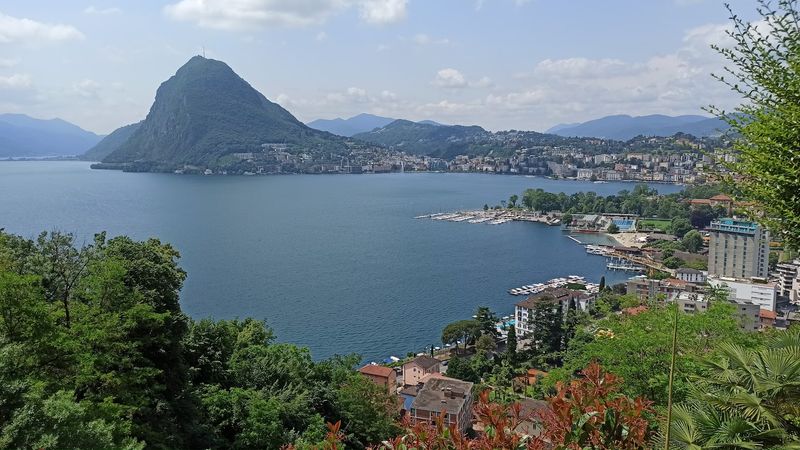
Switzerland requires new drivers to jump through several hoops before they earn the right to drive independently. The process starts with a mandatory first aid course and a traffic awareness seminar, both of which must be completed before any practical driving lessons begin.
After passing a theory exam and completing driving lessons, candidates receive a two-year probationary license. During this period, they must complete two additional training days focused on safe driving and hazard awareness.
Only after finishing these days can a permanent license be issued.
The total cost of getting a Swiss license can range from 3,000 to over 5,000 Swiss francs, making it one of the most expensive processes in the world. Speeding or other violations during the probationary period can extend the waiting time for a full license.
Switzerland clearly prioritizes building responsible habits from the very beginning of a driver’s journey.
7. Denmark

Denmark’s licensing process is known for being both comprehensive and costly. Students must complete a theory course, a first aid course, and a maneuvering course on a closed track before they are allowed to drive on public roads.
Each step is regulated and cannot be skipped.
The practical training includes lessons in darkness, on motorways, and in slippery conditions using a skid track. These requirements ensure that new drivers are not caught off guard by challenging situations they have never encountered before.
The theory exam covers a wide range of traffic scenarios and road rules.
Getting a Danish license typically costs between 20,000 and 30,000 Danish kroner, which is roughly $3,000 to $4,500. The structured approach means the process takes several months from start to finish.
Denmark’s investment in thorough training contributes to its consistently low traffic fatality rates across the country.
8. Netherlands
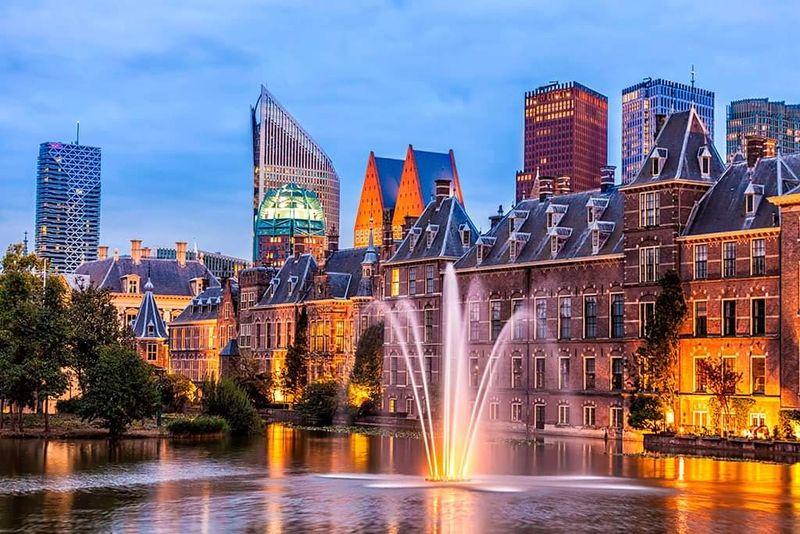
The Netherlands has a reputation for producing careful, well-trained drivers, and the licensing system plays a big role in that outcome. Candidates must pass both a theory exam and a practical driving test, but the process goes further than just those two components.
Theory training in the Netherlands often includes hazard perception tests, where candidates watch video clips and must identify developing dangers quickly and accurately. The practical exam is graded strictly, with examiners watching for smooth, confident, and safe driving throughout the entire test route.
Many students take between 30 and 50 lessons before feeling ready for the exam, and the total cost often reaches 2,000 euros or more. The pass rate for the practical test hovers around 50 percent, meaning many applicants fail at least once.
The Dutch system rewards preparation, patience, and consistent practice over time.
9. Sweden

Sweden takes a long-term view of driver education, offering a graduated licensing system that encourages learners to build experience gradually before testing. Supervised driving with a parent or guardian is allowed from the age of 16, giving young drivers years of practice before they sit the formal exam.
Despite this flexibility, the formal licensing process still includes mandatory training components such as a risk education course and a skid control session at a special driving facility. These sessions teach drivers how to handle loss of traction, which is especially important in Sweden’s snowy winters.
The theory test and practical exam are both challenging, and pass rates are not particularly high on the first attempt. Costs vary depending on how much private practice a candidate completes versus paid lessons.
Sweden’s system is built around the belief that more experience behind the wheel leads directly to safer roads for everyone.
10. United Kingdom

Passing a driving test in the United Kingdom is tougher than many people expect. The hazard perception test, which is part of the theory exam, requires candidates to spot developing dangers in video clips by clicking at exactly the right moment.
Clicking too rapidly or too slowly can cost valuable marks.
The practical driving test lasts about 40 minutes and includes independent driving, where the candidate must follow directions from a sat-nav or road signs without prompting. Examiners assess everything from mirror checks to smooth braking and proper lane positioning throughout the route.
The national pass rate for the practical test sits at around 47 percent, meaning more than half of all first-time candidates fail. Learning to drive in the UK costs an average of over 1,000 pounds when lessons, theory, and test fees are all added together.
Preparation and consistency are the keys to success.
11. Austria
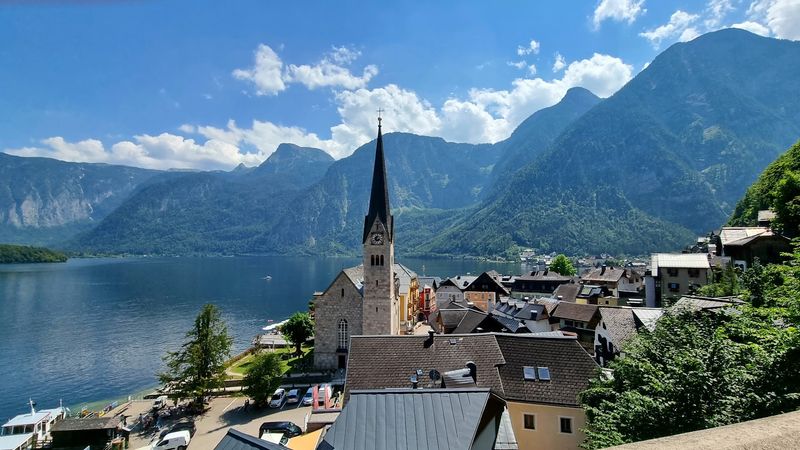
Austria’s driver licensing process involves more than just learning to steer and park. Before any driving lessons begin, candidates must complete a first aid course and a theory course covering traffic rules, road signs, and safe driving principles.
These are legal requirements with no exceptions.
The practical training is divided into basic driving skills and advanced driving, which includes lessons in low-visibility conditions and on motorways. Austria also requires a separate session on eco-friendly driving, teaching candidates how to reduce fuel consumption and emissions while driving safely.
The total cost of getting an Austrian license can range from 1,500 to 2,500 euros, depending on how many hours of instruction a student needs. The theory exam is computer-based and covers a broad range of traffic scenarios.
Austria’s layered approach ensures that new drivers are well-rounded, safety-conscious, and aware of their environmental impact on the road.
12. South Korea

South Korea’s licensing process was once considered relatively simple compared to other developed nations, but reforms over the years have made it considerably more demanding. The theory test covers a wide range of traffic laws, and candidates must score high enough to proceed to the practical exam.
The practical driving test takes place on a closed course that includes a series of technical challenges such as narrow lane driving, right-angle turns, and precise parking. Real-road driving was reintroduced as a requirement after being removed for a period, reflecting growing public concern about road safety standards.
Foreign residents looking to convert their home-country license to a Korean one may still face written tests depending on their country of origin. The process is not as lengthy or expensive as some European counterparts, but it has become noticeably stricter in recent years.
South Korea continues to raise its driving standards in response to traffic accident data.
13. France
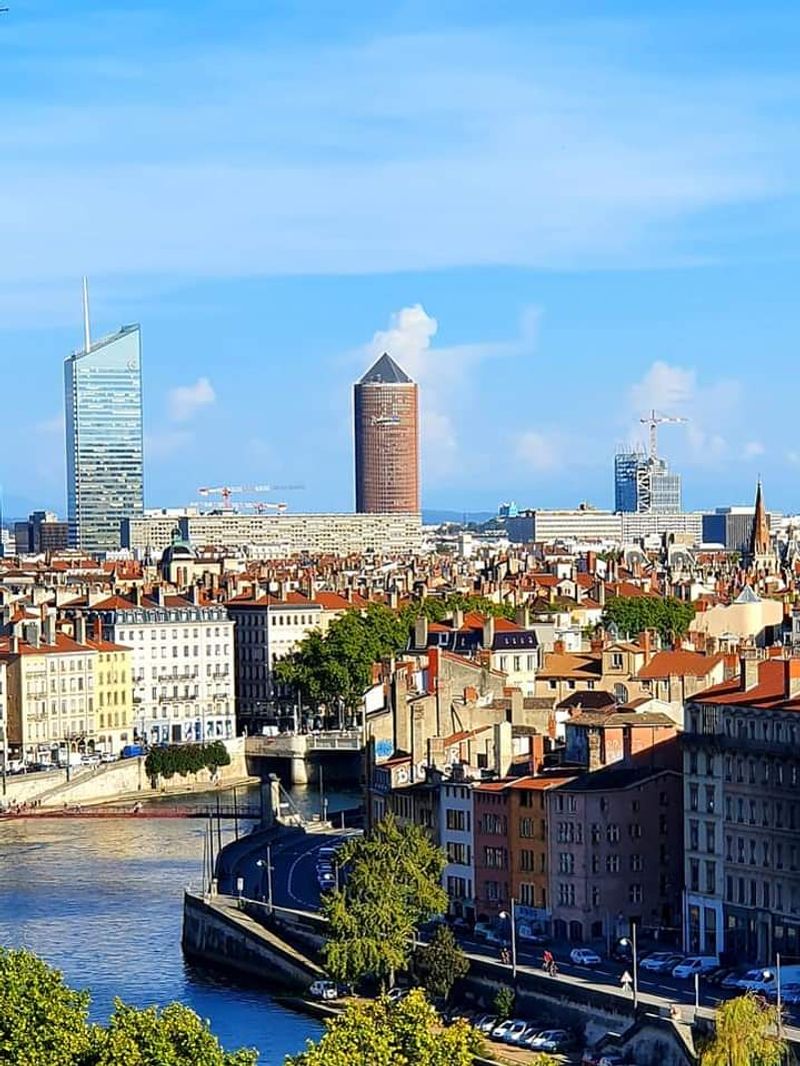
France requires learner drivers to spend considerable time and money before earning their license. The French system includes a mandatory theory exam known as the Code de la Route, which tests knowledge of traffic laws, road signs, and safe driving practices.
The exam has a reputation for being tricky and detailed.
After passing the theory test, candidates complete practical driving lessons at a registered auto-ecole. The minimum number of required hours is set by law, and students must log sufficient practice before sitting the practical exam.
Accompanied driving, which allows 15-year-olds to practice with a qualified adult, is also an option to build experience early.
The average cost of getting a French license is around 1,500 to 2,000 euros, and the process can take well over a year. Demand for driving school slots often creates long waiting times for test appointments.
France’s system is thorough, but the timeline can be frustrating for motivated candidates.
14. Australia
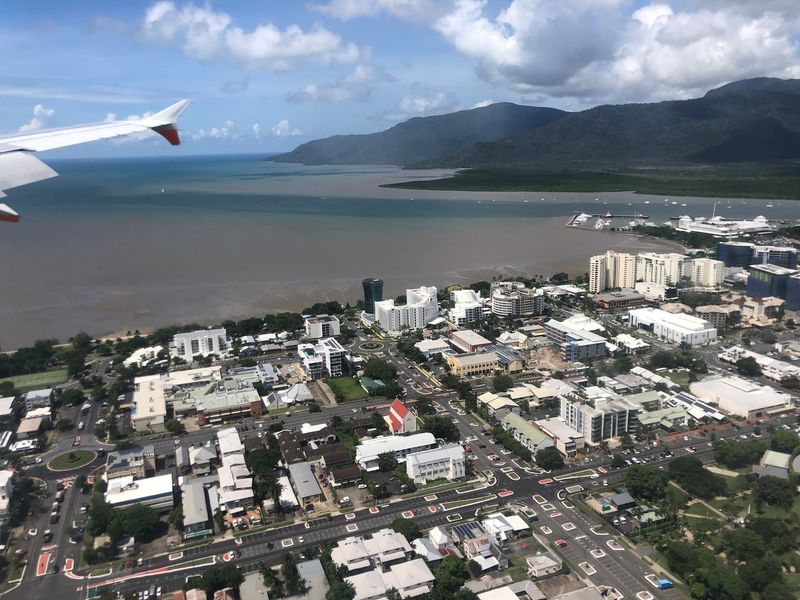
Australia’s graduated licensing system is one of the more time-consuming in the world, particularly for young drivers. In most states, learners must complete 120 hours of supervised driving before they can sit the practical test.
This requirement is designed to give new drivers broad, real-world experience before driving independently.
The process starts with a knowledge test covering road rules, followed by a learner license that allows supervised practice. After the practical driving test, new drivers move to a provisional license phase that comes with speed restrictions and a zero blood alcohol limit.
Full independence only comes after several years of incident-free driving.
Costs vary by state, but between lessons, tests, and logbook requirements, the total investment can be significant. The long supervised hours requirement means some learners spend a year or more in the learner stage alone.
Australia’s system clearly prioritizes experience as the foundation of safe driving.
15. New Zealand

New Zealand uses a three-stage licensing system that spreads the journey to a full license over a minimum of three years. The first stage is the learner license, earned by passing a written road rules test.
Learner drivers must be supervised at all times and are subject to strict conditions while on the road.
After at least six months, learners can attempt a practical test to earn a restricted license. This stage still comes with limitations, including restrictions on carrying passengers and a requirement to not drive late at night without a supervising driver present.
A full license is only available after holding the restricted license for at least 18 months and passing another practical test. The entire process takes a minimum of three years, making it one of the longest graduated systems in the world.
New Zealand’s approach reflects a serious effort to reduce its historically high rate of road fatalities.
Share this story